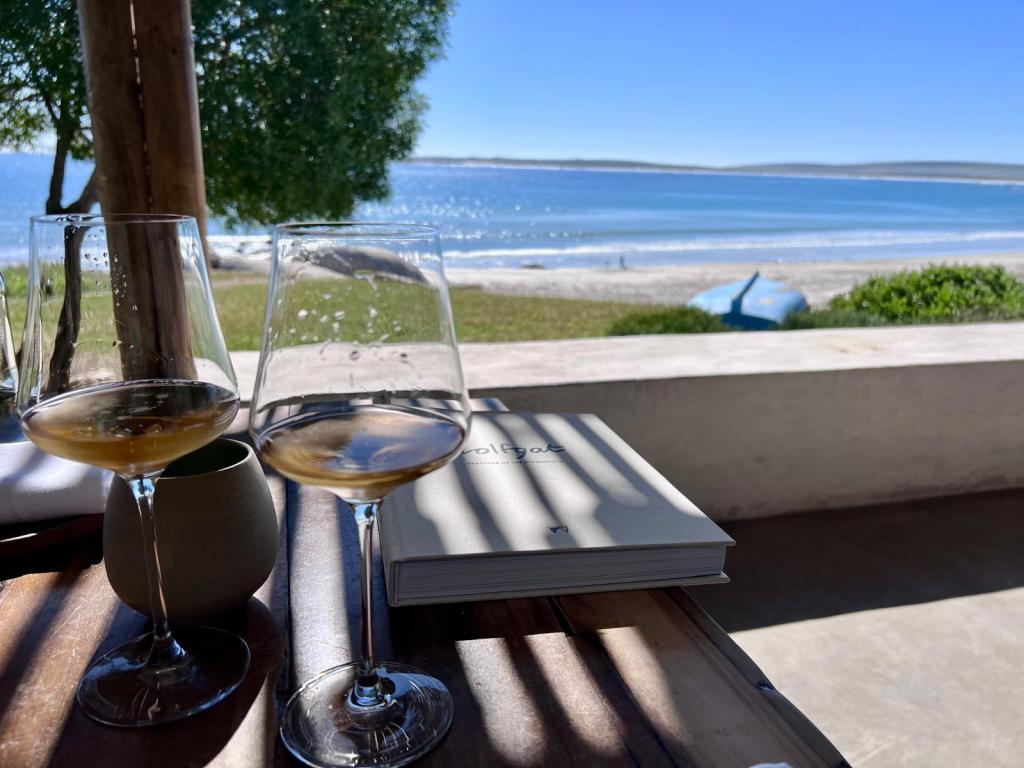
A handful of restaurants worldwide are truly of their place, restaurants that can be nowhere but where they are, restaurants that honour the food and the eating traditions of their very special place on the globe.
Chef Virgilio Martínez’s restaurant, MIL Centro Food Lab and Interpretation Center, in Peru sits beside the Inca site of Moray at around 3,568 metres. Rather than simply sourcing Peruvian ingredients, MIL constructs its menu around Andean ecosystems and altitude. Ingredients, agricultural practices and knowledge come from the surrounding landscape and communities.
MIL Centro works with more than 300 local producers, farmers and artisans, including neighbouring Indigenous communities whose knowledge of seasons, cultivation and the land feeds directly into the restaurant’s work.
Australia has Brae. Dan Hunter’s restaurant sits on its own organic farm in the Otways hinterland, and explicitly describes its cooking as creating dishes “uniquely of our place”. The farm isn’t simply a supplier to the restaurant. It shapes what can be cooked and when it can be cooked, alongside produce from surrounding farms and landscapes.
Ana Roš’s, Hiša Franko, is deeply connected to Slovenia’s remote Soča Valley and its mountain food culture.
Its cuisine grew from what was available in the surrounding environment: mountain herbs, wild plants, dairy, trout, game, fruit, mushrooms and produce from small farmers and artisans. What is particularly notable about Ana’s restaurant is the importance of the network of people around the restaurant. Producers aren’t anonymous suppliers; they’re part of the culinary ecosystem.
The resulting cuisine is internationally sophisticated but still unmistakably Slovenian and, more specifically, of the Soča Valley.
Congolese-born chef Dieuveil Malonga has made African ingredients, farmers and traditional food knowledge central to his work at Meza Malonga. His cooking draws on ingredients such as cassava leaves, sorghum, plantain, African spices and fermented products, combining them with contemporary techniques.
Malonga’s project extends beyond the restaurant. His work has involved travelling through African countries, learning from farmers and communities and building relationships between chefs and producers.
There are others, of course, in Mexico, the Kalahari, Sweden, and more.
And then there’s Wolfgat!
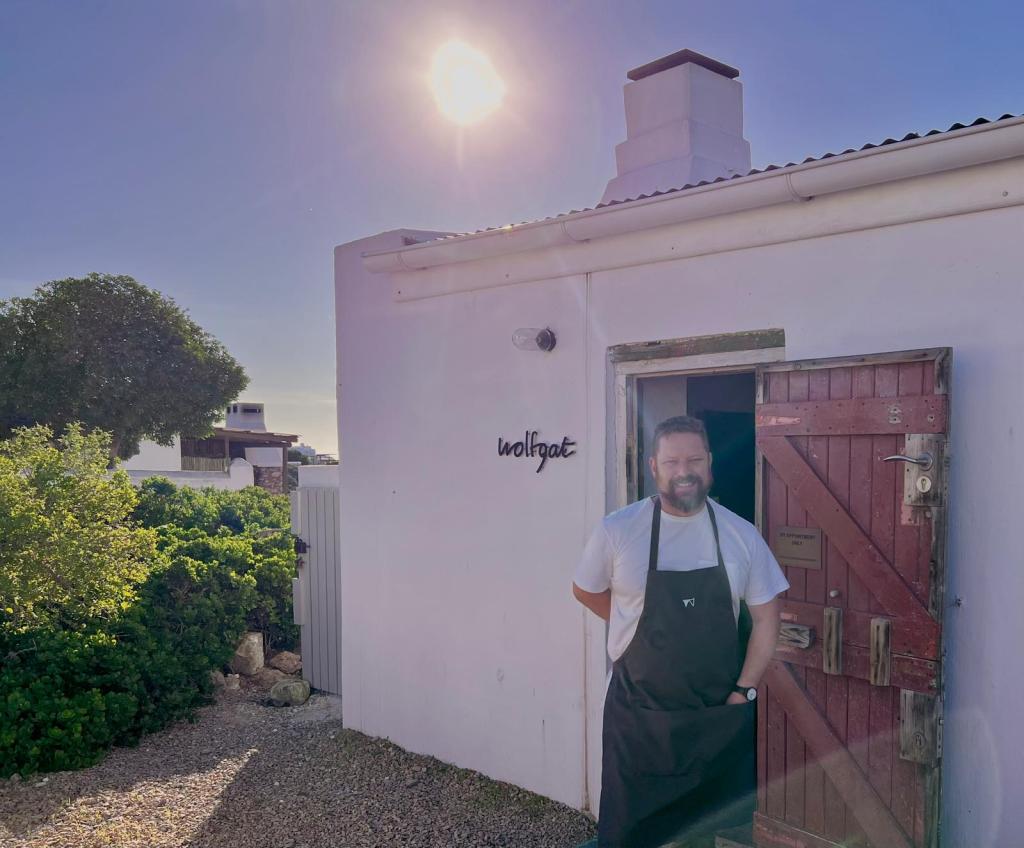
The philosophy of this remarkable little place goes beyond “local and seasonal”. Kobus van der Merwe is effectively cooking an edible portrait of the West Coast of South Africa. Indigenous Strandveld plants, seaweed gathered from nearby rock pools, sustainable seafood, local lamb and venison, garden produce and daily foraging all make the landscape part of the menu. Even the restaurant’s small scale (just 20 diners per sitting) is part of its sustainability philosophy. Here it’s on the menu when it’s available, and in sufficient quantities to harvest without damage to the local flora and fauna.
I can – of course – write endlessly about the philosophy behind the restaurant, its history, its accolades, but Wolfgat is a place of eating!
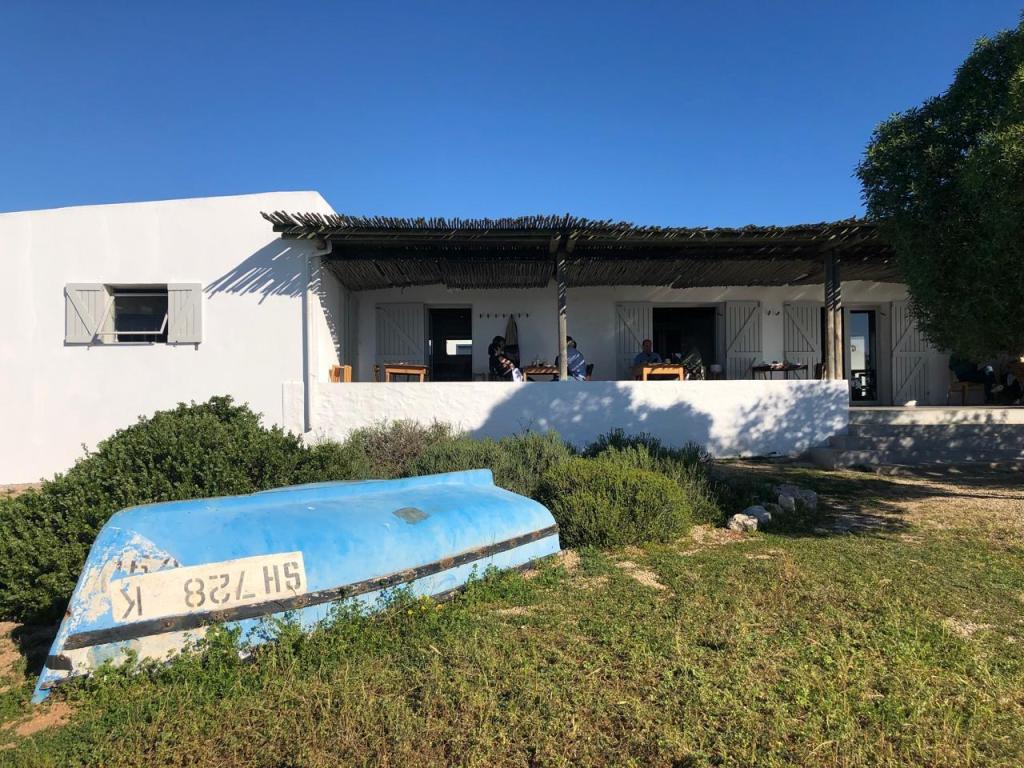
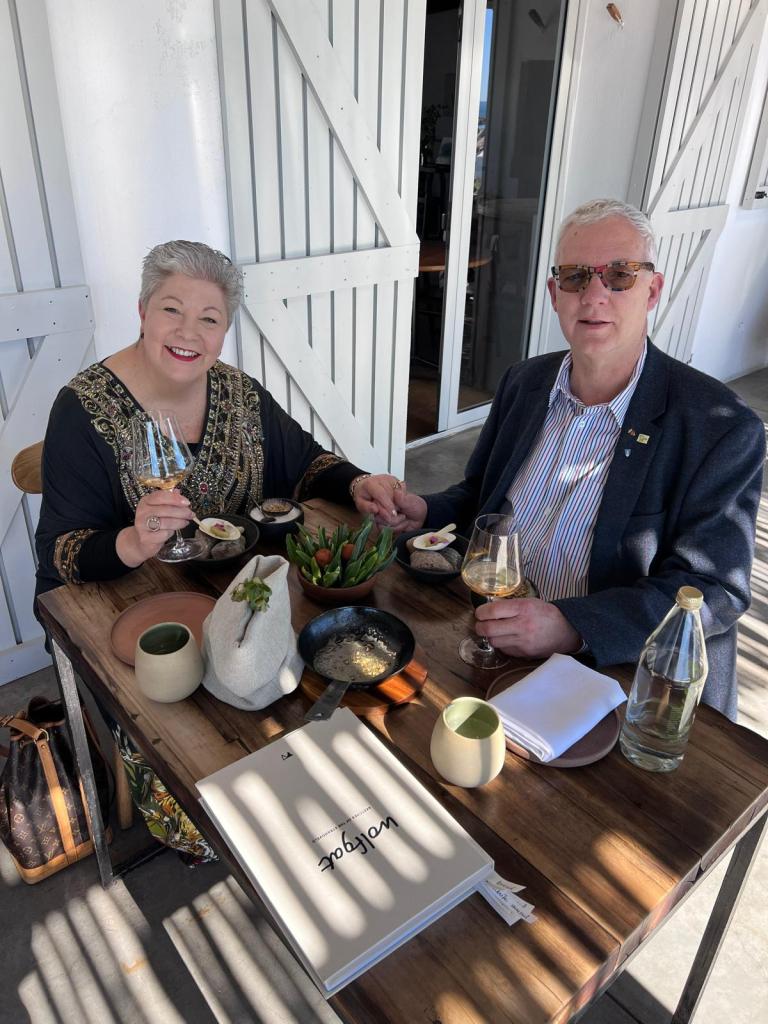
So what is it like to experience this Strandveld cuisine. In a word – amazing! Urbain described it as “less like eating, and more like theatre”, and that’s accurate, but – and it’s a big one – the food remains central. We sat on the stoep (verandah) overlooking the ocean, while a parade of little culinary miracles was placed before us.
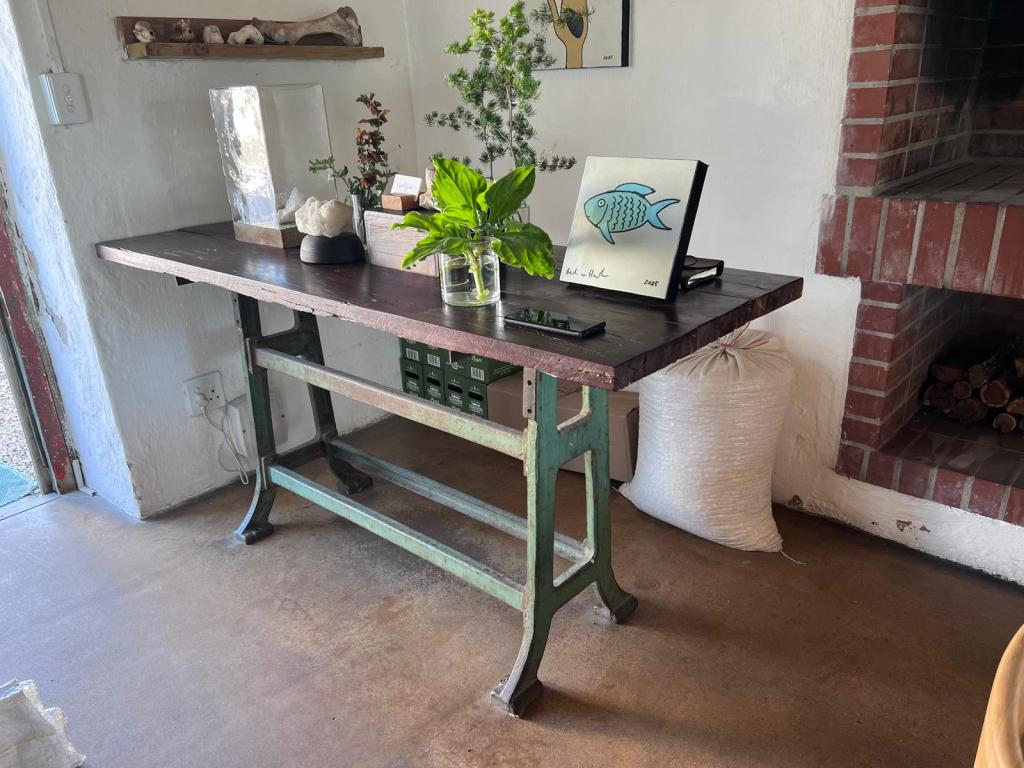
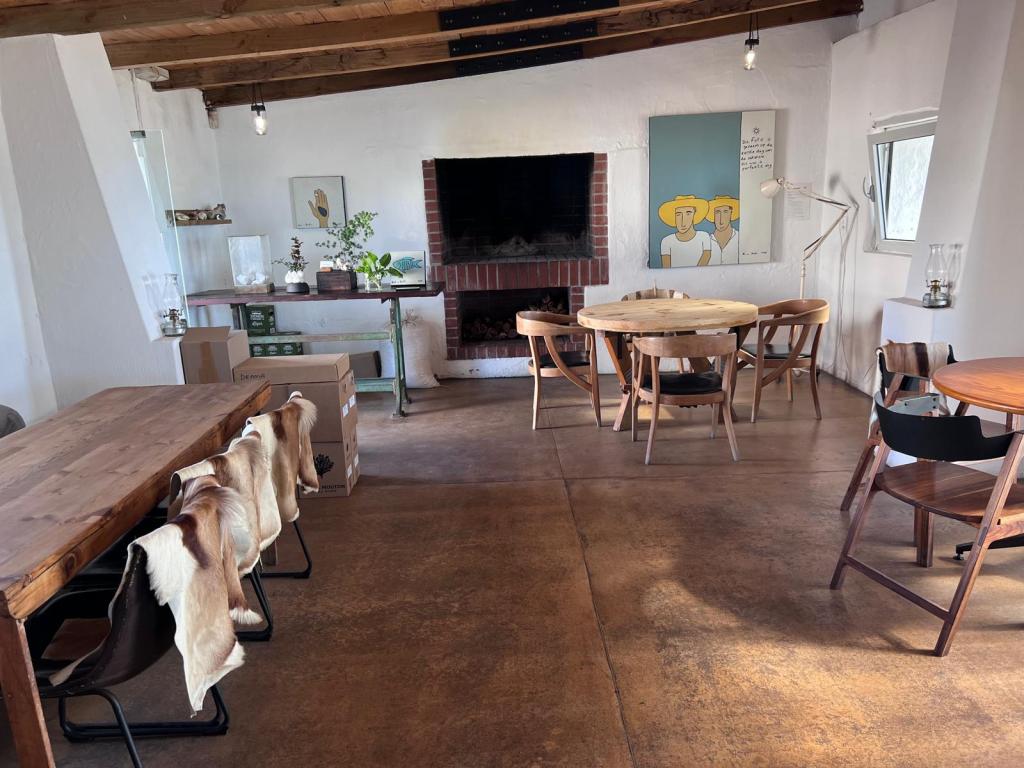
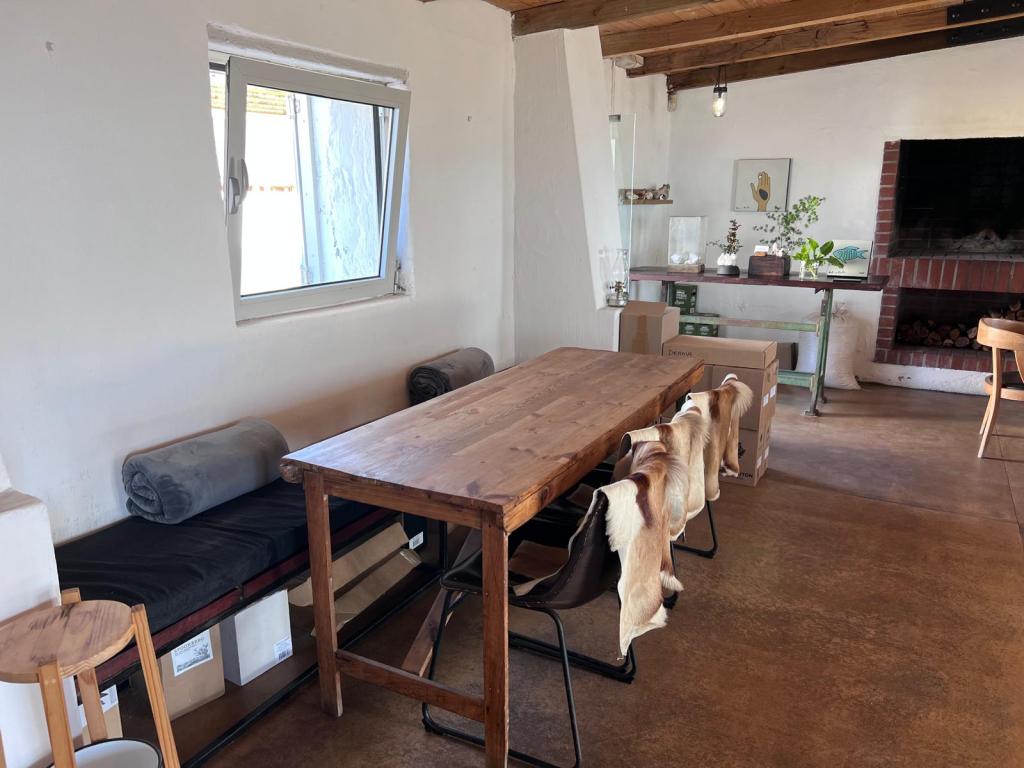
From their tiny kitchen (barely one at all), Kobus and his team produce beautifully-plated, extraordinarily tasty food that was swimming, growing, and wandering about on the very the morning or (at most) the day before you eat it. To many diners these ingredients are foreign, strange and possibly even intimidating, but the servers (including Kobus himself) demystify, explain and give hints of how best to eat the dishes.
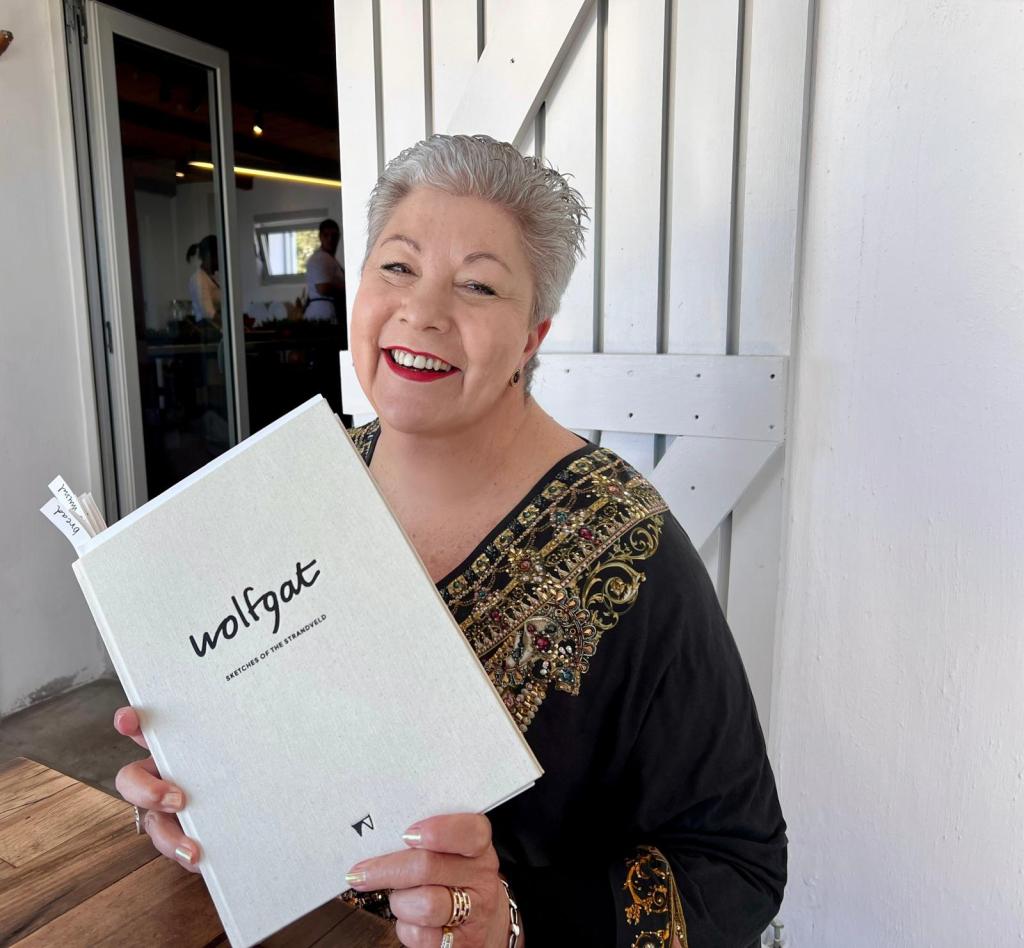
It may be theatre, but this is no Heston Blumenthal grandiose trickery. This is real food, very simply prepared; a kiss of fire here, a simple emulsion there. Many dishes are barely cooked, some entirely raw. All are flavour sensations!
So what was on our menu?
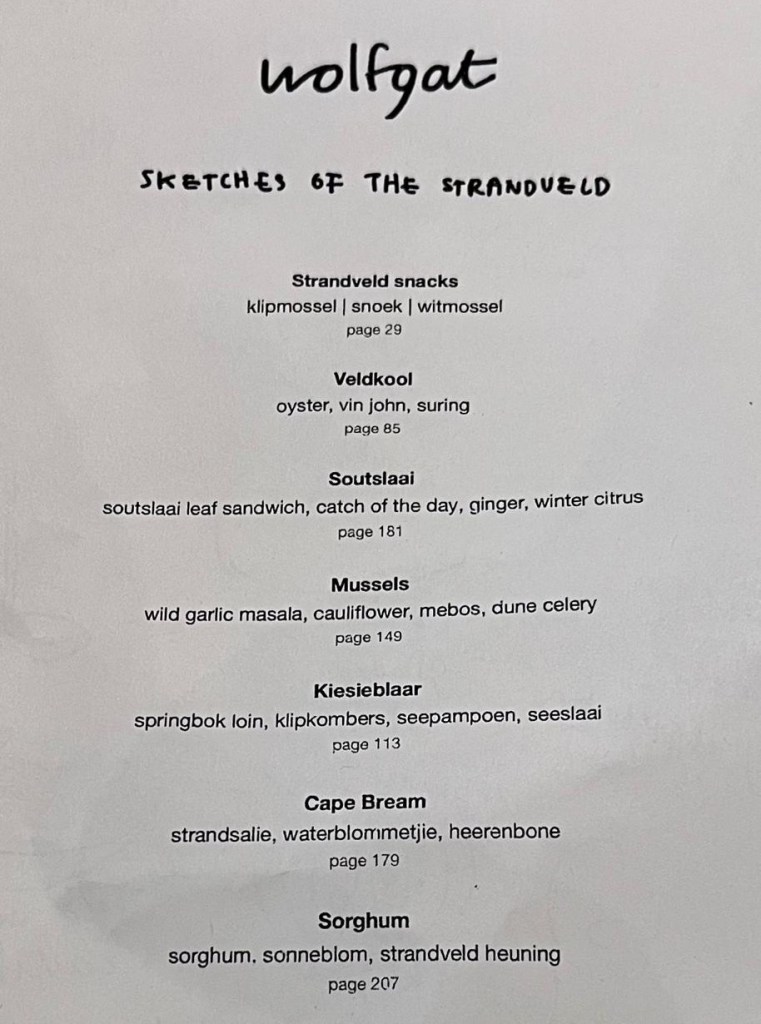
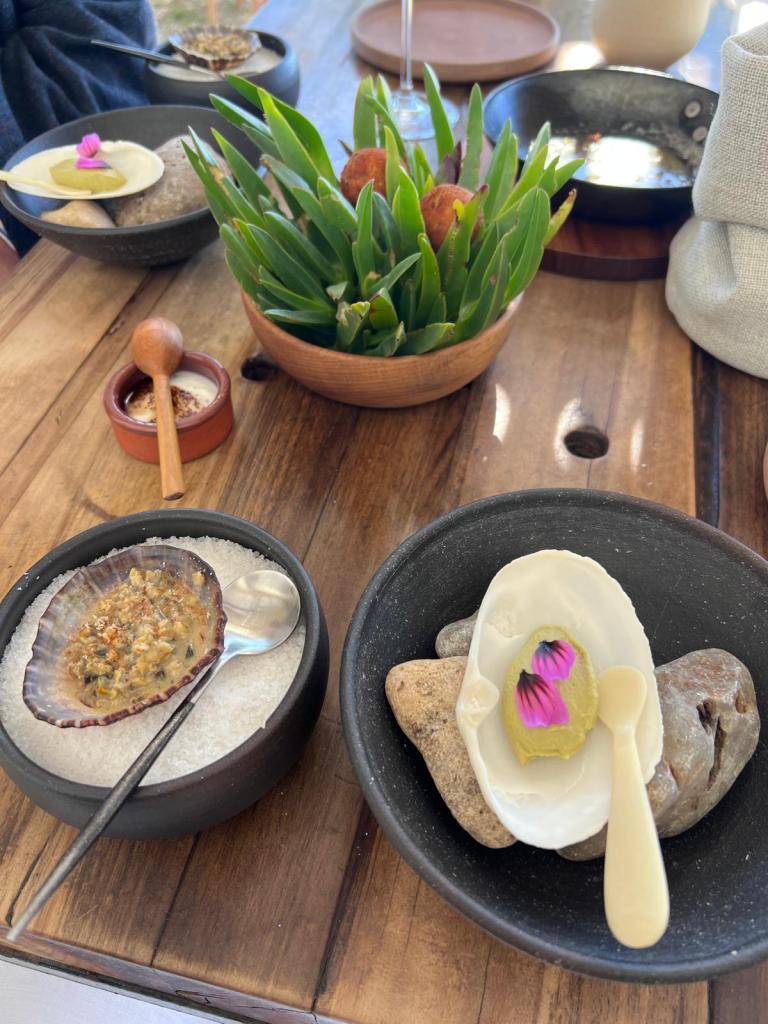
Setting the scene, the first course consisted of a finely chopped limpet (“klipmossel”) in a delicious savoury, buttery dressing, a smoked snoek croquette, served in a nest of sour fig leaves (very similar to the Australian karkala), and a white mussel pate with geranium petal garnish. These dishes were accompanied by sourdough bread and bokkom- (small, salt-cured fish) infused butter.
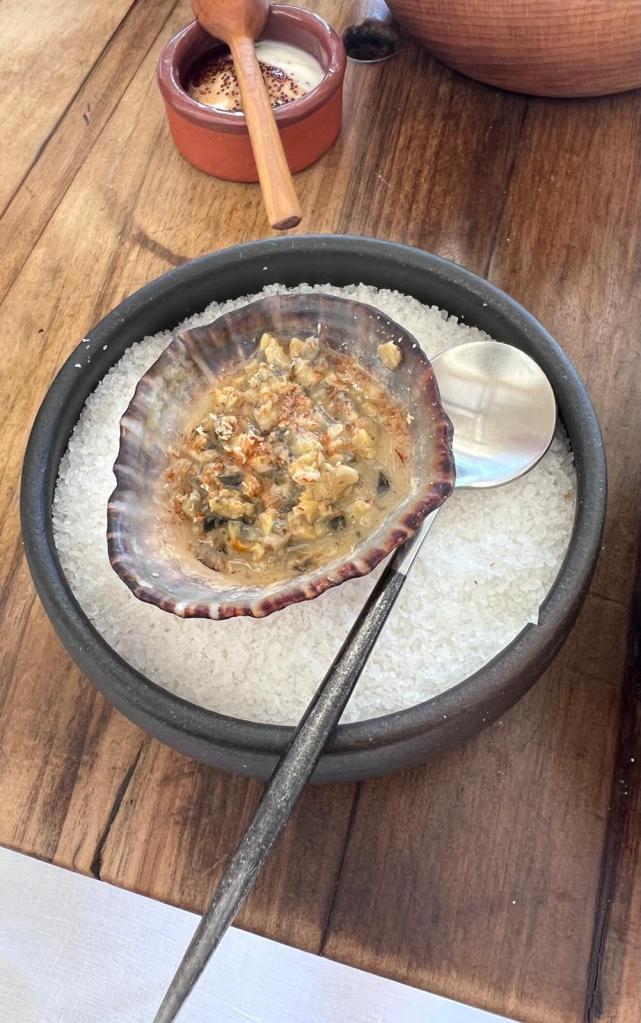
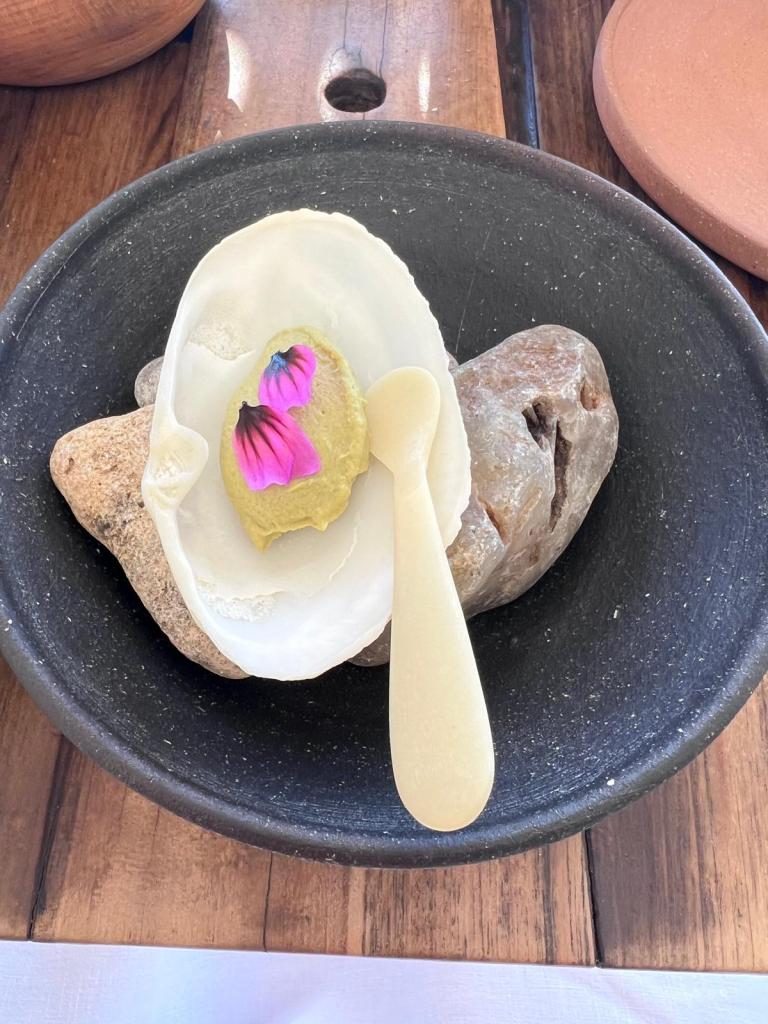
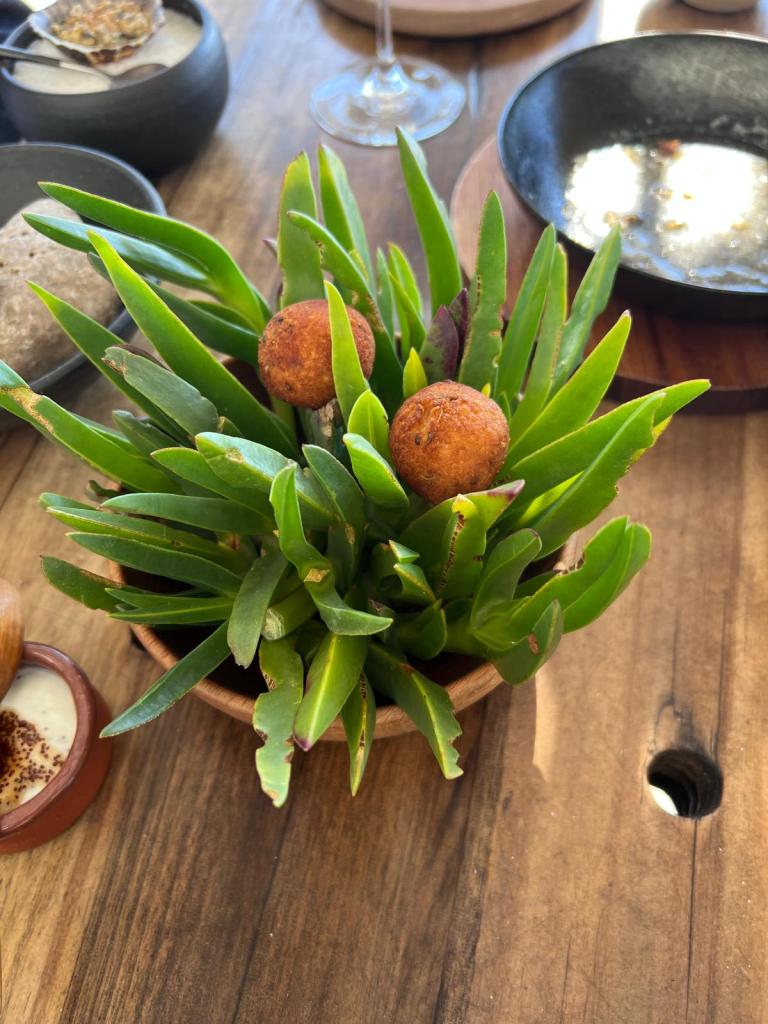
I’m afraid I suck at taking photographs of food, so only two other dishes made it onto (proverbial) celluloid:
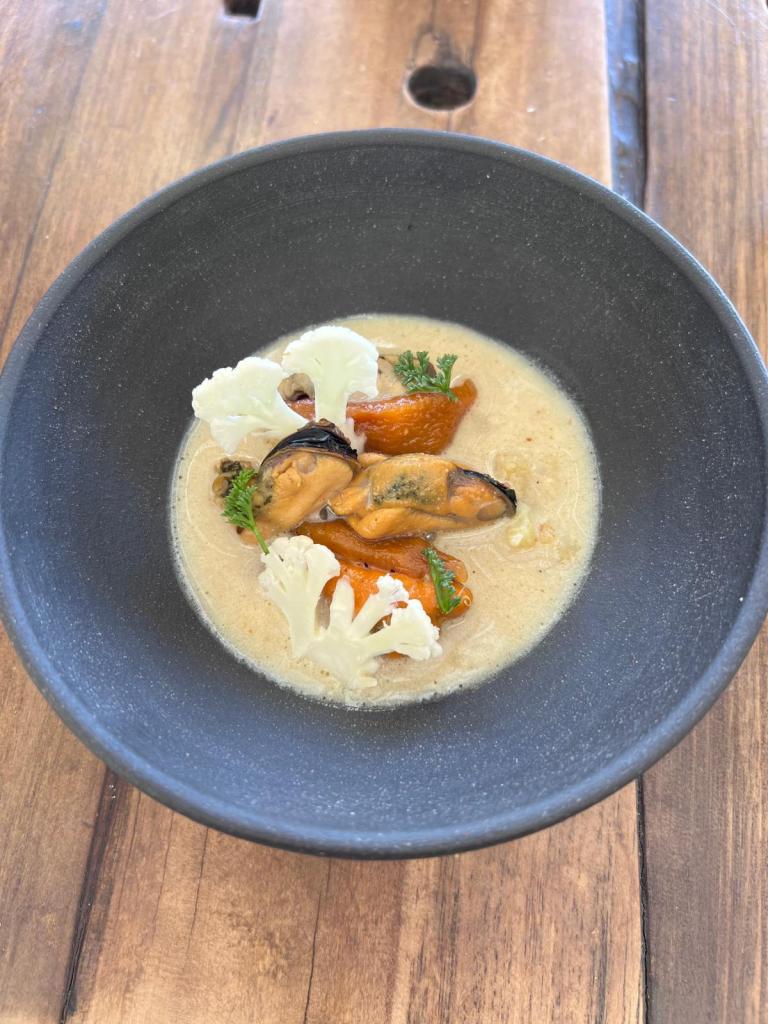
And …
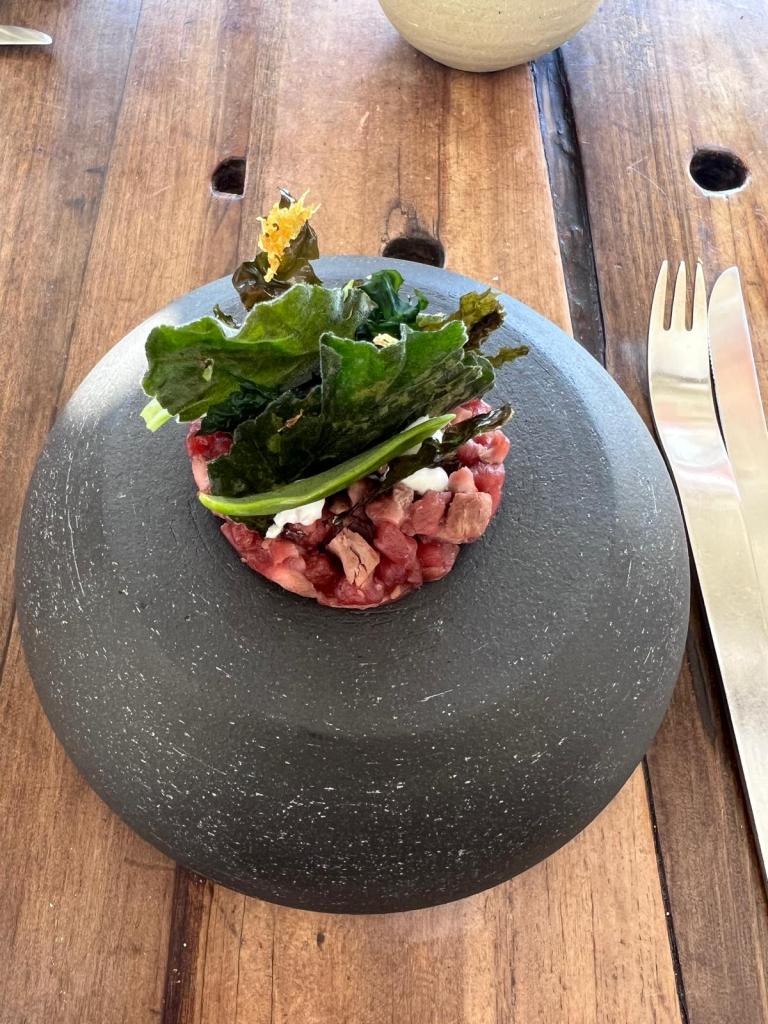
My favourite dish of the day? Soutslaai (a type of succulent that grows in the dunes) sandwich, filled with a ceviche of red roman, ginger and citrus. All the good stuff was stuffed into the leaf and eaten taco-style. Fresh, crunchy, sweet, savoury and just plan yum! Oh, and we were also very fortunate to eat “veldkool”, a type of wild asparagus, that was this year in season for just two weeks.
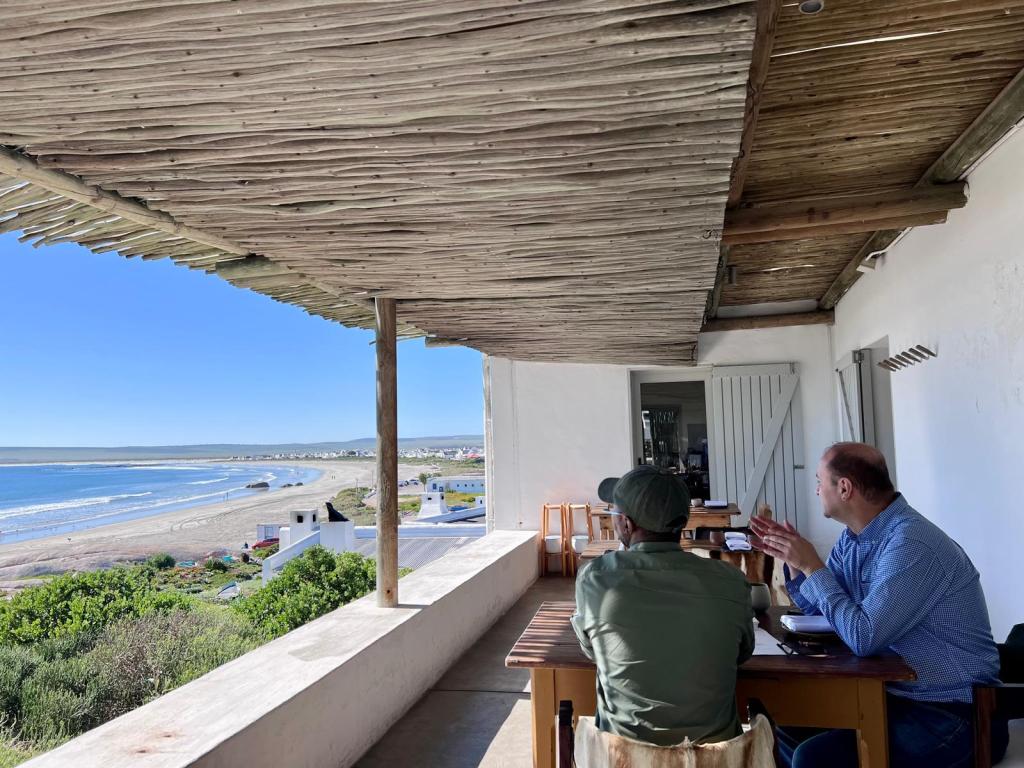
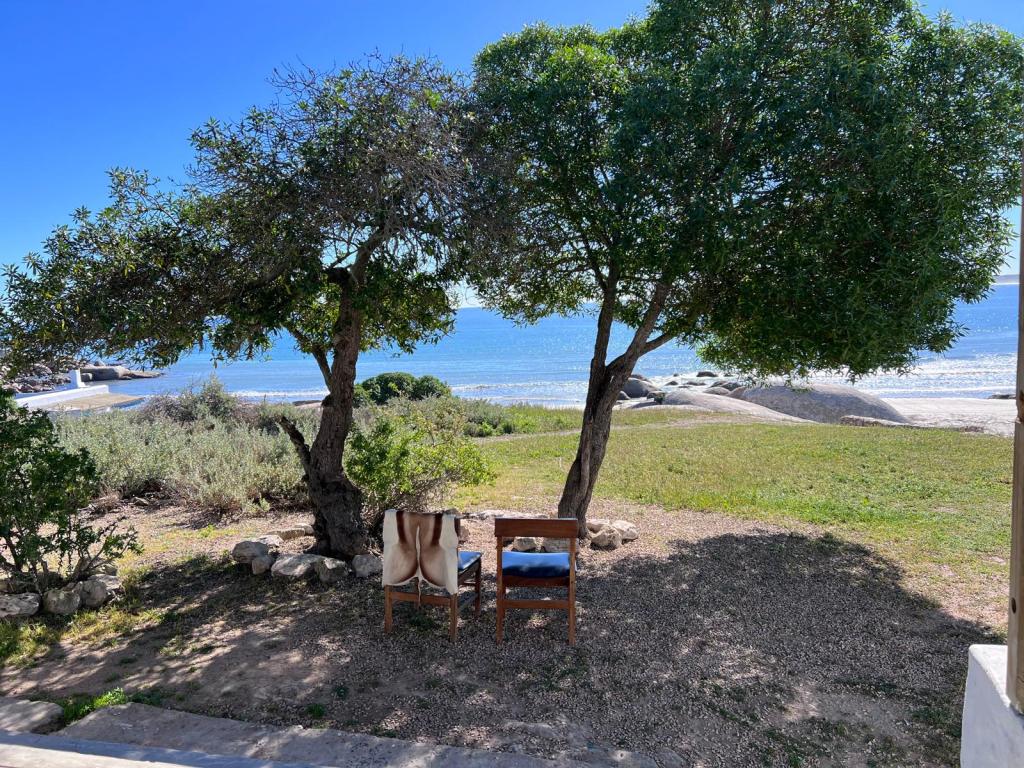
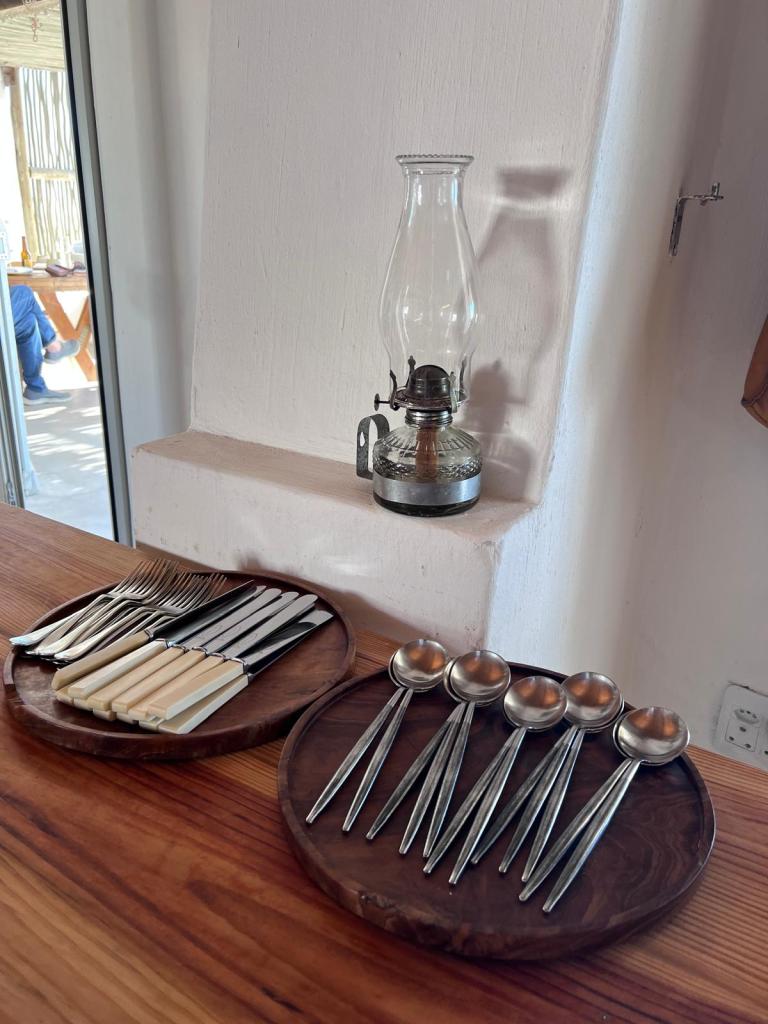
Wolfgat is a perfect example of destination dining, but without any hype. This is a simple restaurant, without fancy trappings, but with an unfliching dedication to quality. From the handmade cutlery to the locally-thrown plates and bowls, from the carefully-sourced local boutique wines and handmade non-alcoholic drinks to the fine linen napkins, there are no compromises here.
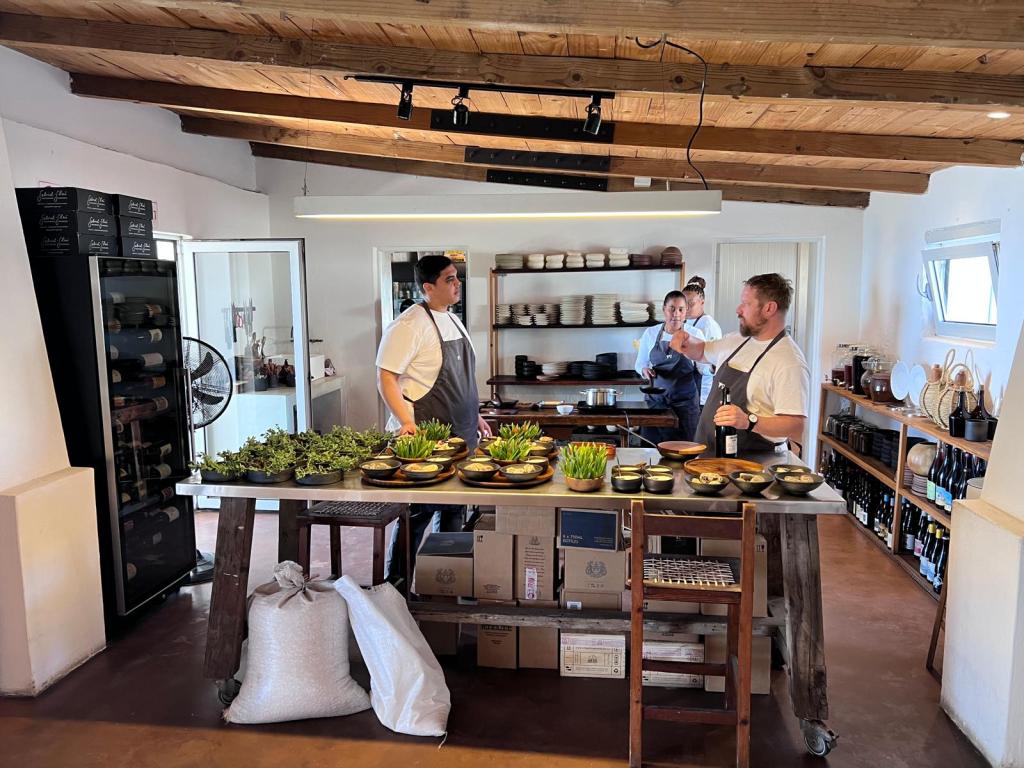
But Wolfgat is about more than Strandveld ingredients prepared to exacting standards in delicious dishes. Wolfgat is about people. Kobus has assembled a small, dedicated team of locals who care as much about this place as he does. Here young people learn skills and techniques that are worldclass, but in their home town. Older staff members share their knowledge and love of this place, all while cooking magnificent food and interacting with people from all over the world. This is no small thing.
Thinking of making the trek to Paternoster? Keep an eye on the booking releases for Wolfgat and go!! Your experience will be different from ours, because the ingredients we ate may not be in season, but it will undoubtedly be extraordinary.
Next time – a little look at the South African West Coast and Karoo. Until then, sala kahle.
 African Scatterlings
Leave a comment