Every South African of a certain age remembers where they were when history unfolded around them. For me, one of those moments is 16 June 1976.
I was just shy of my 12th birthday. A boy named Hector Pieterson was barely a year older than me, but our lives could hardly have been more different.
You see, Hector was black and living in Soweto. I was white, in the suburbs of Johannesburg. And South Africa was a country divided by apartheid.
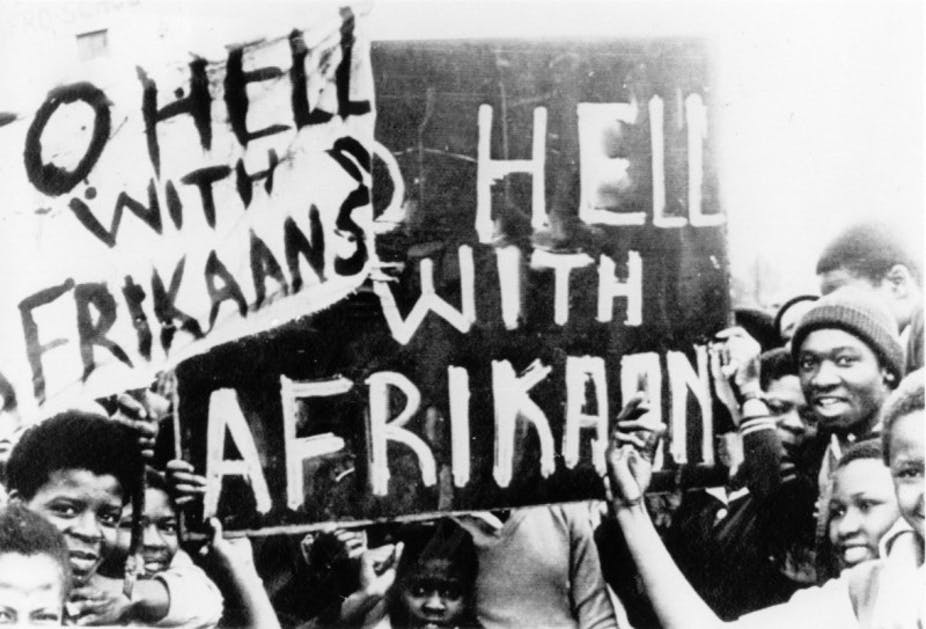
I was too young to fully understand the machinery of apartheid, but I knew that something was deeply wrong when children my own age were confronting armed police in the streets of Soweto.
The events of 16 June 1976 have been well-documented. Thousands of students marched in protest against the imposition of Afrikaans as a language of instruction, police (many of them young and inexperienced) opened fire, children tragically, and unforgivably, died.
We also know the photograph. We ALL know the photograph …
Hector Pieterson, limp in the arms of Mbuyisa Makhubo. His sister, Antoinette Sithole, running beside them in anguish. A frozen moment of grief, fear and urgency.
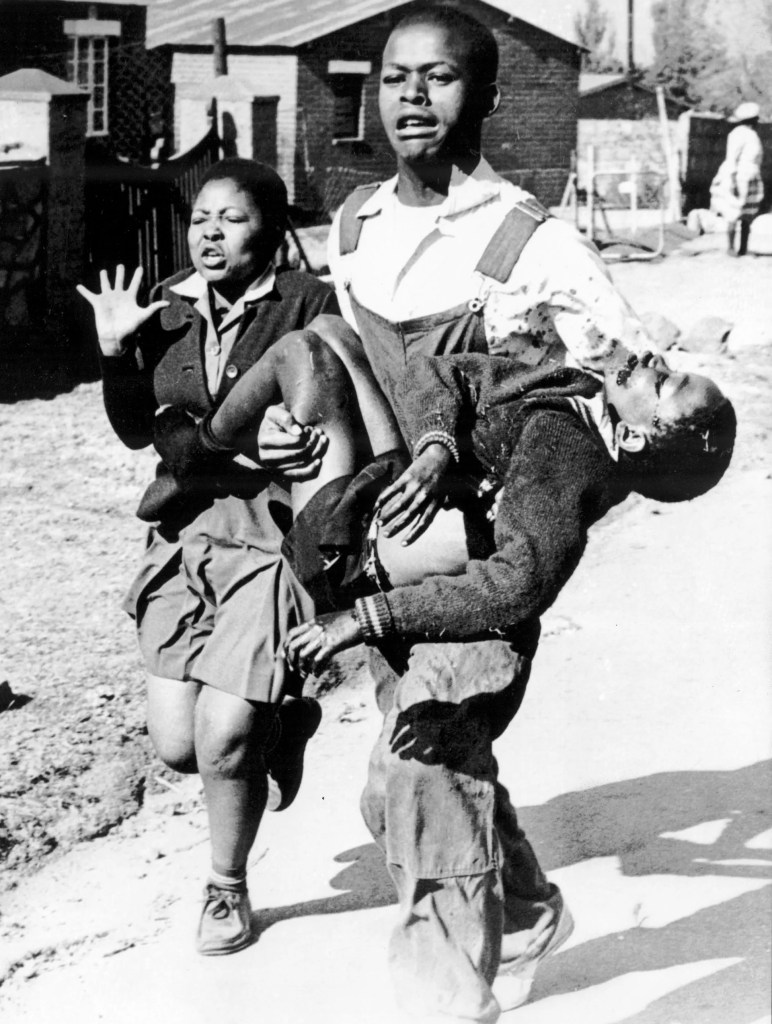
It is one of the most powerful photographs ever taken in South Africa. Perhaps one of the most powerful photographs ever taken anywhere.
The image travelled around the world and exposed the reality of apartheid to millions who had never experienced it. It helped shift international opinion. It strengthened calls for sanctions and isolation. It became a symbol of resistance and a visual shorthand for the brutality of the apartheid state.
This year, as South Africa marks 50 years since the Soweto Uprising, I have found myself thinking about that powerful photograph, but also about the man who took it.
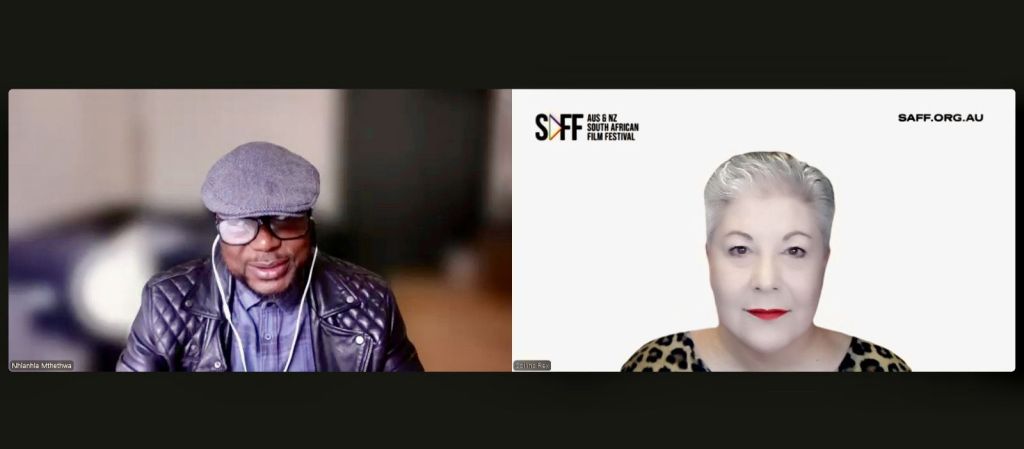
Recently I had the privilege of interviewing filmmaker, Nhlanhla Mthethwa, director of Sam Nzima: Journey Through His Lens, a documentary that tells the story of the photographer behind the image.
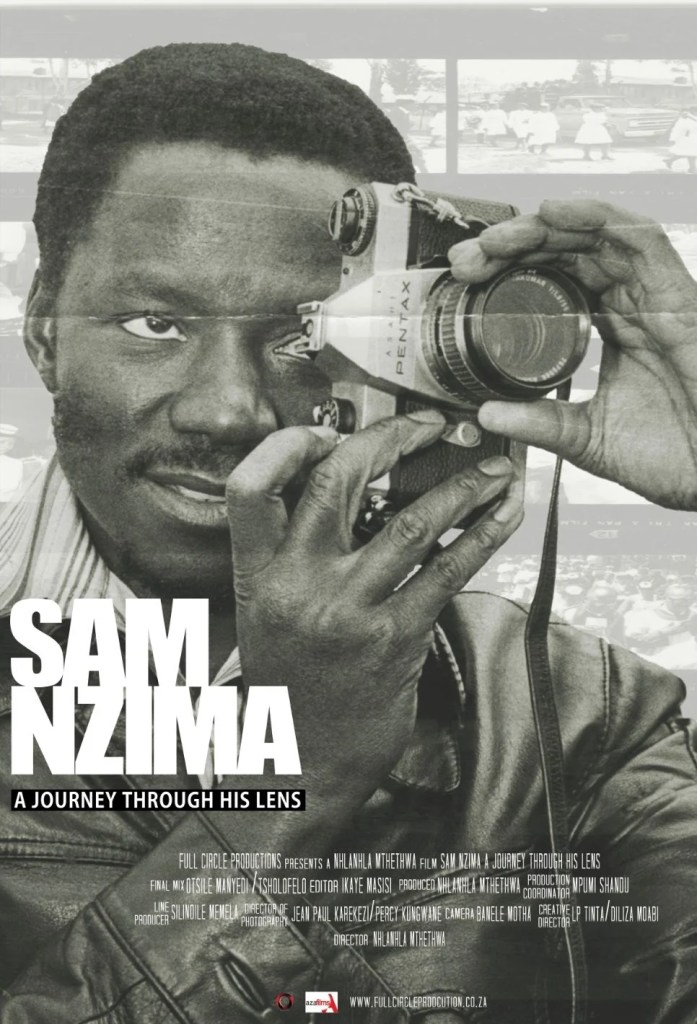
It is an extraordinary story.
For decades, the photograph became famous while Sam Nzima faded into obscurity.
The image appeared in newspapers, books, documentaries, exhibitions and museums around the world. It became part of the historical record of the 20th century. Yet the man who risked his safety to capture it received little recognition and no financial benefit from its global use. Instead, he paid an enormous price.
The apartheid government understood the power of the image immediately. Nzima faced harassment and intimidation. His movements were restricted. His career effectively ended.
The irony is difficult to ignore: the world celebrated the photograph, the photographer retreated into the shadows.
Speaking with Mthethwa, I was struck by how familiar this pattern is. History often remembers iconic moments while overlooking the people who made them possible. We remember the image, we forget the person standing behind the camera.
(Watch the interview here: https://youtu.be/Cx7usUXt-ds?si=sfvg28ay0xn4DuNK.)
What makes Nzima’s story particularly poignant is that his photograph did far more than document an event. It changed the way the world saw South Africa.
In the time before AI, photographs had a unique power: they bypassed argument, they ignored ideology. Photographs cut through political spin and spoke directly to human emotion.
The apartheid government could explain away criticism. It could dismiss reports. It could deny accusations. It could not explain away that photograph of a dying 13 year old Hector Pieterson.
As I watched Mthethwa’s documentary and reflected on our conversation, I found myself thinking again about the 12-year-old girl I was in June 1976.
At that age, I may not have understood the full complexity of apartheid or the long struggle that had preceded Soweto. But I understood that the children on my television screen looked like me; they were my age. They should have been worrying about schoolwork, friendships, and growing up.
Instead, they were confronting a system determined to deny them basic rights. That realisation stayed with me.
It shaped the way I saw my country. It influenced the choices I made later in life. It contributed to my own political awakening.
Many years later, on 11 February 1990, I was on air, reading the news that Nelson Mandela had walked free. Five years after that, President Mandela unexpectedly walked into my radio studio and gave me a hug that I can almost still feel when I try hard enough. I suspect Hector Pieterson my have thought that moment was pure fantasy.
This year, on Youth Day, South Africans will rightly remember Hector Pieterson, Hastings Ndlovu (the first child to be killed on that fateful day), and the thousands of young people who challenged injustice in 1976.
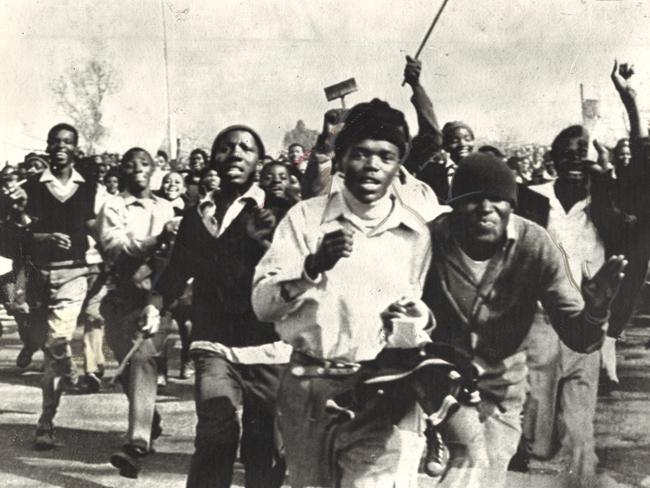
But I hope we also remember Sam Nzima.
Without him, the world might never have seen what happened in Soweto. Without him, one of history’s most important images would never have existed.
History is made by those in front of the camera. It is documented by those behind it.


Leave a comment