Athol Fugard’s masterpiece is ringing true once more. This time it’s not the horrors of apartheid that are being highlighted, but the violence perpetrated by black African’s against other black Africans.
The immigration issue now is impossible to avoid. It’s in newspaper headlines, and all over social media. It’s in conversations around braai fires, and on WhatsApp groups. It is in the frustrations of ordinary South Africans trying to navigate a country that often feels stretched beyond its limits. And it’s hitting DMs in the form of shocking videos circulated here and internationally.
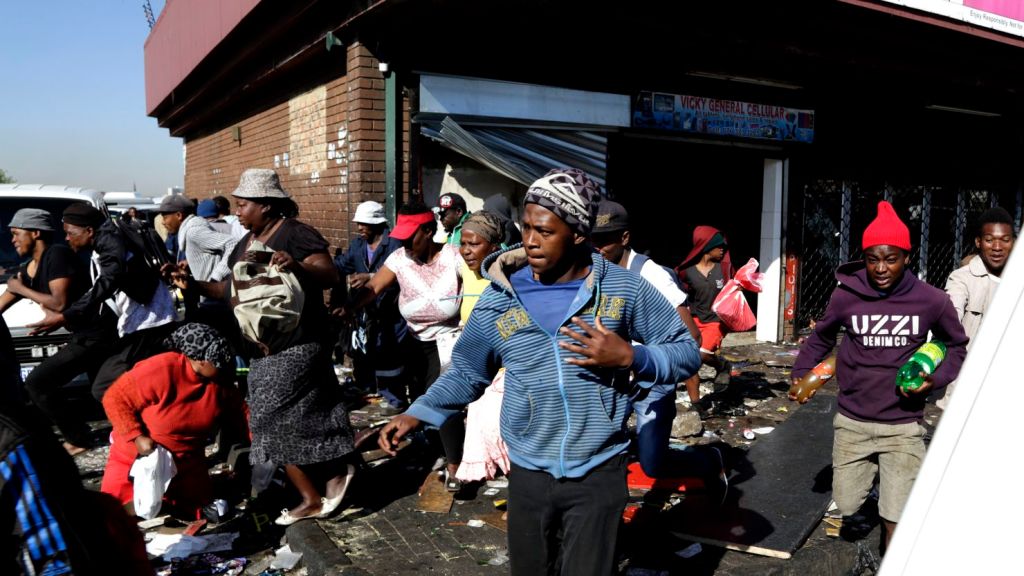
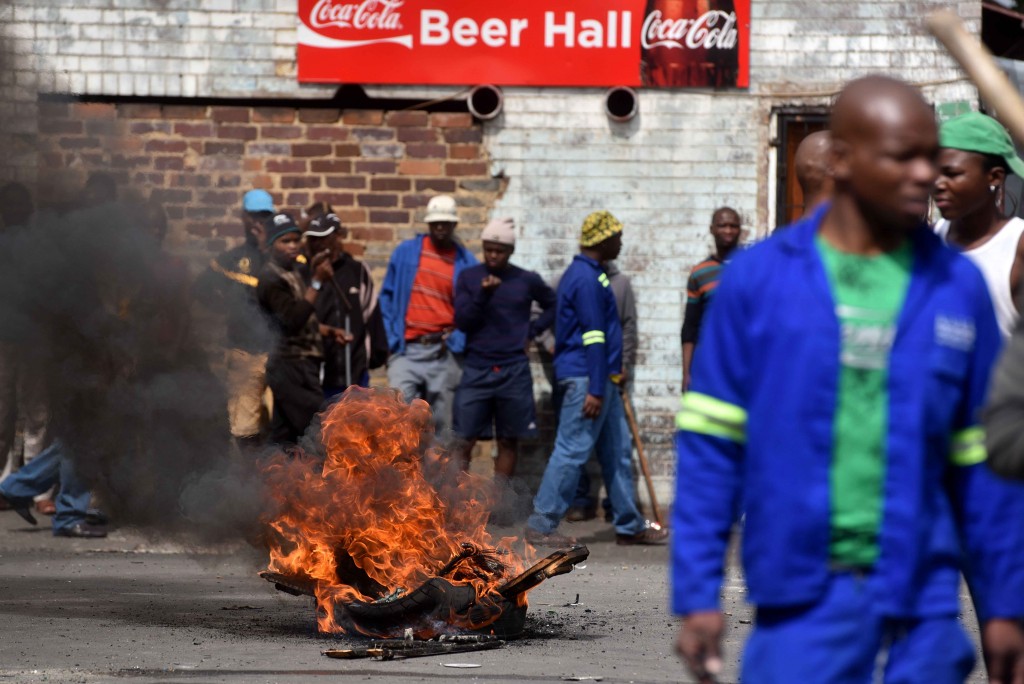
Before I go any further, let me say something clearly: violence is never a solution, and violence against foreign nationals is just wrong and unacceptable.
No grievance, real or perceived, justifies the intimidation of migrants (whether documented or not), the destruction of businesses, or the targeting of people because of their nationality. South Africa has seen enough violence in its history. We don’t need more of it!
But condemning violence doesn’t mean we should avoid difficult conversations. In fact, the opposite is true. The failure to have honest conversations is often what allows tensions to fester until the proverbial abscess pops.
Over the past few months, I’ve watched South Africa’s immigration debate become increasingly polarised. One side insists that anyone raising concerns about illegal immigration is xenophobic. The other insists that every foreign national is responsible for South Africa’s problems. Both positions are lazy. And both are wrong.
The reality is far more complicated.
As someone who has spent much of my adult life moving between countries, I understand migration. I became an Australian citizen. I built a business there. I still work there and spend considerable time there.
I know what it feels like to arrive in a new country and build a life from scratch. I also know that every country has immigration rules. We complied with those rules when we migrated to Australia, and we comply with those rules as we now live as documented foreign nationals in South Africa.
Every country in the world has immigration rules and laws, even the countries from which many migrants arrive in South Africa!
That is why I find it strange that Africans struggle to have mature conversations about immigration enforcement, without immediately descending into accusations and counter-accusations.
A sovereign country has a right to control its borders. That shouldn’t be a controversial statement, but here it is.
The greatest challenge facing South Africa is scale. Most credible estimates suggest that South Africa may be home to between two and three million undocumented migrants. (And many estimates are considerably higher.) No one knows the precise number, but even at the lower end of those estimates, we are talking about a population larger than many African cities.
At the same time, South Africa is dealing with unemployment above 30%. Youth unemployment – at above 60% – is among the highest in the world. Municipal services are failing in many areas. Public healthcare facilities are under immense pressure. Economic growth remains stubbornly weak.
Whether one favours stricter immigration controls or more open policies, these facts matter. South Africa doesn’t have unlimited capacity and cannot welcome all Africans with open arms. That is not xenophobia, it is reality.
One of the arguments one hears is that South Africans should remember the support many African countries provided during apartheid. South Africans should be grateful and consequently accept any and all Africans that come here to live. Yes, countries across the continent opened their doors to South African exiles. They educated our students. They hosted political activists. They provided diplomatic support when much of the world looked away. That history matters. But history is all it is.
The assistance provided during apartheid was directed at people fleeing political persecution. It was an act of solidarity during a specific period of history. The challenge this country faces today is different.
This is a debate about jobs, infrastructure, healthcare, housing, state capacity and economic opportunity.
Why aren’t we asking why Botswana, Namibia and Zimbabwe don’t open their borders to all Africans? In fact, some of South Africa’s neighbours take a far harder line on undocumented migration than South Africa does.
Botswana routinely detains and deports undocumented migrants. Namibia enforces visa and permit requirements more strictly than many South Africans realise. Neither country is generally accused of being anti-foreigner for doing so. They’re simply exercising the rights of sovereign states.
Another aspect of this debate that fascinates me is how rarely we discuss the flow of migration in the opposite direction.
Millions of Africans have moved to South Africa over the past several decades. How many undocumented South Africans have moved to Zimbabwe? To Botswana? To Mozambique? To Malawi? The answer is: very few.
South Africans emigrate, certainly. But when they do, they overwhelmingly head for Australia, New Zealand, the United Kingdom, Canada, Europe and North America.
There is no equivalent migration crisis involving South Africans elsewhere on the continent. Why? Because migration follows opportunity. And for all its challenges, South Africa remains the economic powerhouse of Southern Africa.
People don’t risk crossing borders because they dislike their home countries. They do so because they are seeking something better: prospects, an income, a future for their children.
I understand that completely. All migrants do.
I also see this crisis from another perspective. Just outside the gate of the suburb in which we live is an informal settlement called Orange Farm. Estimates are that around 80% of all the residents of Orange Farm are undocumented migrants. These are families, young people trying to earn a living, older people providing services to a community. In fact, our staff member, Goodwell Nyarenda, is a Malawian national who lives in Orange Farm. Goodwell – although documented – could be a target of xenophobic violence at any time. He’s a good, hardworking man who deserves better.
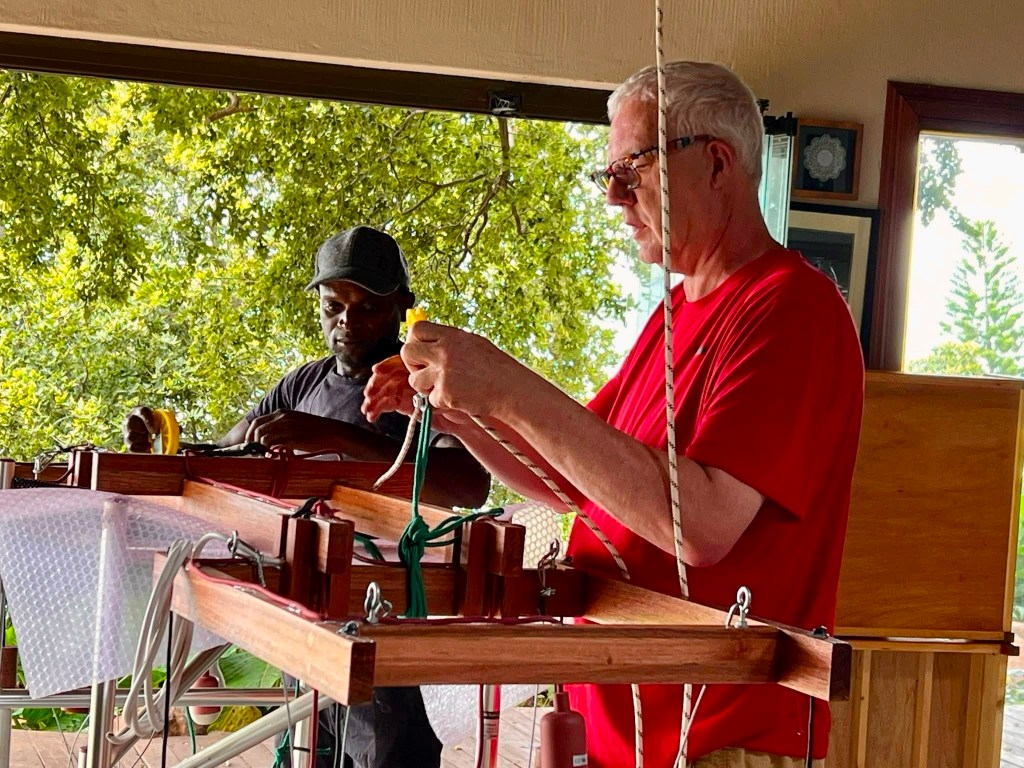
Which brings me to the conclusion I keep returning to: South Africa needs both compassion and control.
Compassion without control eventually undermines public confidence. Control without compassion eventually undermines our humanity. The challenge is finding the balance.
That balance will not be found in slogans. It won’t be found in xenophobic rhetoric. And it won’t be found in pretending the problem does not exist.
It will be found in honest conversations about what South Africa can realistically sustain, what role migration should play in our economy, and how we protect both the dignity of migrants and the interests of citizens.
Those conversations are long overdue, and until we have them, violence is going to be a daily occurrence, and South Africa will once again – just as in the apartheid years – be a pariah.


Leave a comment