Let me preface this post by saying that I’ve been trusted to write this story, and to share it. But this isn’t my story. This story belongs to my nephew, Carl Rex, and to his mom, Jill Rex (ne Robertson).
I share it with delight and love, because it’s a tale almost too fantastic to be true. It’s the story of a remarkable man I knew a little in his later years. Maxwell Robertson is my nephew’s maternal grandfather, and he was extraordinary! It’s a long read, but worthwhile!!
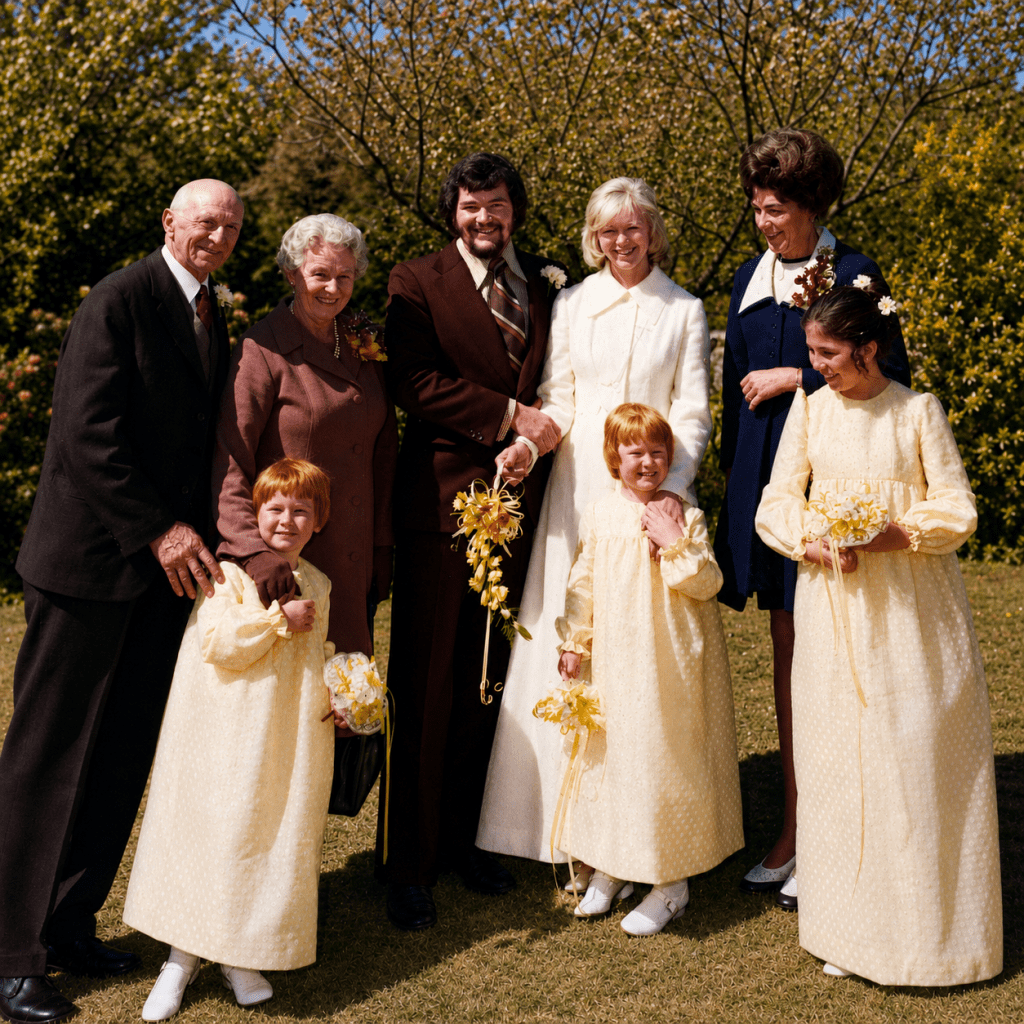
Maxwell James Robertson was born in Mafikeng on 7 April 1906, the youngest of four children. His father served as a magistrate and his mother was a nurse. The family’s movements around southern Africa exposed him to a world far larger than most young boys of his era would ever experience.
He and his brother were eventually sent to Grey College in Bloemfontein, one of South Africa’s most prestigious schools. There, Maxwell excelled in sport, earning medals across numerous disciplines and winning the Victor Ludorum award. He was also an accomplished horseman. Family stories tell of a severe influenza outbreak when he was only seven years old, during which he rode alone between neighbouring farms to check on isolated families.
The qualities that would define his life – self-reliance, courage and determination – were already evident.
Act I: The Frontier Explorer
In the late 1920s, Maxwell was employed by R.A. Bailey Ltd., a livestock and forwarding company based at Palapye Road in what was then the Bechuanaland Protectorate.
Early in 1929, the company’s principals approached him with an extraordinary challenge. They wanted to establish a route through the Kalahari between Maun in the north and Palapye Road in the south. If successful, cattle could be moved from Ngamiland to markets further south.
The obstacles were immense.
The route traversed remote country where water was scarce, maps were limited, and vast areas were infested with tsetse fly. The insect posed a serious threat to livestock and carried sleeping sickness in humans. Few Europeans knew the region well, and fewer still were willing to attempt such a journey.
Maxwell accepted.
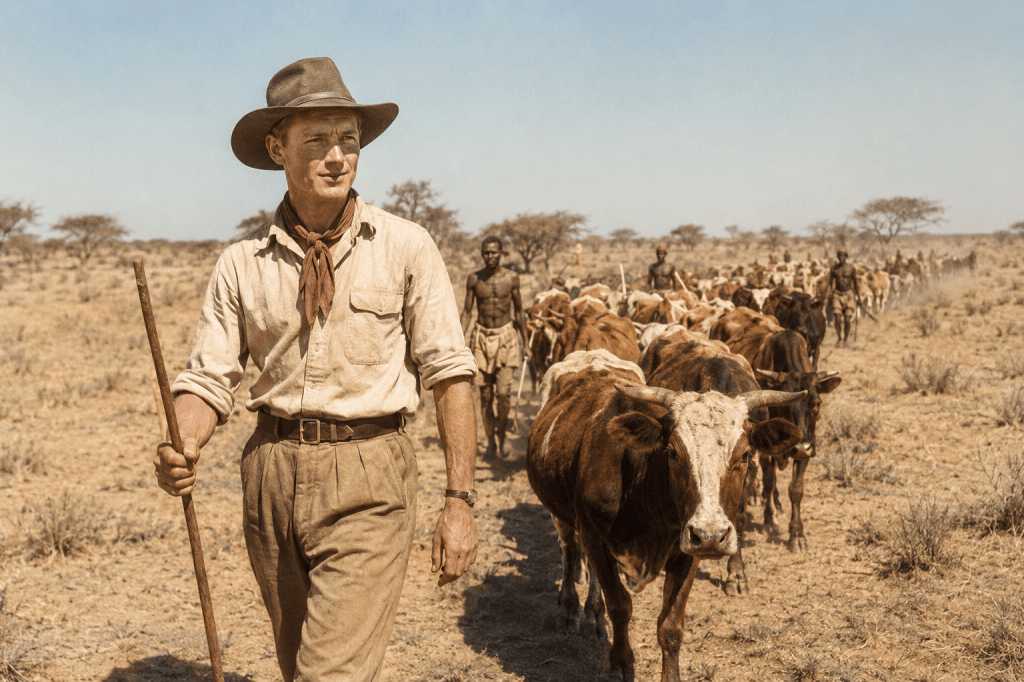
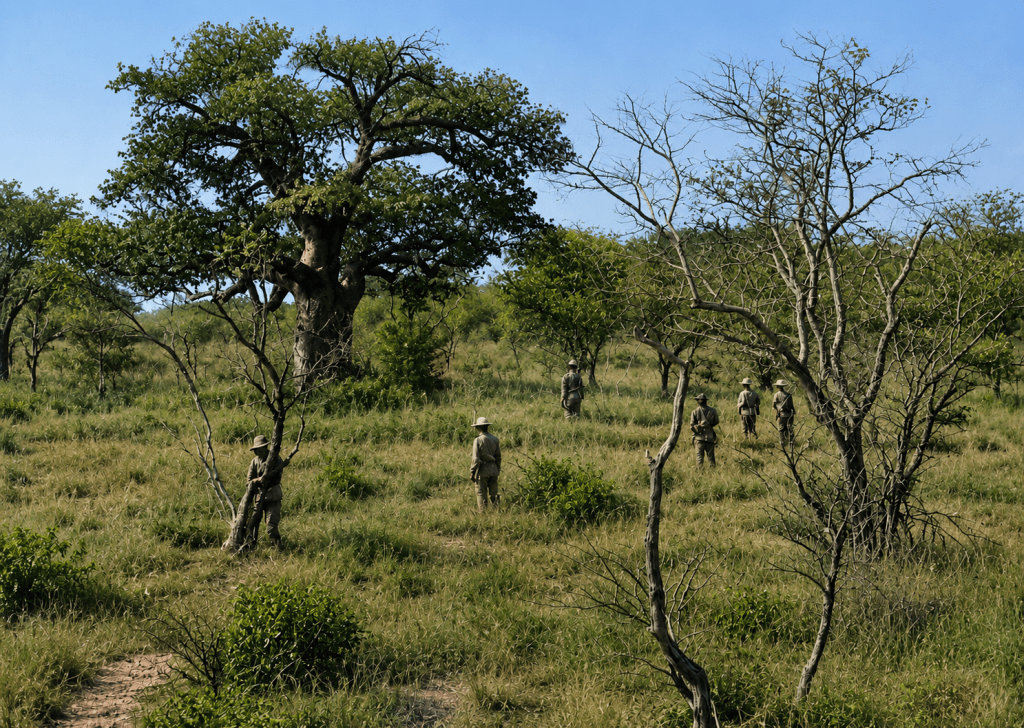
At only twenty-three years of age, he assembled a party of twenty-six Bushmen (people we now know as the Khoi and San) whose knowledge of the terrain would prove invaluable. Travelling largely on foot, carrying minimal provisions and relying heavily on hunting for food, they set out into one of the least-developed regions of southern Africa.
The journey took months.
Working with local chiefs and headmen, Maxwell reached Maun, assembled approximately 1000 cattle, and then began the difficult task of bringing them south. Because of the intense heat, most movement took place at night. Watering had to be carefully managed. Predators, disease and exhaustion were constant threats.
Against all odds, the venture succeeded.
By the time the herd reached Palapye Road in December 1929, only two cattle had been lost to tsetse fly!
It was an achievement that would establish Maxwell’s reputation throughout the region, but his mother remembered only an unshaven young man, desperately in need of a bath, arriving home by train to Krugersdorp.
And the cattle drive was only the beginning …
The Scientist’s Explorer
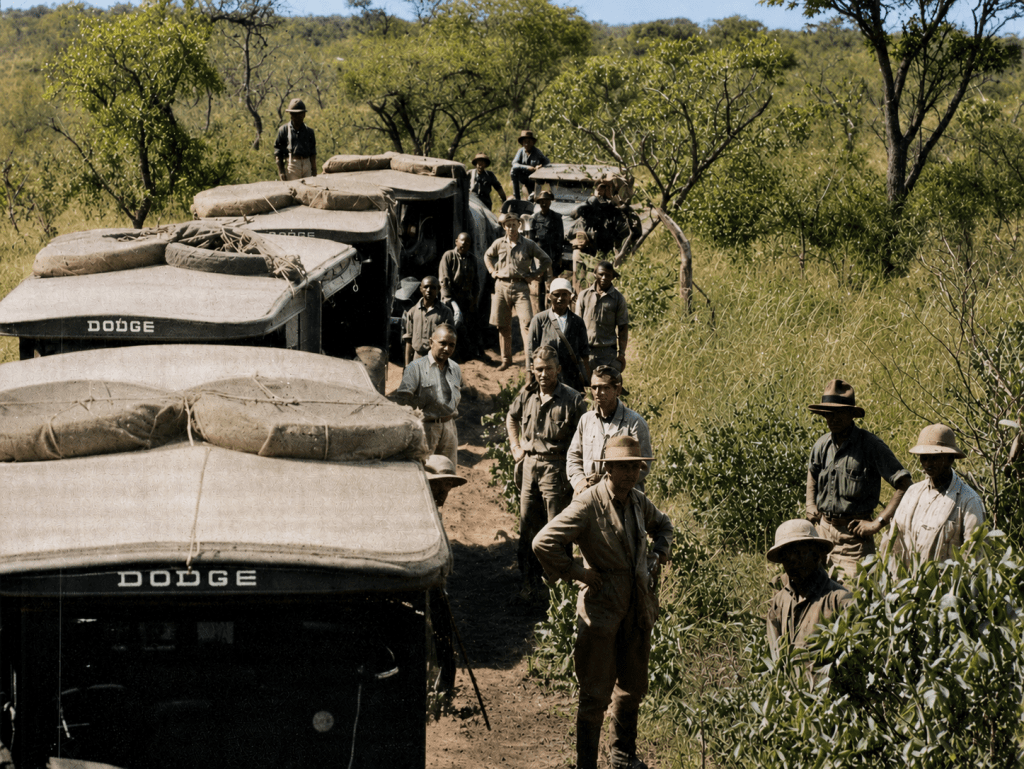
In 1930, Maxwell became associated with the Vernay-Lang Kalahari Expedition, one of the most important scientific expeditions ever undertaken in Bechuanaland and the Kalahari.
Sponsored by American explorer, Arthur Stannard Vernay, and collector, Herbert Lang, the expedition travelled across the region between March and September 1930, collecting zoological specimens and documenting a landscape that remained poorly understood by science.
Published scientific reports reveal that Maxwell played a far more significant role than family history alone suggests.
The expedition’s zoologist, Austin Roberts, repeatedly referred to Maxwell in his official accounts. Roberts recorded travelling ahead of the main expedition with Robertson to collect mammal specimens along the Lake River near Maun. Together they gathered extensive collections of Vervet Monkeys and other wildlife while scouting country ahead of the expedition vehicles.
Perhaps more importantly, Maxwell served as the expedition’s bridge to local communities.
At Shorobe, Roberts recorded that Maxwell had advised local residents of the expedition’s arrival and its interest in purchasing mammal specimens. The result was extraordinary. The expedition was greeted by large numbers of women and children carrying hundreds of rodents and other animals for scientific examination.
Such cooperation could not simply be arranged by visiting scientists. It depended upon trust, local knowledge and relationships built over years in the region.
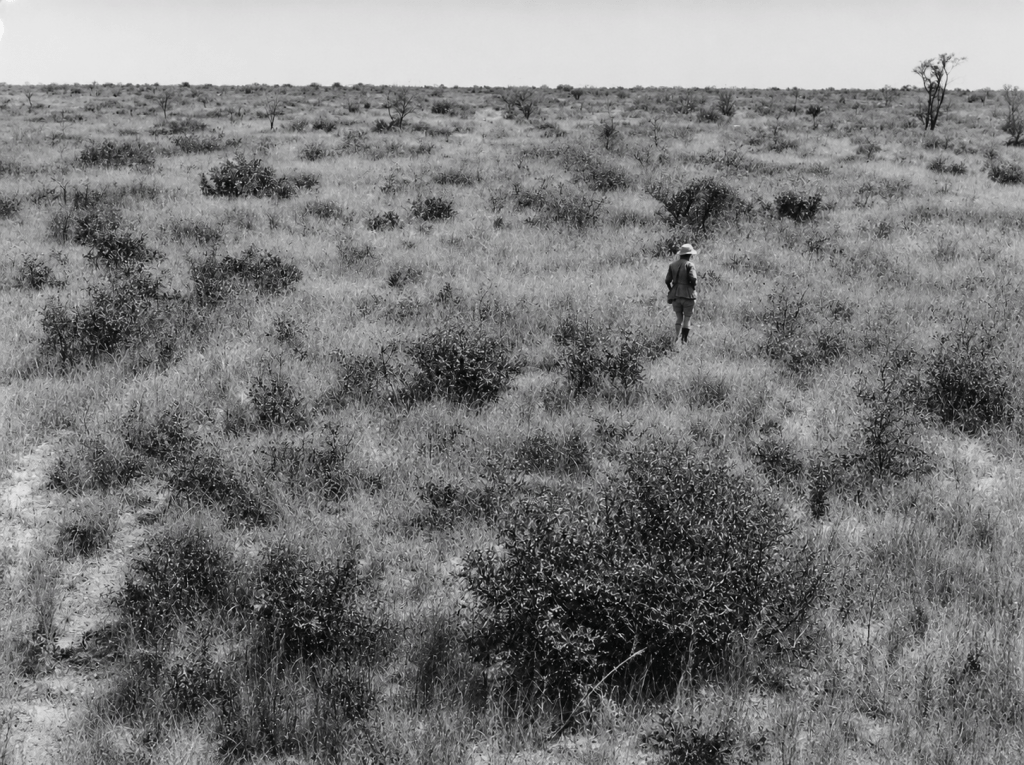
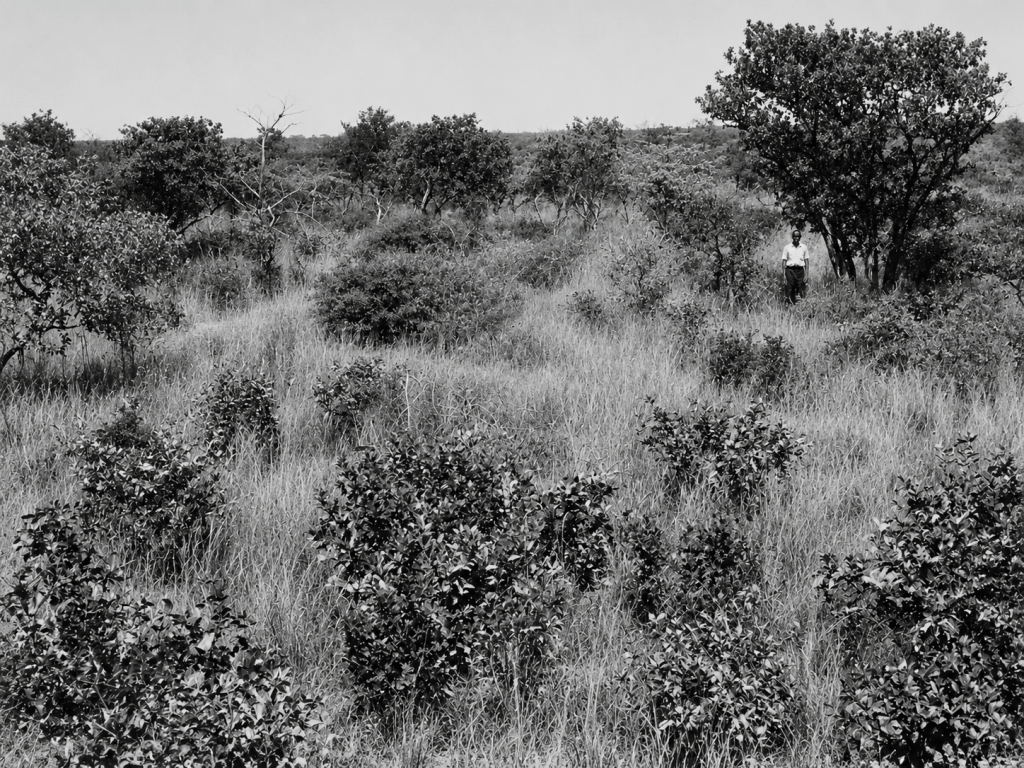
Roberts’ accounts also place Maxwell in the field during hunting expeditions, specimen collection trips and exploratory journeys through some of the most remote parts of the Kalahari. At one point he was part of a party that successfully collected three lions in a single day for museum purposes—a practice that, while confronting to modern readers, was standard scientific procedure at the time.
The published records of the Vernay-Lang Expedition survive today as an important contribution to southern African zoology.
Hidden within those reports are references to Maxwell Robertson, a reminder that scientific discovery often depends not only on academics and museum curators, but also on skilled field men whose understanding of the landscape makes exploration possible.
By his mid-twenties, Maxwell had become both explorer and scientific collaborator, helping to document a region that was still largely unknown to the wider world.
Act II: Darkness and Reinvention
Following his years in Bechuanaland, Maxwell returned to South Africa and joined West Rand Consolidated Mine near Krugersdorp.
His mining career progressed well and he eventually became a shift boss.
Then disaster struck.
While investigating a misfired blast with a colleague, the charge detonated unexpectedly. Maxwell sustained catastrophic injuries and lost the sight in both eyes. At only 30 years old, he was left with just the ability to discern light and dark..
For many people, such an event would have marked the end of an active and productive life. For Maxwell, it marked the beginning of a new one.
Determined to regain his independence, he travelled to England during the Second World War to study physiotherapy and undergo experimental corneal graft procedures. Because of the dangers of wartime sea travel and his blindness, he paid for a companion to accompany him on the voyage.
The operations were unsuccessful, and he ultimately lost all remaining sight.
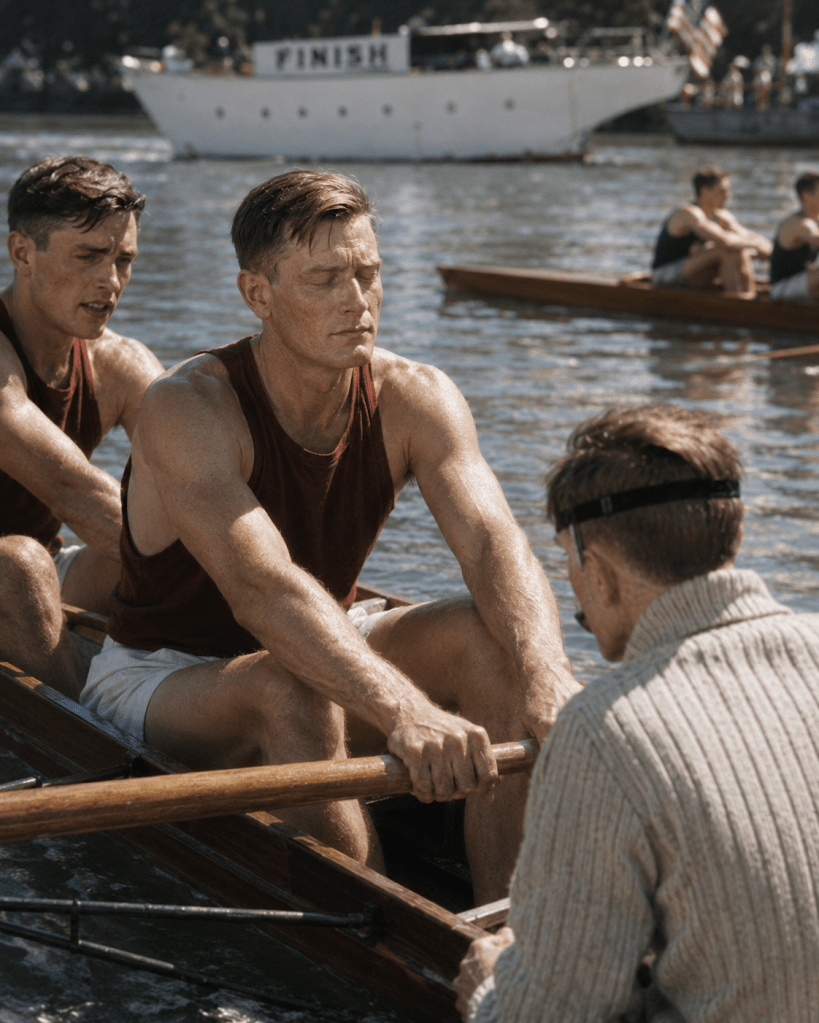
Yet even in England he refused to surrender to limitation. Continuing his lifelong passion for sport, he won three medals in competitive sculling.
Blindness had taken his vision, but not his determination.
Act III: Service and Legacy
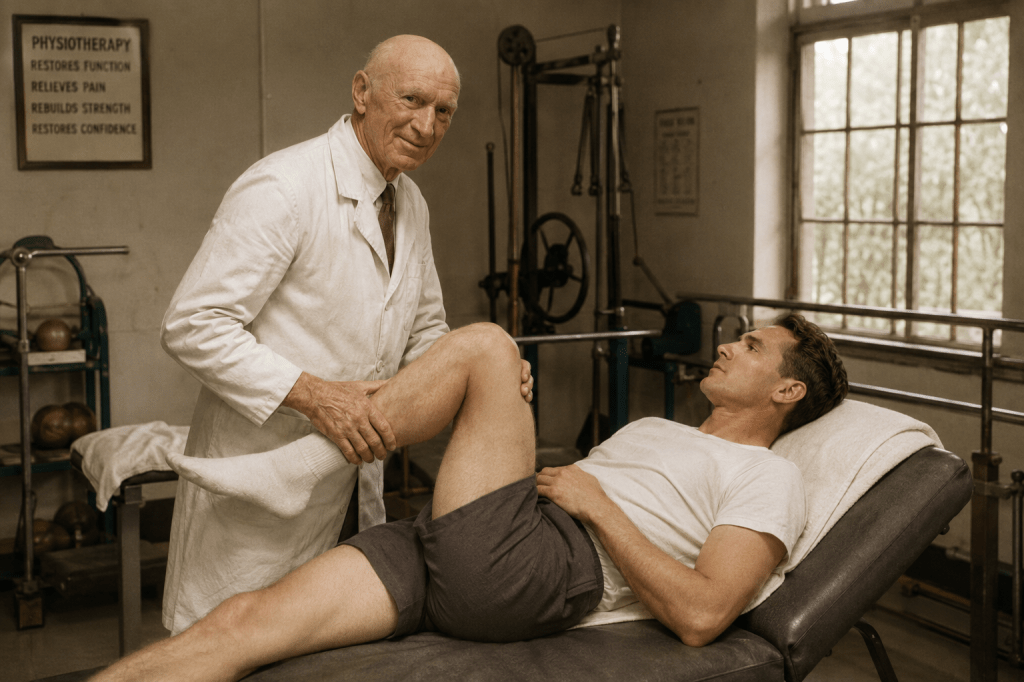
Upon returning to South Africa, Maxwell joined the Chamber of Mines Hospital in Cottesloe, Johannesburg, where he worked as a physiotherapist treating victims of mining accidents.
It was work for which he was uniquely qualified.
Having experienced a devastating mining injury himself, he possessed a credibility and empathy that few others could offer. Patients facing life-altering trauma listened when Maxwell spoke because he had walked that path himself.
For the next 35 years he worked with injured miners, helping them rebuild their lives and regain their confidence.
He also maintained a private practice from home and earned a reputation as an exceptional physiotherapist. Among his patients was Sir Ernest Oppenheimer, founder of the Anglo American mining group, whom Maxwell treated at Brenthurst, the Oppenheimer family residence in Johannesburg.
Those who knew him remembered not only his professional competence, but his resilience, humility and refusal to accept defeat.
A Life Larger than Memory
Family stories often become embellished over time. Details soften, achievements grow and memories take on the qualities of legend.
What makes Maxwell Robertson’s story remarkable is that much of it can be independently verified.
The young man who crossed the Kalahari with 26 Bushmen and a thousand cattle appears in the scientific literature only months later, helping one of the most significant zoological expeditions of its era navigate the same landscape. The explorer became a scientific fieldman. The adventurer became a contributor to knowledge.
Then, after losing his sight, he reinvented himself once again – this time as a healer and mentor to others facing adversity.
His life reminds us that history is often shaped not only by famous names, but by the capable, determined individuals working behind the scenes. Explorers, guides, organisers, survivors and problem-solvers whose contributions are easily overlooked but without whom much would never have been achieved.
Maxwell Robertson was one of those people.
(Thanks to Decima – who at age 91 told Maxwell’s story to her daughter, Jill. And to Jill and Carl for letting me share it with you.)
 African Scatterlings
Leave a comment