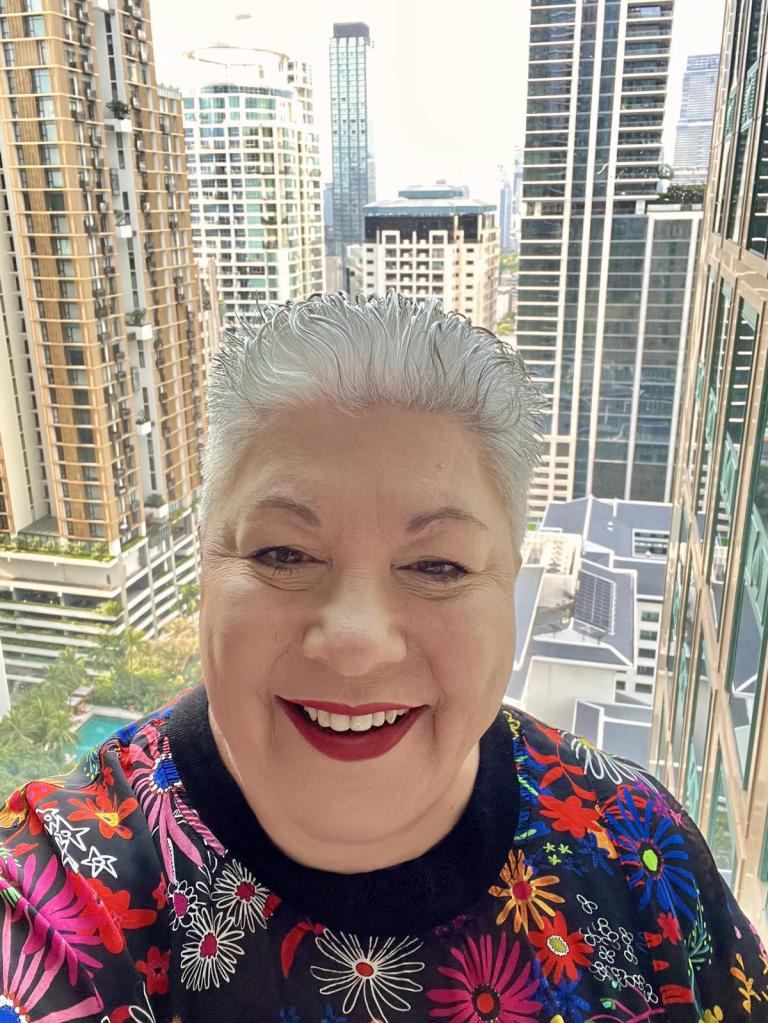
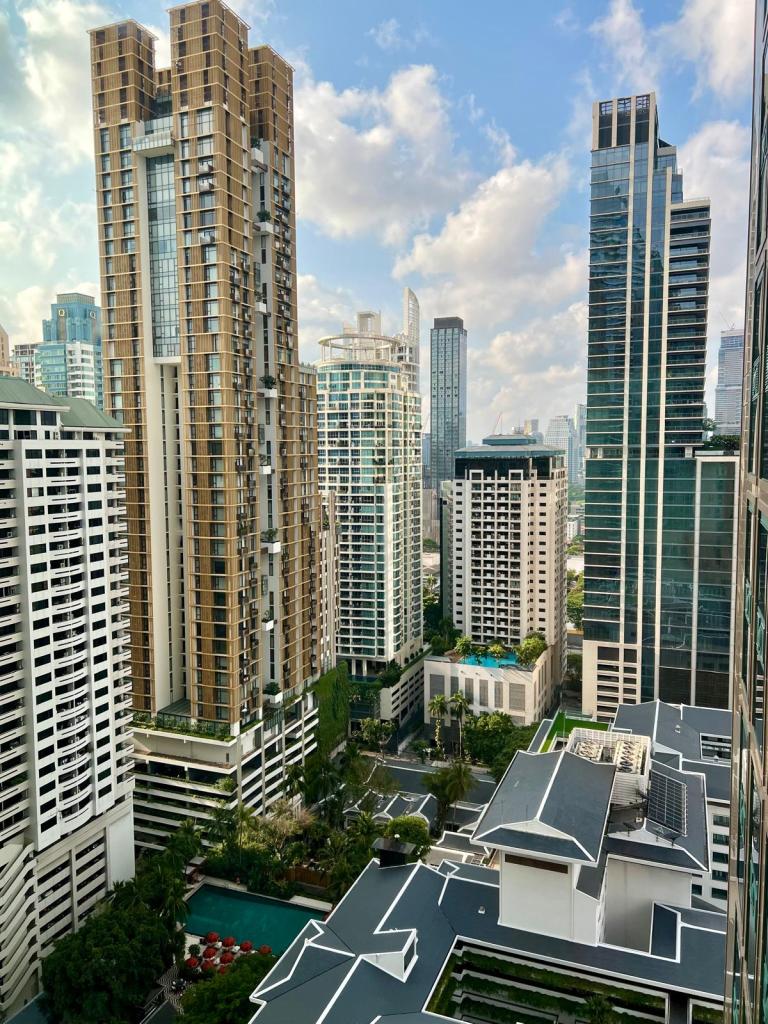
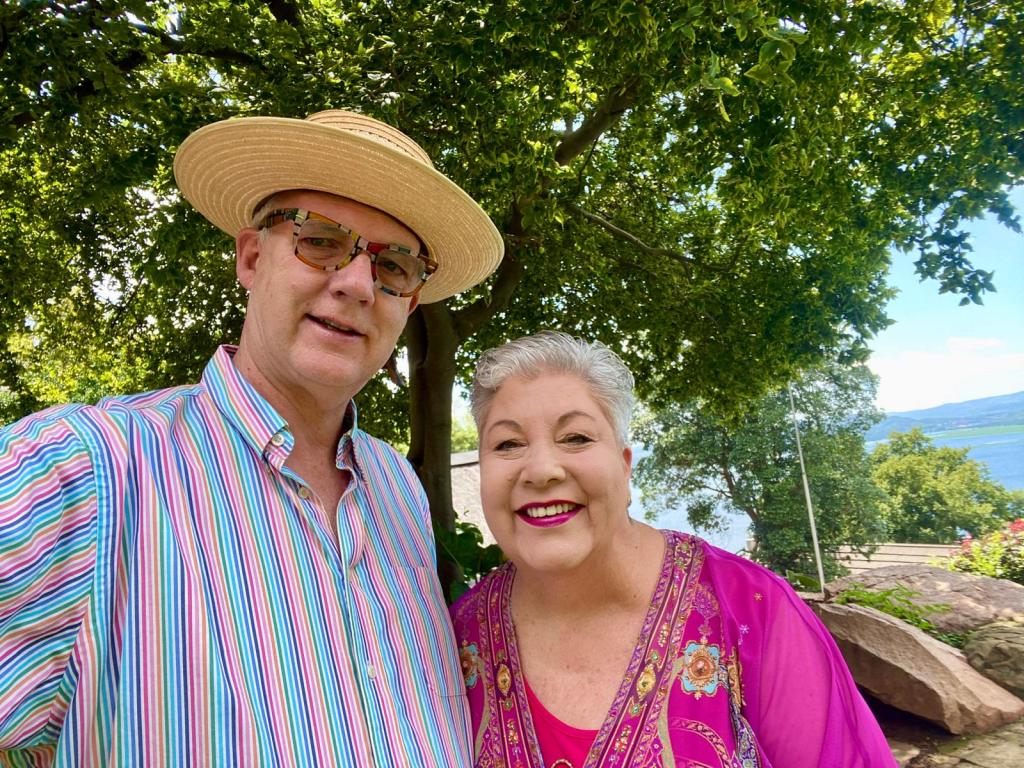
It’s been a while between drinks, so to speak! Not because I’ve had nothing to share, but because I’ve had so much to share!
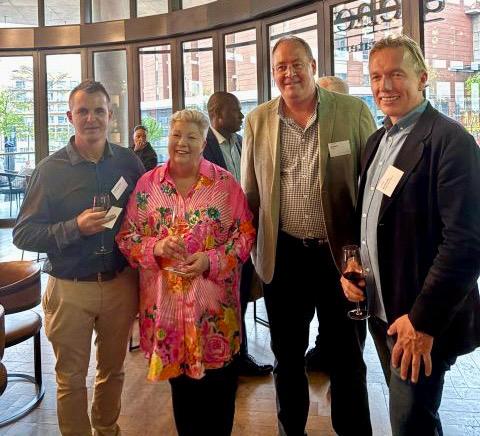
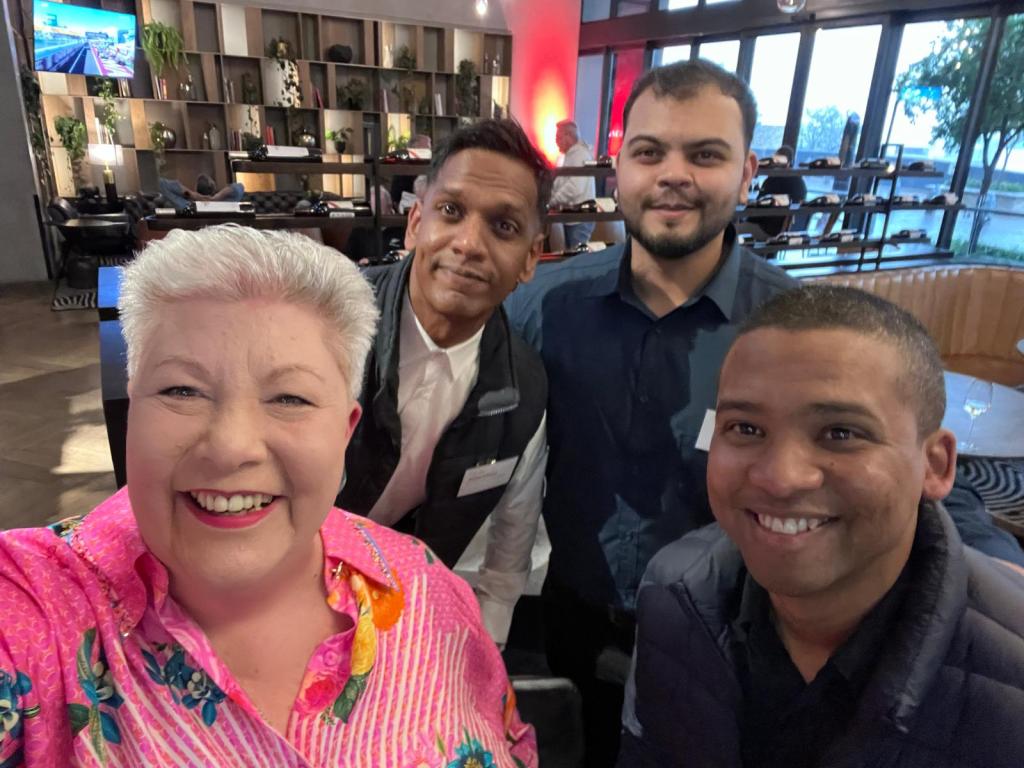
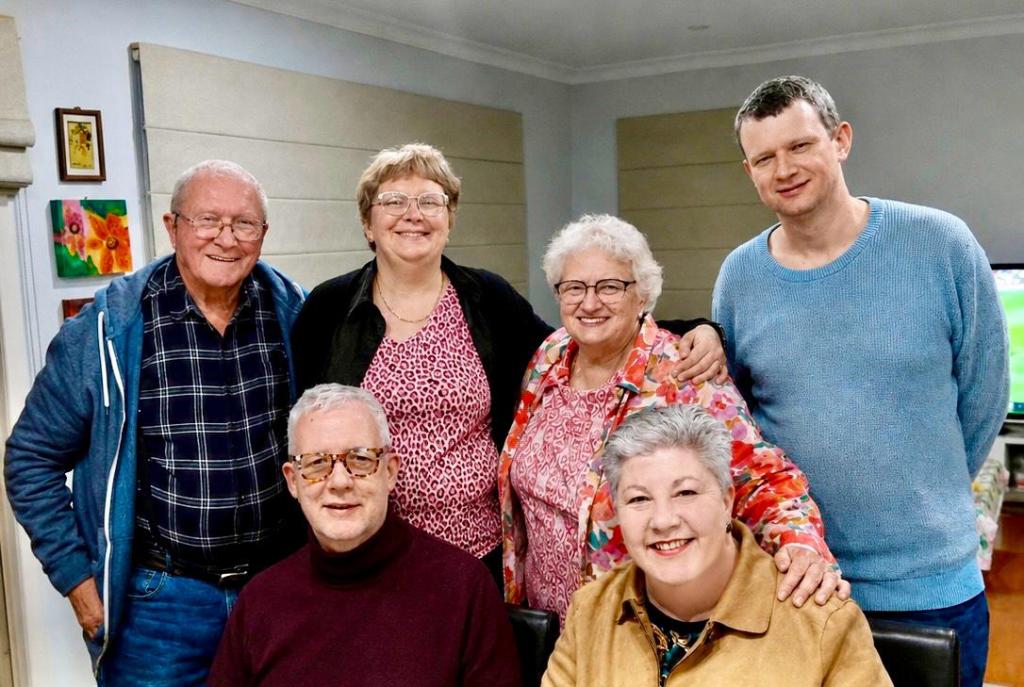
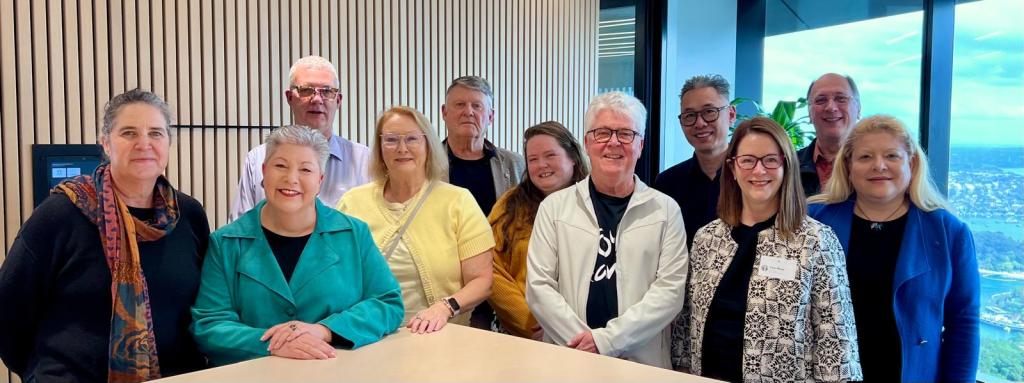
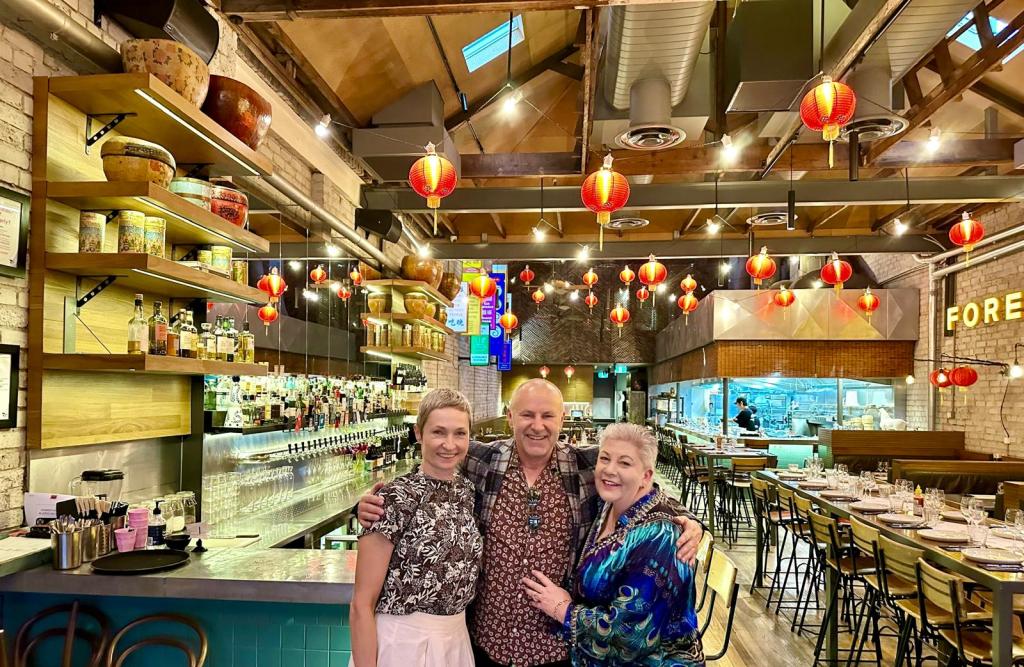
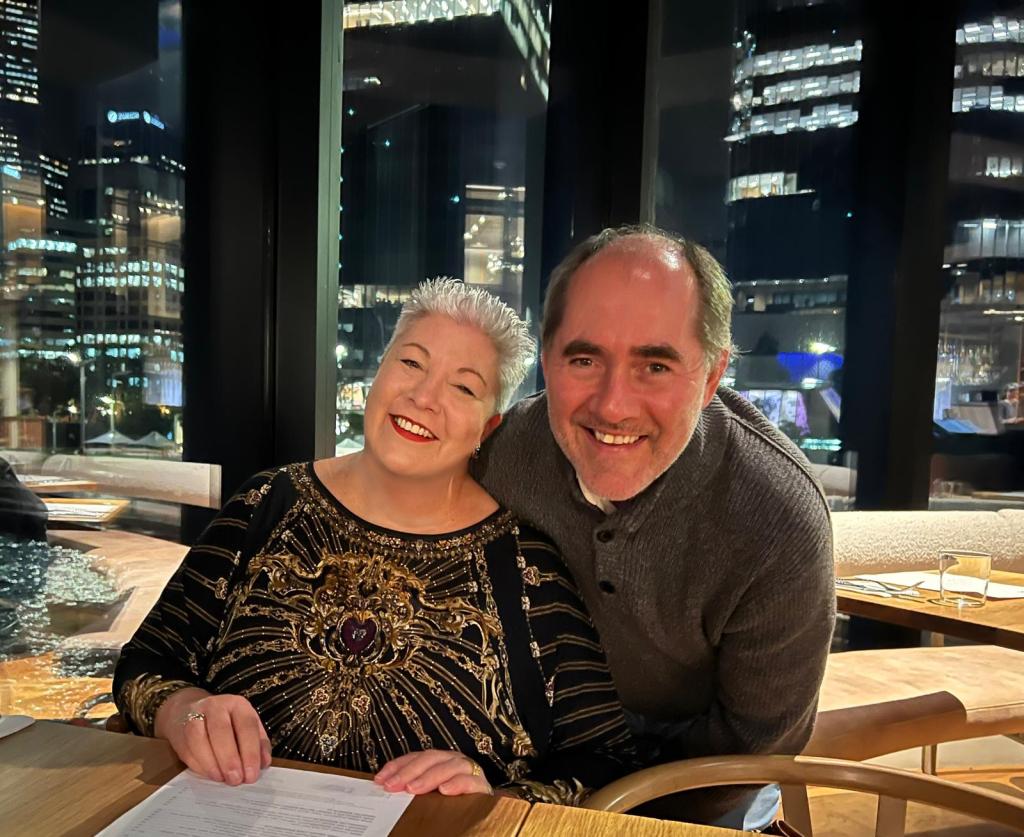
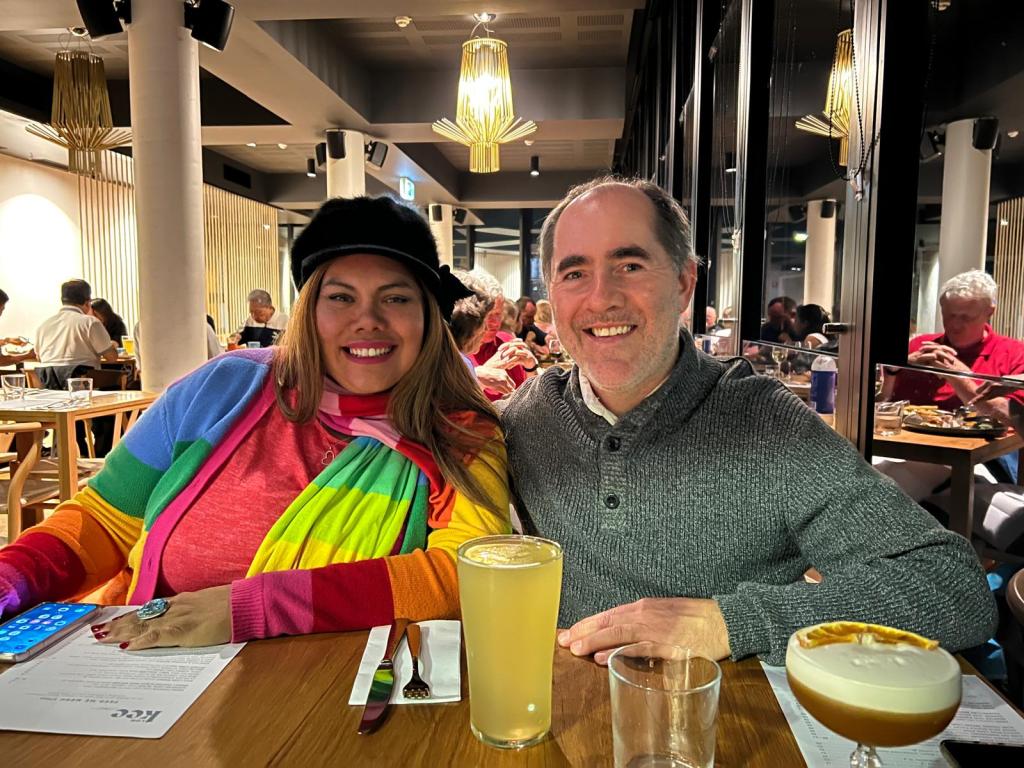
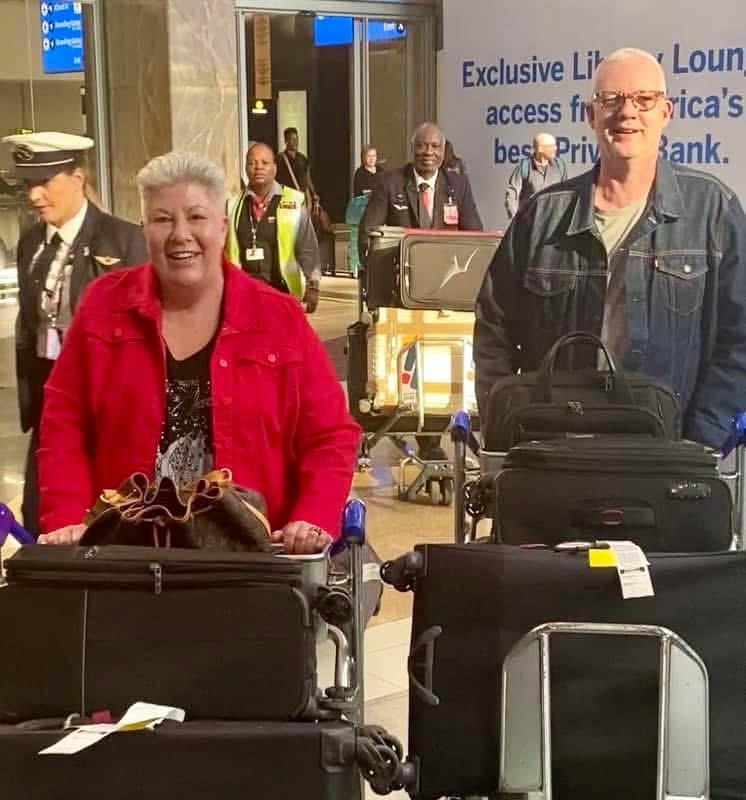
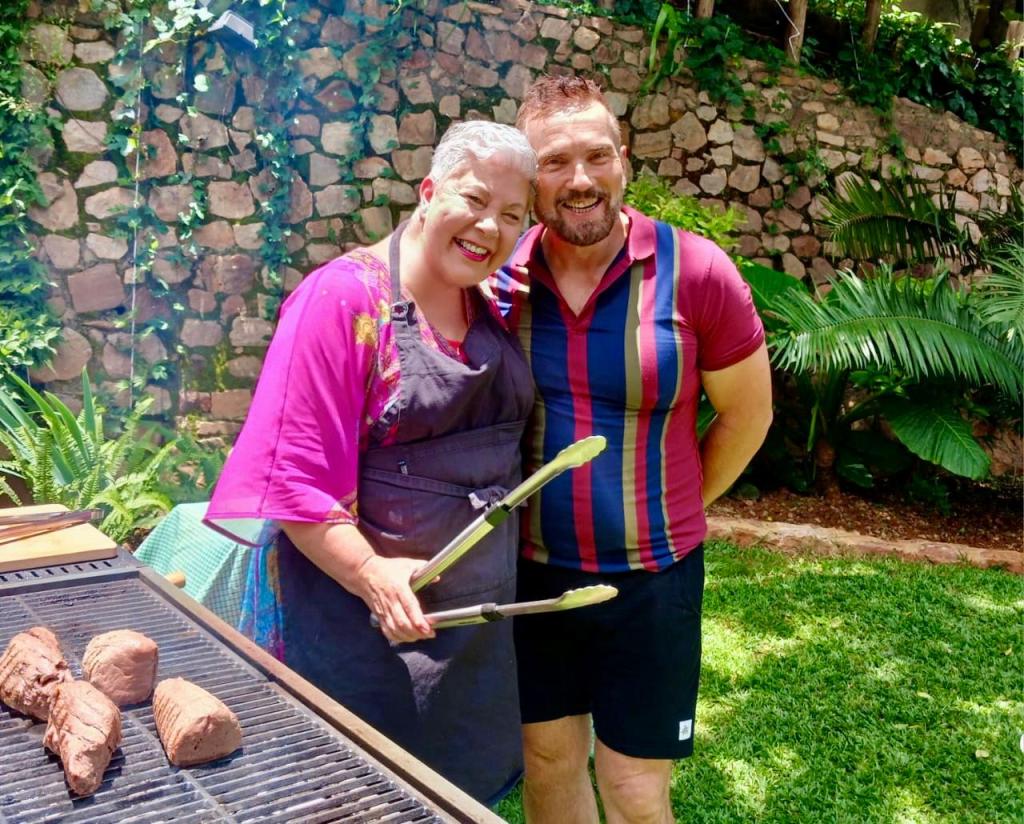
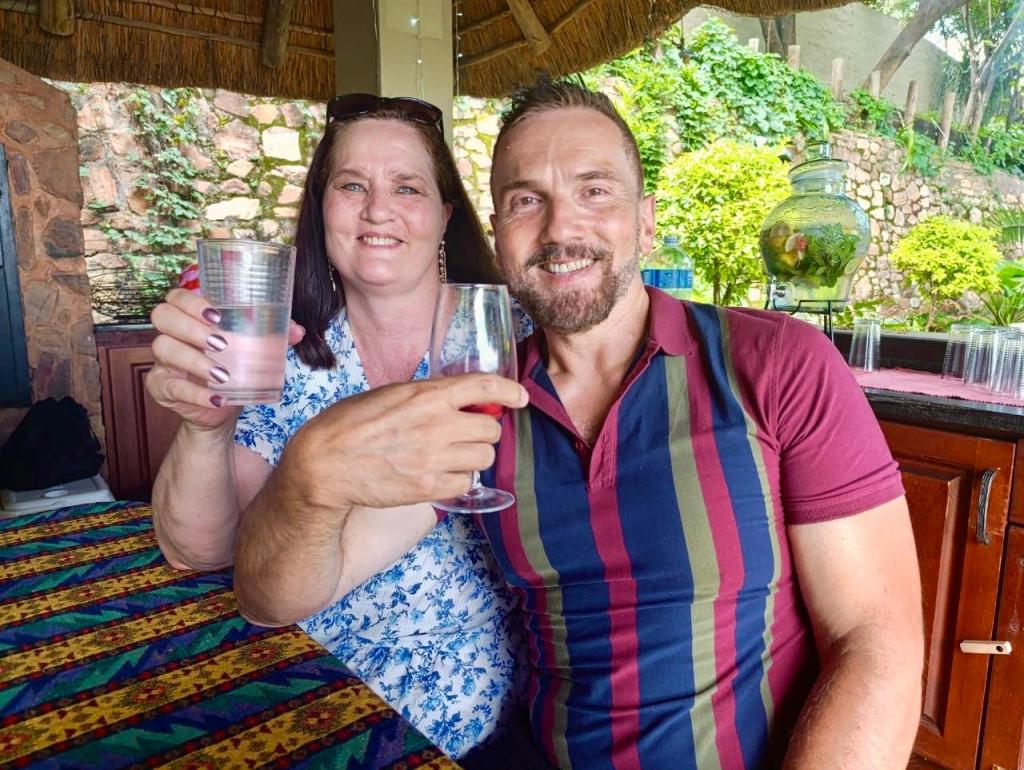
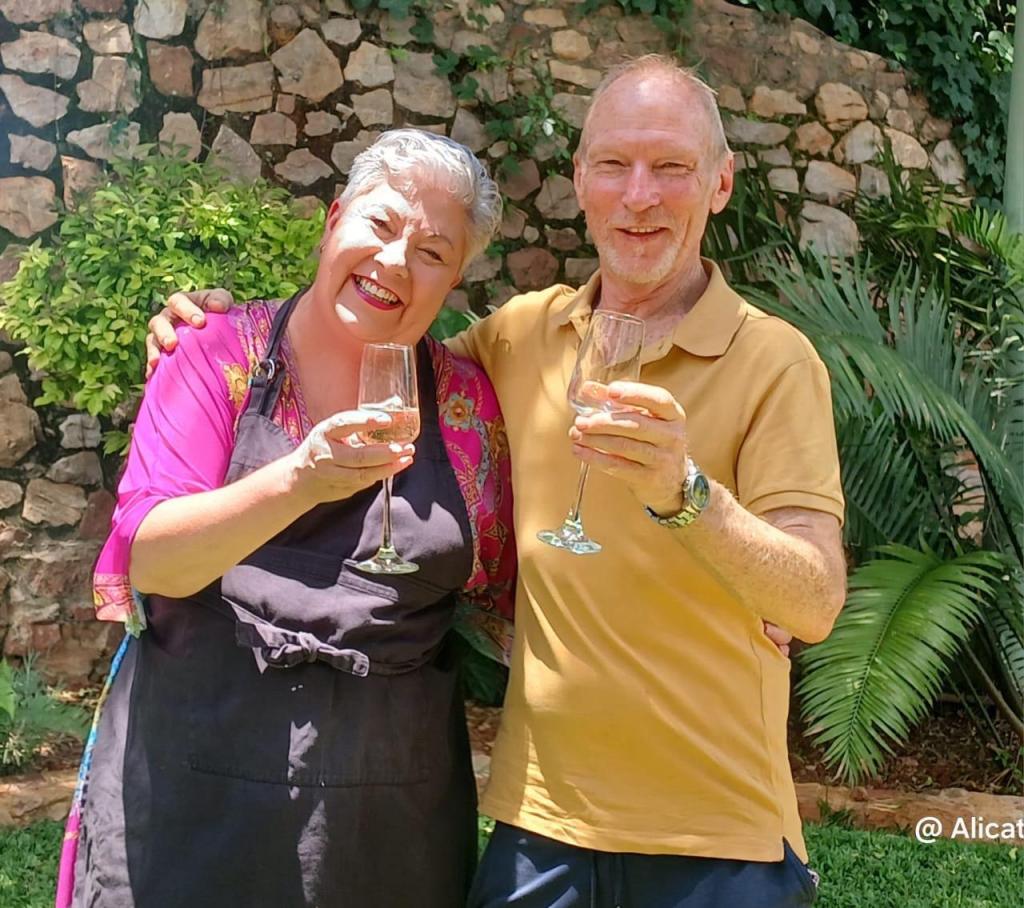
With the Nautitech boys and my Austrade client at the Electra welcome drinksWith the Don Kyatt team
In this past month, I’ve been to Perth, Melbourne (twice), and Sydney, I’ve delivered webinars, officiated at an awards programme, attended an awards ceremony, recorded a podcast, and worked at a mining expo. I’ve smiled for dozens of photos, been streamed, filmed, and had my flesh pressed more times than I can count.
So let’s get you up to speed!
On 18 August I flew to Perth to moderate my bi-monthly breakfast for the Department of Primary Industries and Regional Development (DPIRD). (This time the man was with me.) I arrived on the 19th, did the work on the 20th, caught up briefly with my nephew Shon, and then flew onto Melbourne.
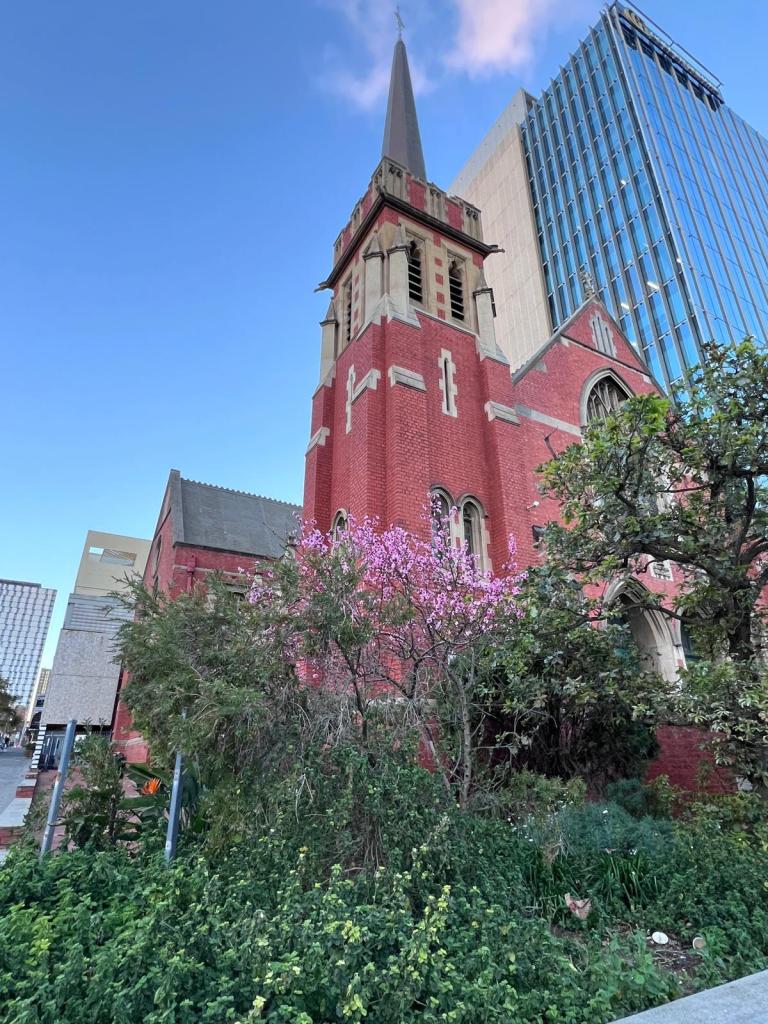
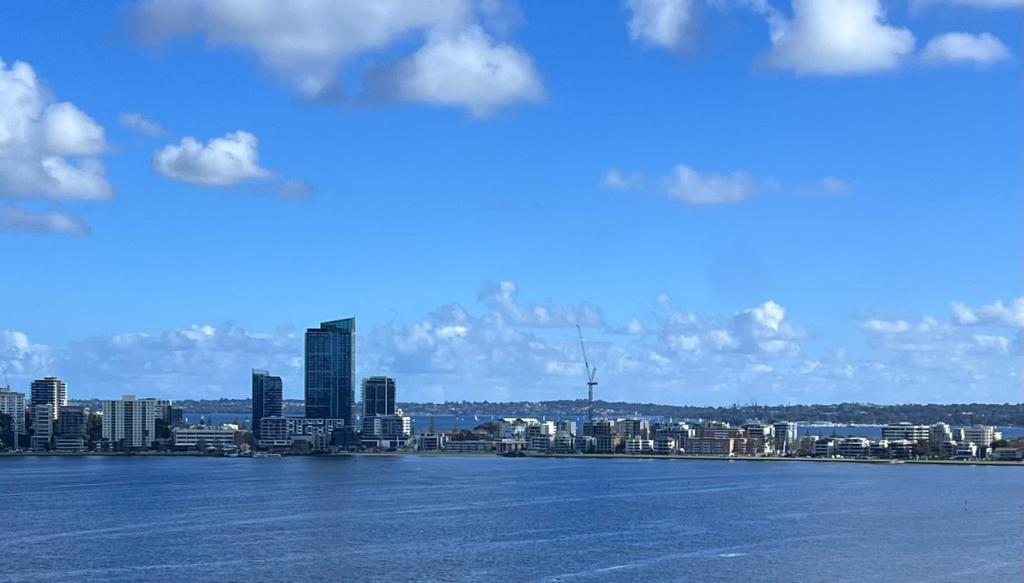
Early Spring blossoms on Adelaide TerracePerth’s Swan River
Melbourne disappeared in a whirl of catch ups …
With the Posadoskis
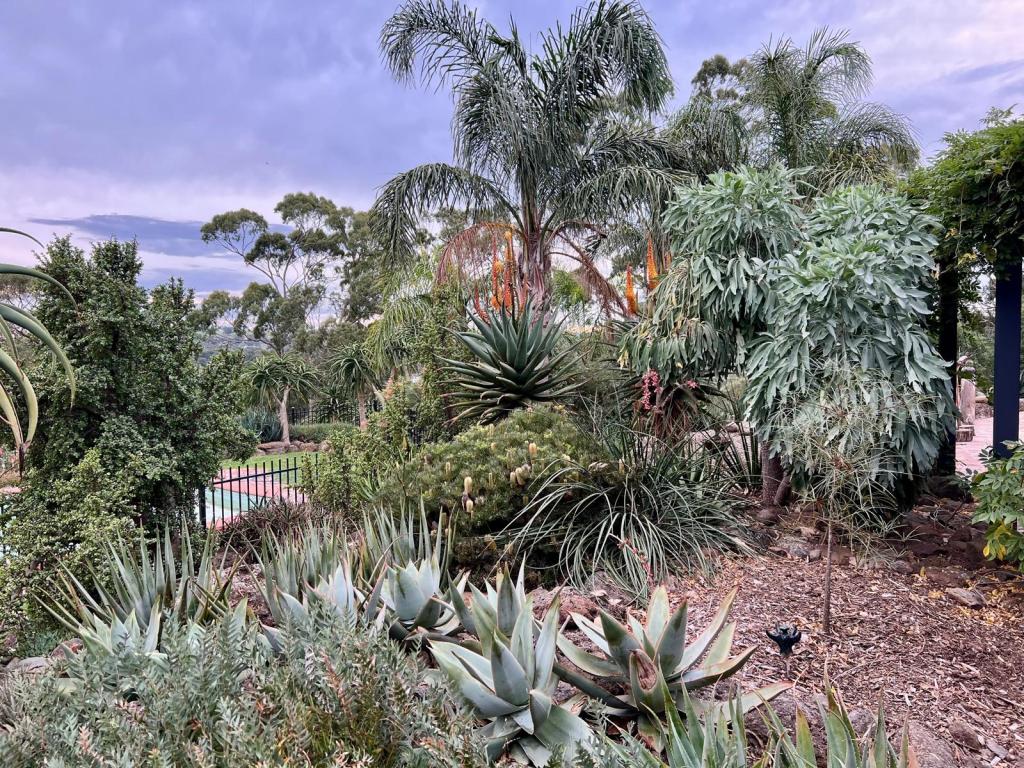
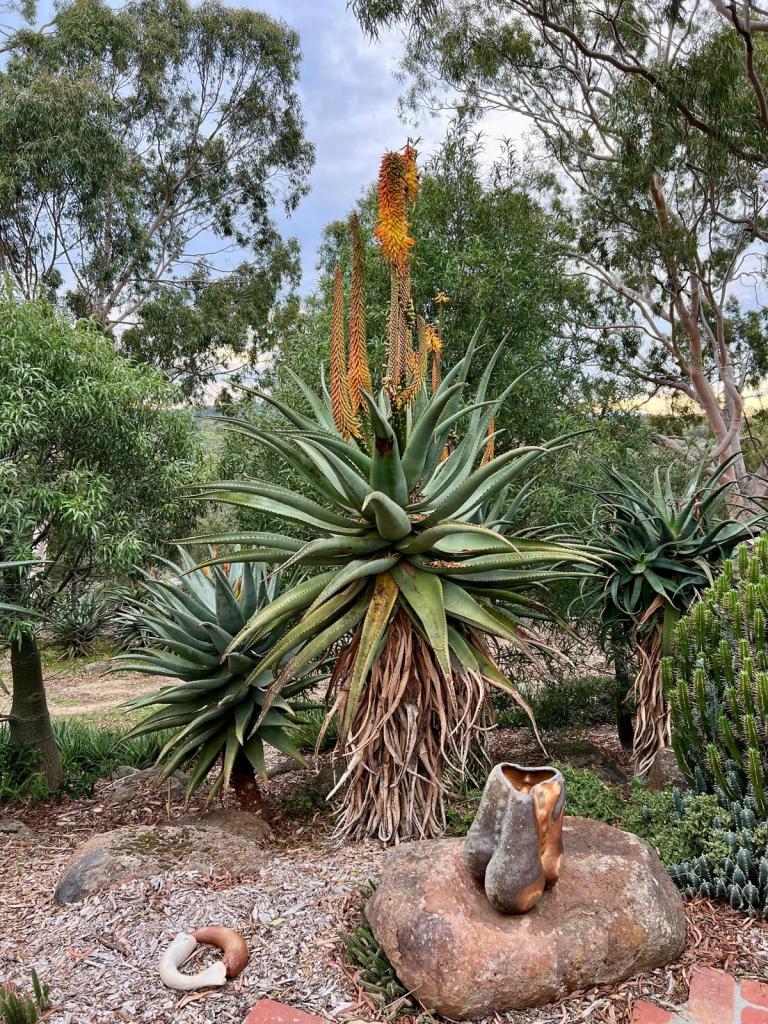
And meetings and more. But we did come home each day to our lovely friend Dewetia’s peaceful home and splendid garden!
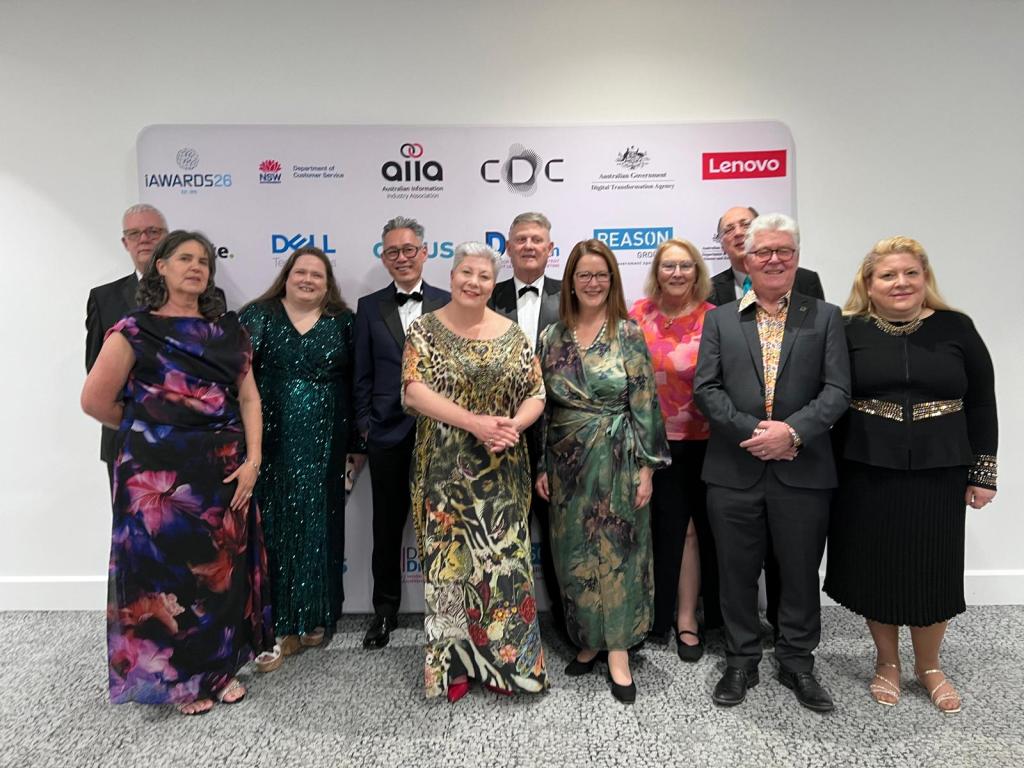
From Melbourne we headed to Sydney for the National iAwards. The man judged, I – as Chief Judge – officiated. Winners were selected and deliberations were had.
With my very capable Lead Judges who oversee the 10 categories
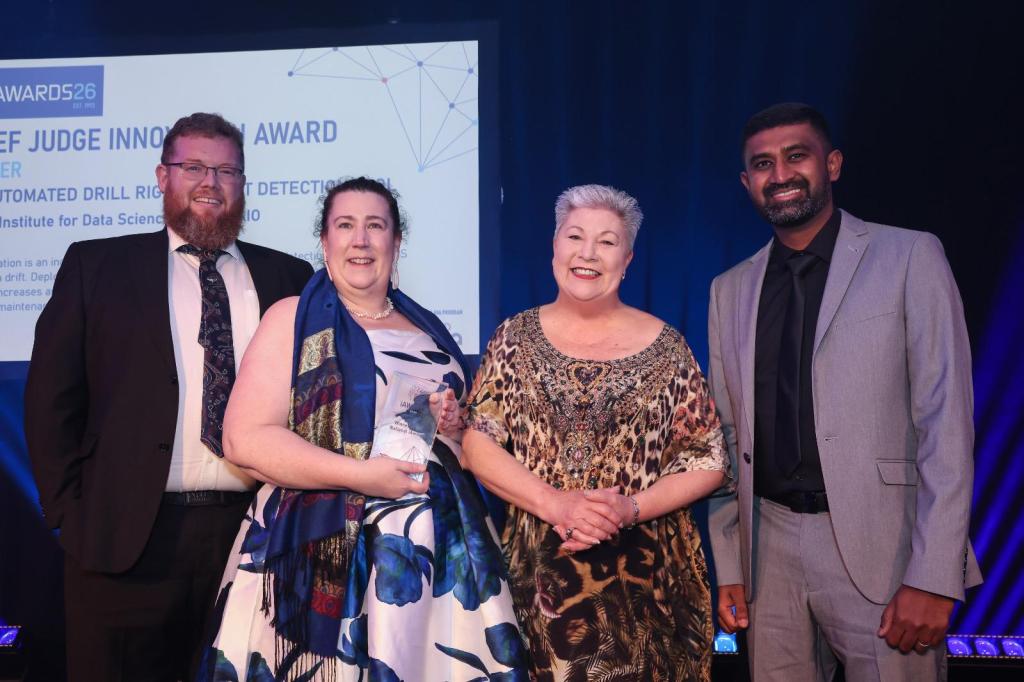
The iAwards culminated in a ritzy Gala event, with food and speeches, and one or two glitches. A great time was had by all!
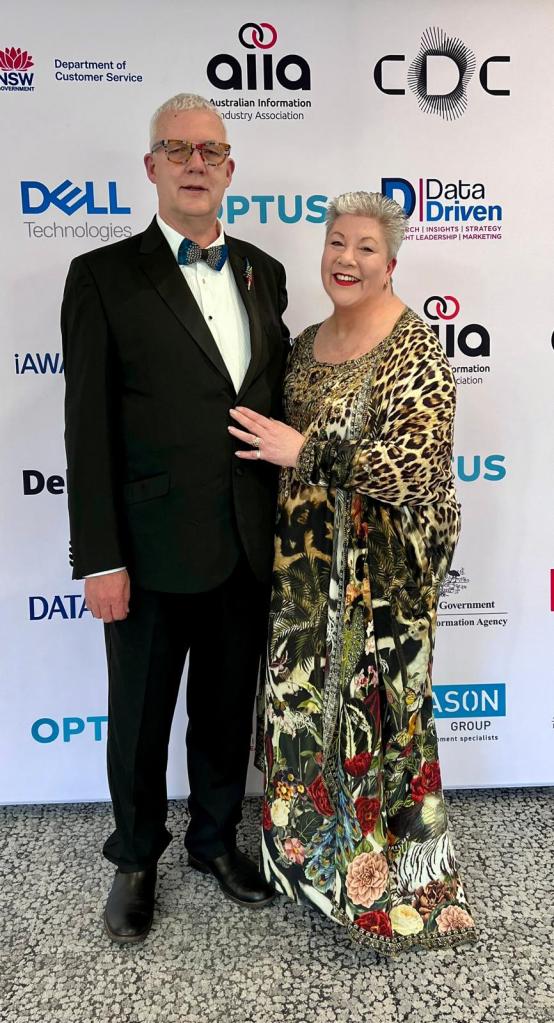
With my Leads, this time all dressed for the ocassion.The winners of my Chief Judge Innovation AwardOfficial pic with the man (also Lead Judge of the Industrial Tech category)
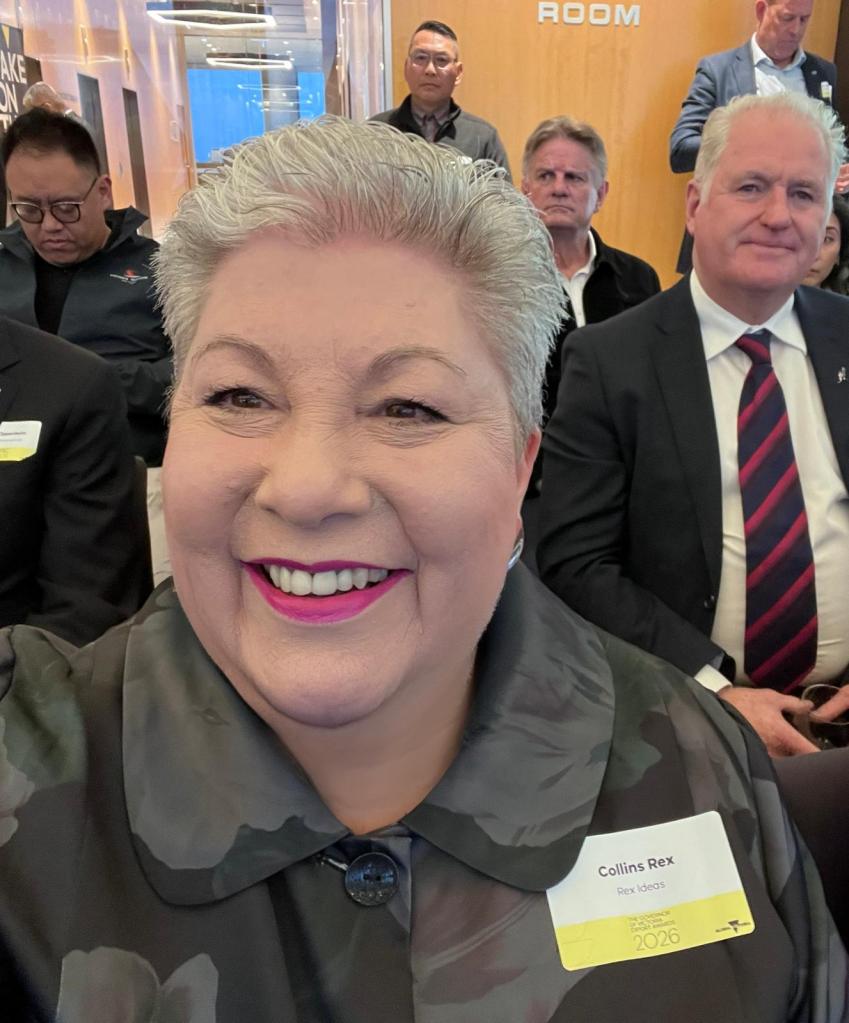
From Sydney the man headed home, and I headed back to Melbourne for work, and to attend the Governor of Victoria’s Export Awards (GOVEA).
It was great to catch up with old friends and colleagues. Many laughs were had, and proud moments too, as many of the companies I coached walked away with gongs.
In Melbourne I presented the first of my webinars on AI and technology in trade for Austrade. This would also be the only one presented at the decent time of 12pm AEST. From then on I would be presenting these at 4am South Africa time!
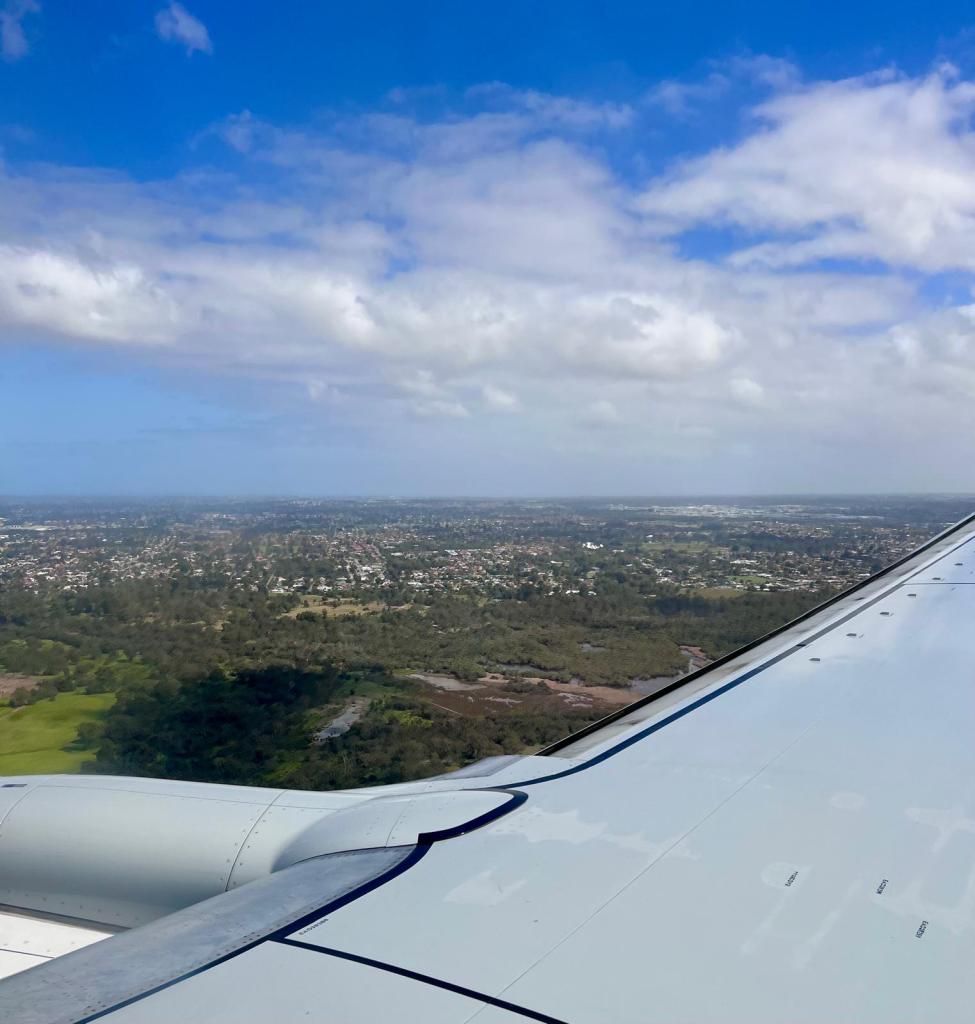
“I see it all from my window on the world” – over Joburg
I arrived home late on Friday night, 05 September to find that Spring had arrived!
Saturday was spent catching up on washing, and doing shopping for basics. I had one home-cooked meal, and then prepared to head to Electra Mining Africa in Joburg.
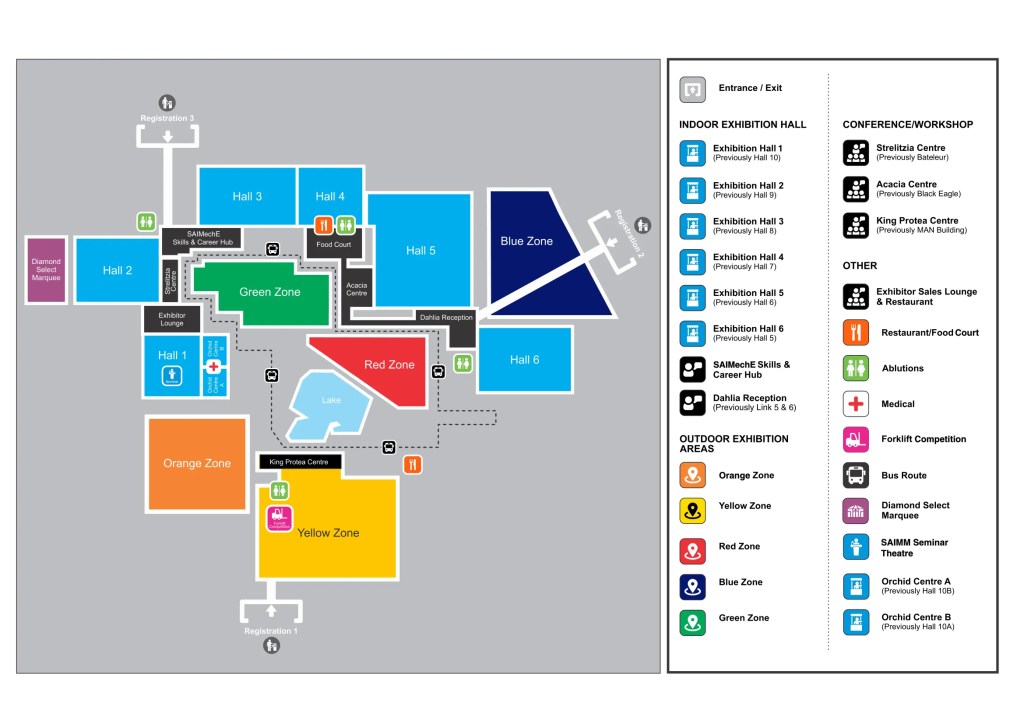
With Electra being just too far from home to drive in and out each day, we stayed in Northcliff, with dear friend, Derrich. From his place the expo venue (NASREC) was just 20 minutes away. And he’s well set up for me to have delivered one of those 4am webinars, and to record my next podcast episode for “Food and Beverage: Trade Unpacked”.
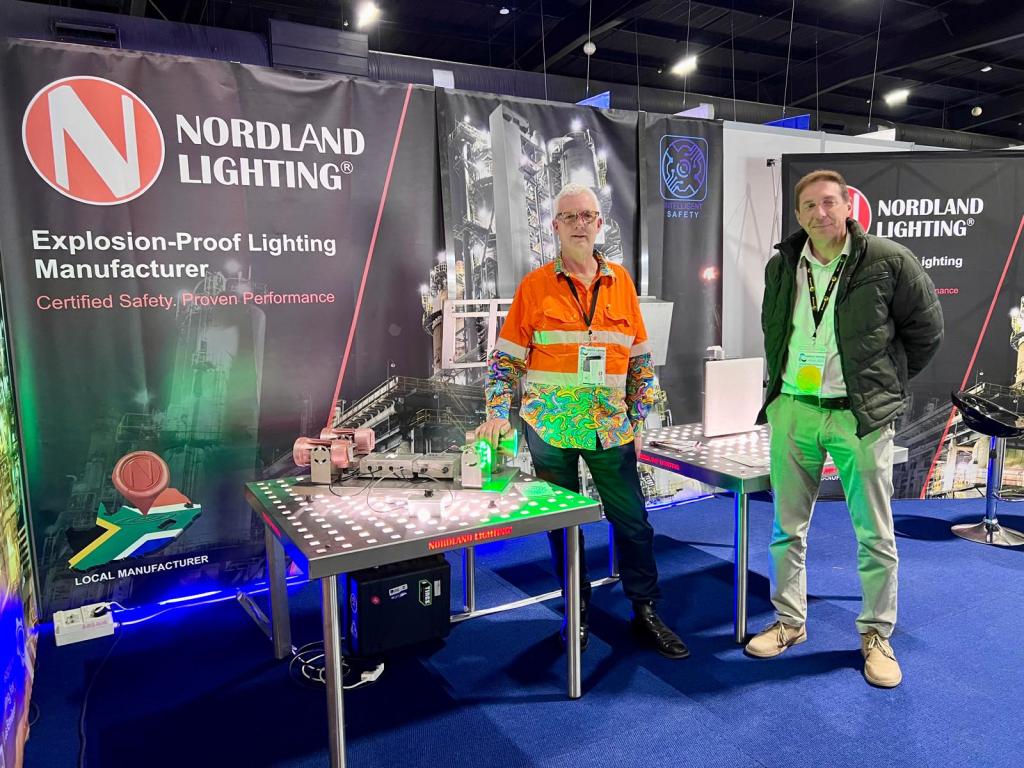
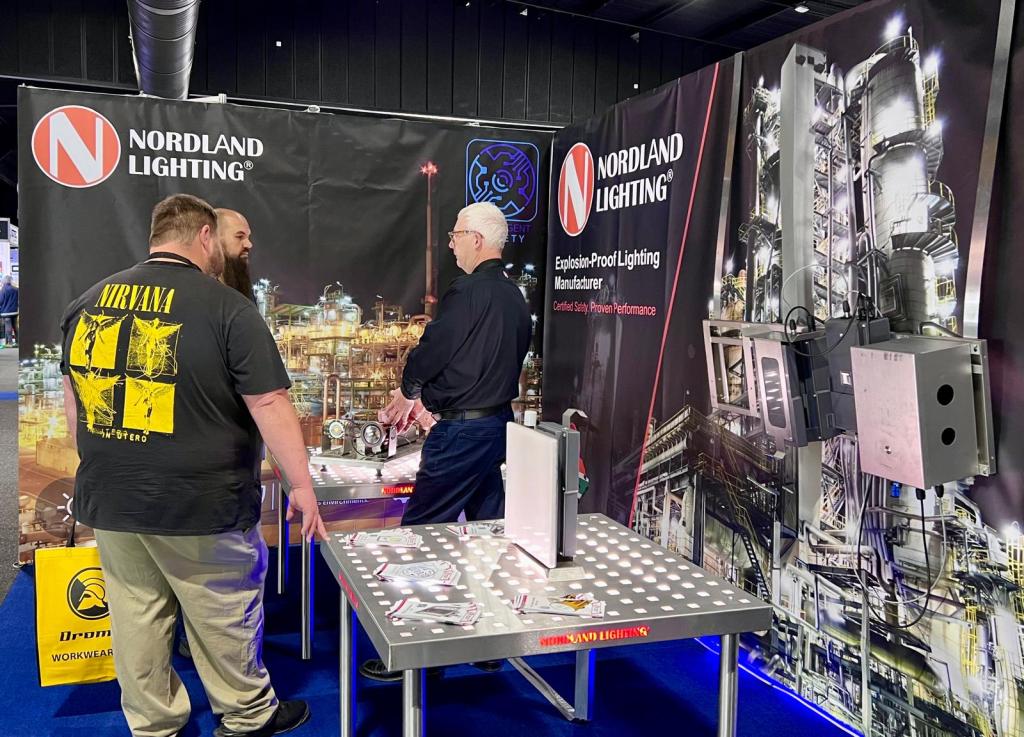
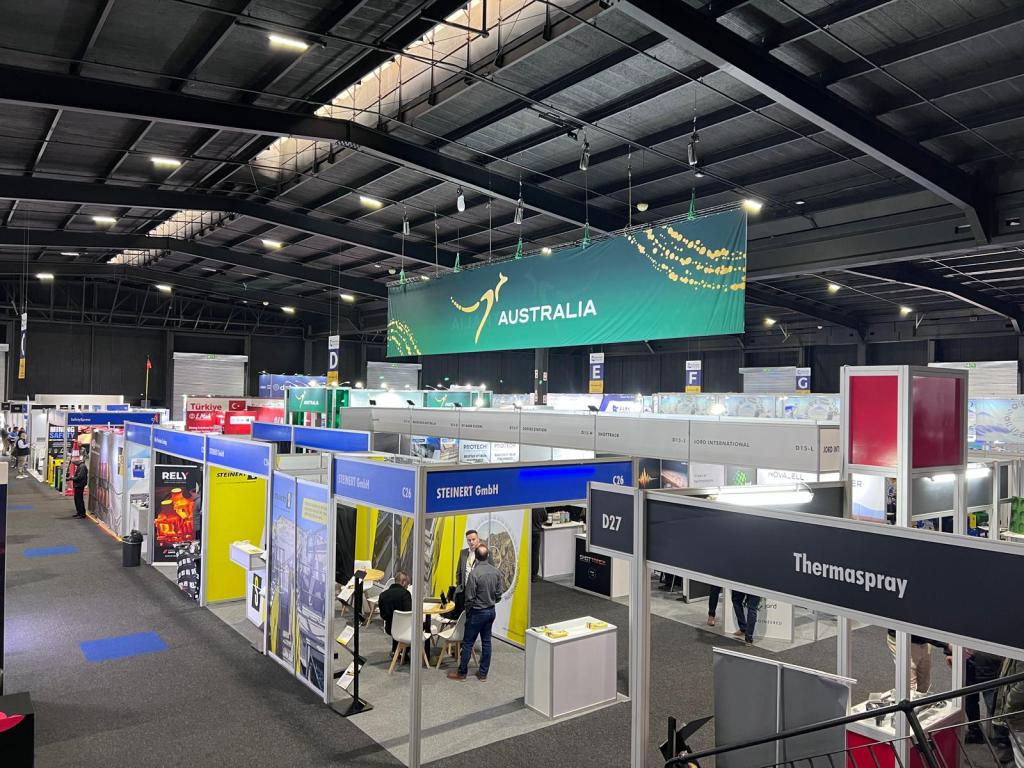
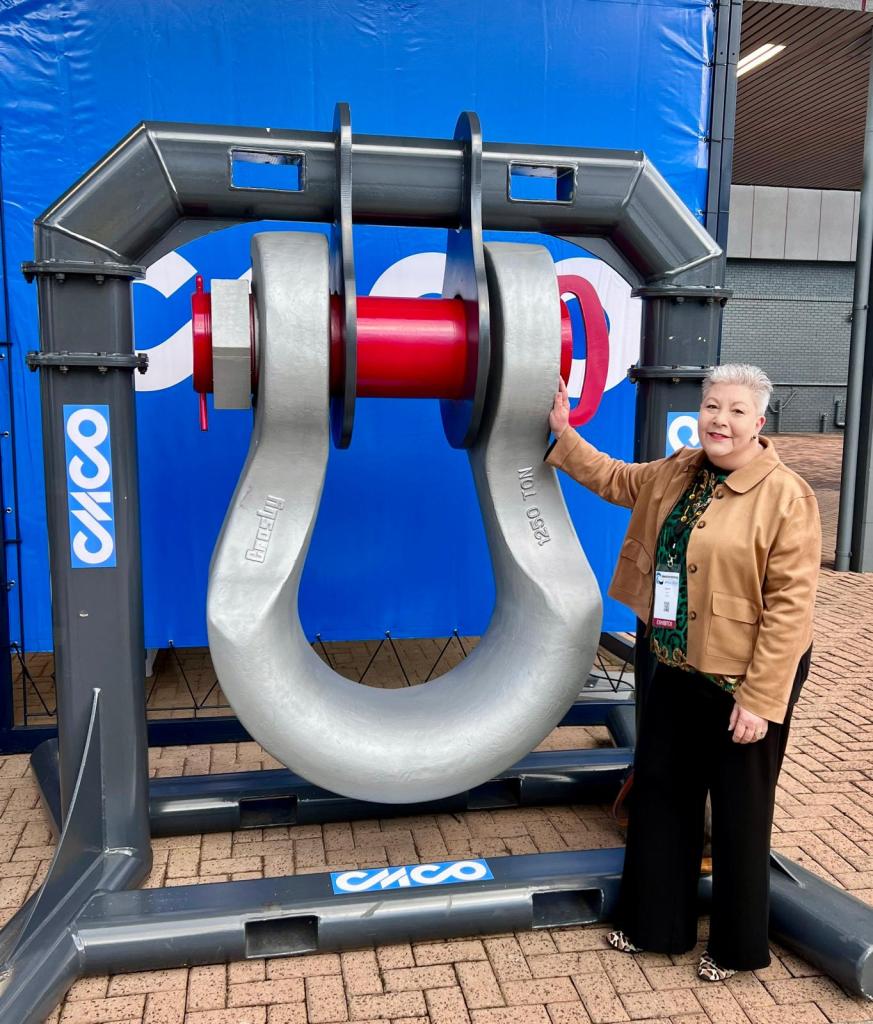
Electra Mining is the largest METS (mining equipment, technology and services) expo in Africa. Mining companies come here with their shopping lists to buy everything from (very large) haul trucks to widgets and smart tech solutions. The man exhibited in his own right with Nordland, displaying the prototypes of some of the new lights he’s developed.
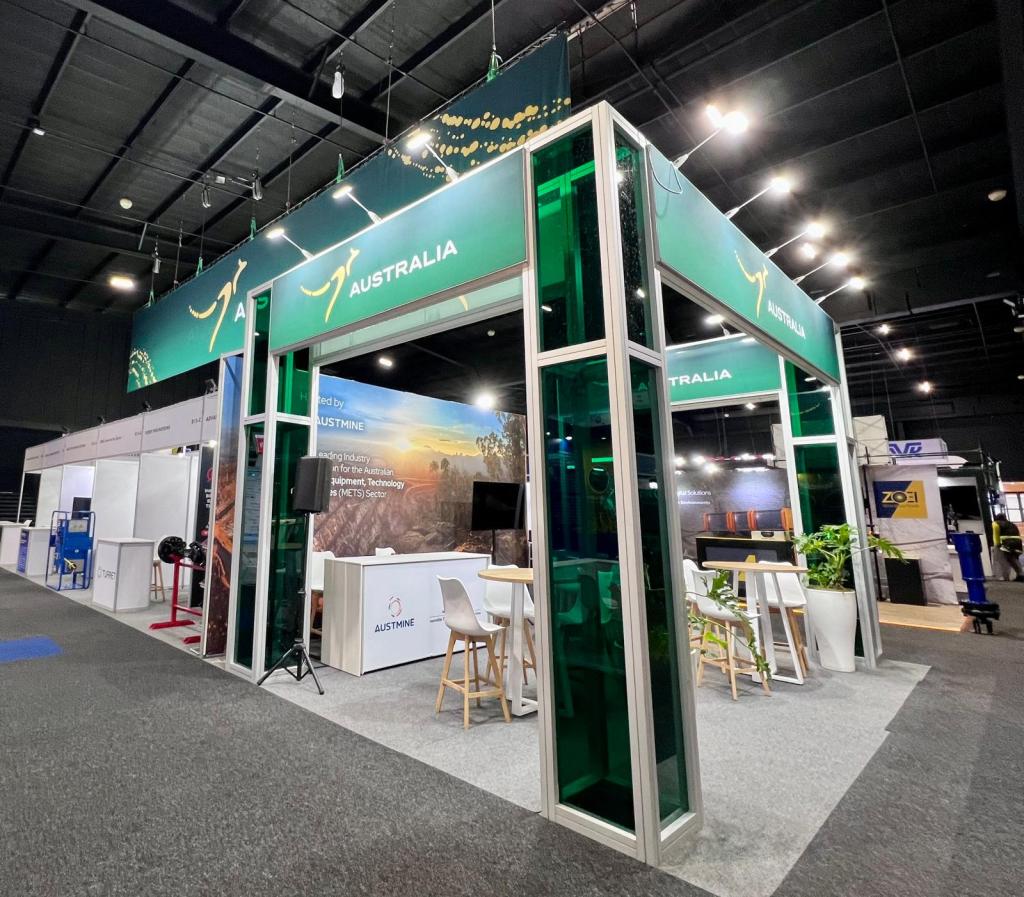
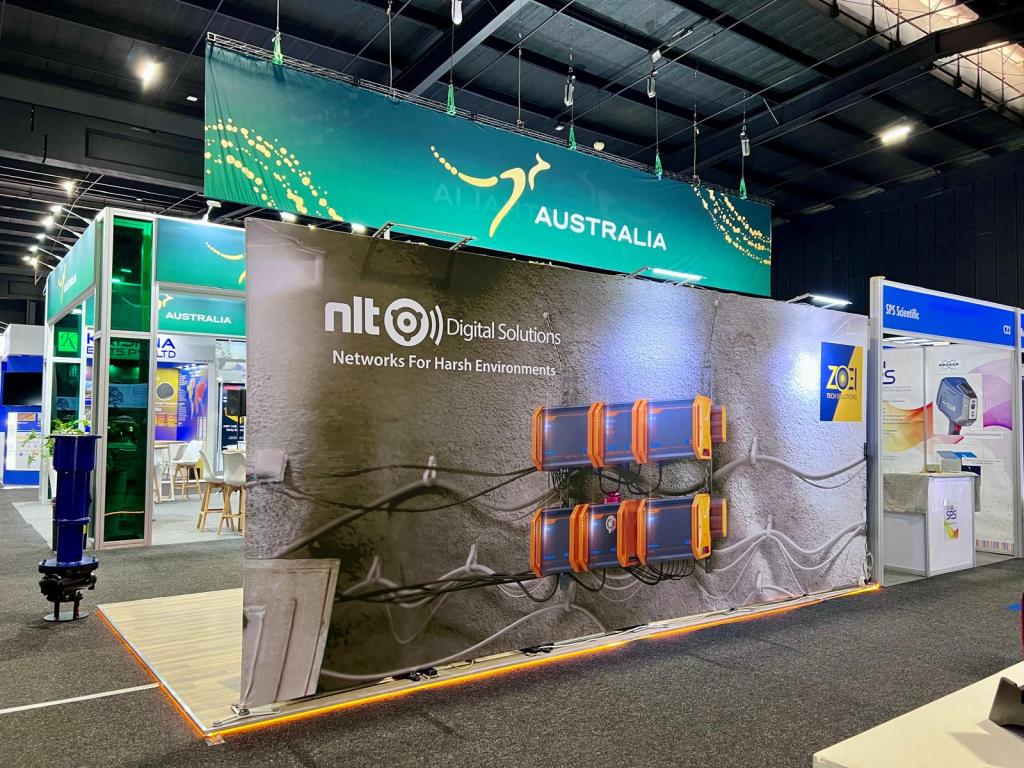
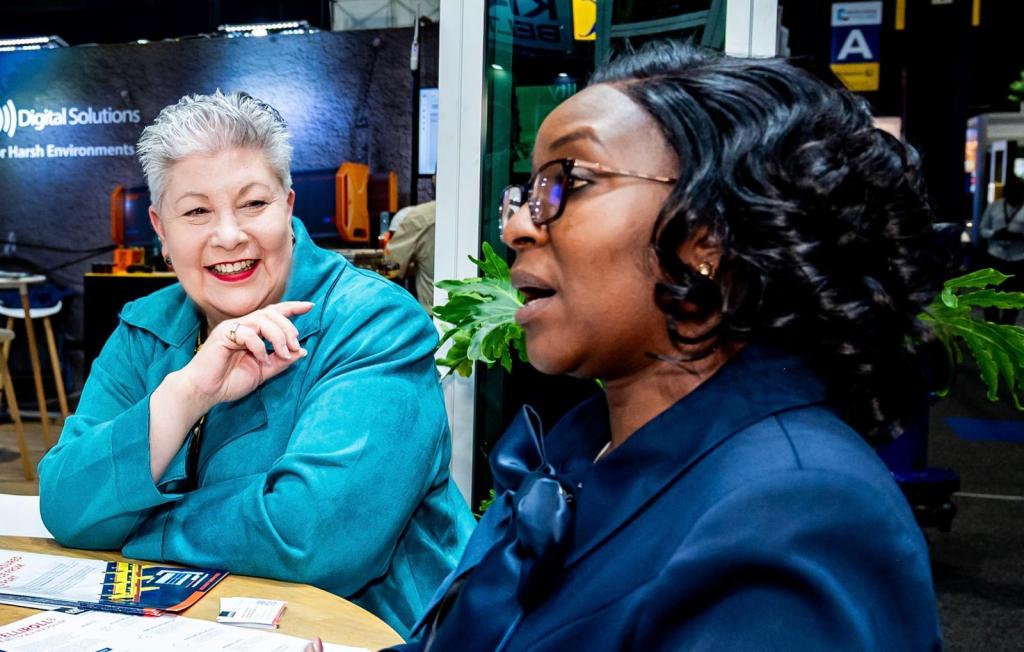
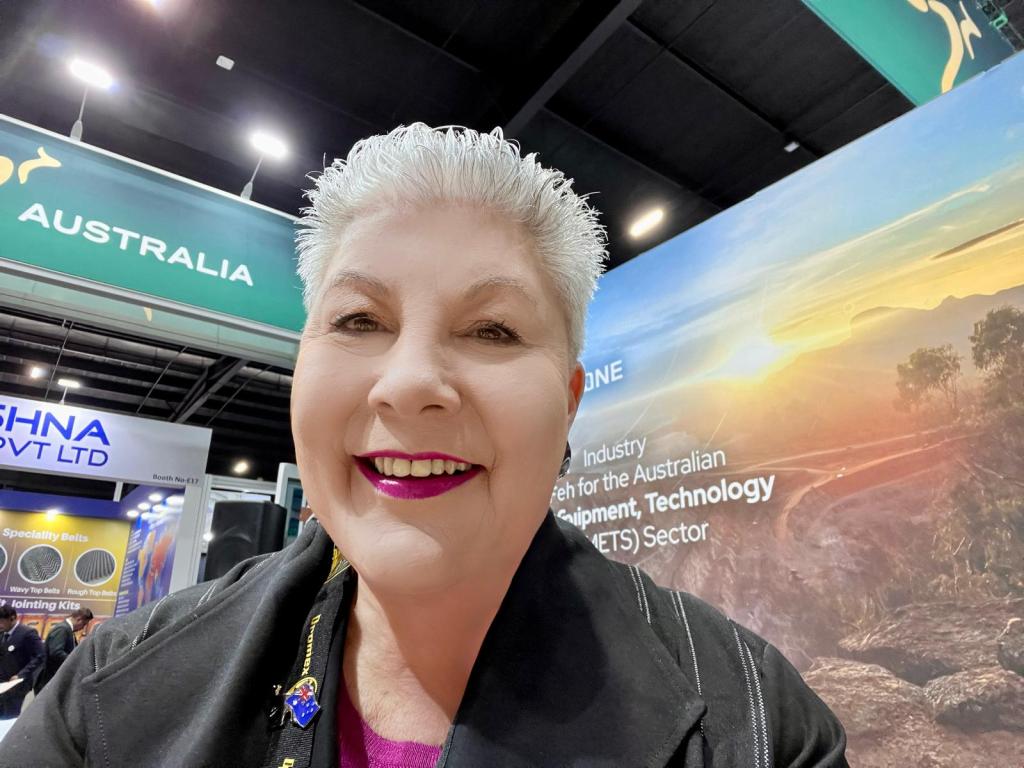
I worked with the Australian delegation, a group of 11 METS companies, each with a unique offering. I was engaged by Austrade, through the industry association, Austmine.
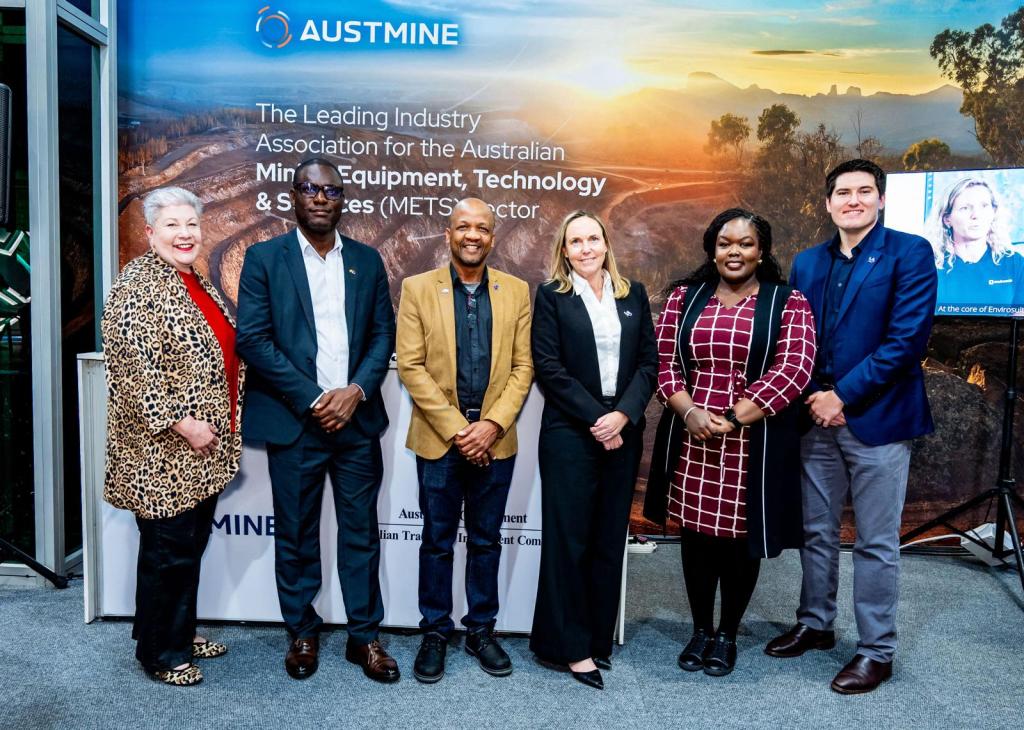
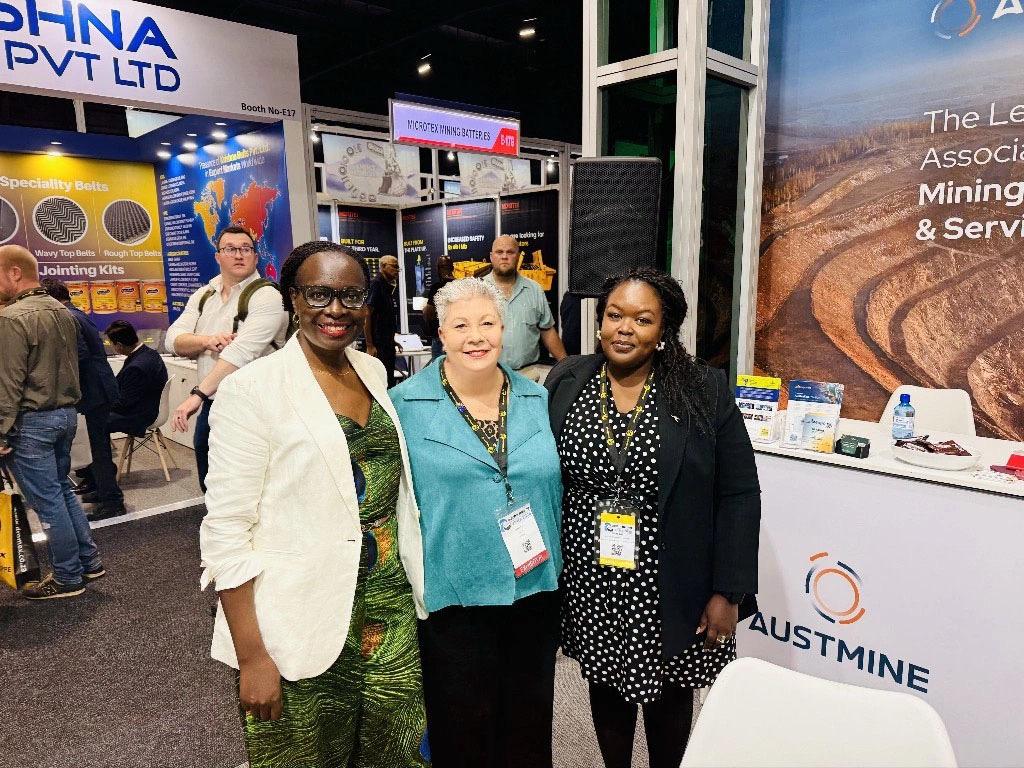
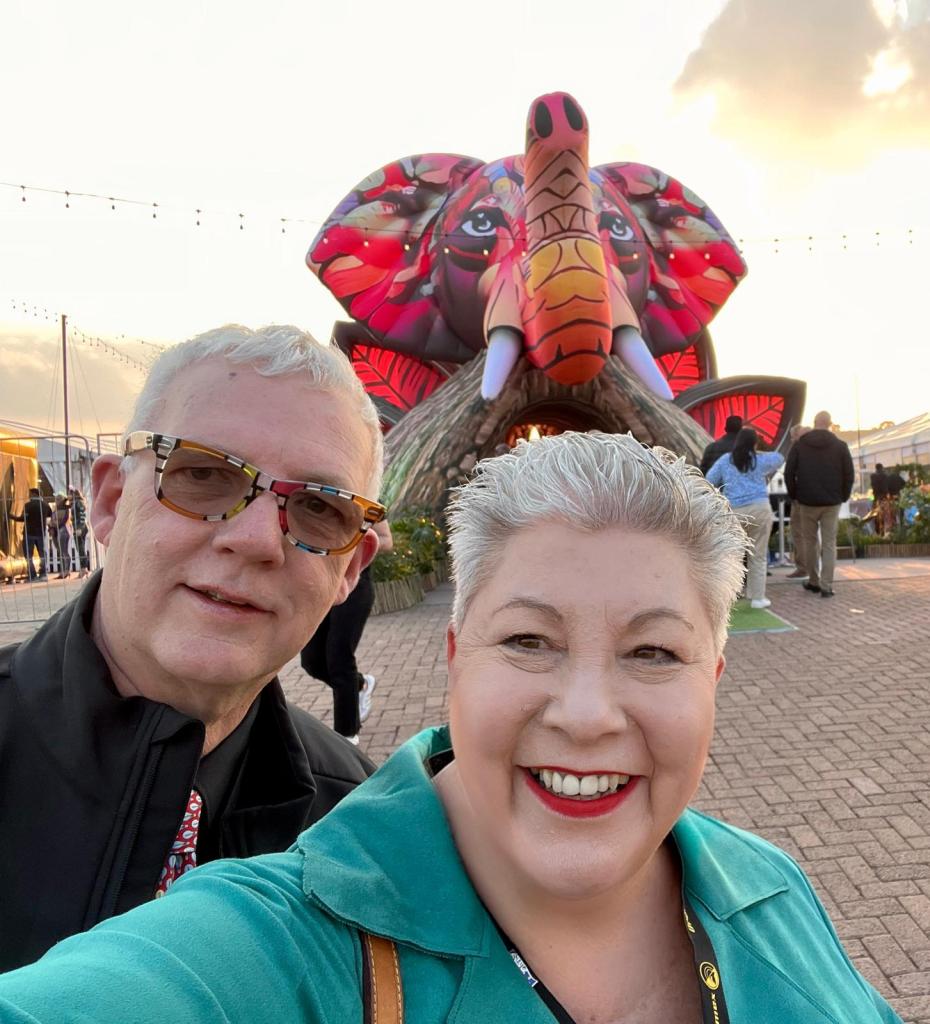
The Australian PavilionWith Austrade and Austmine colleagues, John, Gerry, Jolene, Sheila and SheldonWith Caroline (from Mining Indaba) and SheilaEnjoying “Jungle Fever”With the remarkable, Selina SimumbaOutside the stand
Working a show stand for five days is tough! But the companies gained much, the clients were happy, and I got my mining fix!
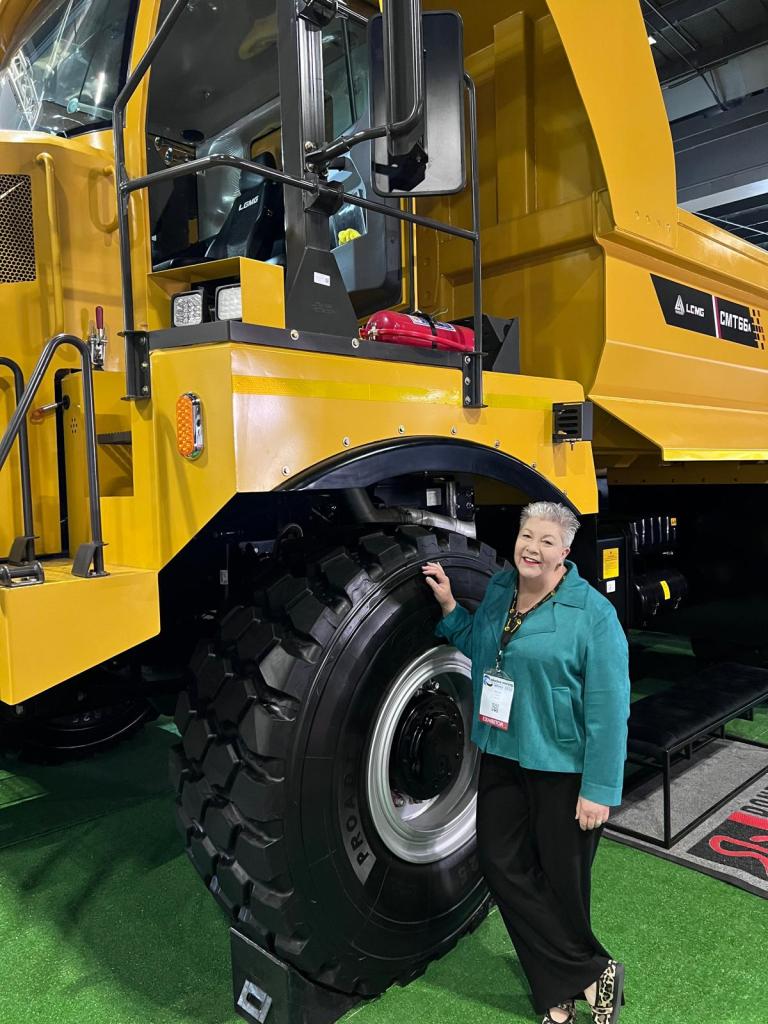
Not the biggest haul truck, but not a puppy eitherMining does big very well!
After Electra we headed home to find the garden in full Spring mode …
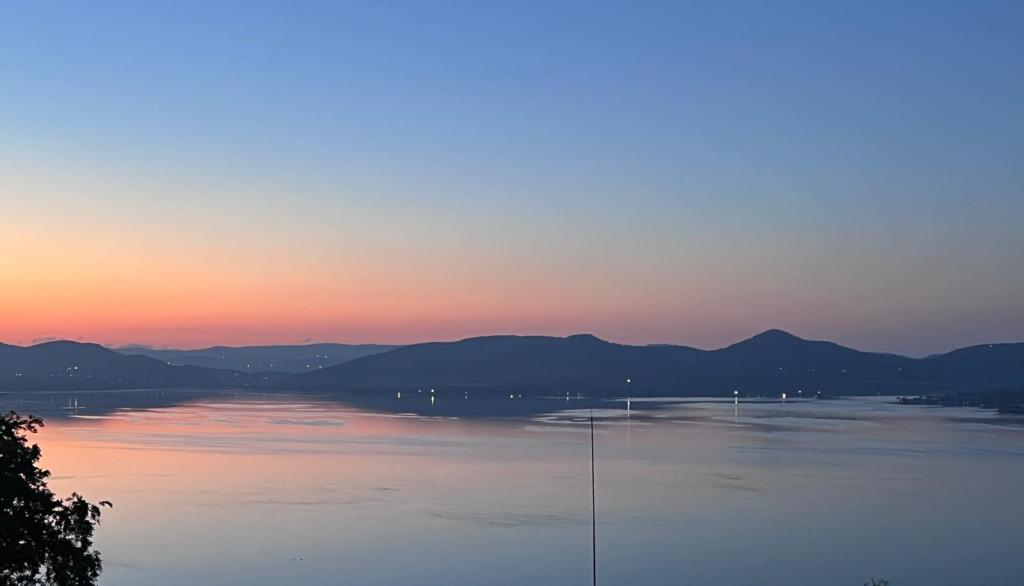
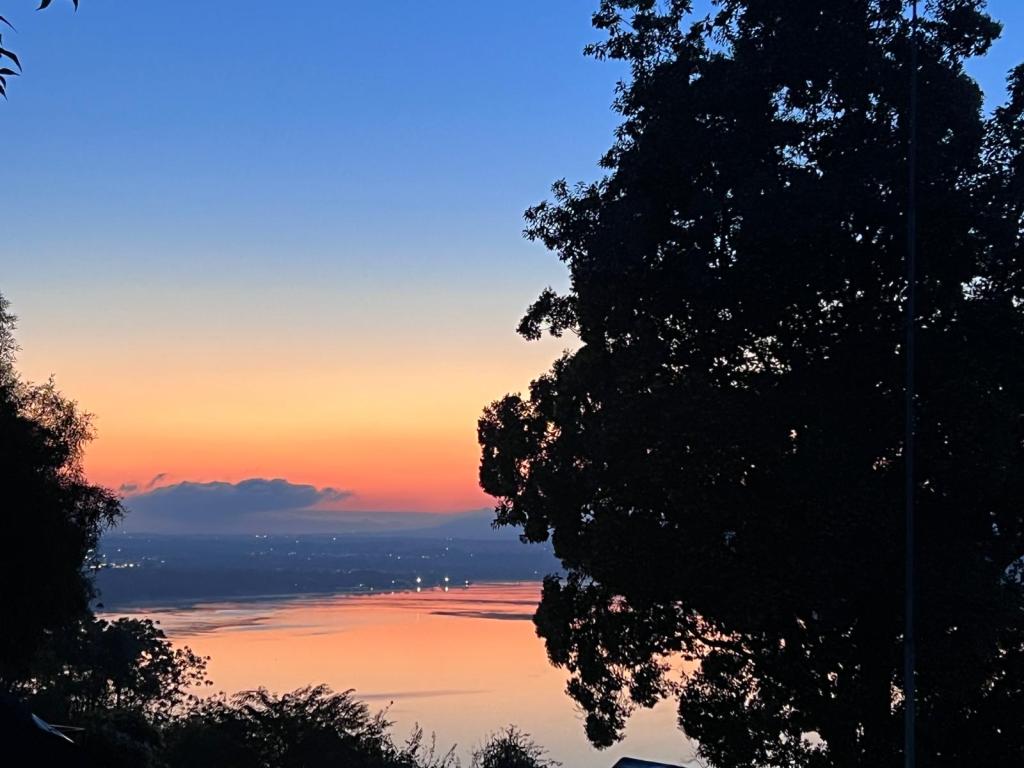
And the sunrises as spectacular as ever!
Now it’s back to the usual – webinars, podcasts, writing take-home guides, and more. All until I head back to Perth on 13 October …
Oh, and watch this space for the exciting announcement of my (limited) return to radio in South Africa!
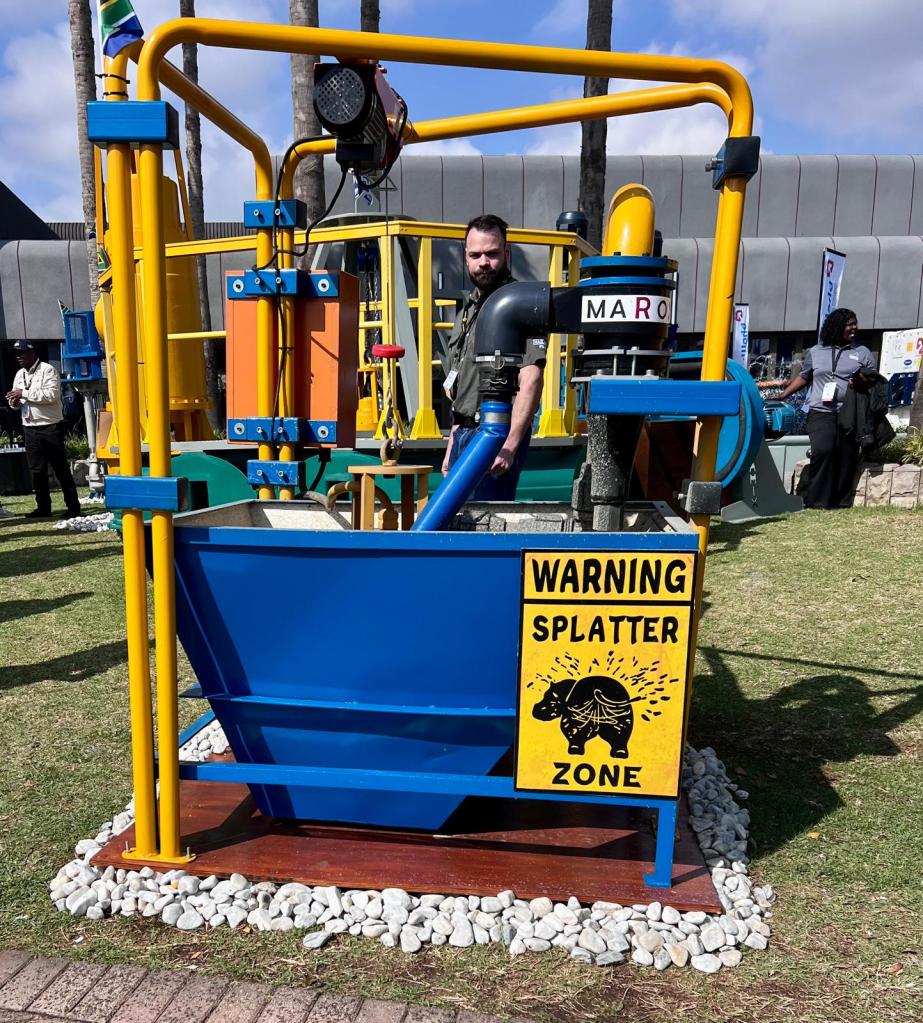
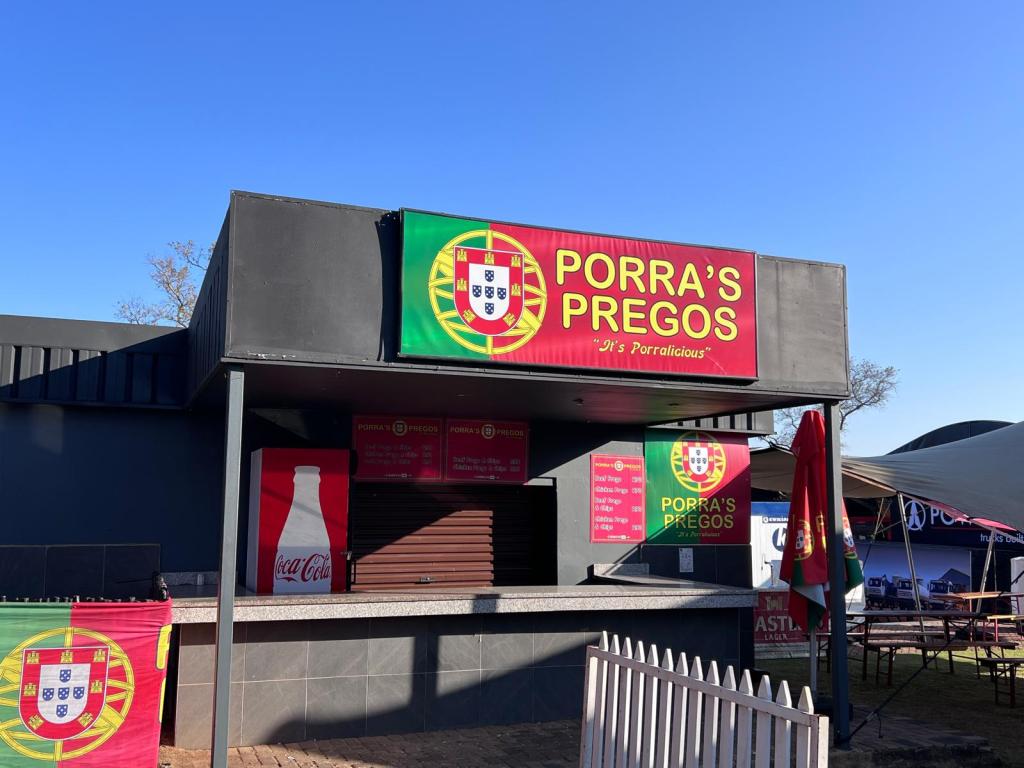
I leave you with a purely South African bit of cheek (spotted at Electra Mining)!
A handful of restaurants worldwide are truly of their place, restaurants that can be nowhere but where they are, restaurants that honour the food and the eating traditions of their very special place on the globe.
Chef Virgilio Martínez’s restaurant, MIL Centro Food Lab and Interpretation Center, in Peru sits beside the Inca site of Moray at around 3,568 metres. Rather than simply sourcing Peruvian ingredients, MIL constructs its menu around Andean ecosystems and altitude. Ingredients, agricultural practices and knowledge come from the surrounding landscape and communities.
MIL Centro works with more than 300 local producers, farmers and artisans, including neighbouring Indigenous communities whose knowledge of seasons, cultivation and the land feeds directly into the restaurant’s work.
Australia has Brae. Dan Hunter’s restaurant sits on its own organic farm in the Otways hinterland, and explicitly describes its cooking as creating dishes “uniquely of our place”. The farm isn’t simply a supplier to the restaurant. It shapes what can be cooked and when it can be cooked, alongside produce from surrounding farms and landscapes.
Ana Roš’s, Hiša Franko, is deeply connected to Slovenia’s remote Soča Valley and its mountain food culture.
Its cuisine grew from what was available in the surrounding environment: mountain herbs, wild plants, dairy, trout, game, fruit, mushrooms and produce from small farmers and artisans. What is particularly notable about Ana’s restaurant is the importance of the network of people around the restaurant. Producers aren’t anonymous suppliers; they’re part of the culinary ecosystem.
The resulting cuisine is internationally sophisticated but still unmistakably Slovenian and, more specifically, of the Soča Valley.
Congolese-born chef Dieuveil Malonga has made African ingredients, farmers and traditional food knowledge central to his work at Meza Malonga. His cooking draws on ingredients such as cassava leaves, sorghum, plantain, African spices and fermented products, combining them with contemporary techniques.
Malonga’s project extends beyond the restaurant. His work has involved travelling through African countries, learning from farmers and communities and building relationships between chefs and producers.
There are others, of course, in Mexico, the Kalahari, Sweden, and more.
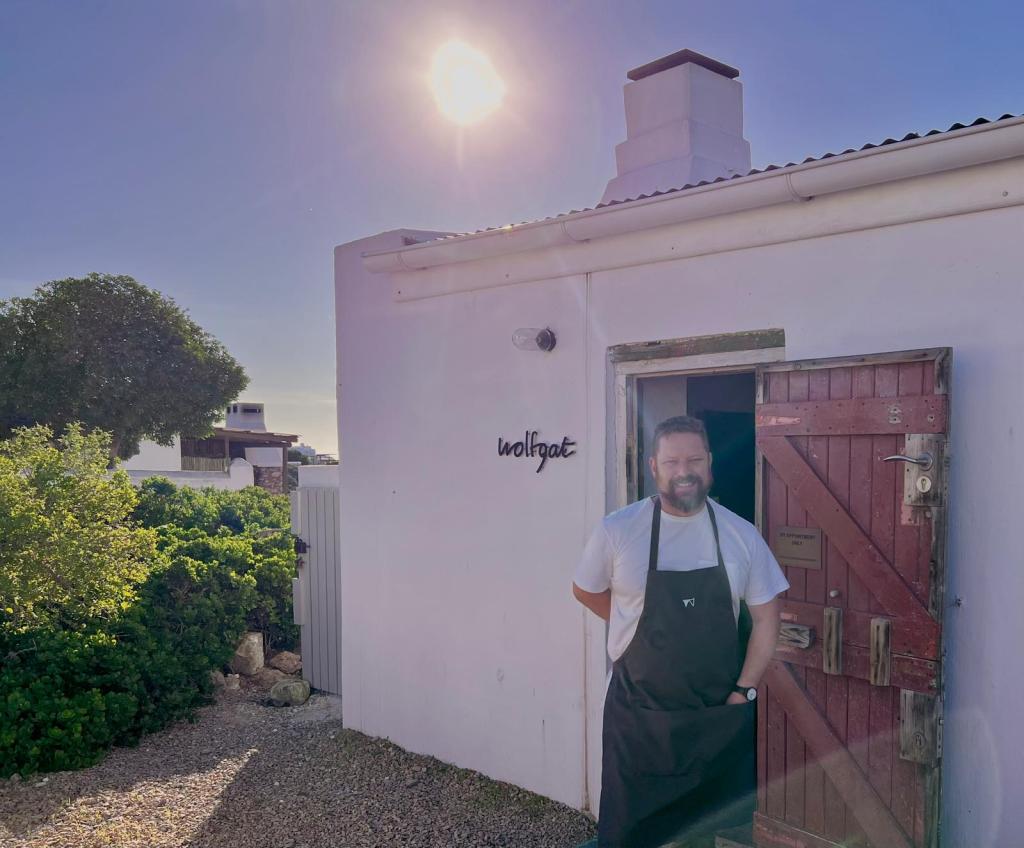
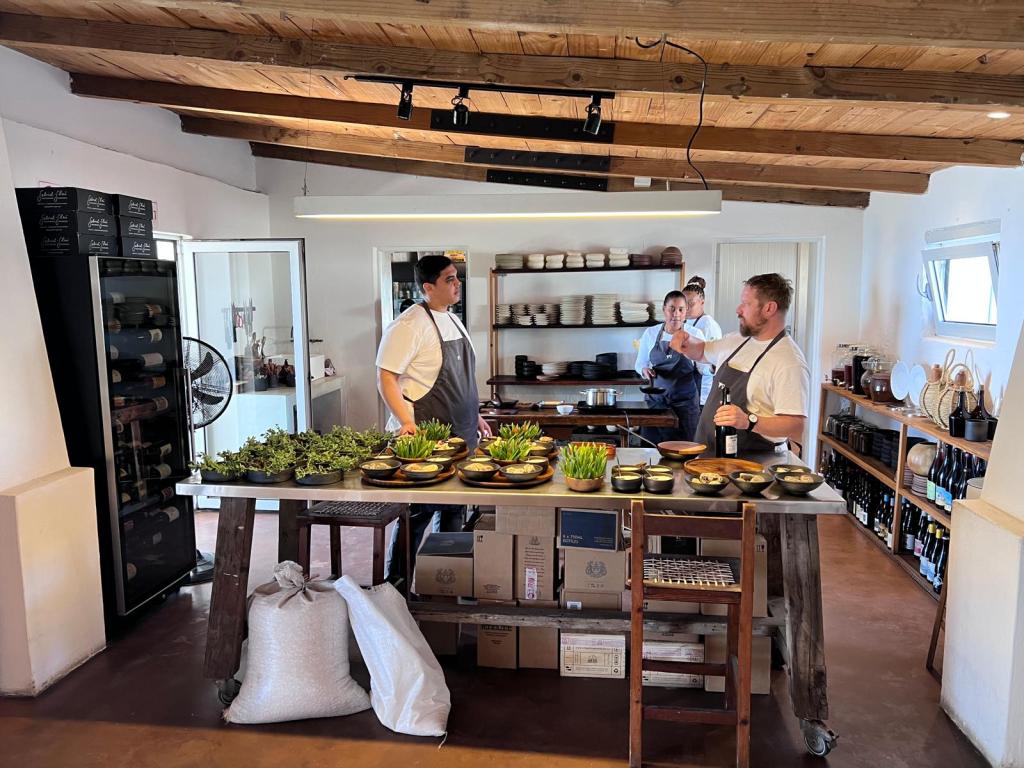
The philosophy of this remarkable little place goes beyond “local and seasonal”. Kobus van der Merwe is effectively cooking an edible portrait of the West Coast of South Africa. Indigenous Strandveld plants, seaweed gathered from nearby rock pools, sustainable seafood, local lamb and venison, garden produce and daily foraging all make the landscape part of the menu. Even the restaurant’s small scale (just 20 diners per sitting) is part of its sustainability philosophy. Here it’s on the menu when it’s available, and in sufficient quantities to harvest without damage to the local flora and fauna.
I can – of course – write endlessly about the philosophy behind the restaurant, its history, its accolades, but Wolfgat is a place of eating!
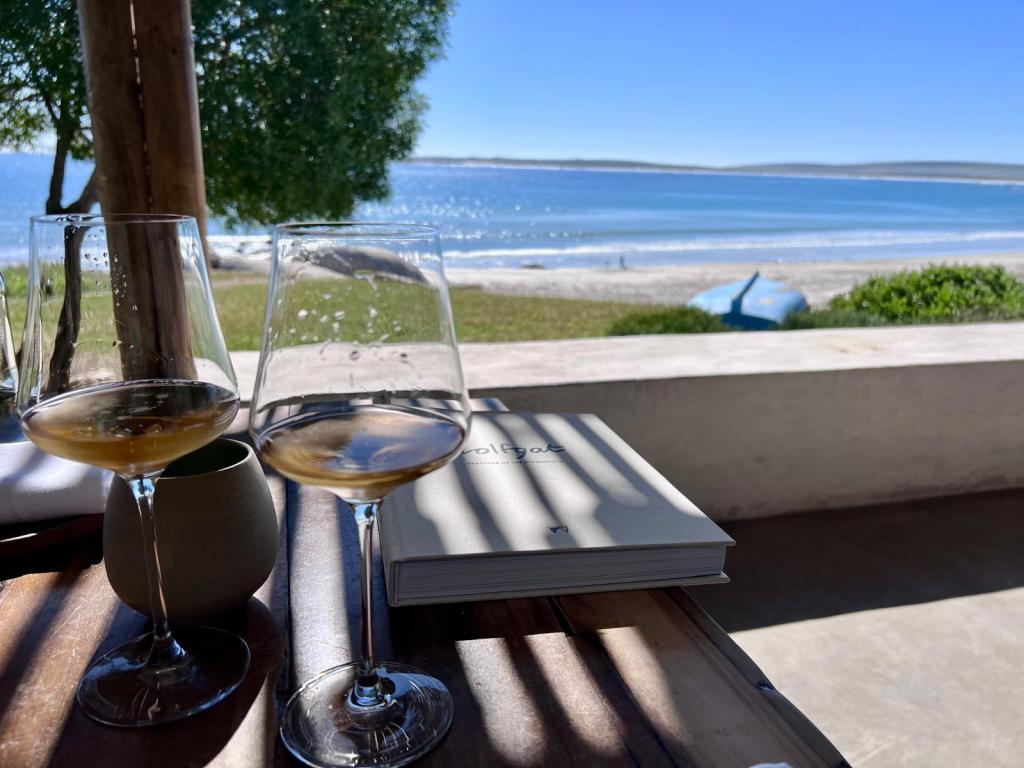
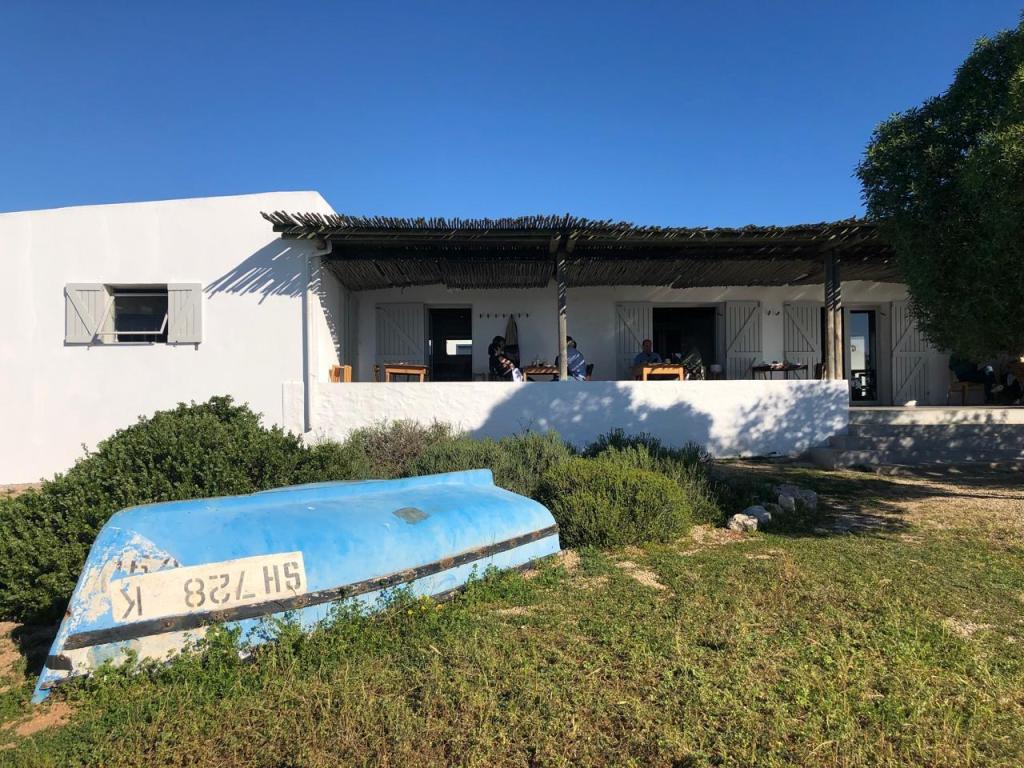
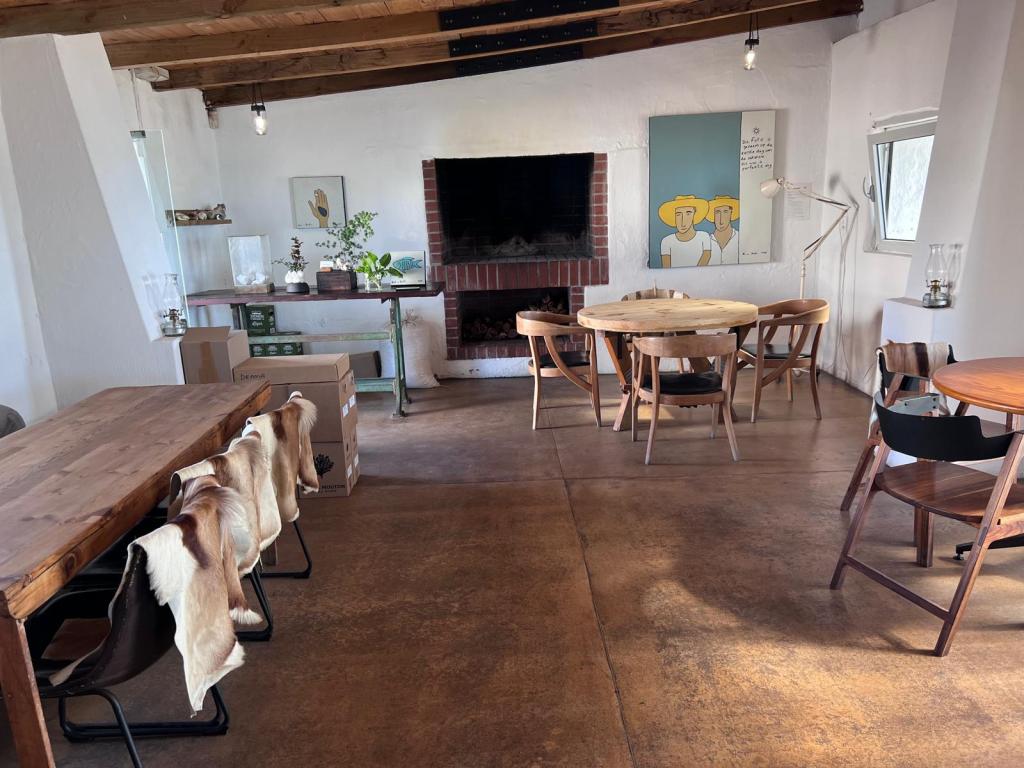
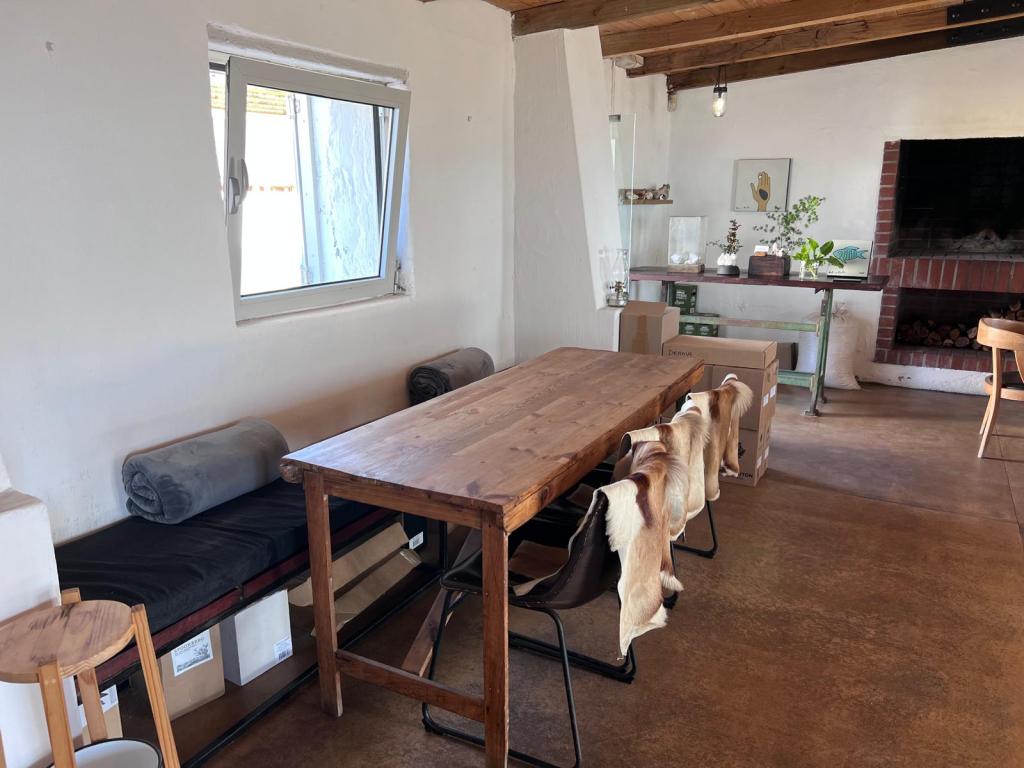
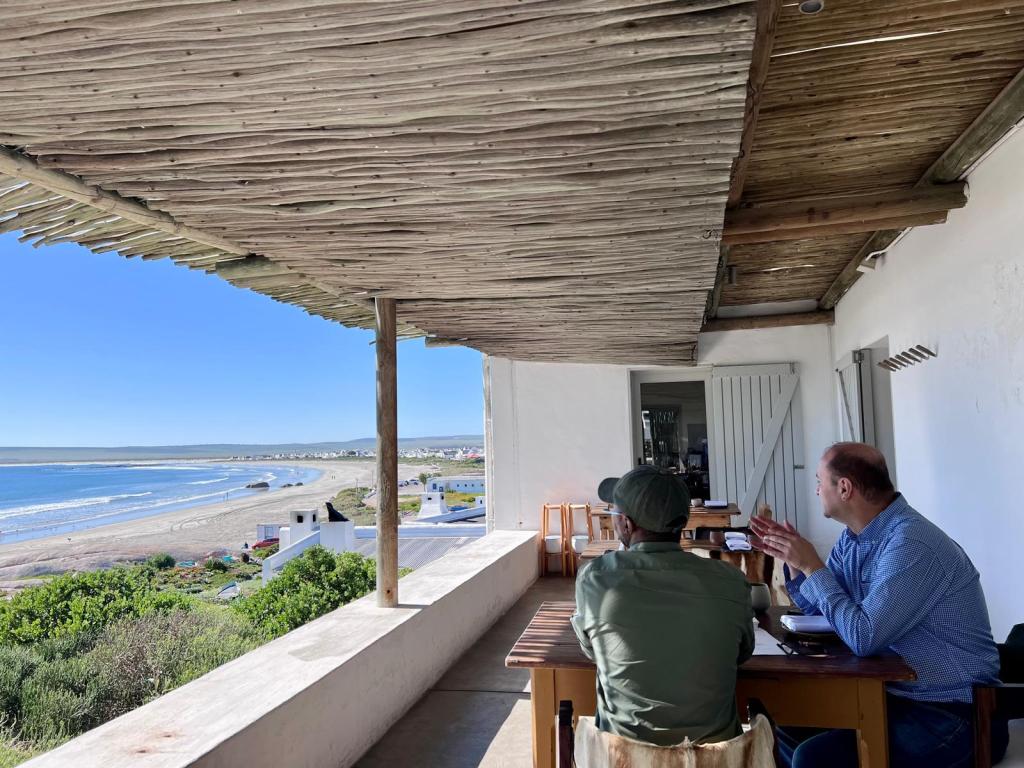
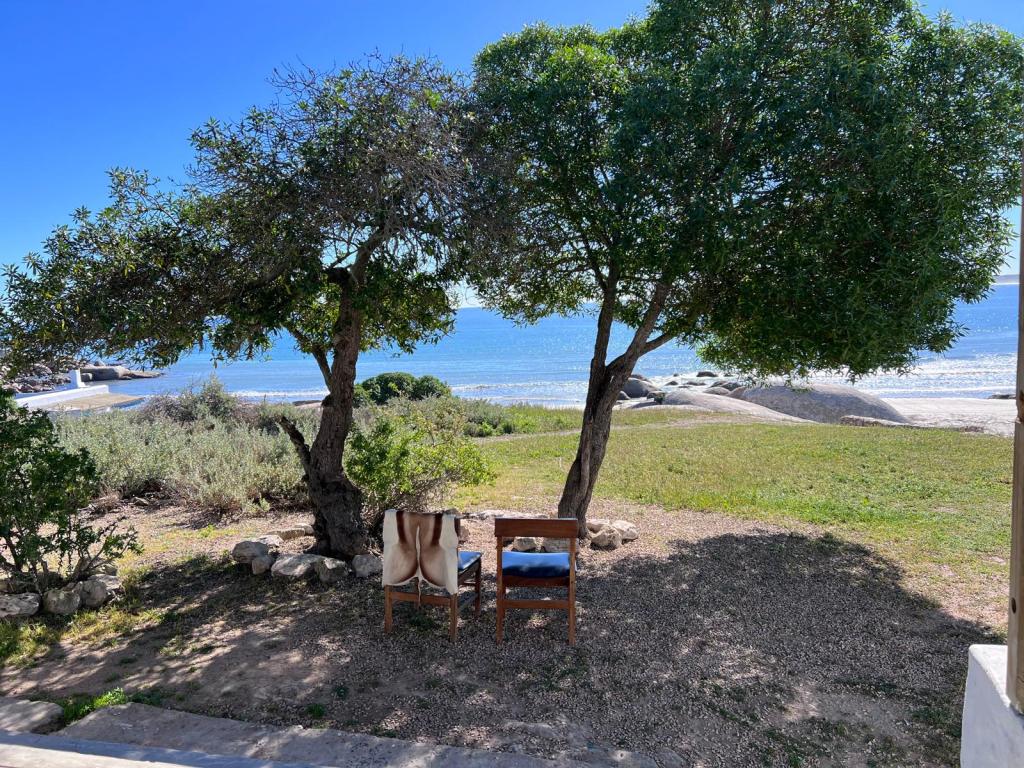
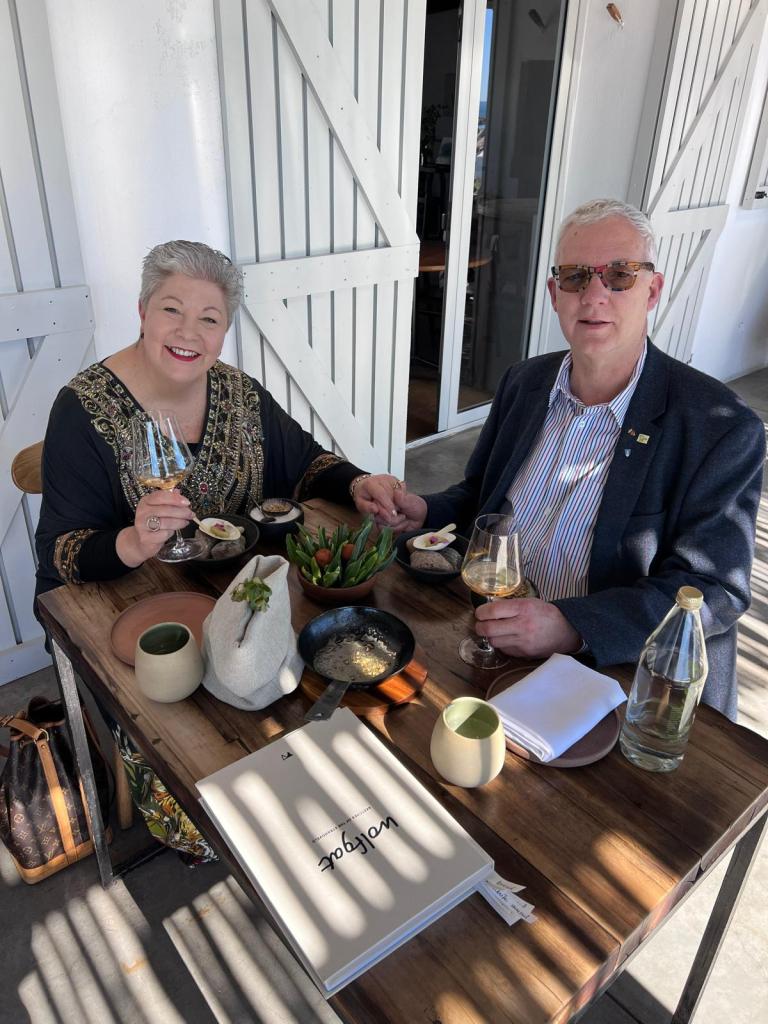
So what is it like to experience this Strandveld cuisine. In a word – amazing! Urbain described it as “less like eating, and more like theatre”, and that’s accurate, but – and it’s a big one – the food remains central. We sat on the stoep (verandah) overlooking the ocean, while a parade of little culinary miracles was placed before us.
From their tiny kitchen (barely one at all), Kobus and his team produce beautifully-plated, extraordinarily tasty food that was swimming, growing, and wandering about on the very the morning or (at most) the day before you eat it. To many diners these ingredients are foreign, strange and possibly even intimidating, but the servers (including Kobus himself) demystify, explain and give hints of how best to eat the dishes.
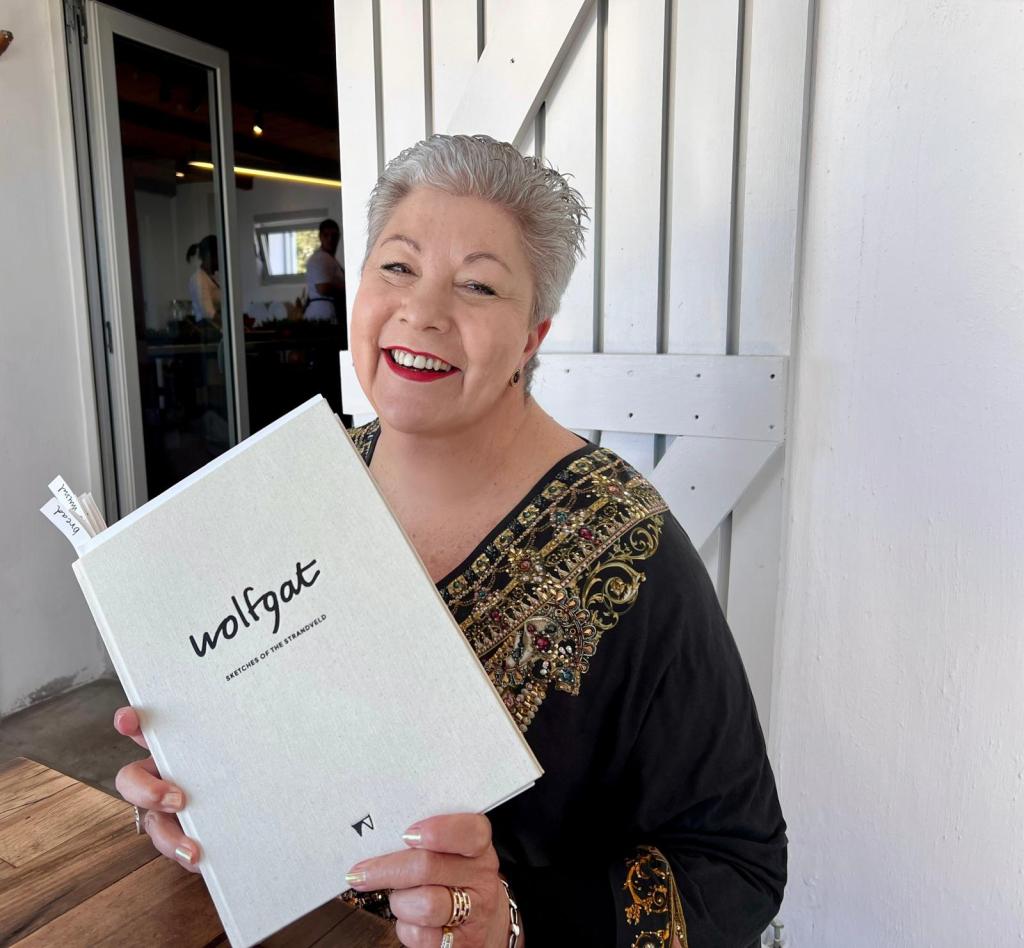
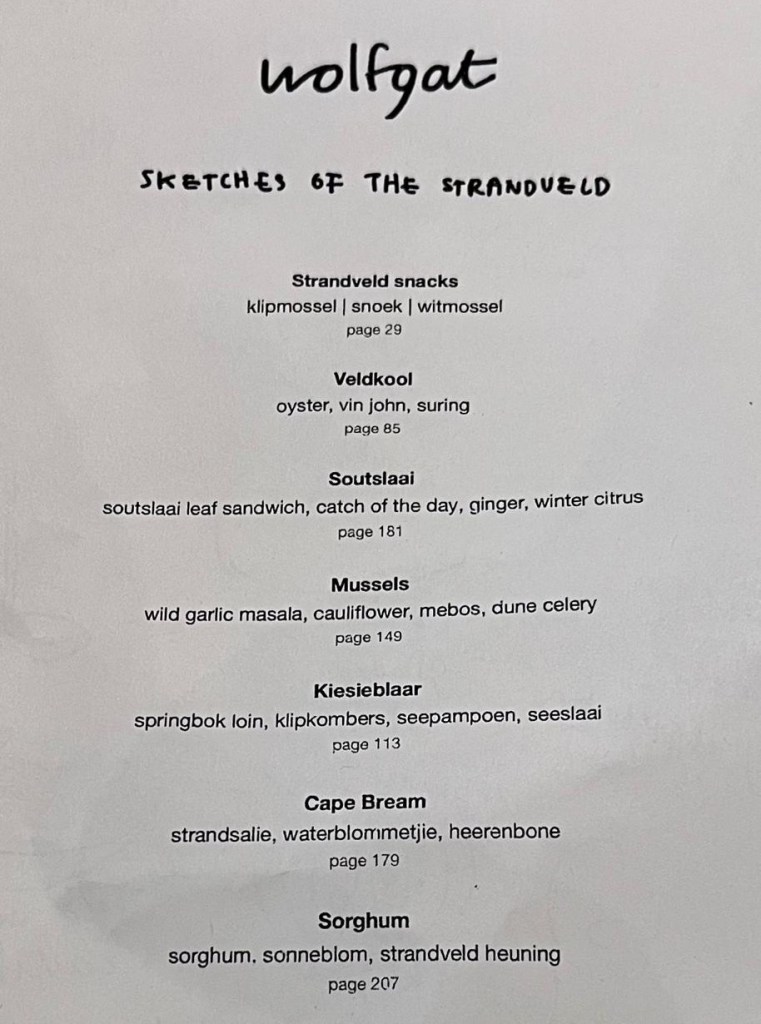
The Wolfgat book. Each menu dish is marked in the book for reference
It may be theatre, but this is no Heston Blumenthal grandiose trickery. This is real food, very simply prepared; a kiss of fire here, a simple emulsion there. Many dishes are barely cooked, some entirely raw. All are flavour sensations!
So what was on our menu?
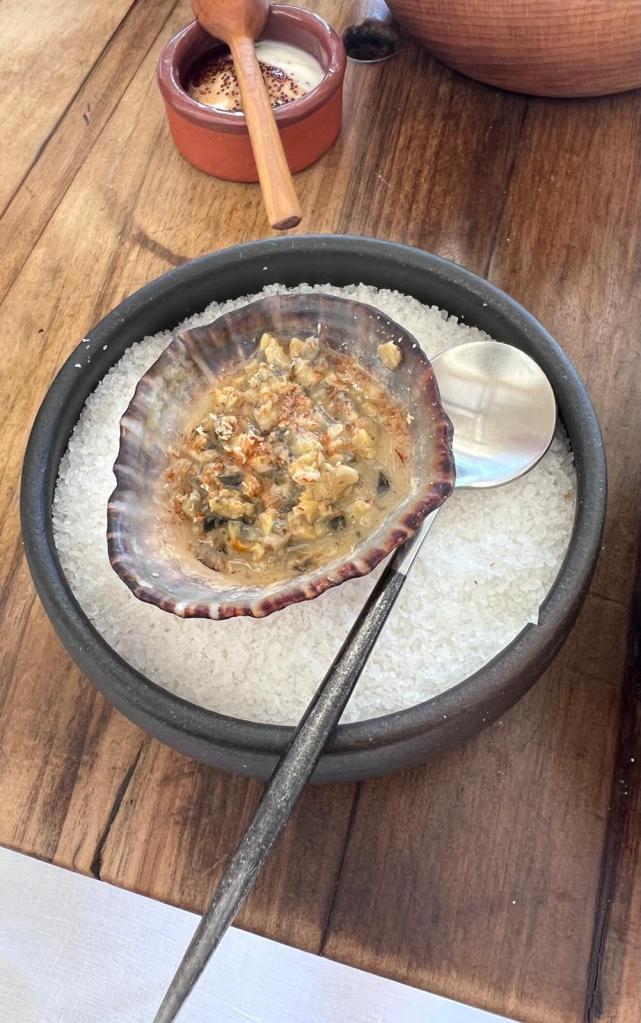
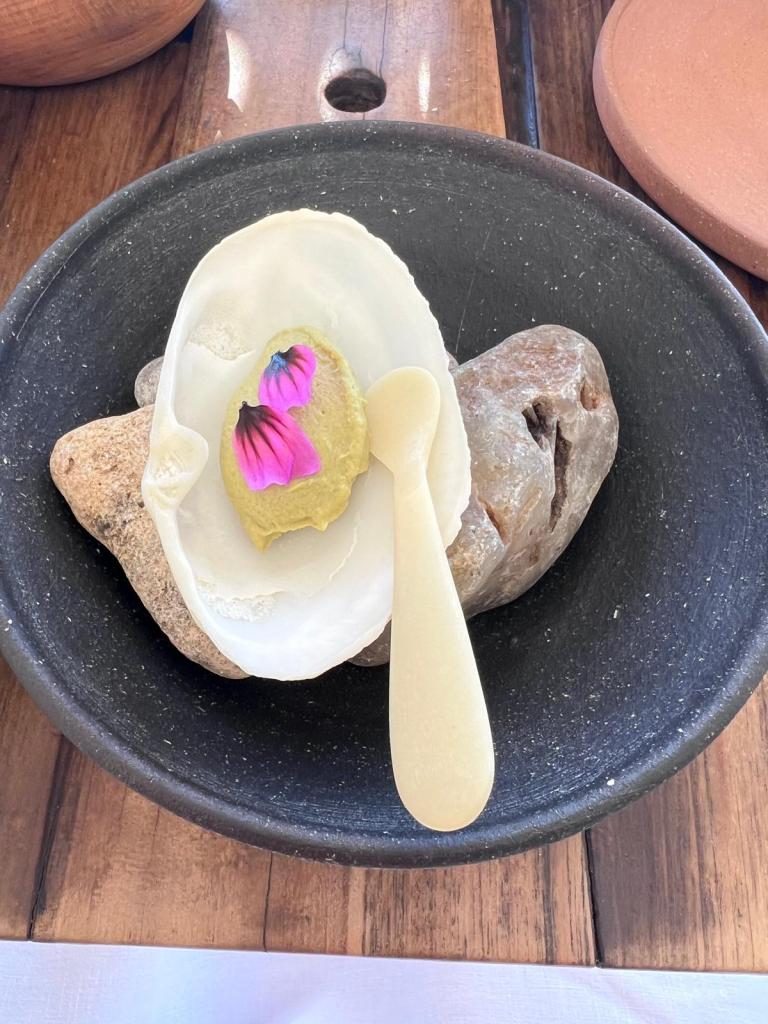
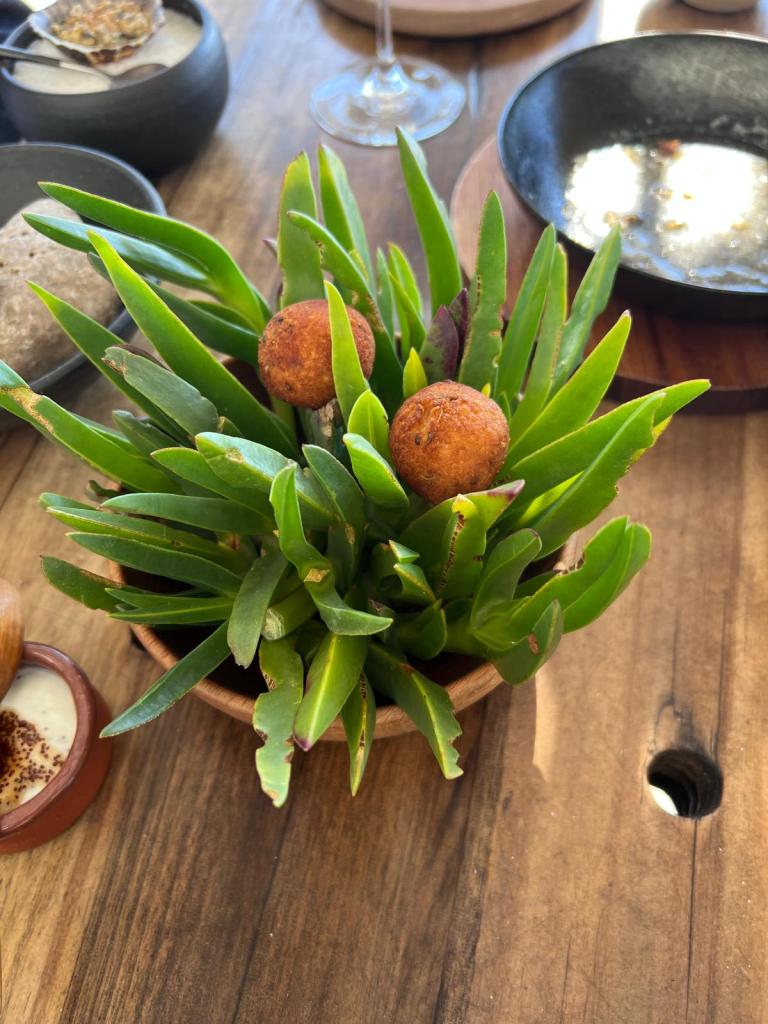
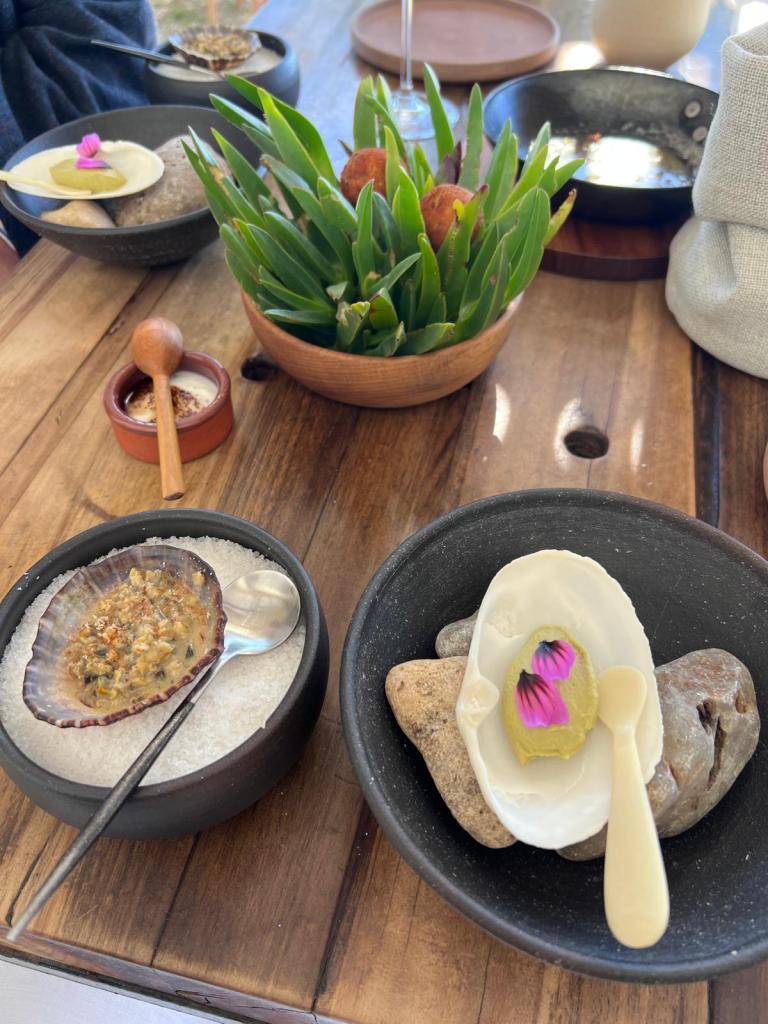
Setting the scene, the first course consisted of a finely chopped limpet (“klipmossel”) in a delicious savoury, buttery dressing, a smoked snoek croquette, served in a nest of sour fig leaves (very similar to the Australian karkala), and a white mussel pate with geranium petal garnish. These dishes were accompanied by sourdough bread and bokkom- (small, salt-cured fish) infused butter.
KlipmosselWhite musselSnoek
I’m afraid I suck at taking photographs of food, so only two other dishes made it onto (proverbial) celluloid:
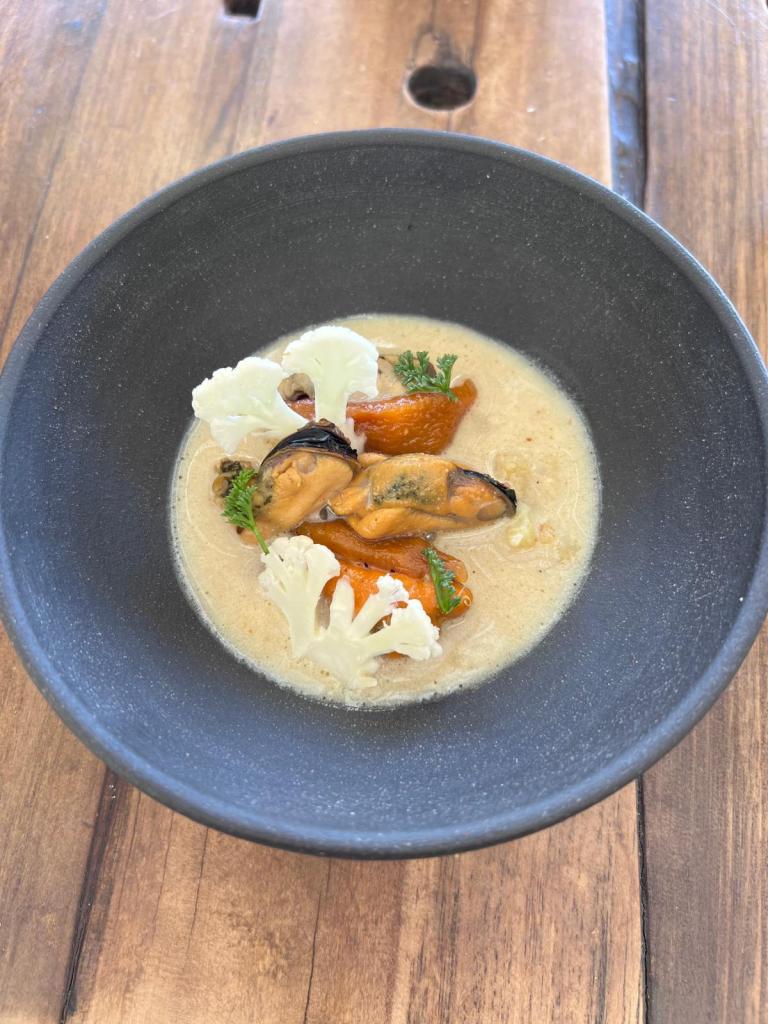
Mussels with wild garlic masala, cauliflower, meebos (sweet/savoury dried peach paste) and dune celery
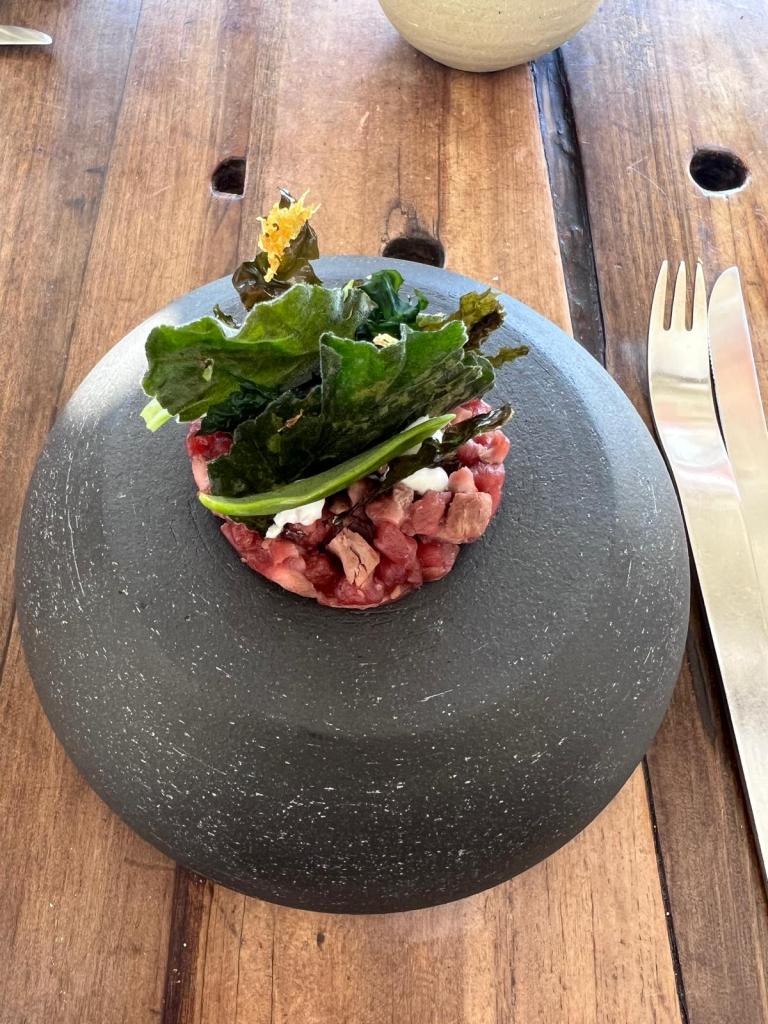
My favourite dish of the day? Soutslaai (a type of succulent that grows in the dunes) sandwich, filled with a ceviche of red roman, ginger and citrus. All the good stuff was stuffed into the leaf and eaten taco-style. Fresh, crunchy, sweet, savoury and just plan yum! Oh, and we were also very fortunate to eat “veldkool”, a type of wild asparagus, that was this year in season for just two weeks.
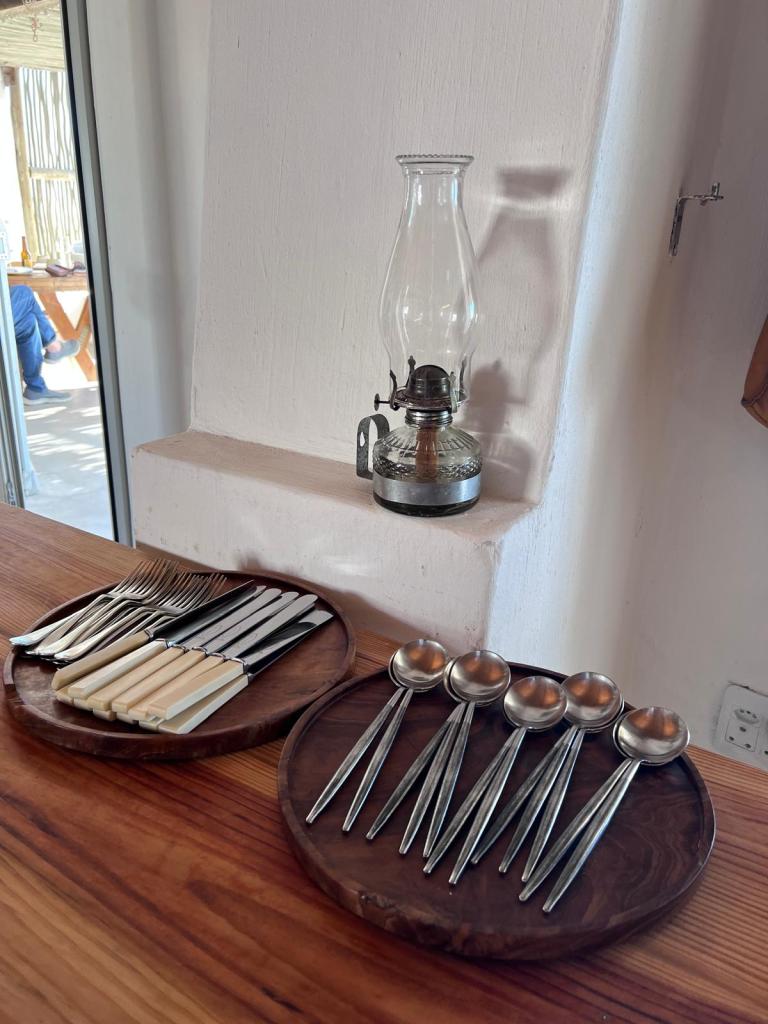
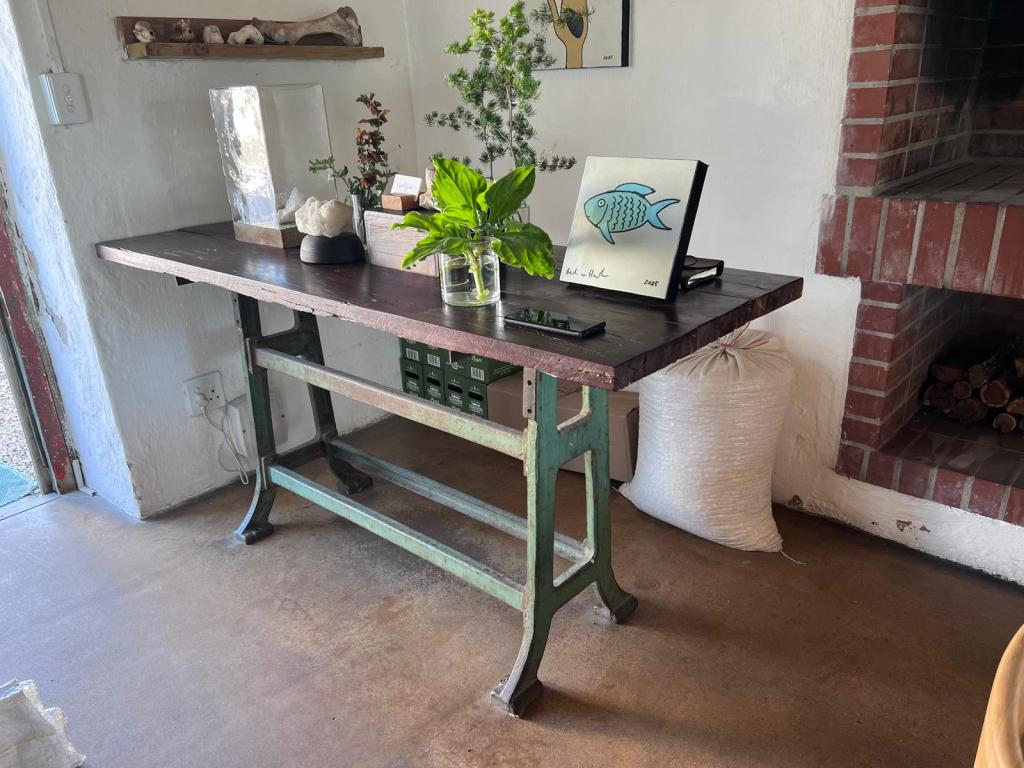
Wolfgat is a perfect example of destination dining, but without any hype. This is a simple restaurant, without fancy trappings, but with an unfliching dedication to quality. From the handmade cutlery to the locally-thrown plates and bowls, from the carefully-sourced local boutique wines and handmade non-alcoholic drinks to the fine linen napkins, there are no compromises here.
But Wolfgat is about more than Strandveld ingredients prepared to exacting standards in delicious dishes. Wolfgat is about people. Kobus has assembled a small, dedicated team of locals who care as much about this place as he does. Here young people learn skills and techniques that are worldclass, but in their home town. Older staff members share their knowledge and love of this place, all while cooking magnificent food and interacting with people from all over the world. This is no small thing.
Thinking of making the trek to Paternoster? Keep an eye on the booking releases for Wolfgat and go!! Your experience will be different from ours, because the ingredients we ate may not be in season, but it will undoubtedly be extraordinary.
Next time – a little look at the South African West Coast and Karoo. Until then, sala kahle.
Every South African of a certain age remembers where they were when history unfolded around them. For me, one of those moments is 16 June 1976.
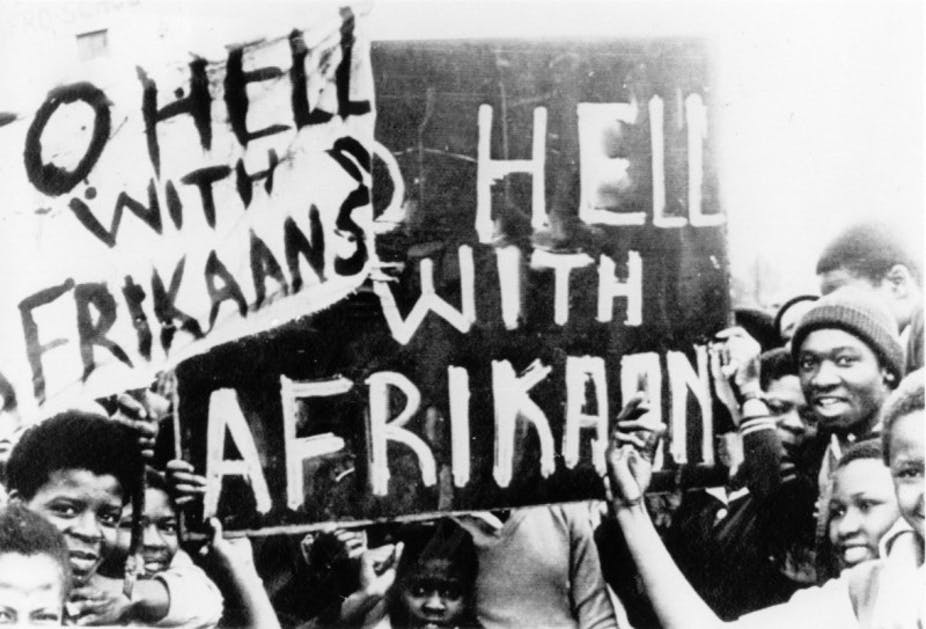
Image credit: BecomingtheMuse.net
I was just shy of my 12th birthday. A boy named Hector Pieterson was barely a year older than me, but our lives could hardly have been more different.
You see, Hector was black and living in Soweto. I was white, in the suburbs of Johannesburg. And South Africa was a country divided by apartheid.
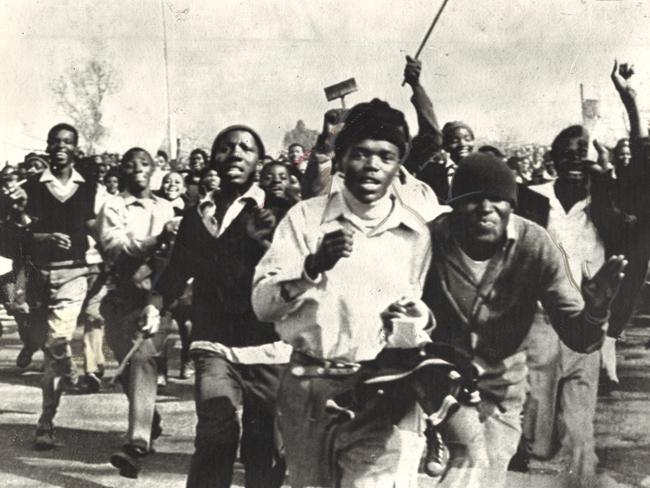
I was too young to fully understand the machinery of apartheid, but I knew that something was deeply wrong when children my own age were confronting armed police in the streets of Soweto.
The events of 16 June 1976 have been well-documented. Thousands of students marched in protest against the imposition of Afrikaans as a language of instruction, police (many of them young and inexperienced) opened fire, children tragically, and unforgivably, died.
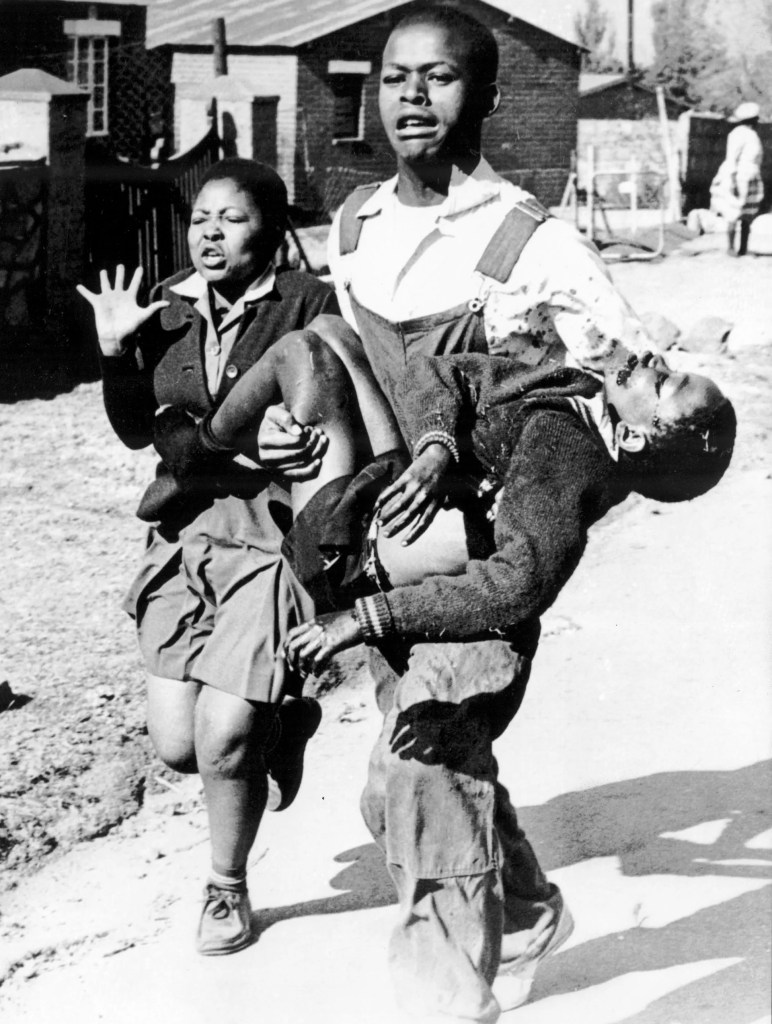
We also know the photograph. We ALL know the photograph …
Hector Pieterson, limp in the arms of Mbuyisa Makhubo. His sister, Antoinette Sithole, running beside them in anguish. A frozen moment of grief, fear and urgency.
Image credit: Sam Nzima
It is one of the most powerful photographs ever taken in South Africa. Perhaps one of the most powerful photographs ever taken anywhere.
The image travelled around the world and exposed the reality of apartheid to millions who had never experienced it. It helped shift international opinion. It strengthened calls for sanctions and isolation. It became a symbol of resistance and a visual shorthand for the brutality of the apartheid state.
This year, as South Africa marks 50 years since the Soweto Uprising, I have found myself thinking about that powerful photograph, but also about the man who took it.
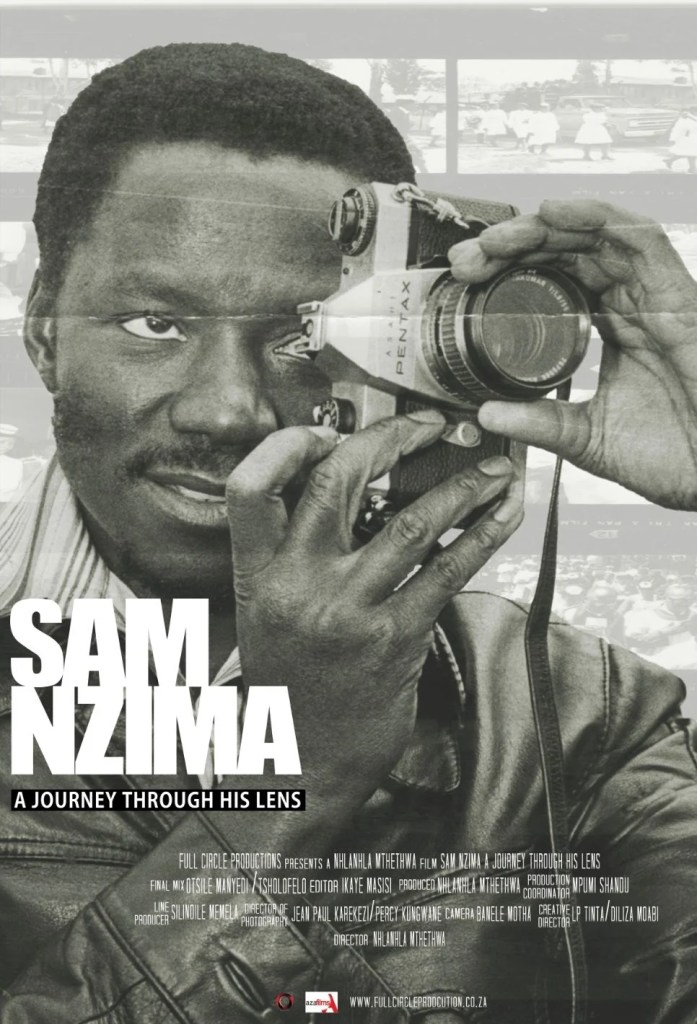
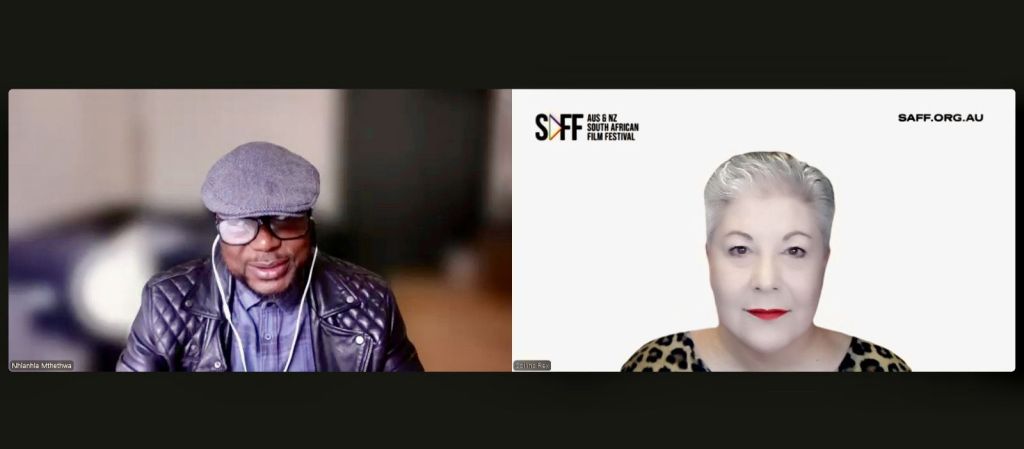
Recently I had the privilege of interviewing filmmaker, Nhlanhla Mthethwa, director of Sam Nzima: Journey Through His Lens, a documentary that tells the story of the photographer behind the image.
If you’re in Australia or New Zealand, you can watch this extraordinary doco (and many other great South African films) at the South African Film Festival
It is an extraordinary story.
For decades, the photograph became famous while Sam Nzima faded into obscurity.
The image appeared in newspapers, books, documentaries, exhibitions and museums around the world. It became part of the historical record of the 20th century. Yet the man who risked his safety to capture it received little recognition and no financial benefit from its global use. Instead, he paid an enormous price.
The apartheid government understood the power of the image immediately. Nzima faced harassment and intimidation. His movements were restricted. His career effectively ended.
The irony is difficult to ignore: the world celebrated the photograph, the photographer retreated into the shadows.
Speaking with Mthethwa, I was struck by how familiar this pattern is. History often remembers iconic moments while overlooking the people who made them possible. We remember the image, we forget the person standing behind the camera.
Interviewing Nhlanhla Mthethwa for the South African Film Festival
What makes Nzima’s story particularly poignant is that his photograph did far more than document an event. It changed the way the world saw South Africa.
In the time before AI, photographs had a unique power: they bypassed argument, they ignored ideology. Photographs cut through political spin and spoke directly to human emotion.
The apartheid government could explain away criticism. It could dismiss reports. It could deny accusations. It could not explain away that photograph of a dying 13 year old Hector Pieterson.
As I watched Mthethwa’s documentary and reflected on our conversation, I found myself thinking again about the 12-year-old girl I was in June 1976.
At that age, I may not have understood the full complexity of apartheid or the long struggle that had preceded Soweto. But I understood that the children on my television screen looked like me; they were my age. They should have been worrying about schoolwork, friendships, and growing up.
Instead, they were confronting a system determined to deny them basic rights. That realisation stayed with me.
It shaped the way I saw my country. It influenced the choices I made later in life. It contributed to my own political awakening.
Many years later, on 11 February 1990, I was on air, reading the news that Nelson Mandela had walked free. Five years after that, President Mandela unexpectedly walked into my radio studio and gave me a hug that I can almost still feel when I try hard enough. I suspect Hector Pieterson my have thought that moment was pure fantasy.
This year, on Youth Day, South Africans will rightly remember Hector Pieterson, Hastings Ndlovu (the first child to be killed on that fateful day), and the thousands of young people who challenged injustice in 1976.
Image appeared in the Herald Sun
But I hope we also remember Sam Nzima.
Without him, the world might never have seen what happened in Soweto. Without him, one of history’s most important images would never have existed.
History is made by those in front of the camera. It is documented by those behind it.
Let me preface this post by saying that I’ve been trusted to write this story, and to share it. But this isn’t my story. This story belongs to my nephew, Carl Rex, and to his mom, Jill Rex (ne Robertson).
I share it with delight and love, because it’s a tale almost too fantastic to be true. It’s the story of a remarkable man I knew a little in his later years. Maxwell Robertson is my nephew’s maternal grandfather, and he was extraordinary! It’s a long read, but worthwhile!!
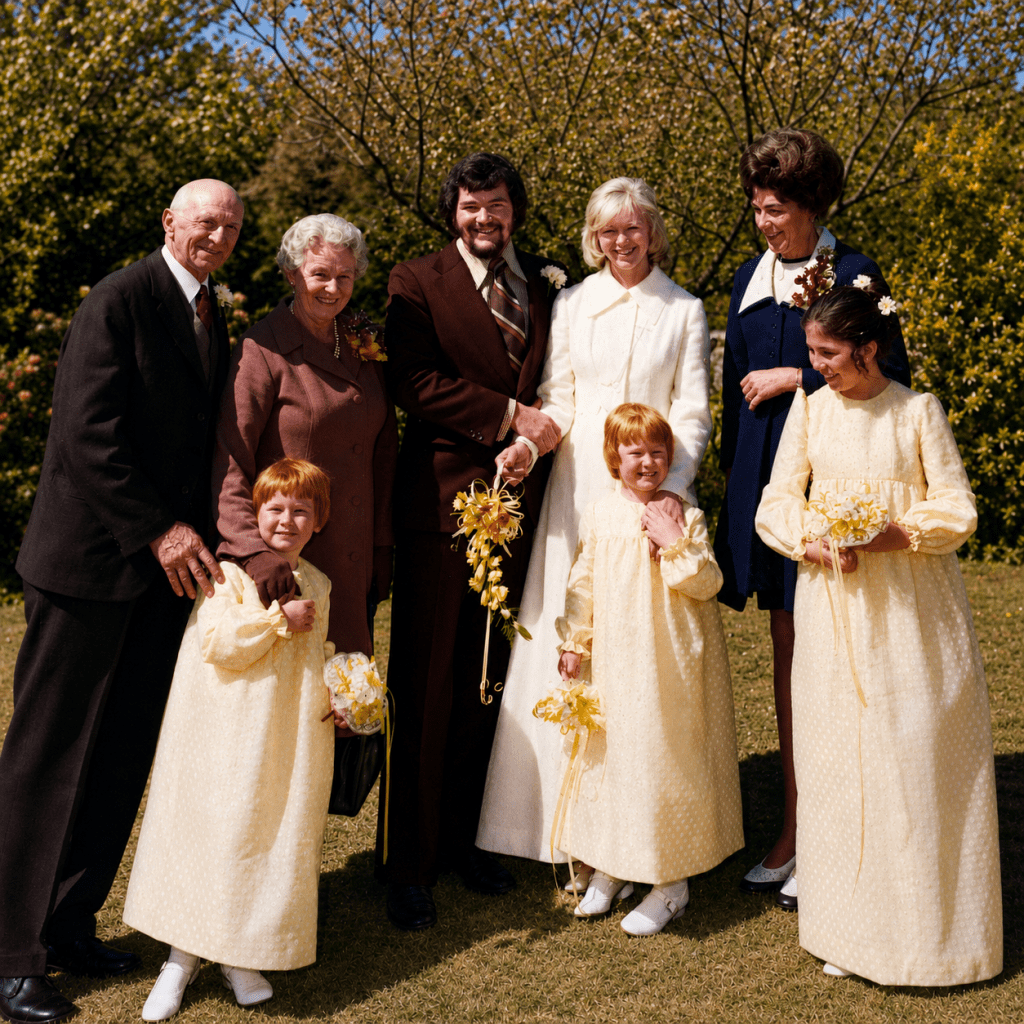
Wedding photo – Jill’s marriage to my brother, Ernest. Maxwell is image left, with his wife, Decima, beside him. (My mom, Judith, is the woman beside Jill, and I’m the little girl image right.)
Maxwell James Robertson was born in Mafikeng on 7 April 1906, the youngest of four children. His father served as a magistrate and his mother was a nurse. The family’s movements around southern Africa exposed him to a world far larger than most young boys of his era would ever experience.
He and his brother were eventually sent to Grey College in Bloemfontein, one of South Africa’s most prestigious schools. There, Maxwell excelled in sport, earning medals across numerous disciplines and winning the Victor Ludorum award. He was also an accomplished horseman. Family stories tell of a severe influenza outbreak when he was only seven years old, during which he rode alone between neighbouring farms to check on isolated families.
The qualities that would define his life – self-reliance, courage and determination – were already evident.
Act I: The Frontier Explorer
In the late 1920s, Maxwell was employed by R.A. Bailey Ltd., a livestock and forwarding company based at Palapye Road in what was then the Bechuanaland Protectorate.
Early in 1929, the company’s principals approached him with an extraordinary challenge. They wanted to establish a route through the Kalahari between Maun in the north and Palapye Road in the south. If successful, cattle could be moved from Ngamiland to markets further south.
The obstacles were immense.
The route traversed remote country where water was scarce, maps were limited, and vast areas were infested with tsetse fly. The insect posed a serious threat to livestock and carried sleeping sickness in humans. Few Europeans knew the region well, and fewer still were willing to attempt such a journey.
Maxwell accepted.
At only twenty-three years of age, he assembled a party of twenty-six Bushmen (people we now know as the Khoi and San) whose knowledge of the terrain would prove invaluable. Travelling largely on foot, carrying minimal provisions and relying heavily on hunting for food, they set out into one of the least-developed regions of southern Africa.
The journey took months.
Working with local chiefs and headmen, Maxwell reached Maun, assembled approximately 1000 cattle, and then began the difficult task of bringing them south. Because of the intense heat, most movement took place at night. Watering had to be carefully managed. Predators, disease and exhaustion were constant threats.
Against all odds, the venture succeeded.
By the time the herd reached Palapye Road in December 1929, only two cattle had been lost to tsetse fly!
It was an achievement that would establish Maxwell’s reputation throughout the region, but his mother remembered only an unshaven young man, desperately in need of a bath, arriving home by train to Krugersdorp.
And the cattle drive was only the beginning …
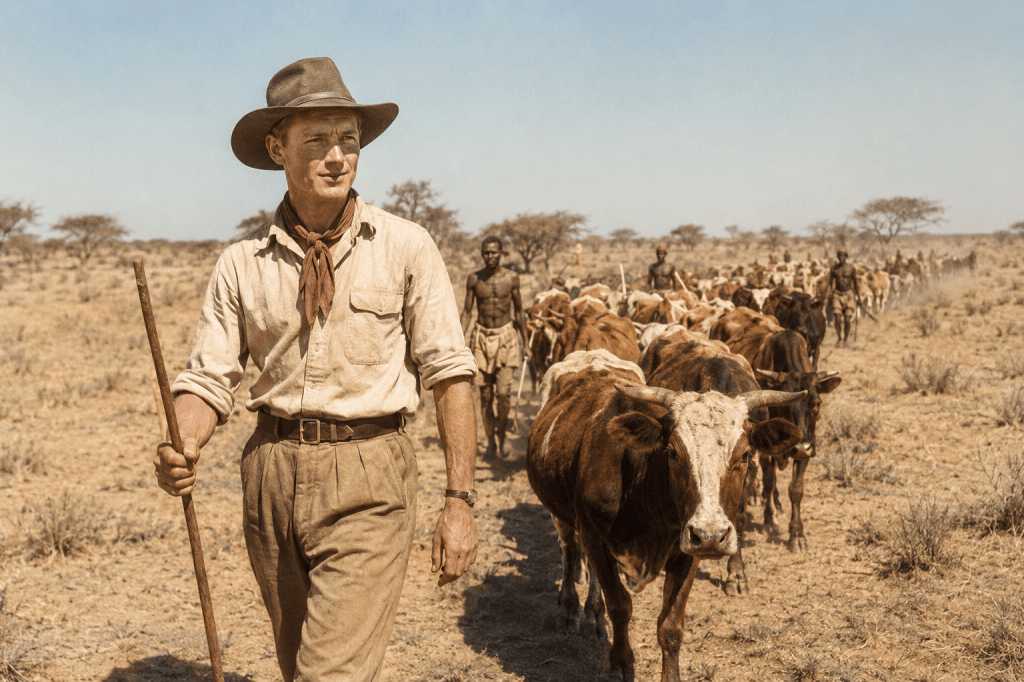
Image created with the aid of AI and creative license!
The Scientist’s Explorer
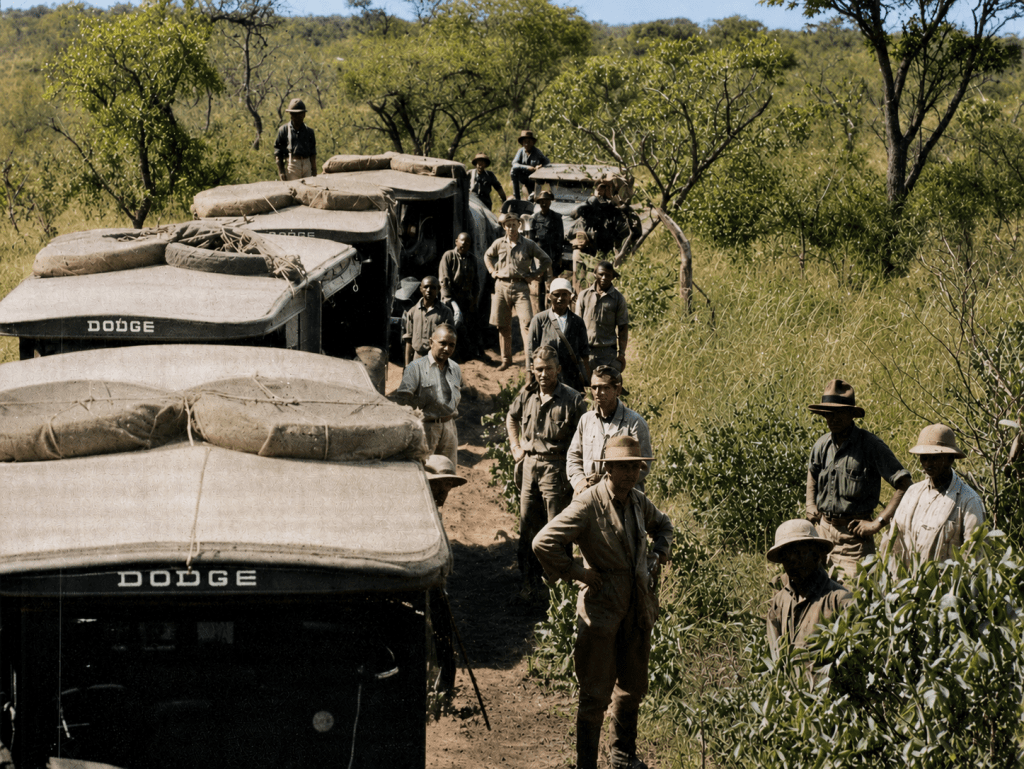
In 1930, Maxwell became associated with the Vernay-Lang Kalahari Expedition, one of the most important scientific expeditions ever undertaken in Bechuanaland and the Kalahari.
Sponsored by American explorer, Arthur Stannard Vernay, and collector, Herbert Lang, the expedition travelled across the region between March and September 1930, collecting zoological specimens and documenting a landscape that remained poorly understood by science.
Published scientific reports reveal that Maxwell played a far more significant role than family history alone suggests.
The expedition’s zoologist, Austin Roberts, repeatedly referred to Maxwell in his official accounts. Roberts recorded travelling ahead of the main expedition with Robertson to collect mammal specimens along the Lake River near Maun. Together they gathered extensive collections of Vervet Monkeys and other wildlife while scouting country ahead of the expedition vehicles.
Perhaps more importantly, Maxwell served as the expedition’s bridge to local communities.
At Shorobe, Roberts recorded that Maxwell had advised local residents of the expedition’s arrival and its interest in purchasing mammal specimens. The result was extraordinary. The expedition was greeted by large numbers of women and children carrying hundreds of rodents and other animals for scientific examination.
Such cooperation could not simply be arranged by visiting scientists. It depended upon trust, local knowledge and relationships built over years in the region.
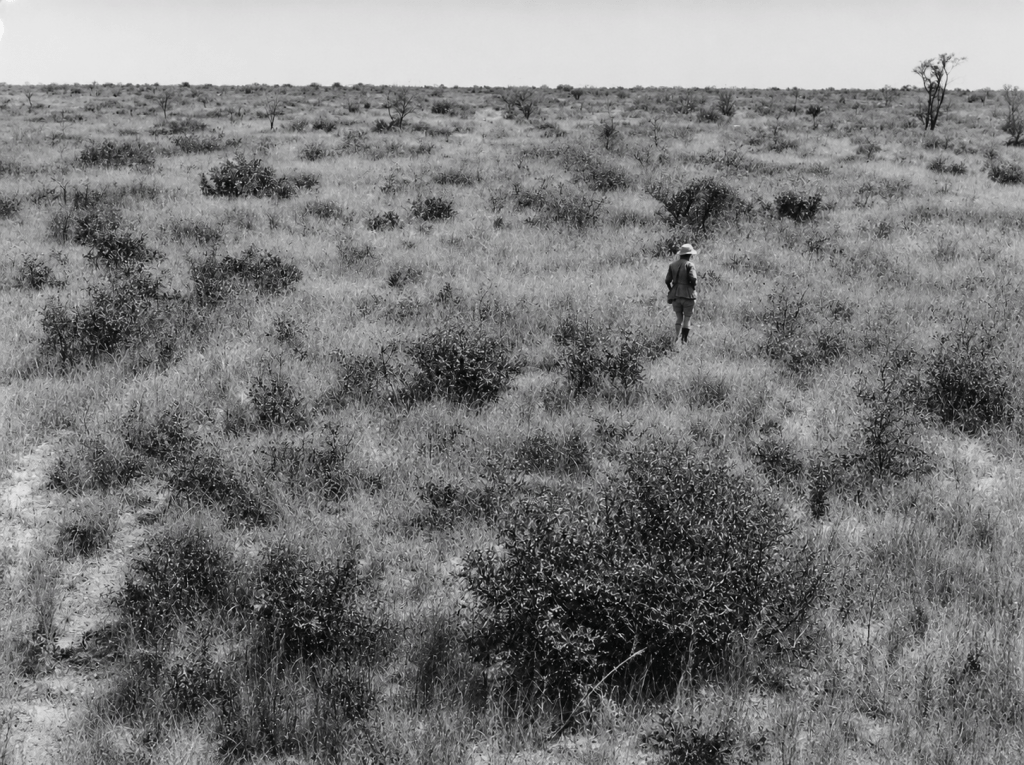
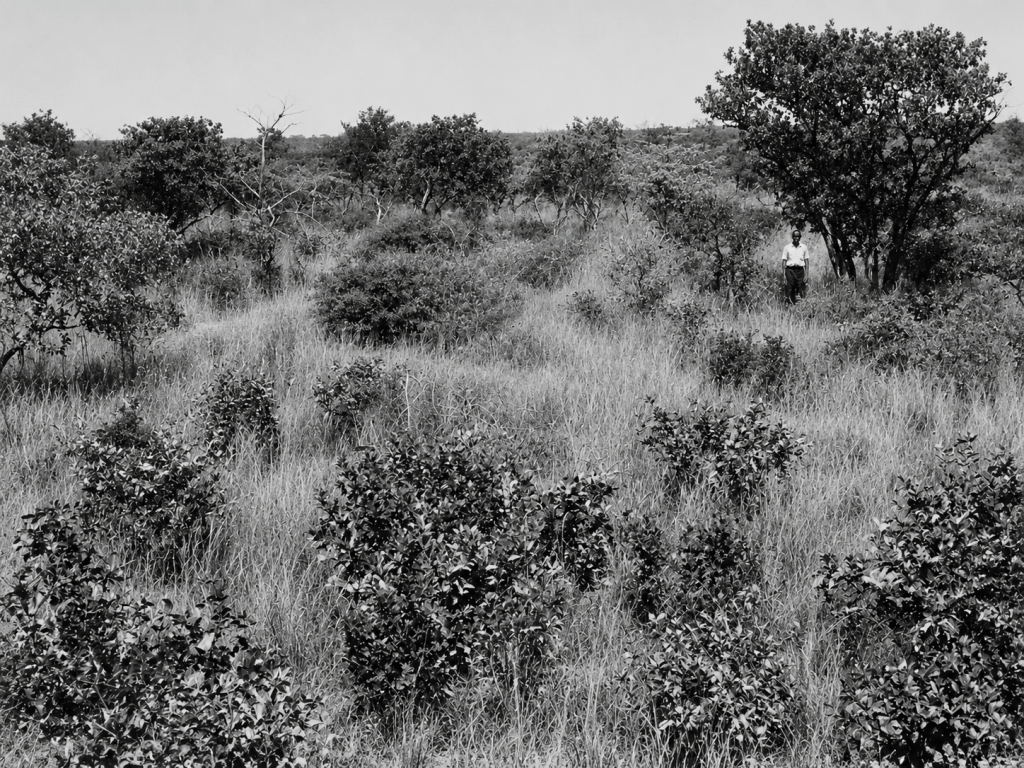
Image from the American Museum of Natural History publication, “Results of the Vernay-Lang Kalahari Expedition.” Report written by John Eric Hill. Photographer not credited.Image from the American Museum of Natural History publication, “Results of the Vernay-Lang Kalahari Expedition.” Report written by John Eric Hill. Photographer not credited.
Roberts’ accounts also place Maxwell in the field during hunting expeditions, specimen collection trips and exploratory journeys through some of the most remote parts of the Kalahari. At one point he was part of a party that successfully collected three lions in a single day for museum purposes—a practice that, while confronting to modern readers, was standard scientific procedure at the time.
The published records of the Vernay-Lang Expedition survive today as an important contribution to southern African zoology.
Hidden within those reports are references to Maxwell Robertson, a reminder that scientific discovery often depends not only on academics and museum curators, but also on skilled field men whose understanding of the landscape makes exploration possible.
By his mid-twenties, Maxwell had become both explorer and scientific collaborator, helping to document a region that was still largely unknown to the wider world.
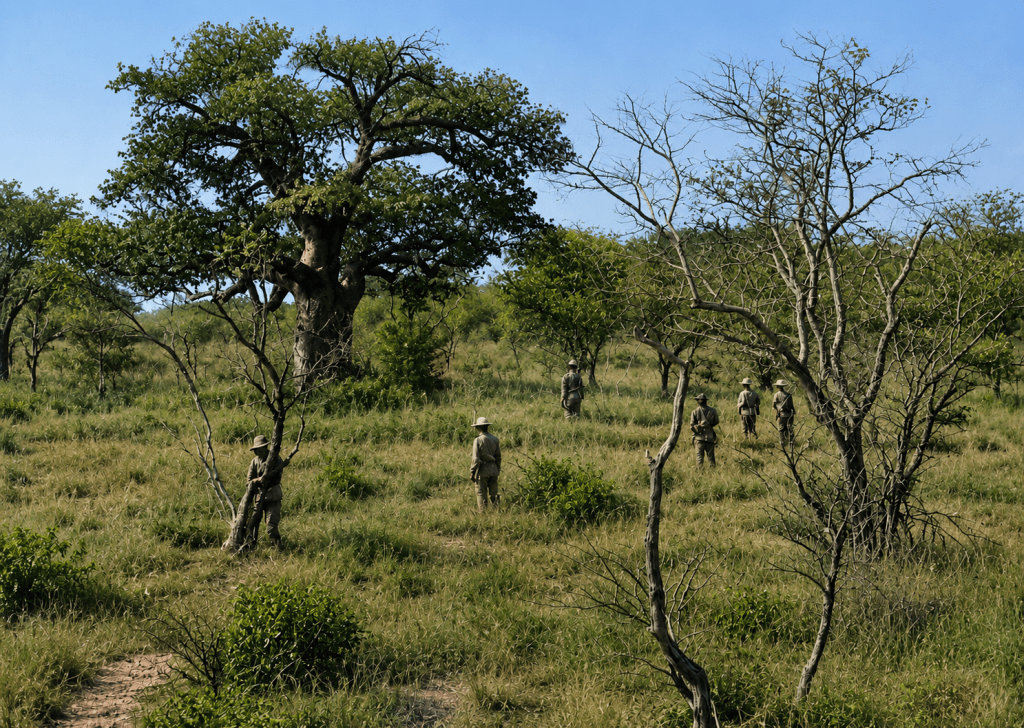
Colourised image from the expedition results report. This was taken near Gomodino Pan in the Kalahari.Colourised image from the expedition results report. This was taken near the Okwa River.
Act II: Darkness and Reinvention
Following his years in Bechuanaland, Maxwell returned to South Africa and joined West Rand Consolidated Mine near Krugersdorp.
His mining career progressed well and he eventually became a shift boss.
Then disaster struck.
While investigating a misfired blast with a colleague, the charge detonated unexpectedly. Maxwell sustained catastrophic injuries and lost the sight in both eyes. At only 30 years old, he was left with just the ability to discern light and dark..
For many people, such an event would have marked the end of an active and productive life. For Maxwell, it marked the beginning of a new one.
Determined to regain his independence, he travelled to England during the Second World War to study physiotherapy and undergo experimental corneal graft procedures. Because of the dangers of wartime sea travel and his blindness, he paid for a companion to accompany him on the voyage.
The operations were unsuccessful, and he ultimately lost all remaining sight.
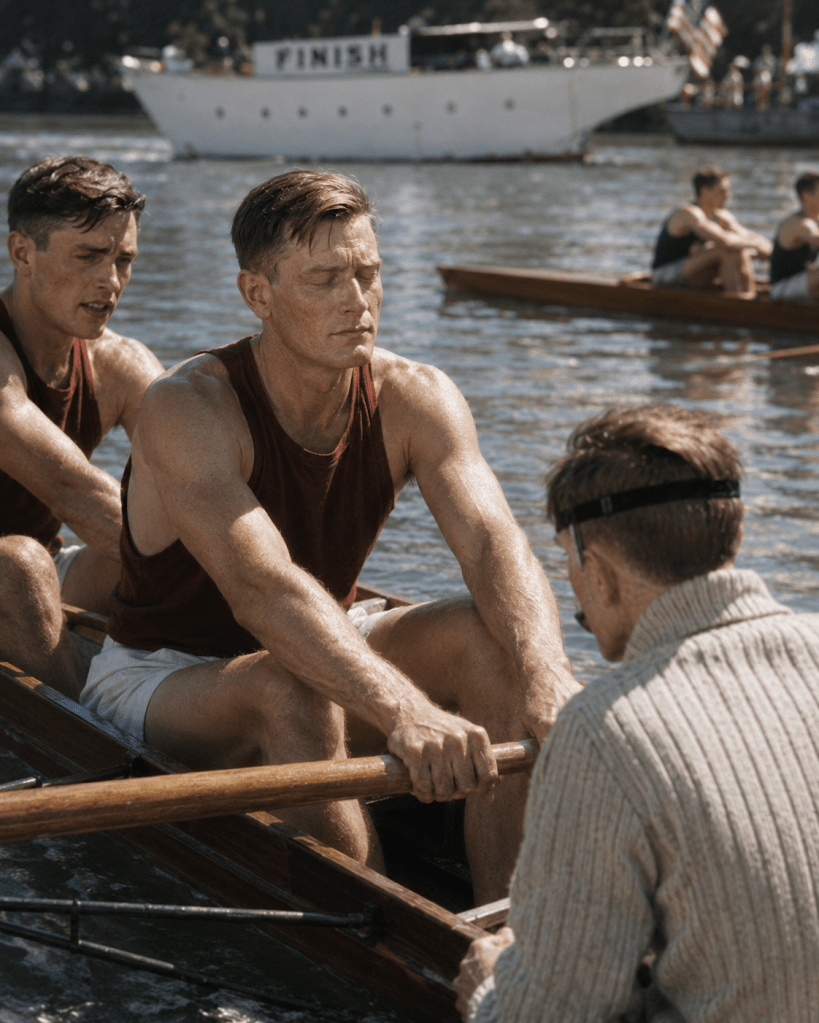
Yet even in England he refused to surrender to limitation. Continuing his lifelong passion for sport, he won three medals in competitive sculling.
AI-created imagining of Maxwell at the oars
Blindness had taken his vision, but not his determination.
Act III: Service and Legacy
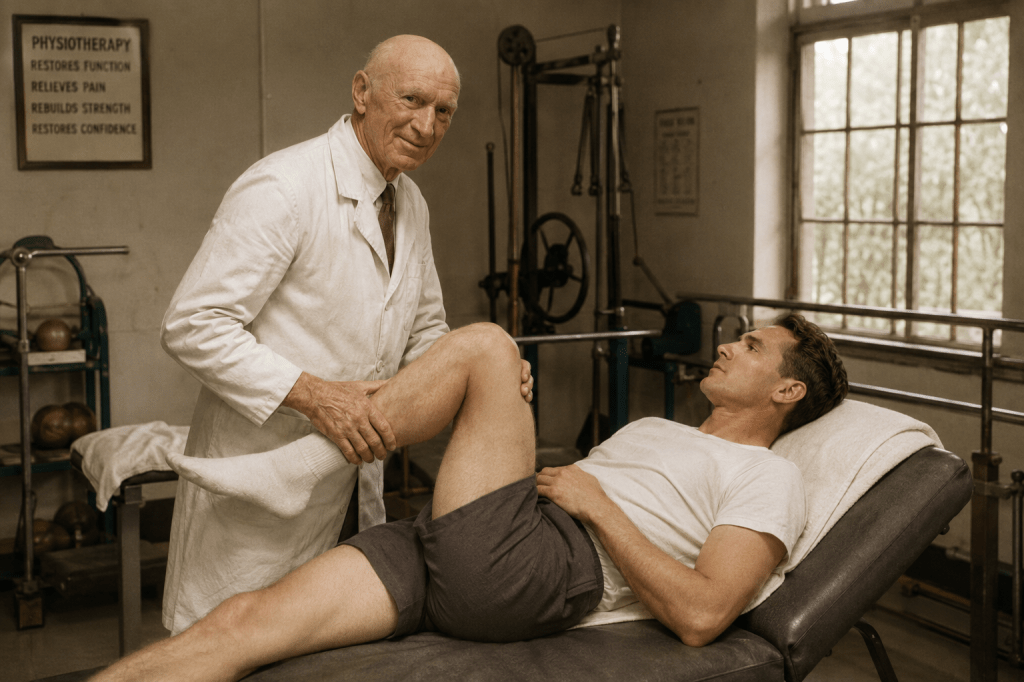
Upon returning to South Africa, Maxwell joined the Chamber of Mines Hospital in Cottesloe, Johannesburg, where he worked as a physiotherapist treating victims of mining accidents.
It was work for which he was uniquely qualified.
Having experienced a devastating mining injury himself, he possessed a credibility and empathy that few others could offer. Patients facing life-altering trauma listened when Maxwell spoke because he had walked that path himself.
For the next 35 years he worked with injured miners, helping them rebuild their lives and regain their confidence.
He also maintained a private practice from home and earned a reputation as an exceptional physiotherapist. Among his patients was Sir Ernest Oppenheimer, founder of the Anglo American mining group, whom Maxwell treated at Brenthurst, the Oppenheimer family residence in Johannesburg.
Those who knew him remembered not only his professional competence, but his resilience, humility and refusal to accept defeat.
AI-imagining of Max at work as a physiotherapist in later life
A Life Larger than Memory
Family stories often become embellished over time. Details soften, achievements grow and memories take on the qualities of legend.
What makes Maxwell Robertson’s story remarkable is that much of it can be independently verified.
The young man who crossed the Kalahari with 26 Bushmen and a thousand cattle appears in the scientific literature only months later, helping one of the most significant zoological expeditions of its era navigate the same landscape. The explorer became a scientific fieldman. The adventurer became a contributor to knowledge.
Then, after losing his sight, he reinvented himself once again – this time as a healer and mentor to others facing adversity.
His life reminds us that history is often shaped not only by famous names, but by the capable, determined individuals working behind the scenes. Explorers, guides, organisers, survivors and problem-solvers whose contributions are easily overlooked but without whom much would never have been achieved.
Maxwell Robertson was one of those people.
(Thanks to Decima – who at age 91 told Maxwell’s story to her daughter, Jill. And to Jill and Carl for letting me share it with you.)
Athol Fugard’s masterpiece is ringing true once more. This time it’s not the horrors of apartheid that are being highlighted, but the violence perpetrated by black African’s against other black Africans.
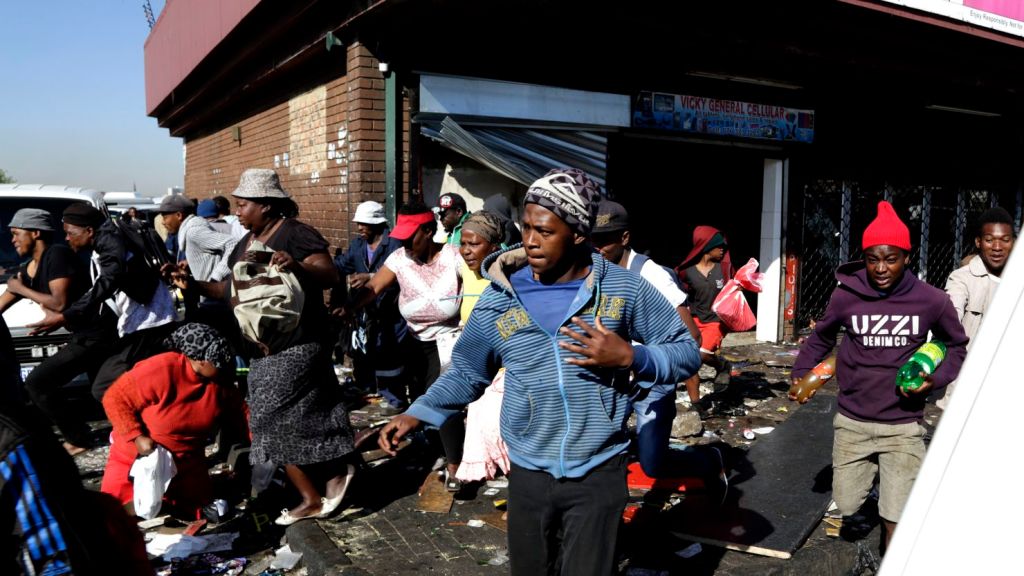
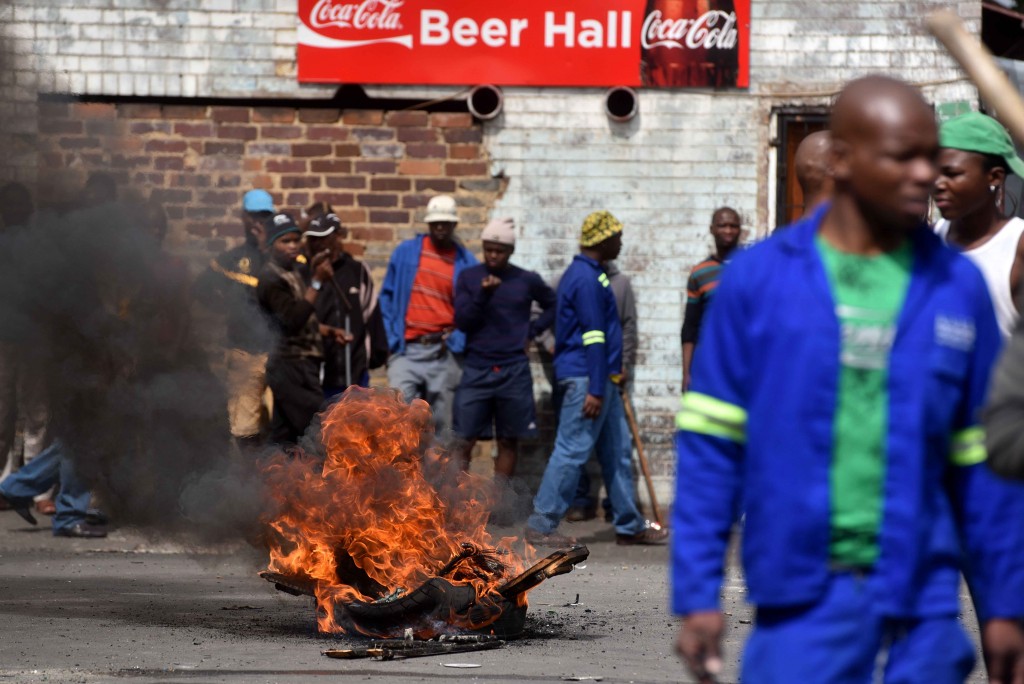
The immigration issue now is impossible to avoid. It’s in newspaper headlines, and all over social media. It’s in conversations around braai fires, and on WhatsApp groups. It is in the frustrations of ordinary South Africans trying to navigate a country that often feels stretched beyond its limits. And it’s hitting DMs in the form of shocking videos circulated here and internationally.
Image credit: CNNImage credit: Moneyweb.co.za
Before I go any further, let me say something clearly: violence is never a solution, and violence against foreign nationals is just wrong and unacceptable.
No grievance, real or perceived, justifies the intimidation of migrants (whether documented or not), the destruction of businesses, or the targeting of people because of their nationality. South Africa has seen enough violence in its history. We don’t need more of it!
But condemning violence doesn’t mean we should avoid difficult conversations. In fact, the opposite is true. The failure to have honest conversations is often what allows tensions to fester until the proverbial abscess pops.
Over the past few months, I’ve watched South Africa’s immigration debate become increasingly polarised. One side insists that anyone raising concerns about illegal immigration is xenophobic. The other insists that every foreign national is responsible for South Africa’s problems. Both positions are lazy. And both are wrong.
The reality is far more complicated.
As someone who has spent much of my adult life moving between countries, I understand migration. I became an Australian citizen. I built a business there. I still work there and spend considerable time there.
I know what it feels like to arrive in a new country and build a life from scratch. I also know that every country has immigration rules. We complied with those rules when we migrated to Australia, and we comply with those rules as we now live as documented foreign nationals in South Africa.
Every country in the world has immigration rules and laws, even the countries from which many migrants arrive in South Africa!
That is why I find it strange that Africans struggle to have mature conversations about immigration enforcement, without immediately descending into accusations and counter-accusations.
A sovereign country has a right to control its borders. That shouldn’t be a controversial statement, but here it is.
The greatest challenge facing South Africa is scale. Most credible estimates suggest that South Africa may be home to between two and three million undocumented migrants. (And many estimates are considerably higher.) No one knows the precise number, but even at the lower end of those estimates, we are talking about a population larger than many African cities.
At the same time, South Africa is dealing with unemployment above 30%. Youth unemployment – at above 60% – is among the highest in the world. Municipal services are failing in many areas. Public healthcare facilities are under immense pressure. Economic growth remains stubbornly weak.
Whether one favours stricter immigration controls or more open policies, these facts matter. South Africa doesn’t have unlimited capacity and cannot welcome all Africans with open arms. That is not xenophobia, it is reality.
One of the arguments one hears is that South Africans should remember the support many African countries provided during apartheid. South Africans should be grateful and consequently accept any and all Africans that come here to live. Yes, countries across the continent opened their doors to South African exiles. They educated our students. They hosted political activists. They provided diplomatic support when much of the world looked away. That history matters. But history is all it is.
The assistance provided during apartheid was directed at people fleeing political persecution. It was an act of solidarity during a specific period of history. The challenge this country faces today is different.
This is a debate about jobs, infrastructure, healthcare, housing, state capacity and economic opportunity.
Why aren’t we asking why Botswana, Namibia and Zimbabwe don’t open their borders to all Africans? In fact, some of South Africa’s neighbours take a far harder line on undocumented migration than South Africa does.
Botswana routinely detains and deports undocumented migrants. Namibia enforces visa and permit requirements more strictly than many South Africans realise. Neither country is generally accused of being anti-foreigner for doing so. They’re simply exercising the rights of sovereign states.
Another aspect of this debate that fascinates me is how rarely we discuss the flow of migration in the opposite direction.
Millions of Africans have moved to South Africa over the past several decades. How many undocumented South Africans have moved to Zimbabwe? To Botswana? To Mozambique? To Malawi? The answer is: very few.
South Africans emigrate, certainly. But when they do, they overwhelmingly head for Australia, New Zealand, the United Kingdom, Canada, Europe and North America.
There is no equivalent migration crisis involving South Africans elsewhere on the continent. Why? Because migration follows opportunity. And for all its challenges, South Africa remains the economic powerhouse of Southern Africa.
People don’t risk crossing borders because they dislike their home countries. They do so because they are seeking something better: prospects, an income, a future for their children.
I understand that completely. All migrants do.
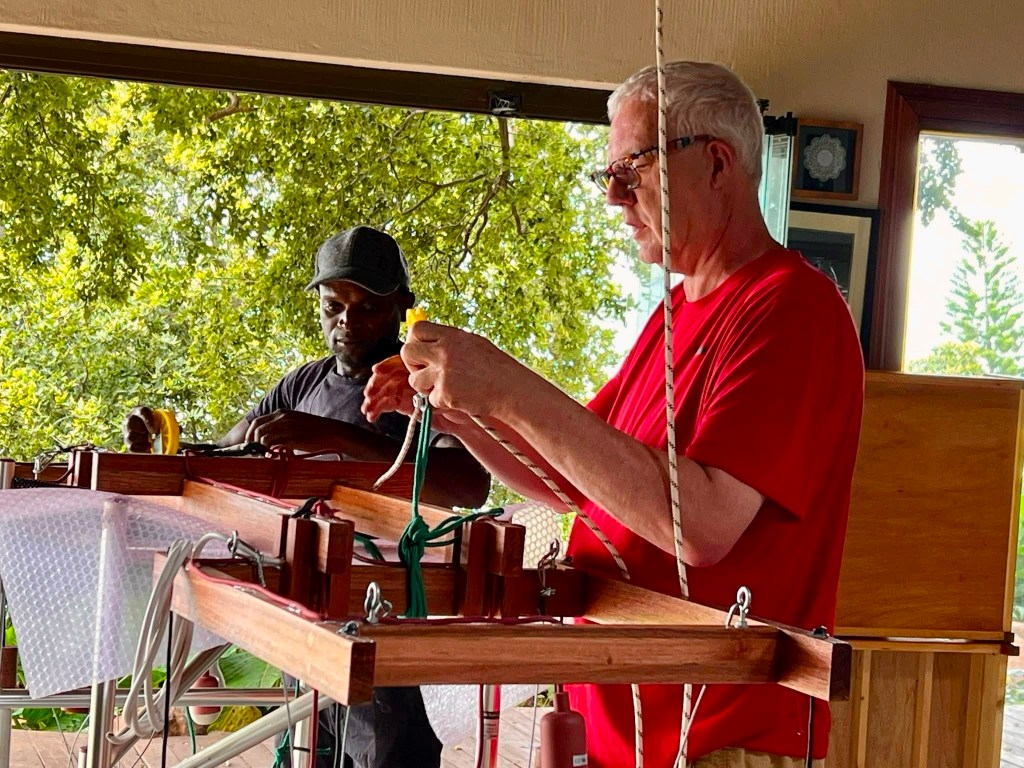
I also see this crisis from another perspective. Just outside the gate of the suburb in which we live is an informal settlement called Orange Farm. Estimates are that around 80% of all the residents of Orange Farm are undocumented migrants. These are families, young people trying to earn a living, older people providing services to a community. In fact, our staff member, Goodwell Nyarenda, is a Malawian national who lives in Orange Farm. Goodwell – although documented – could be a target of xenophobic violence at any time. He’s a good, hardworking man who deserves better.
Goodwell helping Urbain install the chandelier in the lounge
Which brings me to the conclusion I keep returning to: South Africa needs both compassion and control.
Compassion without control eventually undermines public confidence. Control without compassion eventually undermines our humanity. The challenge is finding the balance.
That balance will not be found in slogans. It won’t be found in xenophobic rhetoric. And it won’t be found in pretending the problem does not exist.
It will be found in honest conversations about what South Africa can realistically sustain, what role migration should play in our economy, and how we protect both the dignity of migrants and the interests of citizens.
Those conversations are long overdue, and until we have them, violence is going to be a daily occurrence, and South Africa will once again – just as in the apartheid years – be a pariah.
“… nowadays, I’m lost between two shores LA’s fine, but it ain’t home New York’s home but it ain’t mine no more”
There is a moment that always gets me …
It happens somewhere over the Indian Ocean, somewhere between the fading familiarity of one country and the approaching familiarity of another. Two homes. Two identities. Two versions of myself. And somewhere in the middle, suspended at 35,000 feet, I realise I no longer belong entirely to either.
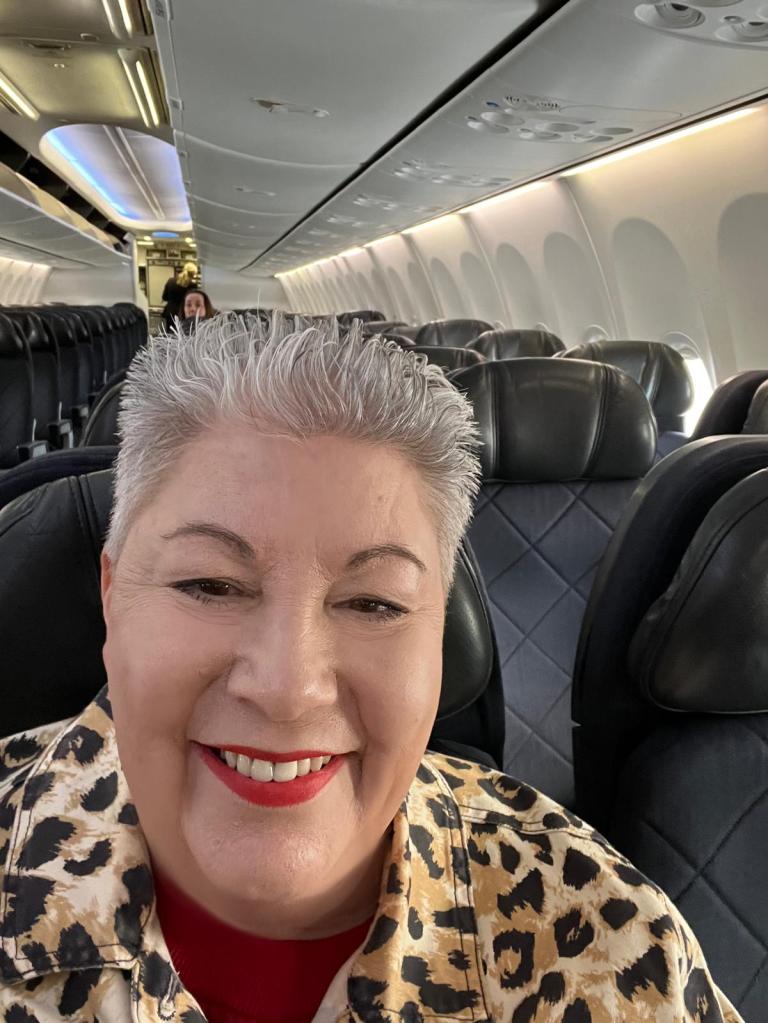
On an aircraft, between Perth & Melbourne
I recently returned to South Africa after a work trip back to Australia. Presentations. Meetings. Coffees. Airports. Familiar roads. Familiar accents. Dear friends. The strange comfort of routines my body remembers, even when my mind has moved on.
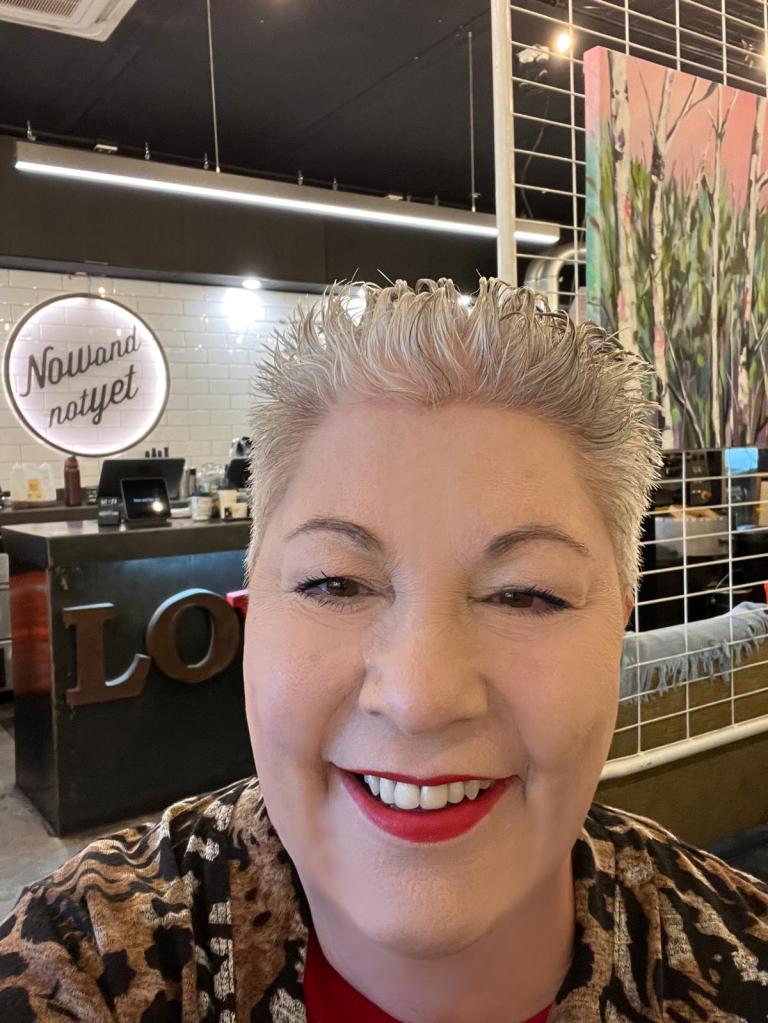
Coffee at favourite Warrandyte cafe, NowandnotYet
And now I’m back in Kosmos, with my gorgeous man, recalibrating my internal compass …
There is enormous privilege in being able to move between worlds, to maintain deep ties to both Australia and South Africa, and to understand each country from the inside rather than from headlines or stereotypes.
But we think about the emotional dislocation. The quiet psychological whiplash.
Australia still feels like home; 28 years is most of my adult life afterall! South Africa also feels like home, particularly since it’s the land of my birth, and imprinted on my soul. Yet both sometimes feel slightly out of reach, at the exact same time.
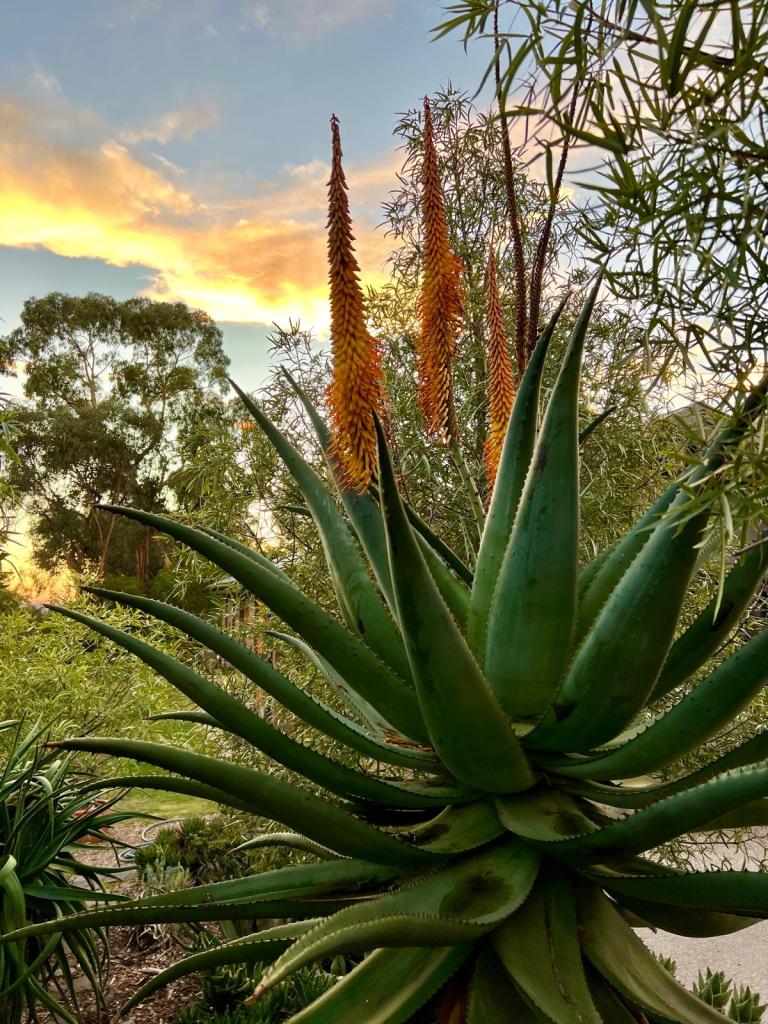
My home away from home – Dewetia’s home – with it’s garden that is so Australian, and so African at the same time
In Australia, I slip back into old rhythms almost immediately. I know how things work instinctively. The systems are familiar. The social codes are familiar. The humour is familiar. There is a predictability to daily life that settles into the nervous system almost unconsciously. Catching up with old friends and family feels as though no time has passed at all.
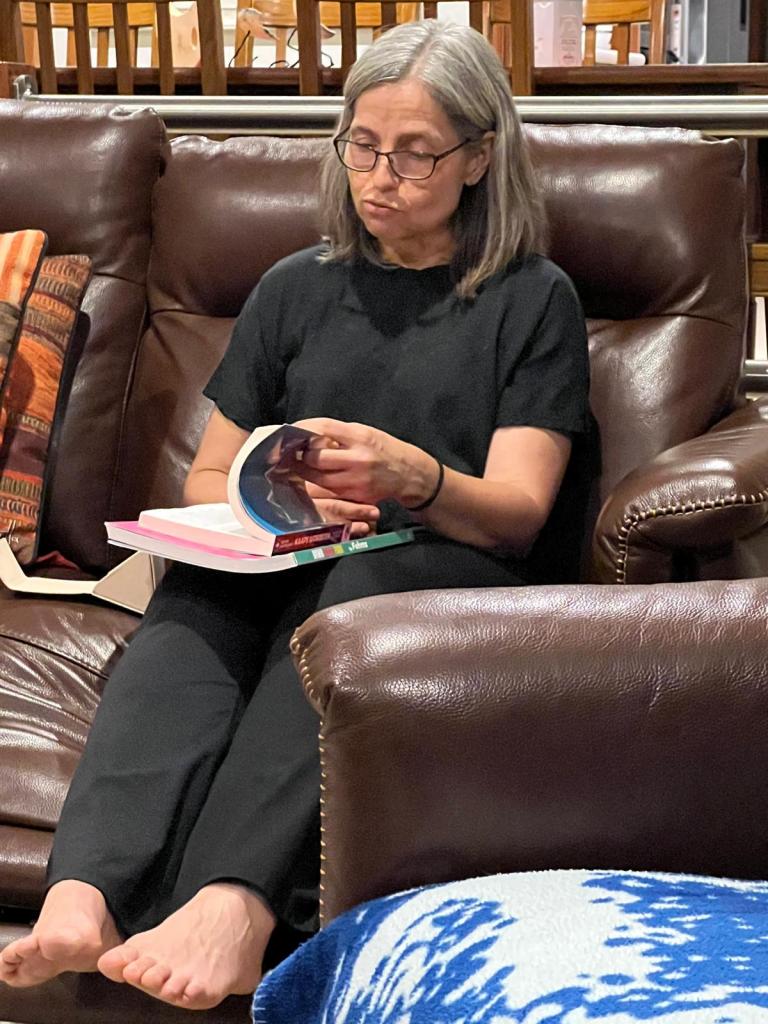
Tomas & EvaDewetia, engrossed in a bookMy dear nephew, ShonShon & Dale
Until suddenly it has.
Because beneath the comfort sits another reality: life moved on. People evolved. Friendship circles shifted. Absences have slowly became normal. The embraces are warm and very real, but one is no longer woven quite as tightly into the fabric of everyday life.
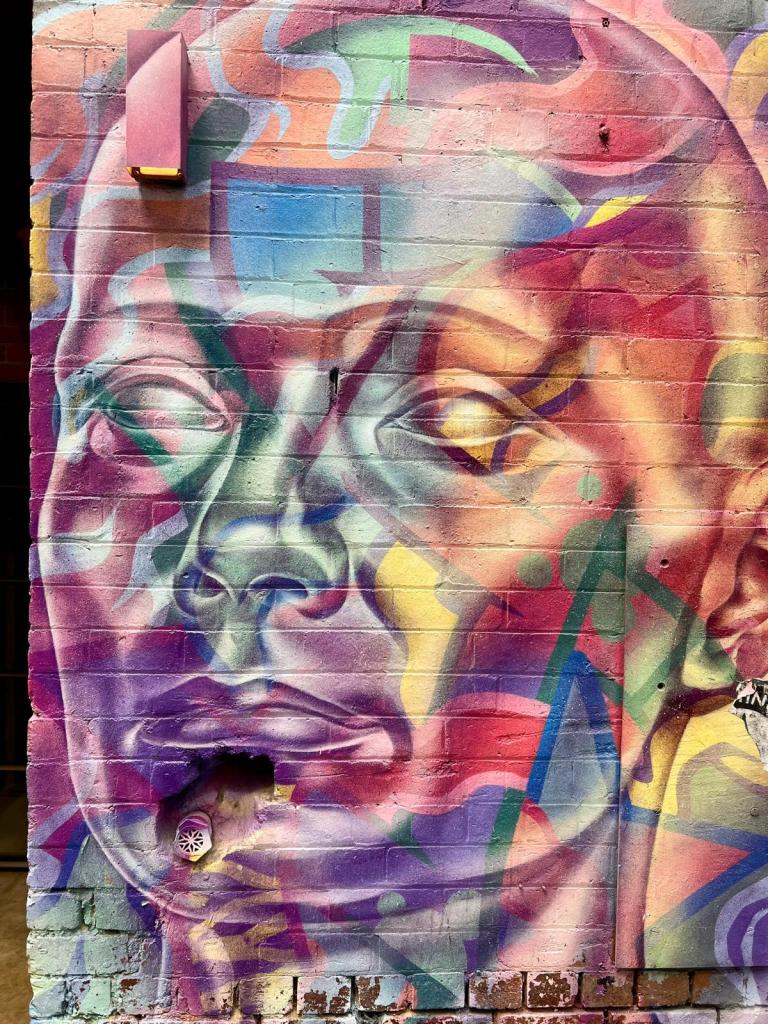
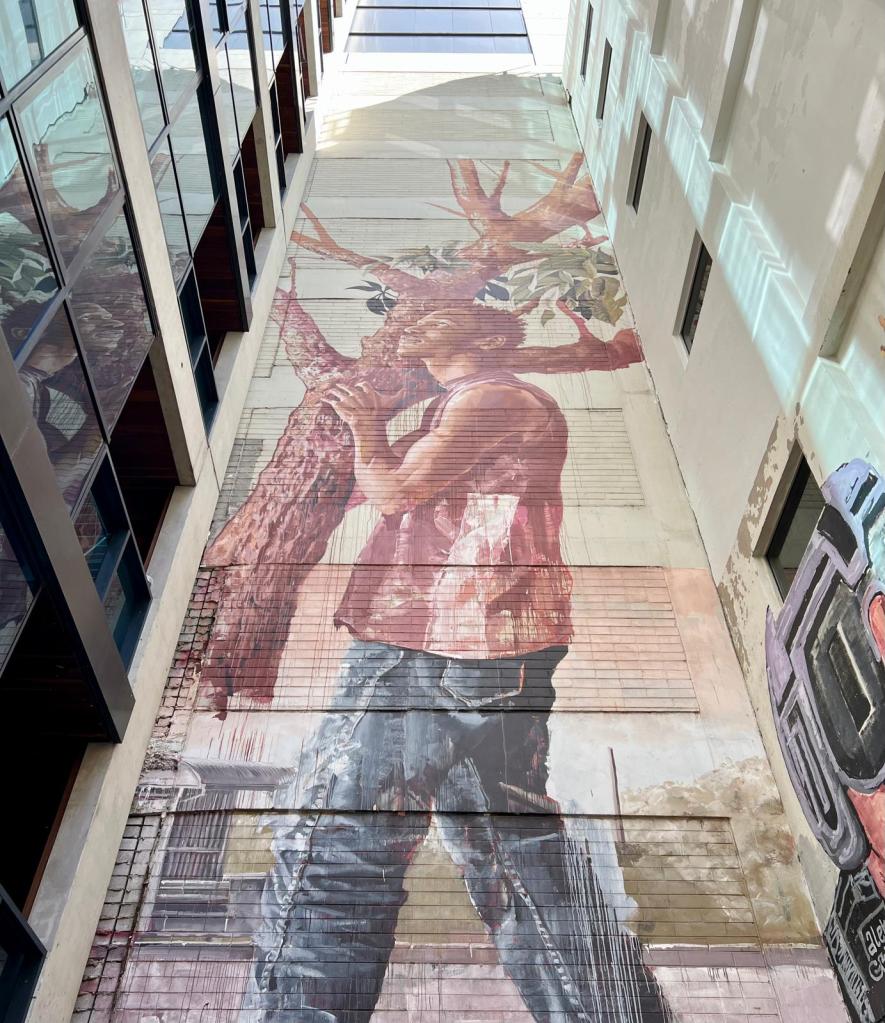
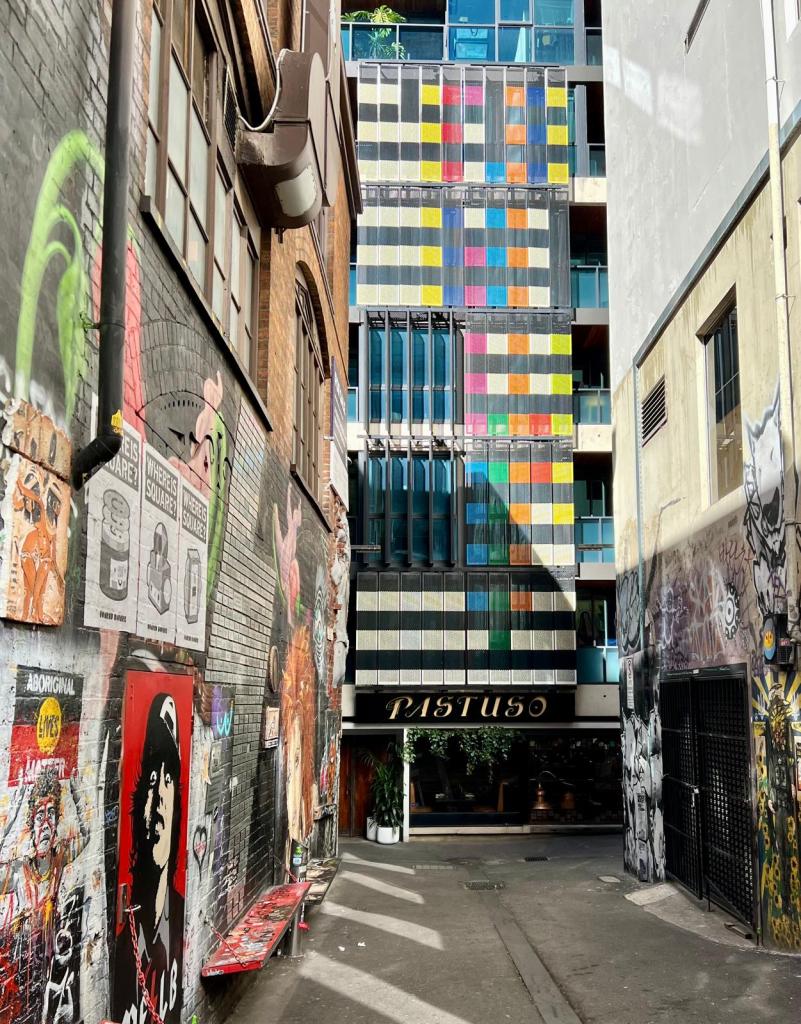
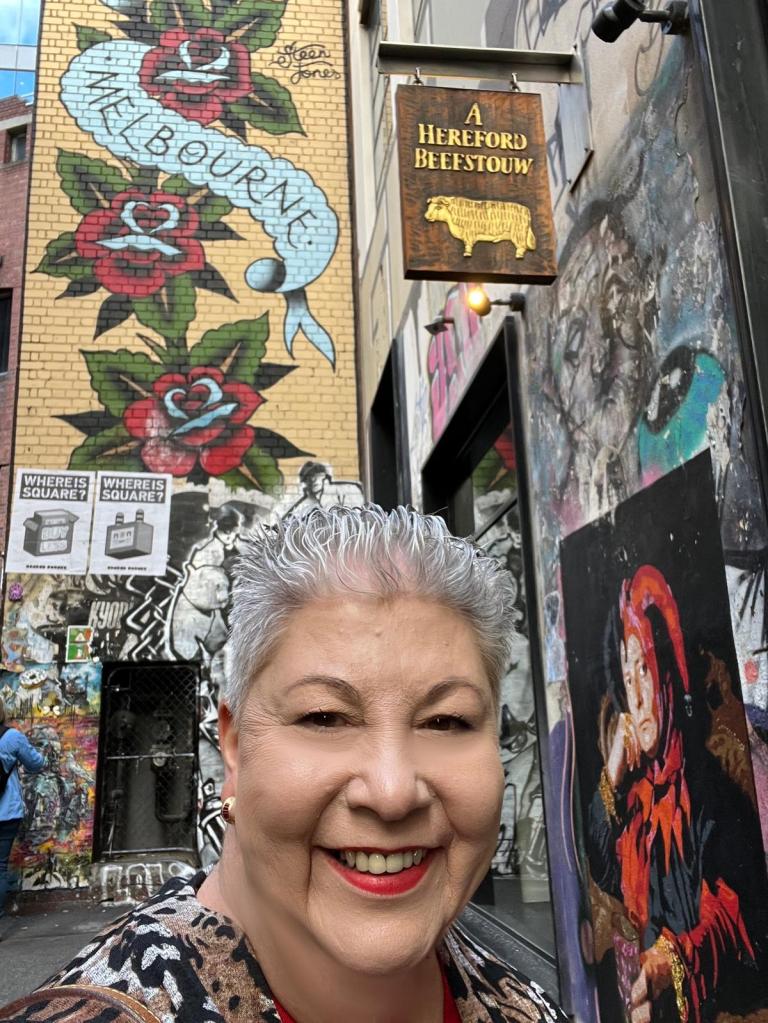
Catching up with Gary at Pastuso in AC/DC Lane – a reminder of one much-loved aspect of Melbourne – the street art
And then there is South Africa, where my beloved husband, and my wonderful thatched home wait to welcome me back to the Africa of my heart.
South Africa gets under your skin in a completely different way. It is louder, more volatile, more emotionally intense. The contradictions are sharper. The inequality more visible. The politics more immediate. The energy more raw. South Africa can exhaust you and inspire you in the same afternoon. There is something deeply alive about it!
The conversations are different here. More layered. More conscious of history, identity, race, resilience, survival and reinvention. South Africans carry complexity differently. Humour becomes armour. Cynicism and optimism coexist in bizarre and fascinating ways. And despite all the frustrations, there is a humanity here that can be difficult to explain to outsiders. And here, of course, are lifelong friends, close family.
So I move between these two worlds carrying emotional residue from both.
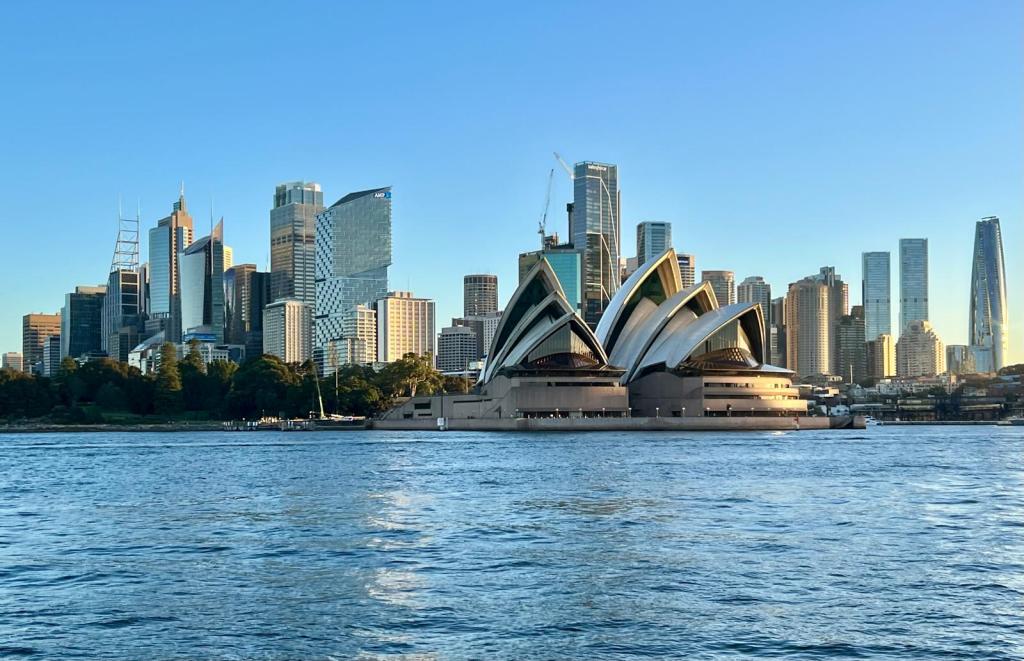
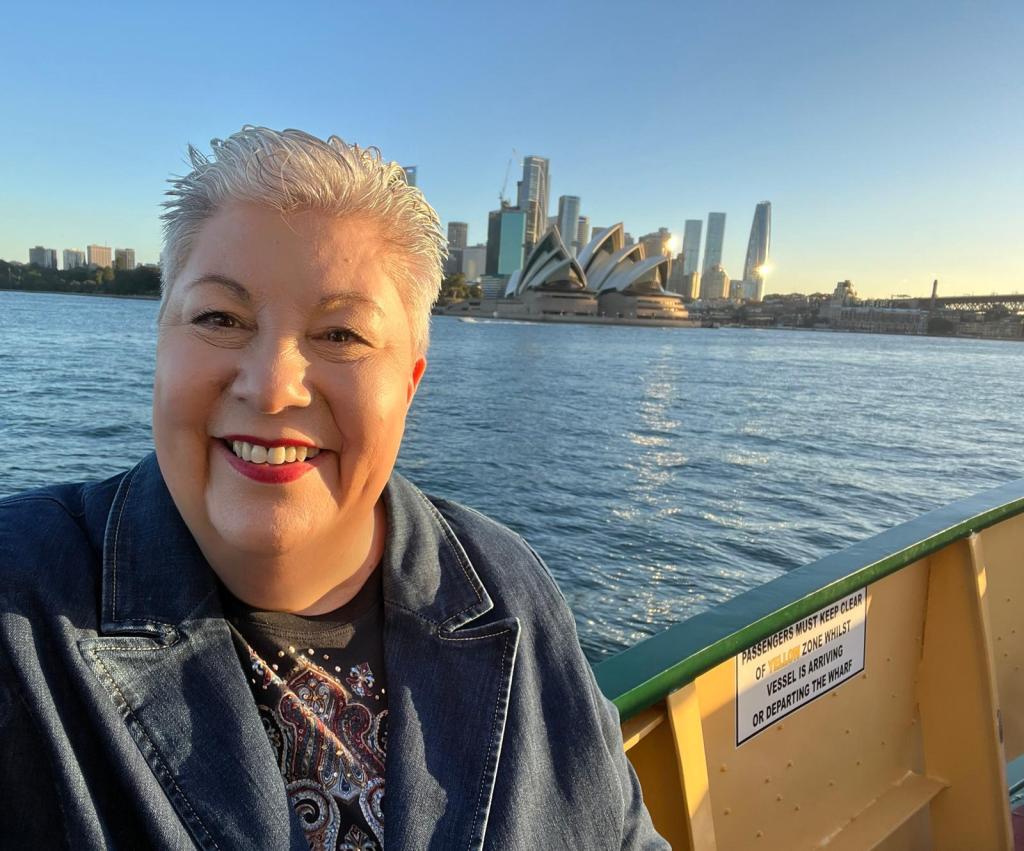
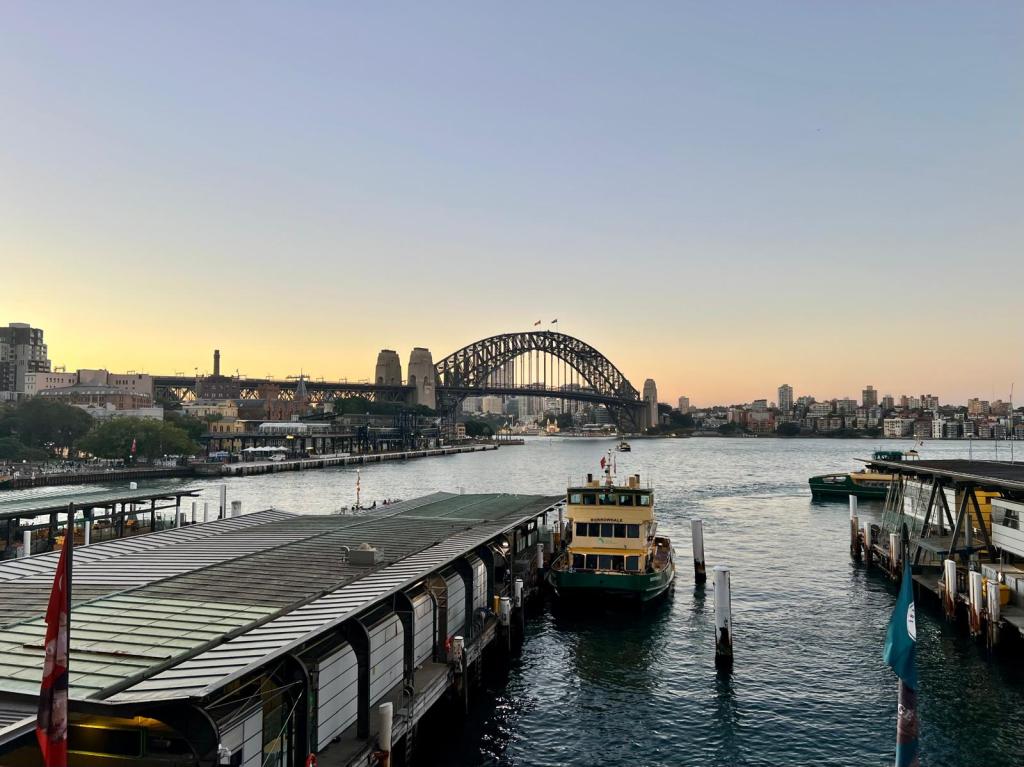
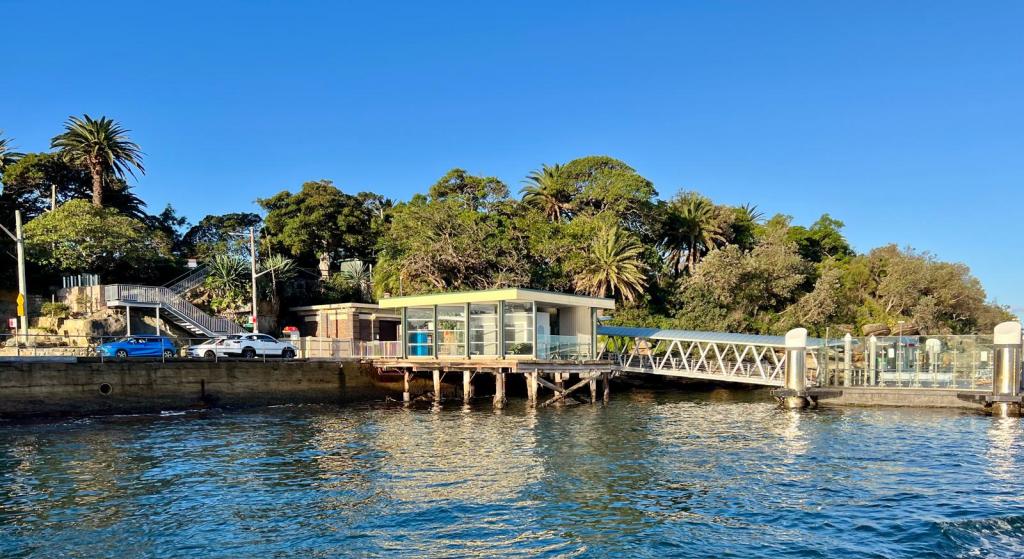
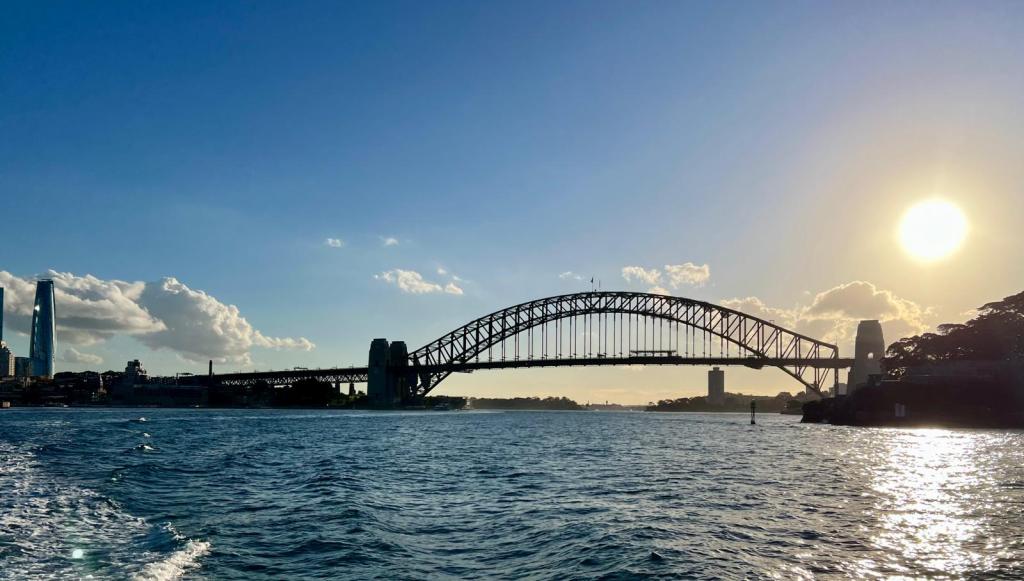
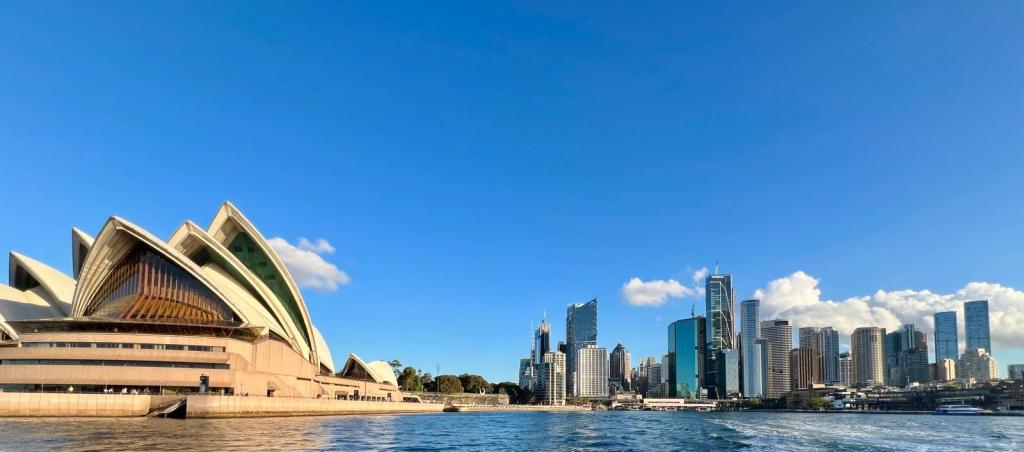
An afternoon spent in Sydney, our first Australian homeThe view from Cicular Quay train stationThe ferry wharf at Cremorne Point, which was our ferry wharf The extraordinary view of Sydney from the water
In Australia, part of me misses the intensity and unpredictability of South Africa. In South Africa, part of me misses the order and familiarity of Australia. In both places, there are moments where I feel entirely at home. In both places, there are moments where I feel strangely foreign.
People still ask me why we returned to South Africa. After more than a year of living here, some ask the question for the first time. And with each asking I realise the move wasn’t a single decision made once, it is an ongoing negotiation of identity.
Every return flight reopens old emotional files. Every reunion both elates and saddens. I guess that’s the price – and the privilege – of belonging to more than one place.
Waiting to board my flight home to Johannesburg
Somewhere between Melbourne and Johannesburg, between memory and reinvention, between familiarity and distance, I’m learning to live with carrying two homes inside me at once.
I don’t believe in reincarnation, but if I did, I’d believe that I lived in this remarkable city in a previous life. My first trip to Bangkok was around 1990. When I stepped off the plane onto the tarmac (no aerobridges then), I felt I was home.
Now, almost four decades later, the feeling is the same …
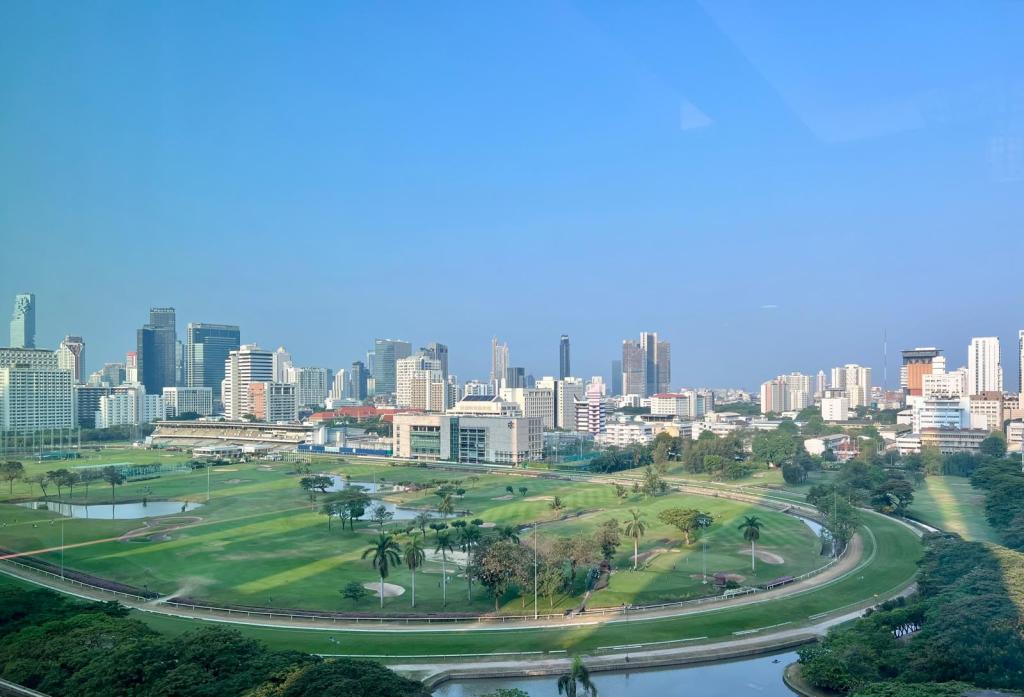
Join me for a whistle-stop visit to the incredible place that is Bangkok!
Bangkok is a relatively “young” capital by global standards, but its rise has been rapid and strategic. Originally a small trading post on the Chao Phraya River delta, it became the capital of Siam (now Thailand) in 1782 under King Rama I, marking the beginning of the Chakri dynasty that still reigns today. And the people love their royal family. The old queen, Sirikit, was particularly beloved; her recent passing will have the city in mourning for at least a year.
In its early years, Bangkok was a water-based city, defined by canals (khlongs) and river trade, earning it the nickname “Venice of the East.” Over time, especially in the late 19th and early 20th centuries, Western influence, infrastructure development, and modern medicine accelerated urban growth.
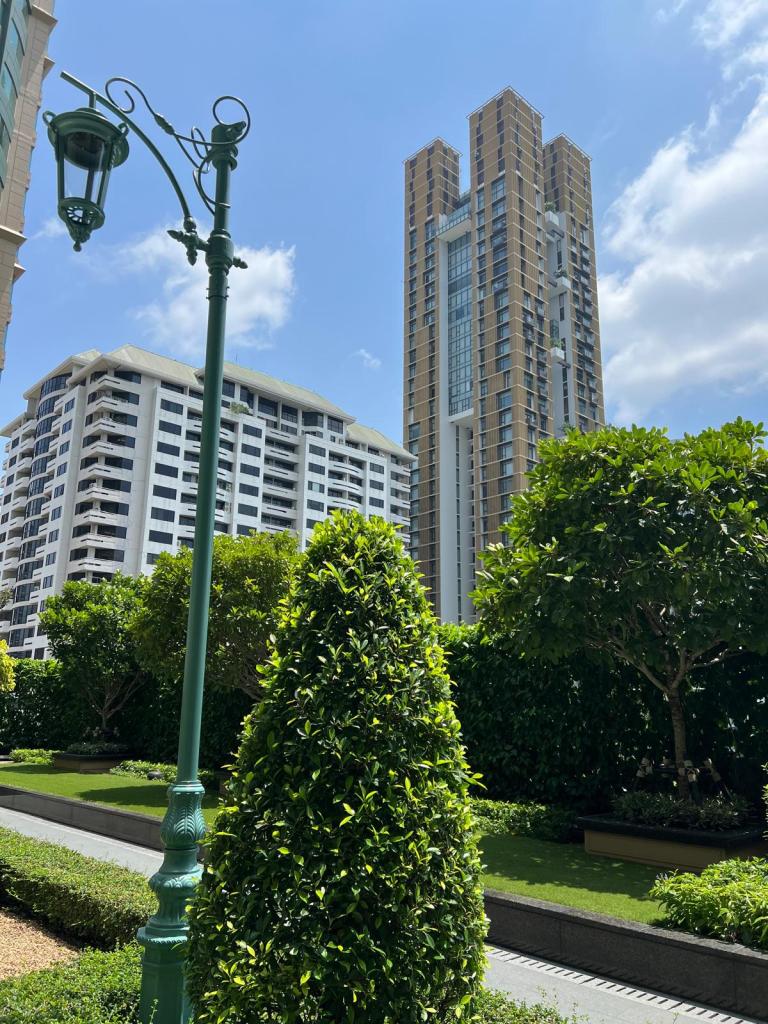
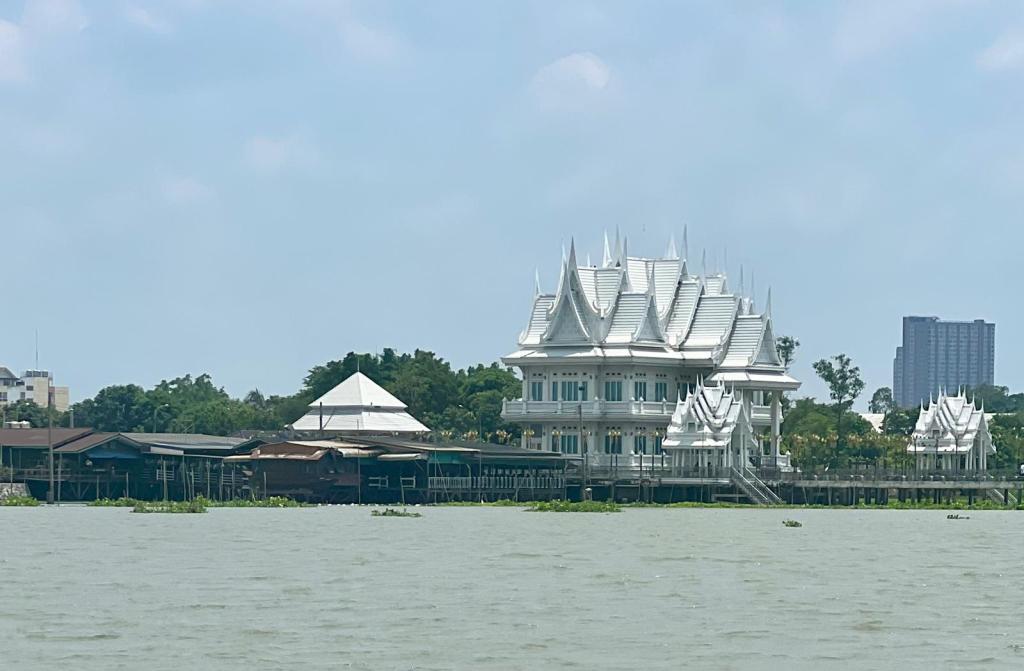
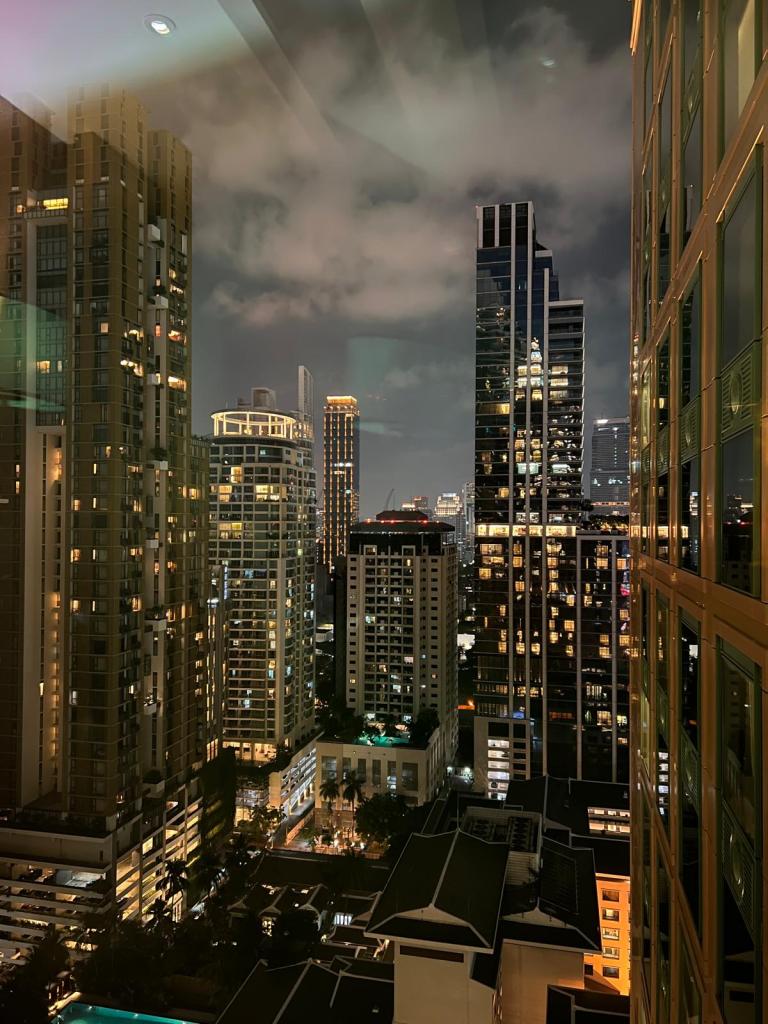
The result: a city where royal temples, informal settlements, luxury malls, and global finance coexist, often on the same street! (Or along the same river.)
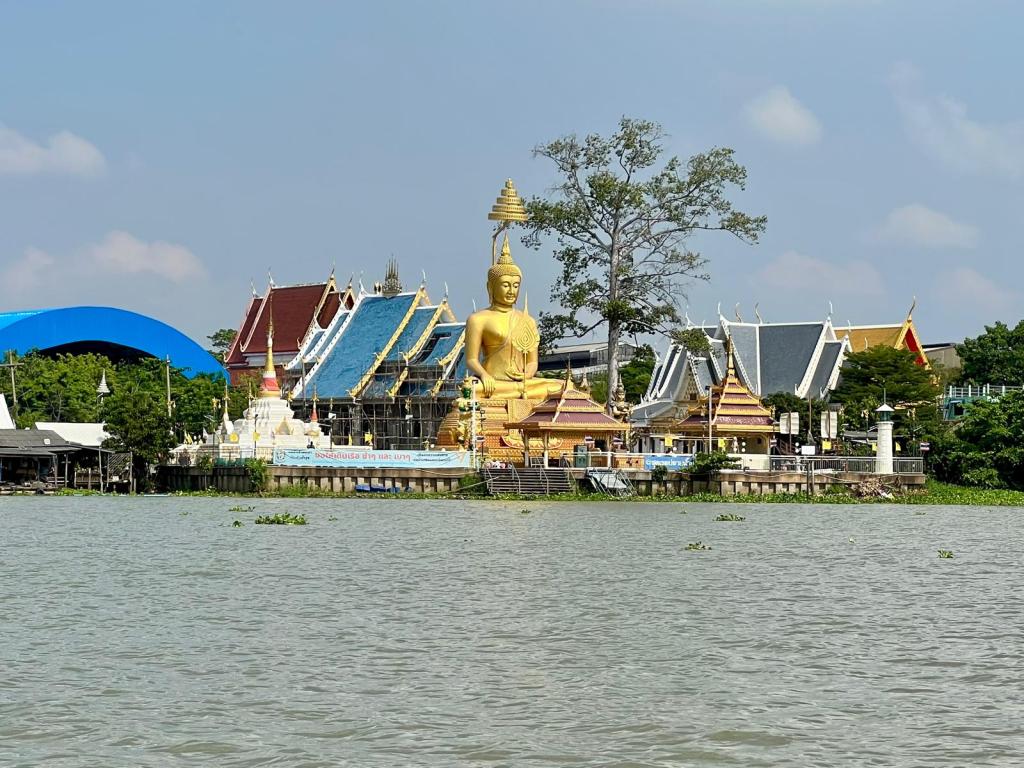
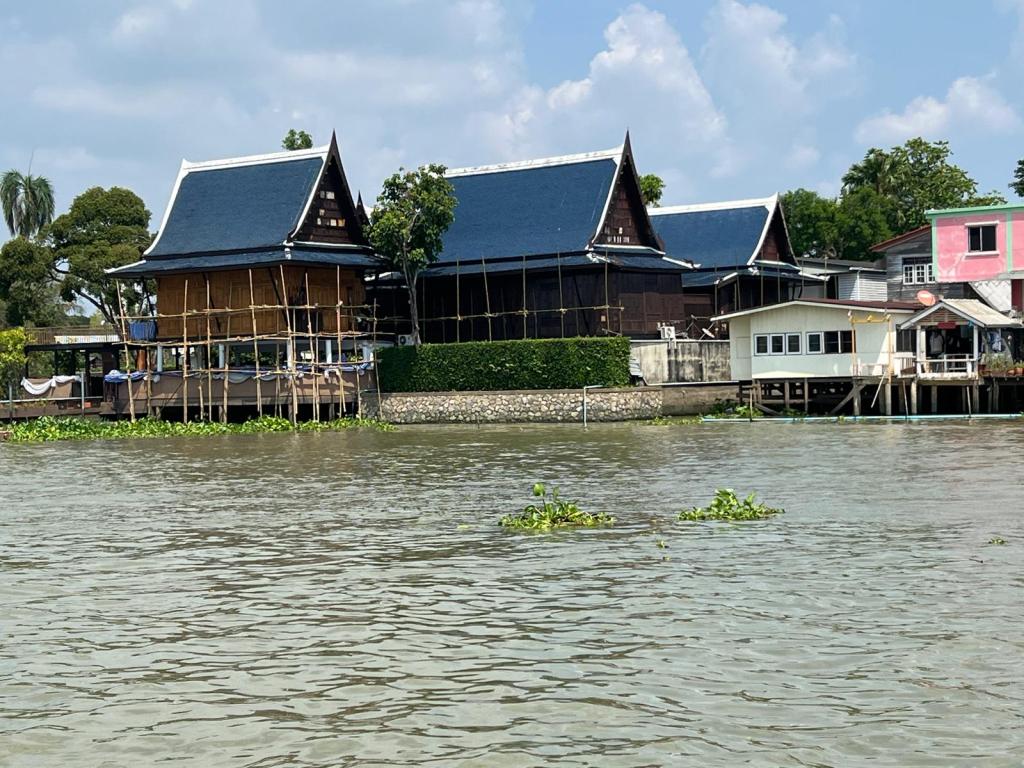
To understand Bangkok, one needs to spend time on the Chao Phraya River, where life in many ways is as it has been for centuries.
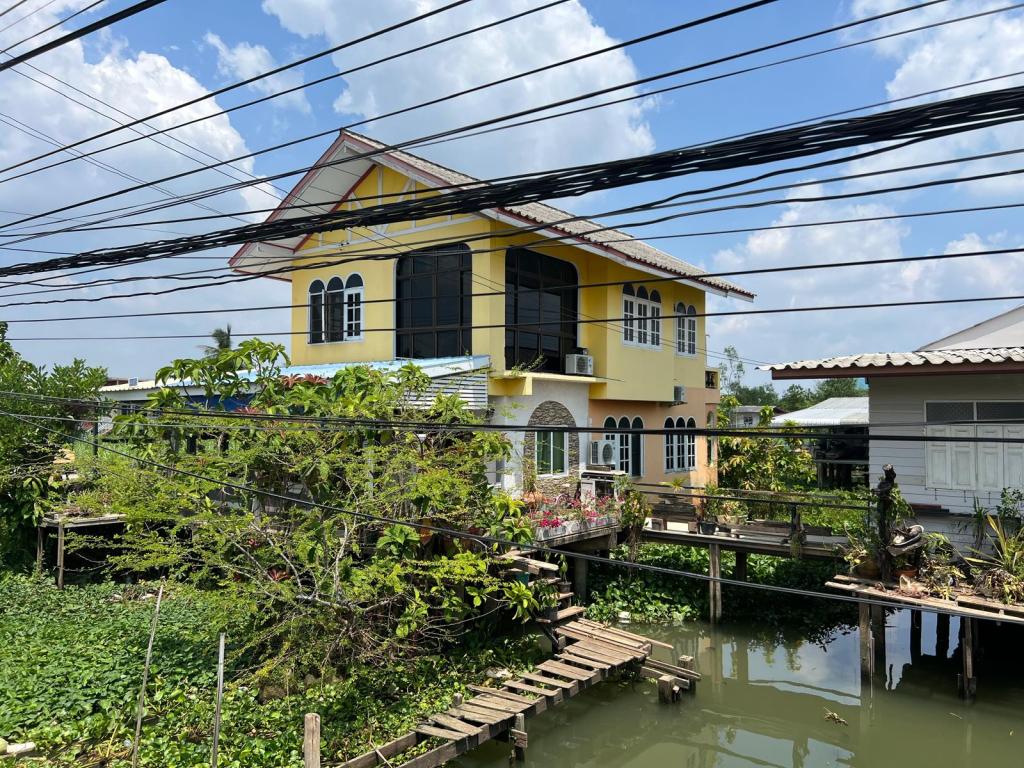
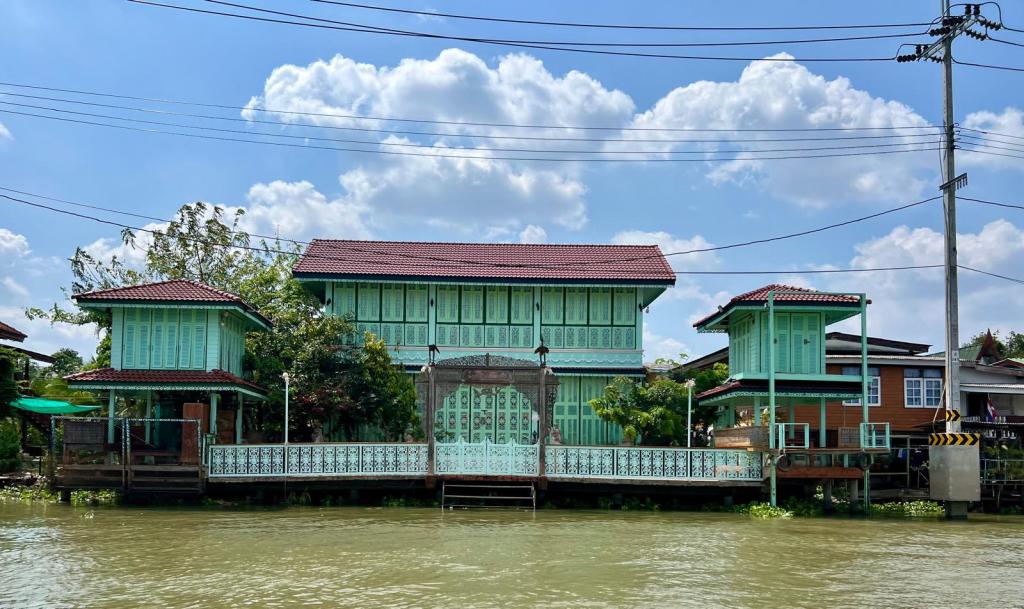
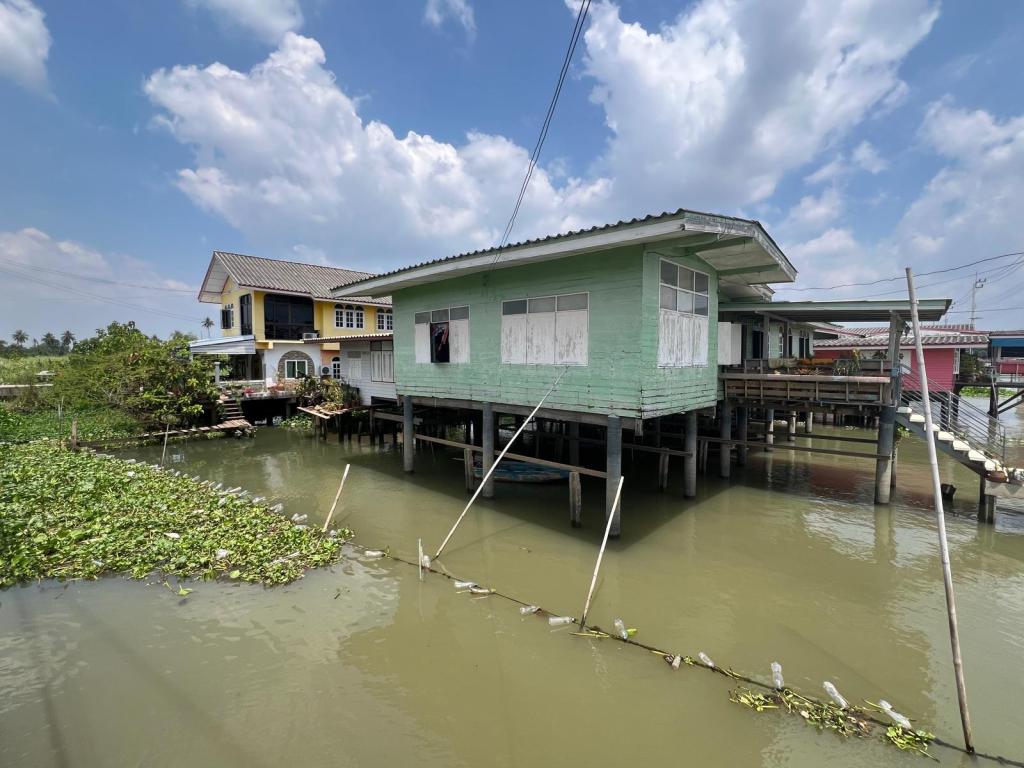
Original houses sit cheek by jowl with industrial developments, modern mansions, and the ever-present wats (temples). People live on the water, grow food on the water, and fish. It’s a subsistence life, definitely not one of luxury, but by and large people are content to live in this way. On the river, enough is enough.
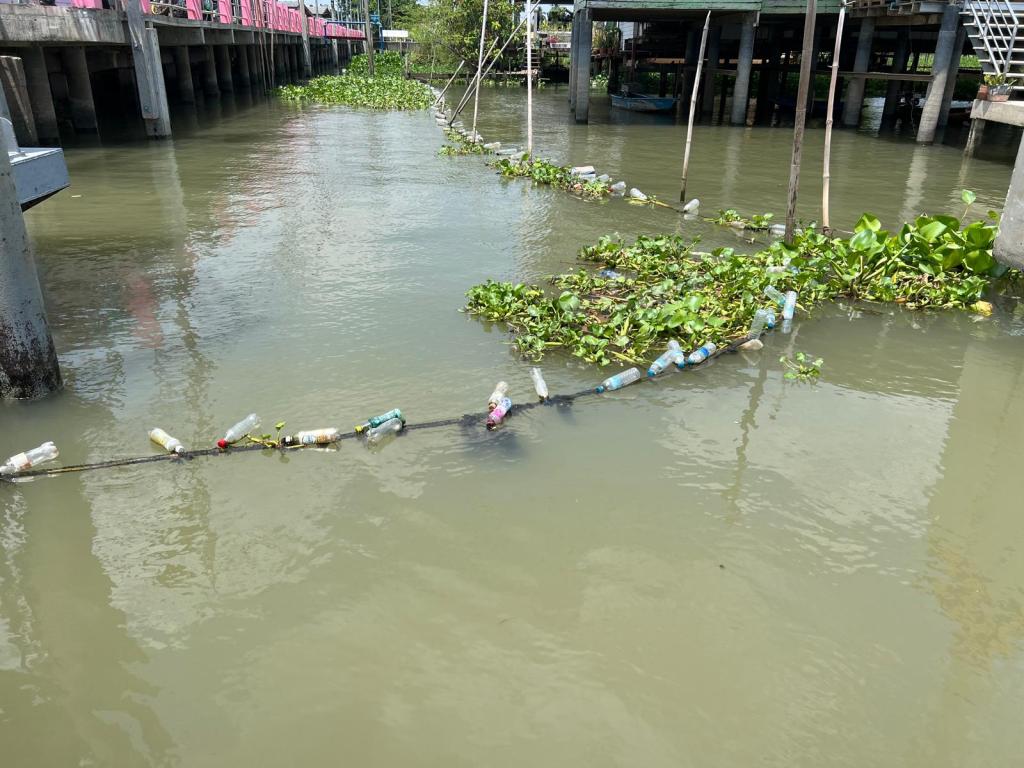
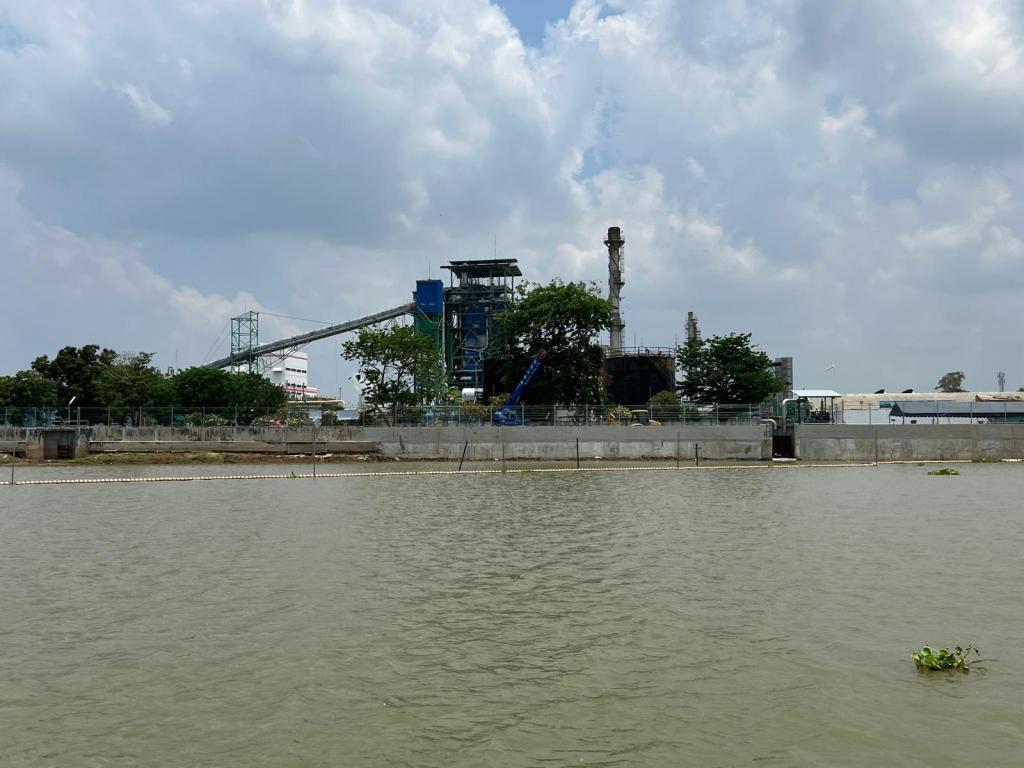
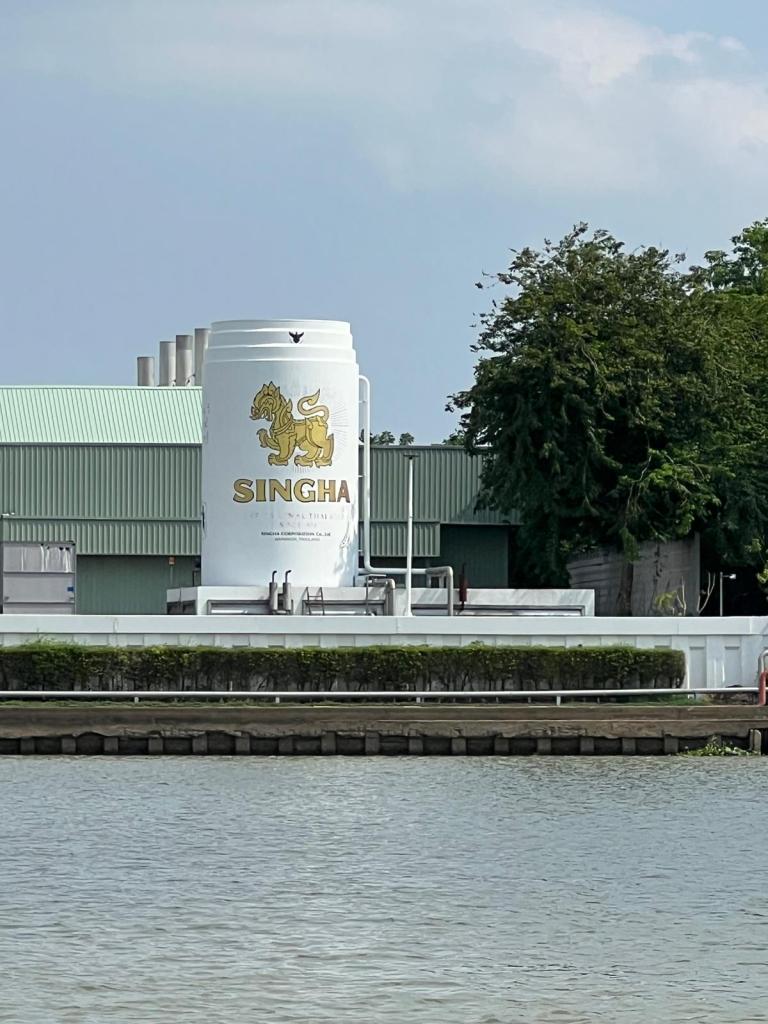
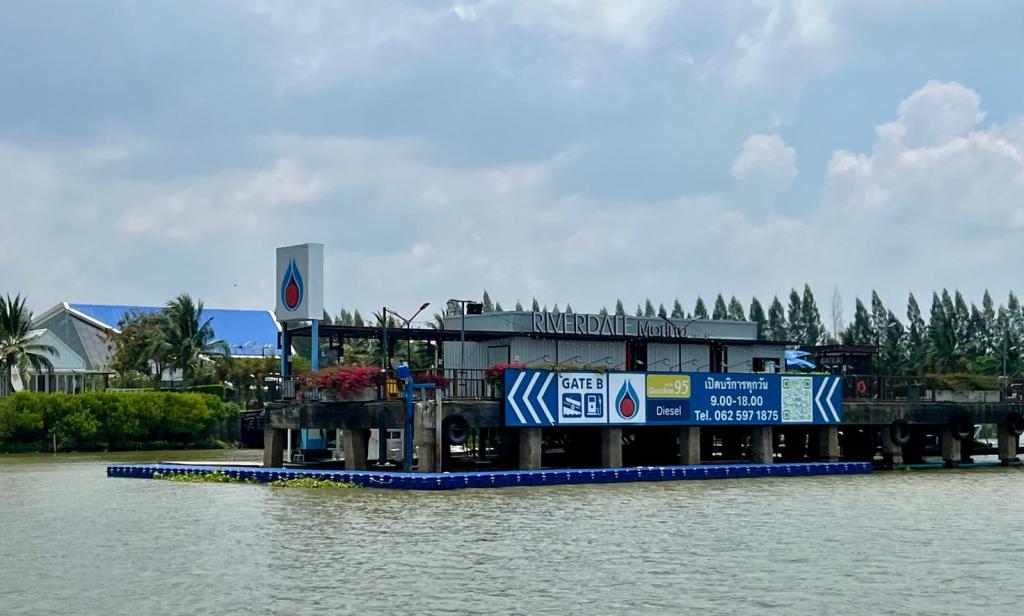
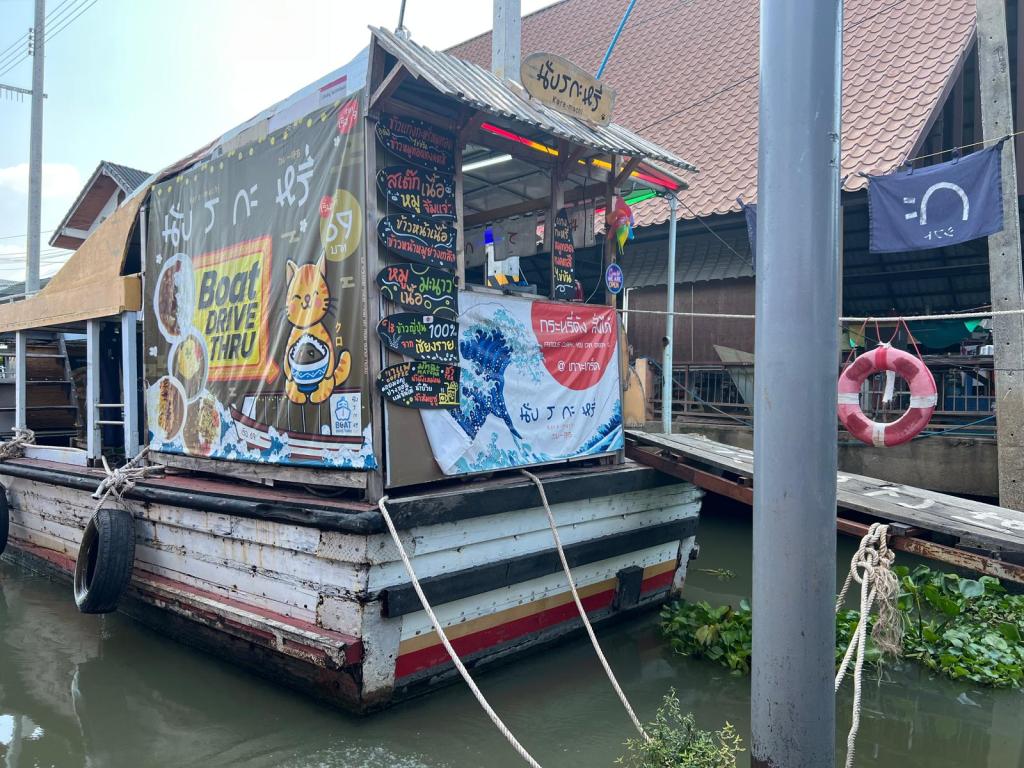
Beautiful, restored original homeAn average water village houseEmpty plastic bottles used as floats to keep the hyacinth away from homesIndustry along the riverThe Singha brewery on the Chao PhrayaFloating boat filling stationEntrepreneurship is alive and well on the river
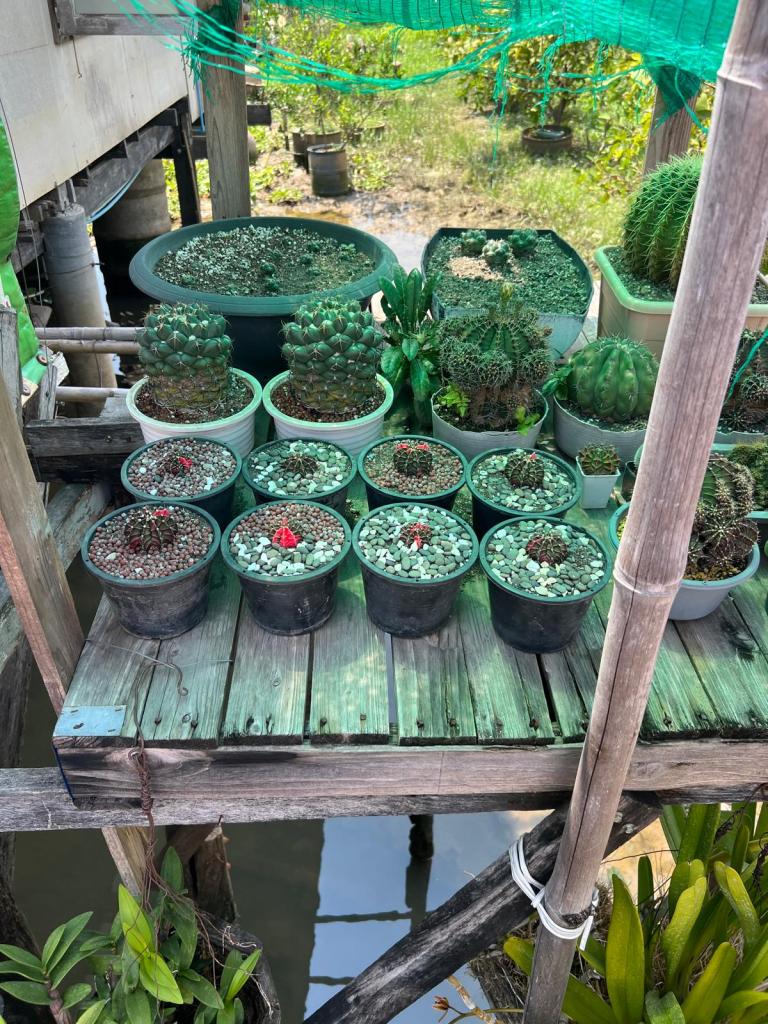
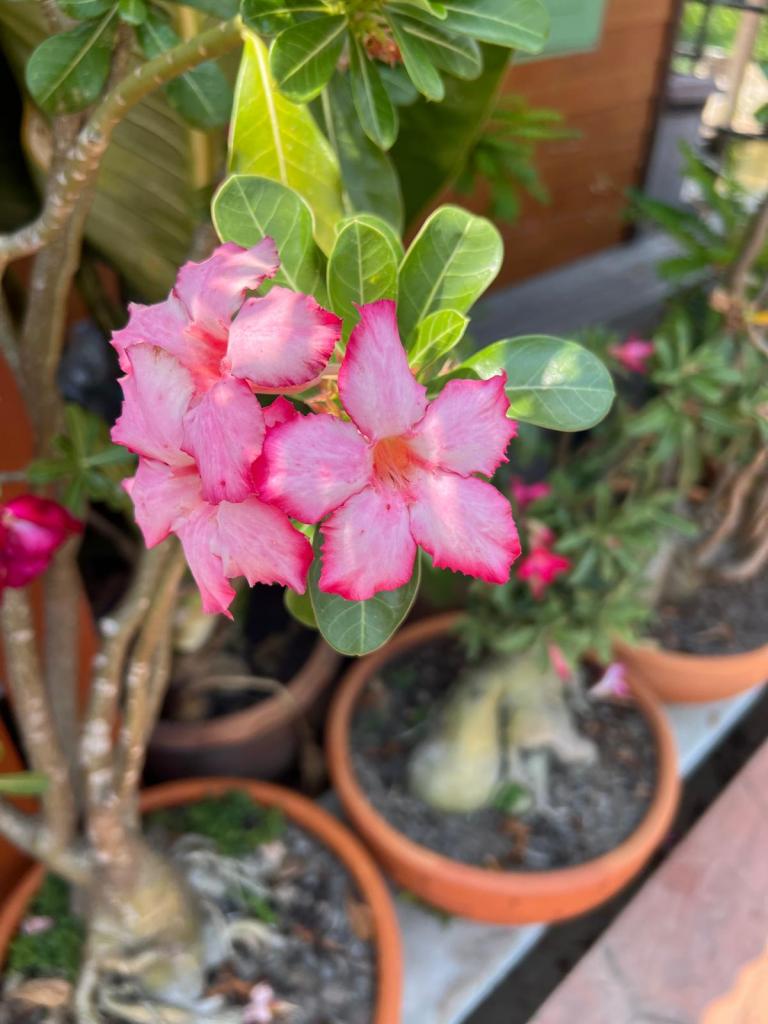
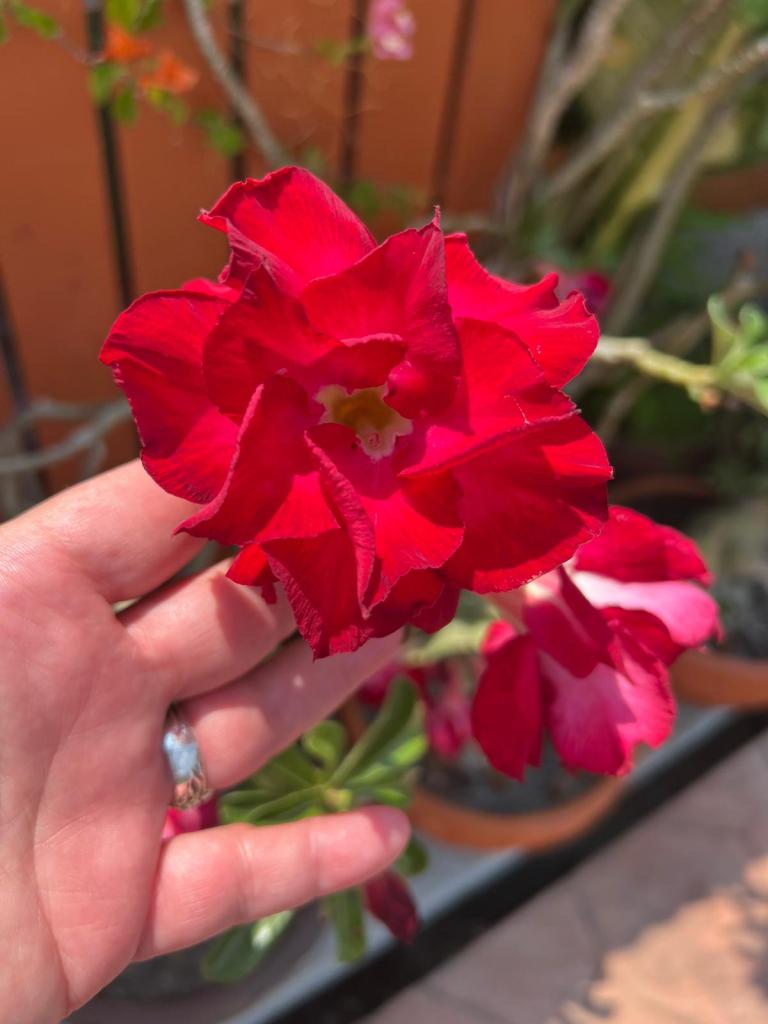
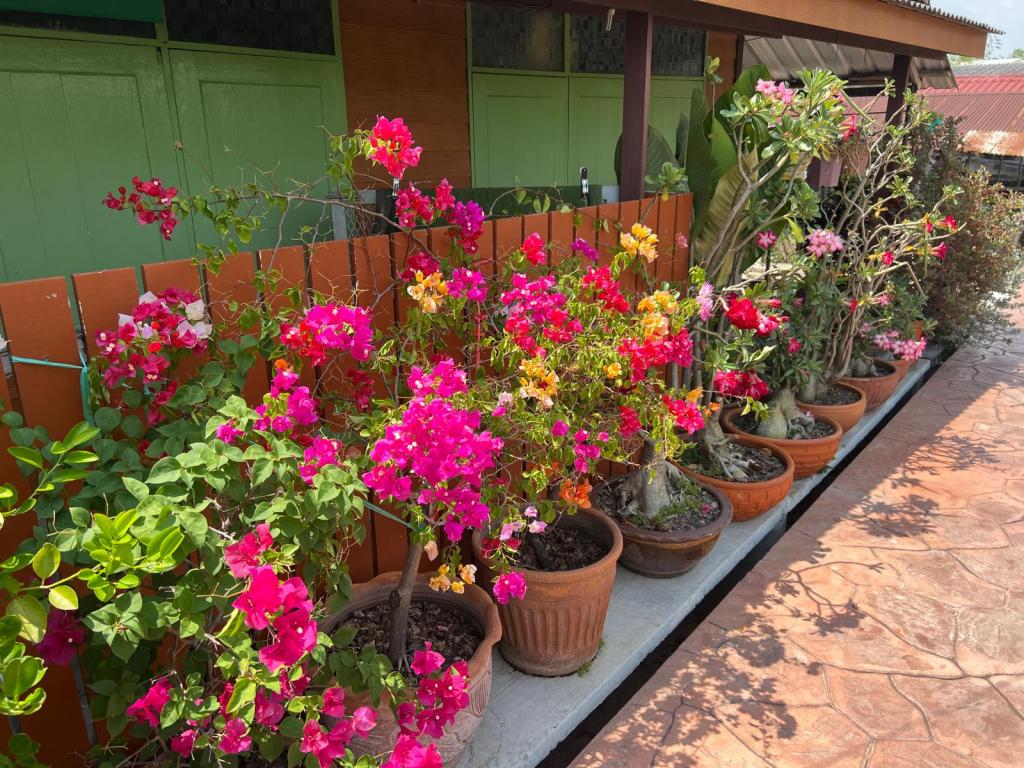
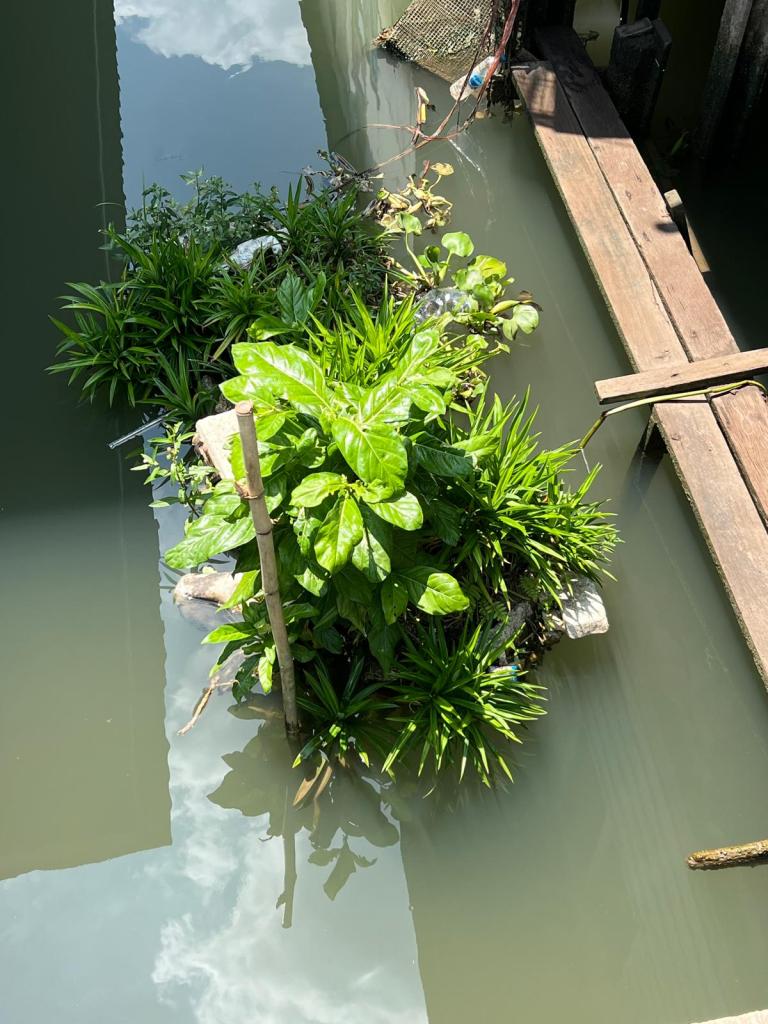
What I’ve always found really interesting is how people garden on the river. From fruit and vegetables to flowers, the tiniest plot is bursting with pots.
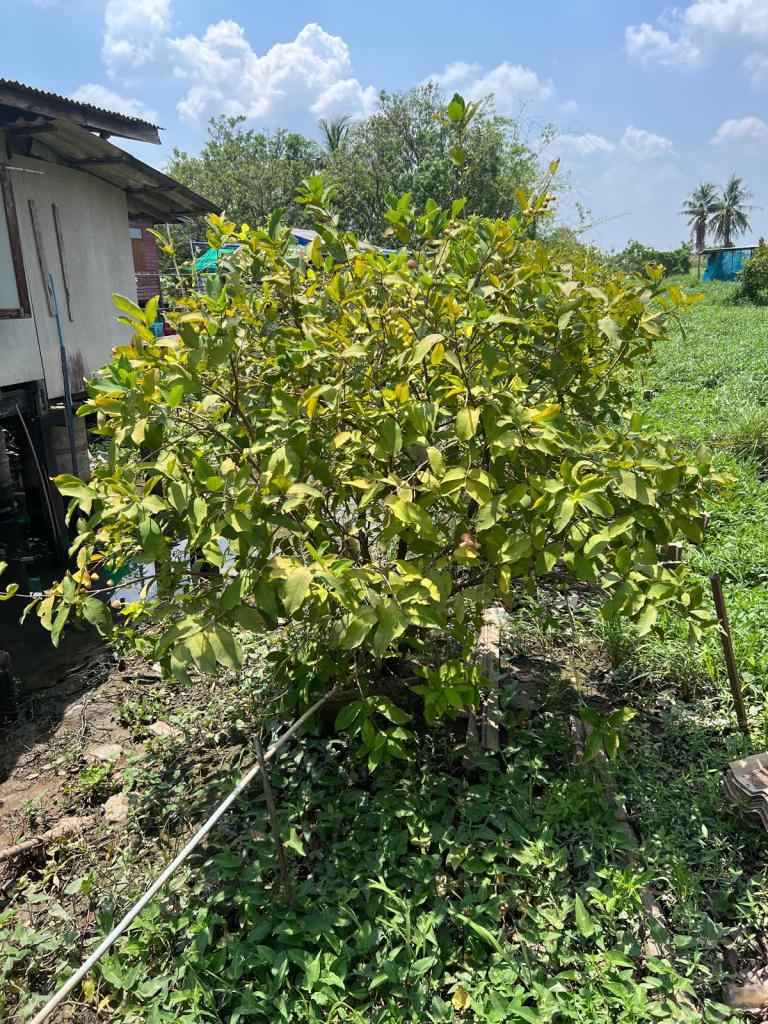
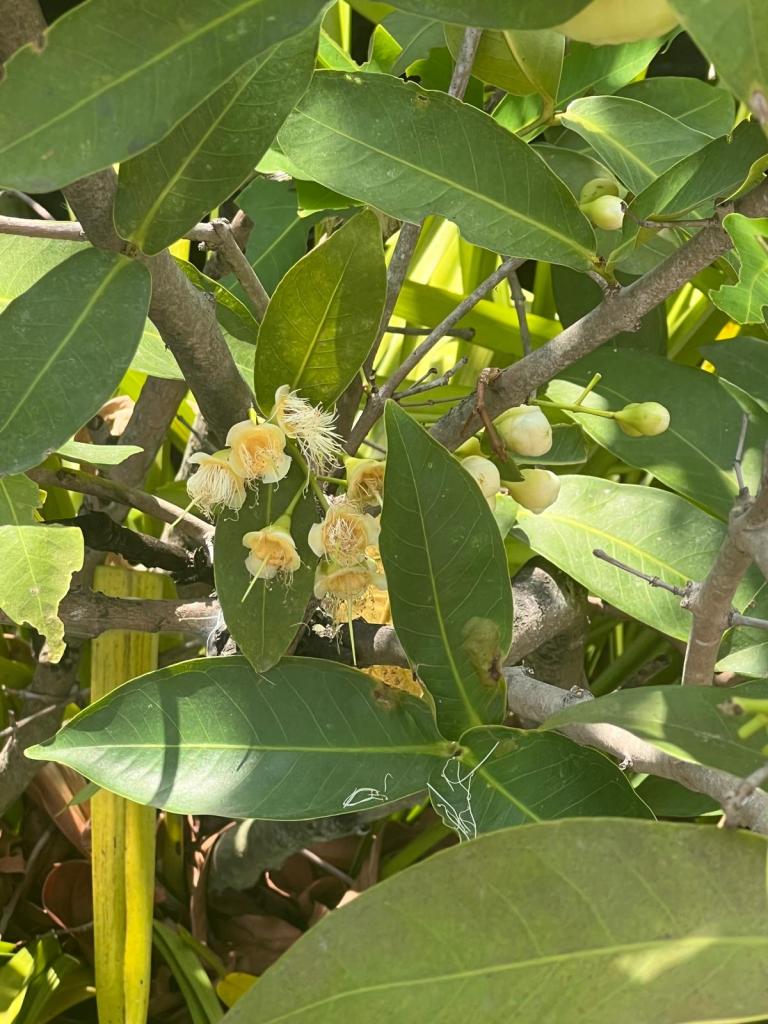
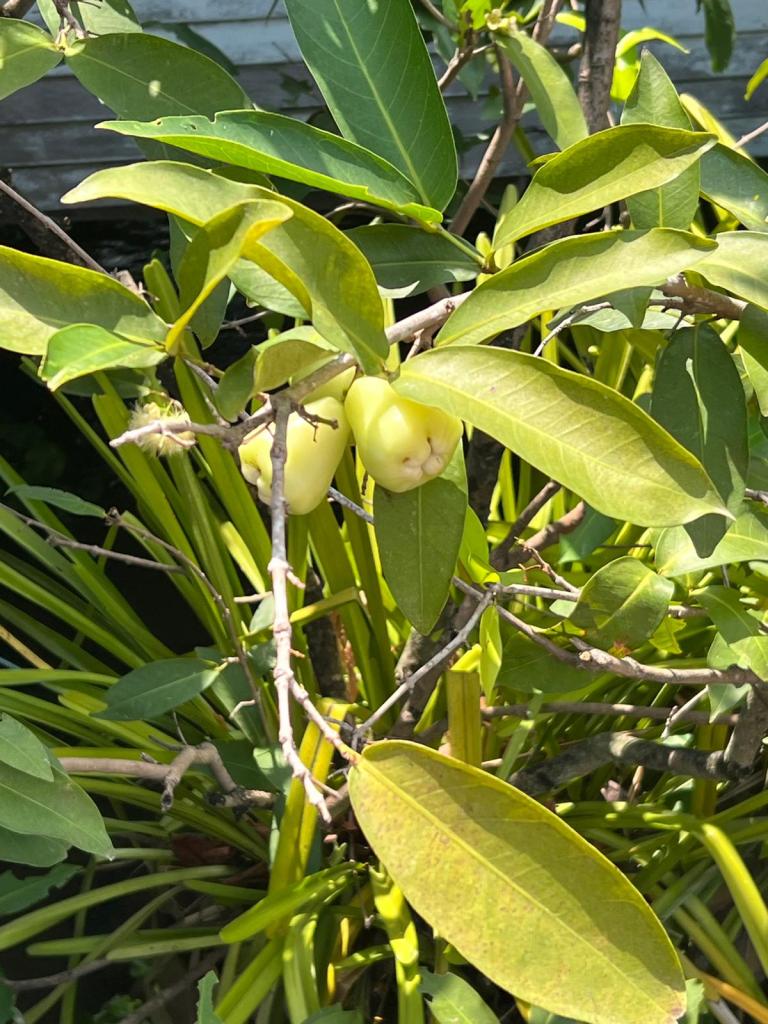
Succulents! In the Bangkok humidity!I asked a Bangkok local what this plant is called, and he said “desert rose”. We call it an Impala Lilly and it grows in the arid regions of South Africa.Bougainvilleas I know this as “crystal apple”. It’s rather like an overgrown lillypilly.
The river is still used to ferry construction material and other heavy goods that would otherwise clog the already crowded roads. Barges doing the heavy lifting (or pulling!) are a common sight up and down the Chao Phraya.
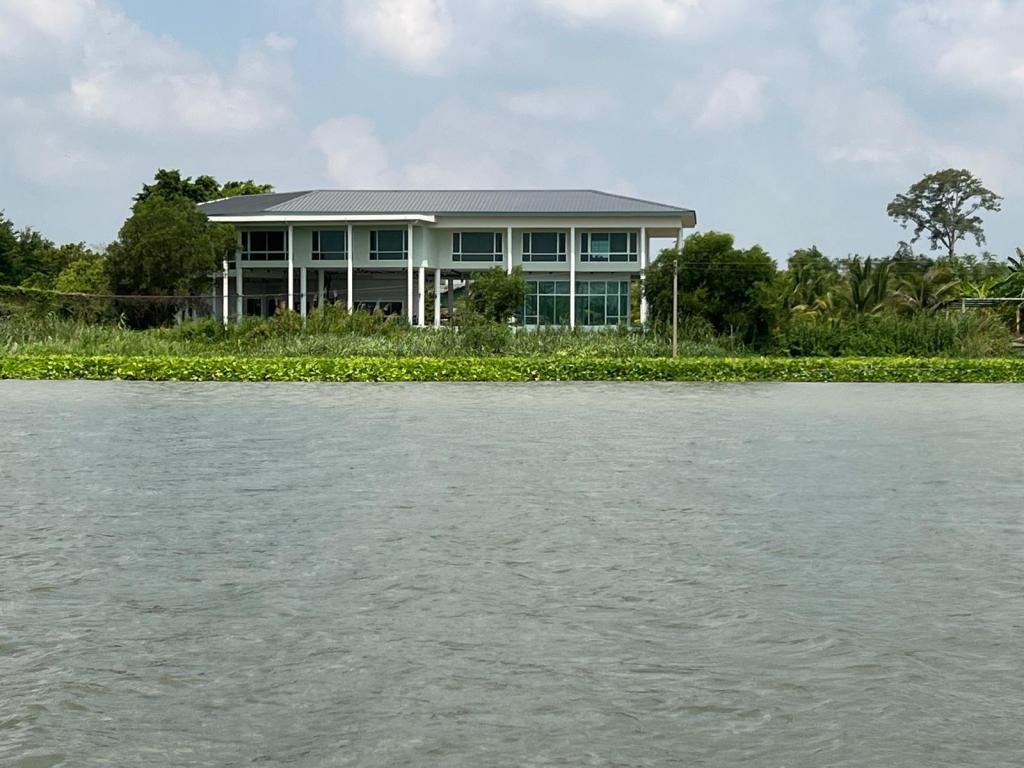
It was interesting – and encouraging – to see many homes being restored, and stunning new places being built.
An original teak house being restored to its former gloryModern, almost completeOne of many extraordinary new homes built (and being built) along the banks of the Chao Phraya
Bangkok has clearly recovered from COVID. The city is thriving, and there’s an air of optimism about this megalopolis of 11 million people.
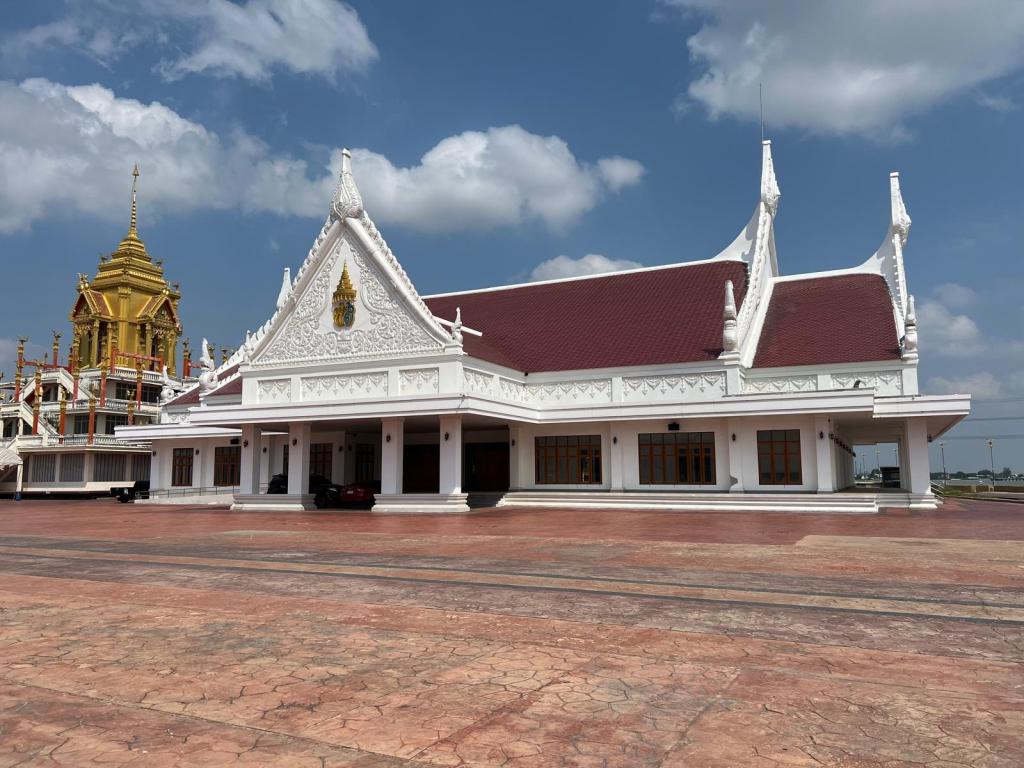
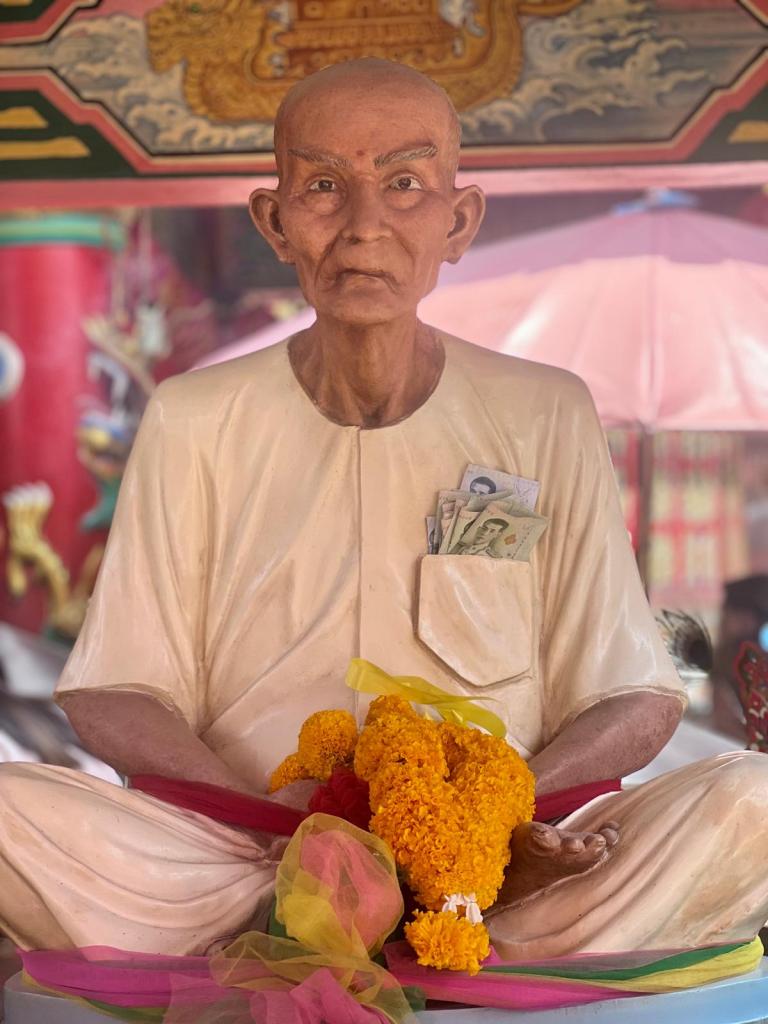
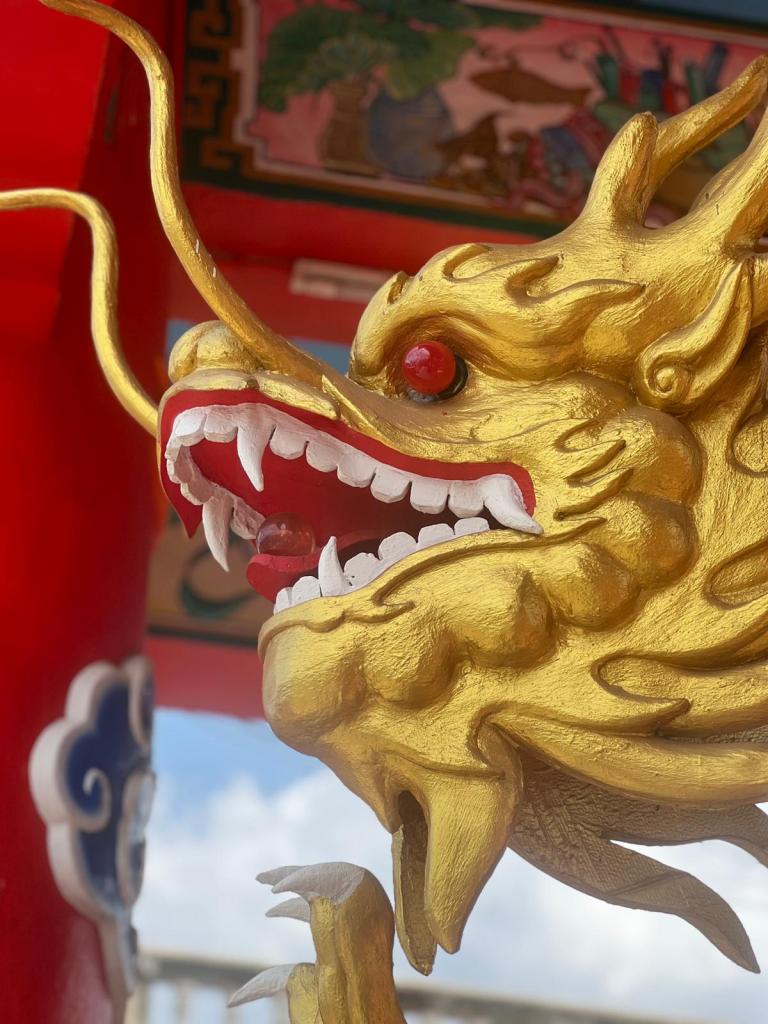
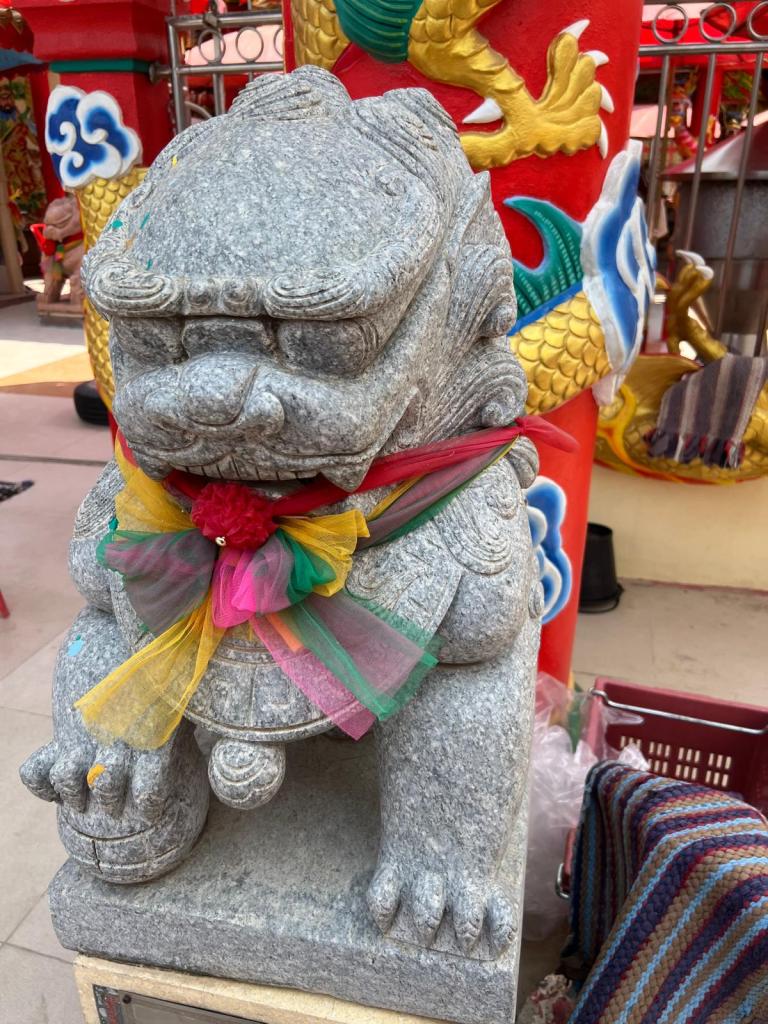
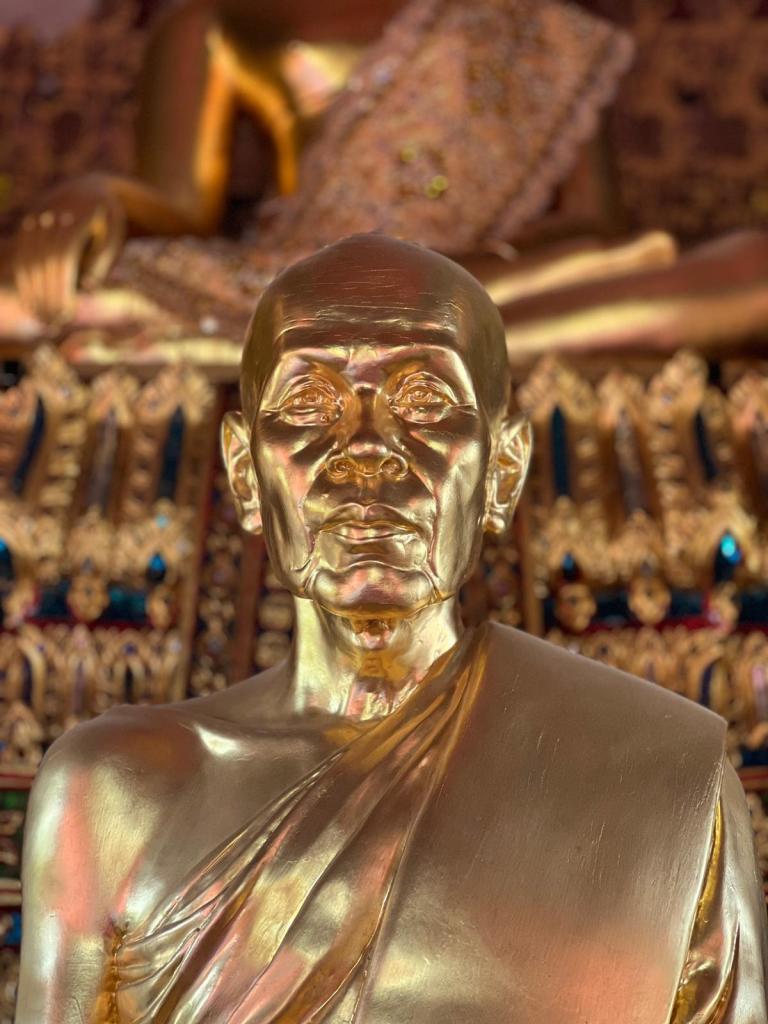
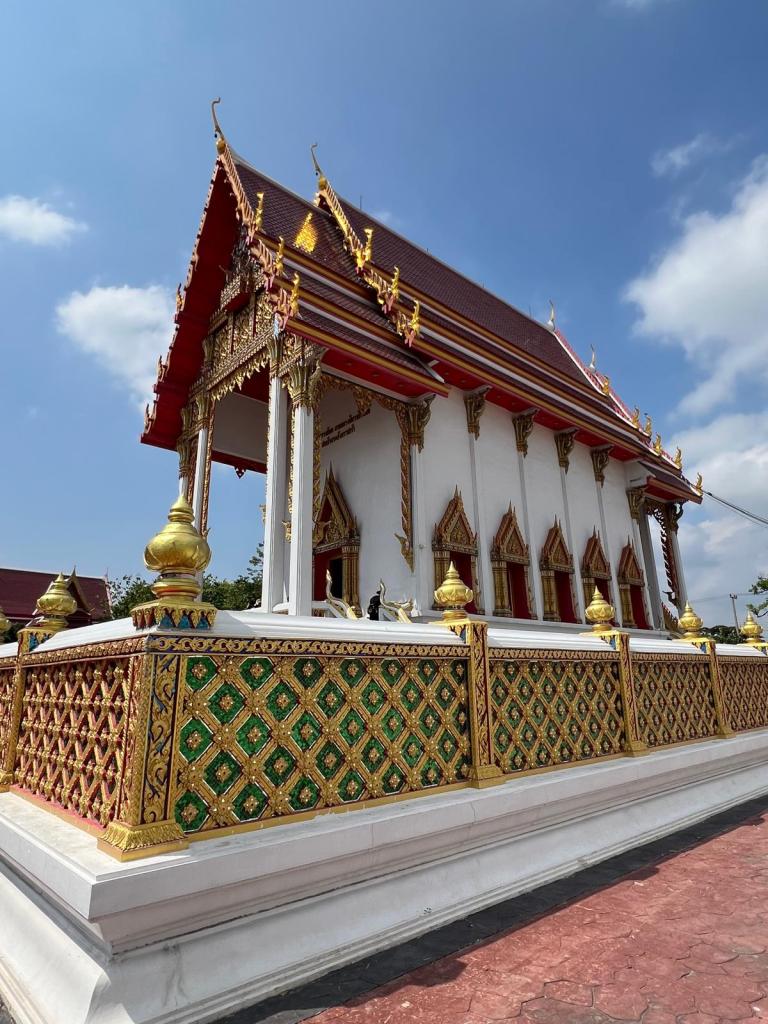
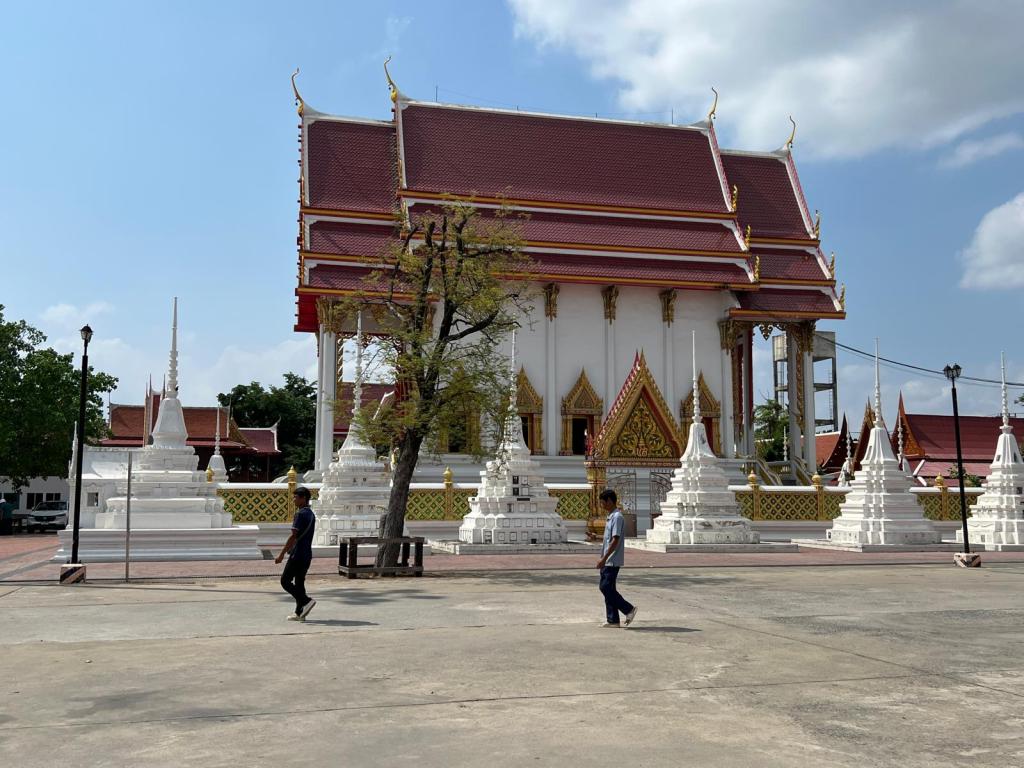
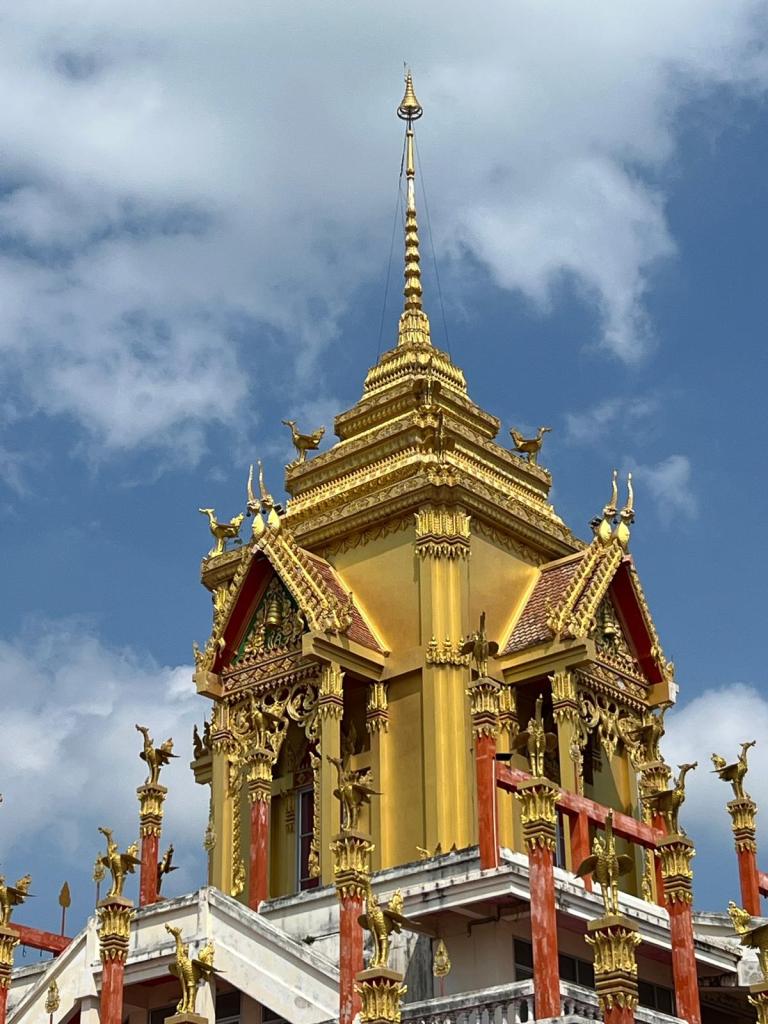
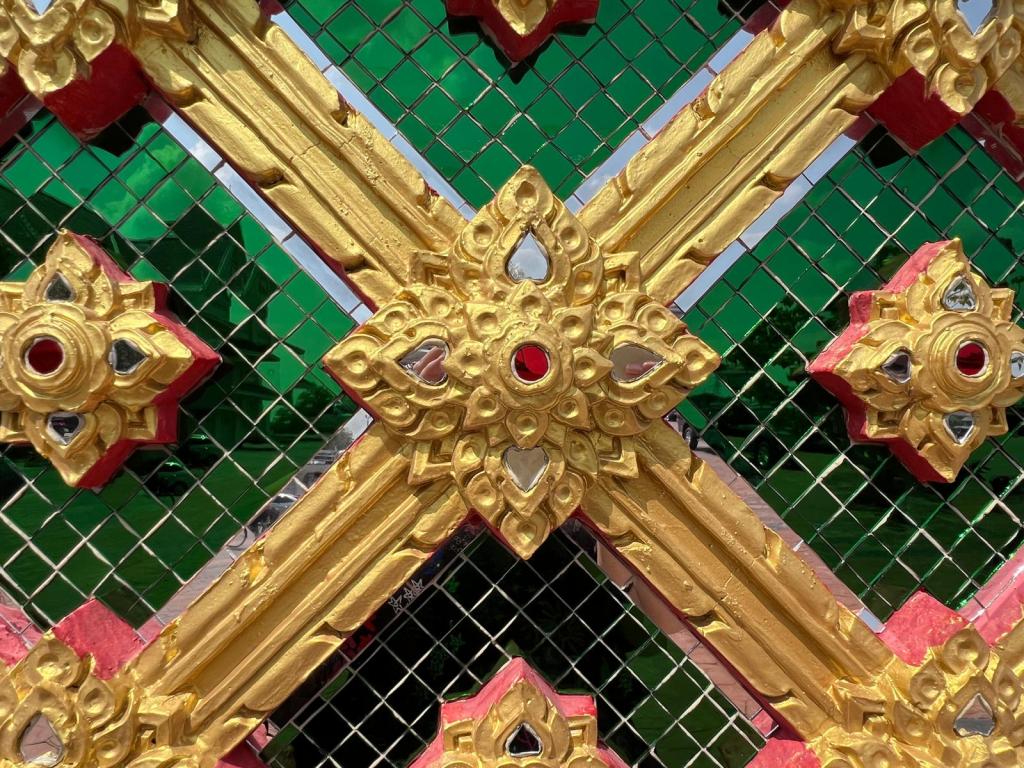
Religion permeates every facet of Thai life, and Bangkok is no exception. There are wats everywhere – in the city, in the suburbs, and along the Chao Phraya. Wedged in between houses, occupying prime real estate, you’ll find a wat – from the simplest to the most ornate. And it’s not just Thai Buddhist temples either, there are also Chinese temples, mosques, Hindu temples, and churches.
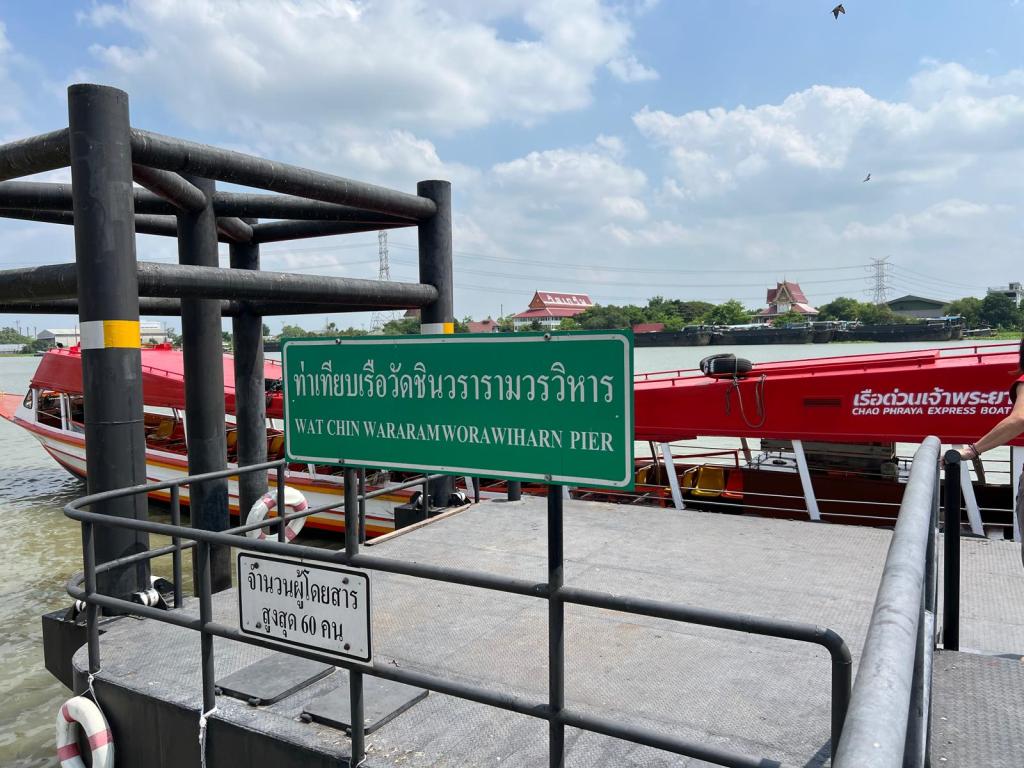
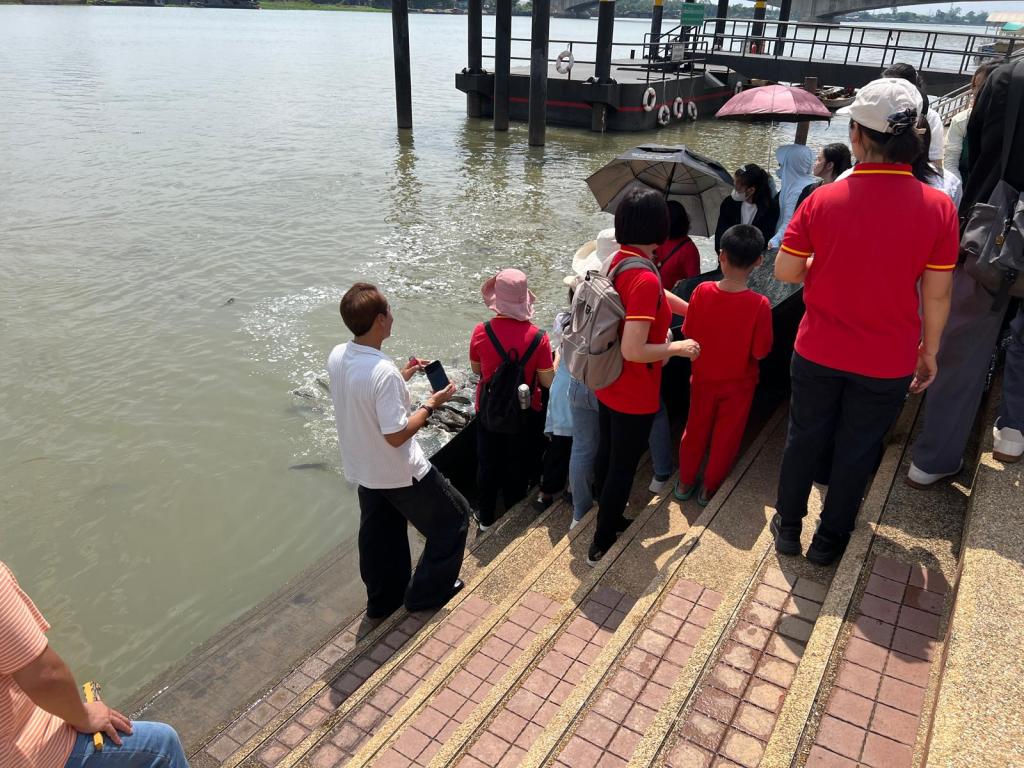
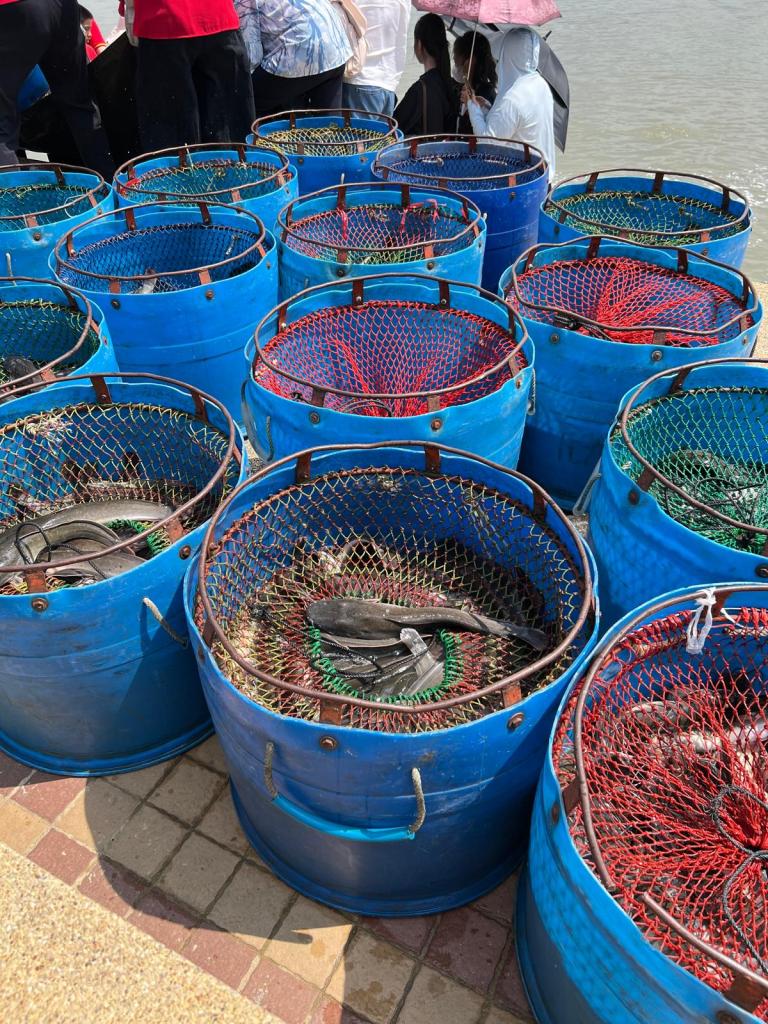
At Wat Chin Wararamworawiharn we were fortunate to see a good karma ceremony being performed – fish being released into the Chao Phraya.
People watching and receiving blessingsBarrels of fishes waiting to be released
One of the things that makes Bangkok so entrancing is its food. And, man, it’s everywhere! From street stalls and markets, to super high-end restaurants – there’s literally something to satisfy every taste.
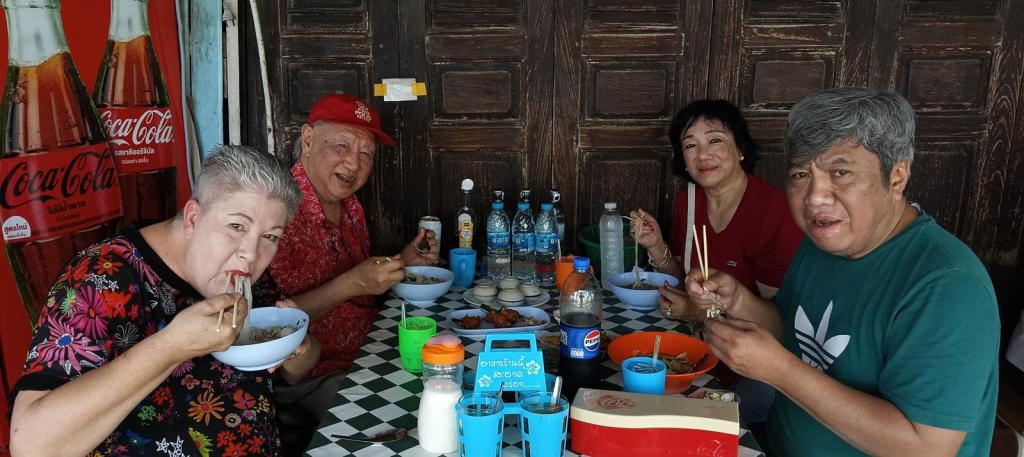
Slurping noodles with Indonesia colleagues
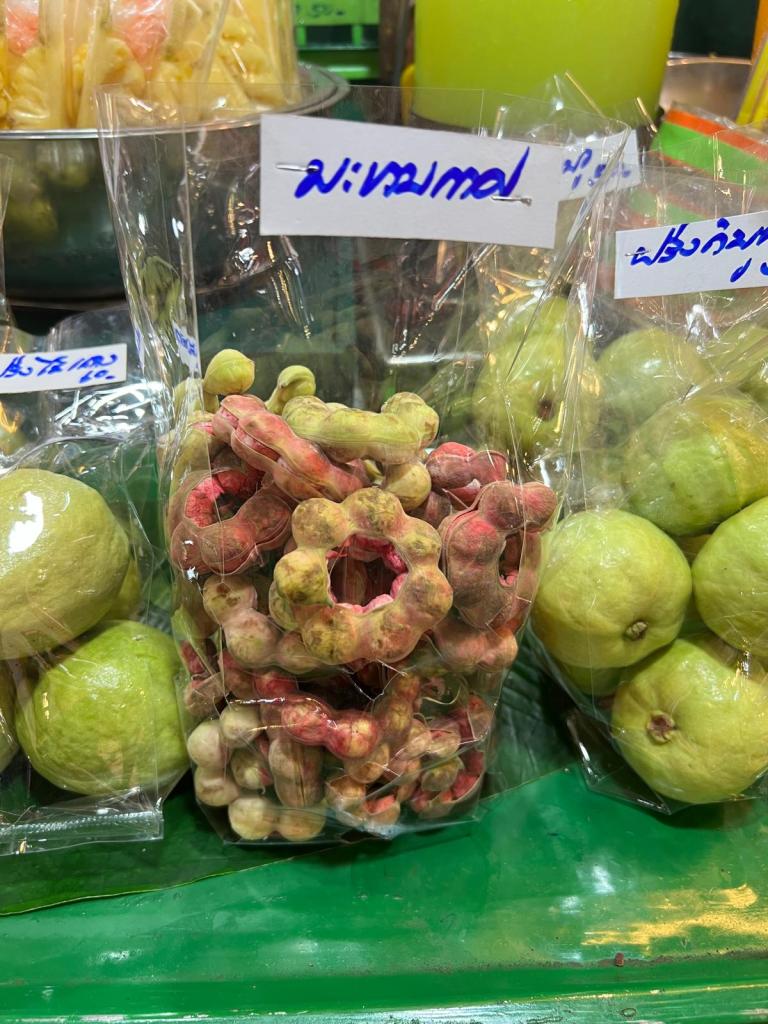
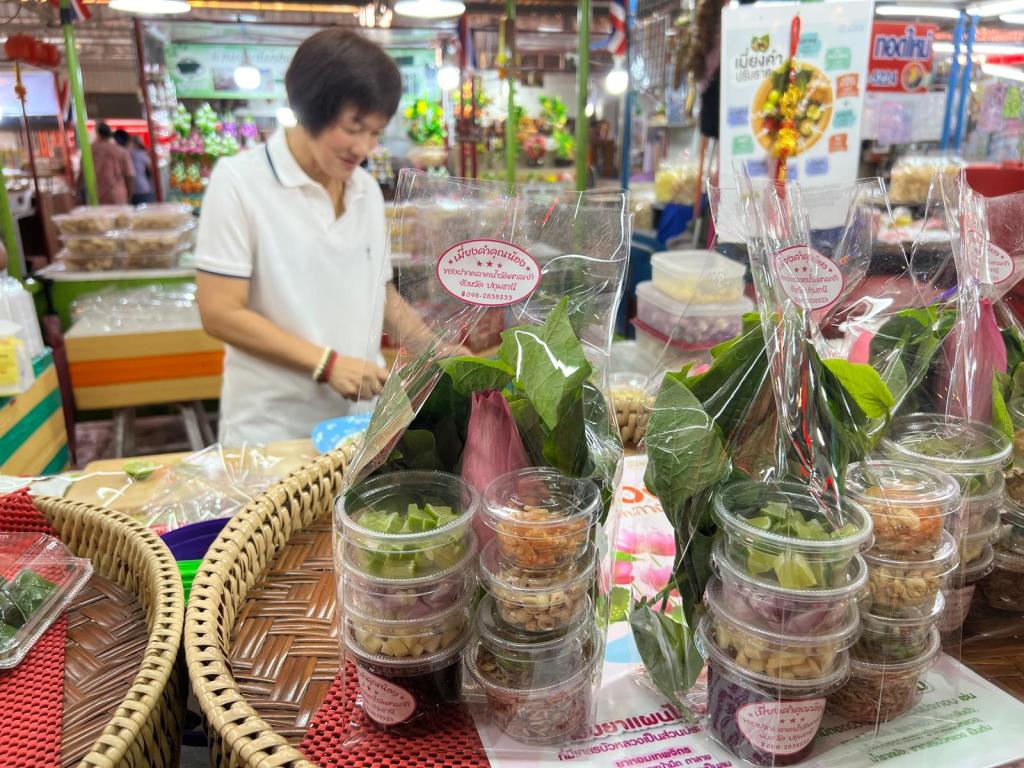
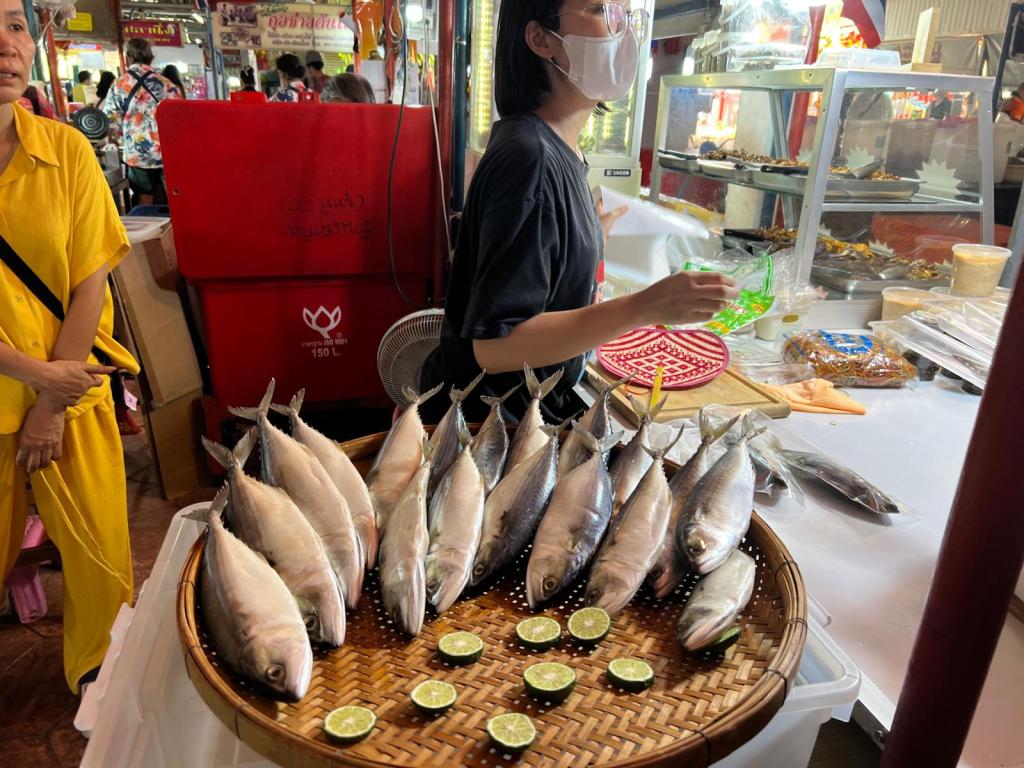
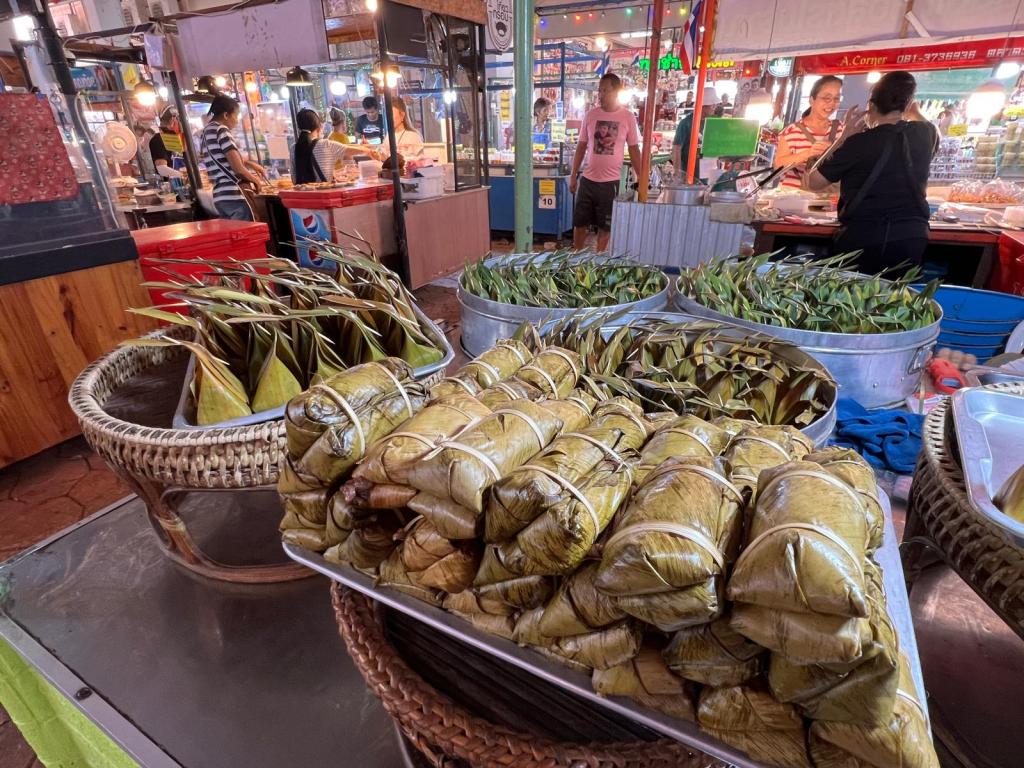
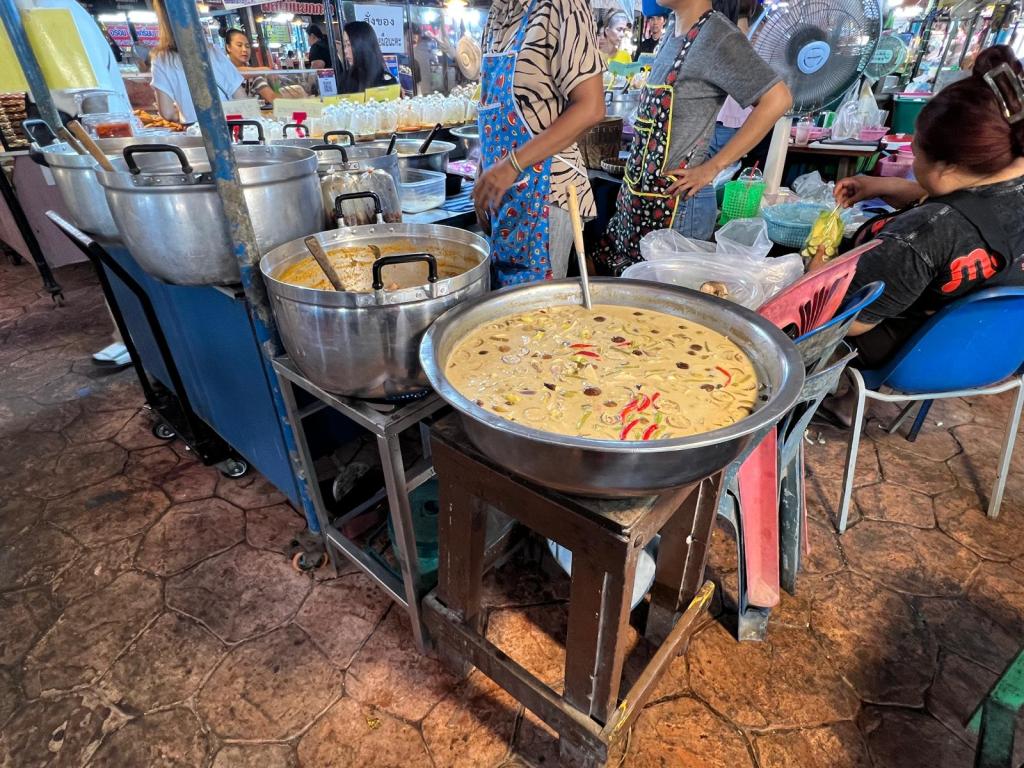
Market food is cheap as chips, fresh, and so tasty. From ready-made to fresh produce, the range is extraordinary.
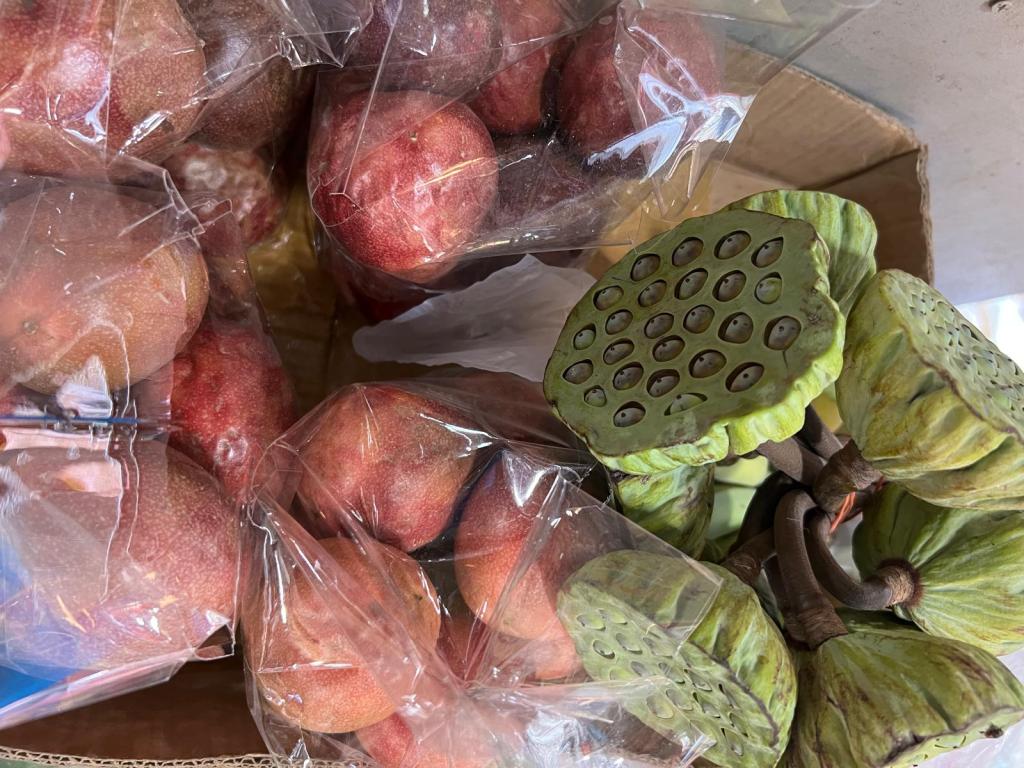
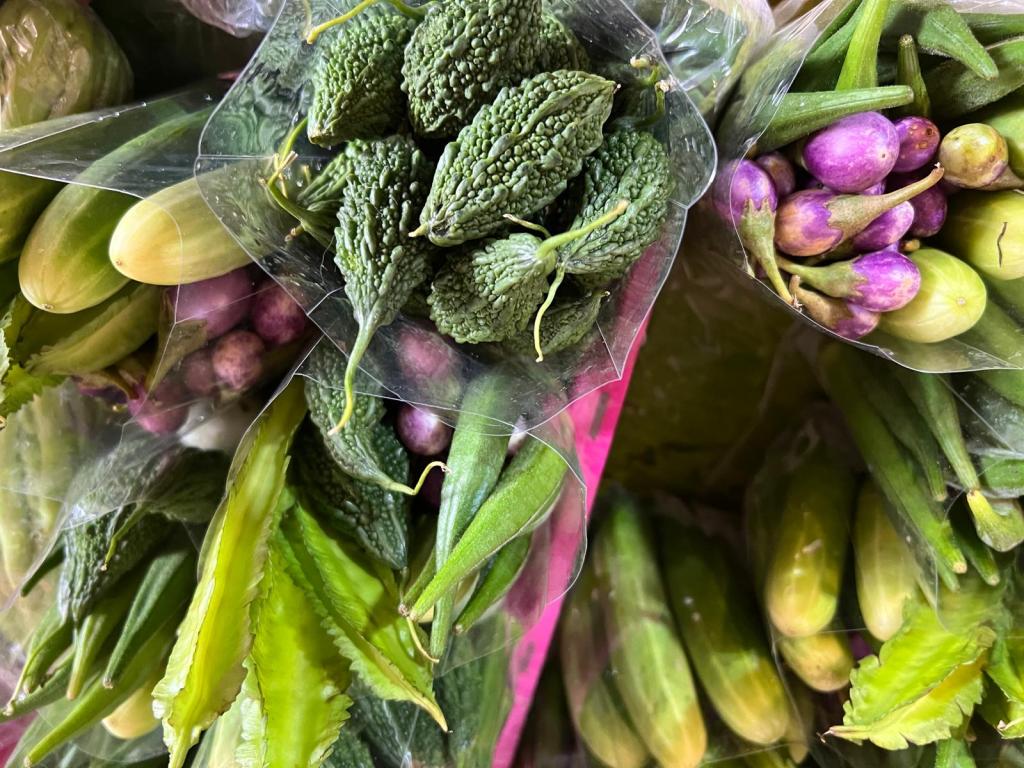
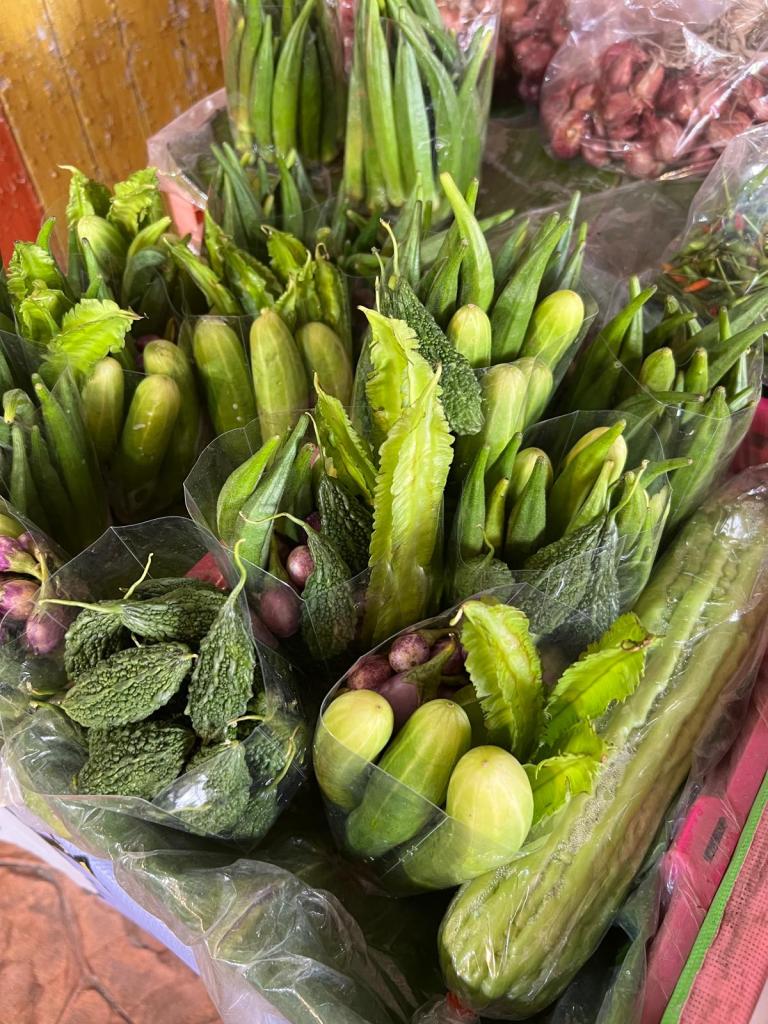
Beautiful fresh legumes and gauvasLotus seeds and passion fruitBitter gourds, eggplants and moreWing beans, cucumbers, bitter gourds and moreEverything you need to assemble a fresh, vibrant pomelo salad – in one bag!Fresh fish waiting to be friendSustainable packaging of the best kind!If this were smellovision, this Thai green curry would make you swoon!
Freshly-grilled skewers, served with a variety of suaces, including satay
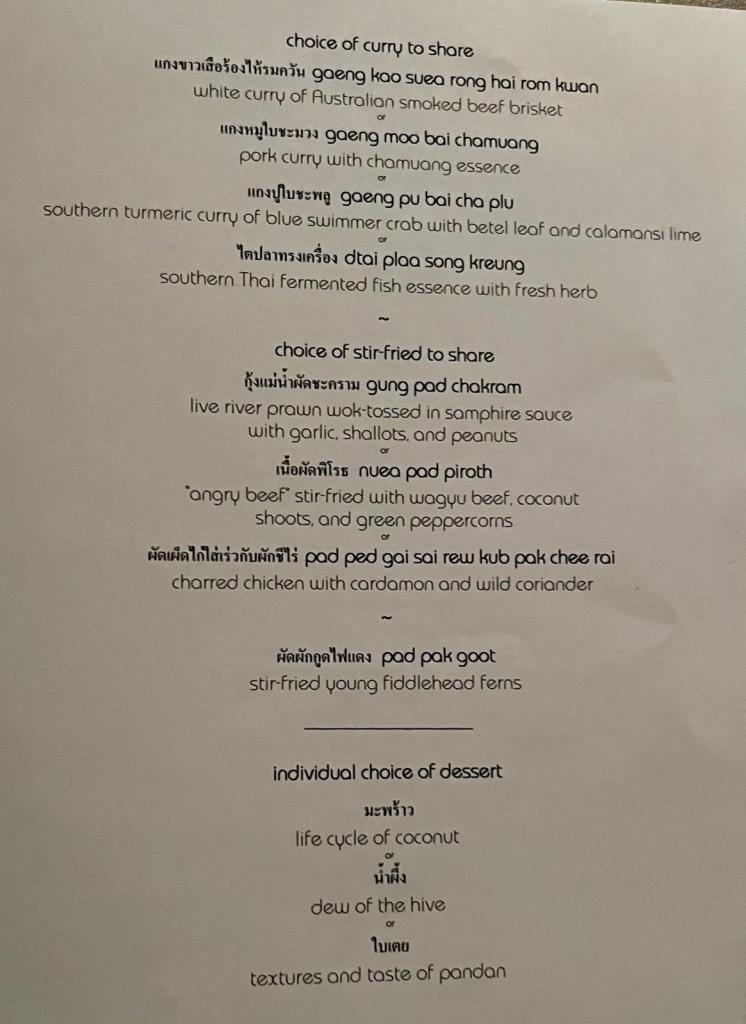
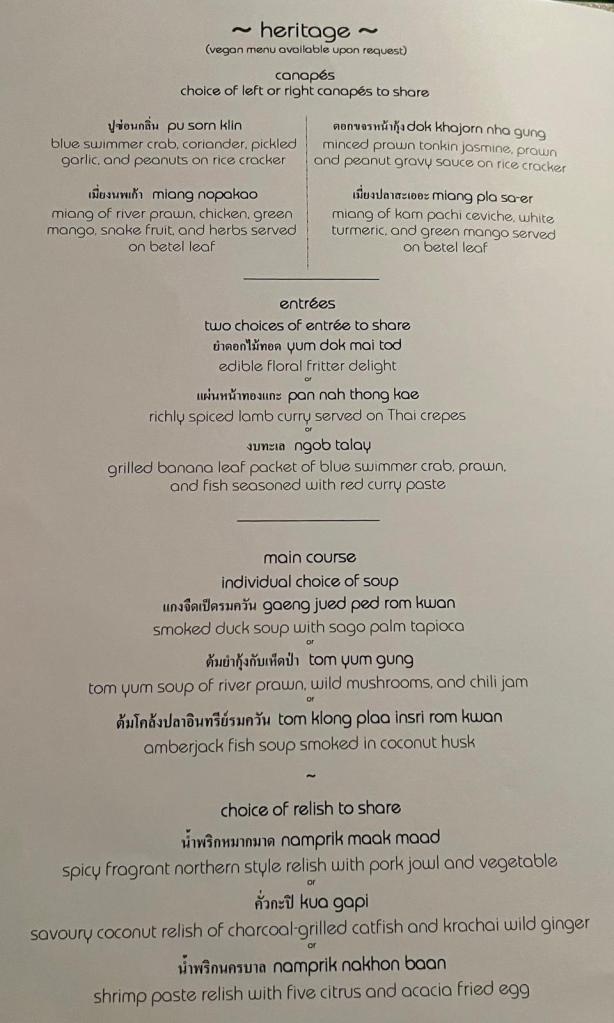
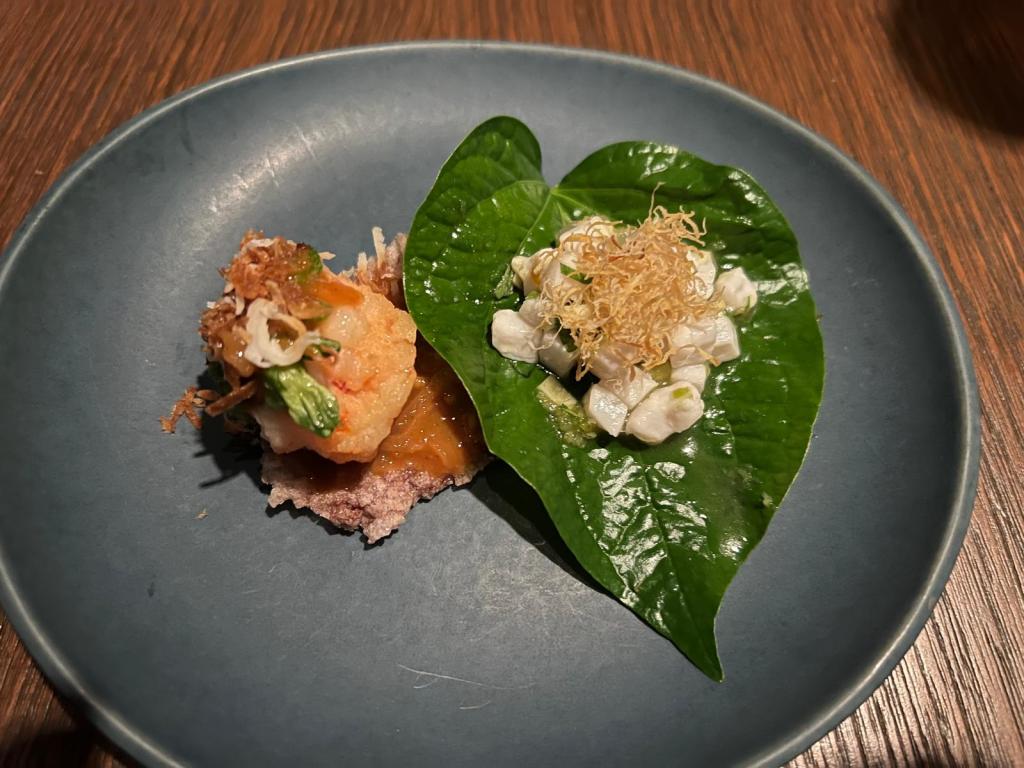
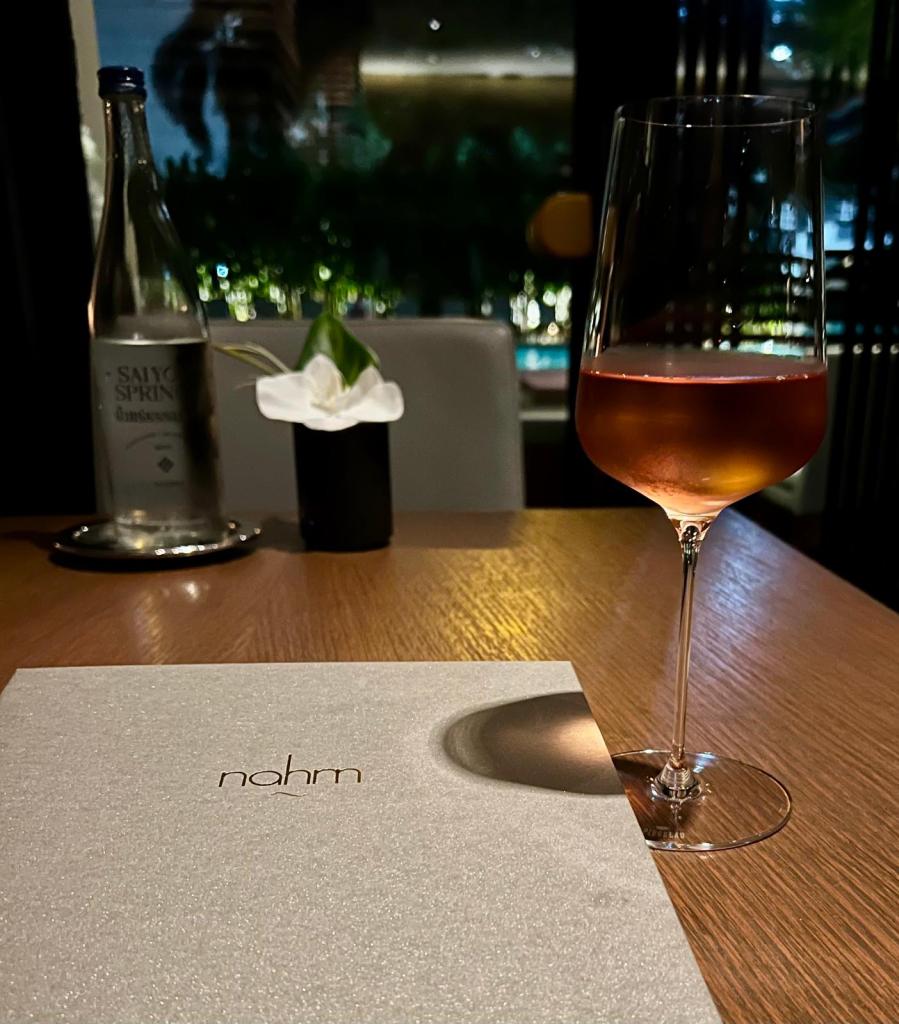
I had the great privilege of eating a very special meal at “Nahm”, the restaurant founded by Australian Thai chef extraordinaire, David Thompson. David has since moved on to a less refined, Thai street food-focused restaurant, but Nahm is still amazing.
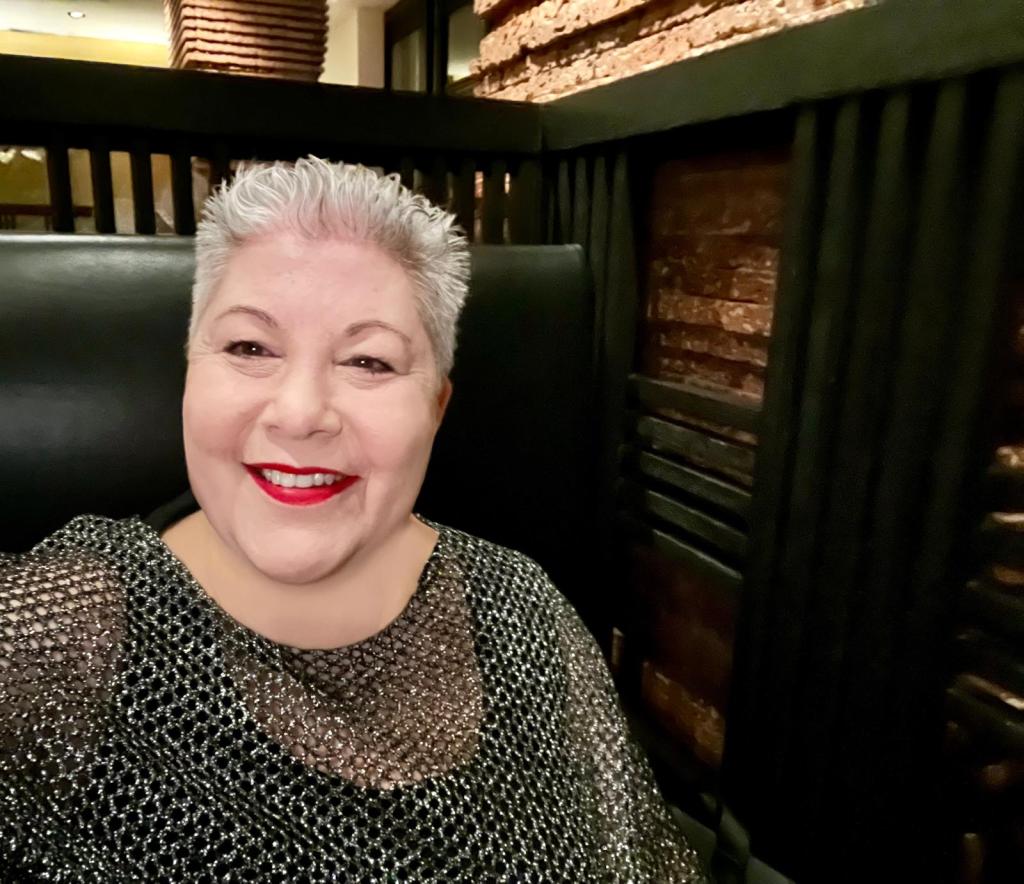
A girl has to dress up when she’s worshipping at a high temple of cuisine!I photographed the menu …Just one of the dishes. After this one I was way too distracted by the food to take photographs.
Bangkok isn’t just a city you visit, it’s a city that overwhelms, absorbs, and constantly reinvents itself. It’s a place powered by migration, commerce, and an ability to hold contradiction without ever resolving it. And I love it!
My previous post was an observational one, so it’s salient to use the first day of our second year to give you an update of goings on over the previous month.
The man enjoying an early evening libation at the Kosmos Marina Cafe
There have been a couple of notable achievements on the home front: we got a tenant for our cottage, and we’ve embarked on a project of updating/upgrading all the light fittings in the house.
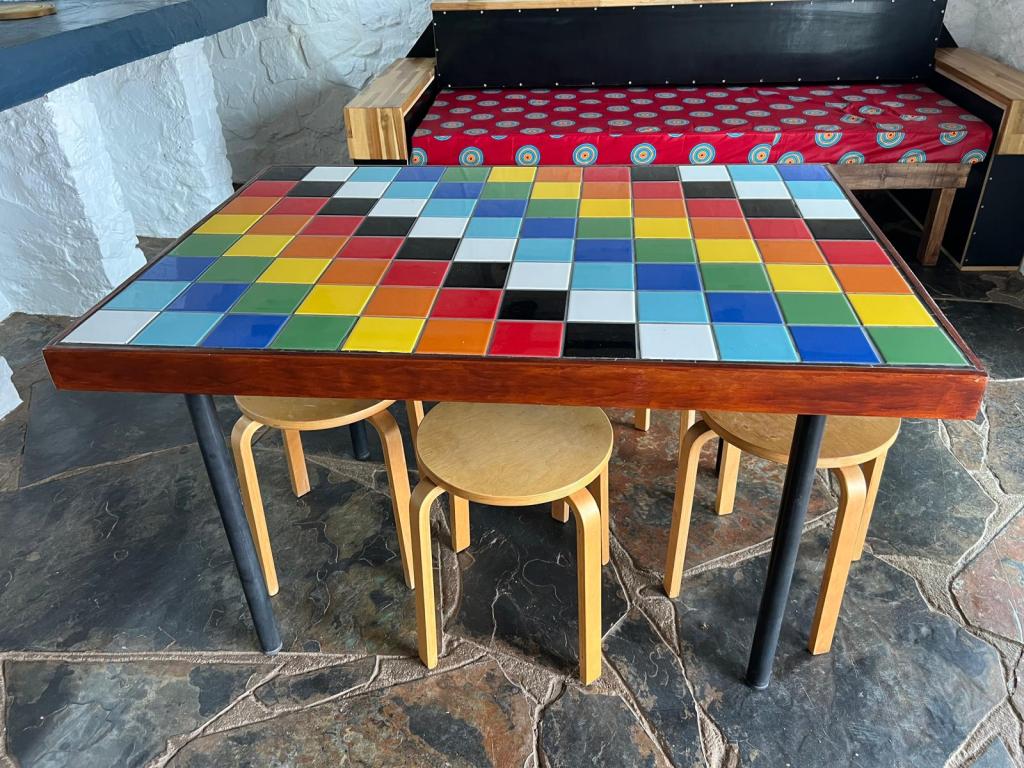
Our new tenant, a sweet young fellow named Hendrick, moved into the cottage on 01 February. He was particularly excited to keep the rather funky furnishings!
The light fittings in our home have been a source of constant irritation, but with so many other things crying out to be done, they’ve taken a back seat. Not anymore!
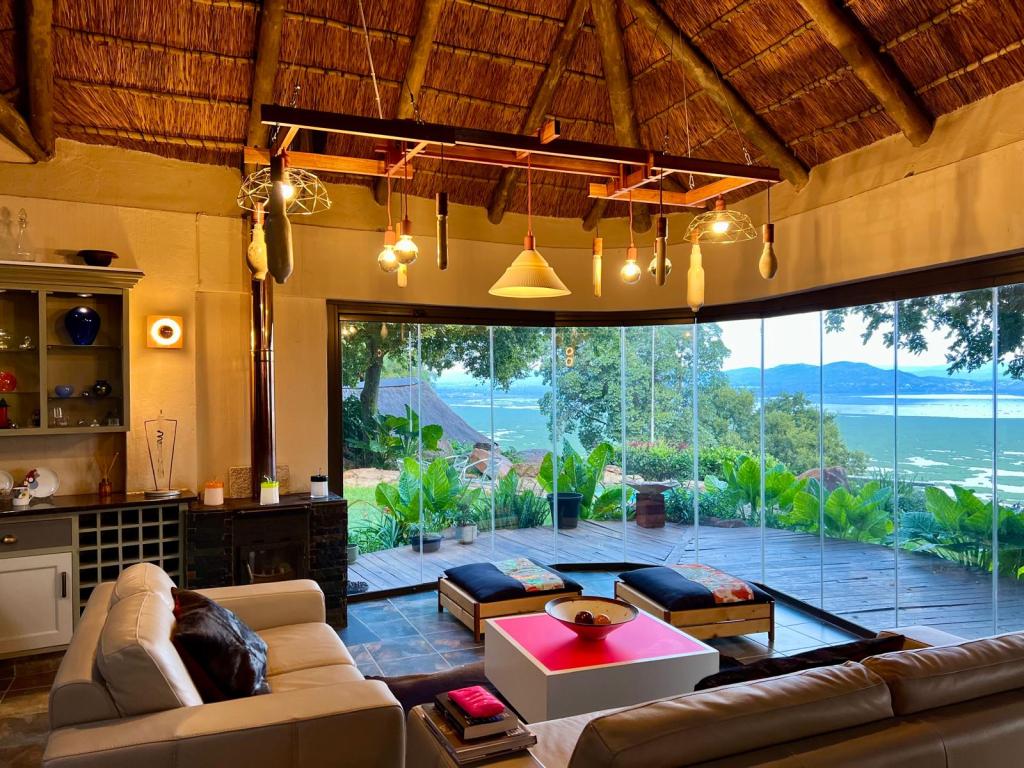
In a previous blog I showed off pics of the new chandelier the man created for the lounge …
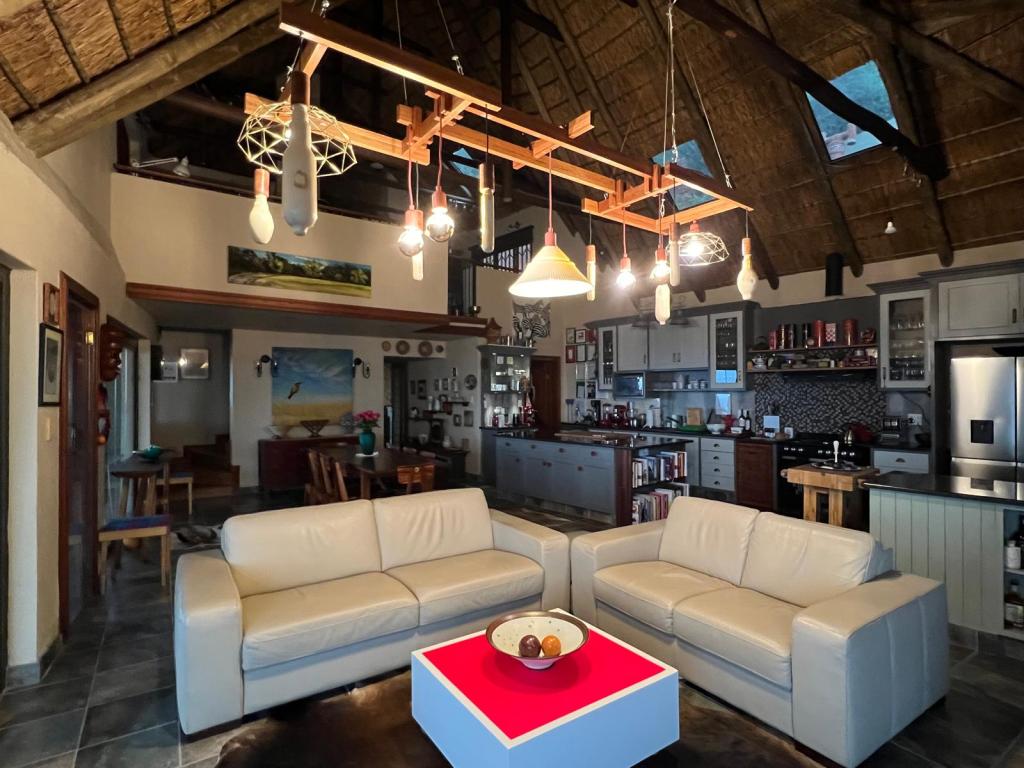
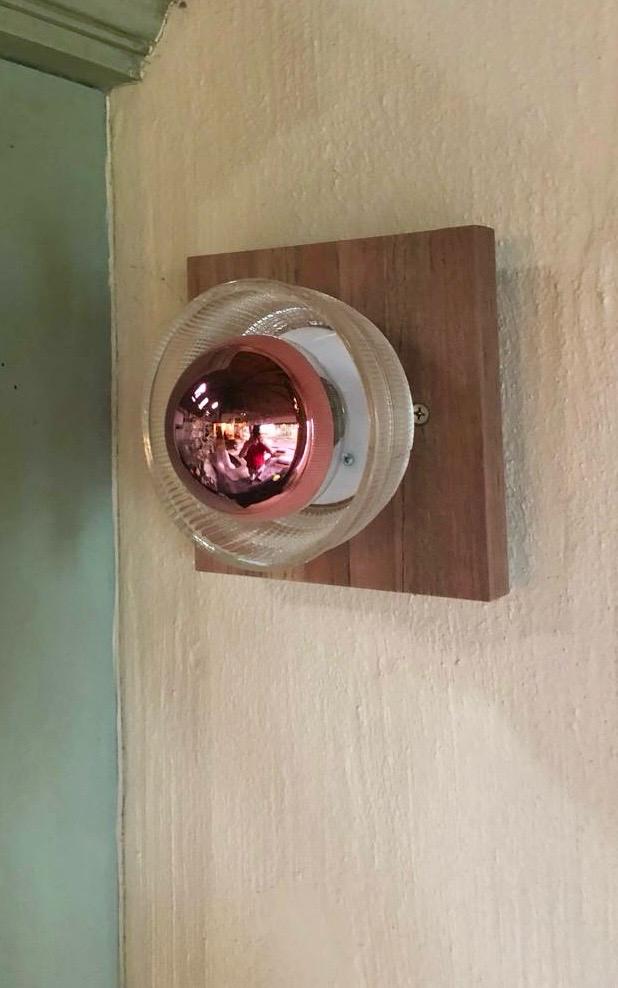
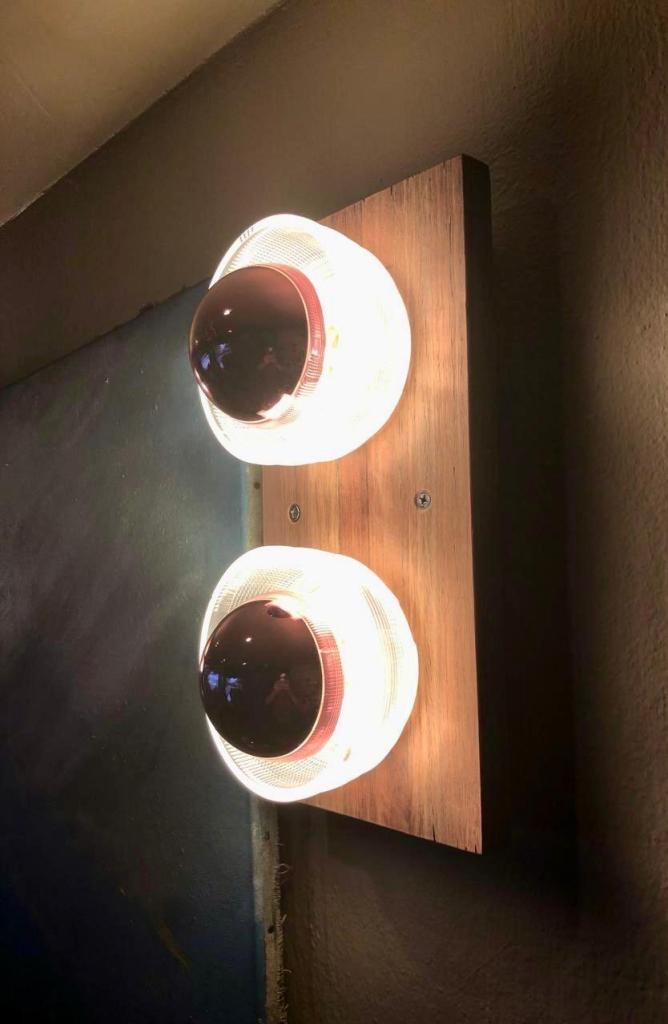
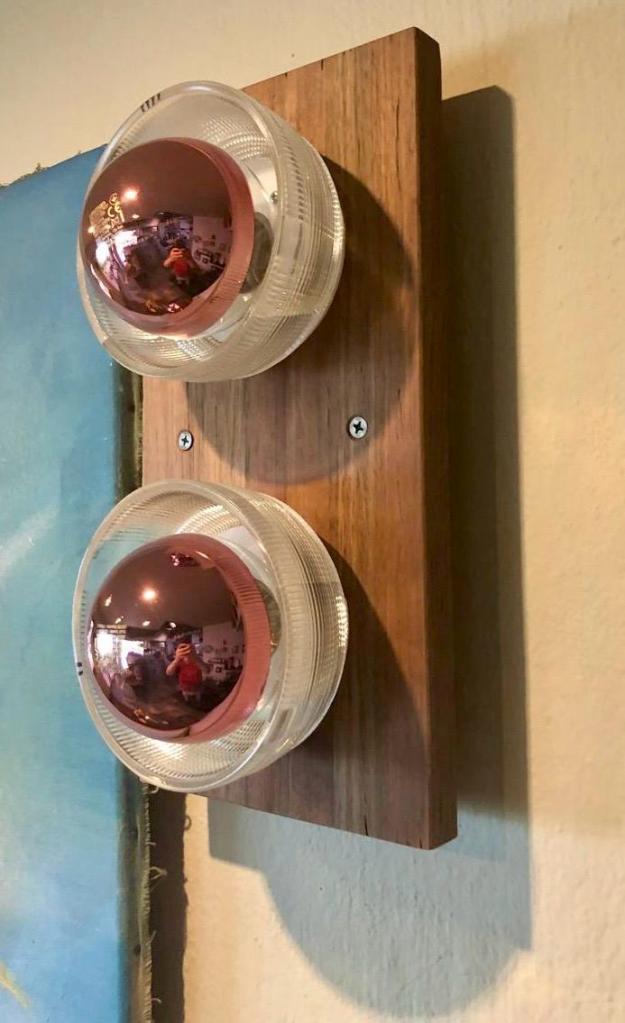
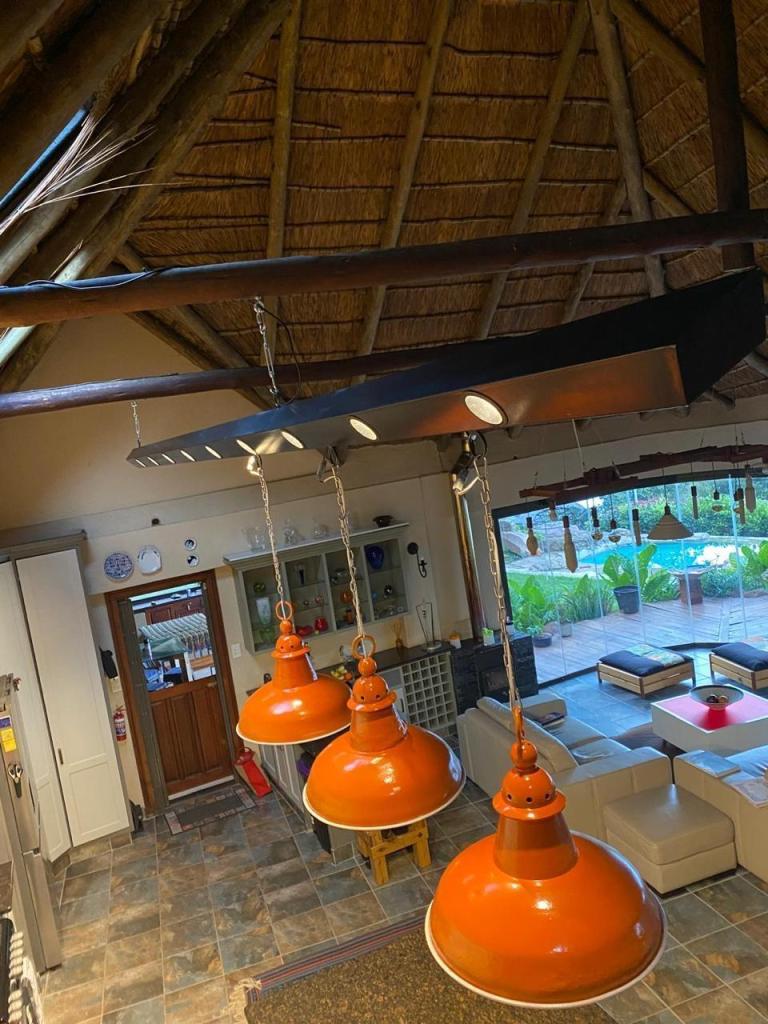
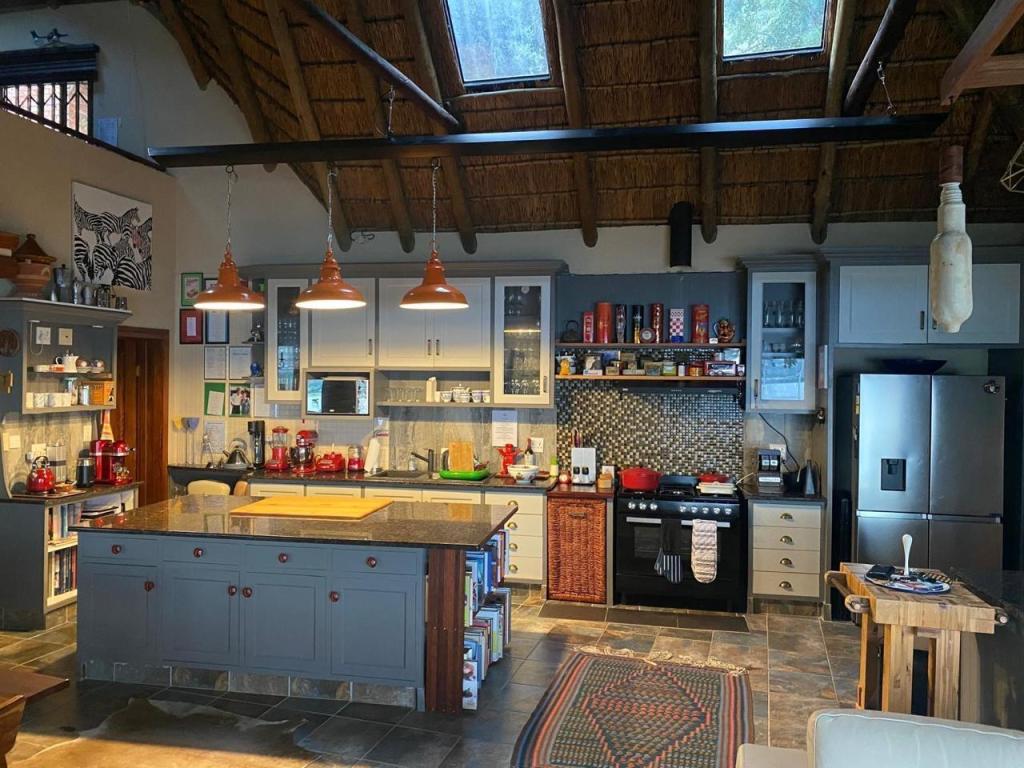
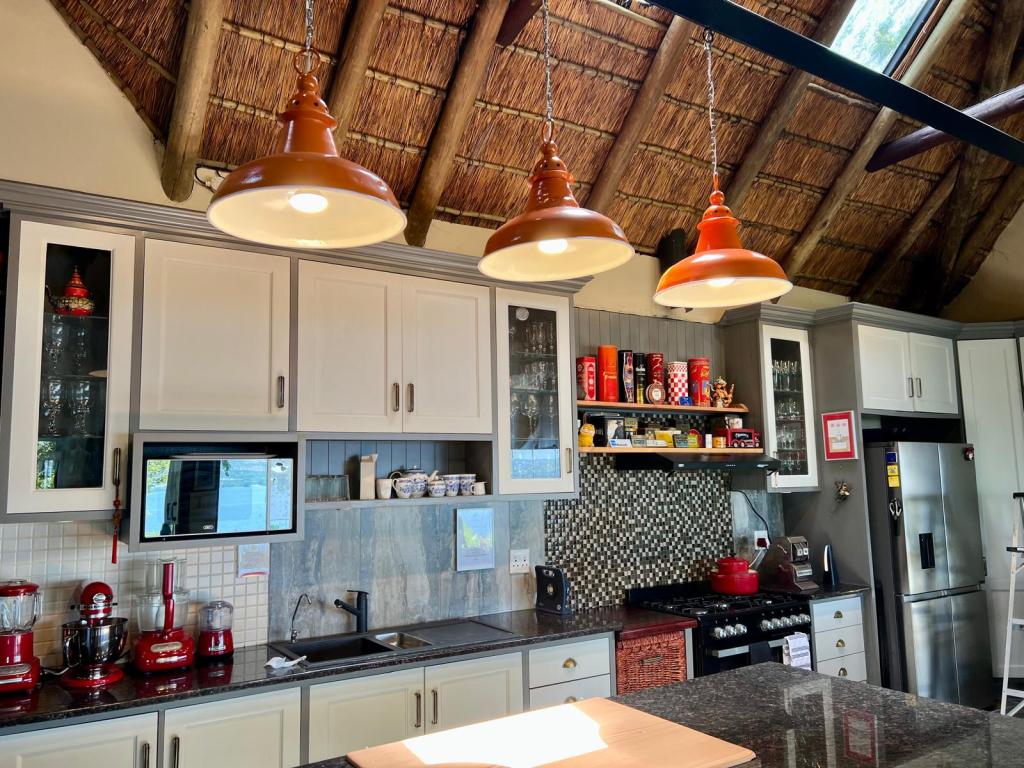
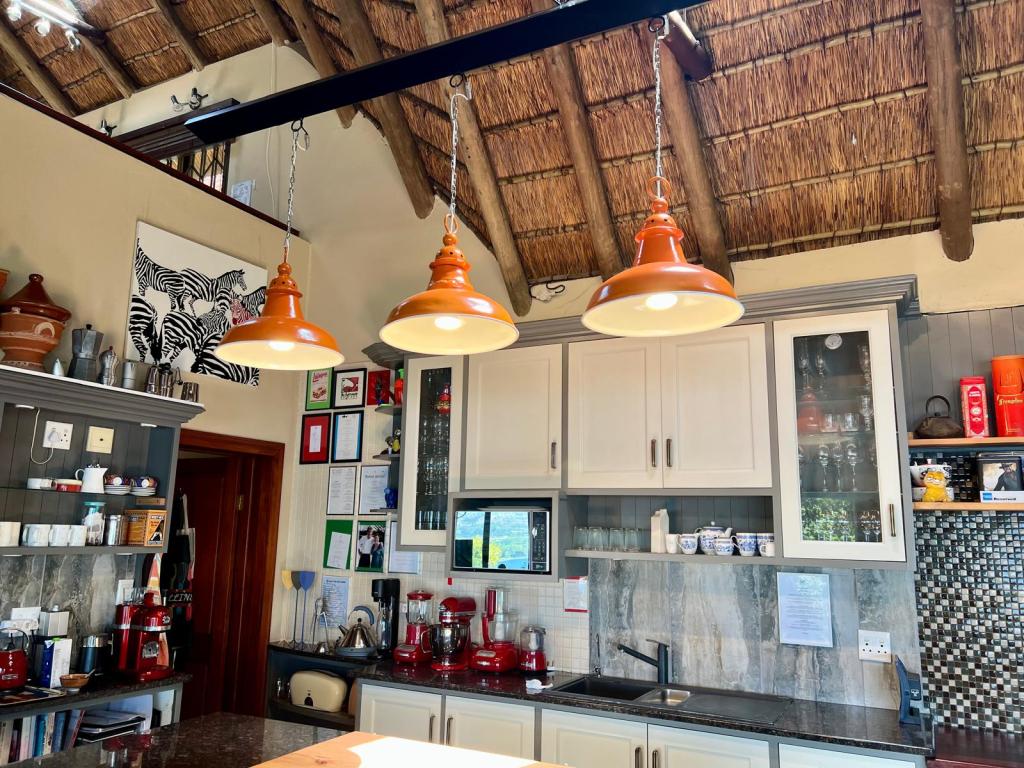
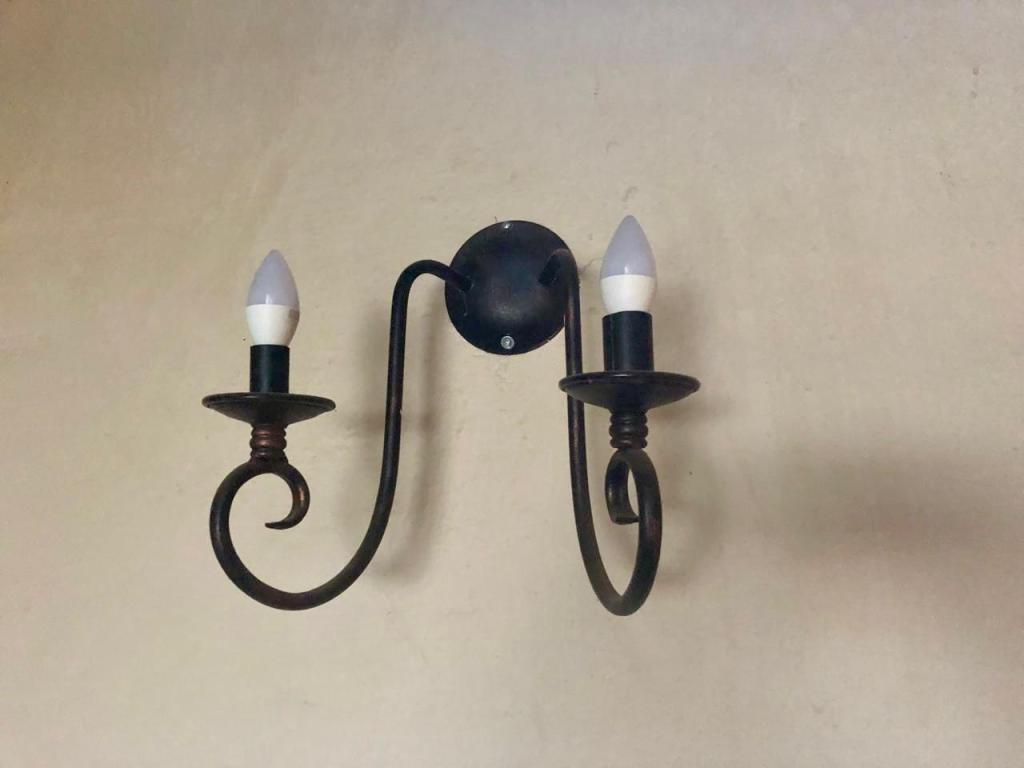
And now the remaining hideous old lights have been replaced with revitalised, and newly-created, specimens.
New fittings, crafted from recycled wood and old industrial lensesNew light against the wall, with chandelier in foregroundUgly old fittings (formerly in the lounge), repainted and now above the island benchThe black beam contains new downlights that light up the kitchen cupboardsA reminder of what some of the old fittings looked like …
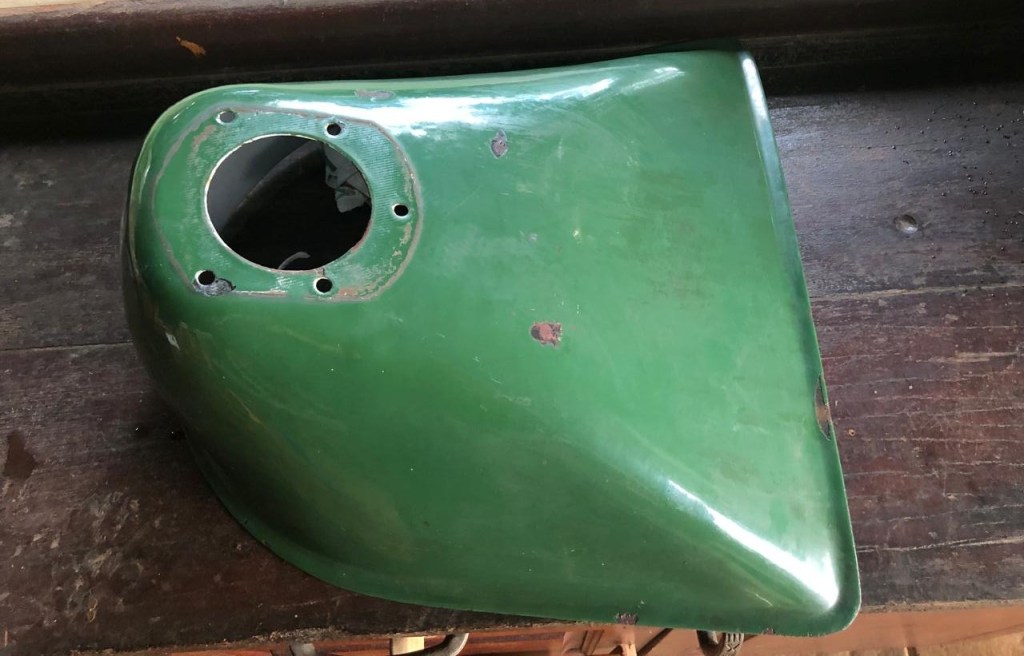
Next up, my resident lighting genius will be installing a vintage industrial “shovel” fitting in the dining room. Watch this space for pics of the properly restored fitting, appropriately installed.
In its unrestored glory!
For the rest, life has progressed at a cracking pace.
I’ve been reminded of the absurdities (and wonders!) of this place …
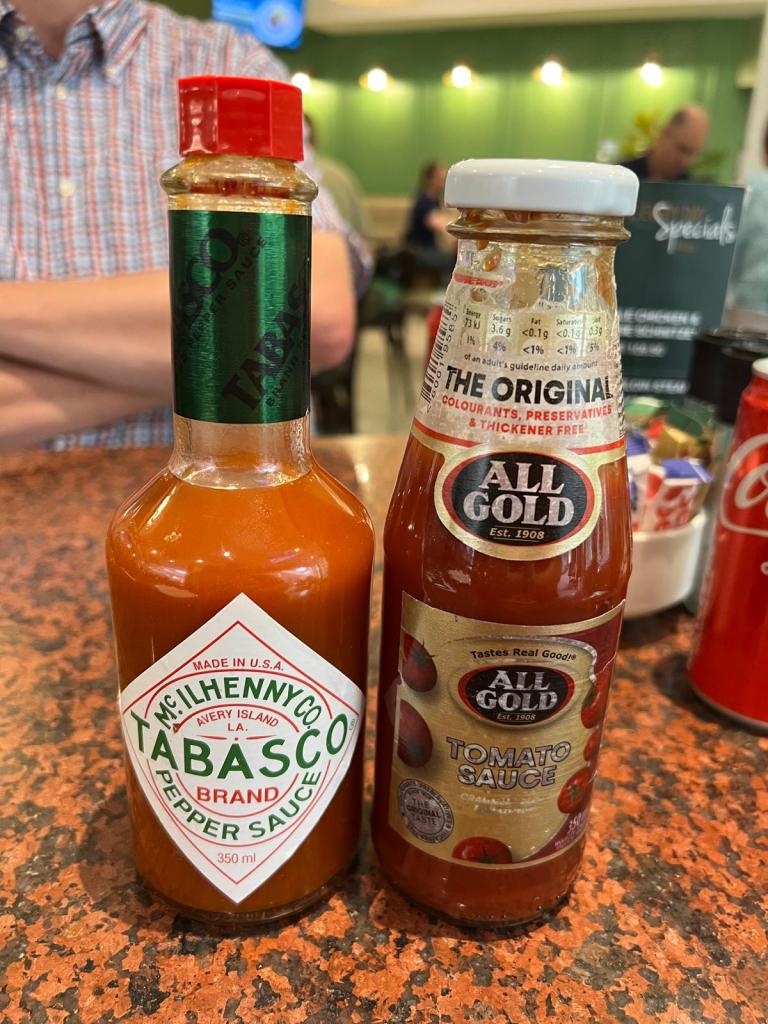
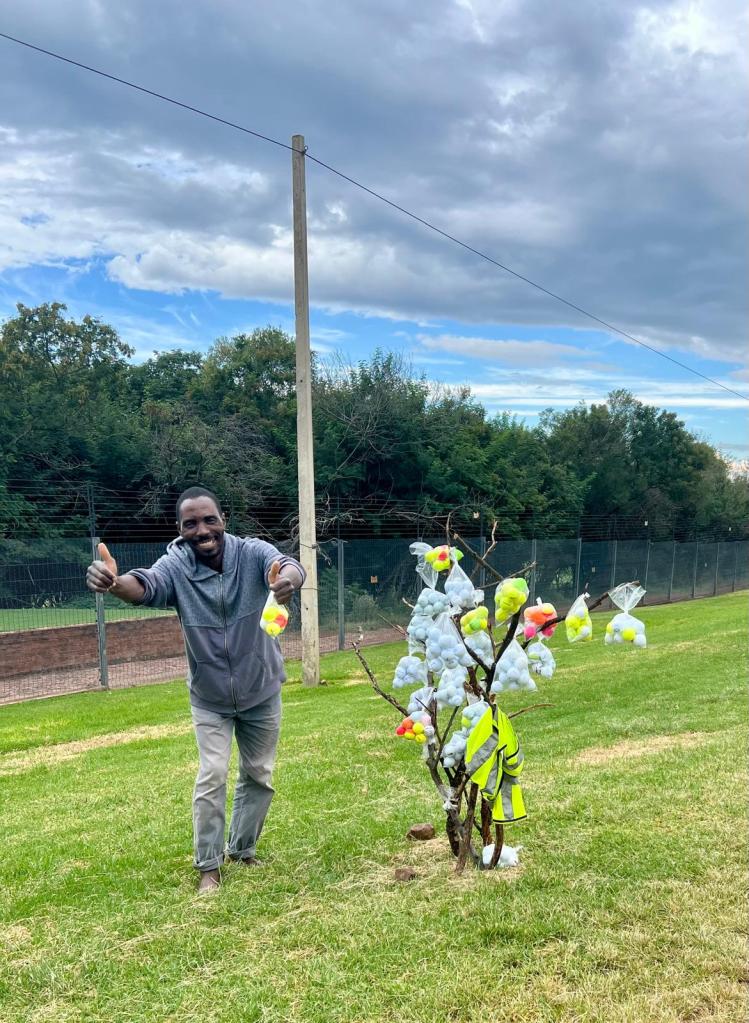
Absurdity: The Tabasco bottle is larger than the tomato sauce bottle in many cafes! Wonder: We grow golf ball trees here! (This fellow’s business is collecting, washing and re-selling used golf balls.)
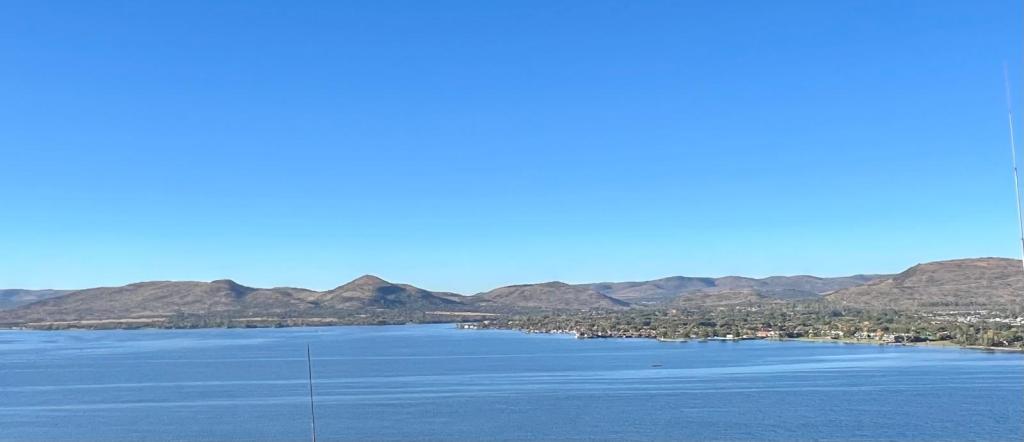
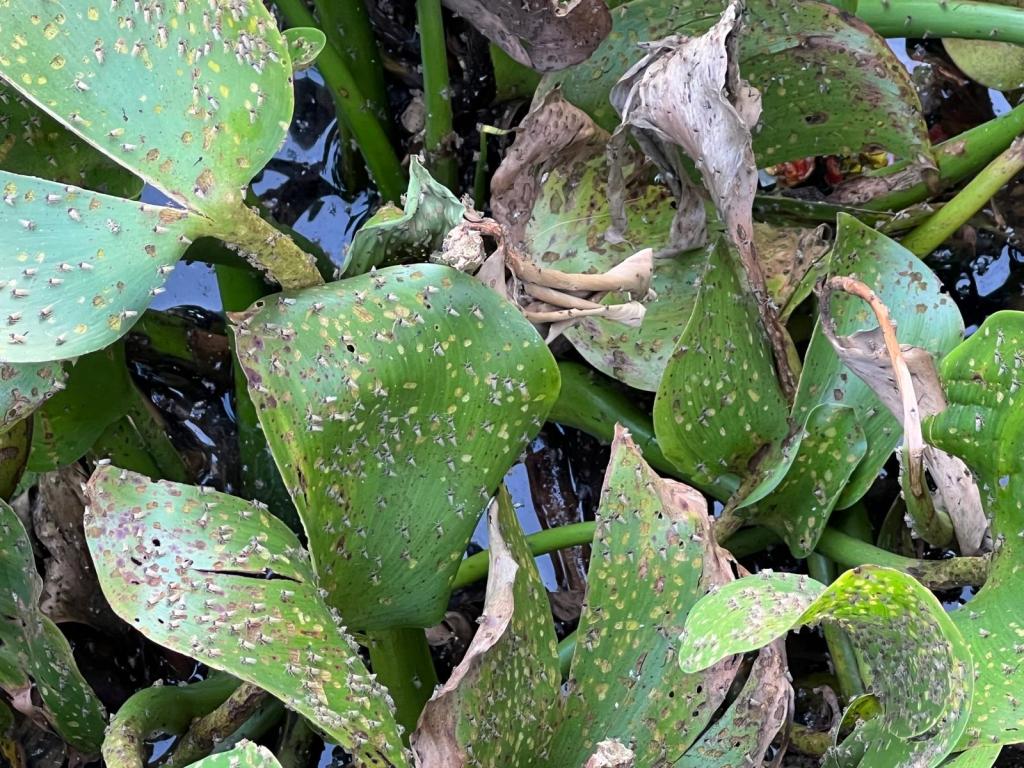
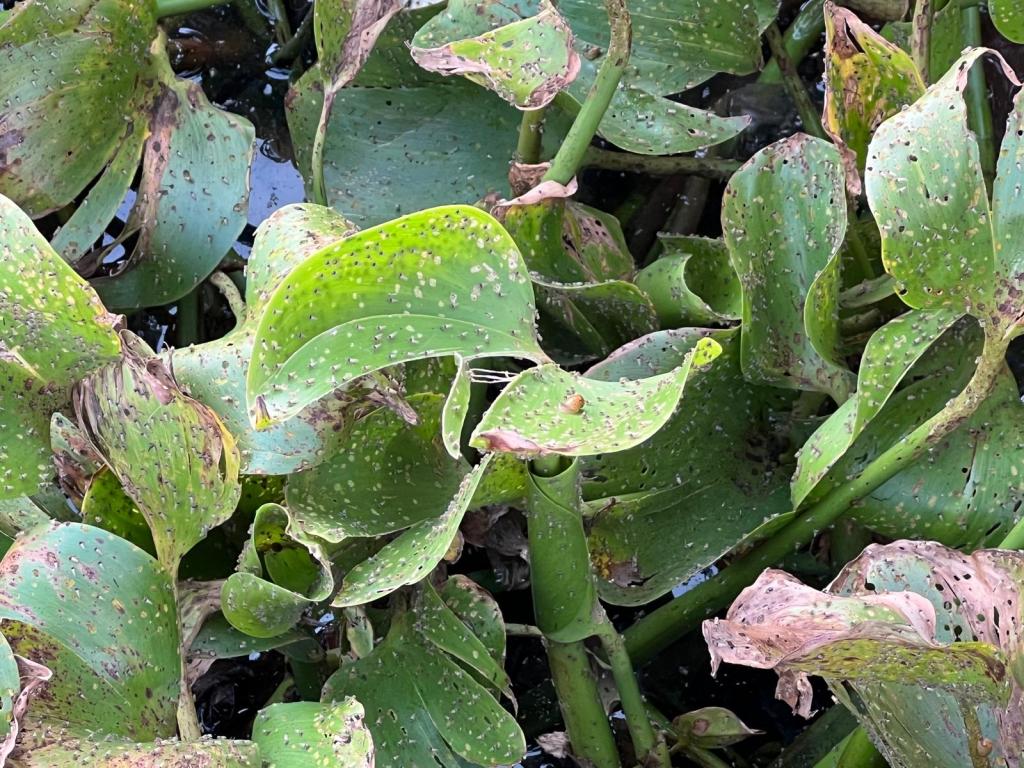
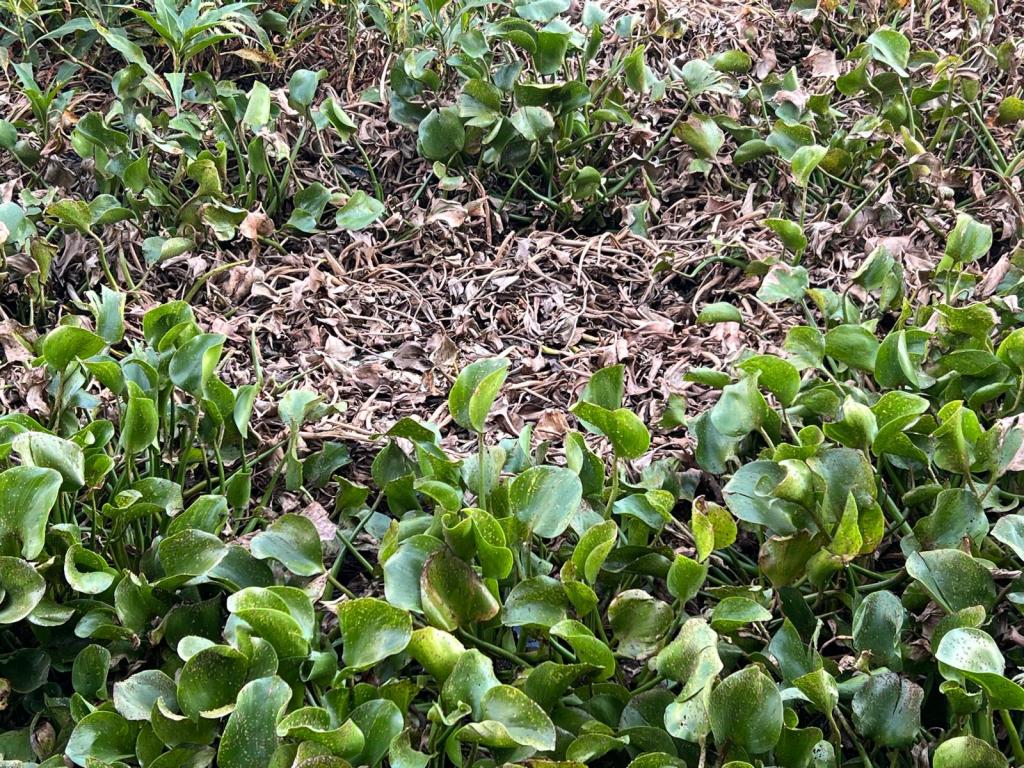
We’ve watched keenly as the water hyacinth that chokes our Hartbeespoort Dam is attacked by tiny bugs …
Megamelus scutellarisfeasting on South American water hyacinthThe effects can be clearly seen
A great side-effect of the bugs having been released – hundreds of swallows feasting!
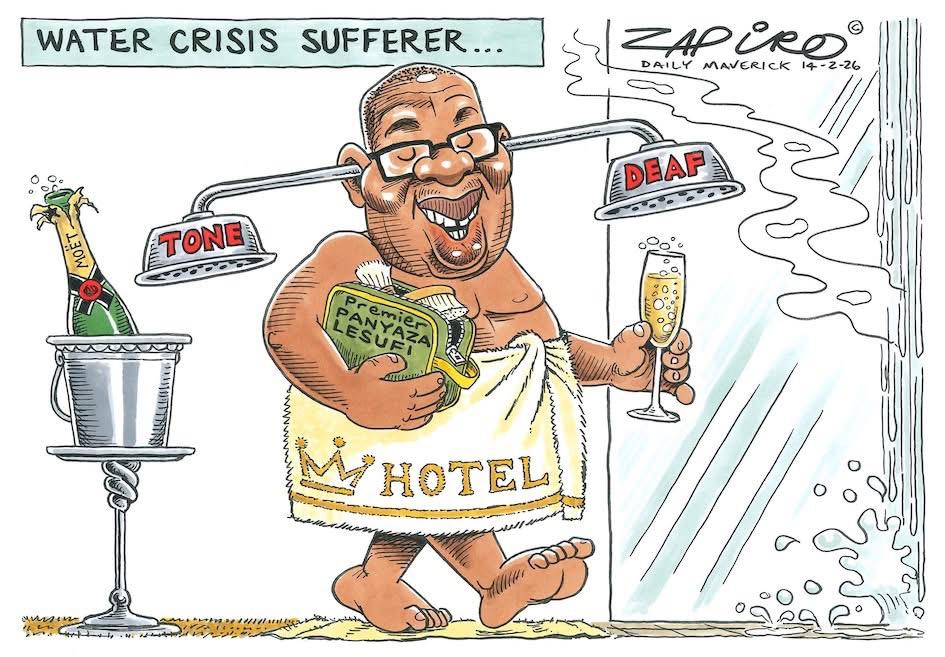
We’ve watched from afar as Johannesburg battles a water crisis. (Some suburbs have had NO water for almost a month.) We’ve been quietly thankful that Kosmos is currently unaffected, and we’ve been outraged that the Gauteng Premier brushed off people’s concerns by suggesting that showers in hotels are the answer to their untenable situation.
The arrogance of Gauteng Premier, Lesufi, immortalised by uber cartoonist, Zapiro.
And, as always, we’re grateful for time spent with the people we care about.
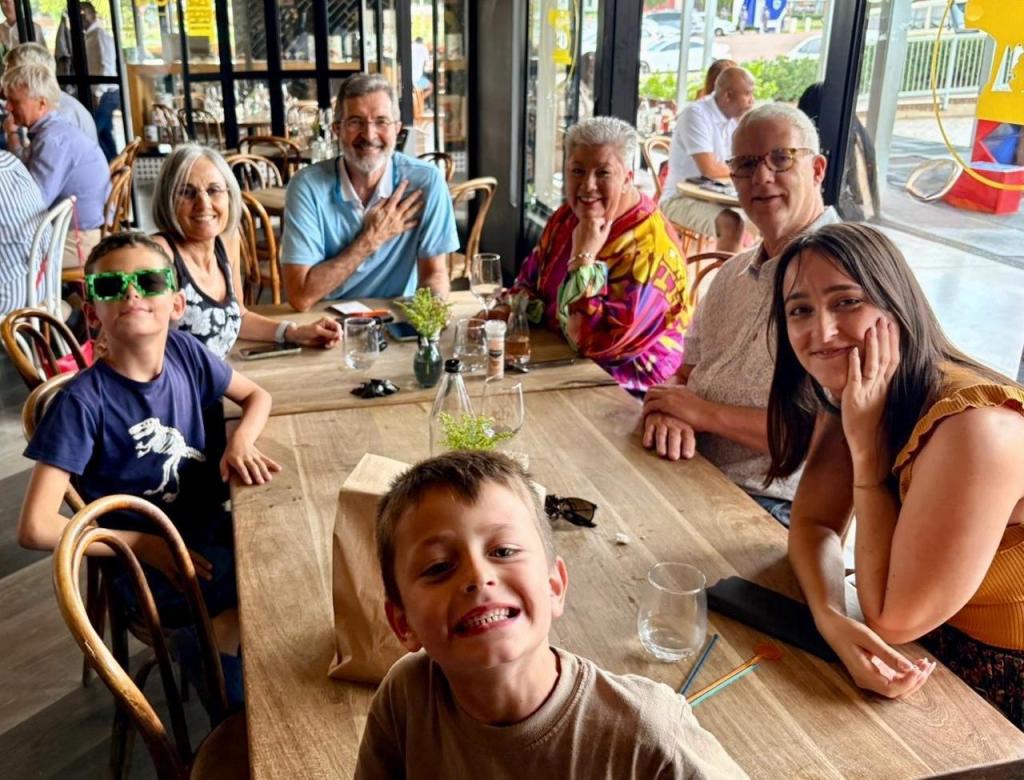
Lunch with Harry & Margie, and Ruve, Alexander & Luca.
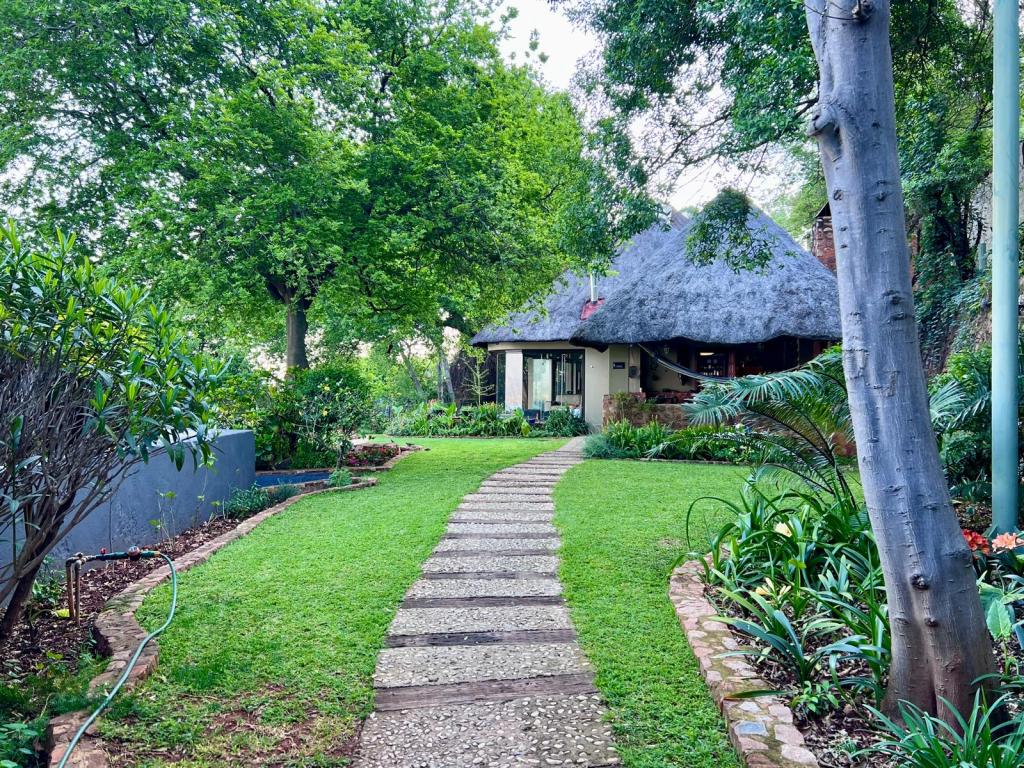
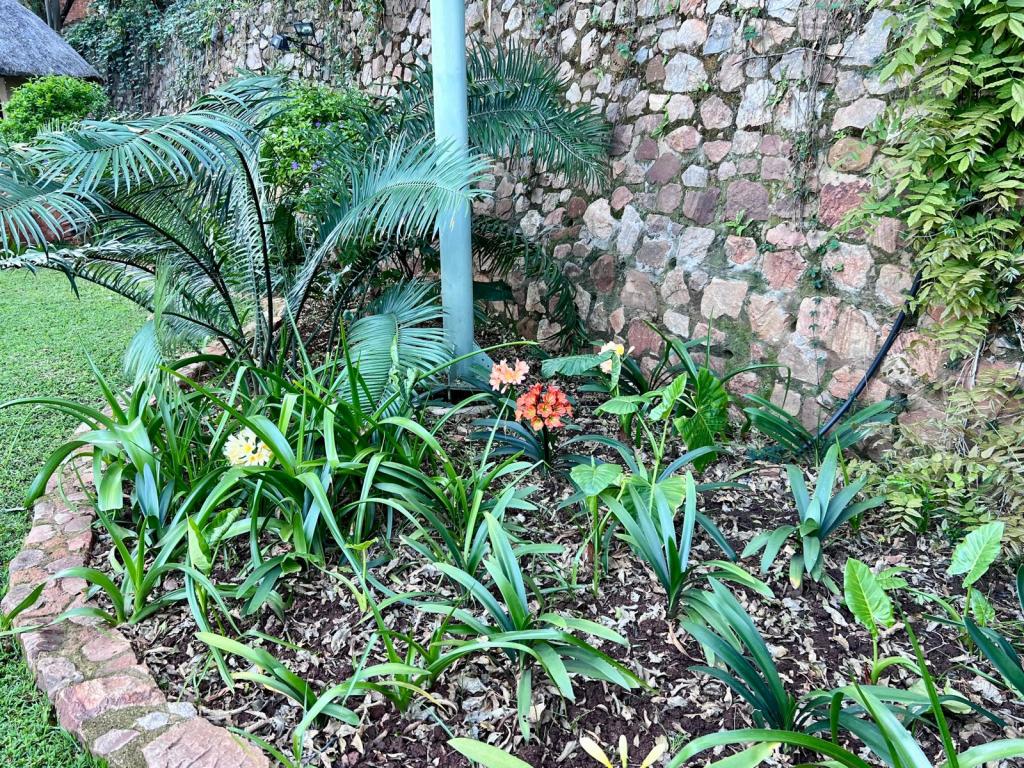
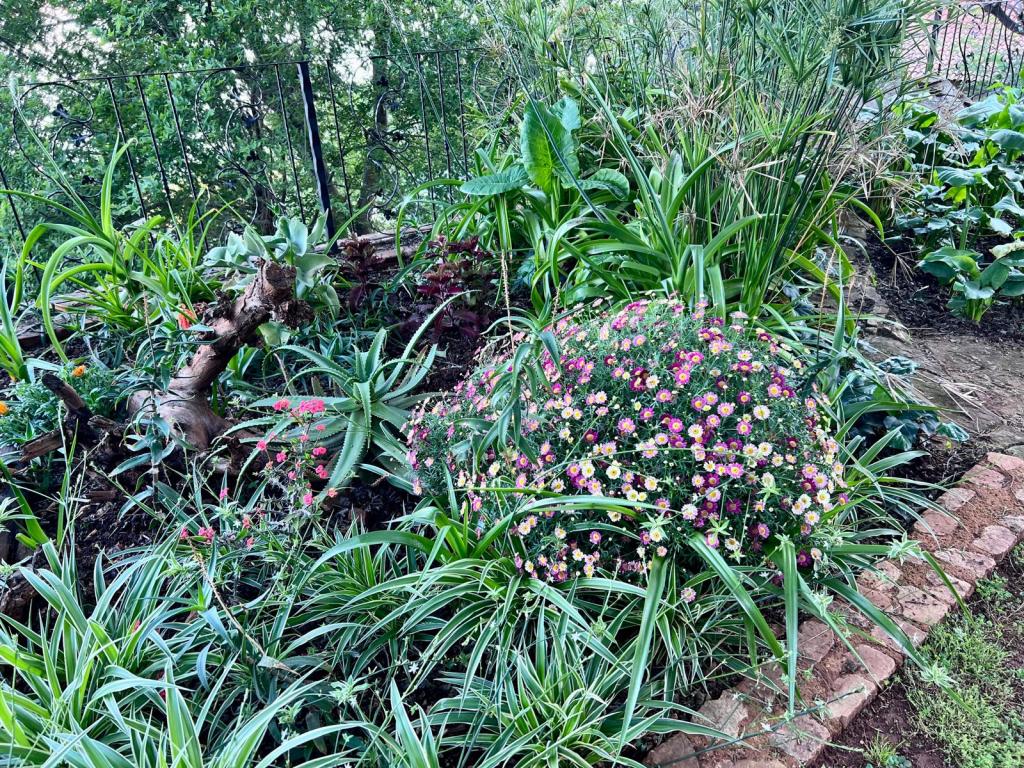
Kosmos remains fabulous (especially when we haven’t spotted a baboon in some time!!), and we love our late summer garden.
And just like that, we’ve been in South Africa for 12 whole months.
Arriving at O.R. Tambo International on the evening of 24 February 2025
Today some indulgence is required because this post will be more philosophical than usual; anniversaries do that to me.
Looking back over the past year, I see joy and sadness. I see frustration, contentment, trepidation, and excitement. I see achievements and failure. In short, I see a life taking shape and solidifying, and with each passing week, this place is becoming home.
The first few months of our time back in South Africa disappeared in a haze of activity. We battled with bureaucracy at all levels, we bought cars, opened bank accounts, took occupation of our house, did renovations, tried to maintain our professions, and so much more. We were so busy that we barely had time to breath, much less take time to just come to terms with the enormity of our move.
Now, as I write, I can take stock and share a few home truths:
It’s been exhausting – emotionally and physically
It’s been challenging and rewarding in equal measure
It’s been scary, but inwardly fortifying
It’s been humbling
It’s been fun (and funny!)
It’s been mind-numbingly annoying and gratifying at the same time
It’s been lonely in the quiet hours
The list could go on almost endlessly, but here’s the reality: moving countries when you’re 60+ isn’t the same as doing it when you’re 30+, and we (particularly I) underestimated just how tough this would be. Changing countries somehow compresses the human experience. It strips away the invisible scaffolding you didn’t even realise was holding you up, and it takes time to re-erect that scaffolding and make it permanent.
Every reason we had for relocating is as valid today as it was when we made the decision to move, it’s just taken me a little longer to fully acclimatise to being in this place at this time, but I’m getting there.
I love our home, and our old and new friends. It’s wonderful being closer to loved family members, and being more engaged in their lives (and having them in ours). I love Africa and her people – the laughter, the music, the spirit. I’ve made peace with many of the things that frustrate me, and I’m learning to cut myself some slack and give it time.
Most of all, I love sharing this adventure with my gorgeous man. So – happy ZAversary to us!! And to you, dear reader – thanks for being on this journey with us.
I can barely believe I just typed “month 12”. The realisation that we’ll soon be marking a whole year in South Africa is mind-blowing to me.
Magnificent sunrise on 01 January 2026
The past month disappeared in whirl of family visits, special occasions (hello, NYD), work around the home, and managing uninvited wild guests.
And in between, we managed a few excursions, including brekkies out at one of our favourite stops – a Woolies cafe …
We celebrated 2+3’s 31 December birthday in a rather more low-key manner than has occurred in many past years, but this one was truly exceptional!
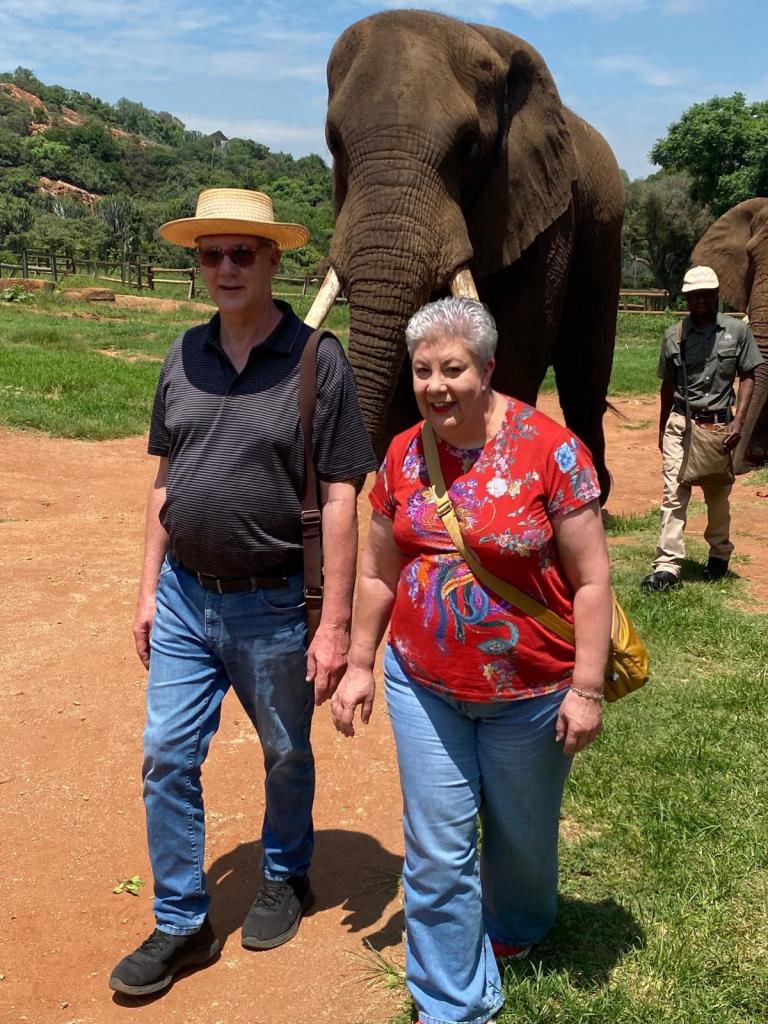
This year we walked with elephants!
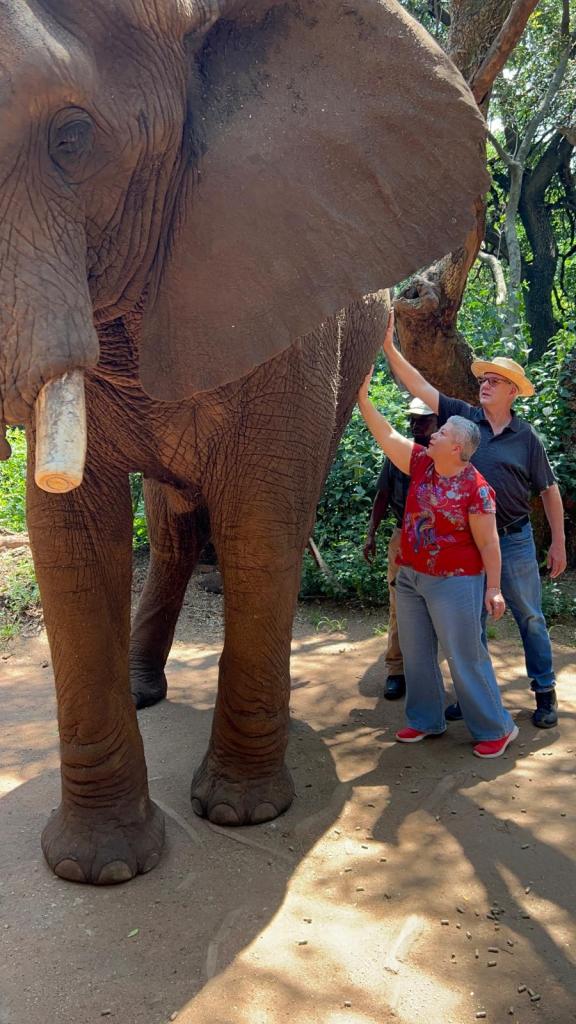
About 10kms from our house is the “Elephant Sanctuary”, where rescued elephants are rehabilitated and – where possible – returned to the wild. There are currently four elephants at the sanctuary that can, for a variety of reasons, not be re-wilded. These magnificent animals live at the sanctuary and are comfortable to have limited interactions with visitors. They spend most of their days foraging in the mountains behind the sanctuary (accompanied by their keepers), but at night they sleep safely indoors.
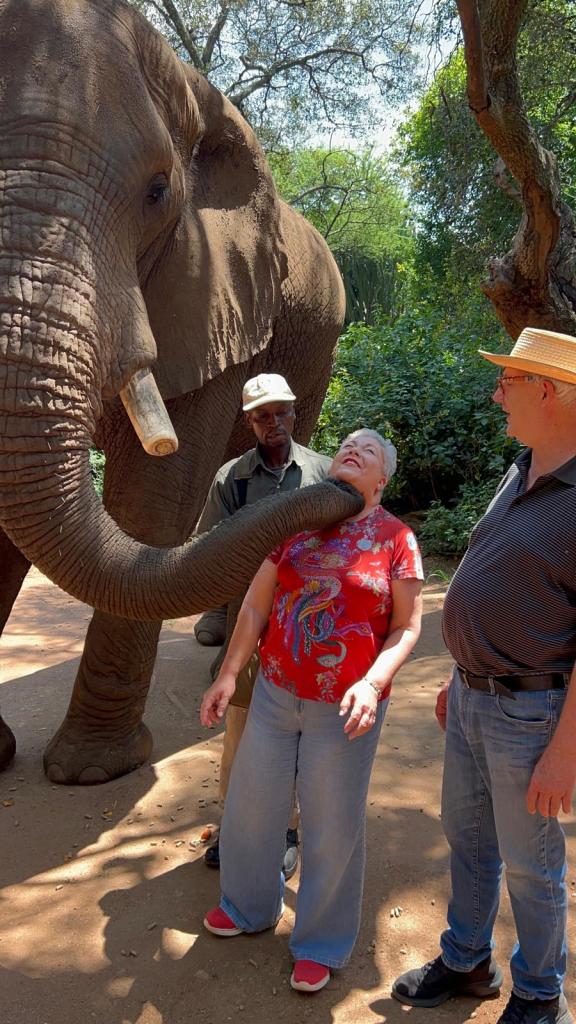
We made the acquaintance of a 20-year old bull named Temba. Being this close to him was an extraordinary experience. And in case you’re wondering, Temba’s left tusk is naturally worn down because he’s left-handed!
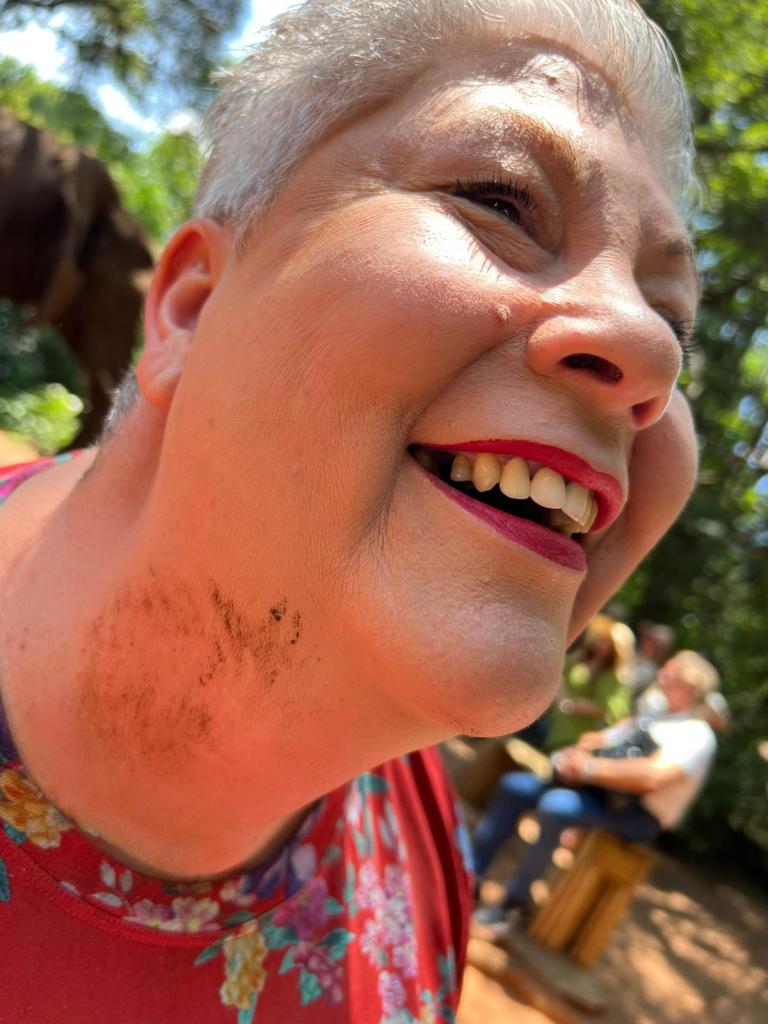
It was such a privilege to learn about and interact with these gentle giants. And getting a kiss from Temba – priceless, albeit a little muddy!
One of the reasons we moved to South Africa was to be close to old friends and family. NYD delivered that in spades!
Waiting for NYD guests to arrive
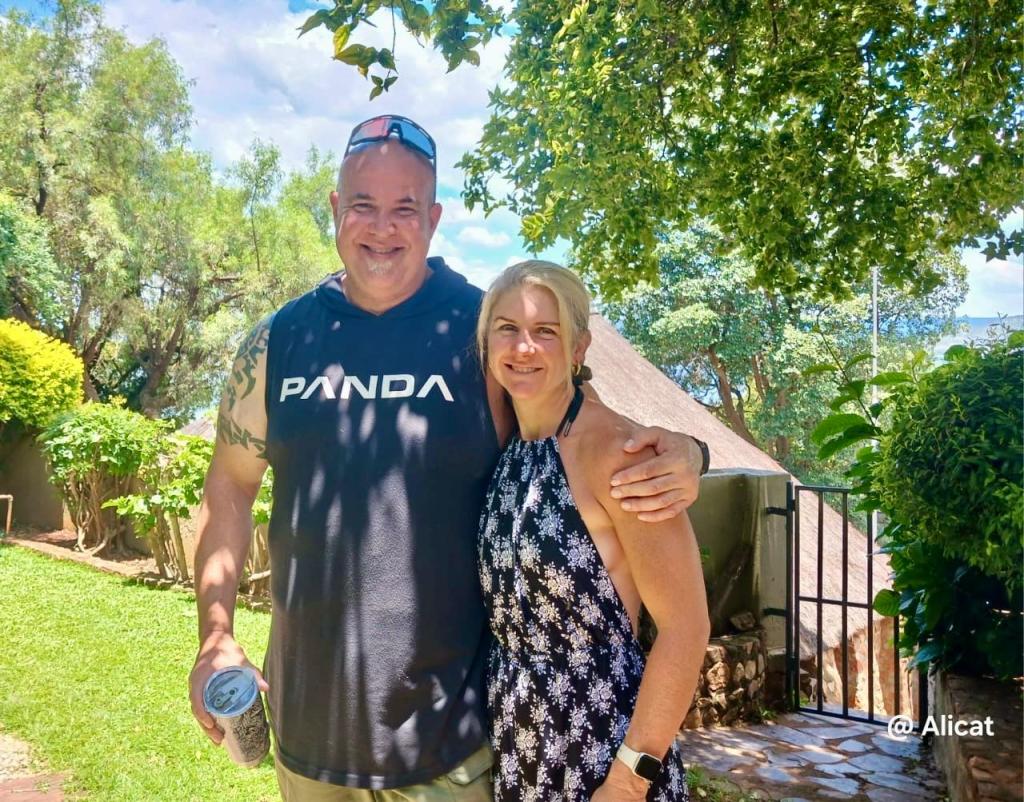
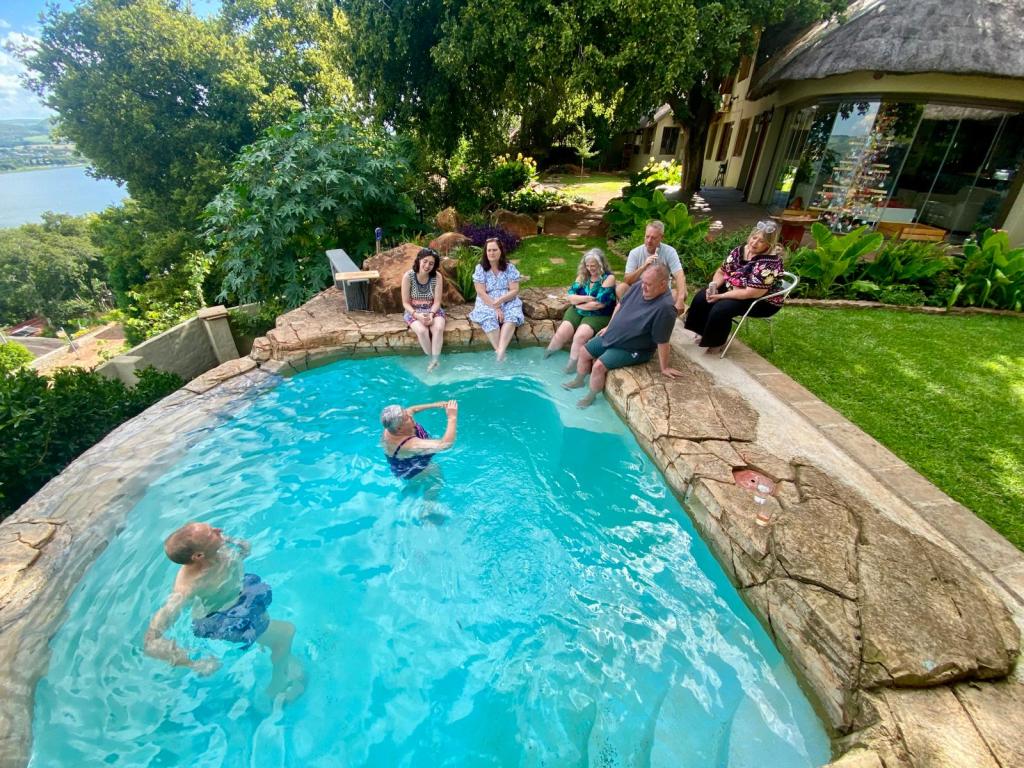
Joined by some of my cousins, my nephew, and old and new friends, we started 2026 on the best possible note. There was good food aplenty, bubbles, and enough laughter to last well into the new year!
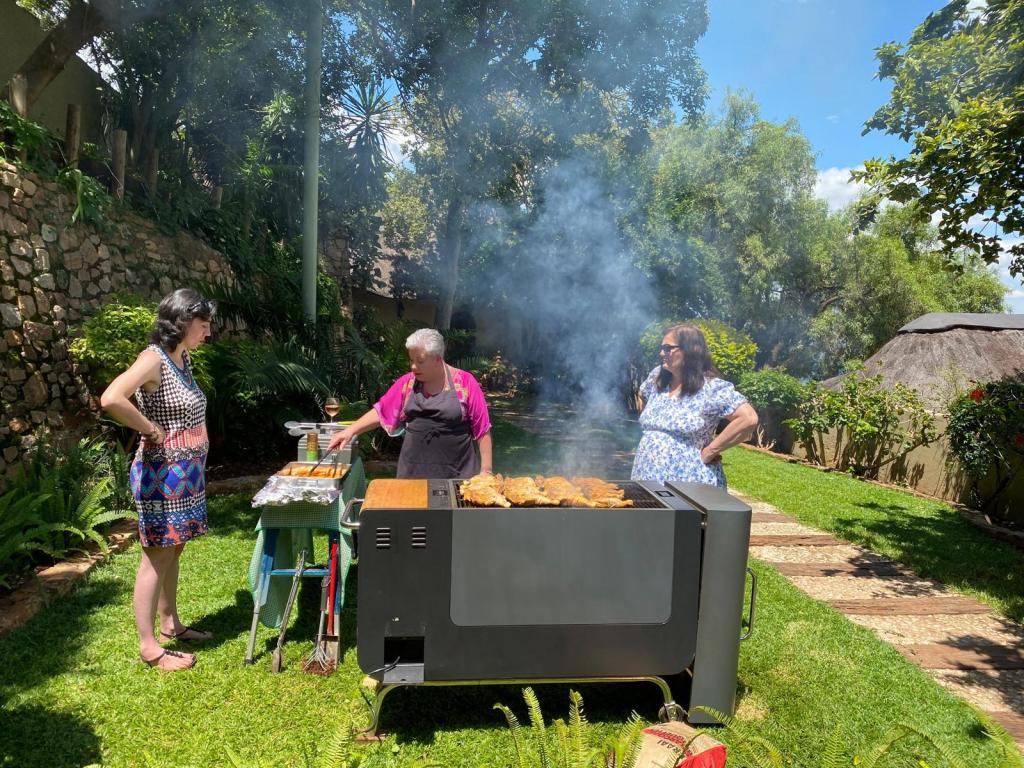
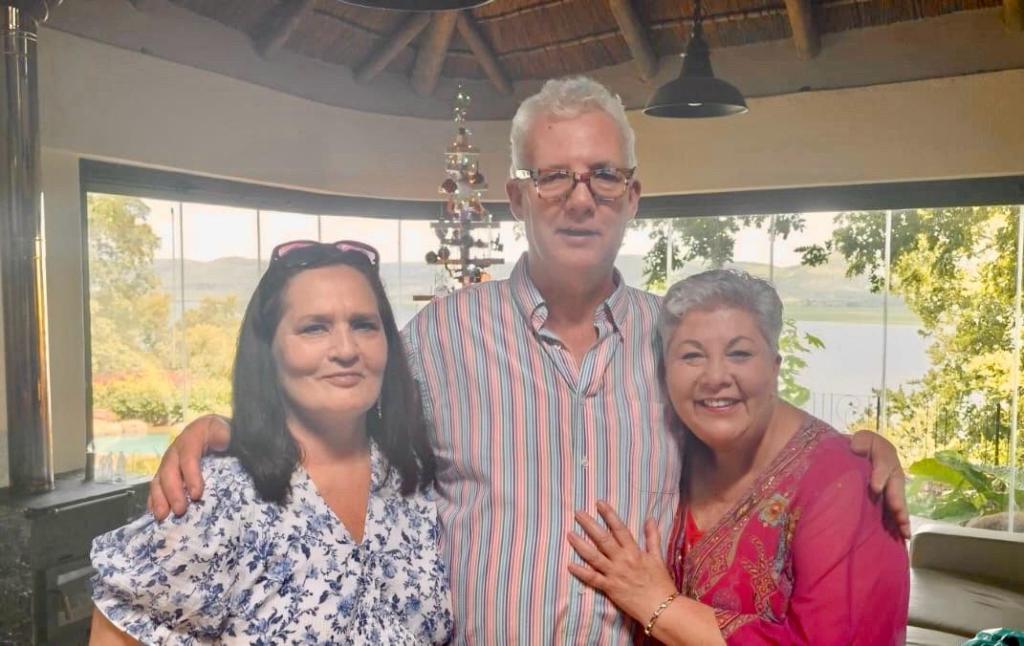
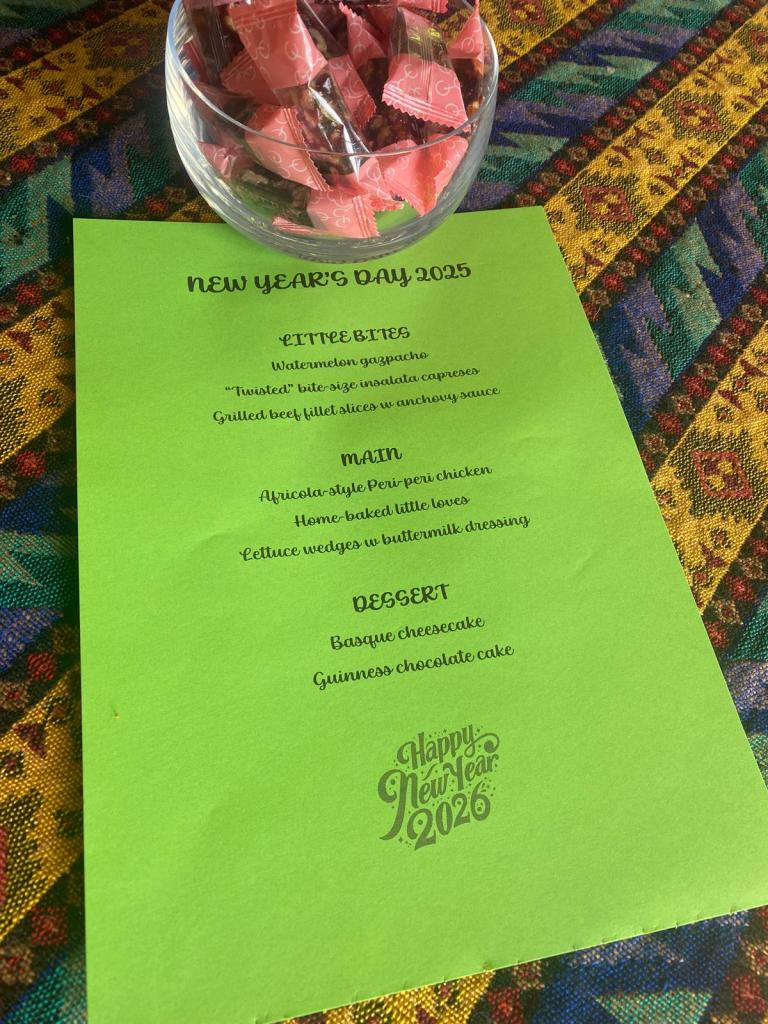
Cooking Africola’s peri-peri chickenWith dear friend (from uni days), DaphneOne of my oldest and dearest friends, DerrichDerrich & Daphs both worked on RAURadio (our campus radio station), where I was bitten by the media bug, and where I met 2+3New friend and opera fundi, Frik, who hosts our monthly opera appreciation sessions.Coursin, Charmaine, with Daphs & her daughter. ClaudetteMy dear nephew, Carl, & his partner, ClaireOf course, there had to be pool time!A NYD feast
After new year we welcomed a house guest. Urbain’s sister, Francet, has lived in the UK for over 20 years and she spent the last few days of her South African sojourn with us.
It was great having a few days to get to know one another again, having barely seen one another over the past years. And we also loved sharing a little of our African life with her.
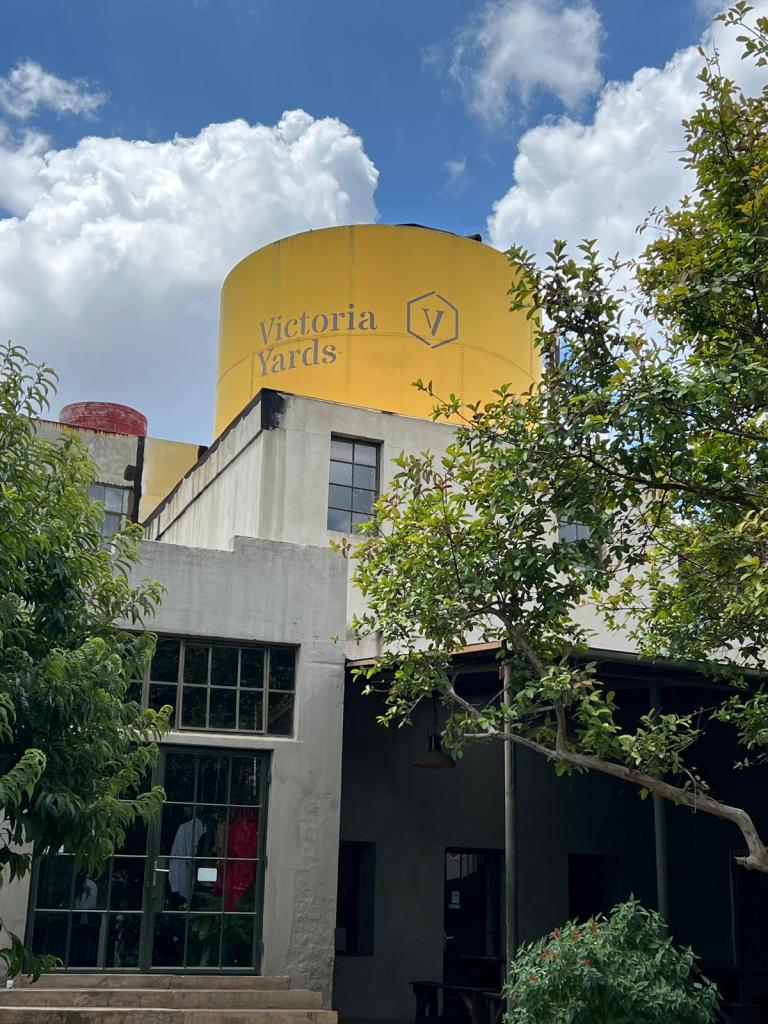
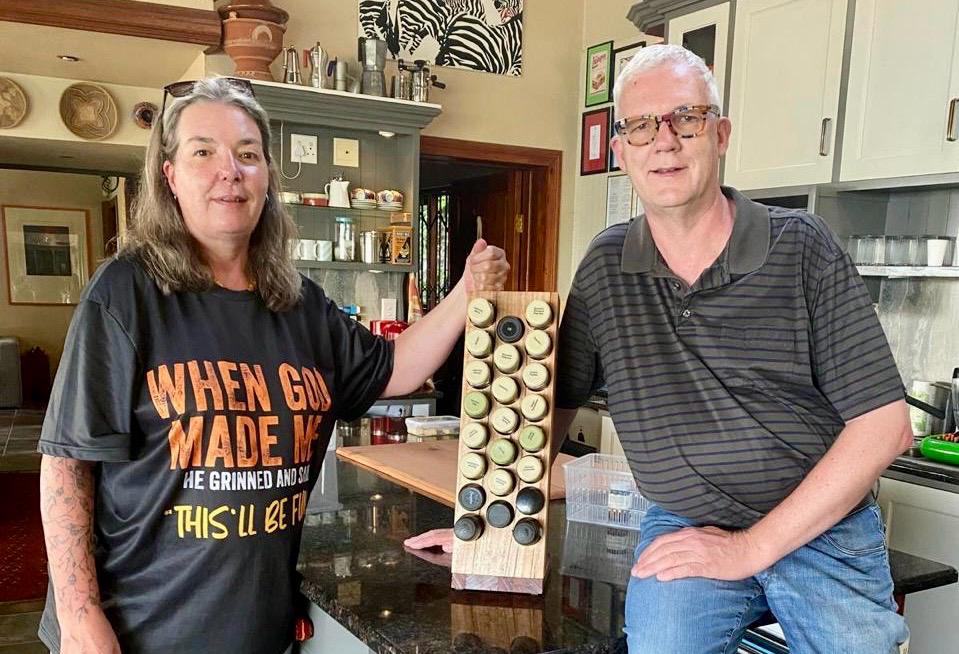
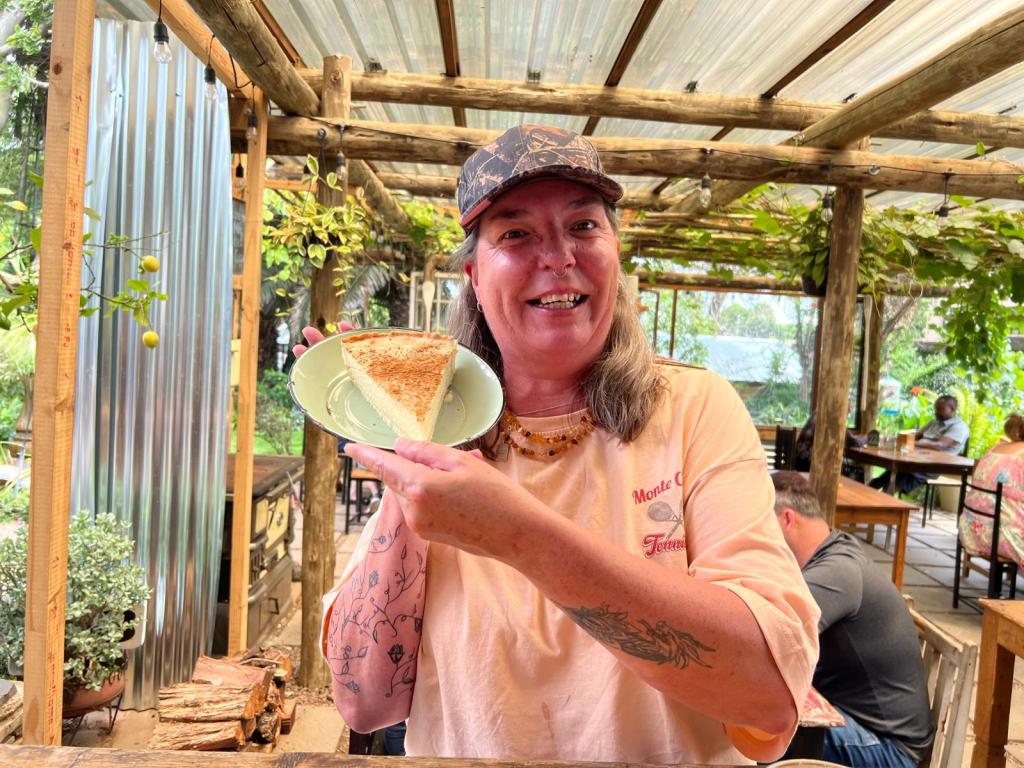
We visited one of our favourite South Africa spots, Victoria YardsUrbain made her a spice rackShe at a slice of milk tart almost as big as her head!
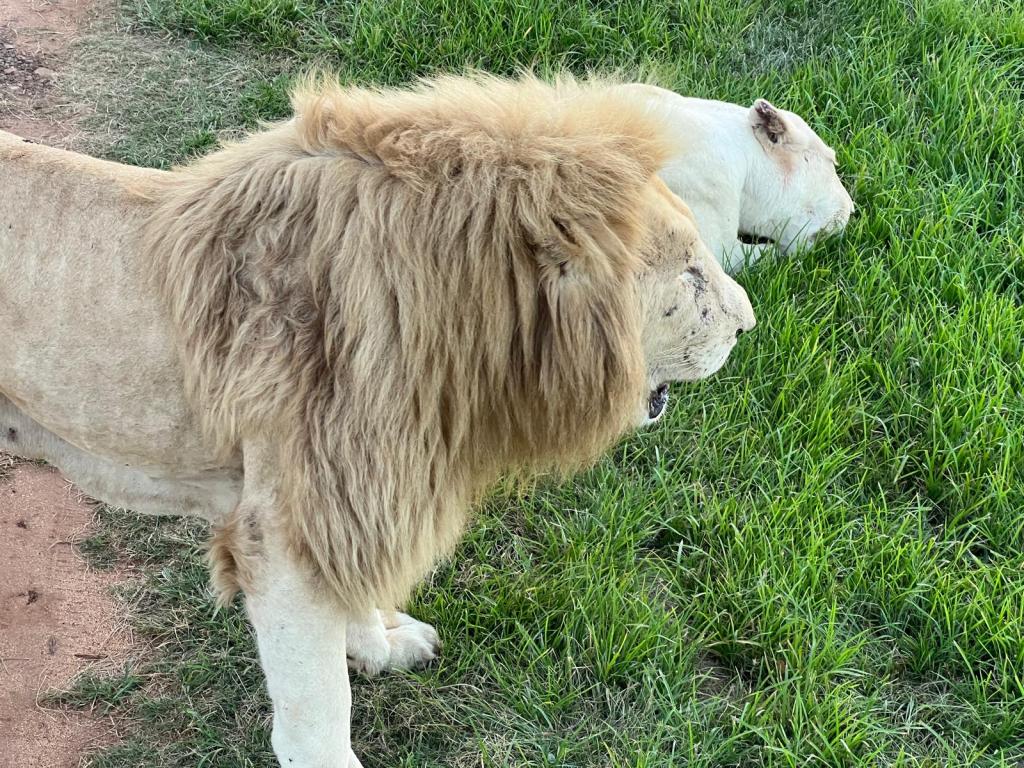
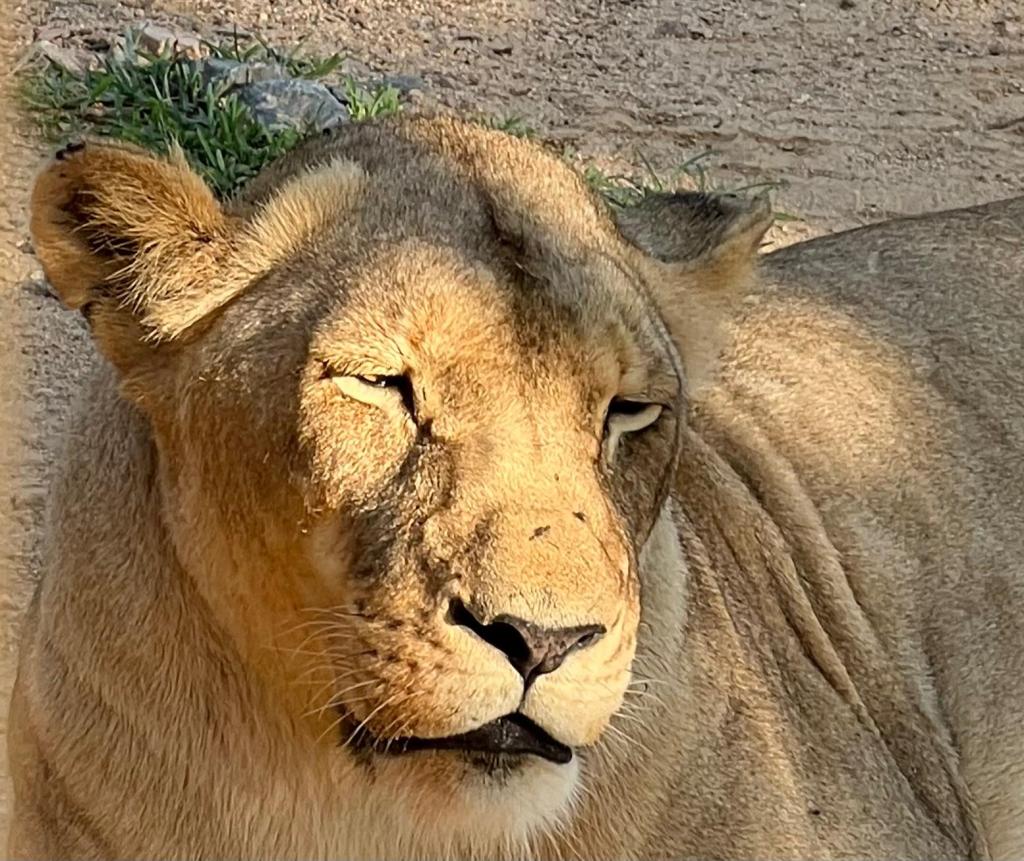
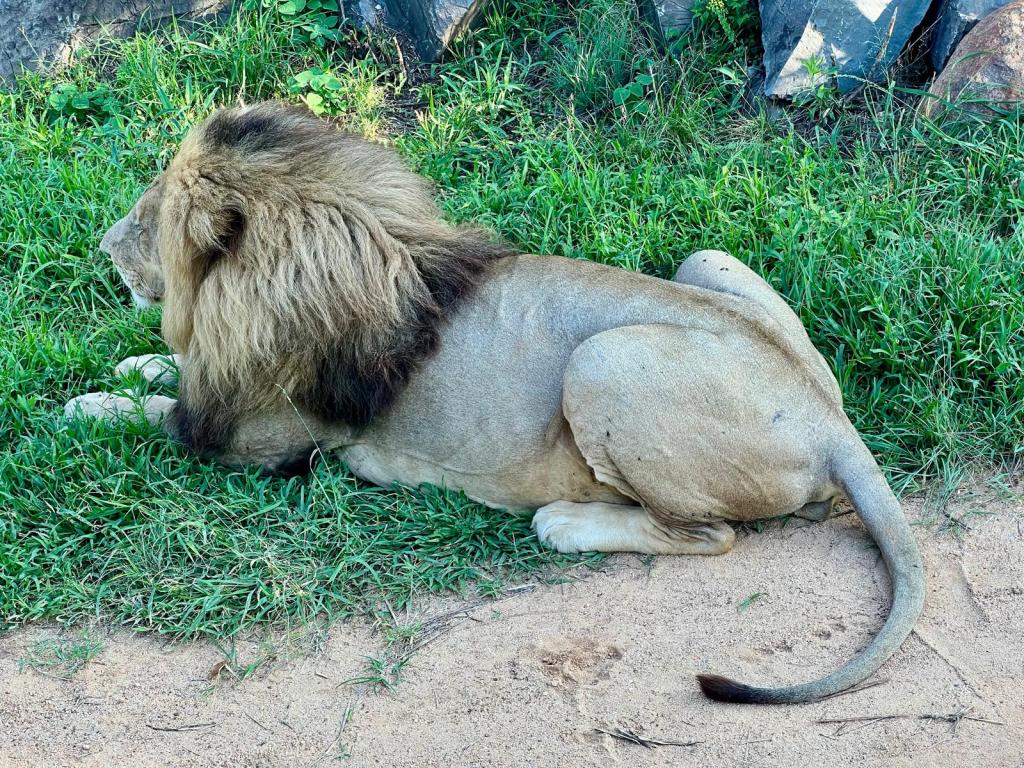
No visit to Africa would be complete without wildlife! With limited time, we couldn’t get to a proper game reserve, but we did manage to visit a conservancy close to home where they care for injured animals that cannot be re-wilded. There are wild dogs, cheetahs, hyenas, antelopes, and these fine creatures …
Now, our little part of the world is home to many wild critters, some less welcome than others.
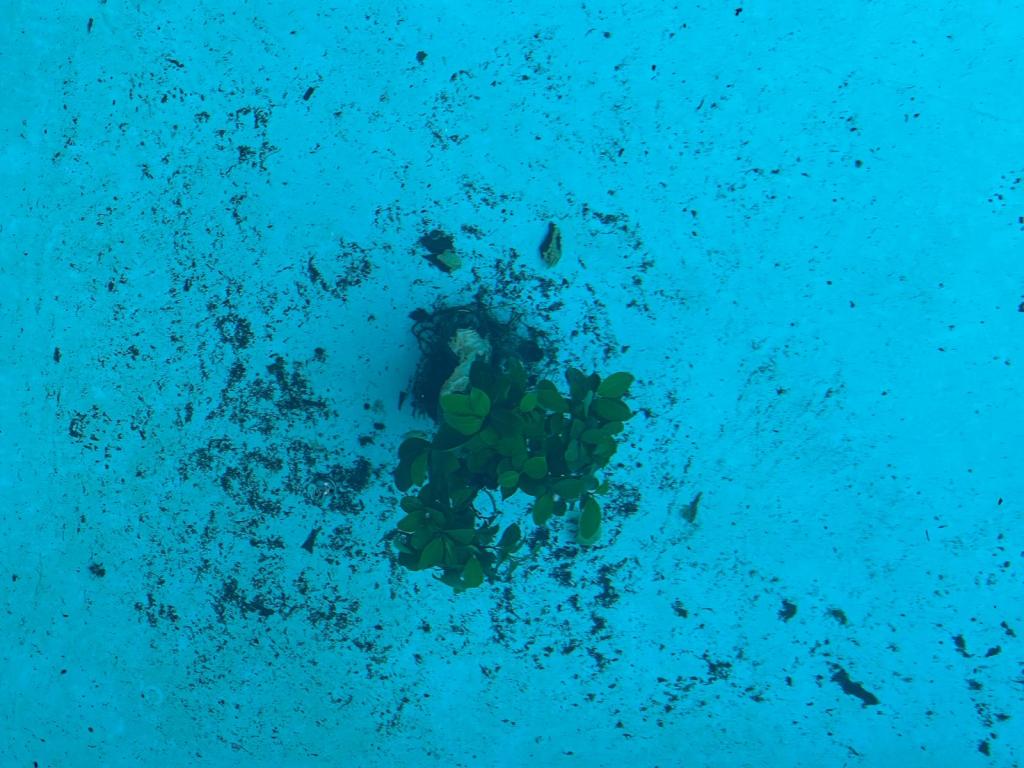
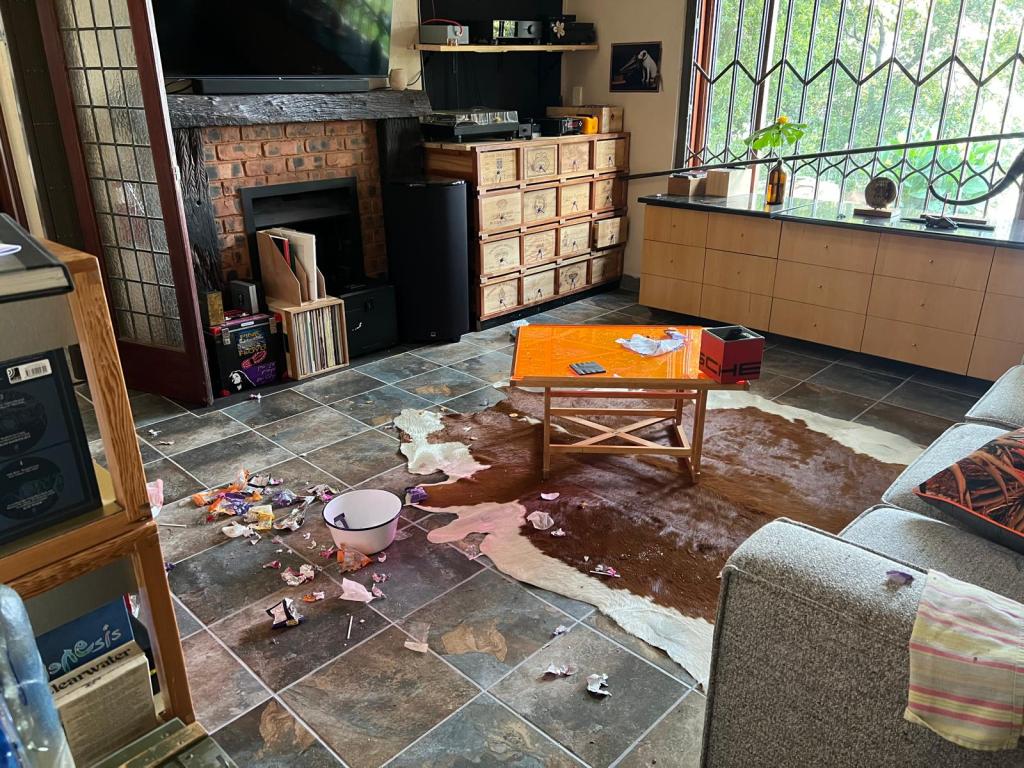
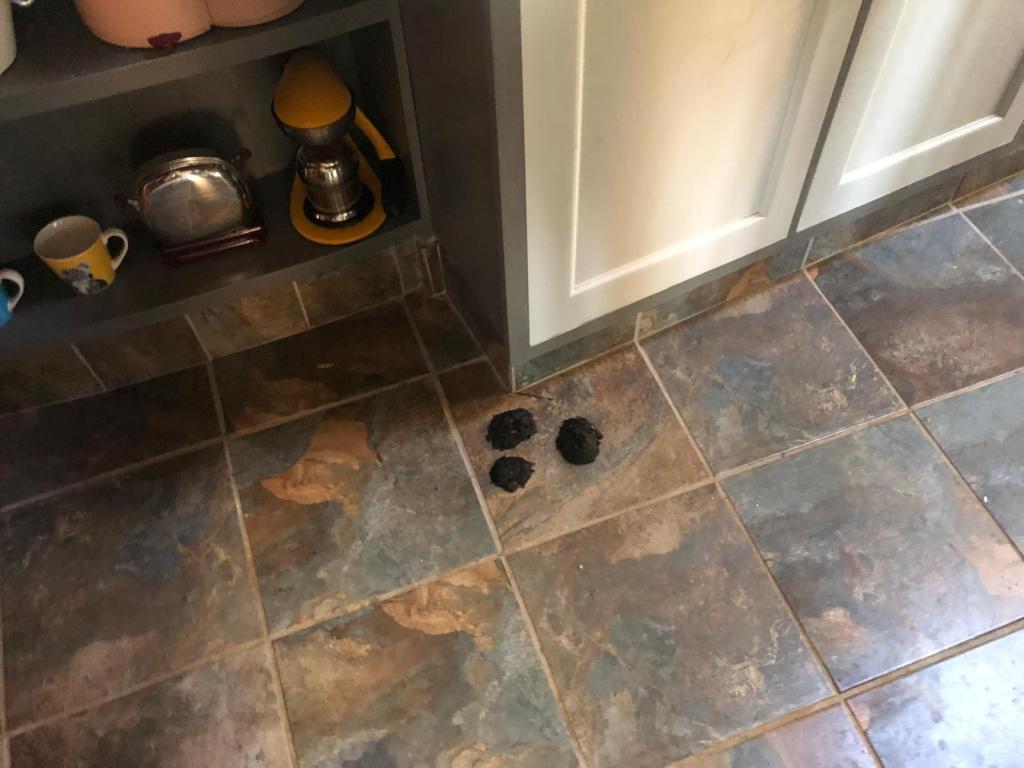
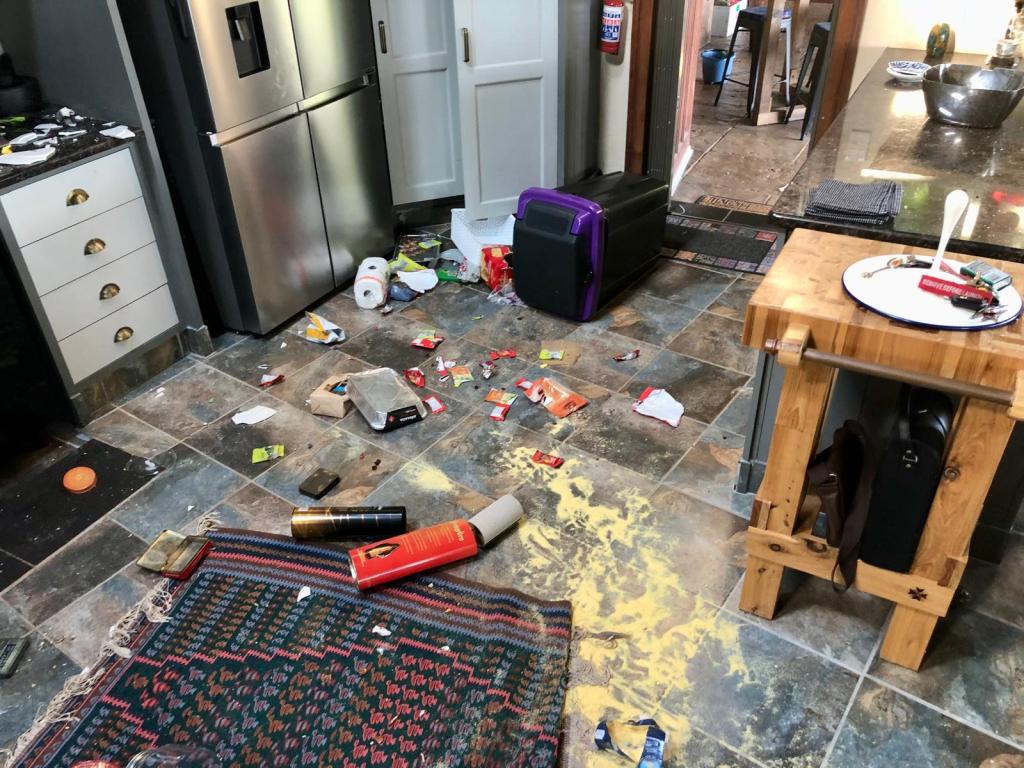
We love our regular bird visitors, adore the neighbourhood squirrel, and even find the monkeys cute, but we draw the line at baboons, especially when they make their way into our home. We’ve had two visits in the past 10 days, and replacing all the fruit, chocolates and snacks, and cleaning up after them is wearing a little thin. We also do not appreciate their wanton destruction of things we value and love.
Bonsai in the poolFood scraps & wrappers everywhere. Turntable sat on, curtain rail ripped from the wallYip – they poop everywhere!They clearly love chocolate
Mercifully, the baboon visits made up a small part of our African life over the past weeks!
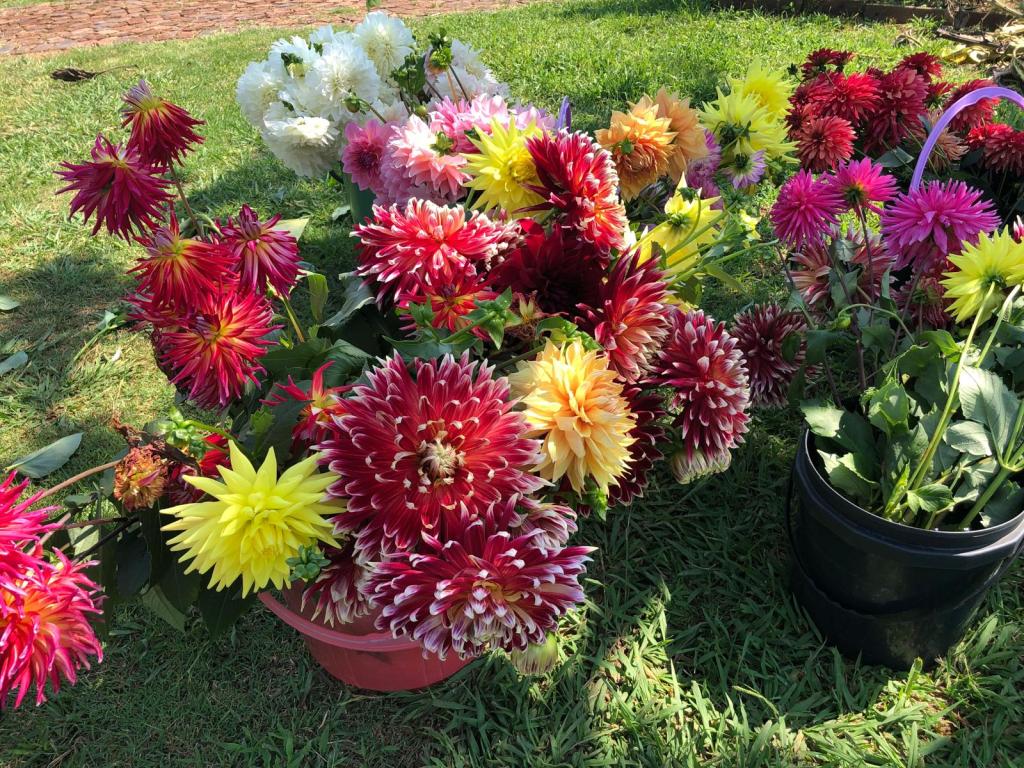
Stunning dahlia’s at a local flower grower
We also finally got around to replacing some of the really ugly light fittings that have been annoying the bejesus out of me.
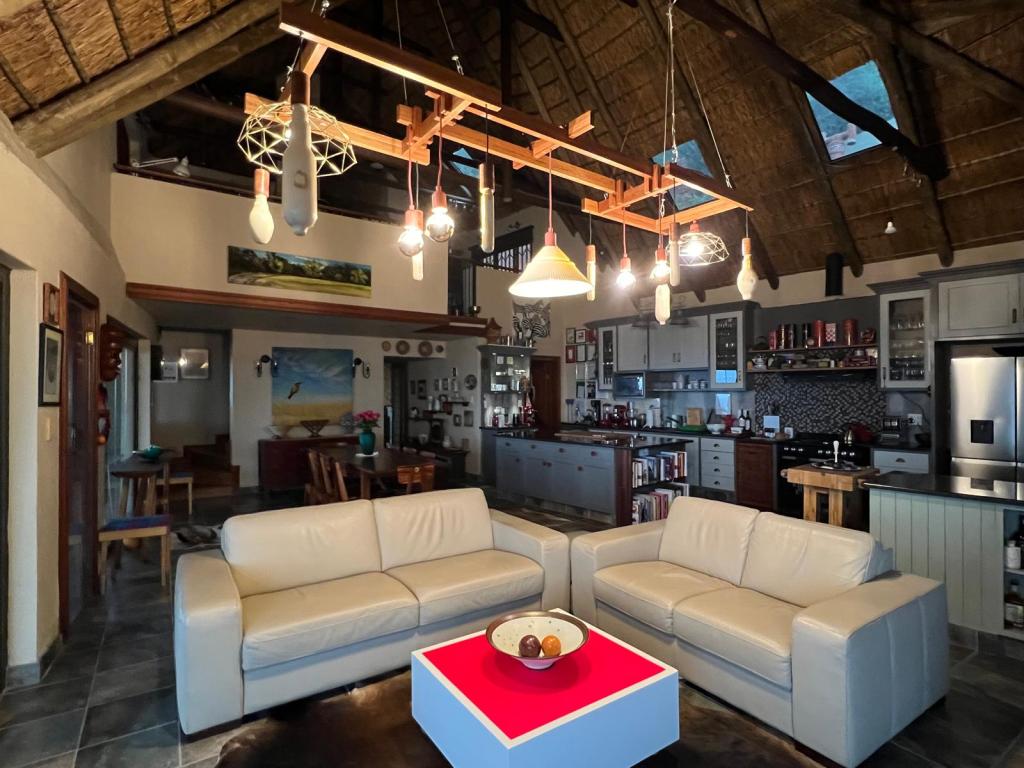
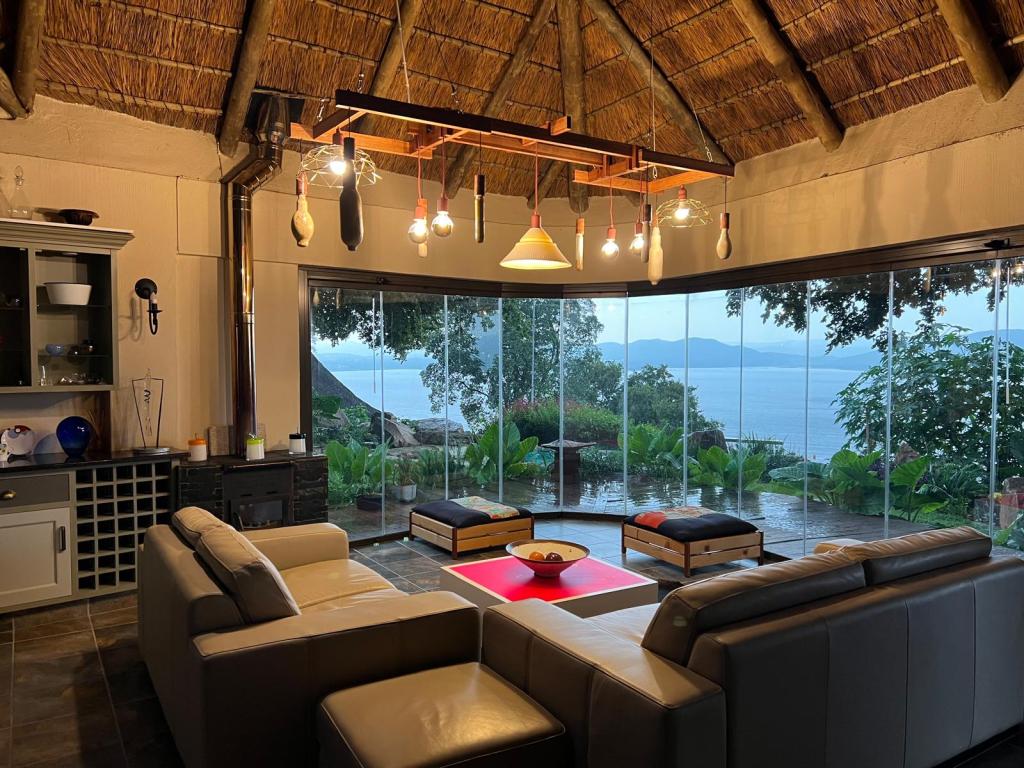
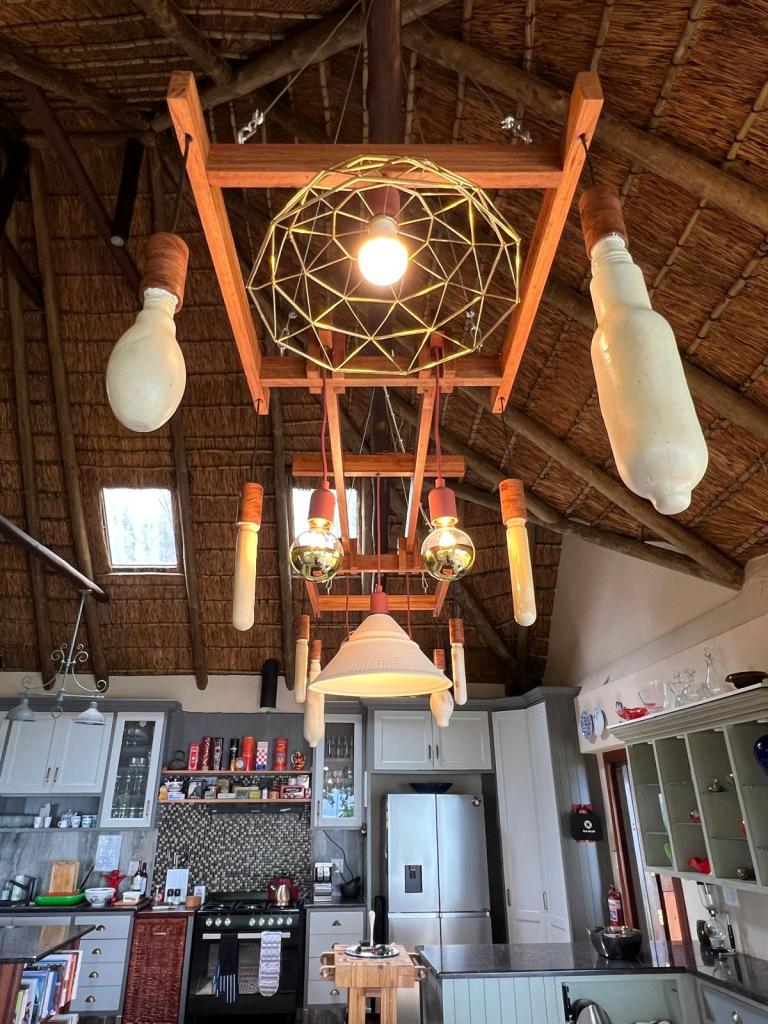
Urbain crafted a fabulous chandelier that has true provenance. The wooden frame was made from a recycled outdoor bench, ripped out when Monash University had landscaping done. The ceramic pieces were cast by ceramist, Jack Latti, from floodlighting lamps (globes) and a reflector that Urbain has used in his career as a lighting engineer. These pieces were fired in Jack’s anagama wood-fired kiln, and are hanging from bits of rescued and recycled fascia board rescued from our friend Dewetia’s house. The metal shades are IKEA fruit bowls.
Hoisting the chandelier into place, with help from Goodwell Nyarenda.
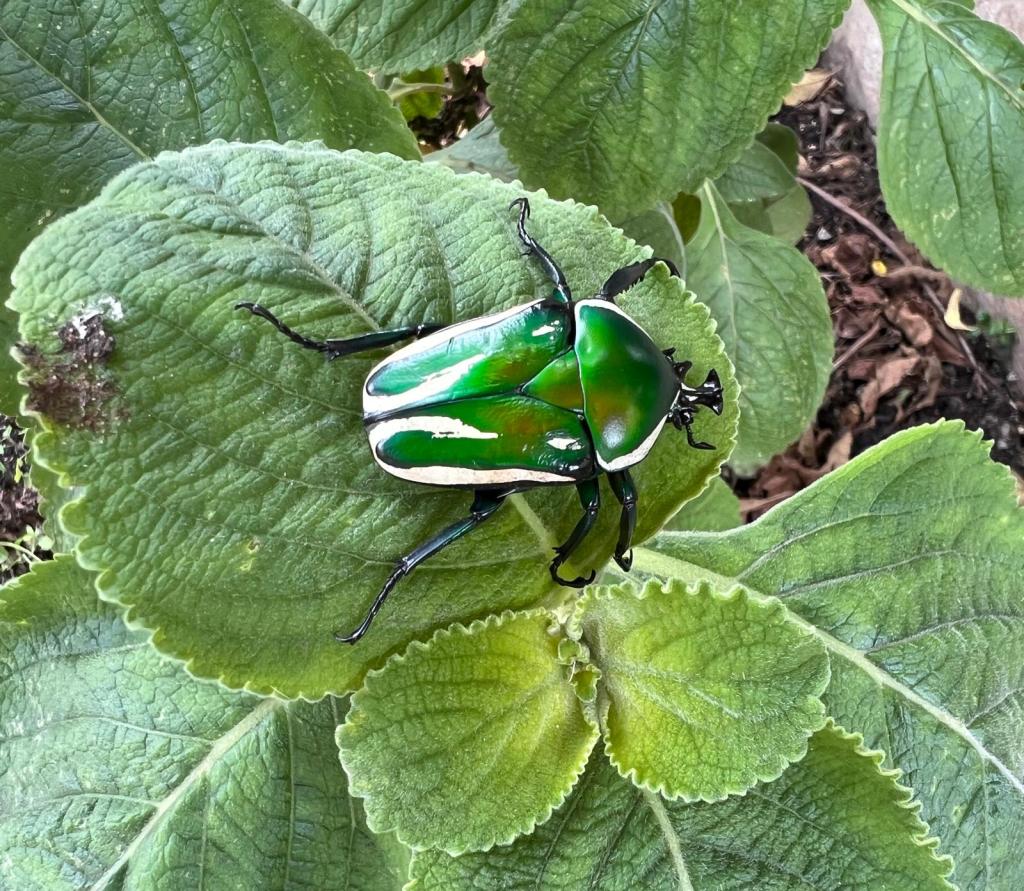
We also made the acquaintance of spectacular looking bugs …
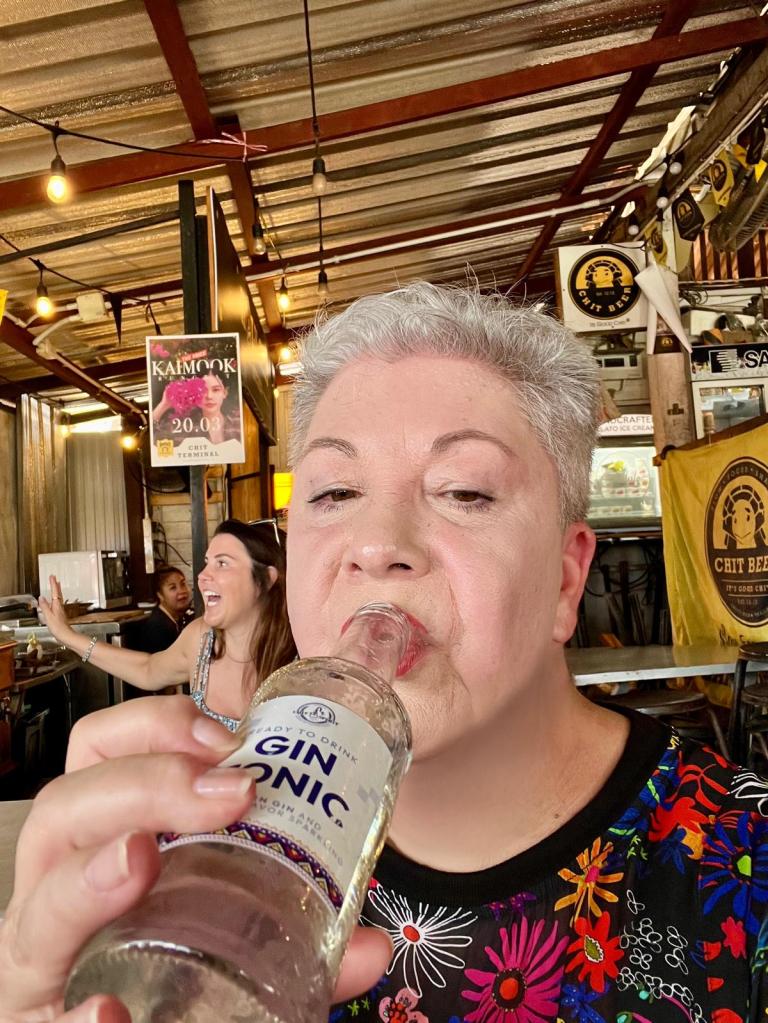
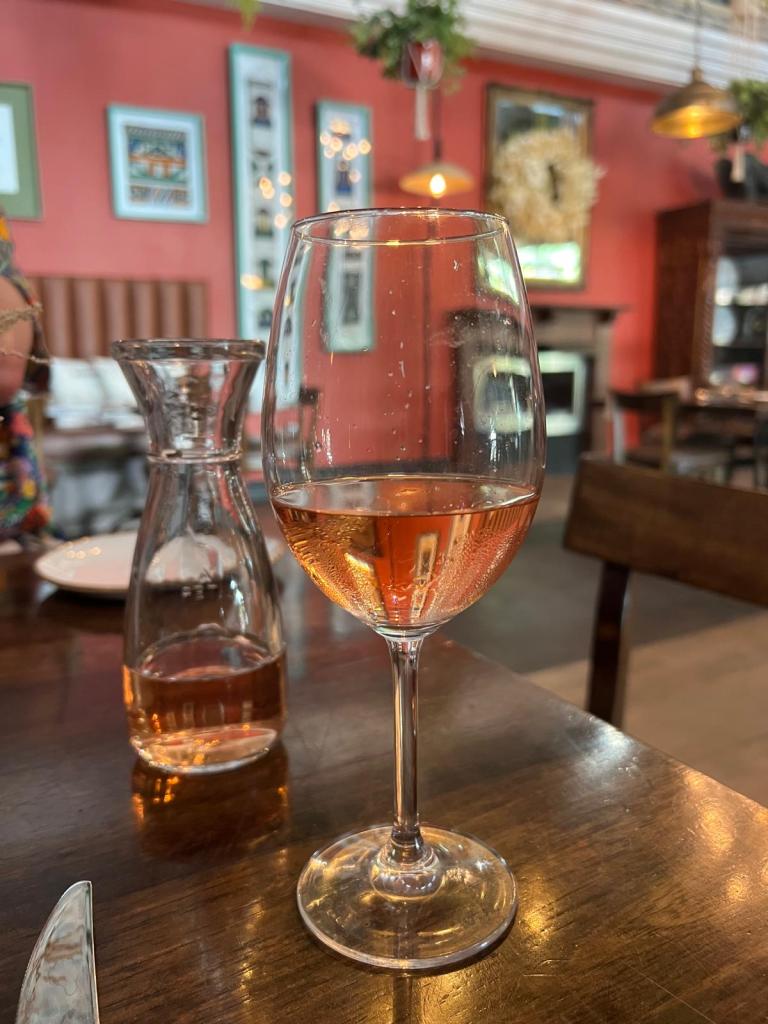
Had a tipple or two at newly-discovered haunts …
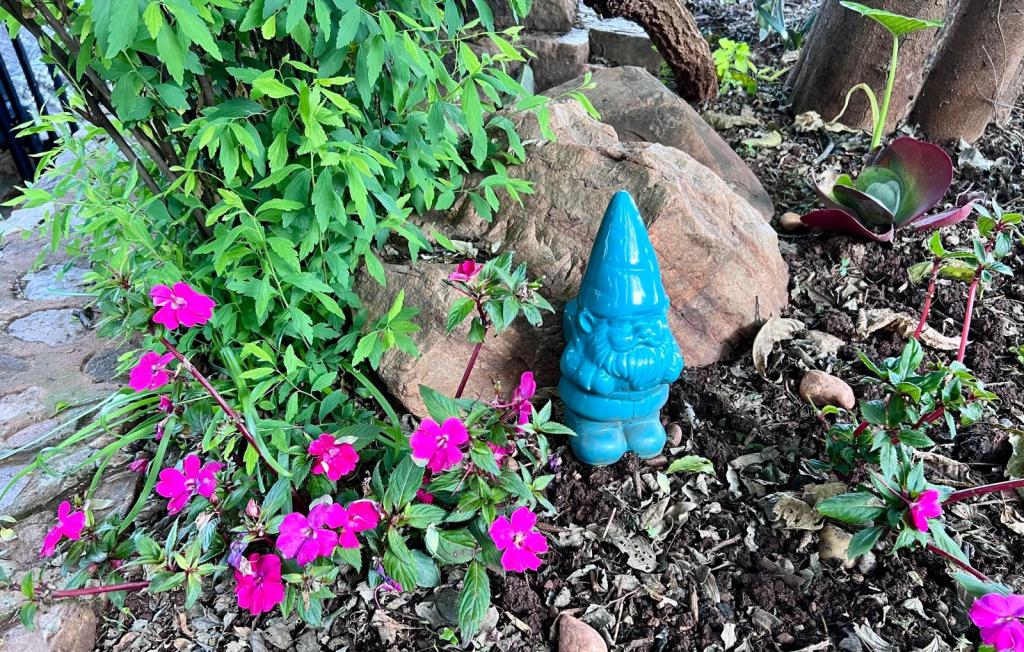
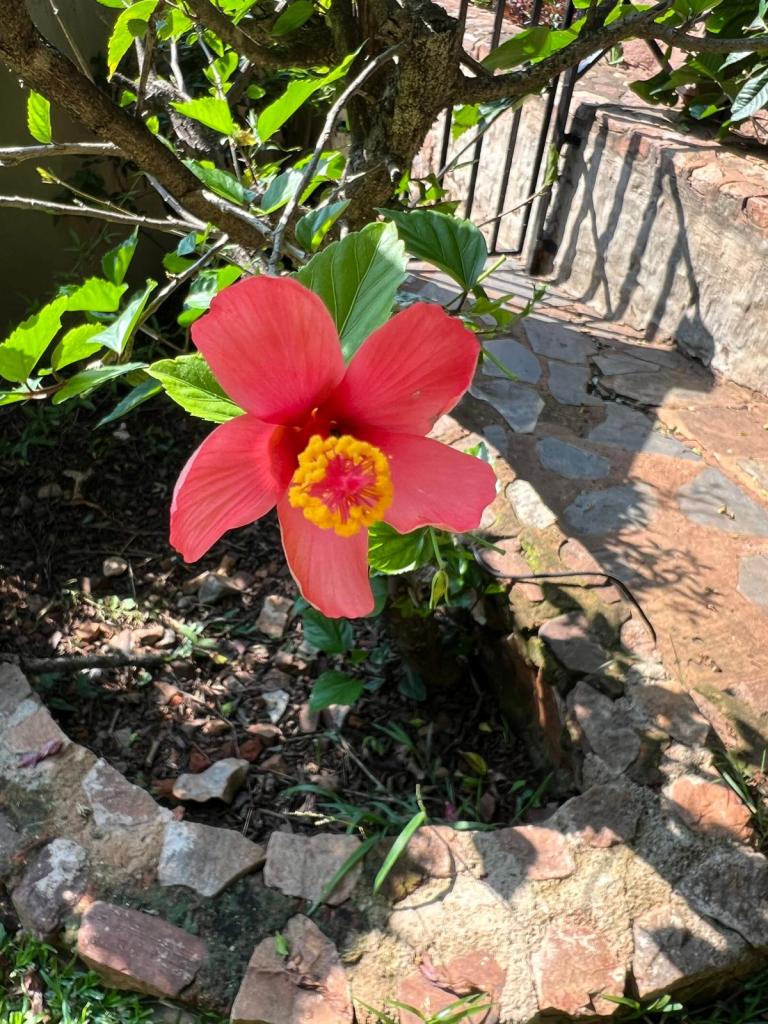
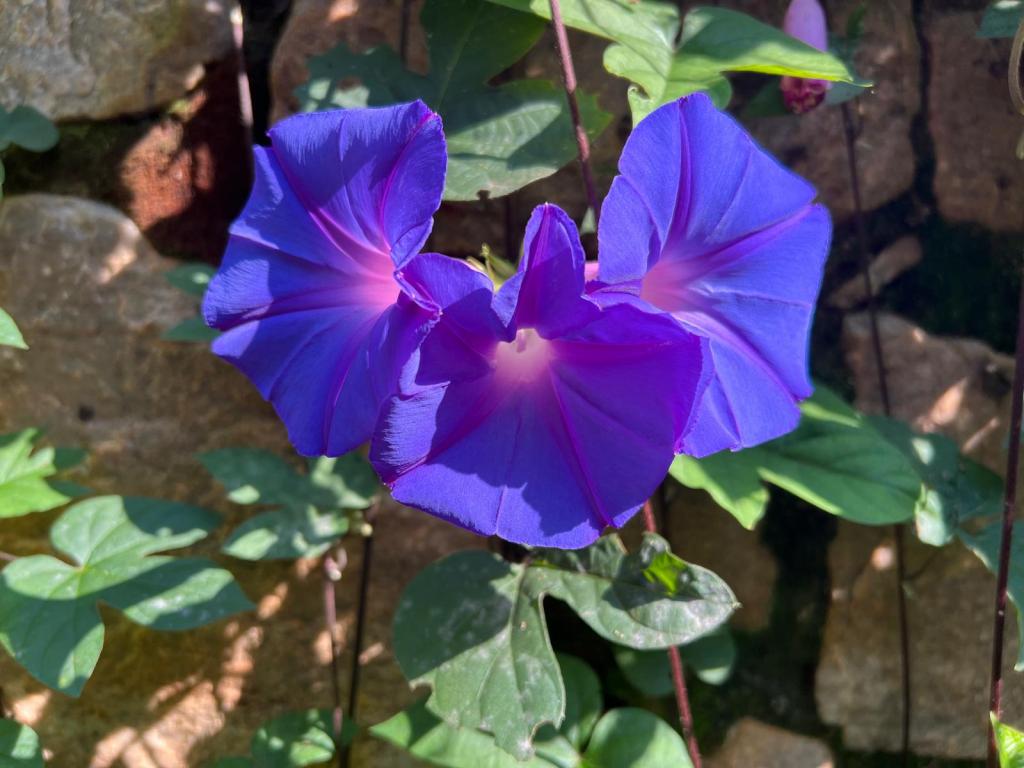
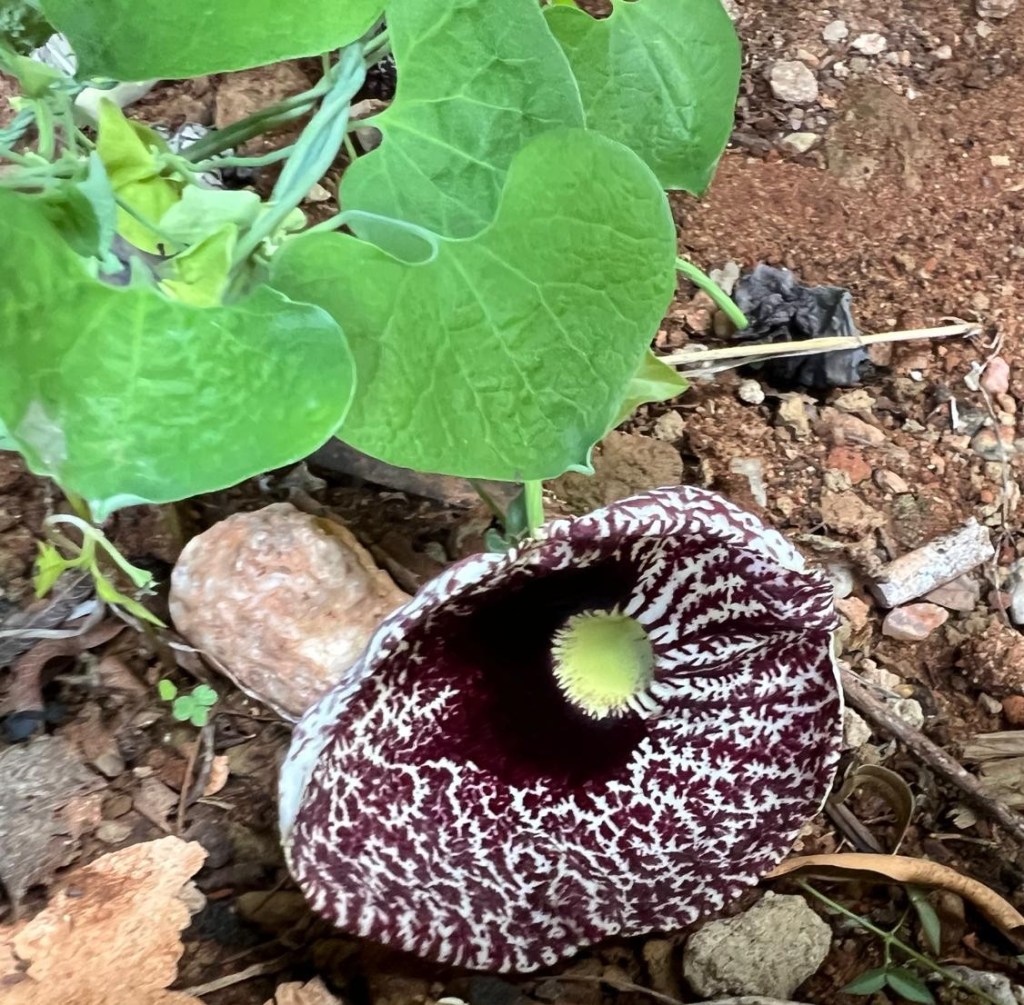
And found treasures in forgotten bits of our garden.