Searching for family history
A recent trip to Rustenburg had me doing some research into my great-grandfather, George Wellington Rex, who was responsible for my family putting down roots in the area where we now reside.
George Wellington Rex (1840–1923) was the grandson of George Rex (1765–1839), the British-born entrepreneur who founded Knysna and was long rumored to be the (il)legitimate son of King George III.
A fair amount has been written about George Rex and his legacy in the Cape. Much of it centres around “those” rumours of royal blood. The rumours have been disproven (although based on rather tenuous research, in my opinion *wink*), but the contributions of the man cannot be disputed.
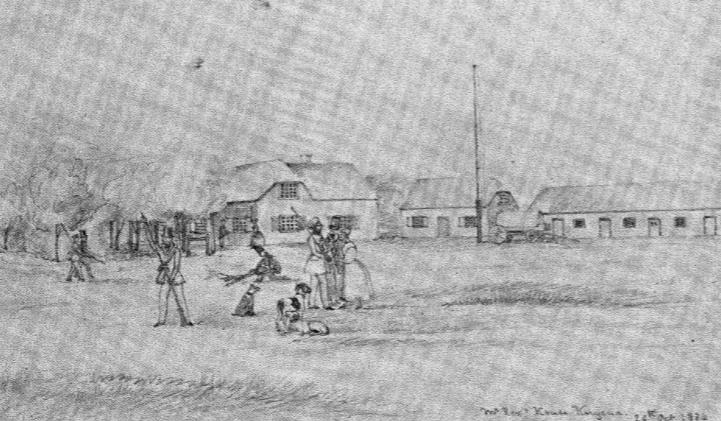
George had nine children with Carolina Margaretha Ungerer, a free-born woman of colour (a “vrije swartin”). Although they never married, they lived together as husband and wife for over three decades and George freely acknowledged all his children, both those he fathered with Carolina, and those with a freed slave, Johanna Rosina van der Caap.
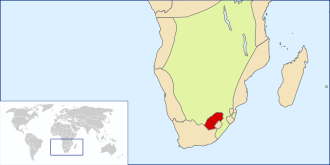
George’s son, Frederick Rex, became a land surveyor who contributed to the development of the Orange River Sovereignty in the mid-19th century.
Frederick was the father of my great-grandfather, George Wellington Rex.
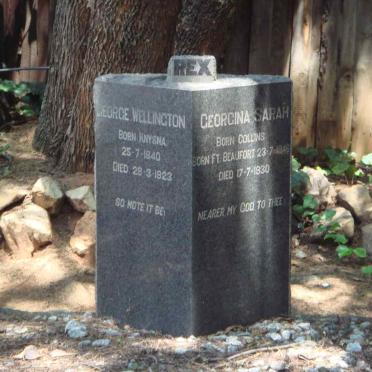
Born on 28 July 1840 in Knysna, George Wellington Rex married Georgina Sarah Collins on 17 December 1864, and together they had 14 children, including my grandfather, Harry George Rex, born in 1877.
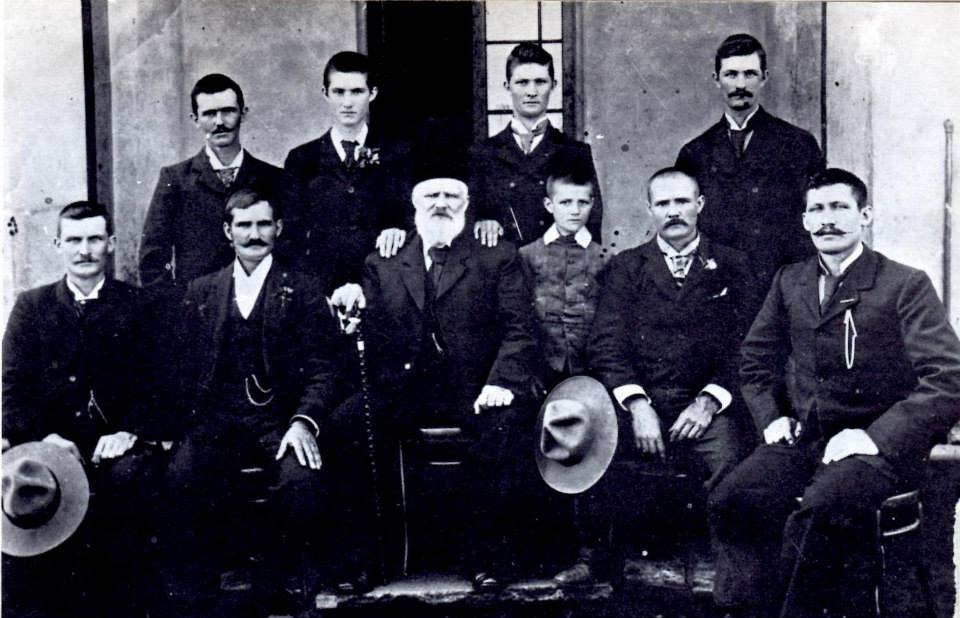
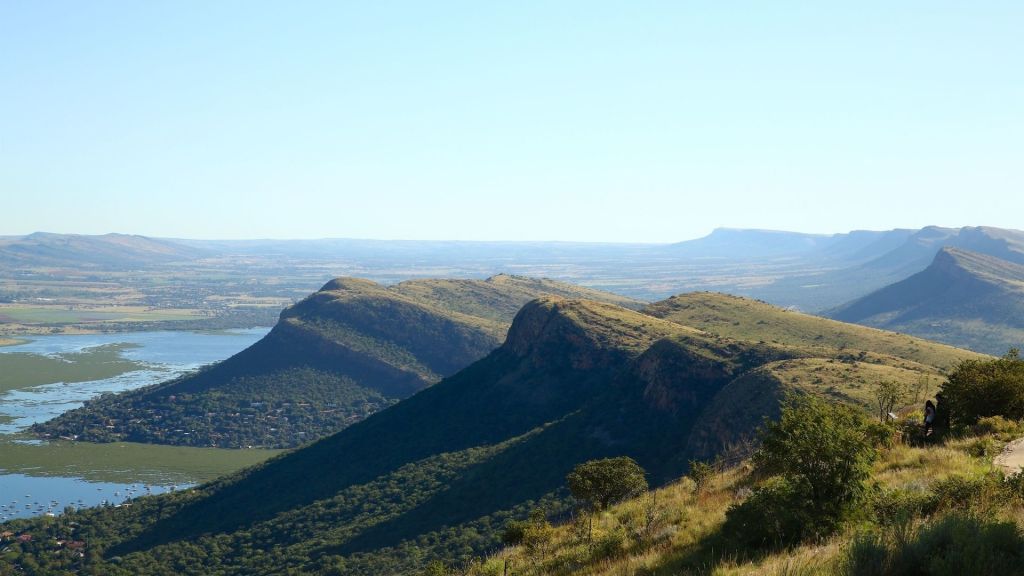
George Wellington moved to the Rustenburg area in the Transvaal (now NorthWest Province) from the Cape Colony in the mid-1880s. His move was motivated largely by his activities as a big game hunter, but also because he identified the agricultural potential of the land around Rustenburg.
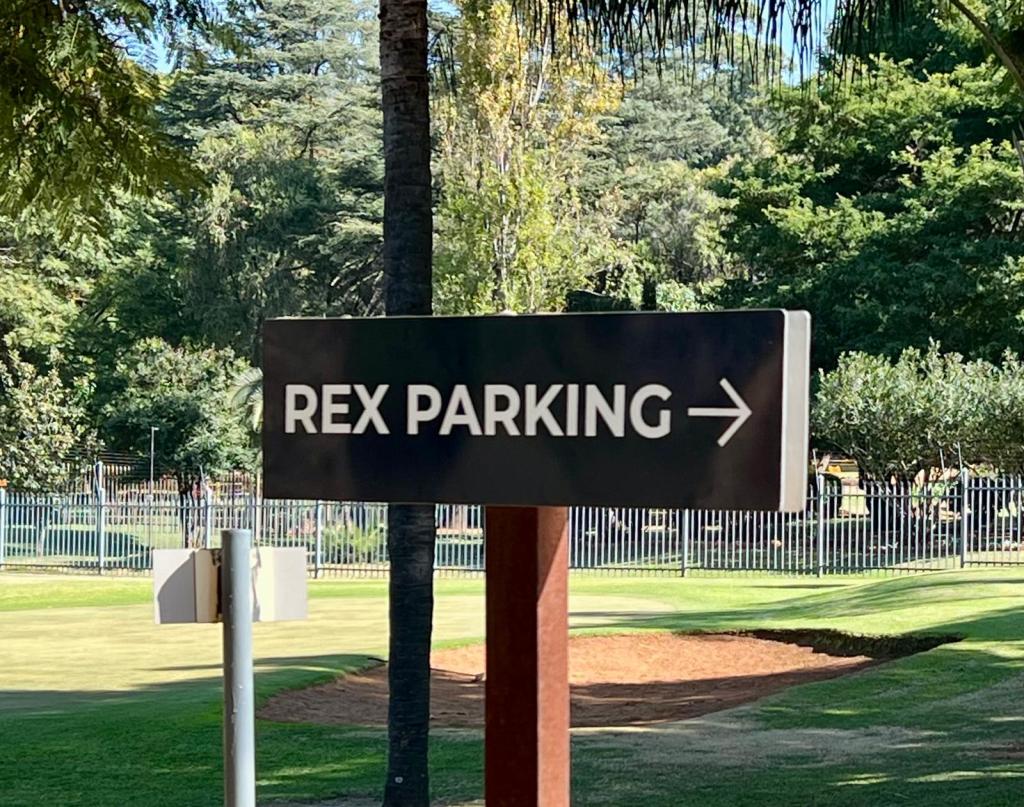
George Wellington was granted Boschfontein (“Bush Fountain”) farm by close friend and President of the old Republic, Paul Kruger, in the late 19th century. He established a private hunting lodge there, which later evolved into the Hunter’s Rest Mountain Resort. Today, the resort boasts a worldclass golf course, a boutique hotel and restaurant, and more. And it’s a great spot for a tipple on a Sunday afternoon!
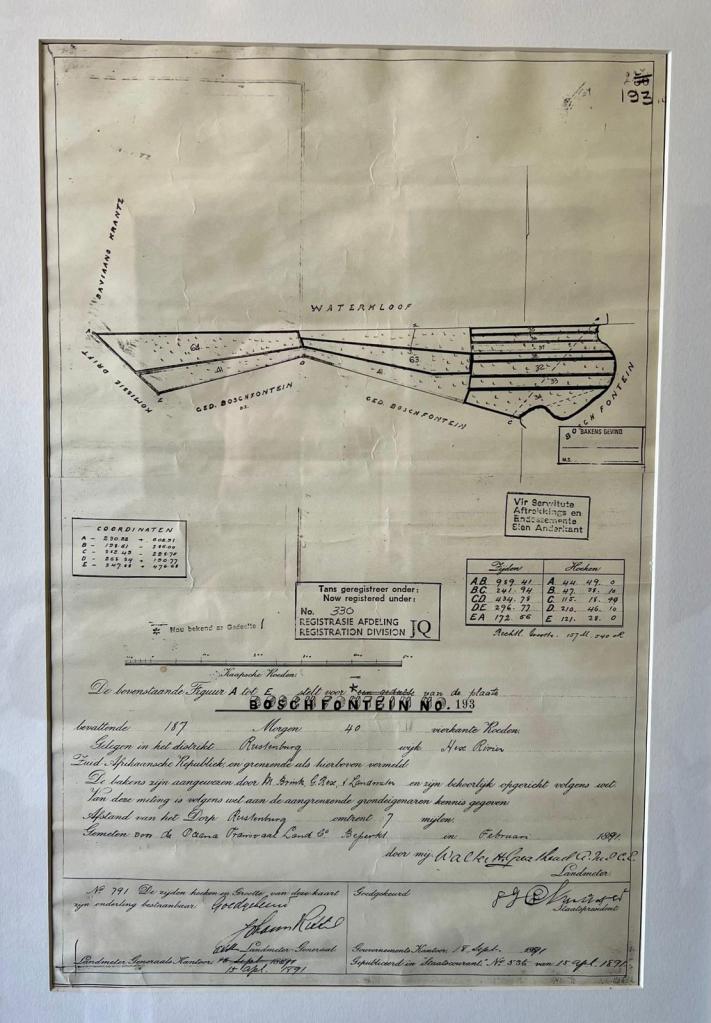
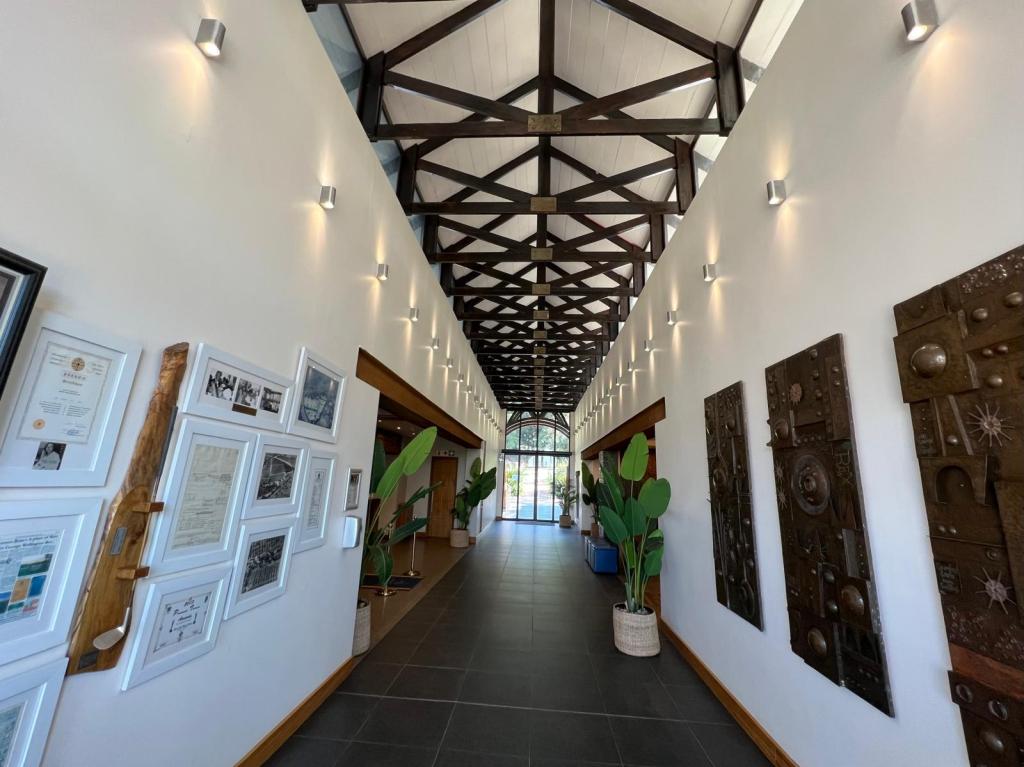
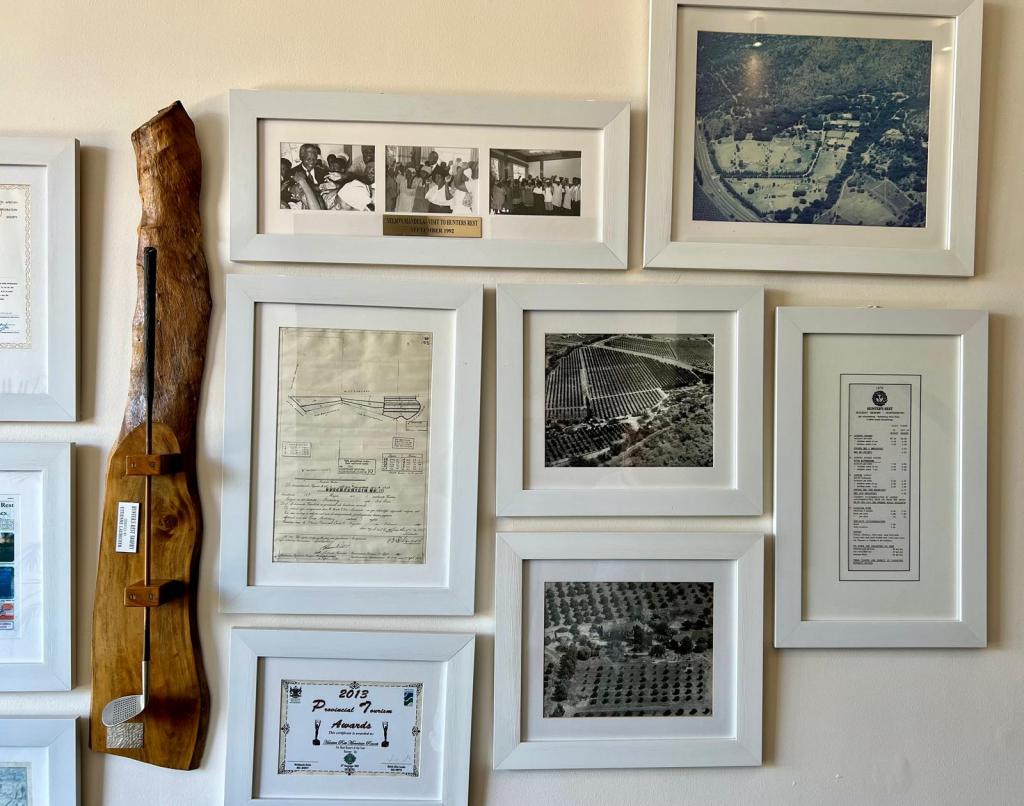
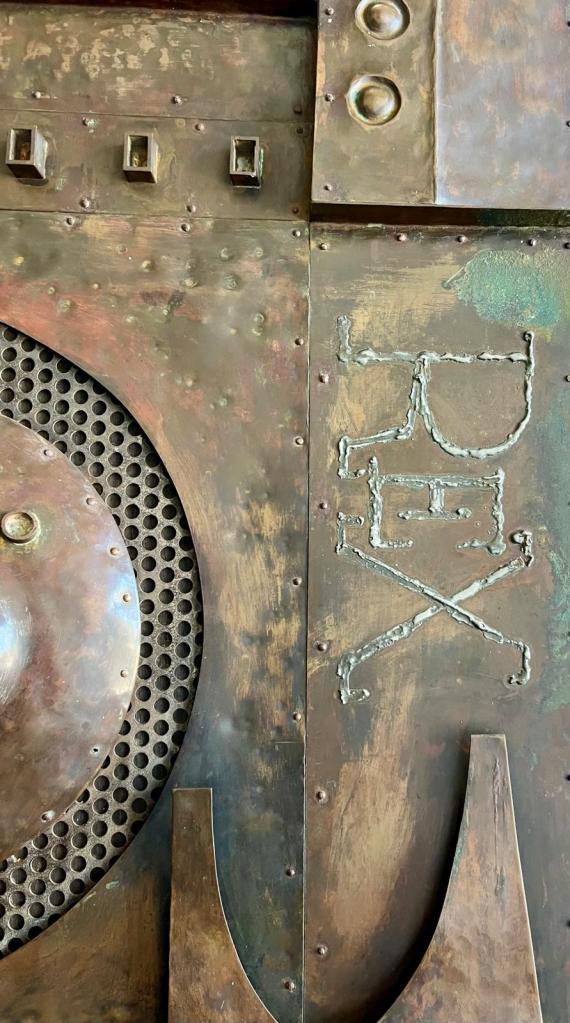
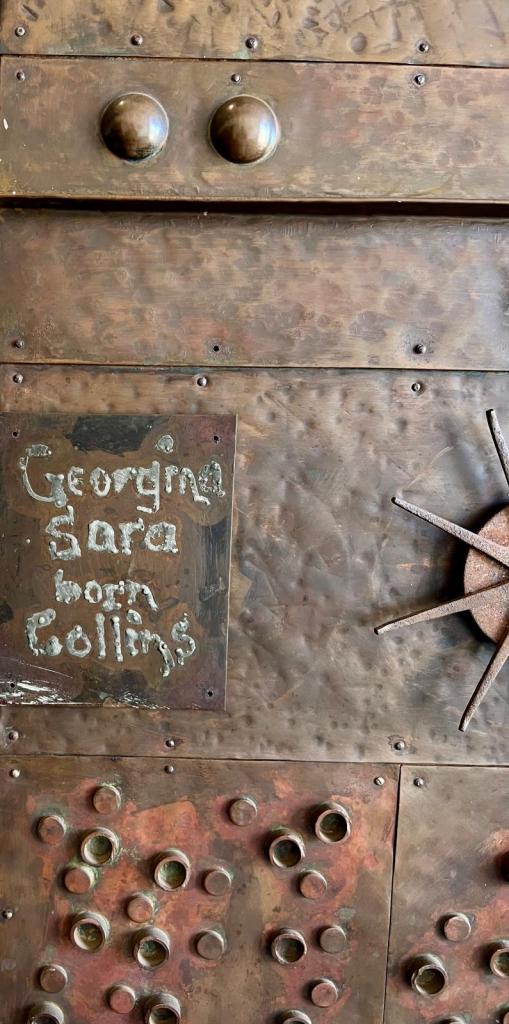
The grounds hold a small Rex family cemetery; both George Wellington and his wife (who’s surname is my first name) are buried there.
George Wellington is rumoured to have played several musical instruments, and to have been licensed to practice medicine, even though he wasn’t a doctor.
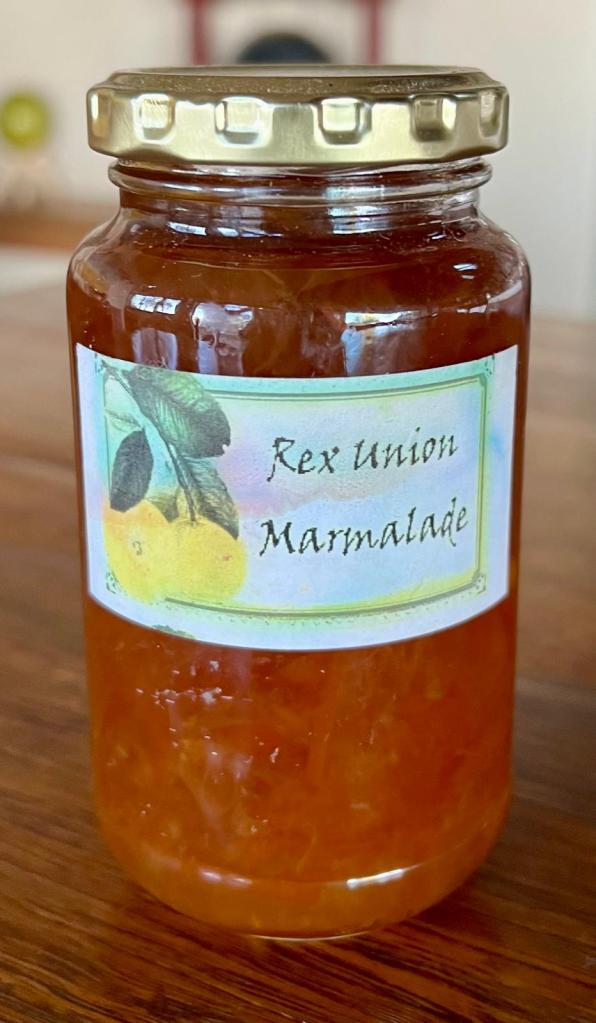
What is a fact, is his affinity with horticulture. He established large citrus orchards on his farm Lemoenfontein (“Orange Fountain”) and developed several new cultivars of citrus, the most notable of which is the Rex Union orange. Cultivated specifically to produce bitter marmalade, the Rex Union is a cross between a Seville orange and a grapefruit. Today this very scare variety is recognised by the Slow Food movement as being of cultural significance, and the trees are once more being cultivated by the Tulbagh Nursery. (And I have several on order, for delivery towards the end of this year!!)

George Wellington Rex passed away on 28 March 1923 in Rustenburg, leaving a lasting legacy (and way more than has been documented, I’m sure). His grandson, Arthur Wellington Liversage Rex, is my father.


Leave a Reply