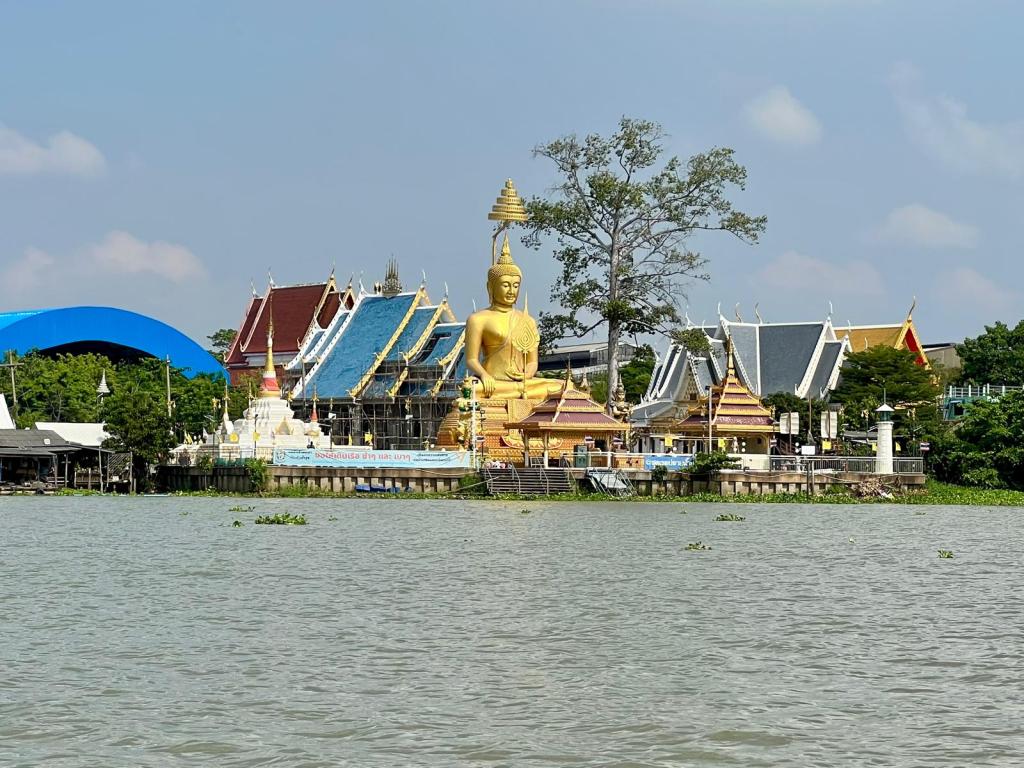
Sawasdee ka!
I don’t believe in reincarnation, but if I did, I’d believe that I lived in this remarkable city in a previous life. My first trip to Bangkok was around 1990. When I stepped off the plane onto the tarmac (no aerobridges then), I felt I was home.
Now, almost four decades later, the feeling is the same …
Join me for a whistle-stop visit to the incredible place that is Bangkok!
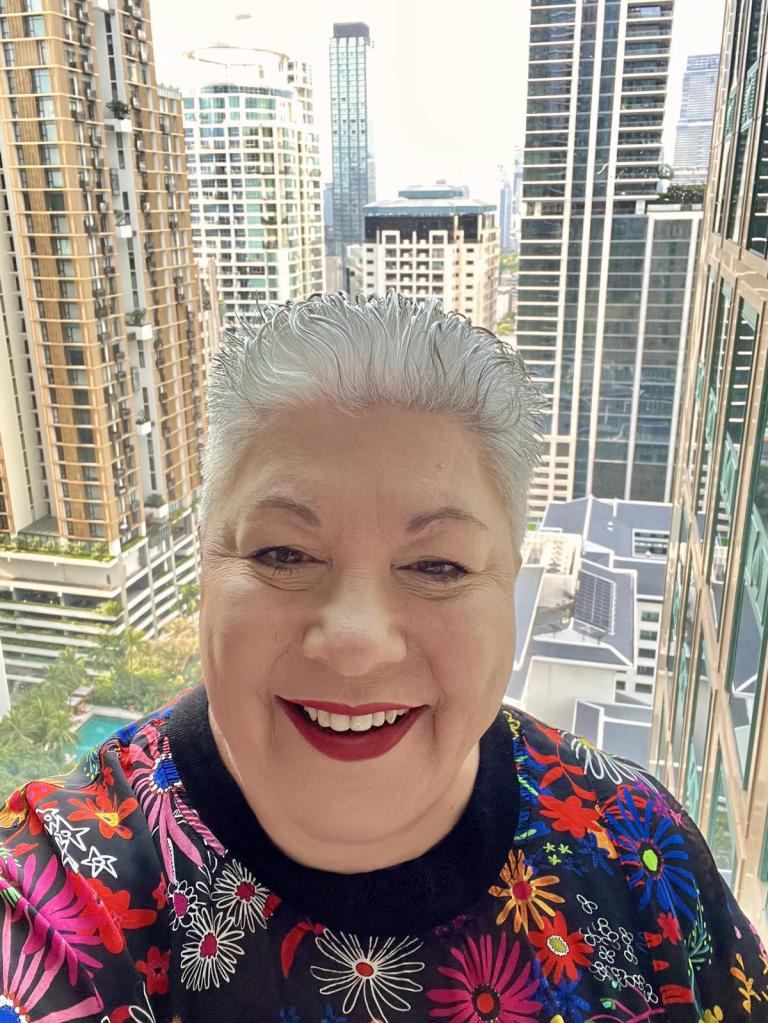
Bangkok is a relatively “young” capital by global standards, but its rise has been rapid and strategic. Originally a small trading post on the Chao Phraya River delta, it became the capital of Siam (now Thailand) in 1782 under King Rama I, marking the beginning of the Chakri dynasty that still reigns today. And the people love their royal family. The old queen, Sirikit, was particularly beloved; her recent passing will have the city in mourning for at least a year.
In its early years, Bangkok was a water-based city, defined by canals (khlongs) and river trade, earning it the nickname “Venice of the East.” Over time, especially in the late 19th and early 20th centuries, Western influence, infrastructure development, and modern medicine accelerated urban growth.
The result: a city where royal temples, informal settlements, luxury malls, and global finance coexist, often on the same street! (Or along the same river.)
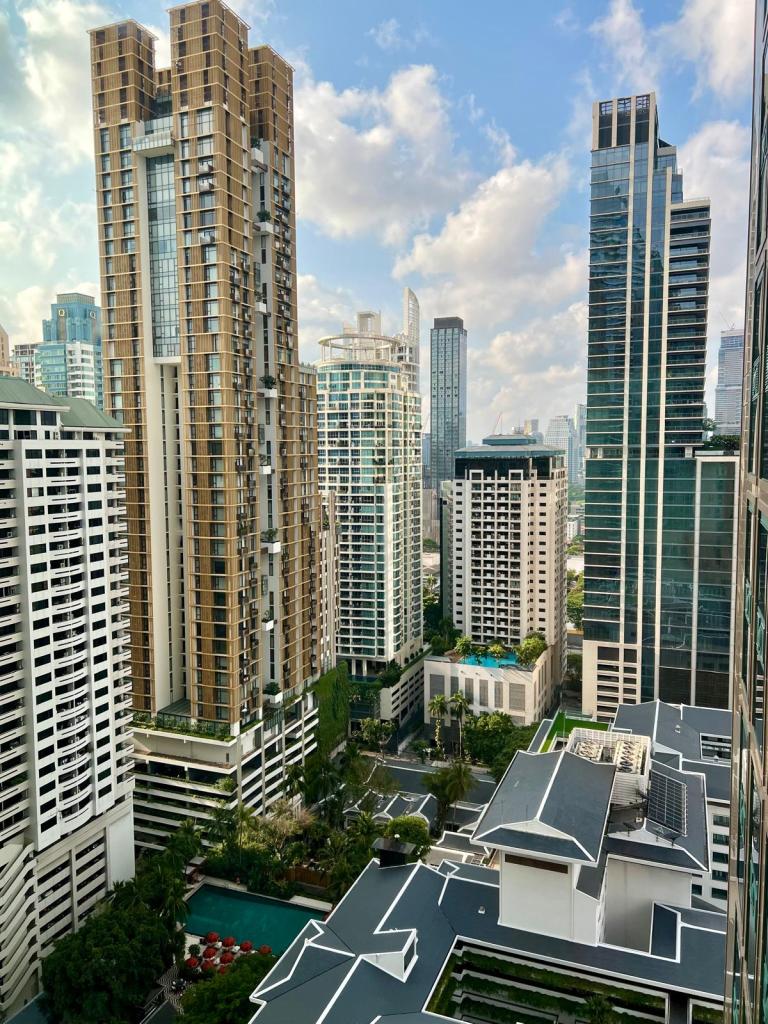
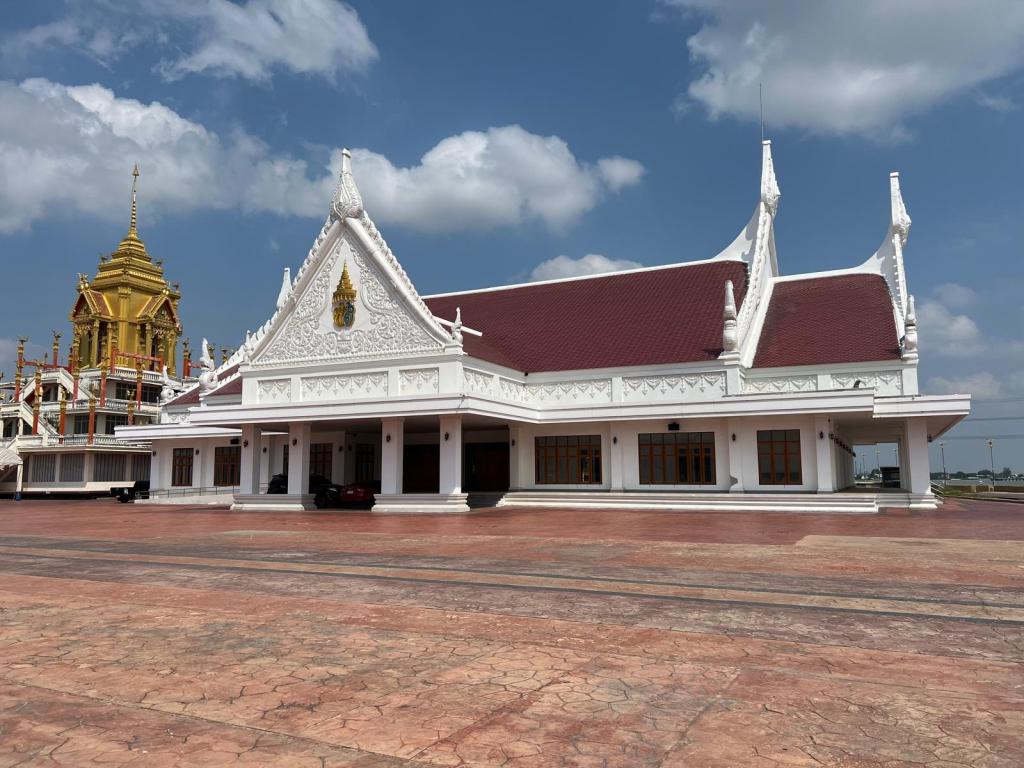
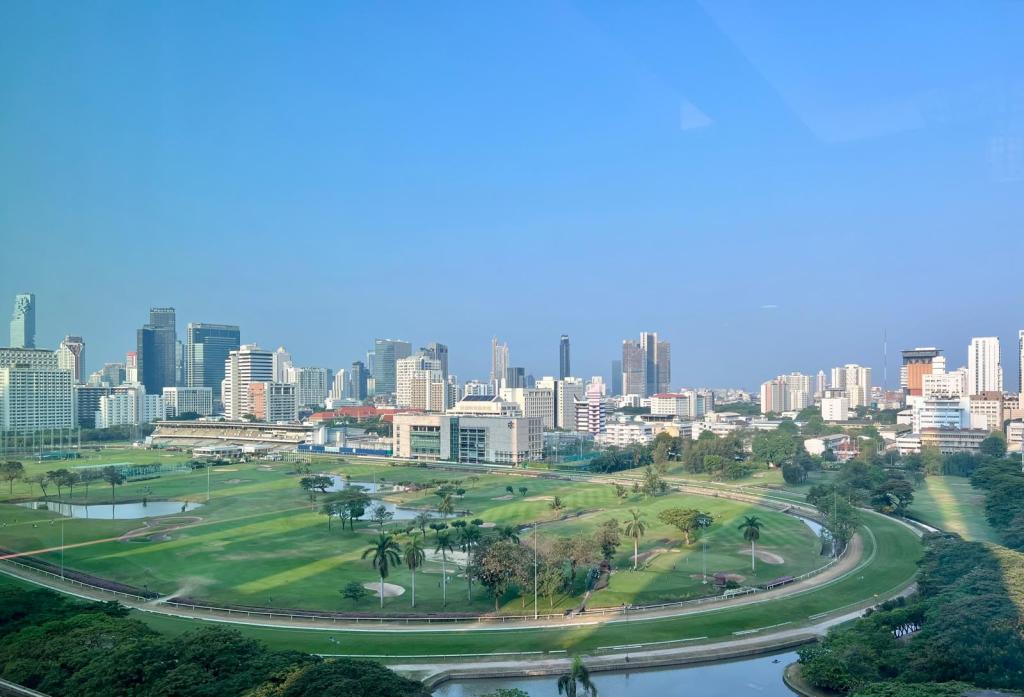
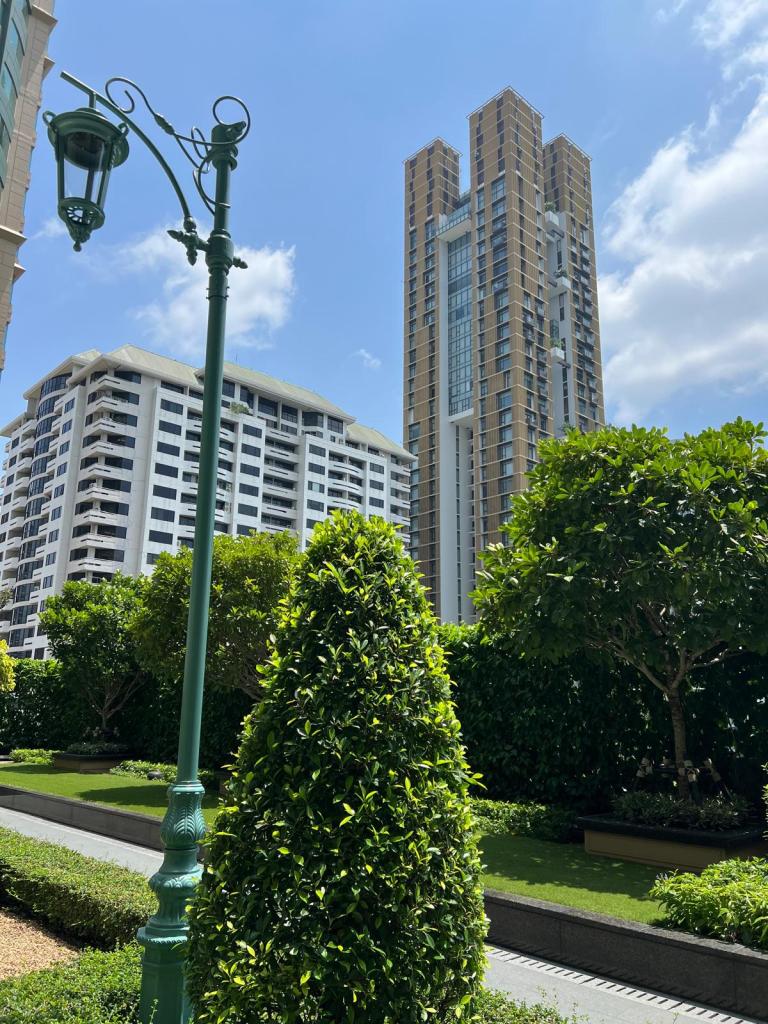
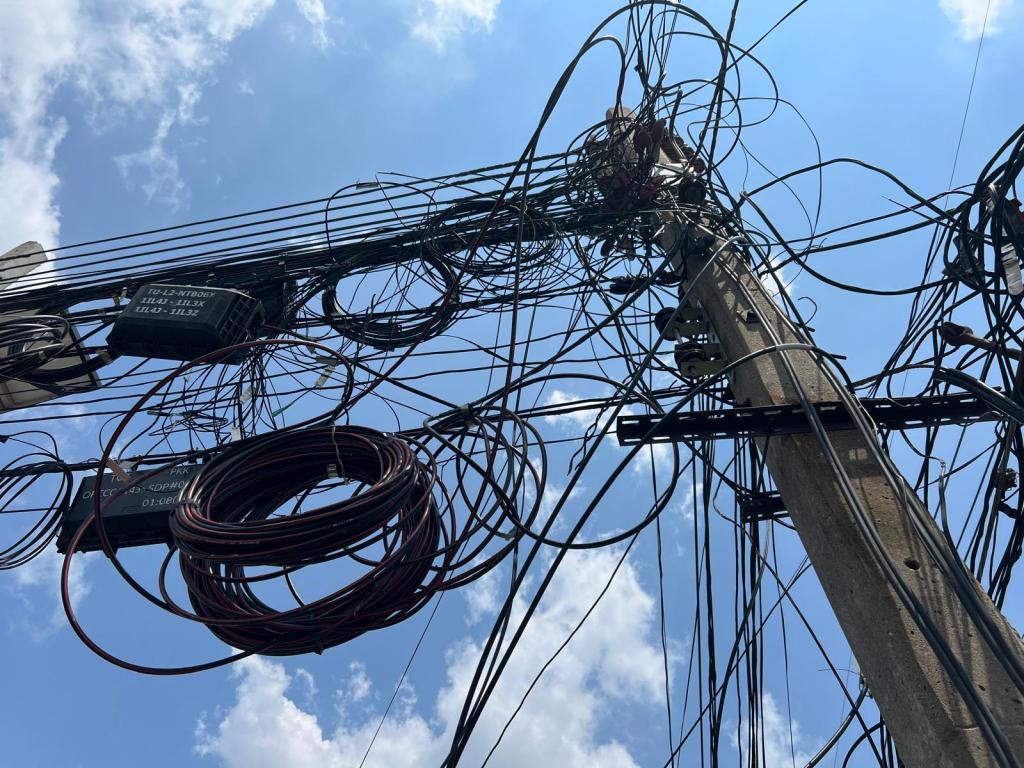
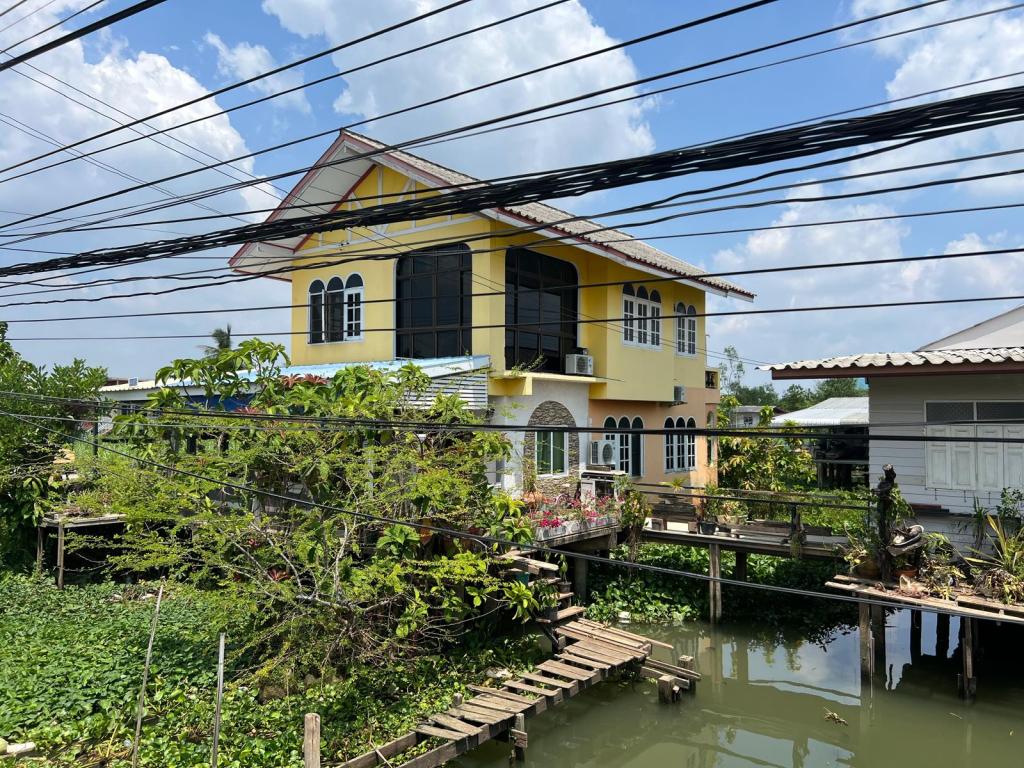
To understand Bangkok, one needs to spend time on the Chao Phraya River, where life in many ways is as it has been for centuries.
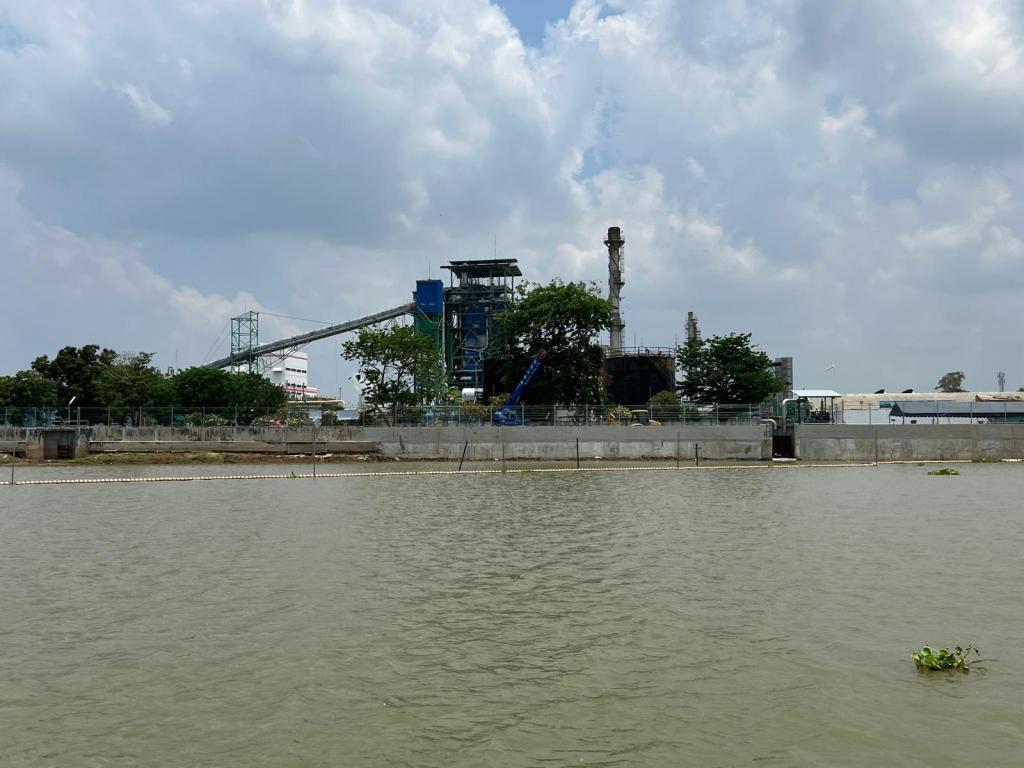
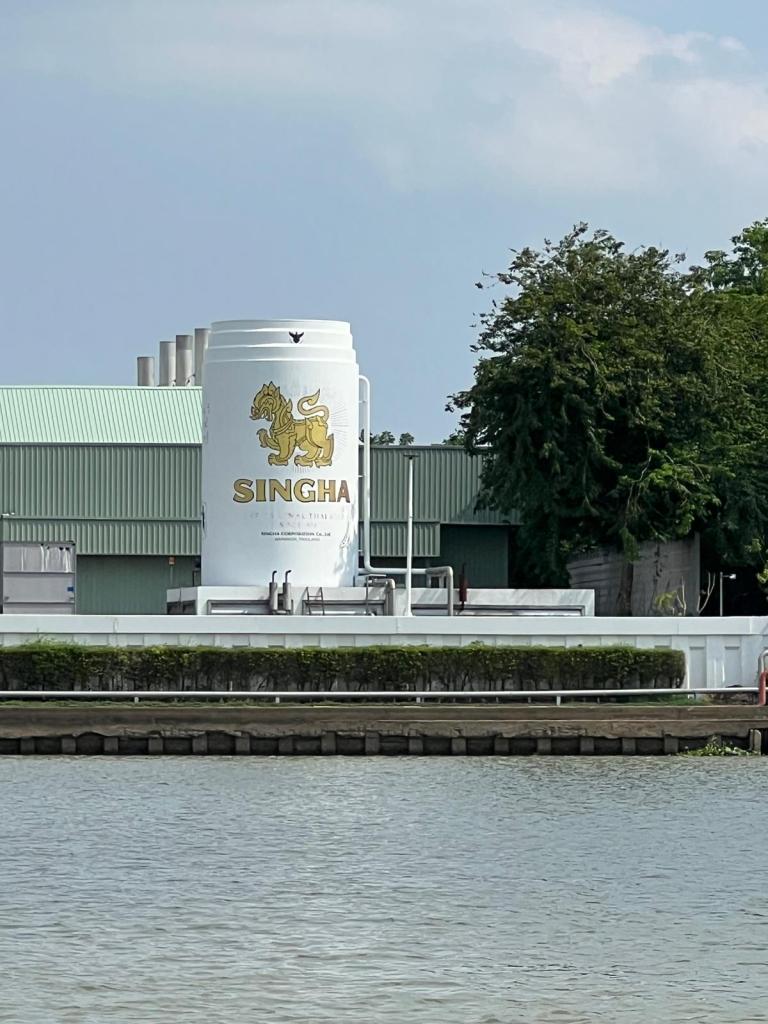
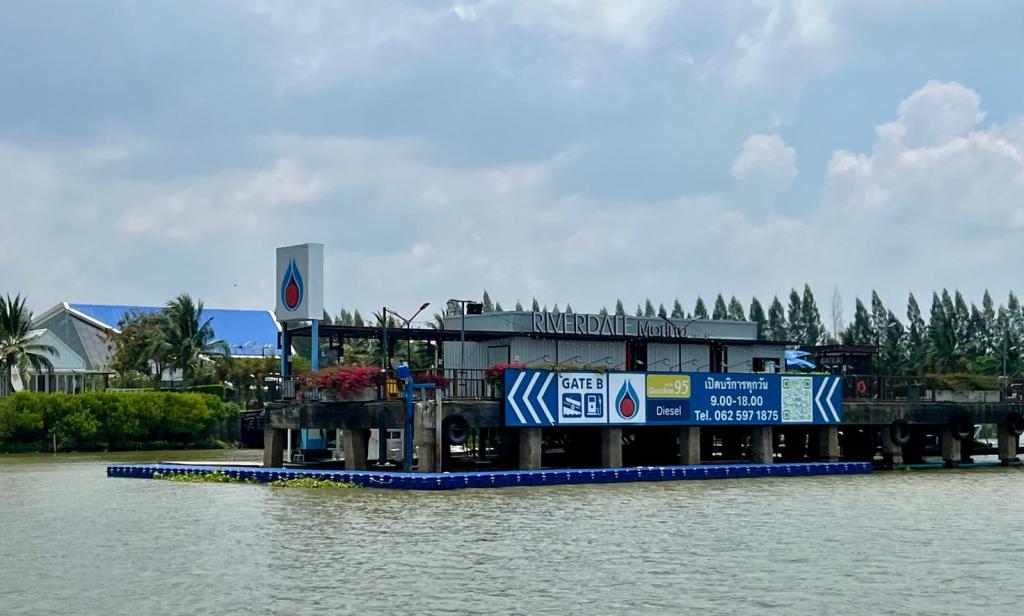
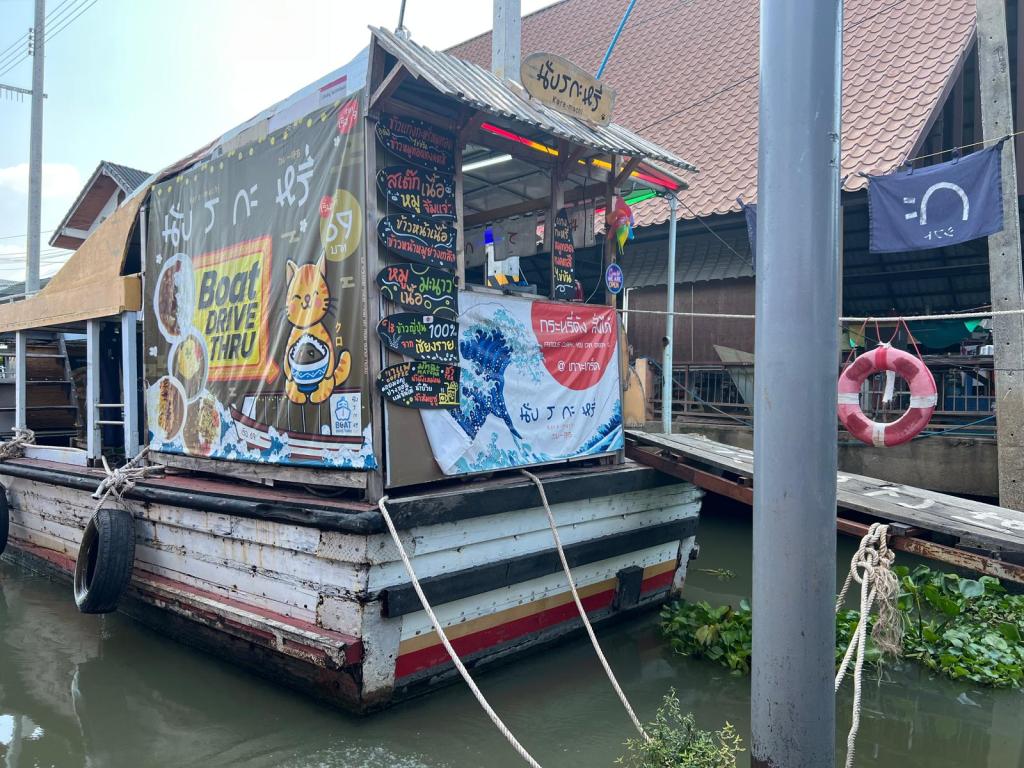
Original houses sit cheek by jowl with industrial developments, modern mansions, and the ever-present wats (temples). People live on the water, grow food on the water, and fish. It’s a subsistence life, definitely not one of luxury, but by and large people are content to live in this way. On the river, enough is enough.
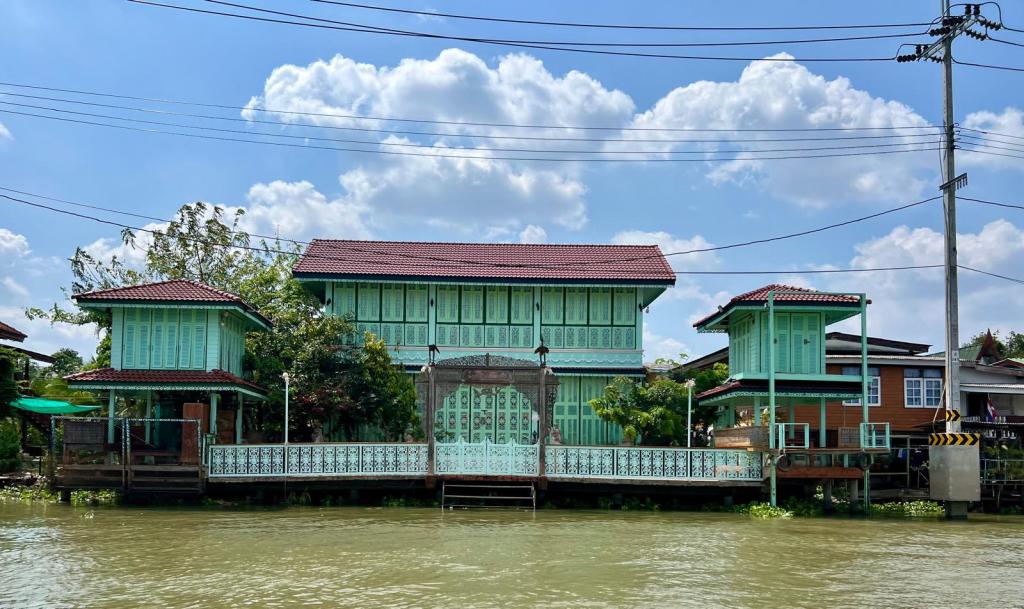
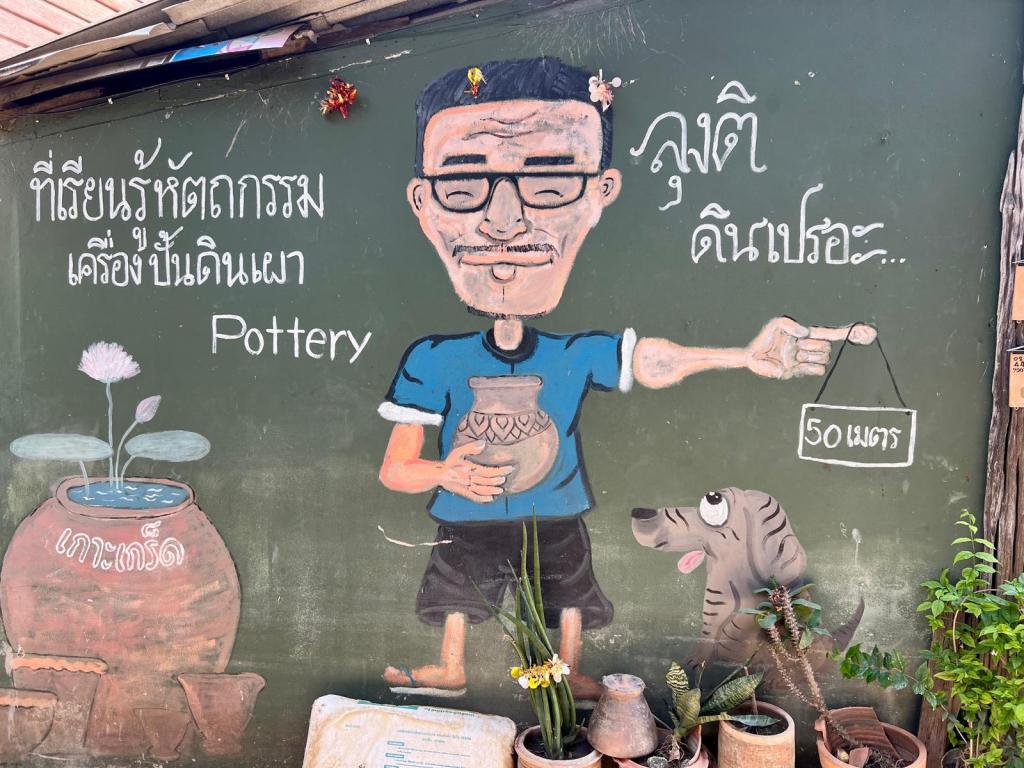
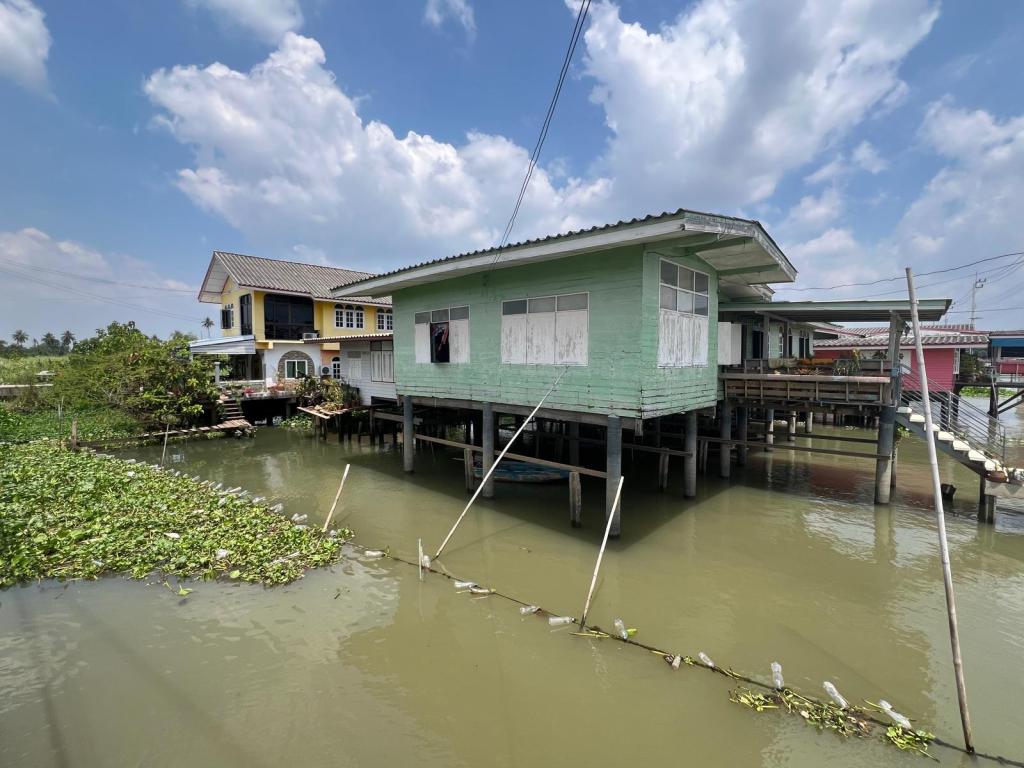
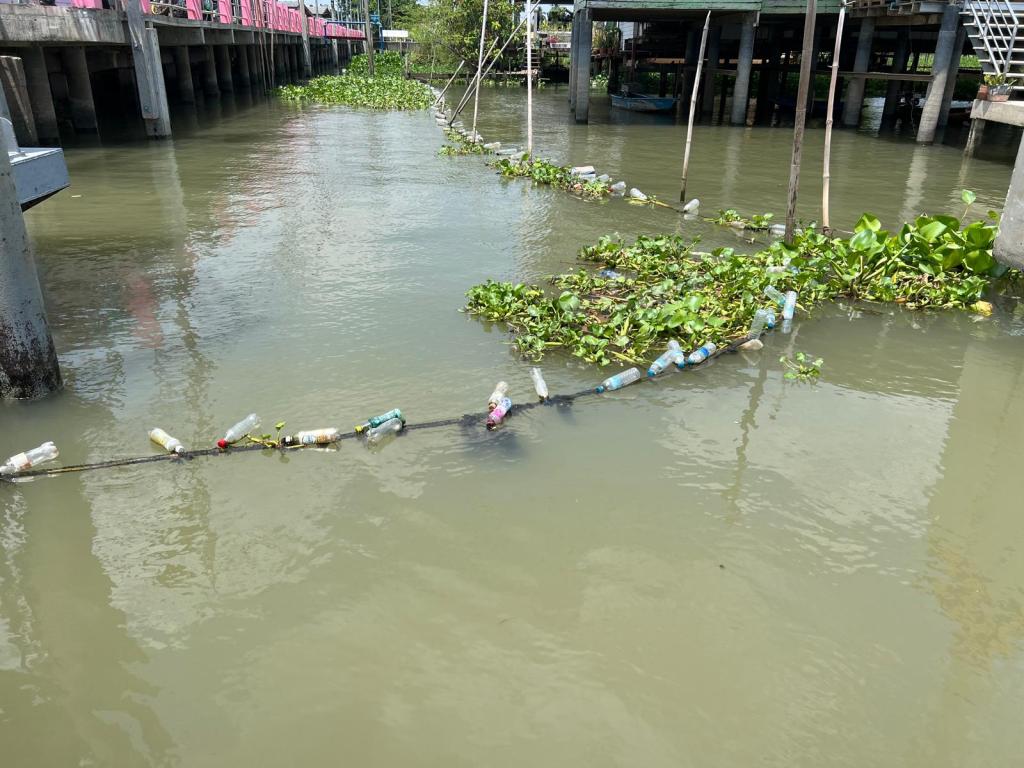
What I’ve always found really interesting is how people garden on the river. From fruit and vegetables to flowers, the tiniest plot is bursting with pots.
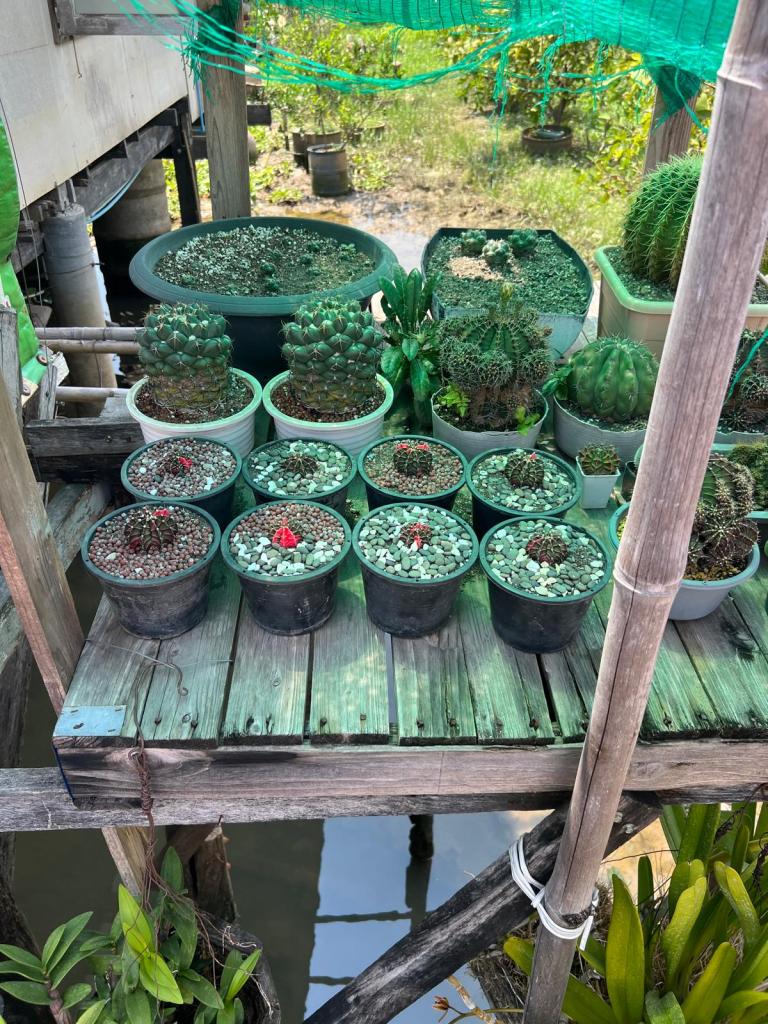
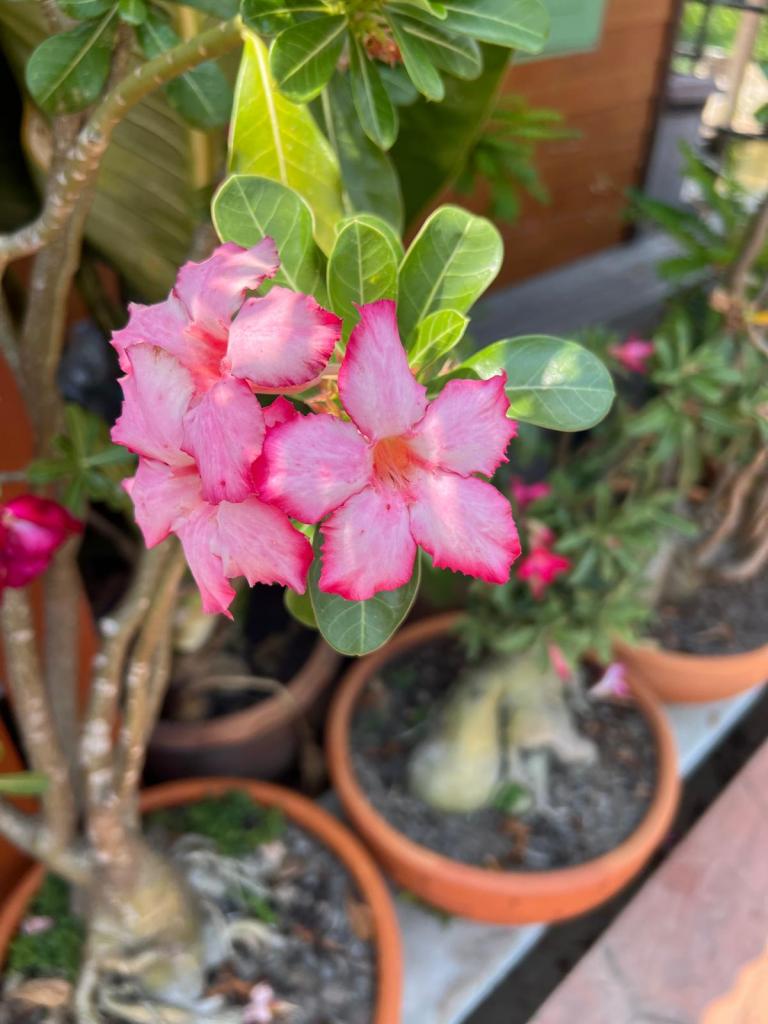
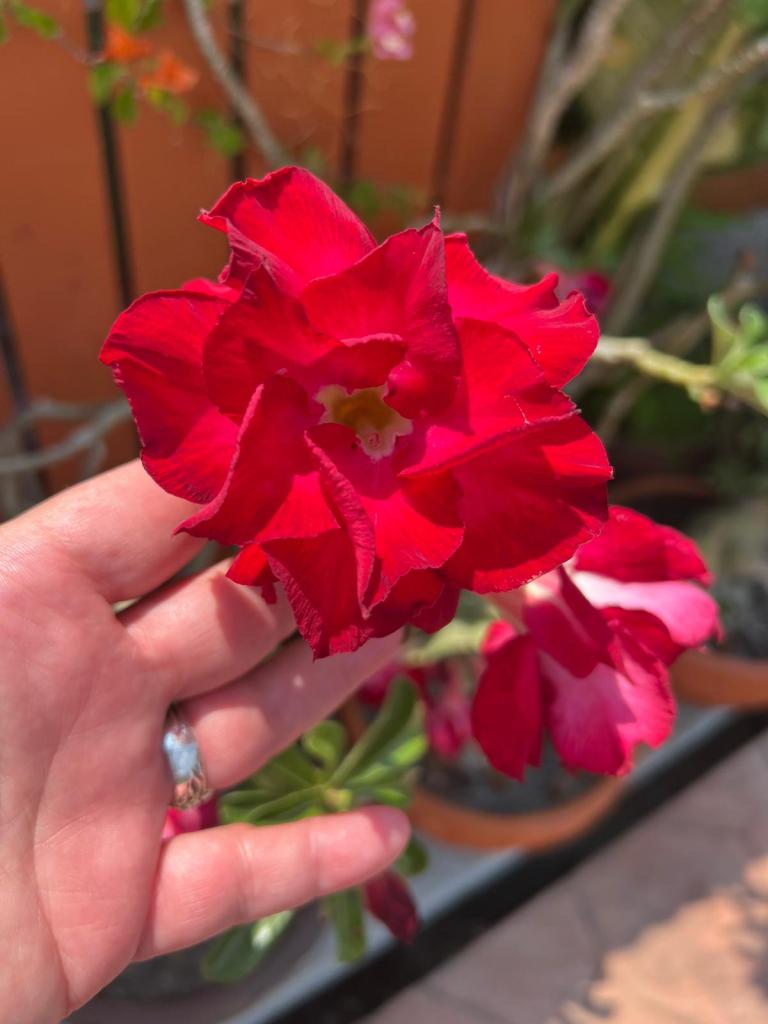
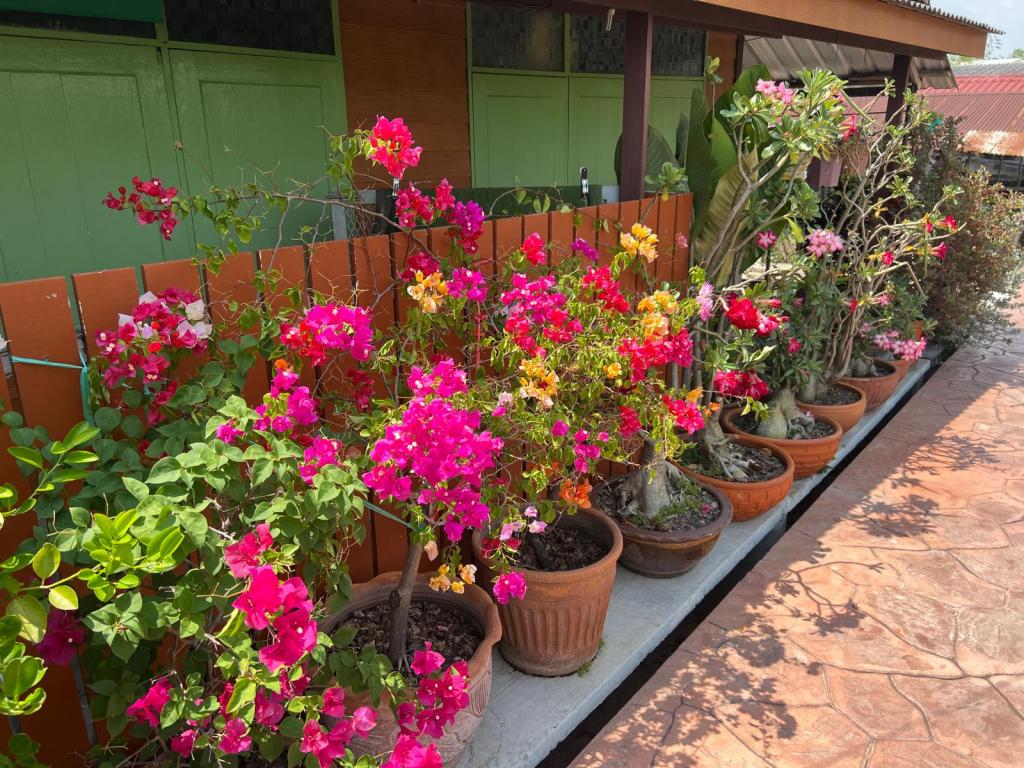
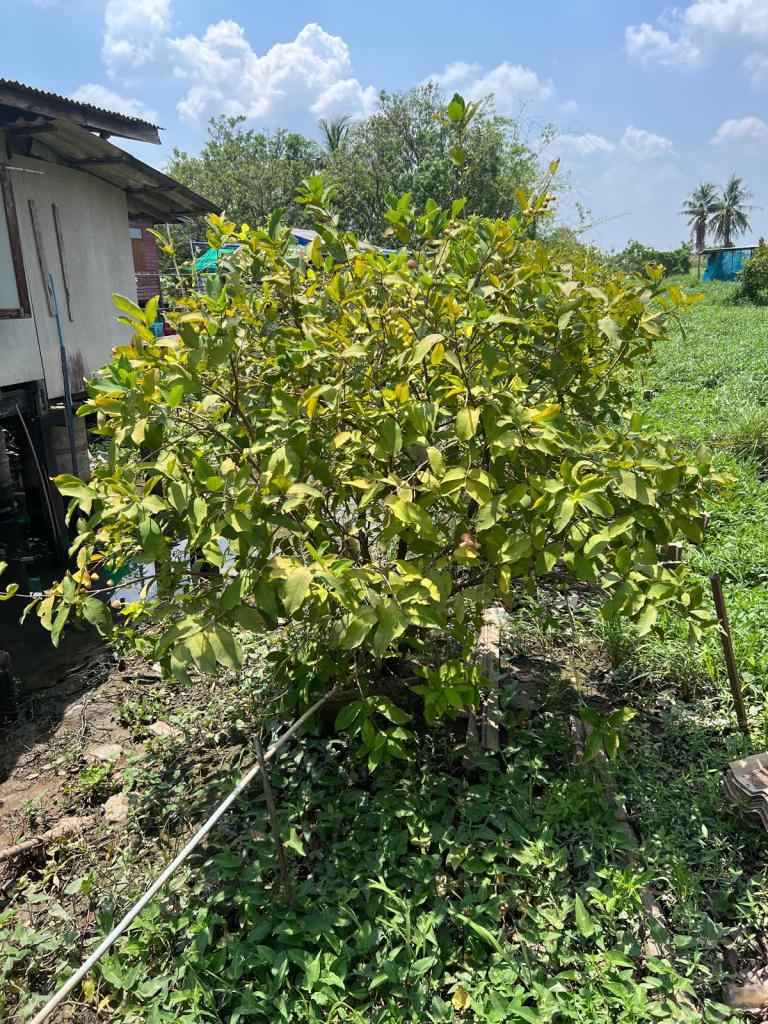
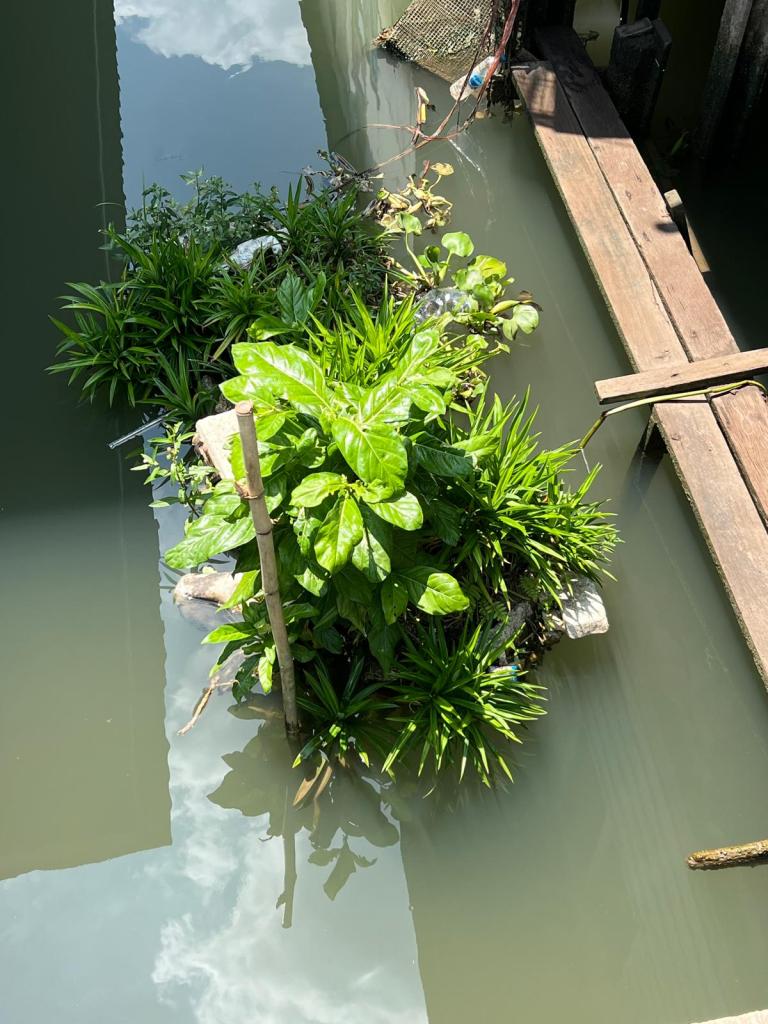
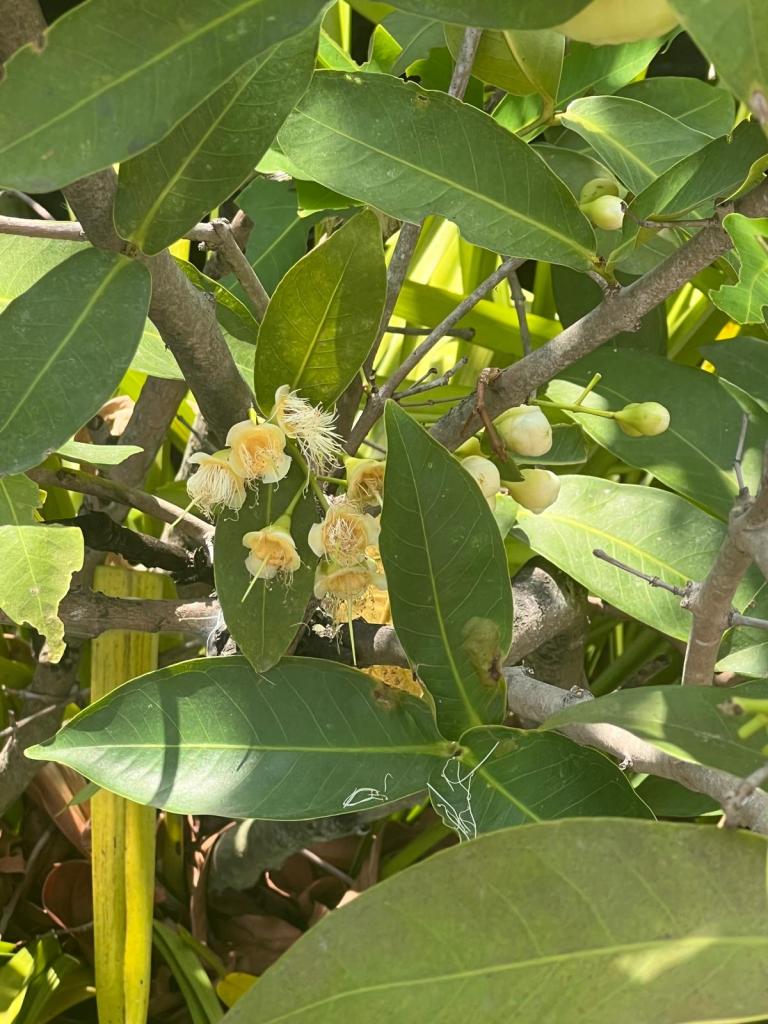
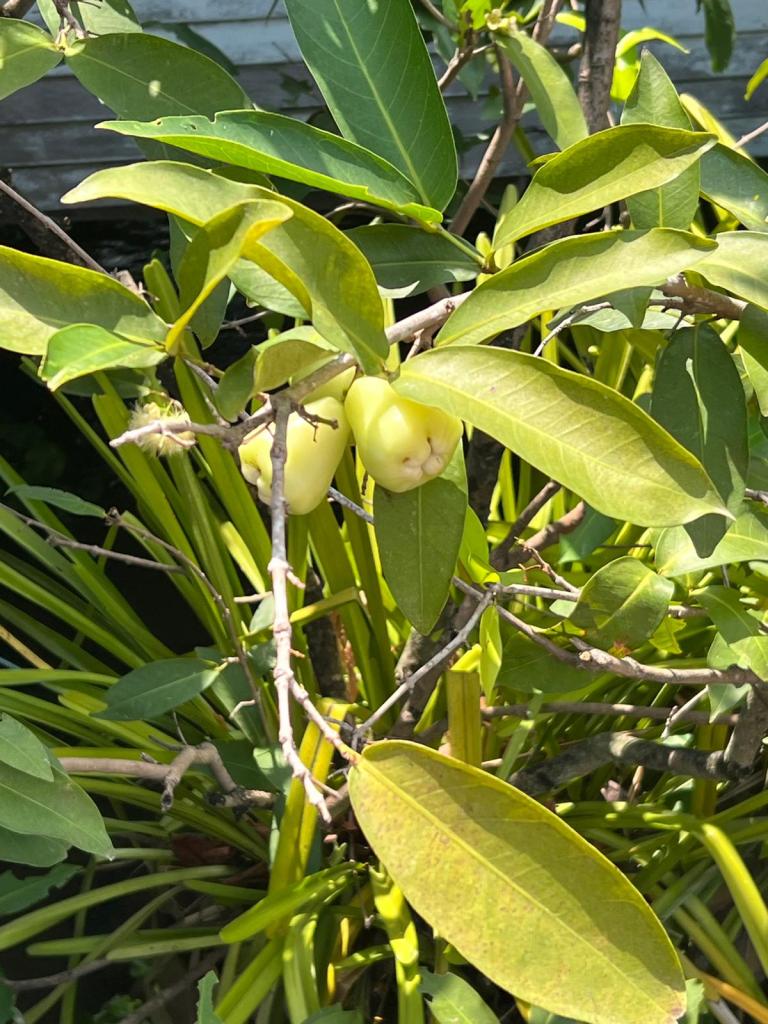
The river is still used to ferry construction material and other heavy goods that would otherwise clog the already crowded roads. Barges doing the heavy lifting (or pulling!) are a common sight up and down the Chao Phraya.
It was interesting – and encouraging – to see many homes being restored, and stunning new places being built.
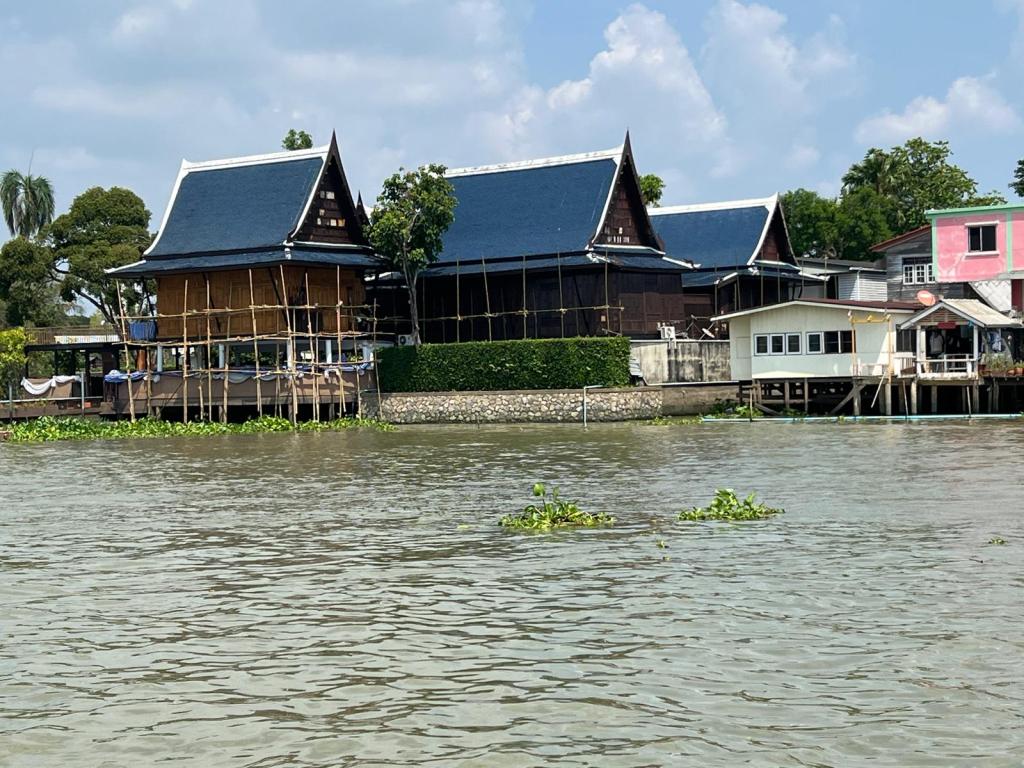
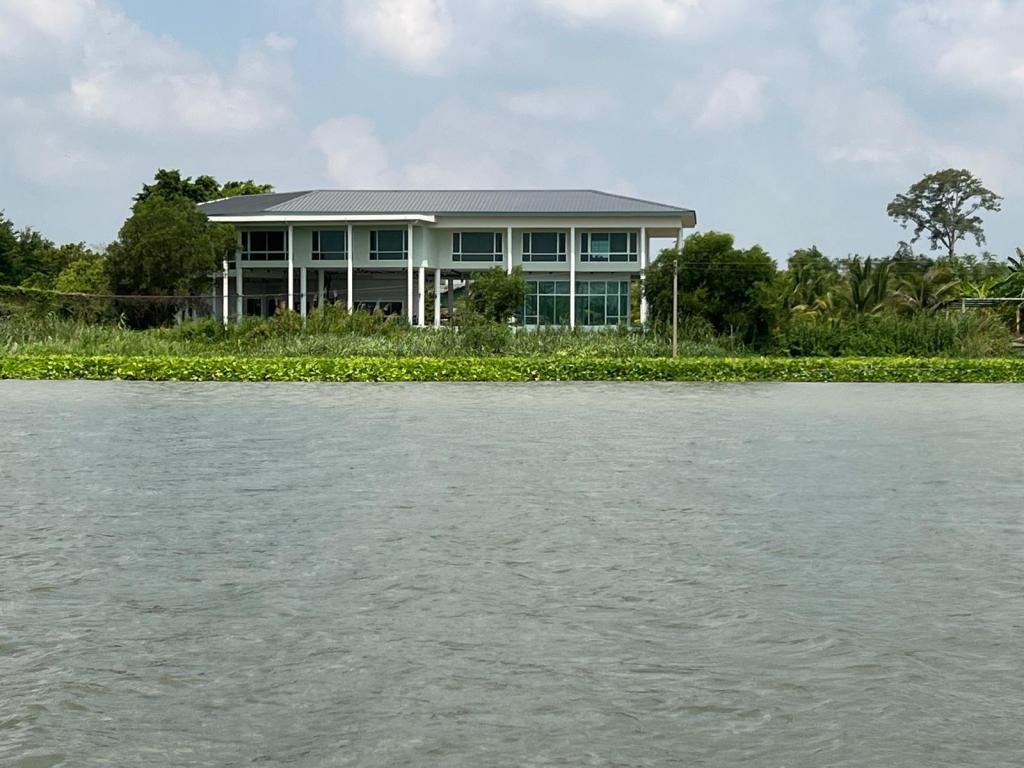
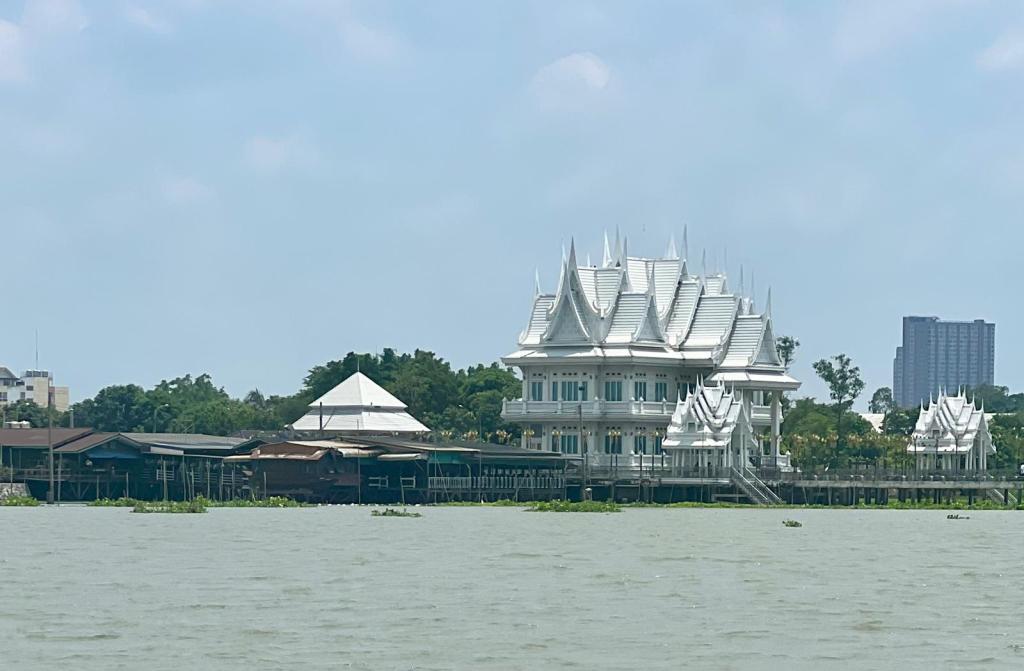
Bangkok has clearly recovered from COVID. The city is thriving, and there’s an air of optimism about this megalopolis of 11 million people.
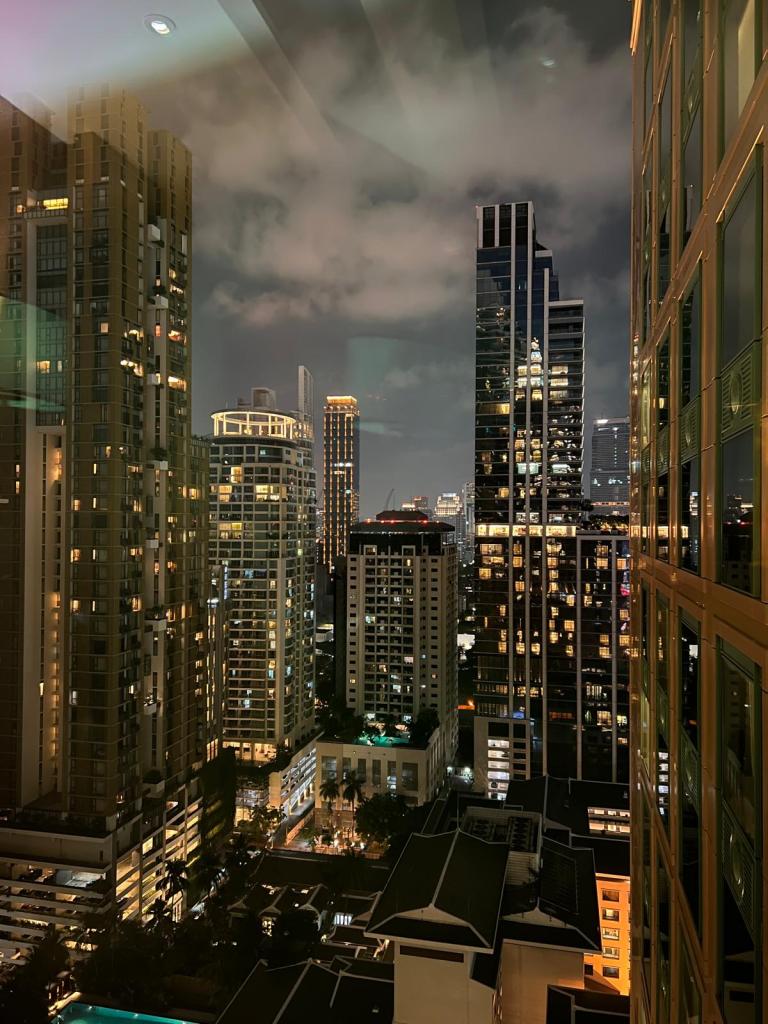
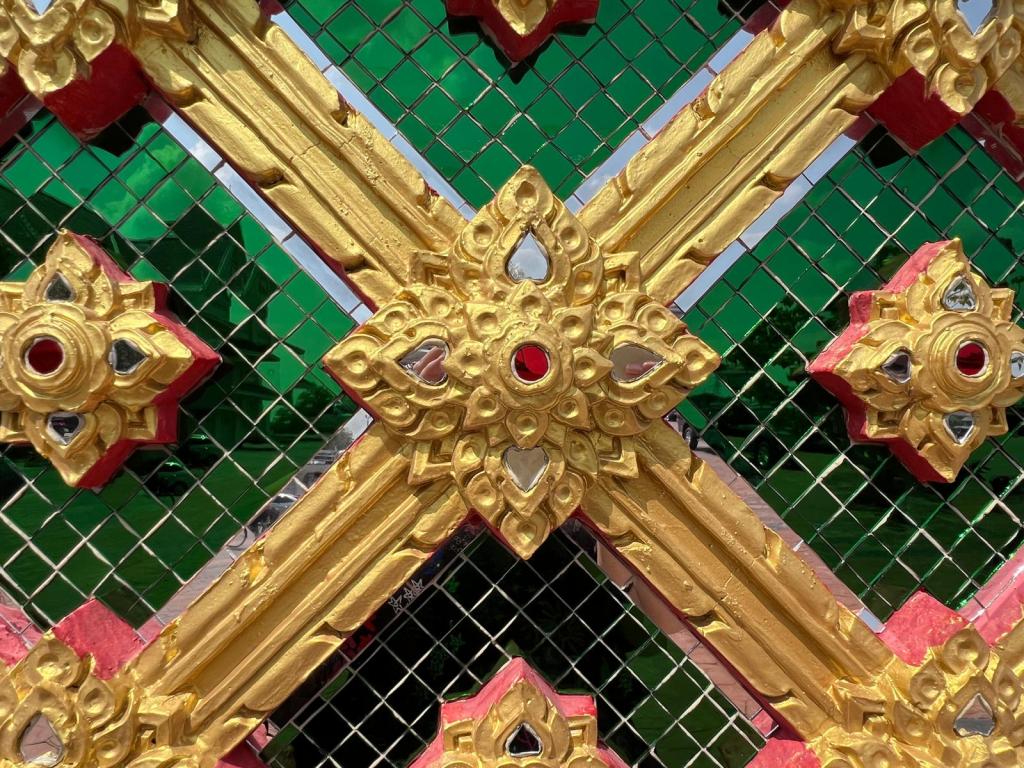
Religion permeates every facet of Thai life, and Bangkok is no exception. There are wats everywhere – in the city, in the suburbs, and along the Chao Phraya. Wedged in between houses, occupying prime real estate, you’ll find a wat – from the simplest to the most ornate. And it’s not just Thai Buddhist temples either, there are also Chinese temples, mosques, Hindu temples, and churches.
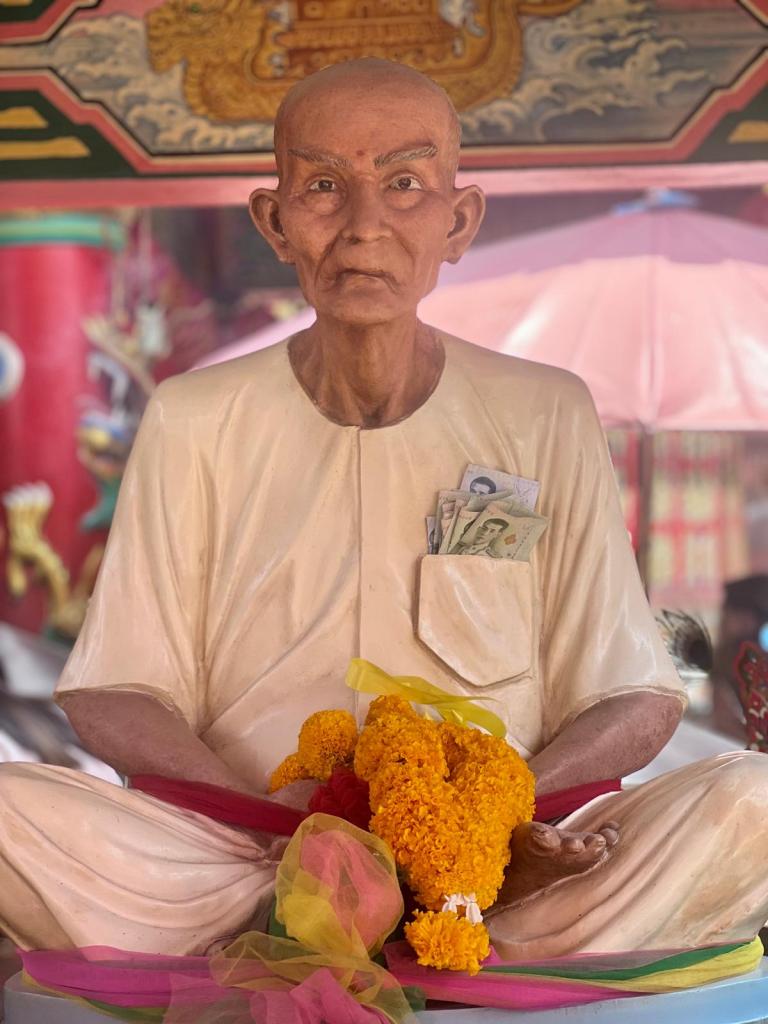
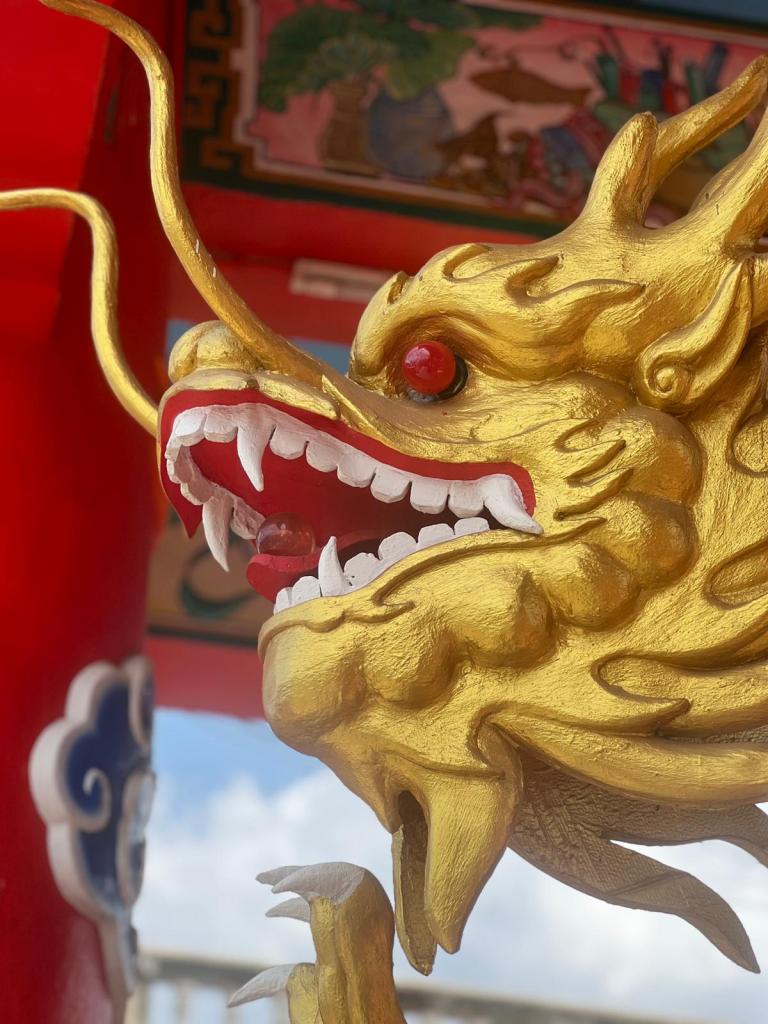
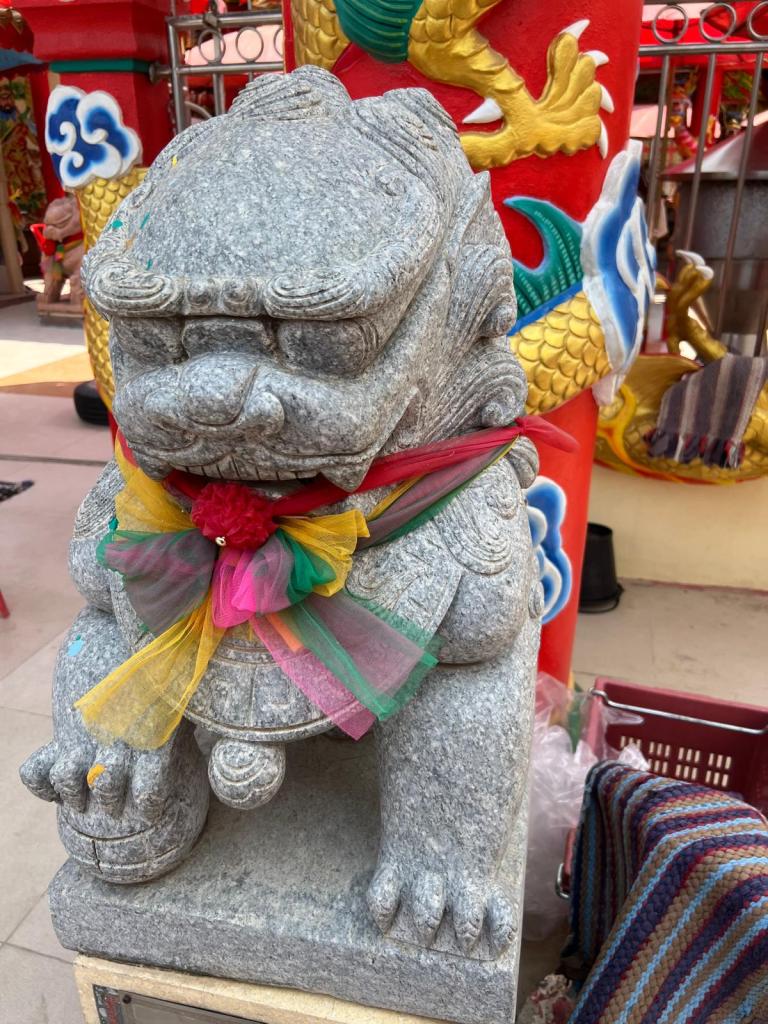
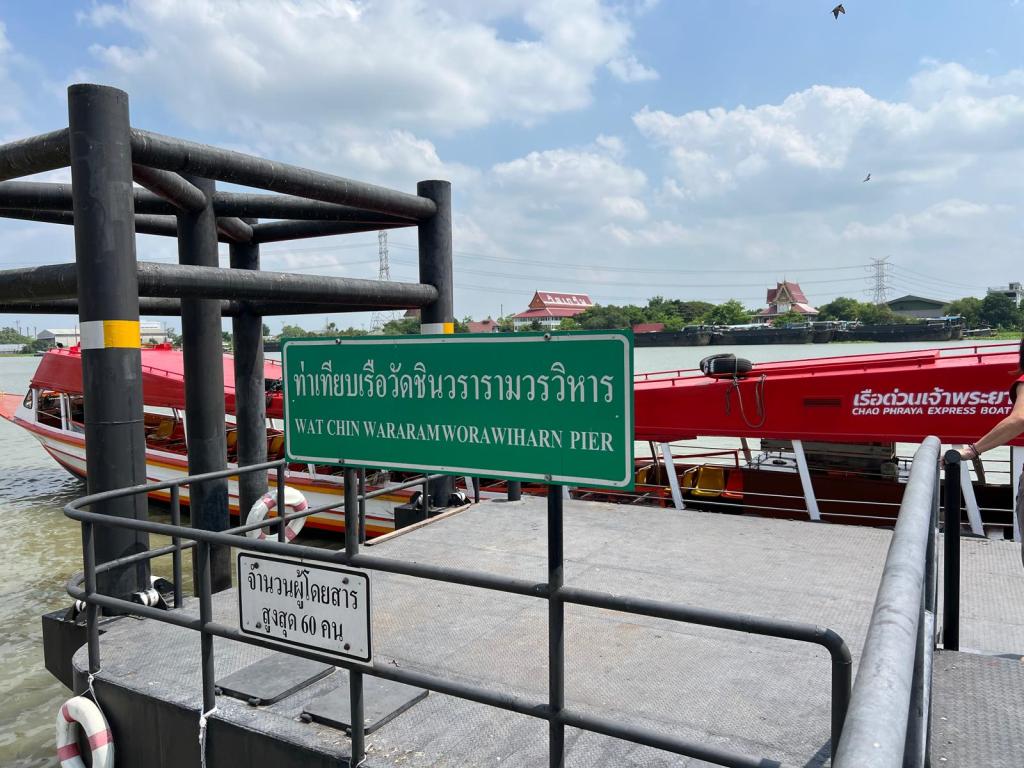
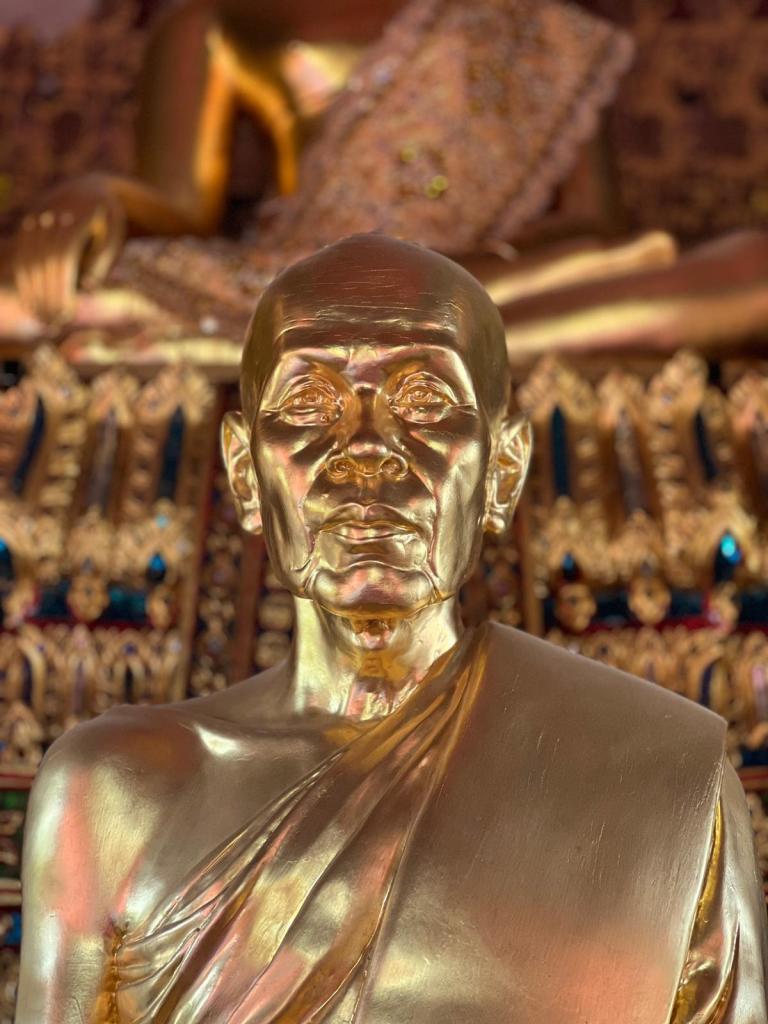
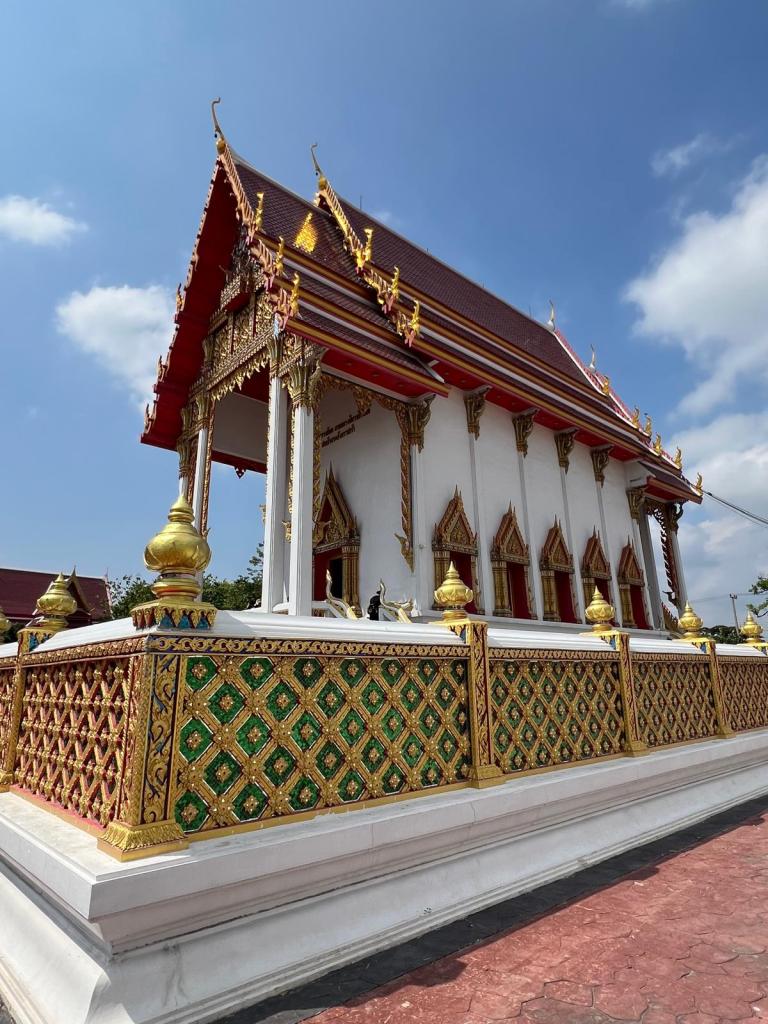
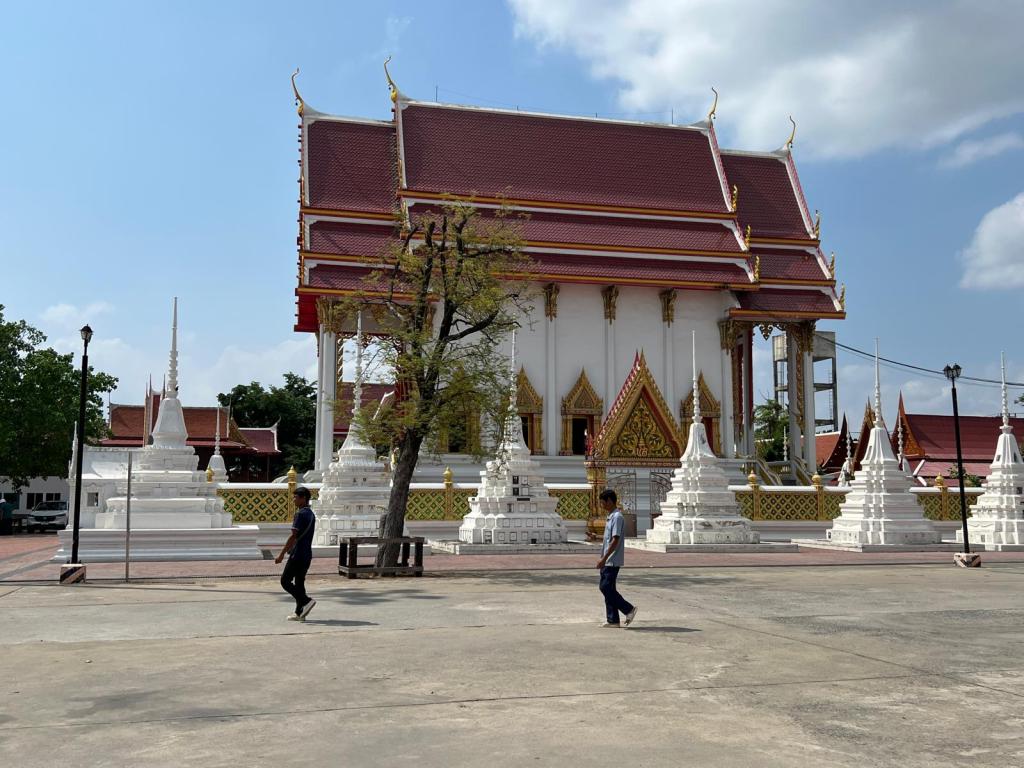
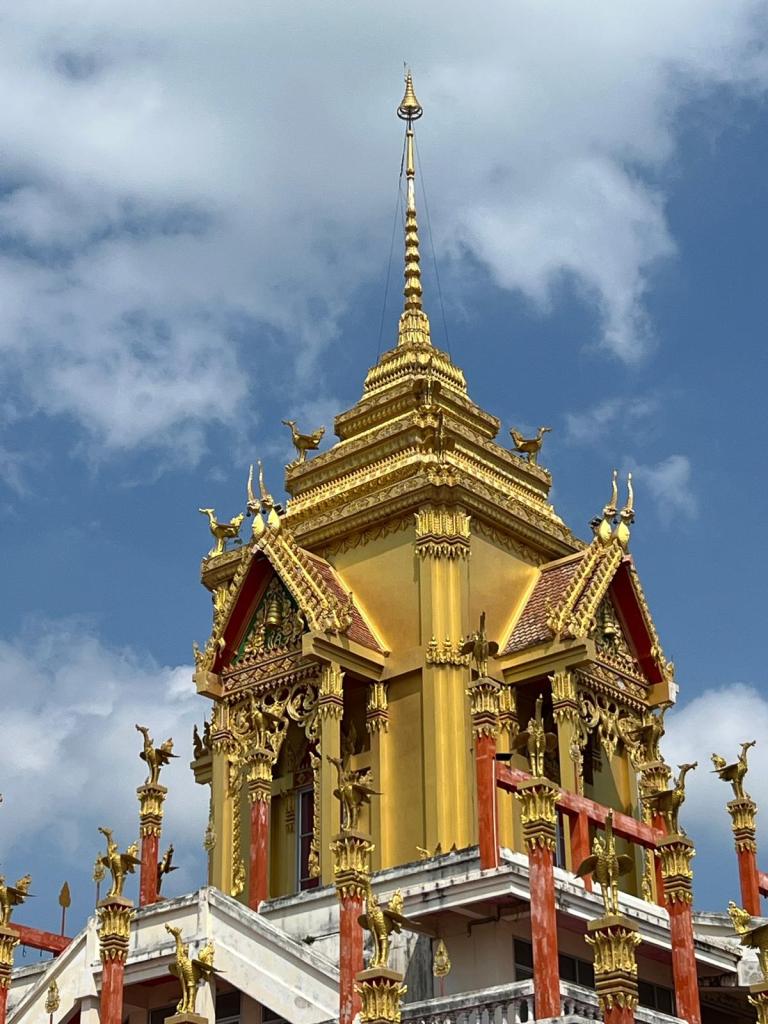
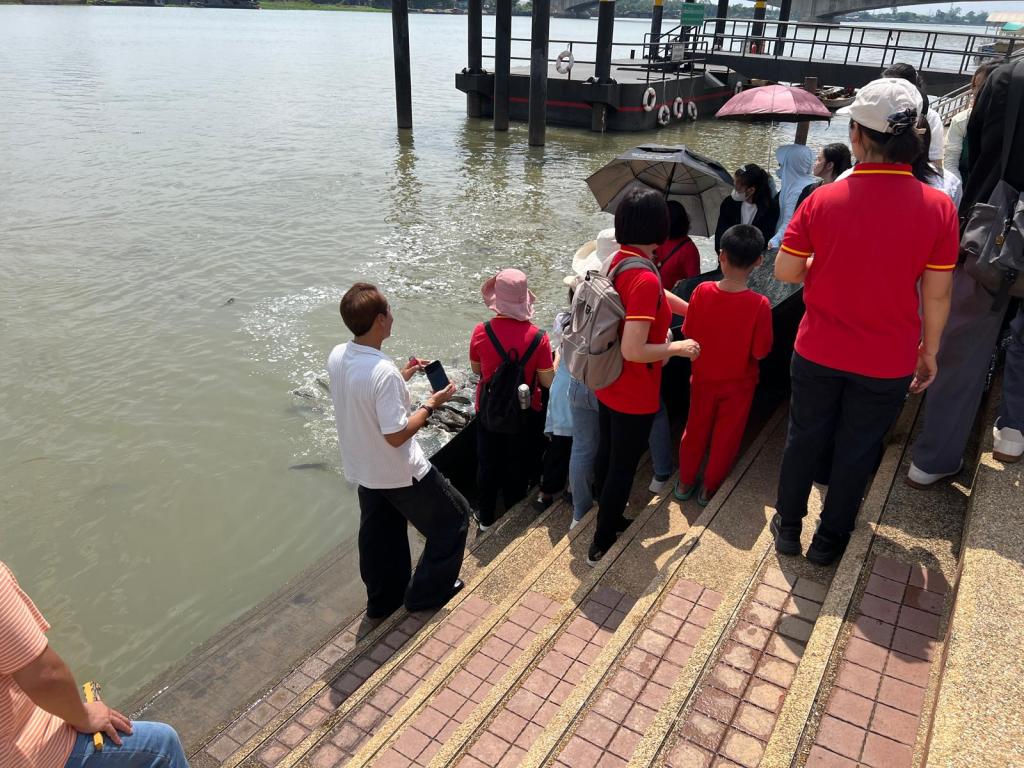
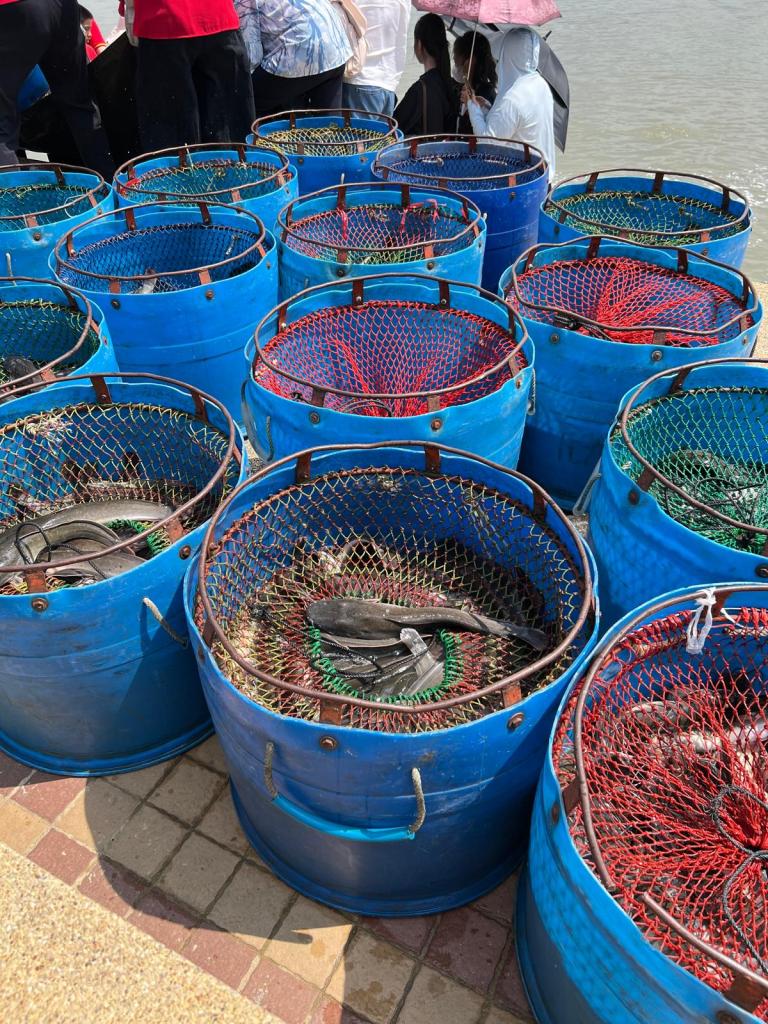
At Wat Chin Wararamworawiharn we were fortunate to see a good karma ceremony being performed – fish being released into the Chao Phraya.
One of the things that makes Bangkok so entrancing is its food. And, man, it’s everywhere! From street stalls and markets, to super high-end restaurants – there’s literally something to satisfy every taste.
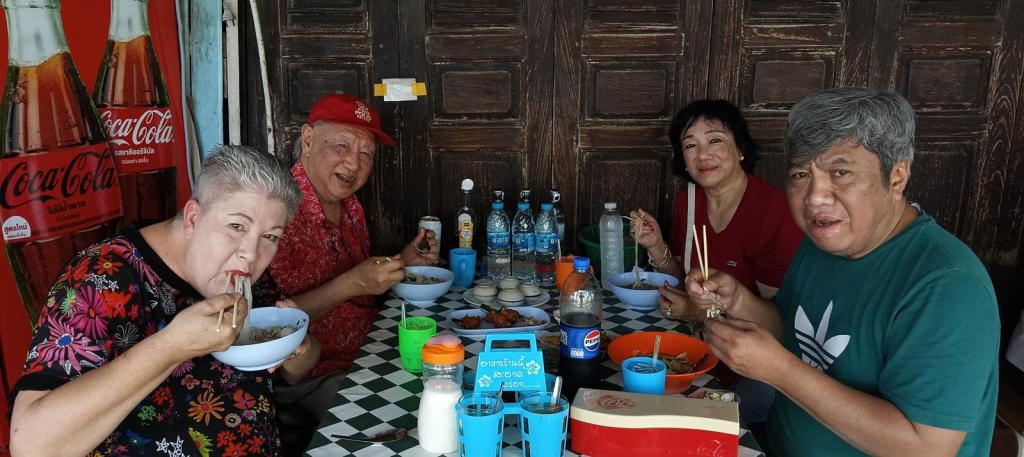
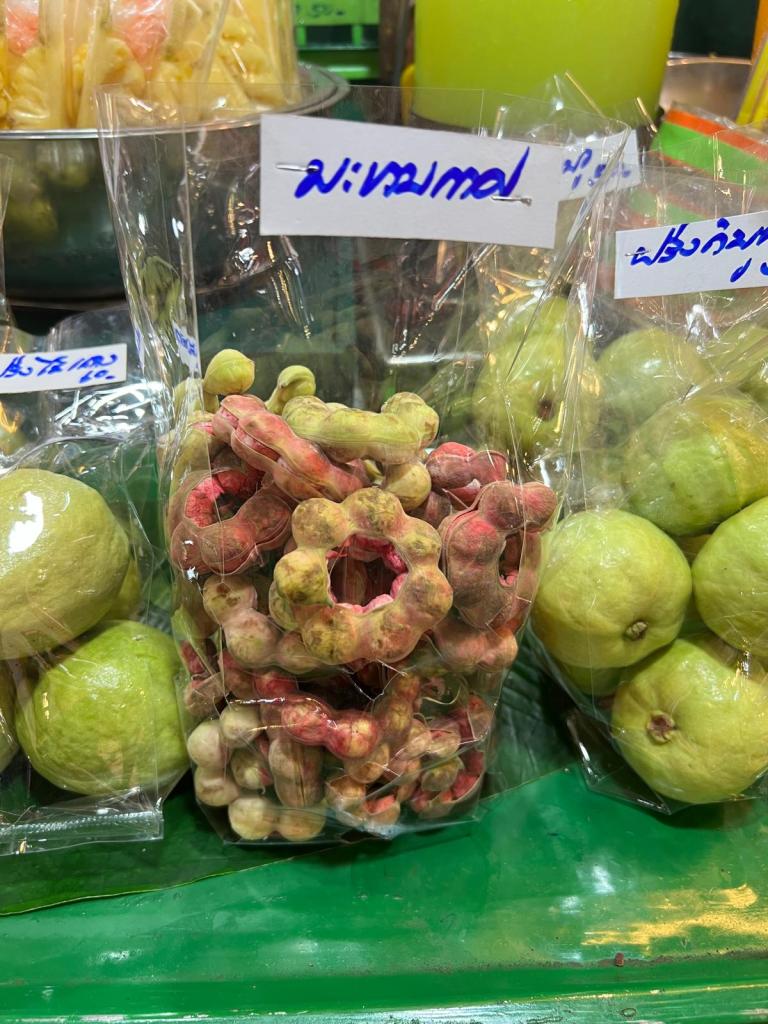
Market food is cheap as chips, fresh, and so tasty. From ready-made to fresh produce, the range is extraordinary.
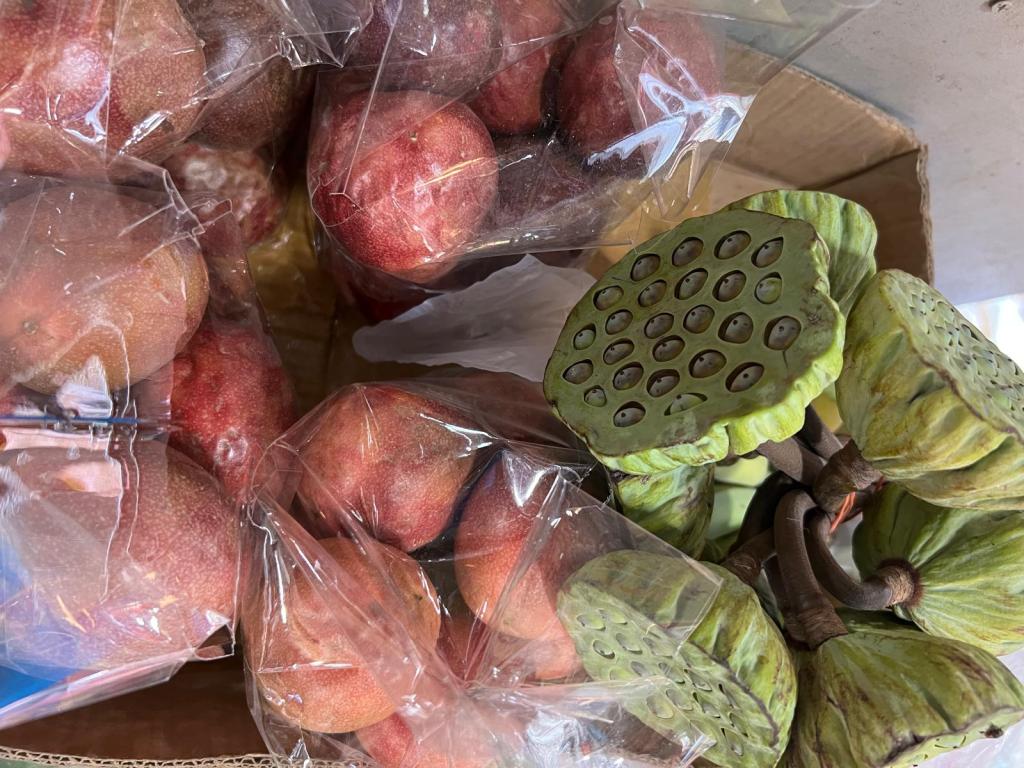
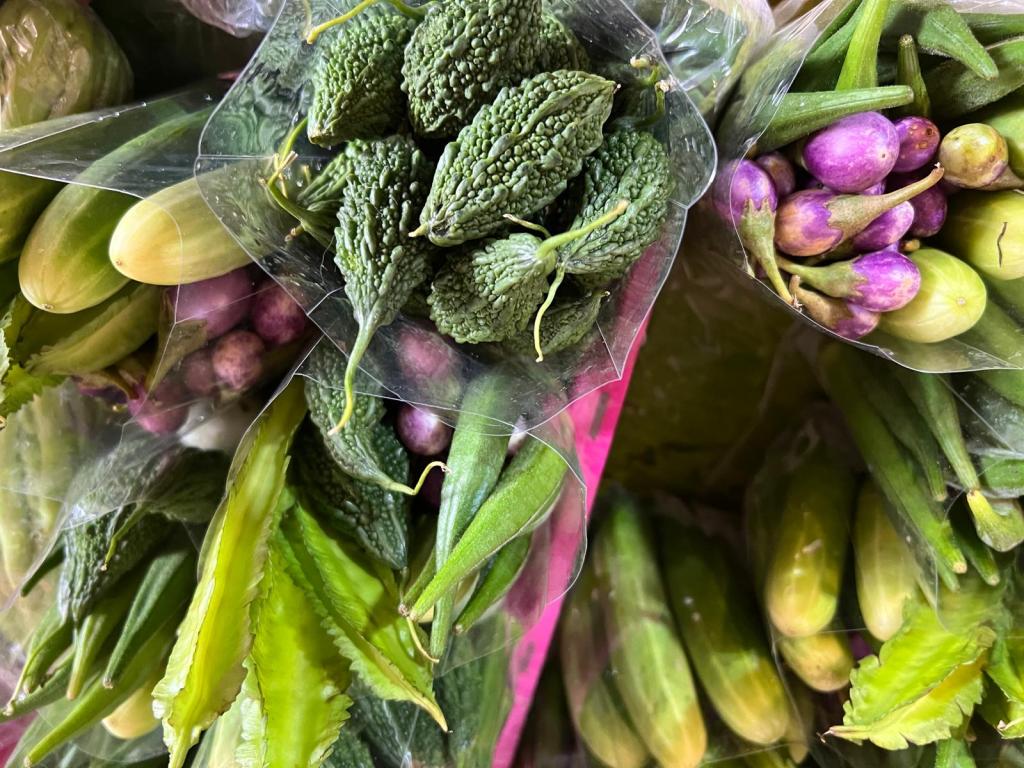
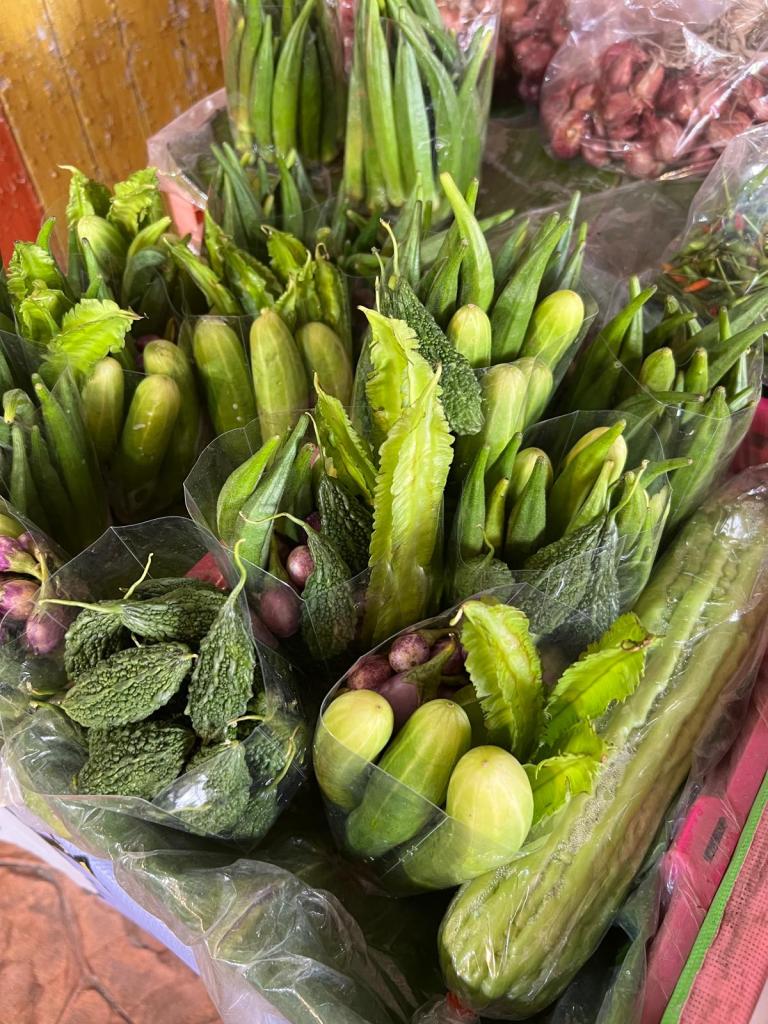
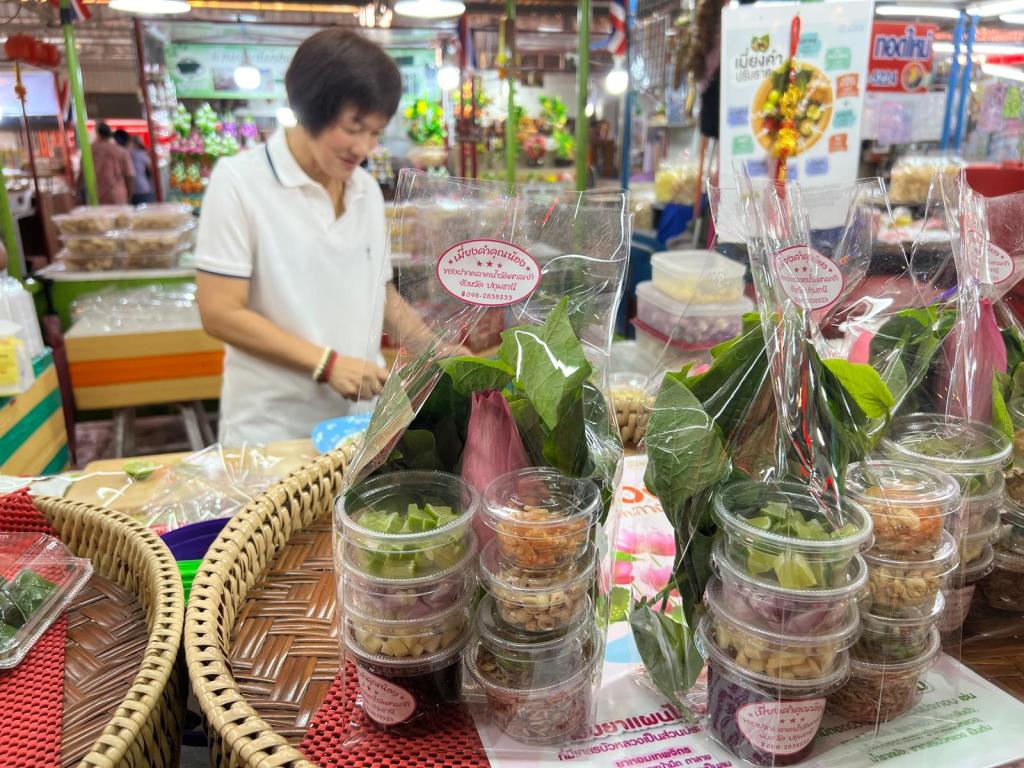
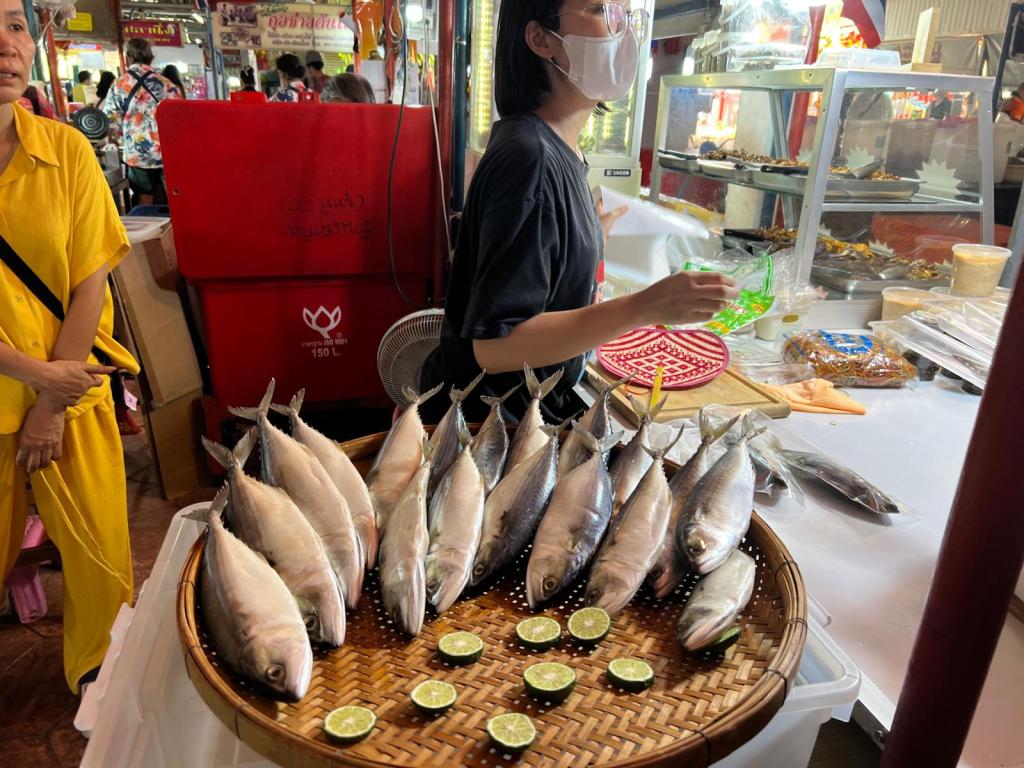
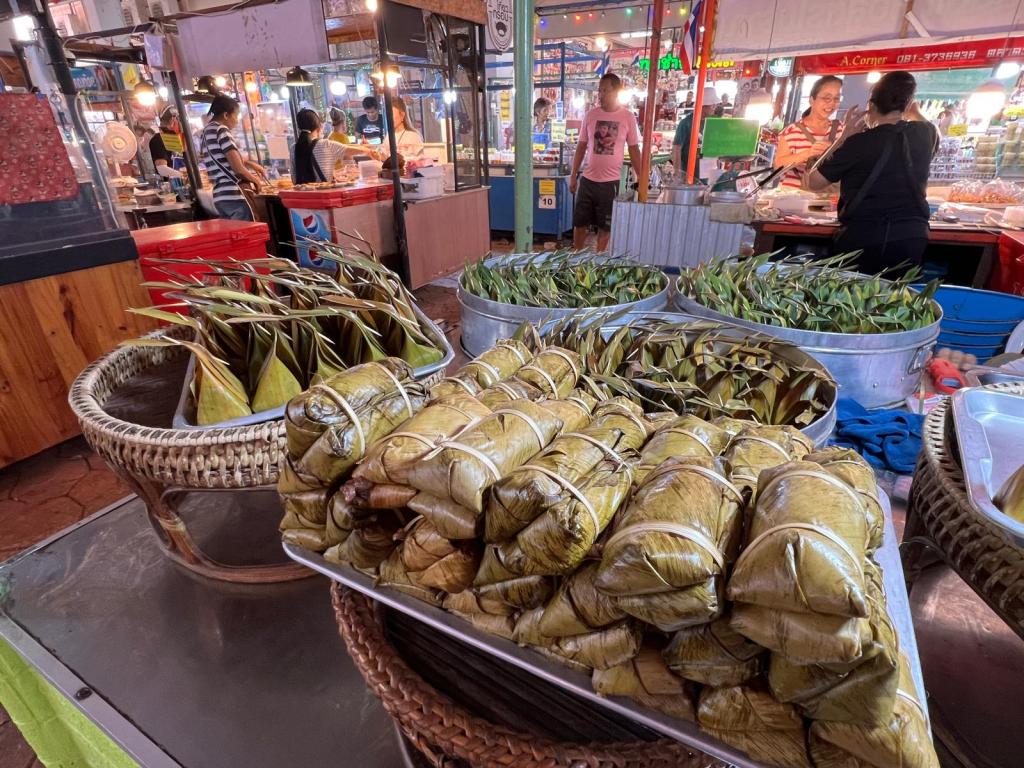
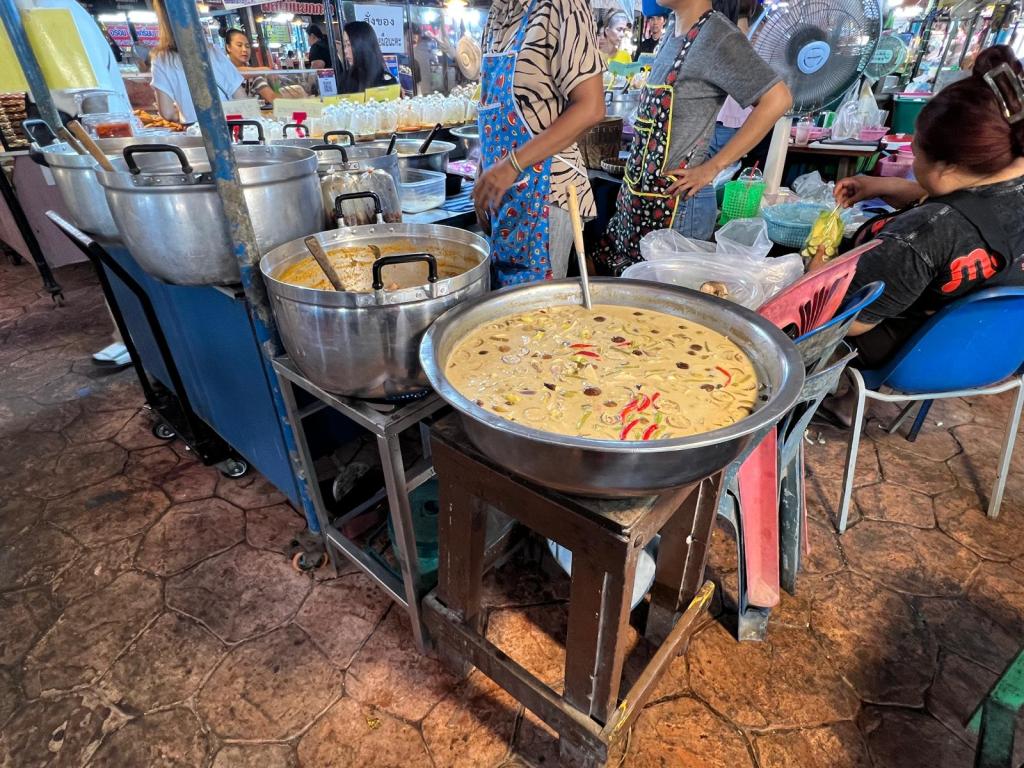
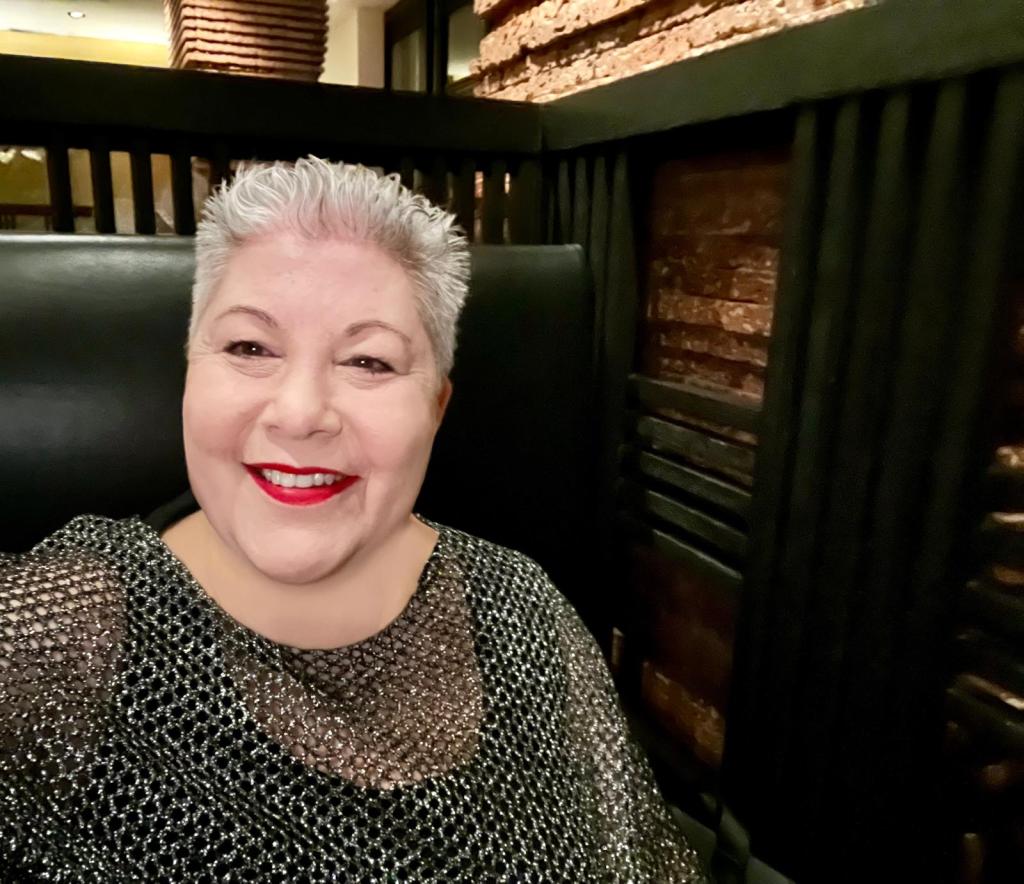
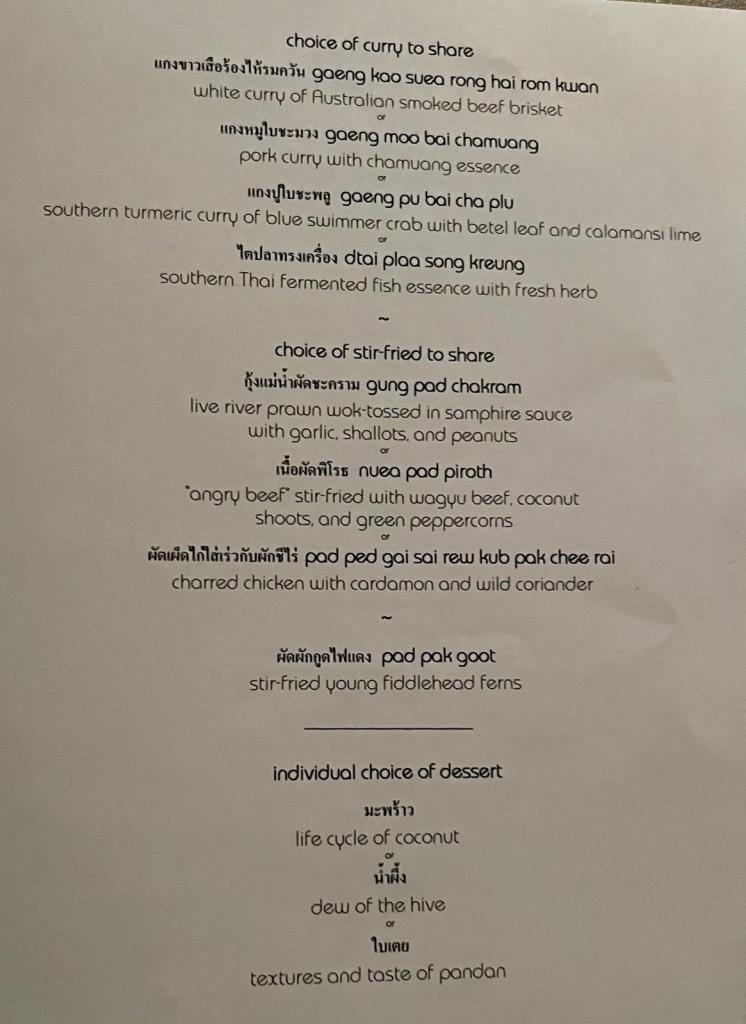
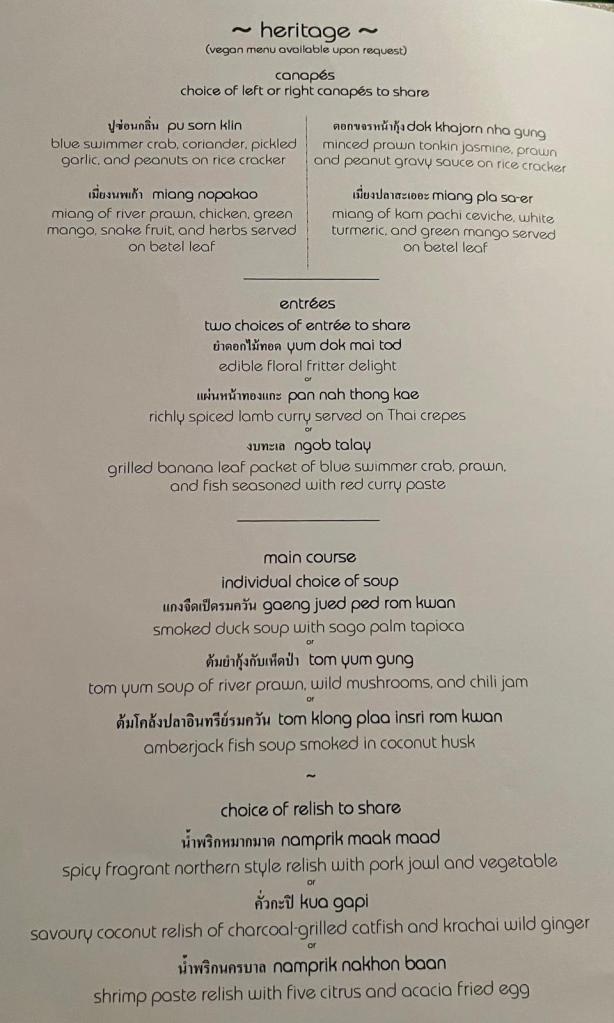
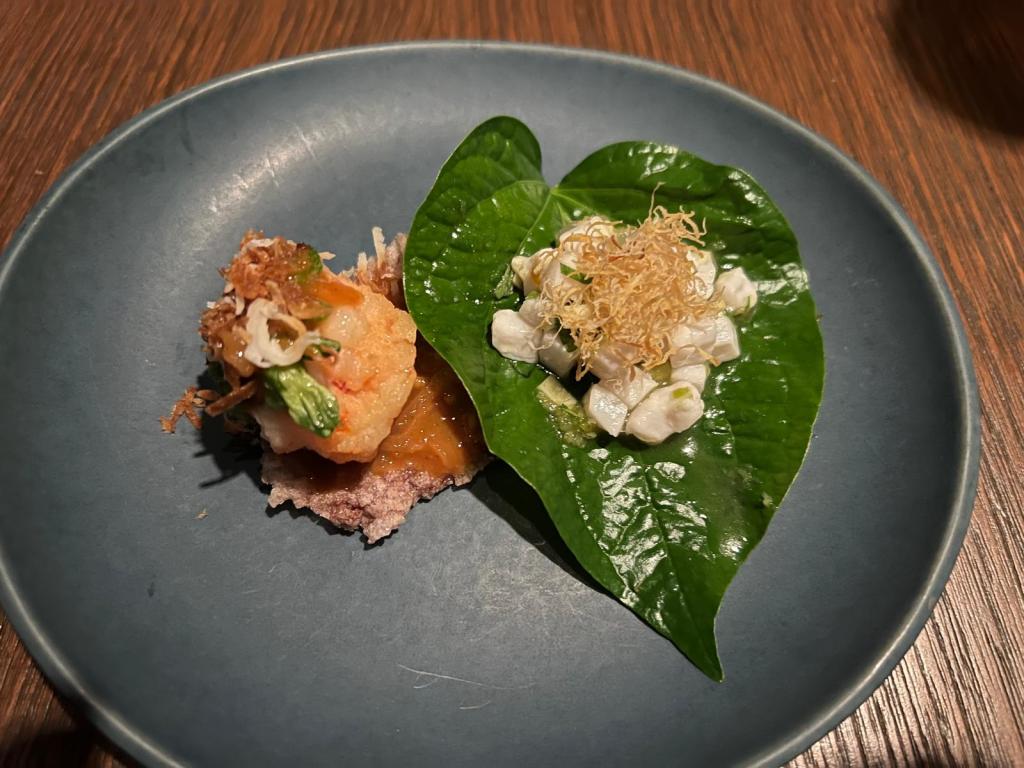
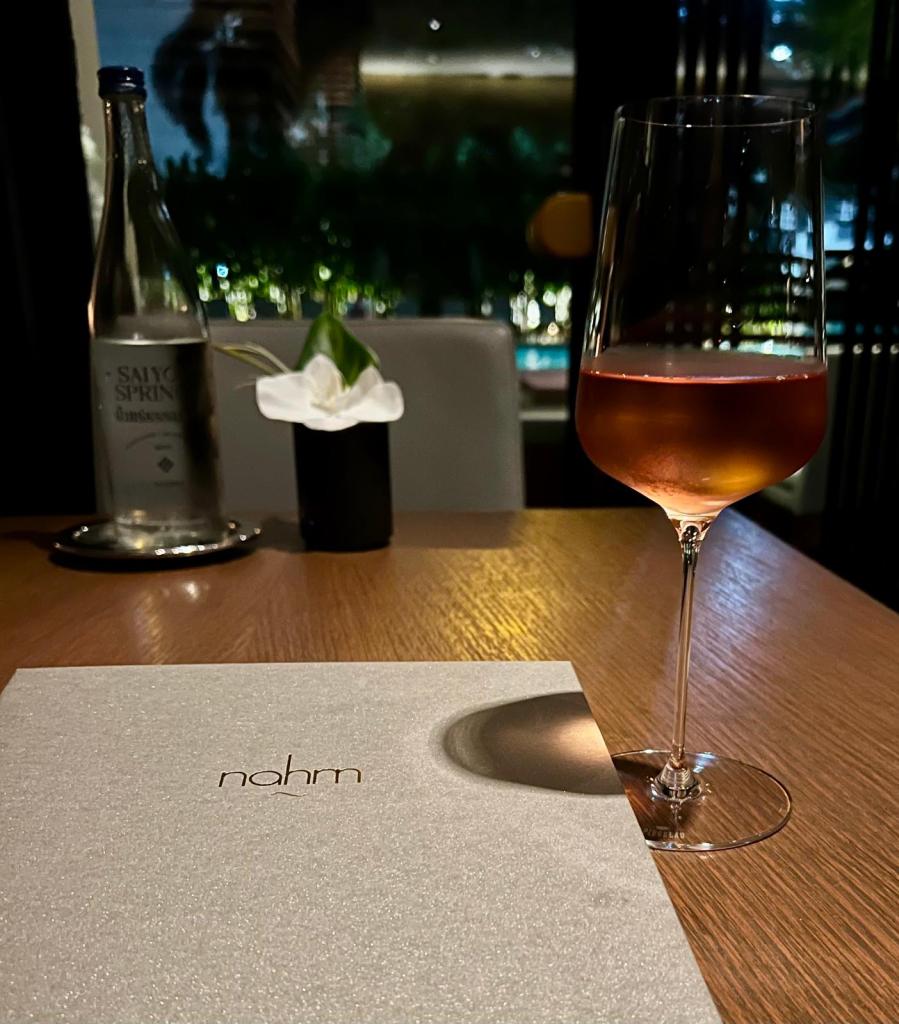
I had the great privilege of eating a very special meal at “Nahm”, the restaurant founded by Australian Thai chef extraordinaire, David Thompson. David has since moved on to a less refined, Thai street food-focused restaurant, but Nahm is still amazing.
Bangkok isn’t just a city you visit, it’s a city that overwhelms, absorbs, and constantly reinvents itself. It’s a place powered by migration, commerce, and an ability to hold contradiction without ever resolving it. And I love it!
 African Scatterlings
Leave a comment