Pt 4 – The Magaliesberg
I love living in an area of geological and historical significance…
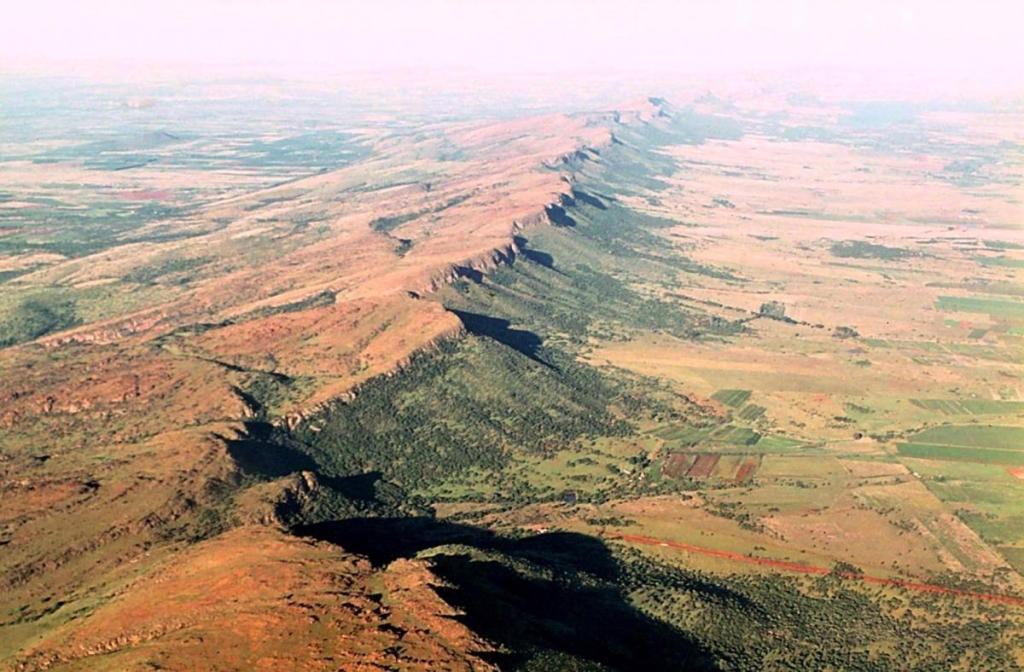
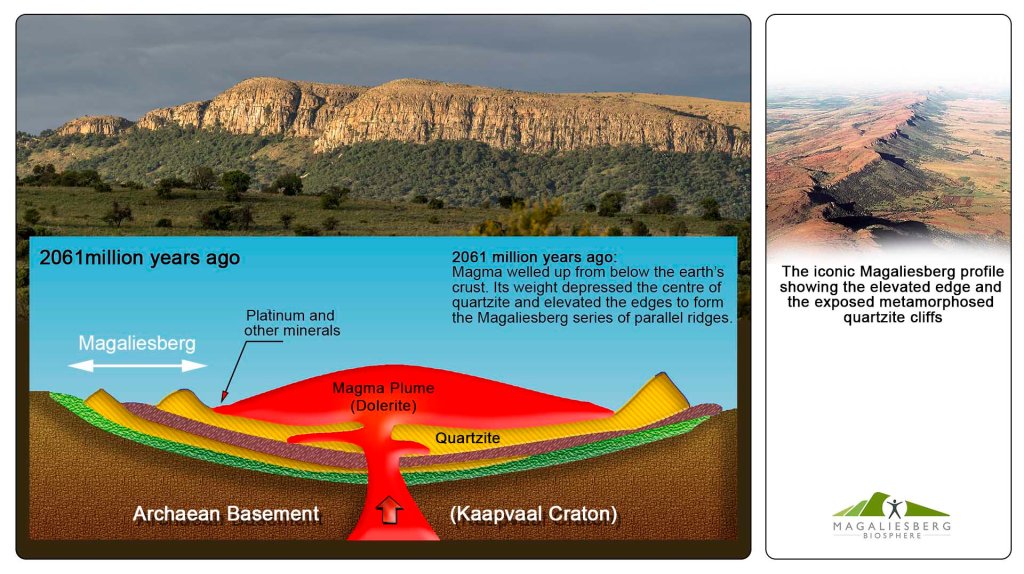
The Magaliesberg mountain range – which pretty much surrounds our village of Kosmos – is old! It is estimated to be around 2 billion years old, making it older than the Himalayas and older than Mount Everest. In fact, it predates the splitting of the supercontinent, Vaalbara.
The Cradle of Humankind, a UNESCO World Heritage Site, is located on its southern slopes — underscoring the area’s profound paleoanthropological importance.
The range is part of the Transvaal Supergroup, composed of ancient quartzite, shale, and dolomite rock layers. I’m no geologist, but I’m sure my friend, Dewetia can add additional information. What I know if that the geology of the area speaks to its age, mineral wealth, and agricultural significance (because those dolomitic aquifers store large volumes of groundwater.
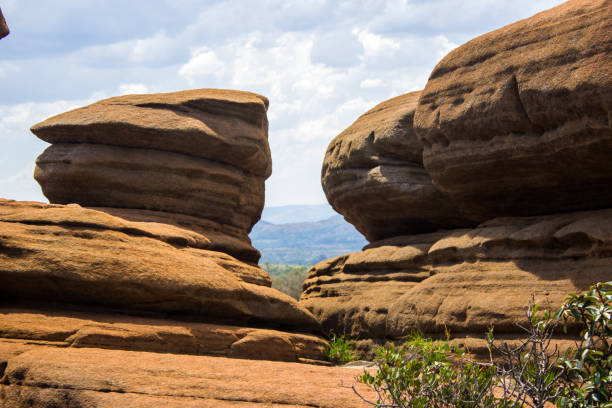
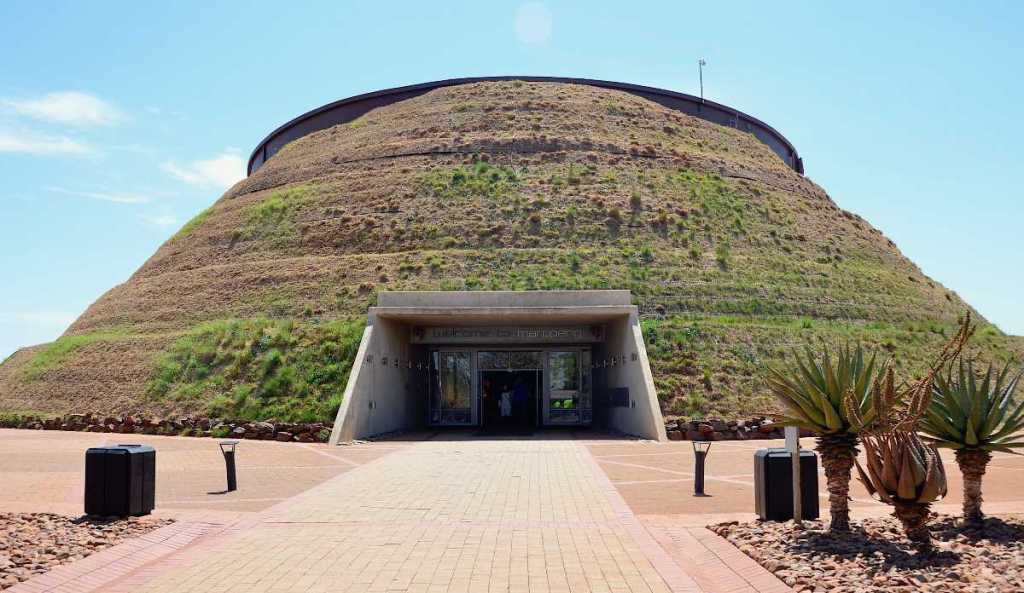
Recognised as a Biosphere Reserve by UNESCO in 2015, the Magaliesberg forms a transitional zone between savannah and grassland biomes, resulting in high biodiversity.
The Magaliesberg is home to:
- Over 130 tree species
- 300+ bird species (including Cape vultures and Verreaux’s eagles)
- Various mammals like leopards, baboons, and klipspringers
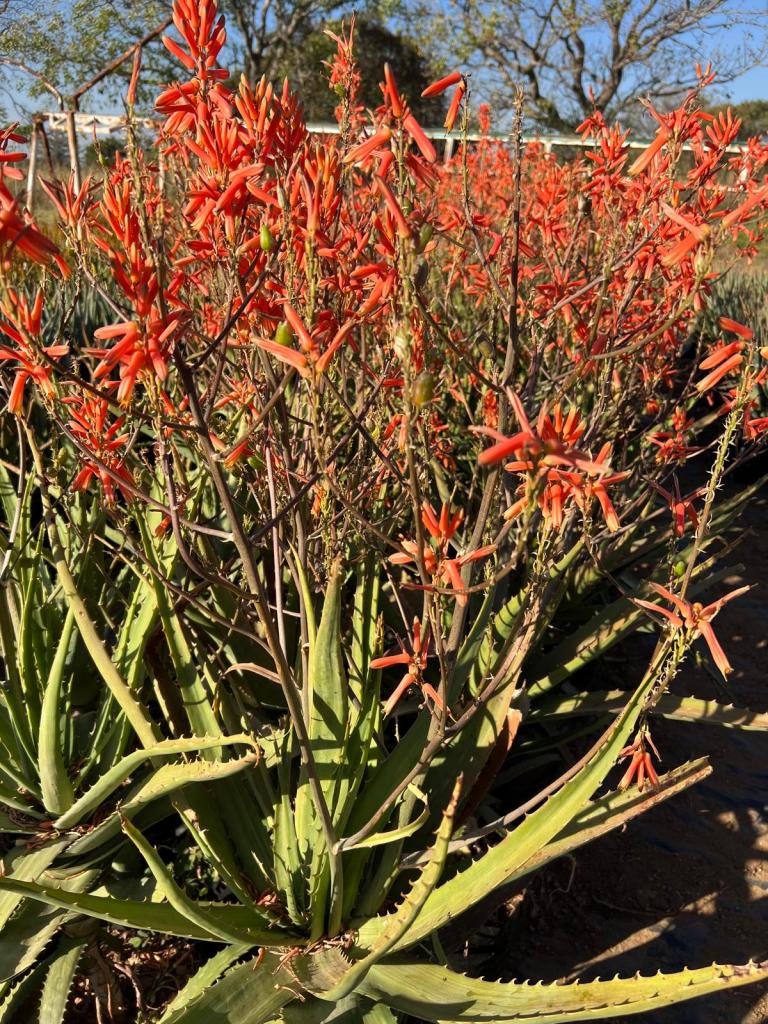
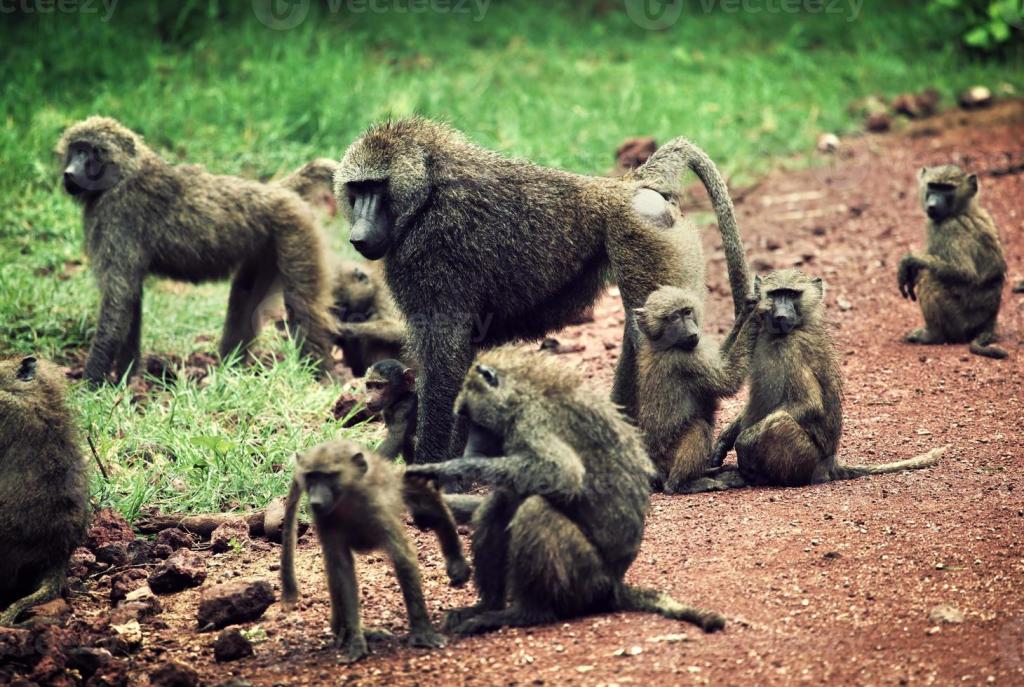
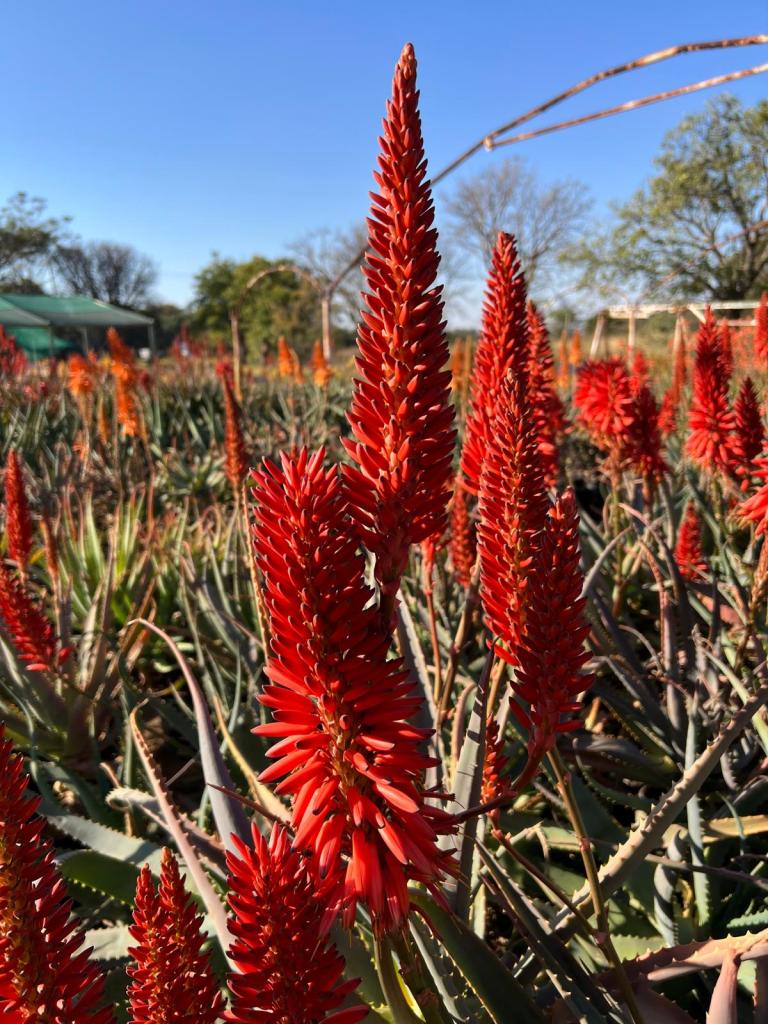
And we can attest to the remarkable range of birds in the area, like these little fellows …
This place also carries a great deal of historical significance, much of it personal.
The name “Magaliesberg” is derived from Kgosi Môgale, a chief of the BaPo ba Mogale, a Tswana-speaking group who once ruled the area – which has been inhabited for millennia. Archaeological sites show Stone Age, Iron Age, and much more recent human activity.
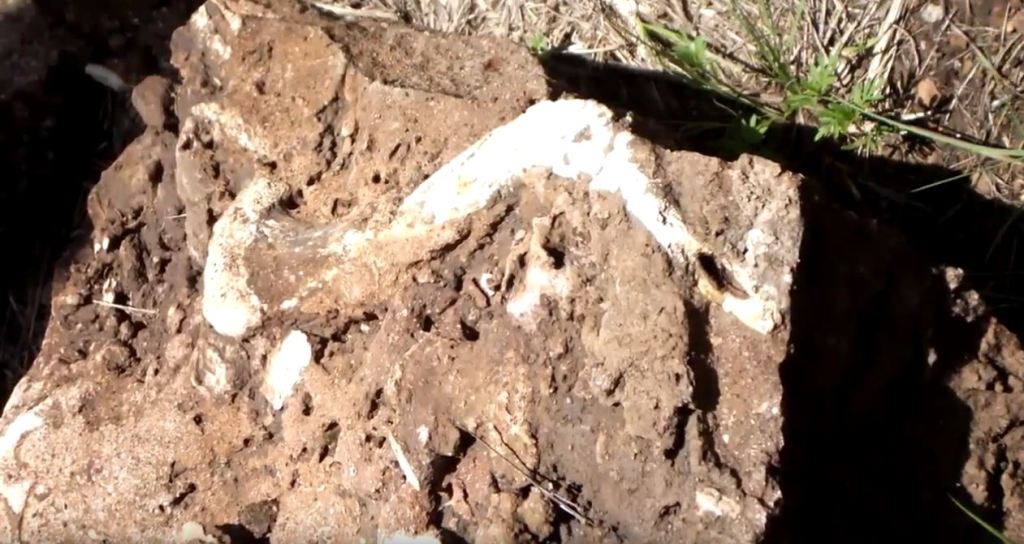
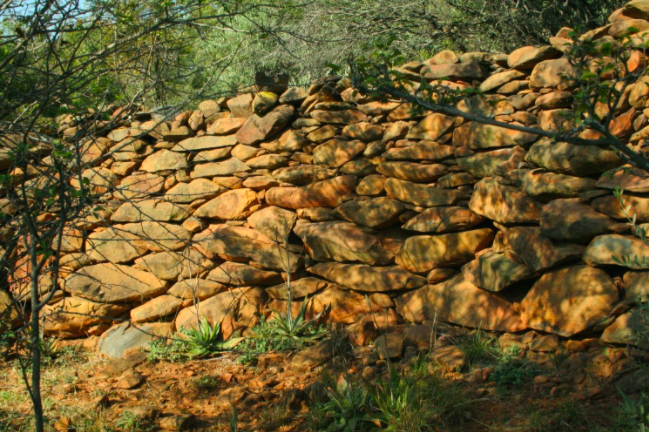
The Magaliesberg was a strategic location in multiple conflicts, including the Mfecane Zulu expansion wars of the early 19th century, and, significantly, the Boer Wars.
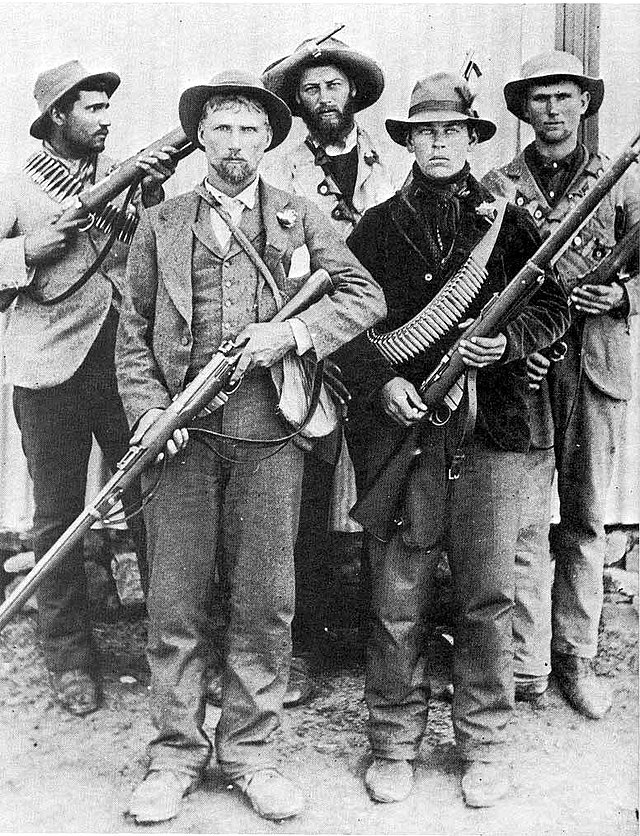
After conventional warfare gave way to guerrilla tactics in 1900, the Boers, under leaders like General Koos de la Rey, General Christiaan de Wet and General Jan Smuts, began using the Magaliesberg to launch hit-and-run raids on British outposts. They destroyed rail infrastructure and supply convoys, and then evaded capture by disappearing into the bushveld or rocky escarpments. Boer commandos often hid in the kloofs and caves of the Magaliesberg for weeks at a time.
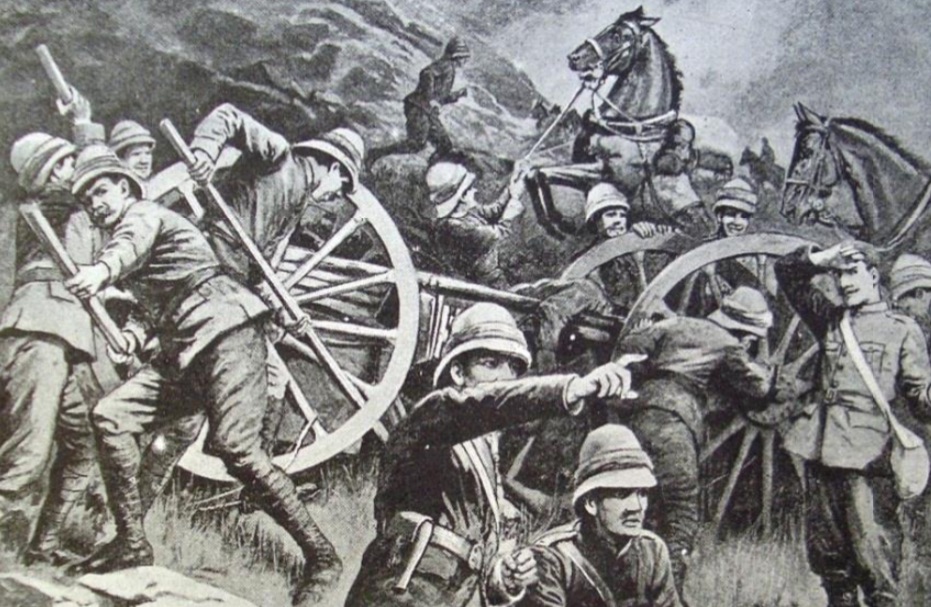
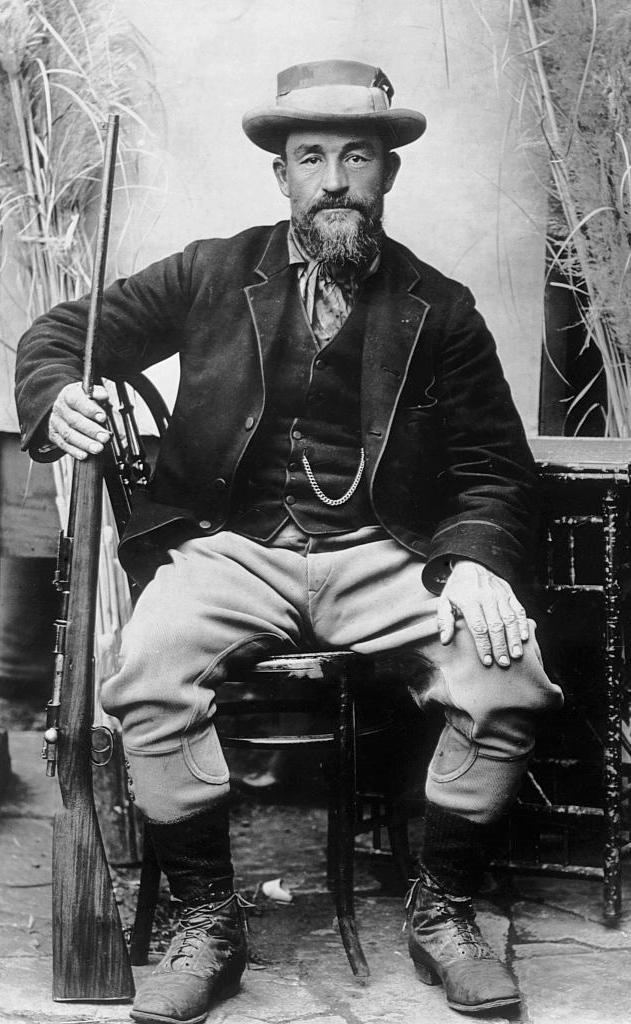
And the British didn’t take any of this lying down. Their retribution was swift and brutal, with a scorched earth policy applied and the internment of Boer women and children in the first ever concentration camps. Urbain’s paternal grandmother and her mom were prisoners in one of these camps.
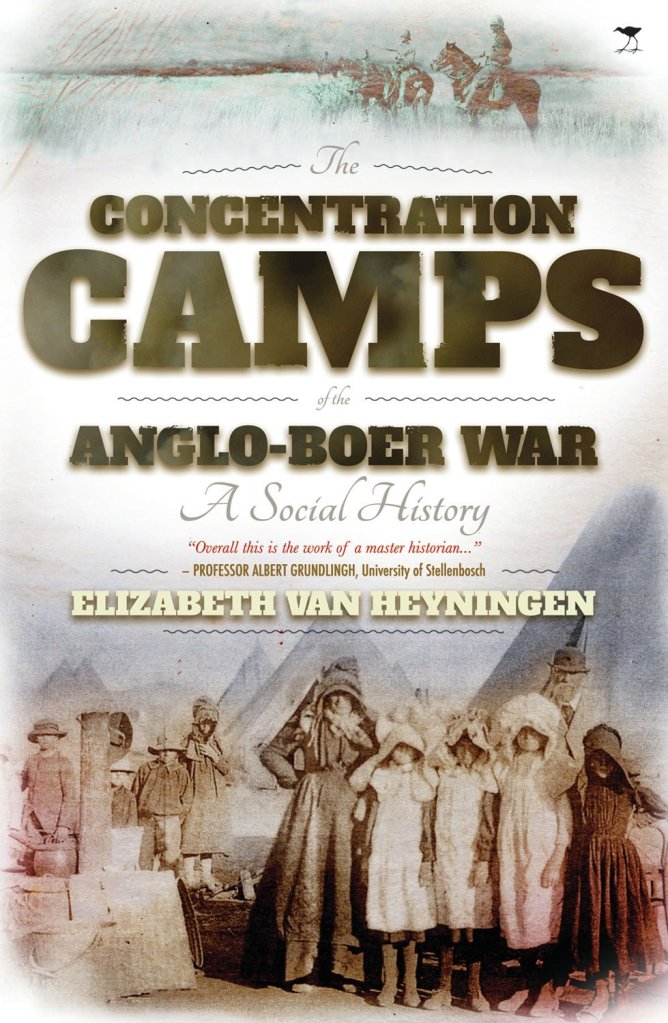
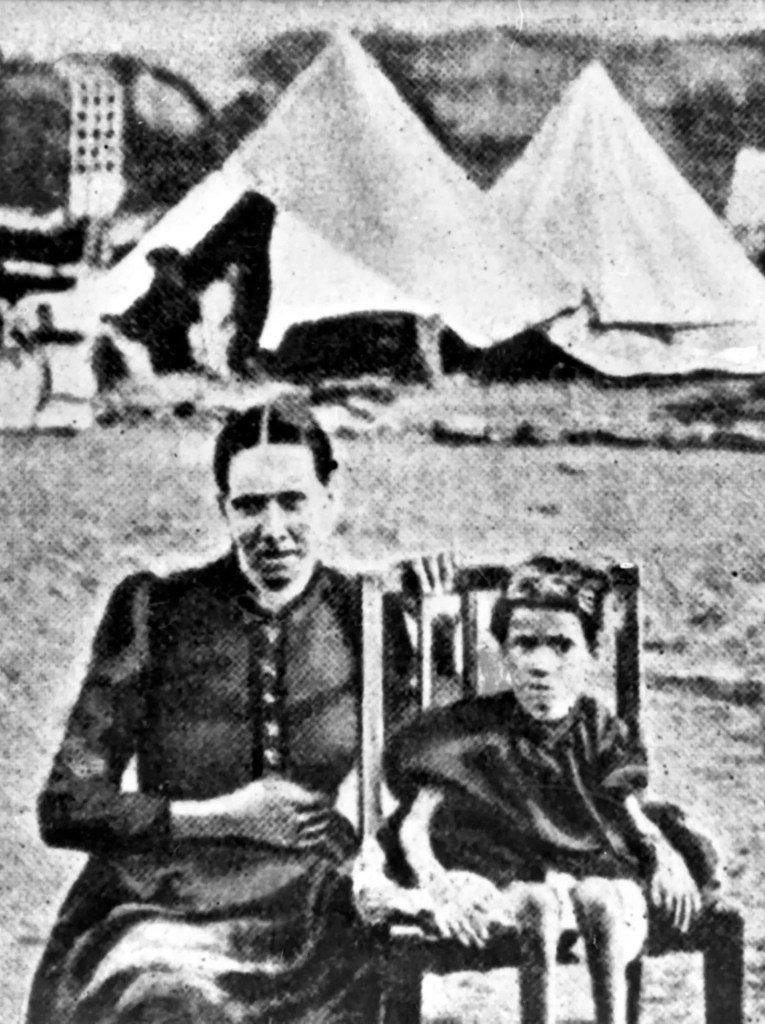
Many farmsteads and ruins in the region still bear scars from the conflict. Memorials and plaques can be found at Silkaatsnek, Buffelspoort, and Nooitgedacht, commemorating both British and Boer soldiers.
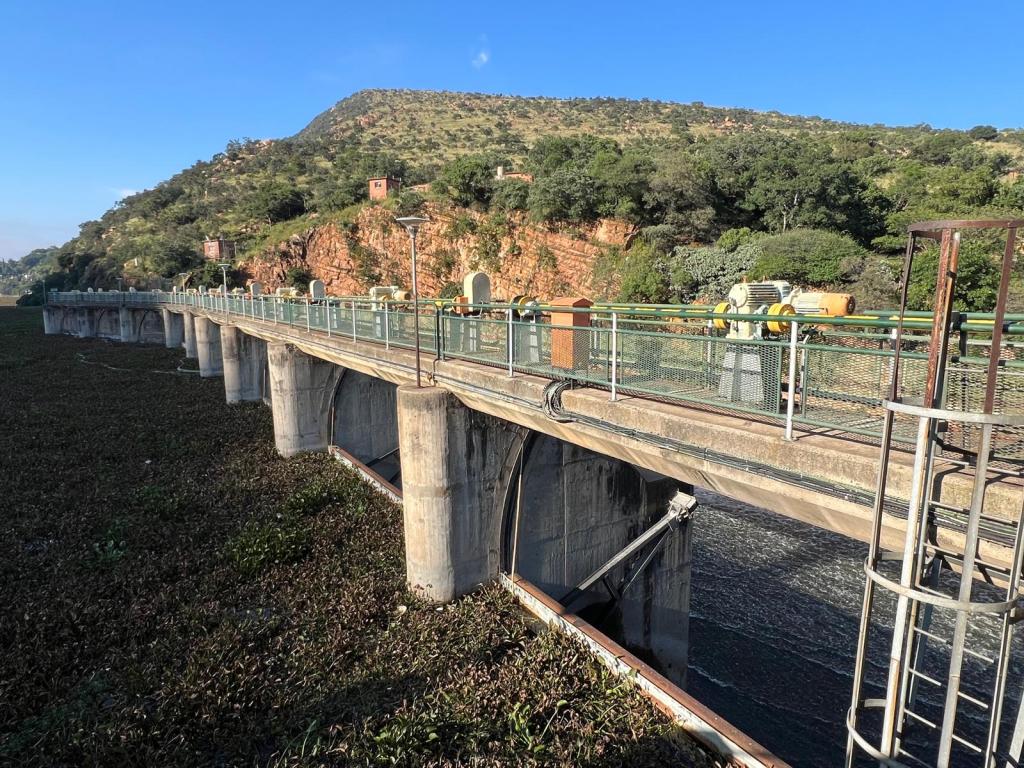
In more recent times, the Magaliesberg became home to the Hartbeespoort (“Gateway of the – Red – Hartebees”) Dam, nestled at the foot of the mountains, and pretty much our front garden.
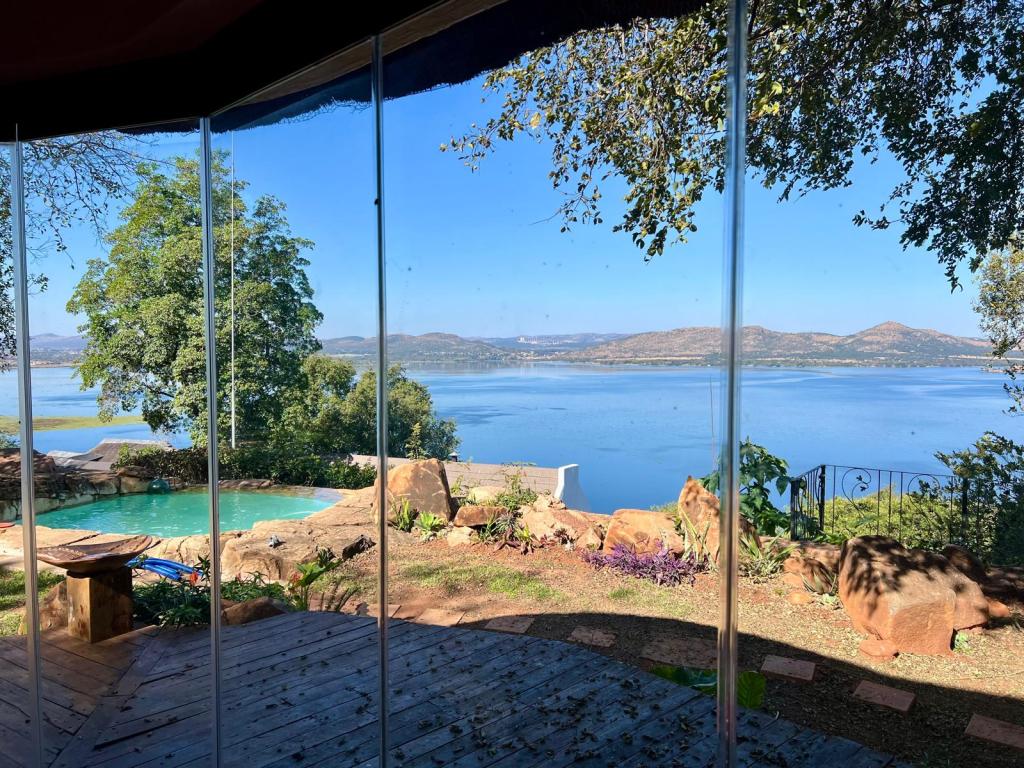
Built across the Crocodile River, where it meets the Magalies River, construction began in 1923. The dam was created to support irrigation in the fertile farming areas of Brits and Skeerpoort, but it was also a major job-creation project.
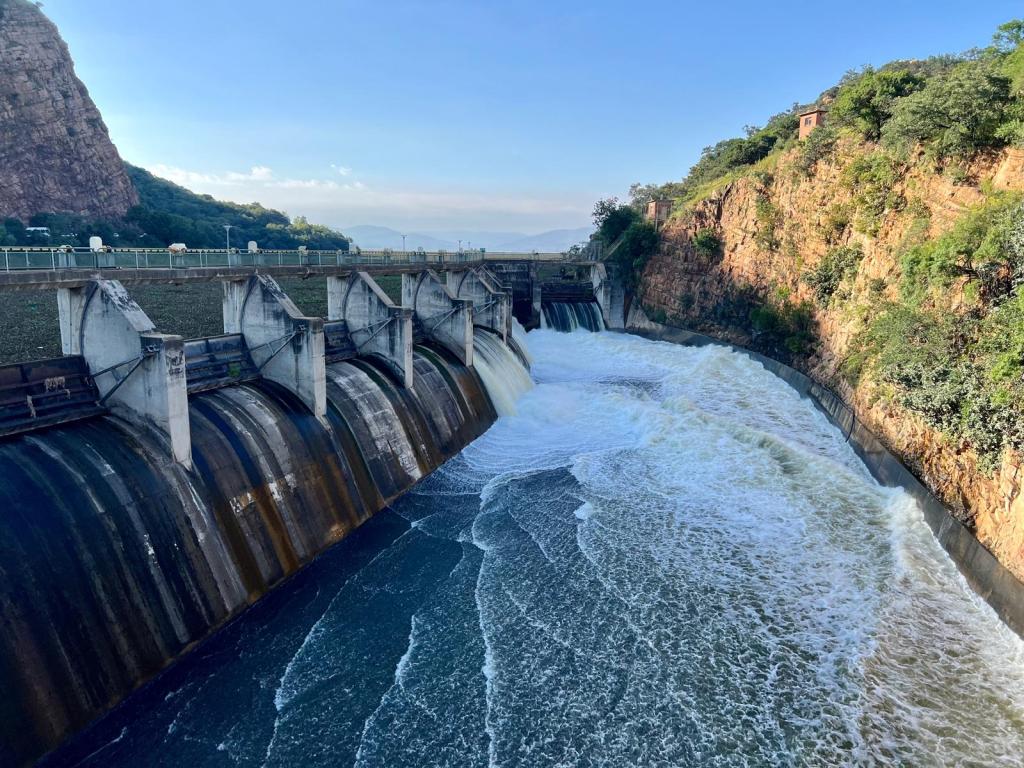
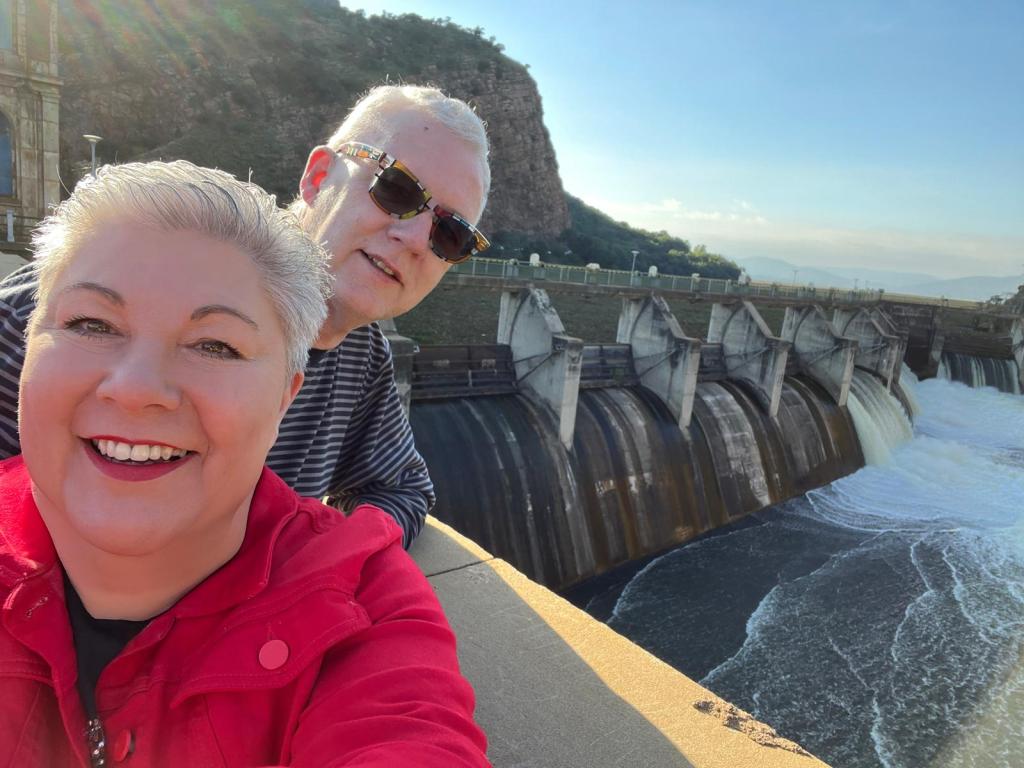
Ancient, historically and paleontologically significant, but most importantly, this remarkable place is HOME!
 African Scatterlings
Leave a comment