Category: Uncategorized

  • Day 1 of Month 6

    I can barely believe that almost half a year has gone since our arrival in South Africa. And this month has certainly been a doozy … The house renovations have accelerated, we’ve had our second set of Aussie overnight visitors, we attended an online wedding, and – on a not so happy note – an online memorial service.

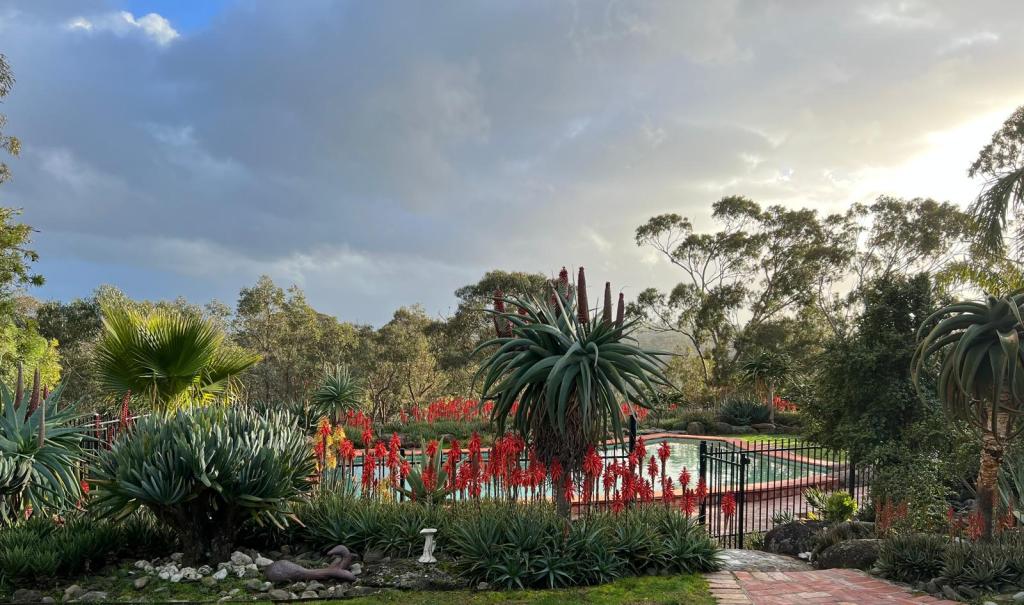
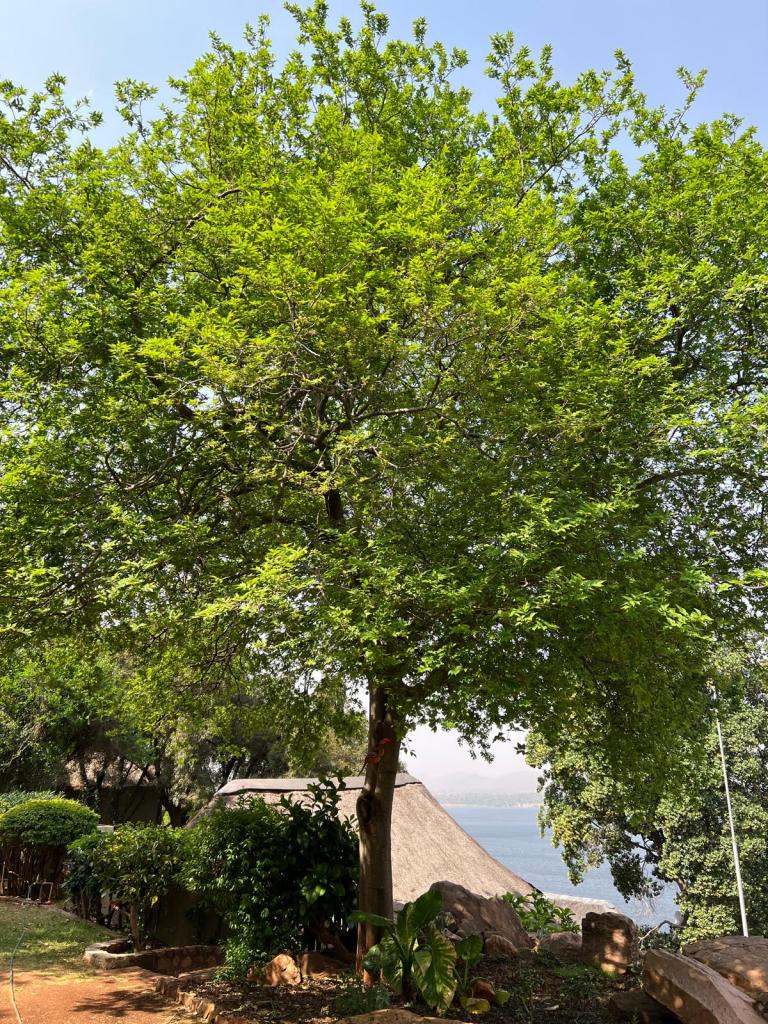
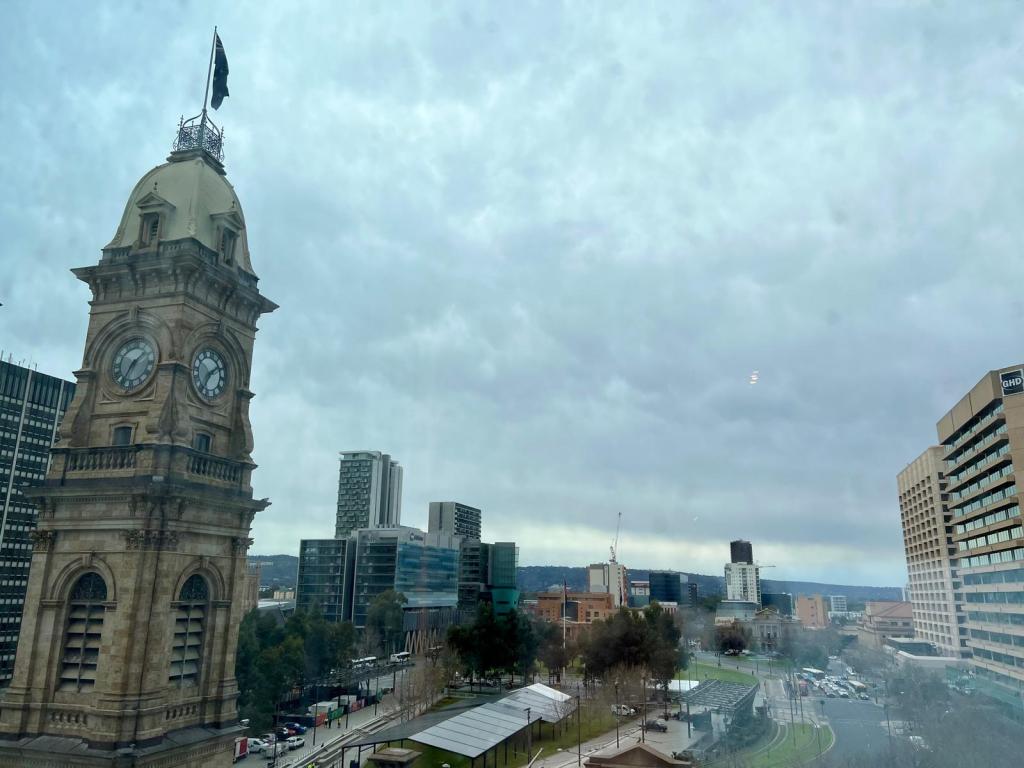
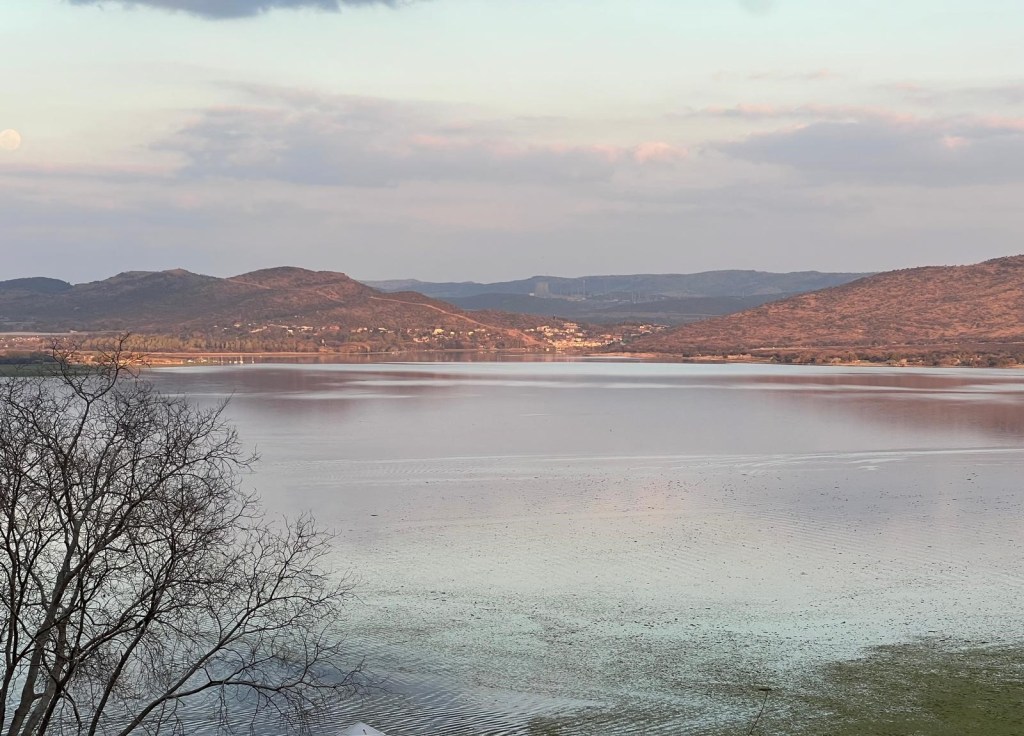
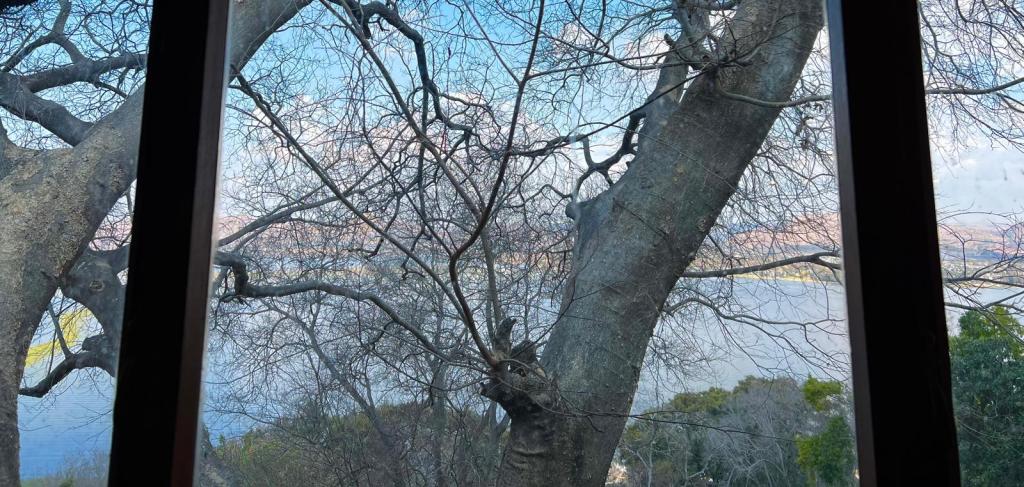
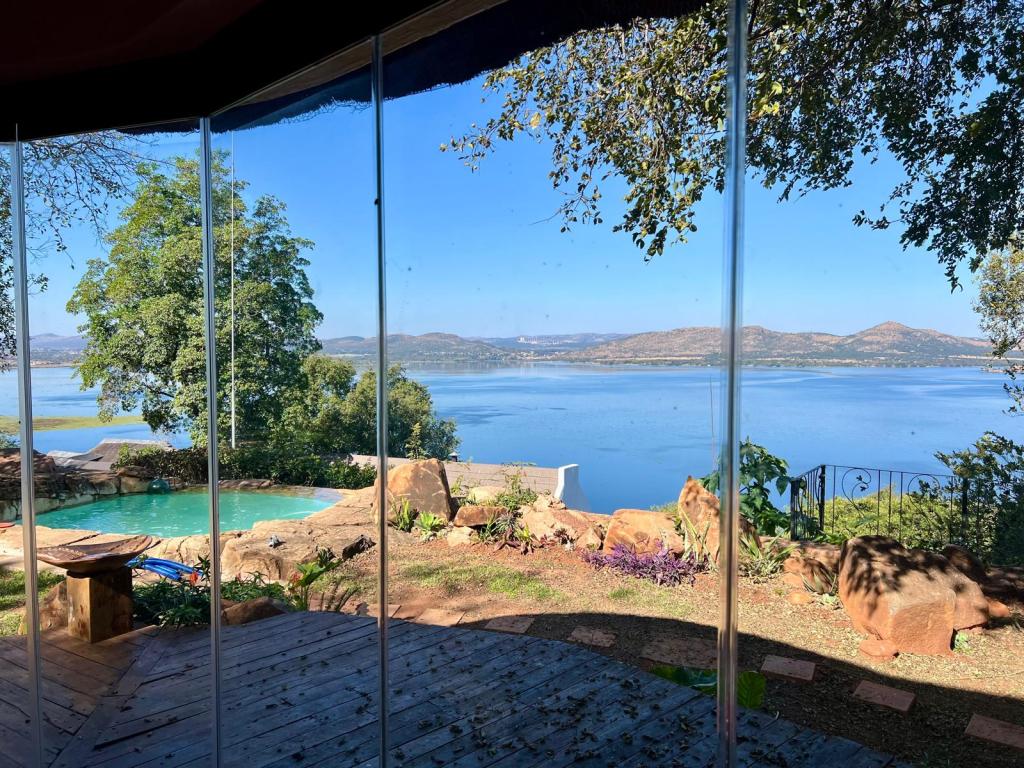
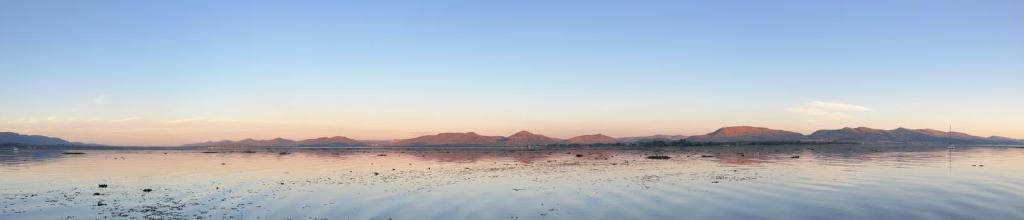
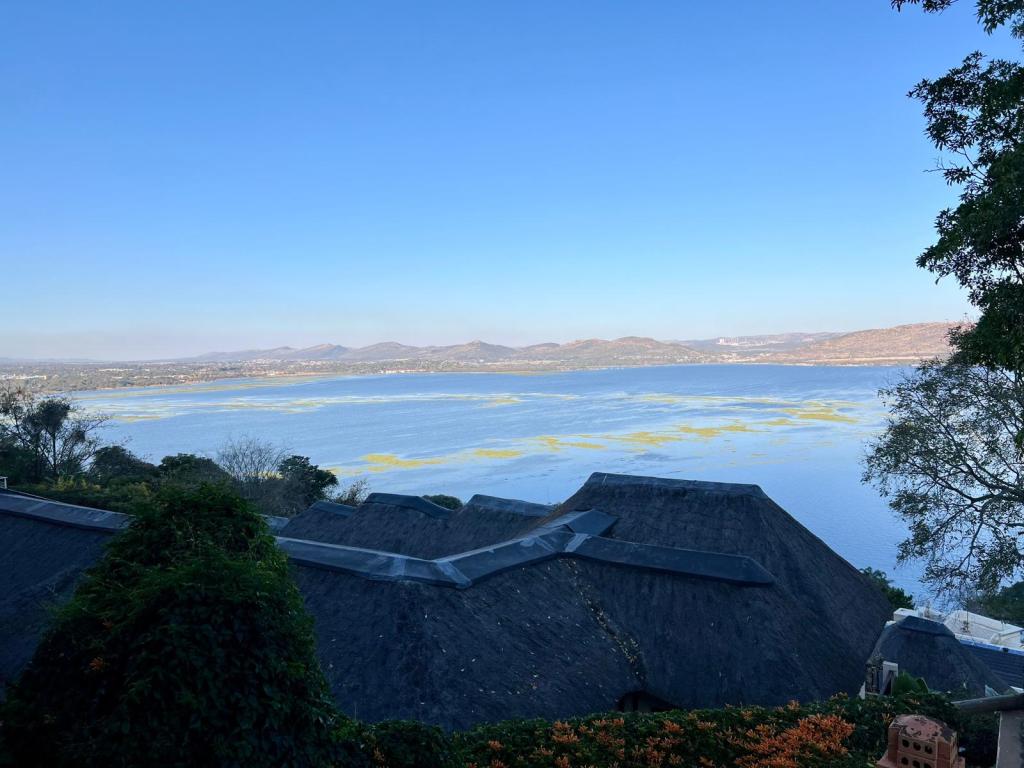
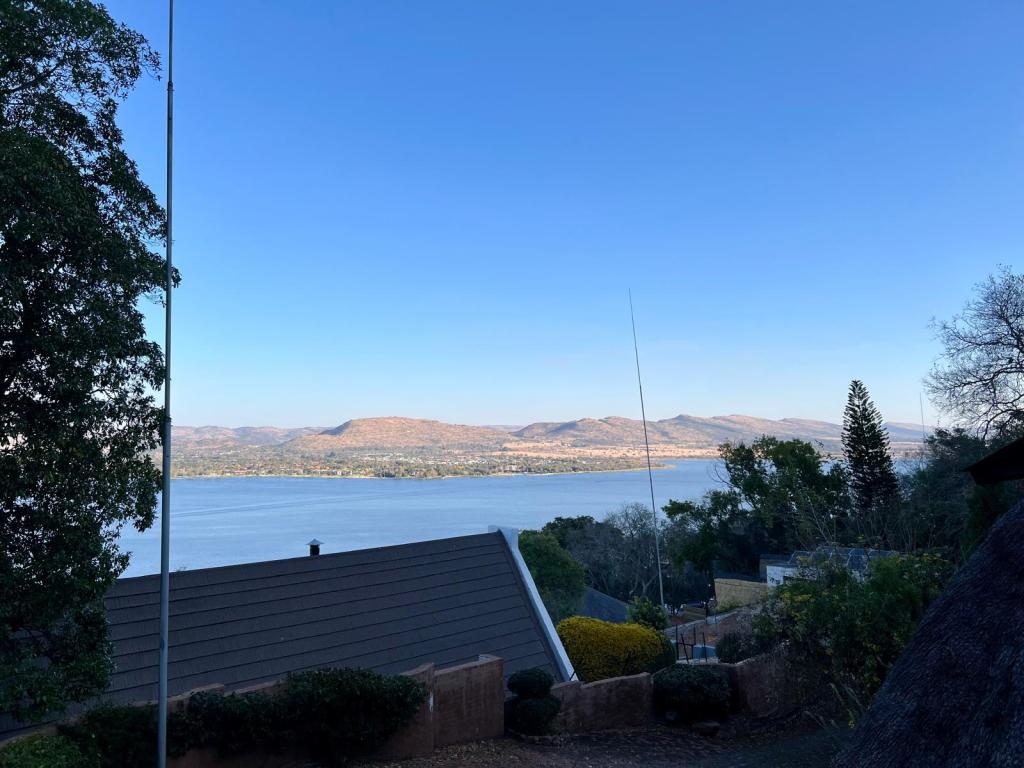
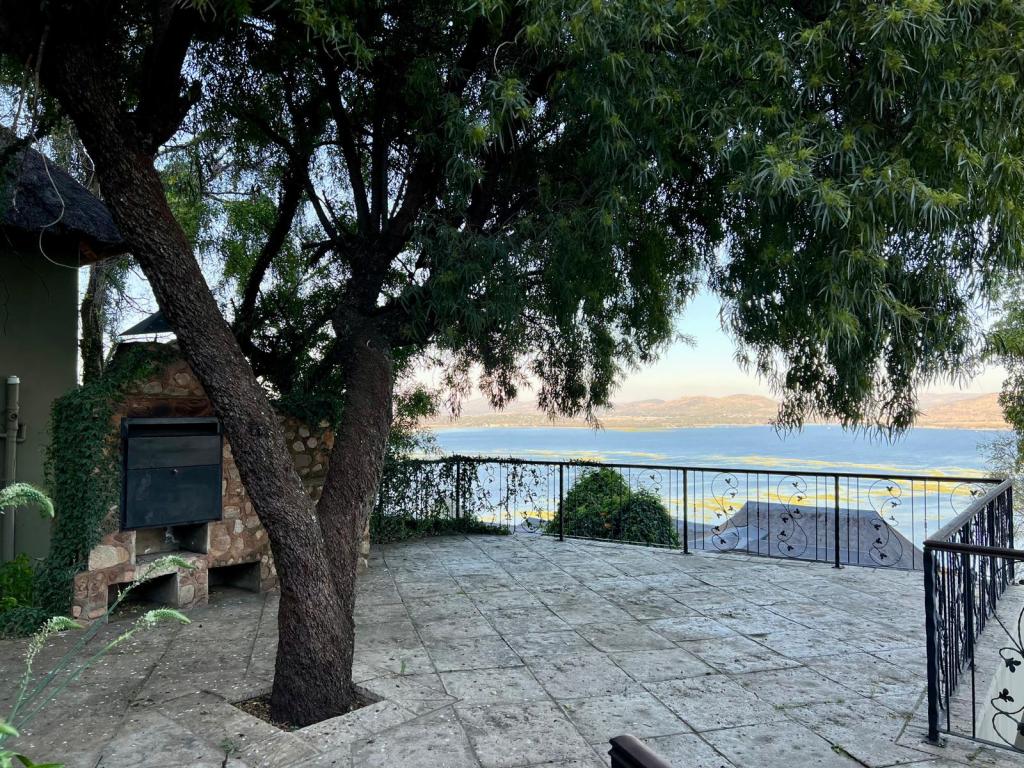
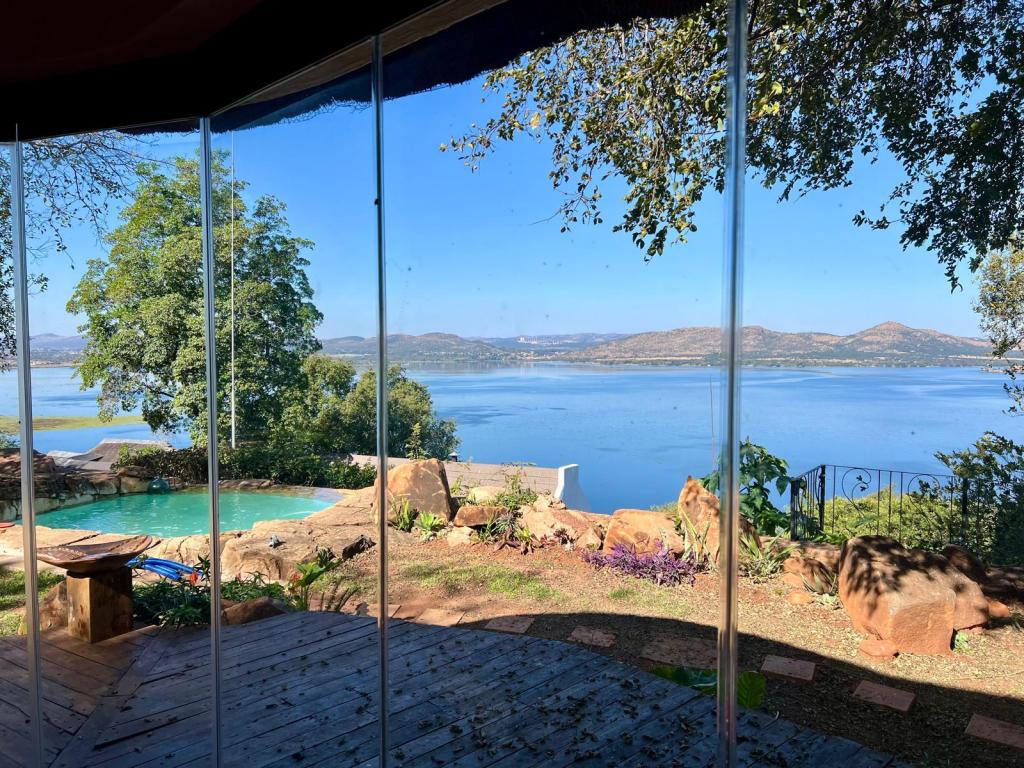
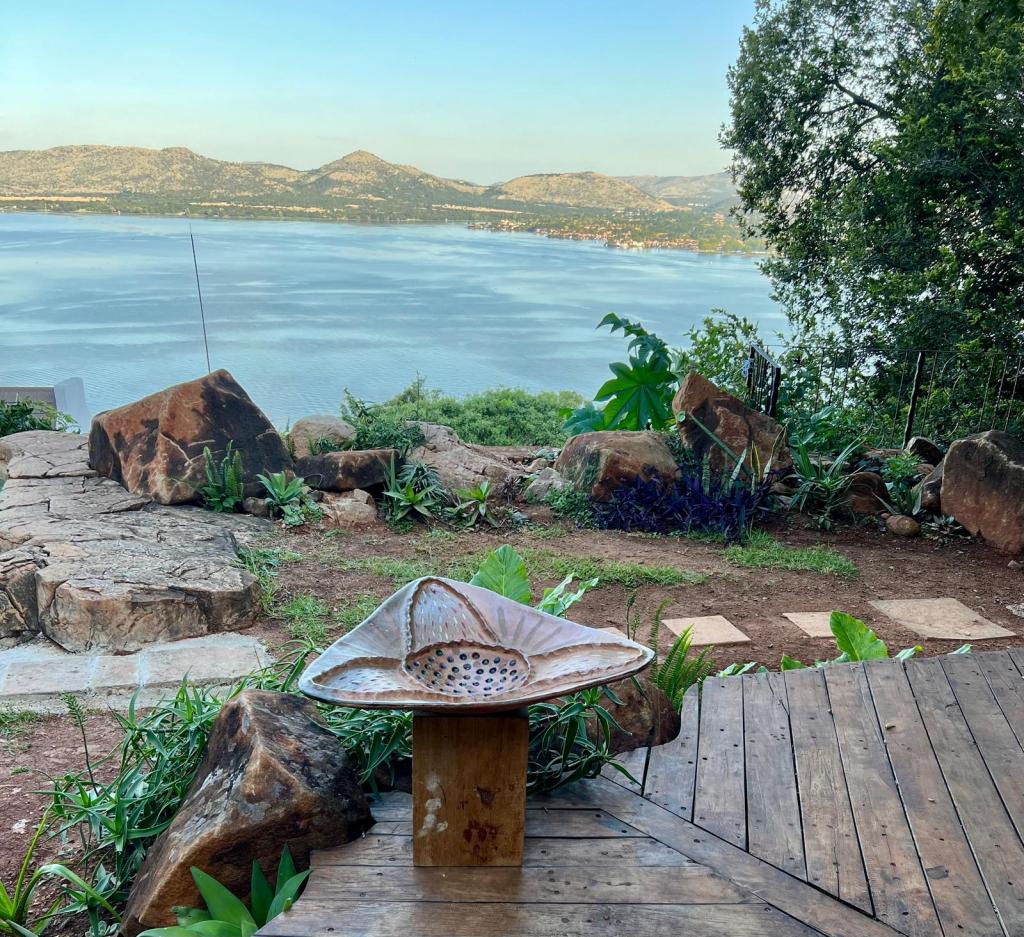
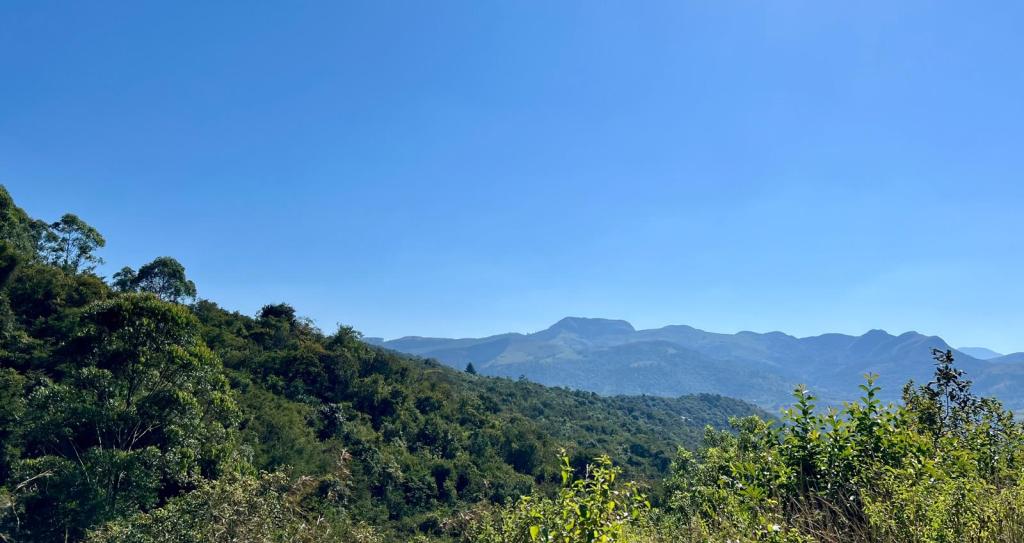
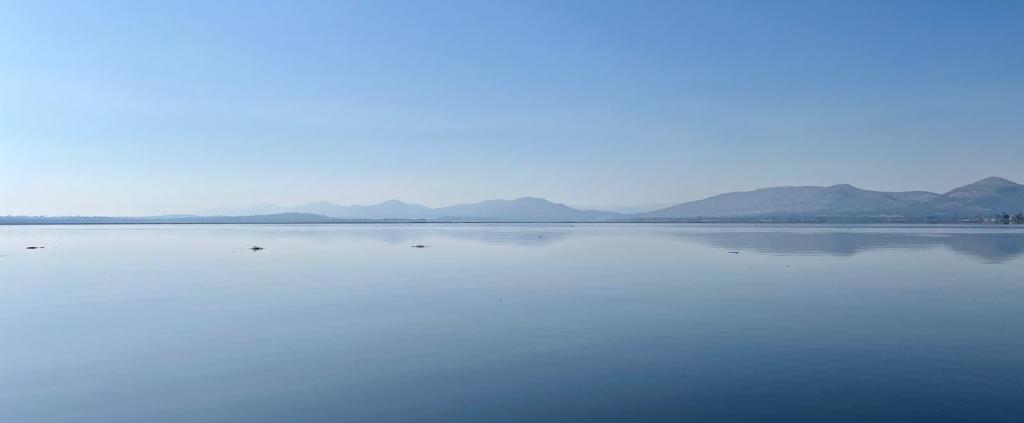
    The view from my office window as I write …

    My dear friend, Karen, died on 12 July. Complications from surgery led to a cardiac arrest and she couldn’t be resuscitated. Her death came a month before her 60th birthday – way too soon. We attended her memorial service virtually and I have no doubt she would have approved of her send-off.

    We also attended a much happier online event – the wedding in New Jersey of my cousin’s son, Andre and his sweetheart, Mikayla.

    On the home front, things have moved ahead in leaps and bounds!

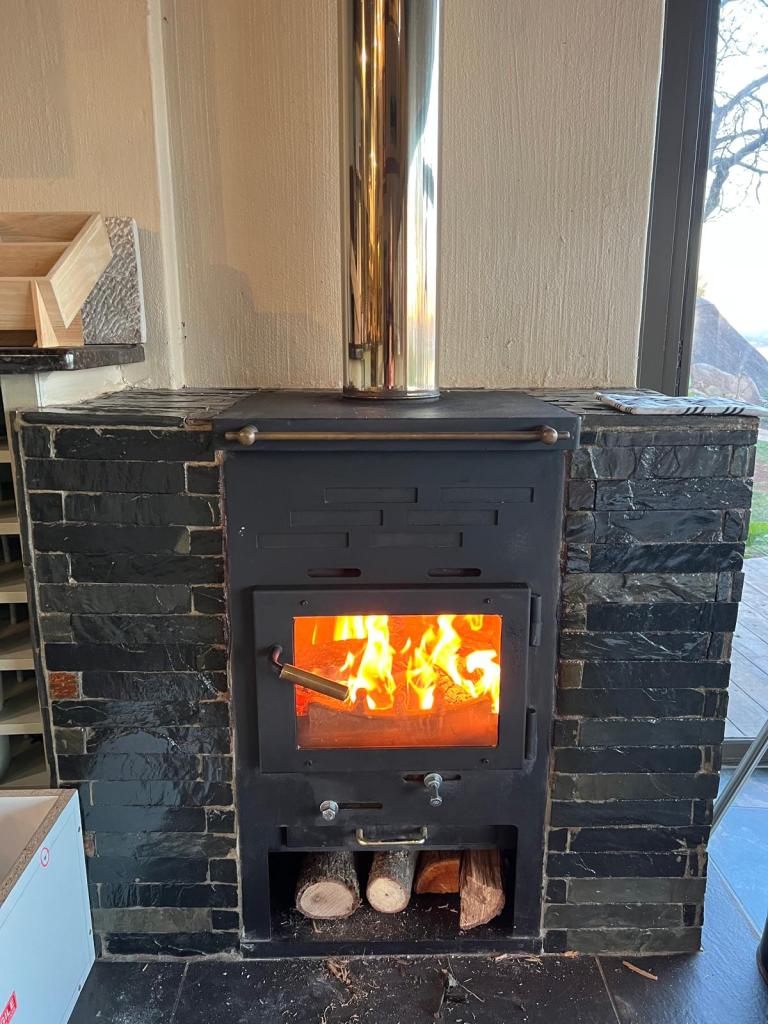
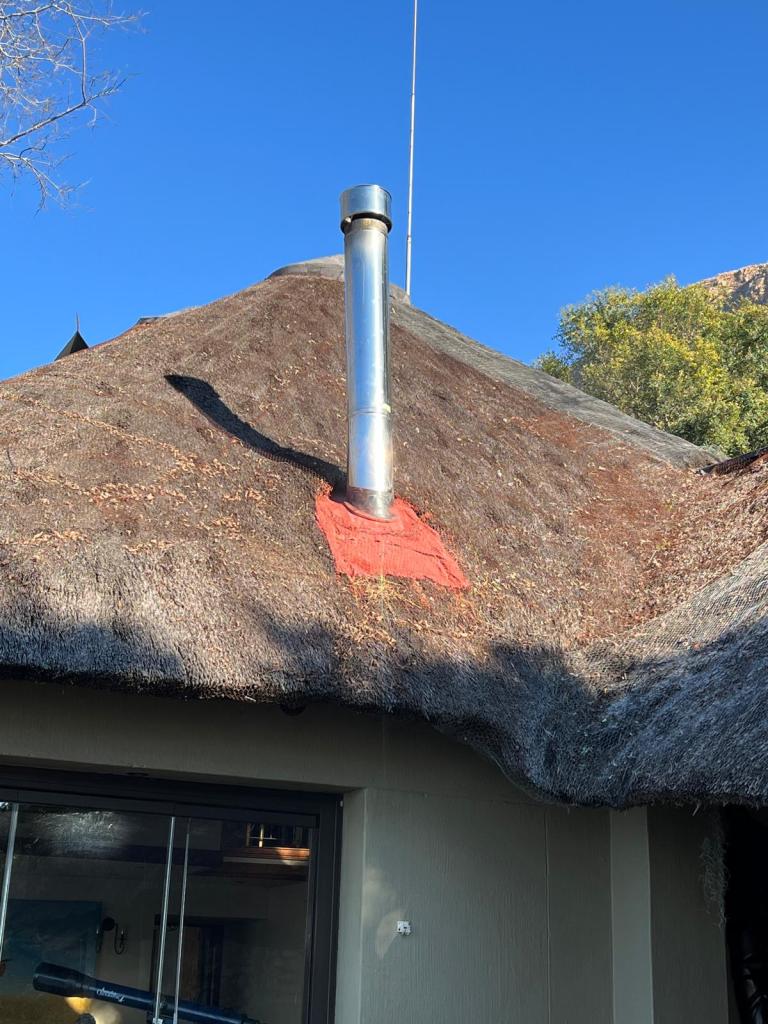
    We had the chimney of the slow burning combustion stove replaced. So we now have a fully-functional wood-burning stove that works beautifully.

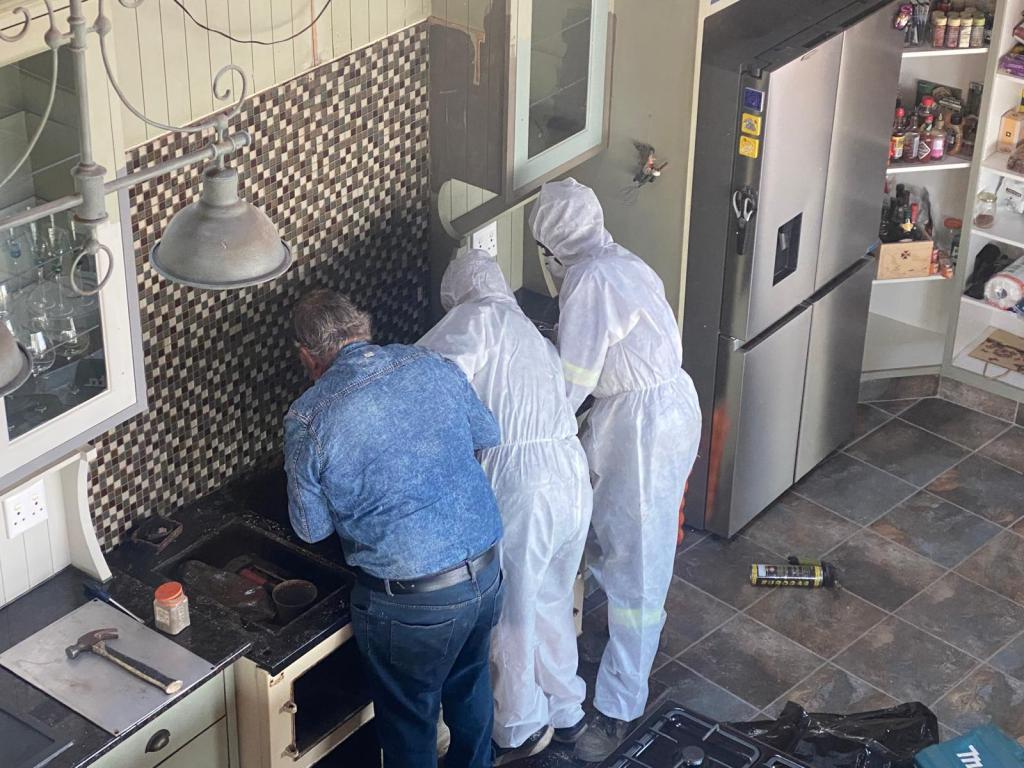
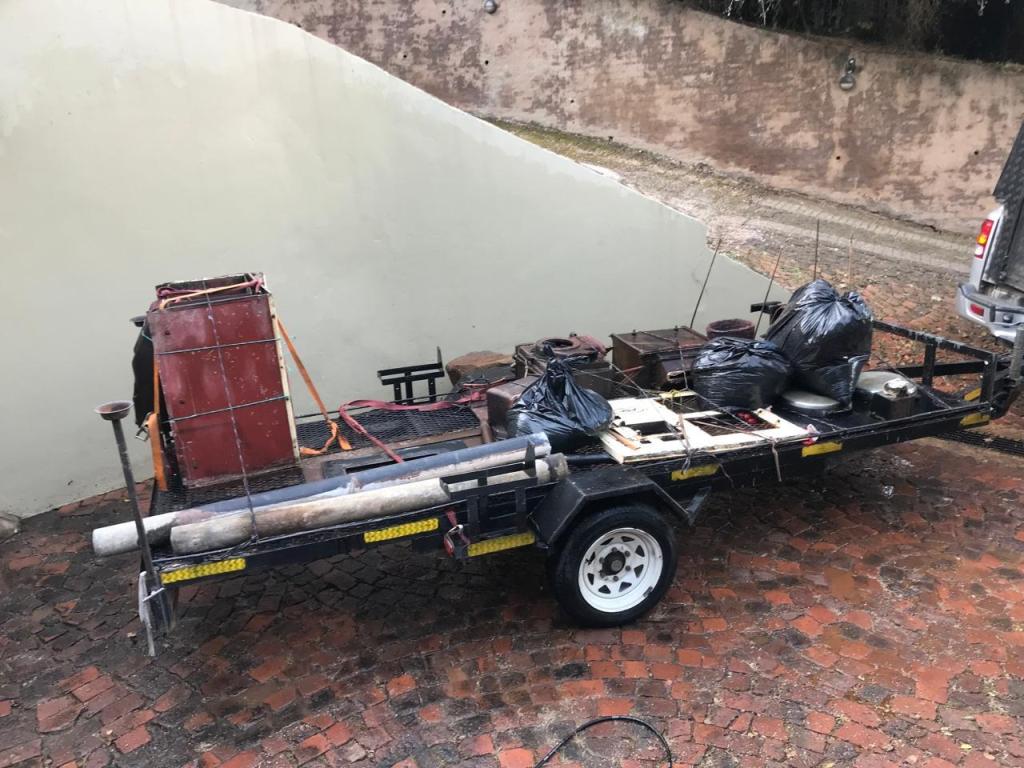
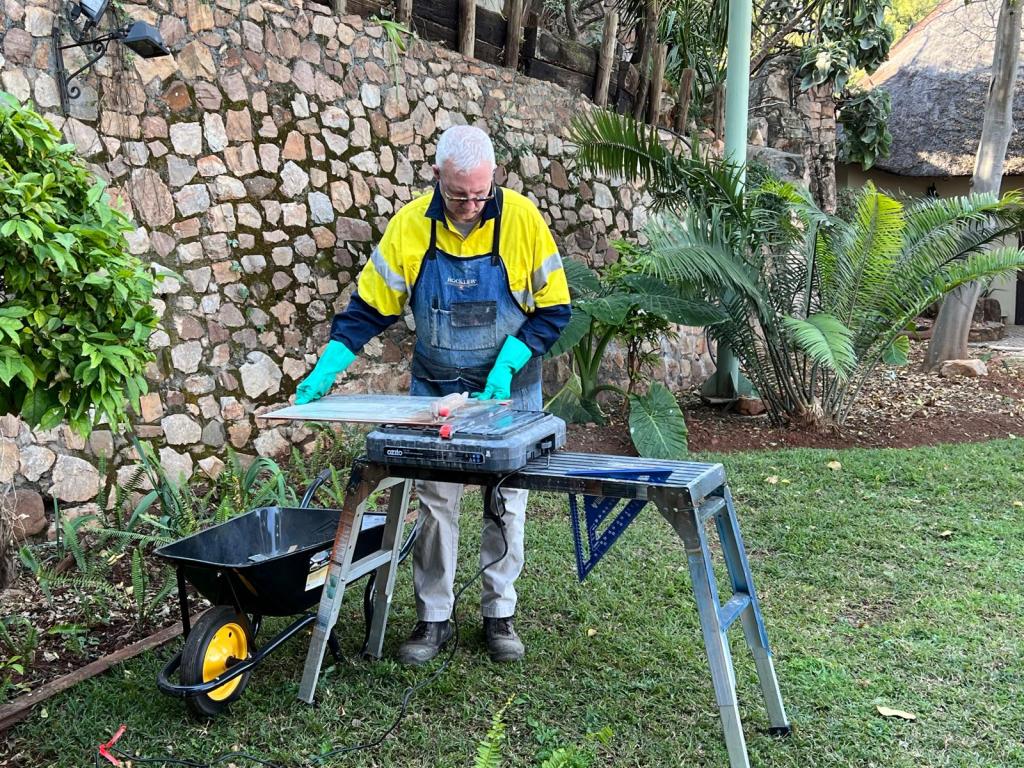
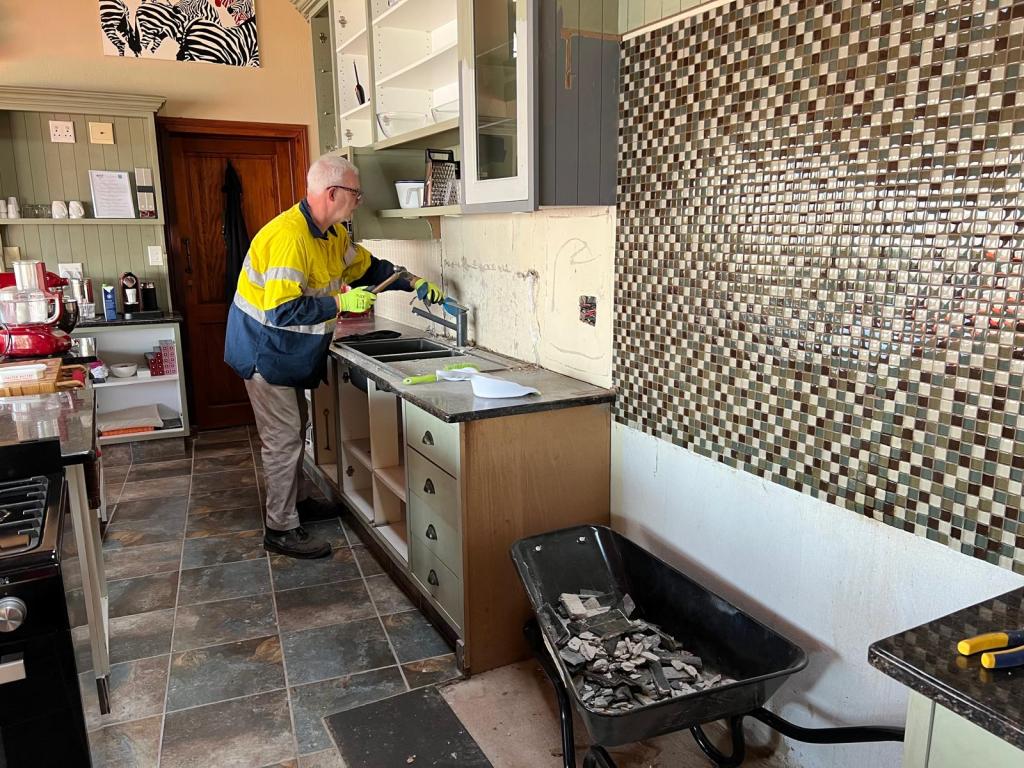
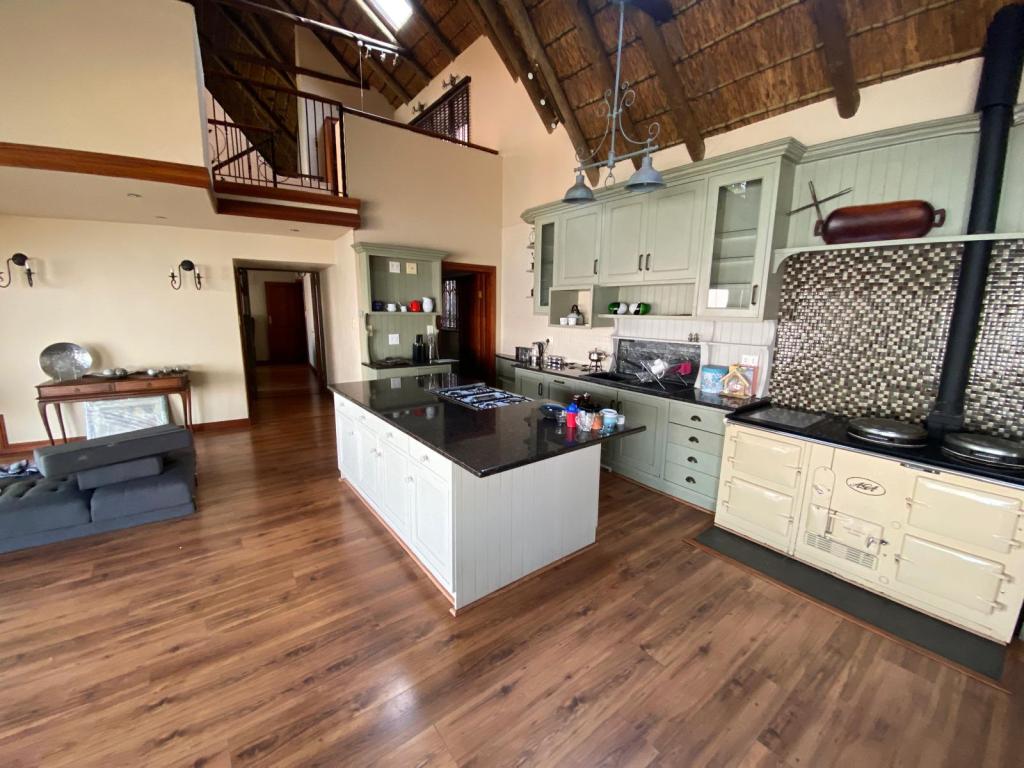
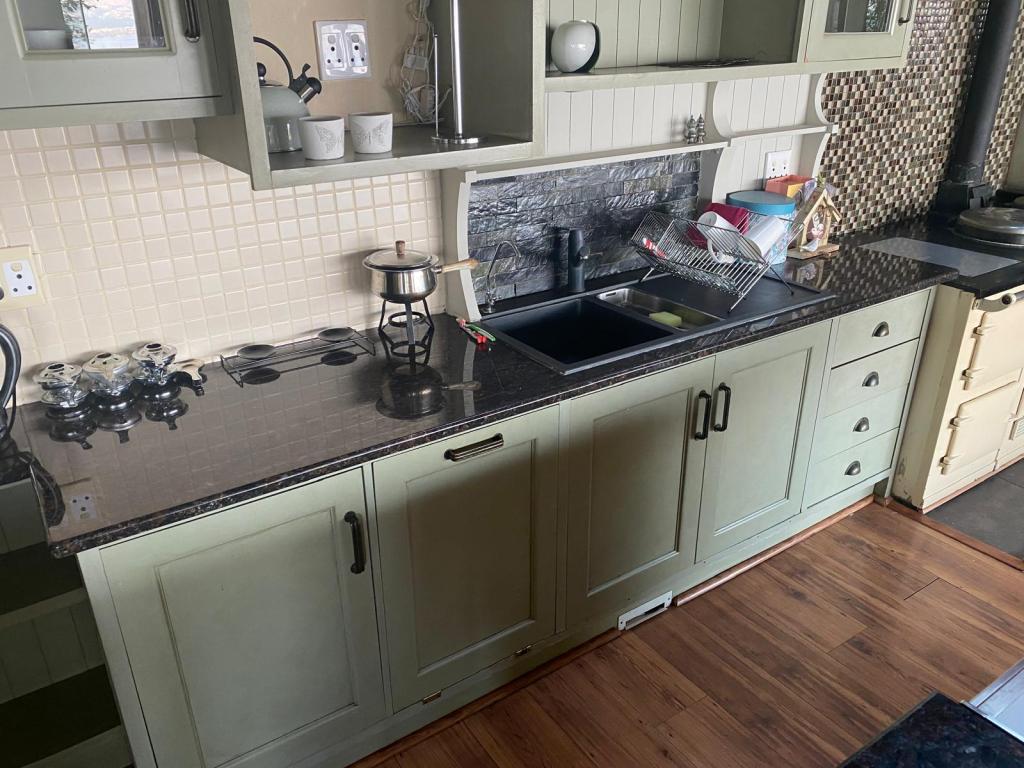
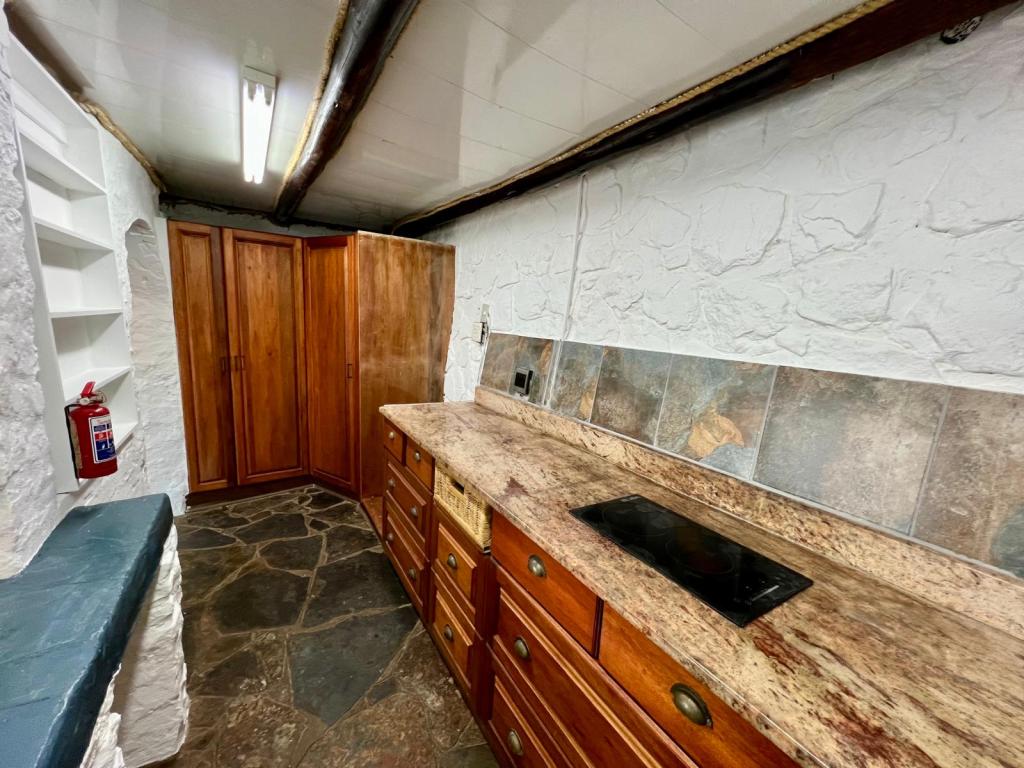
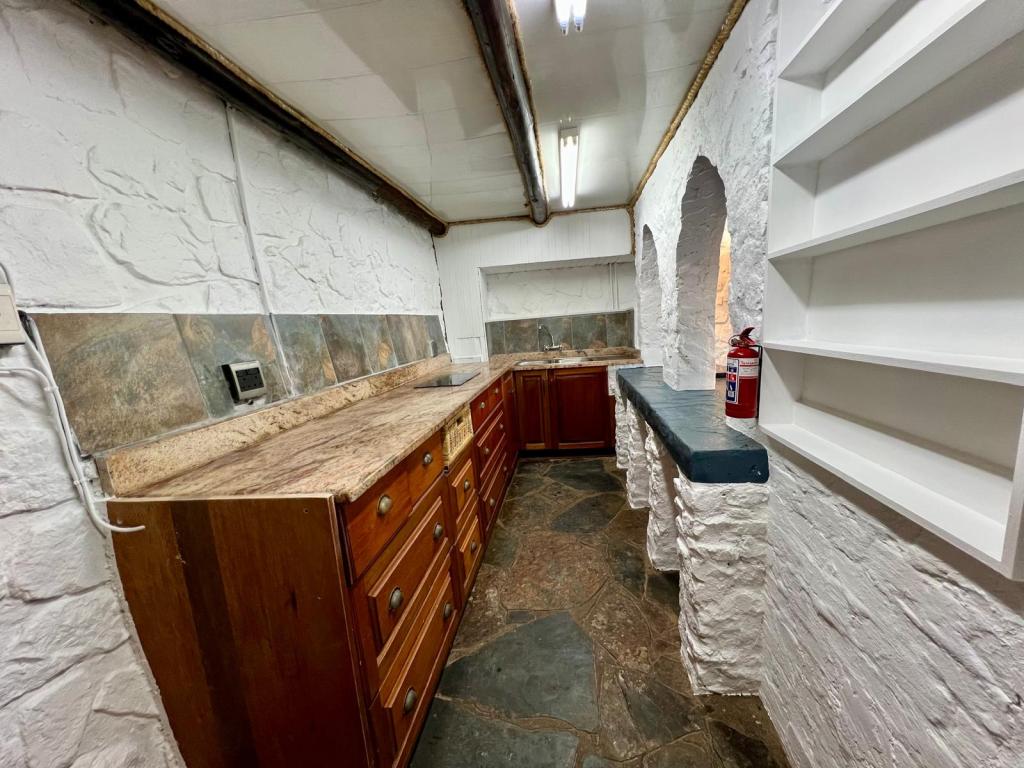
    We finally started (and finished) the kitchen renovation!! This was prompted by the sale and removal of the AGA. Anyone who praises the wonder of the AGA has clearly not lived with one. The damn thing is a pain to light, stoke and generally live with. And the wondrous heat? A myth!

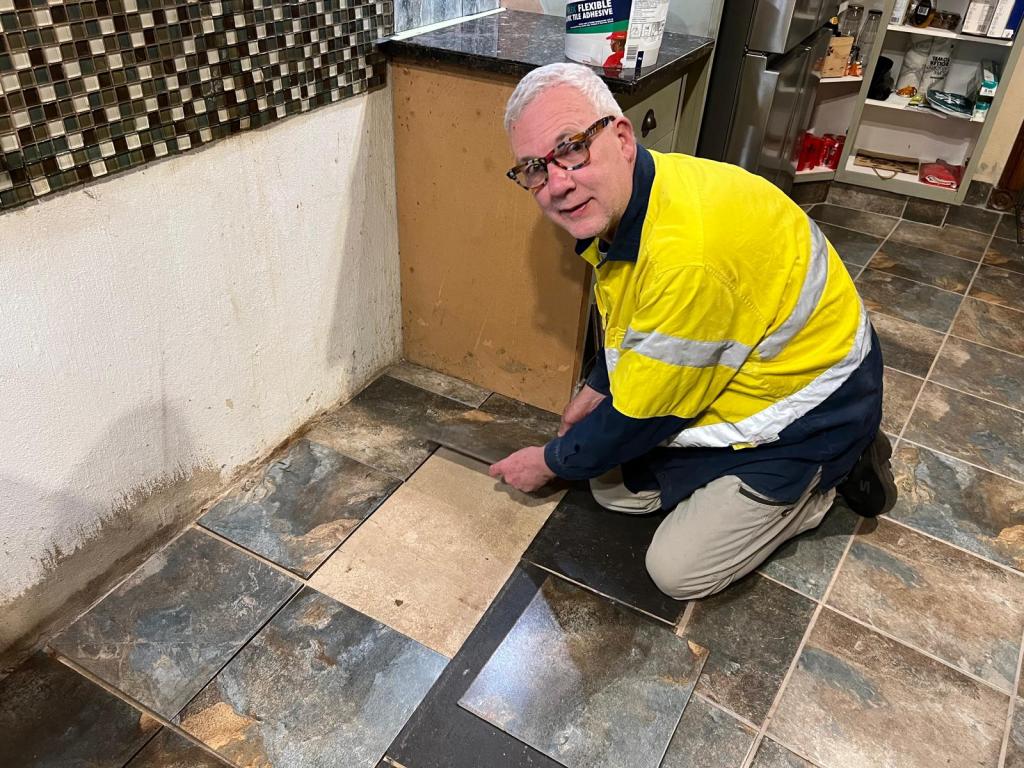
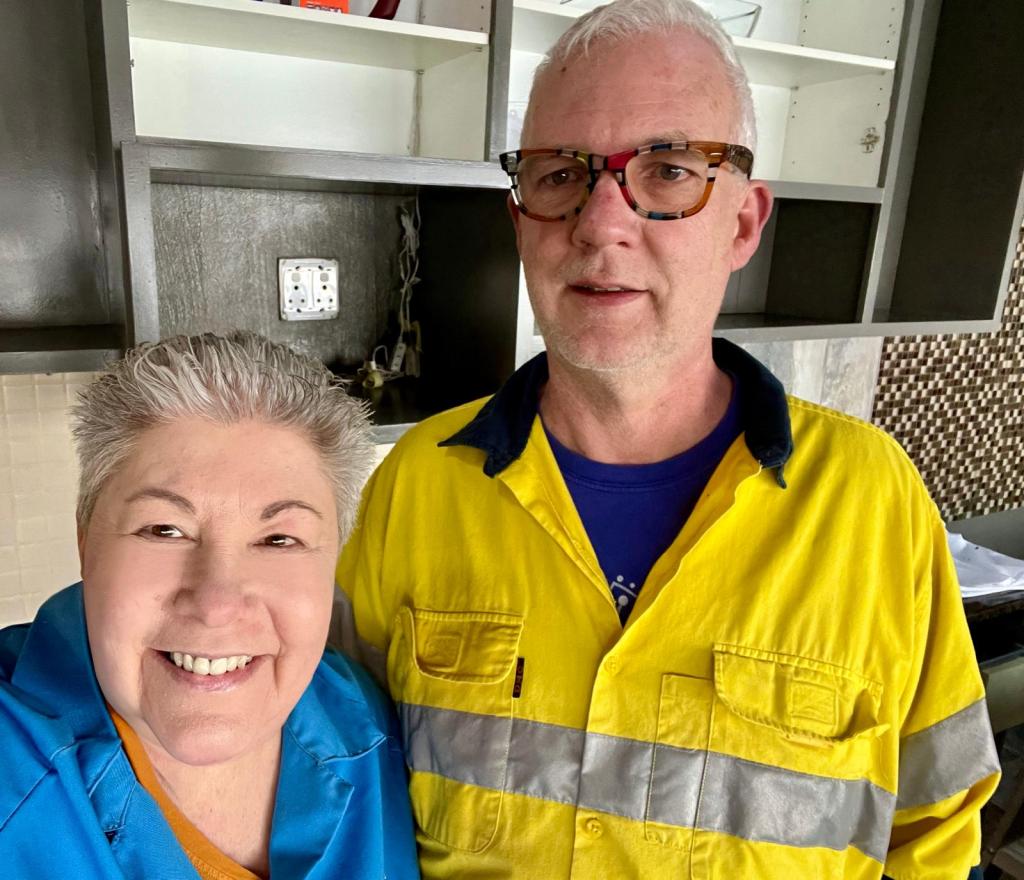
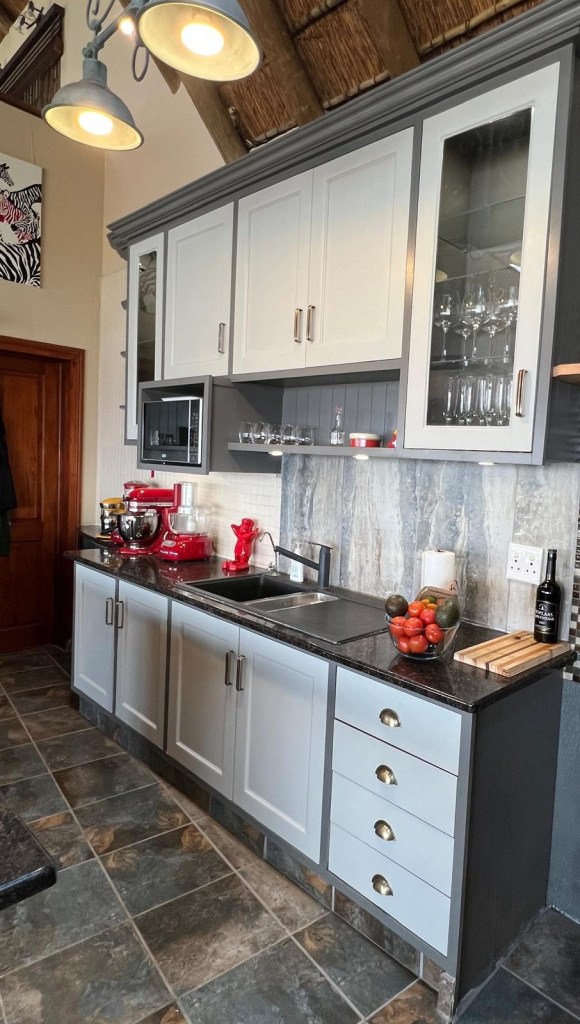
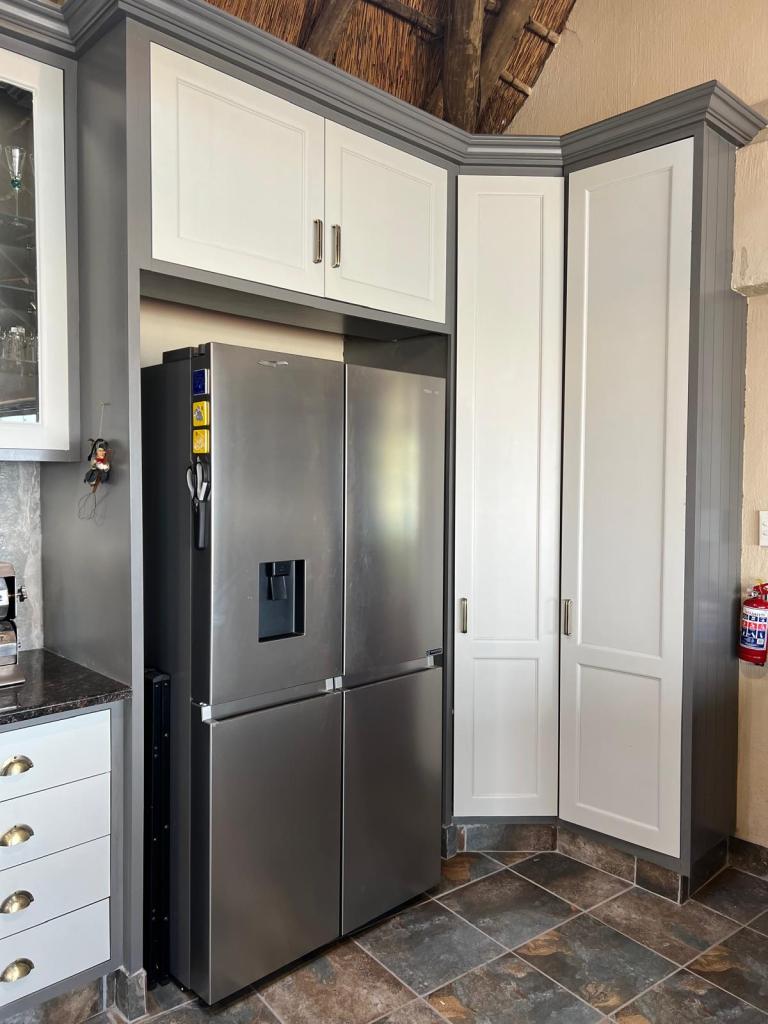
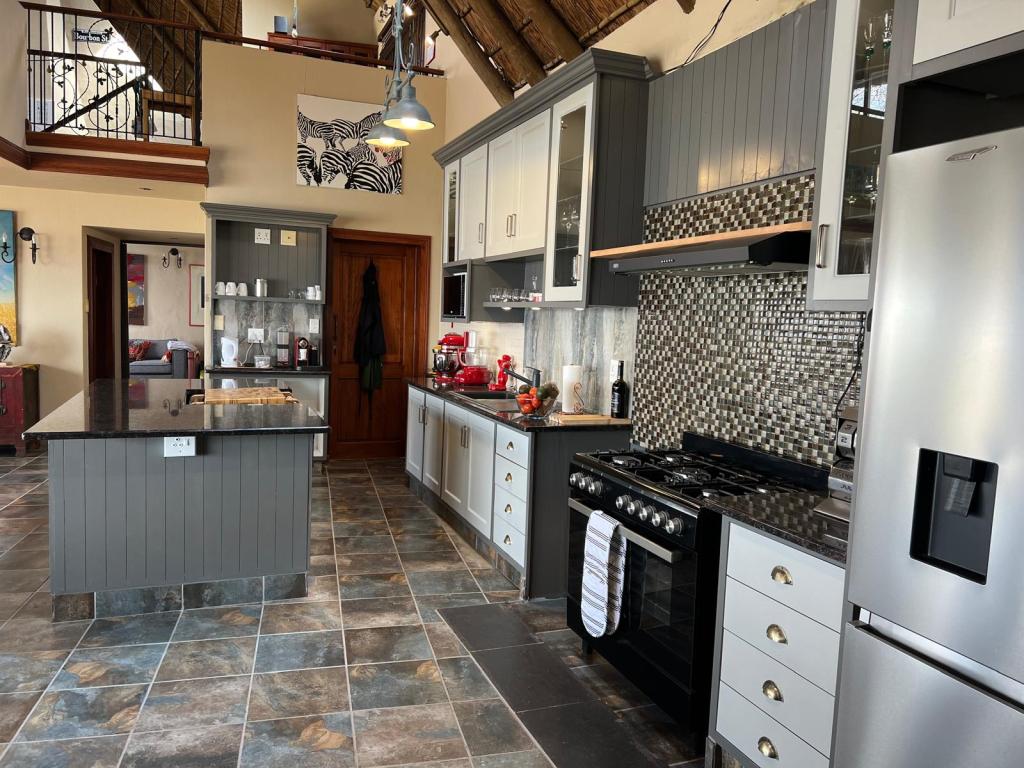
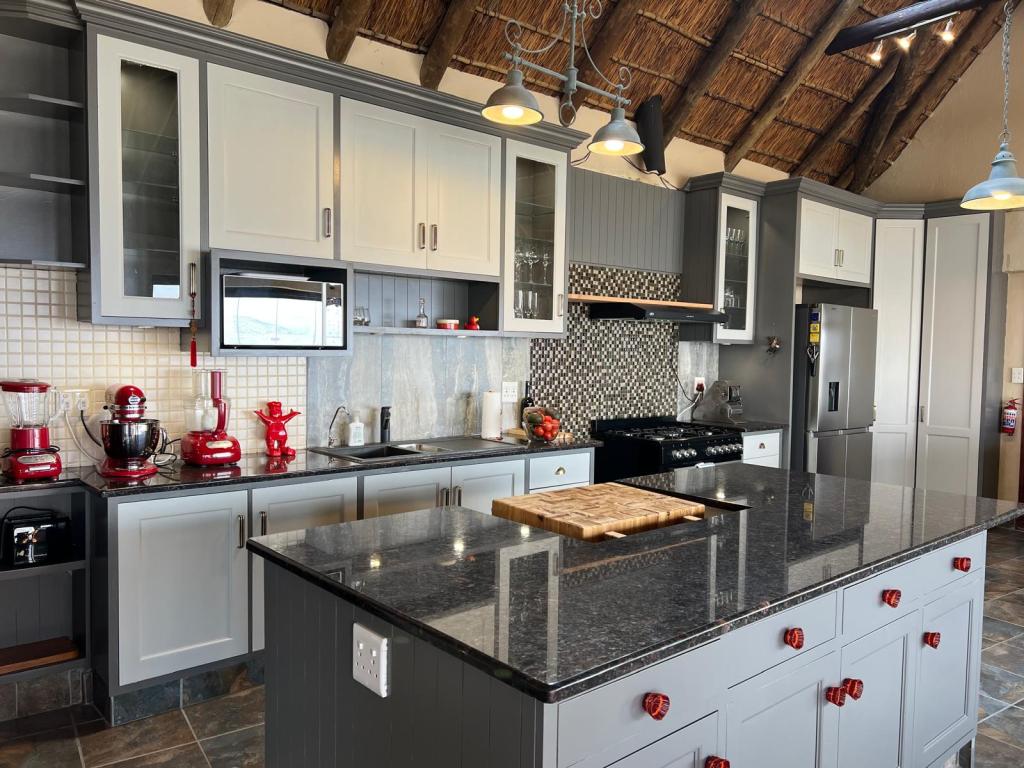
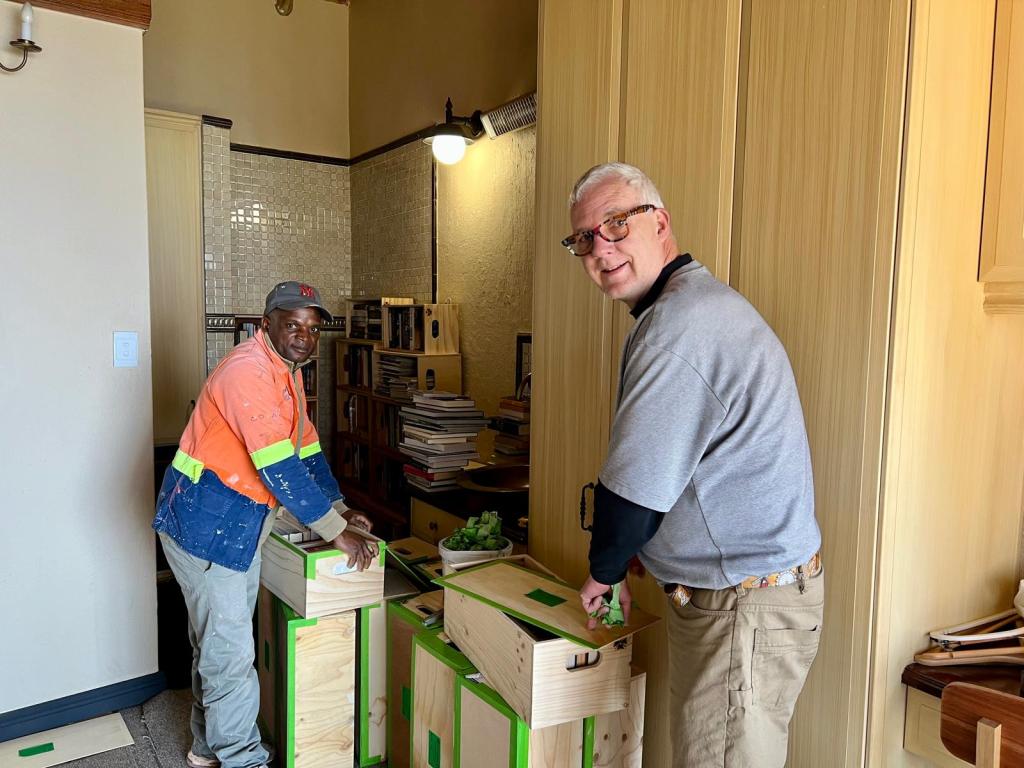
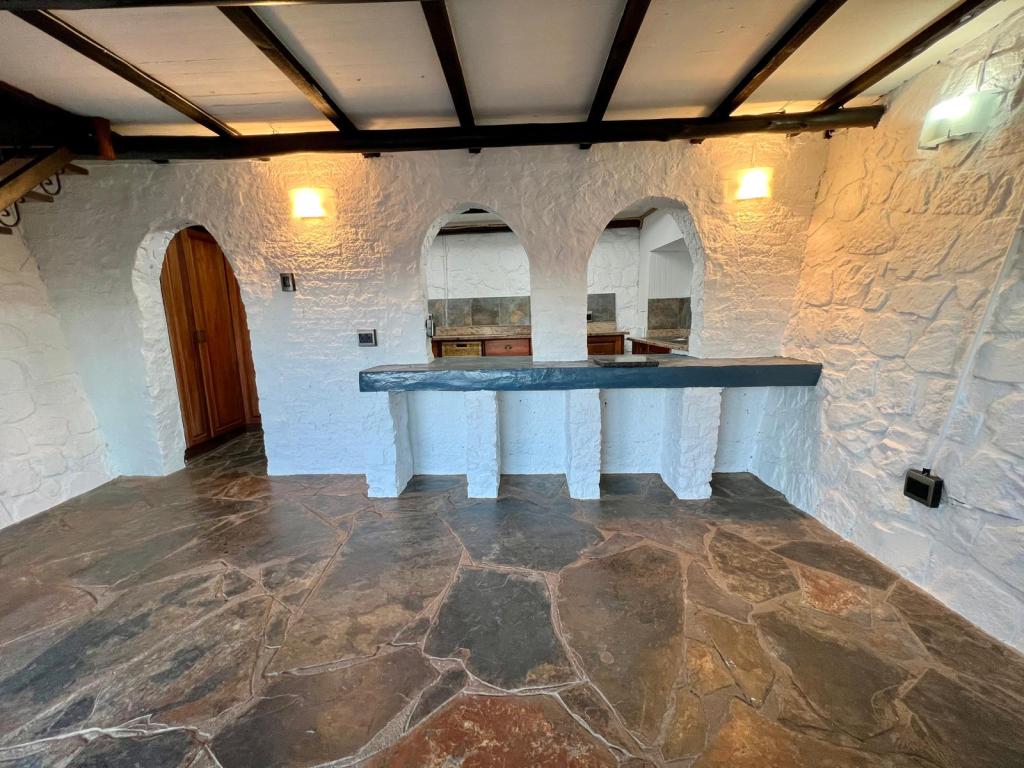
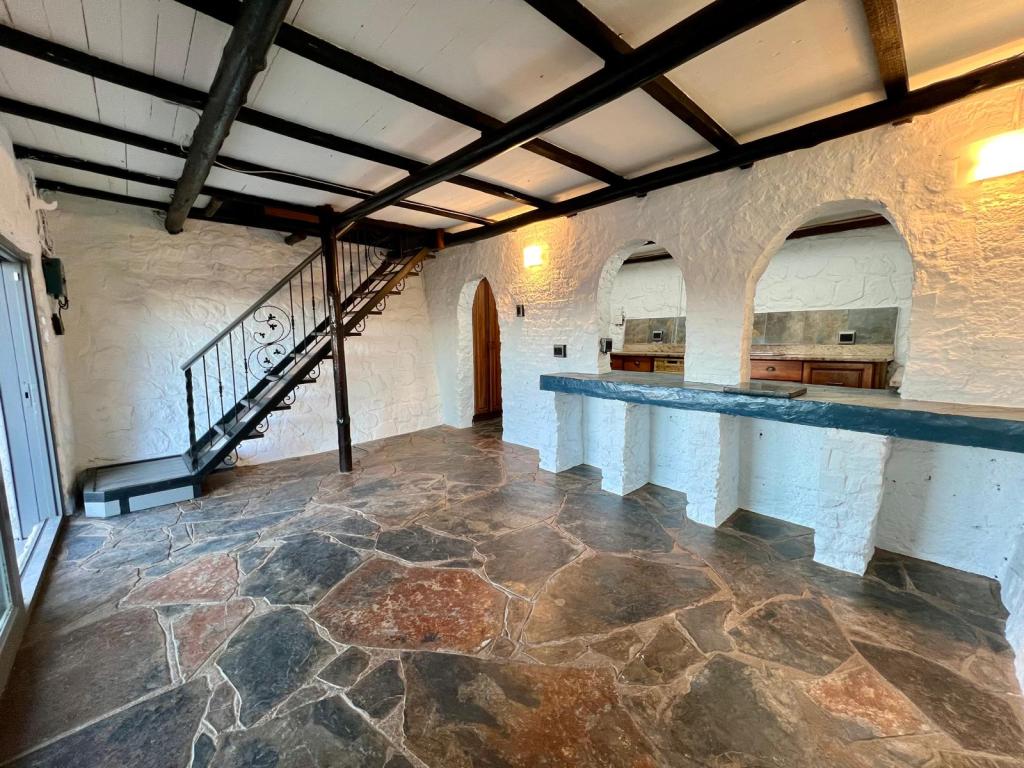
    We now have the kitchen we want, with way more room. And 2+3 and I did it all ourselves in just under a week!

    This is the pond sludge green kitchen we saw when we first viewed the house. (And lived with for five months.)

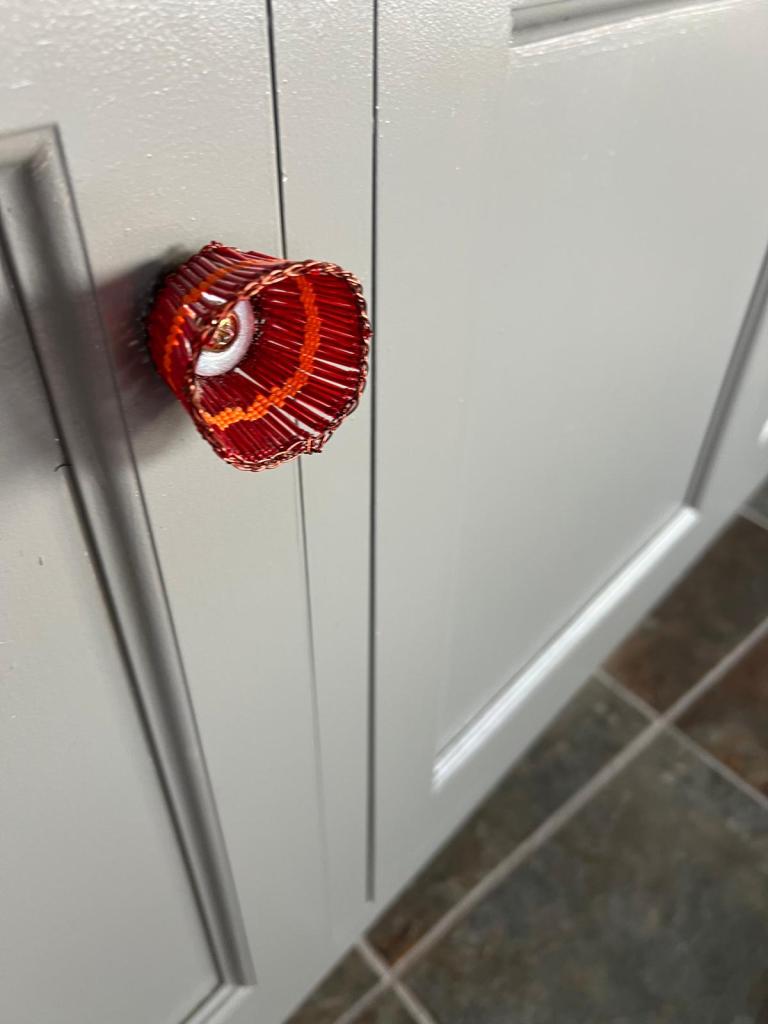
    And this is the kitchen we now have …

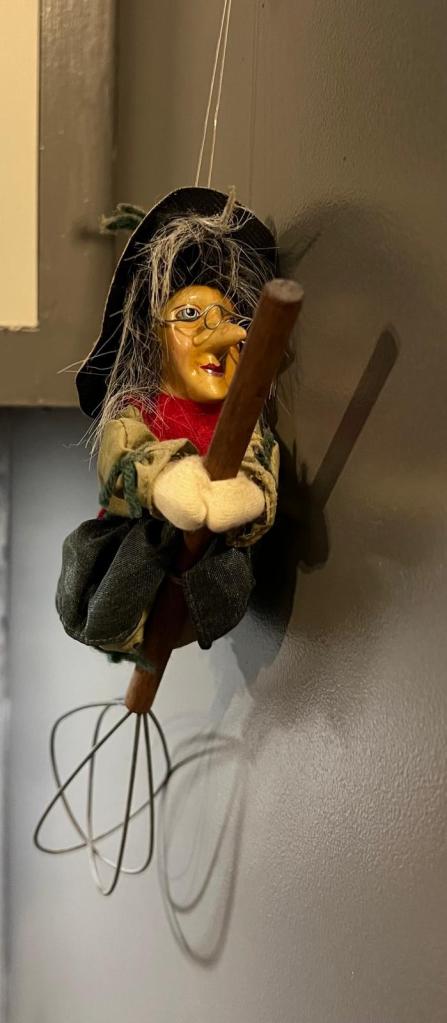
    Even Beating Bertha, my kitchen witch, is happy!

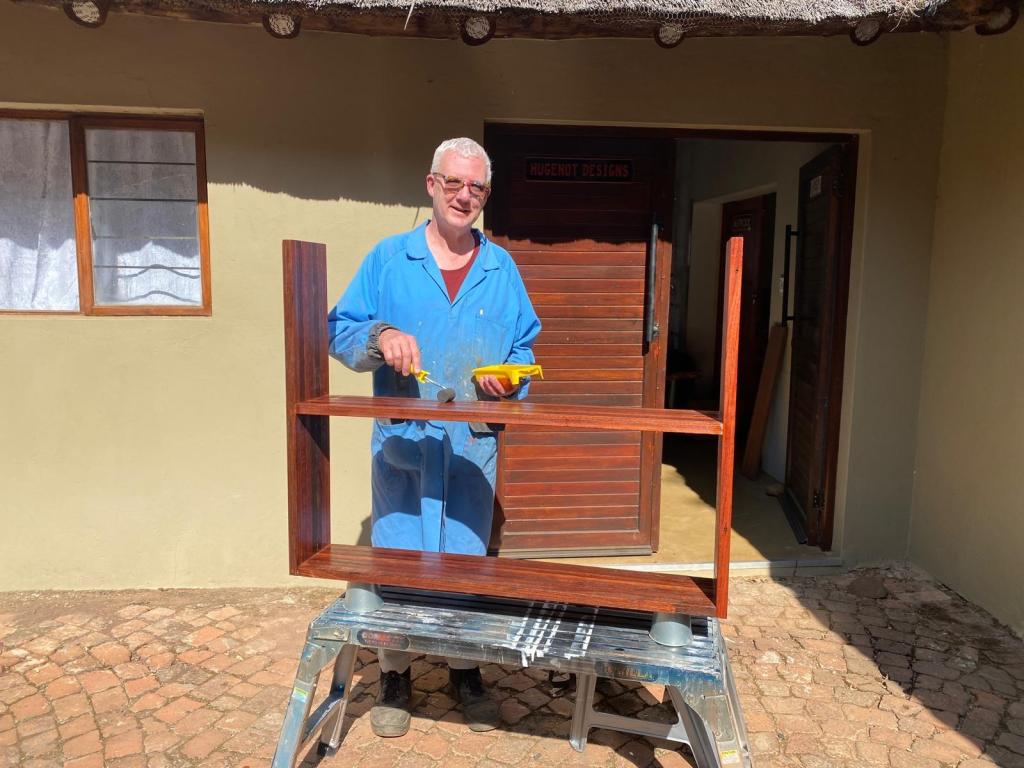
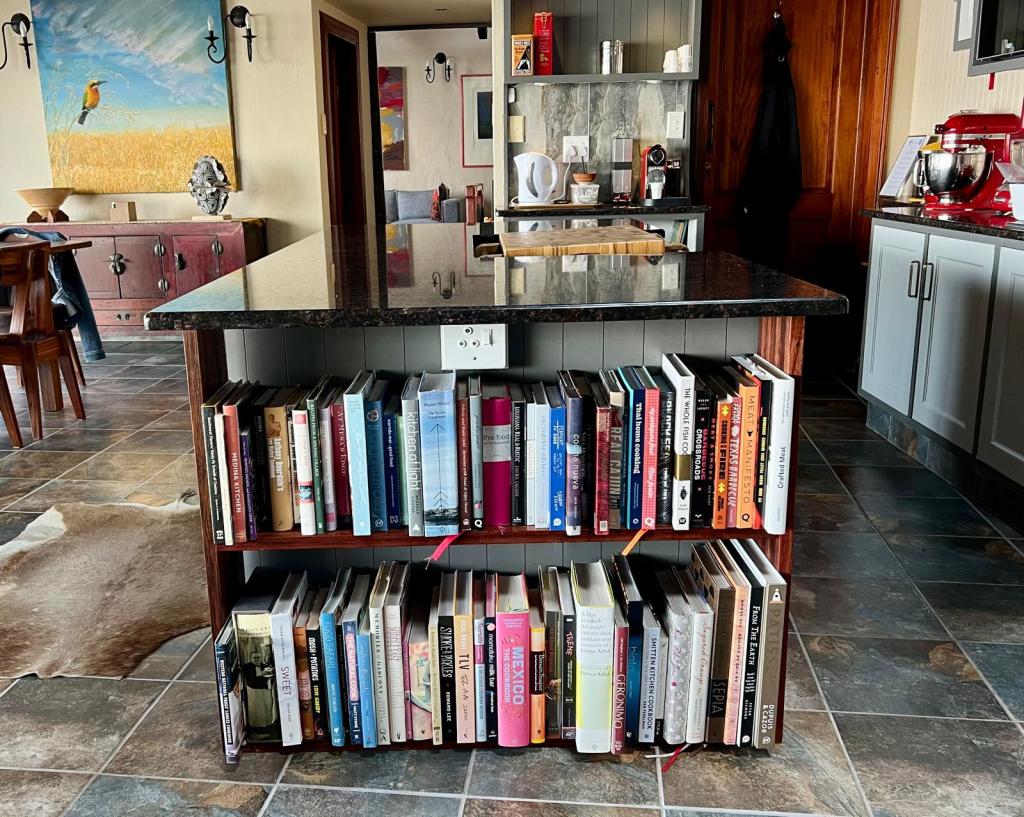
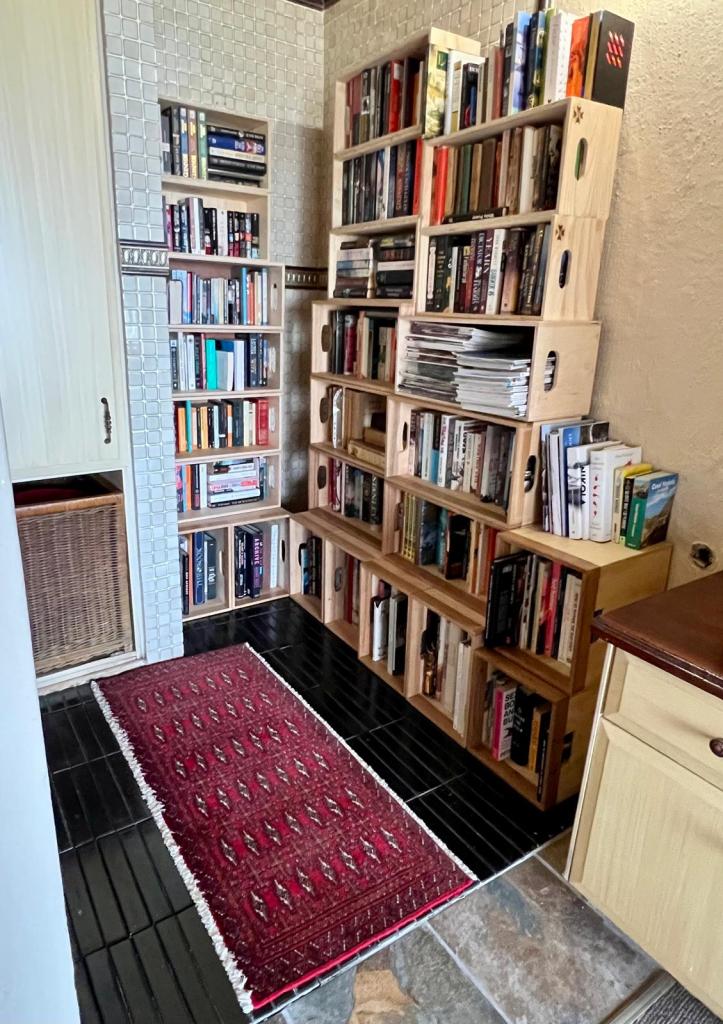
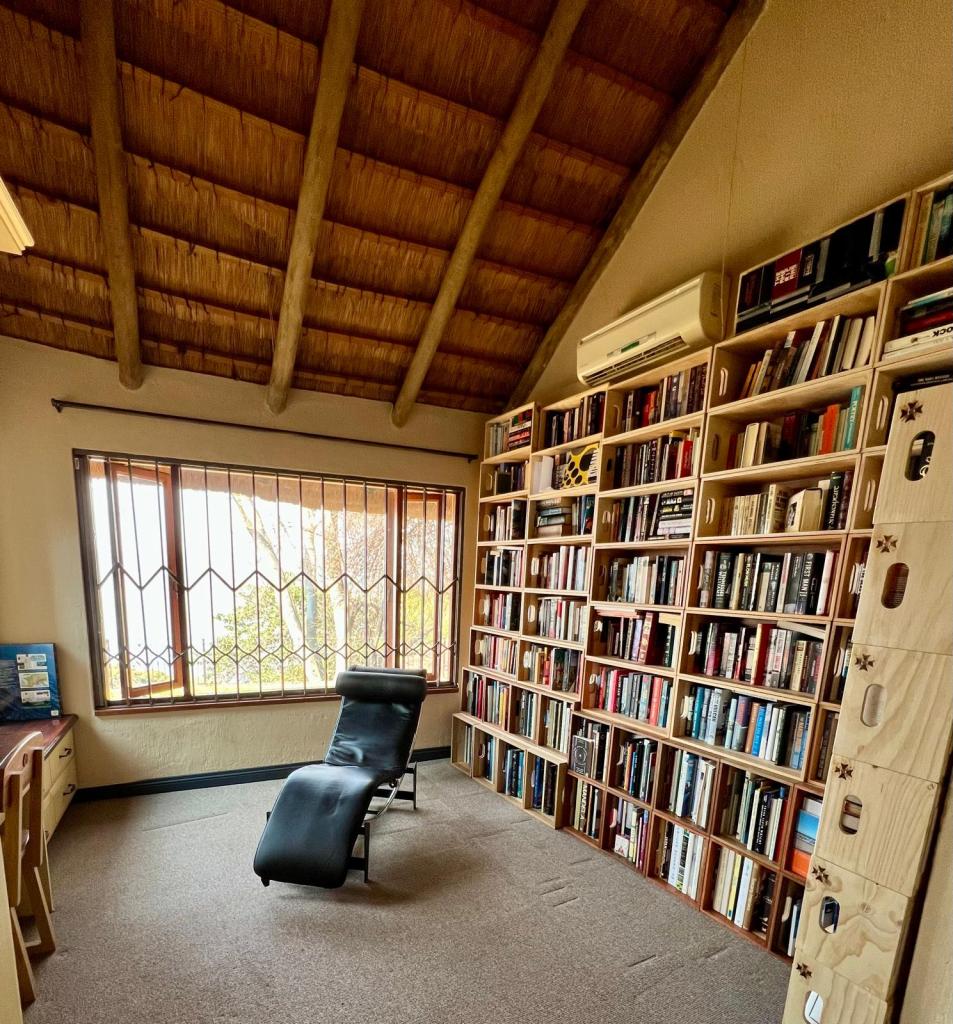
    We’ve also sorted out our reading room, which has exceeded our expectations. We now have a calm, inviting space to enjoy our many books (and enough room for the many more that will undoubtedly come into our lives).

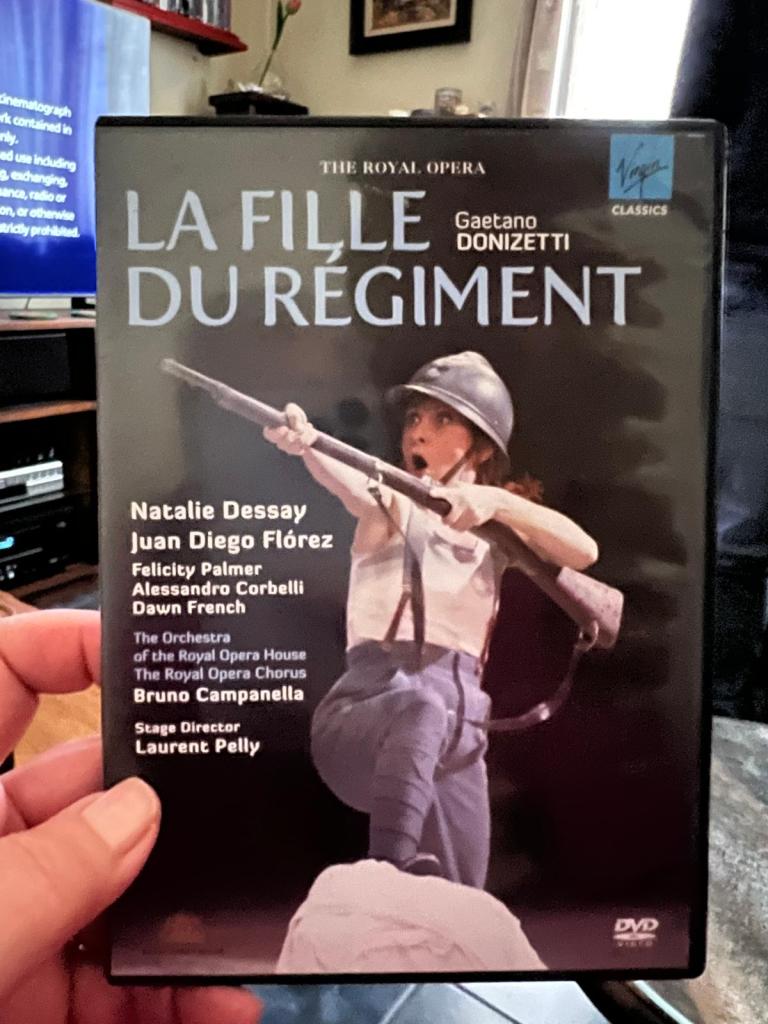
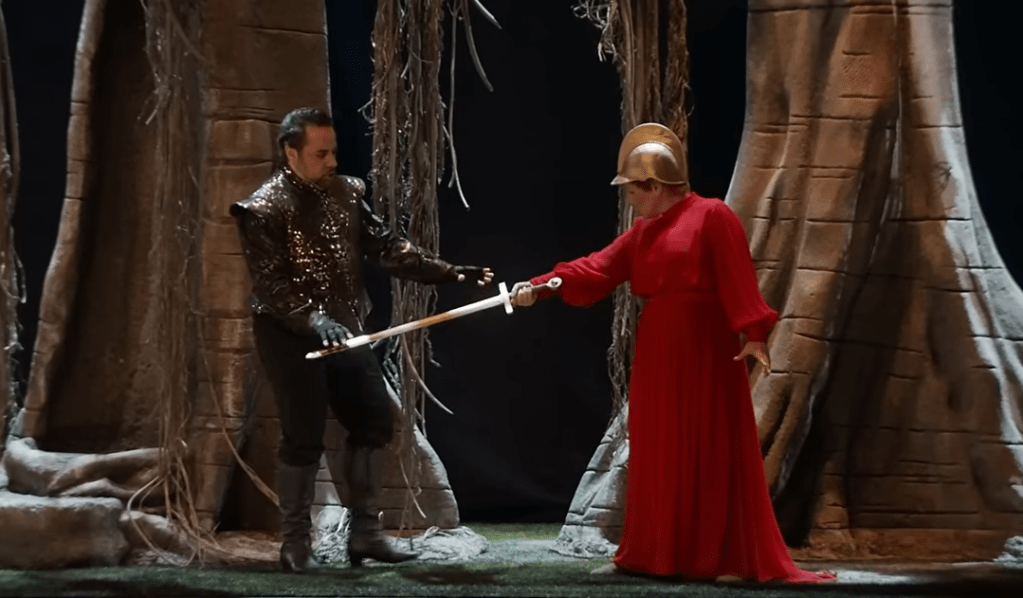
    It wasn’t all work and no play! We attended our monthly Salieri opera appreciation gathering and watched Donizetti’s fun and funny, “La Fille du Regiment” (“Daughter of the Regiment”).

    And we had Russell and Rose from Australia spend the night.

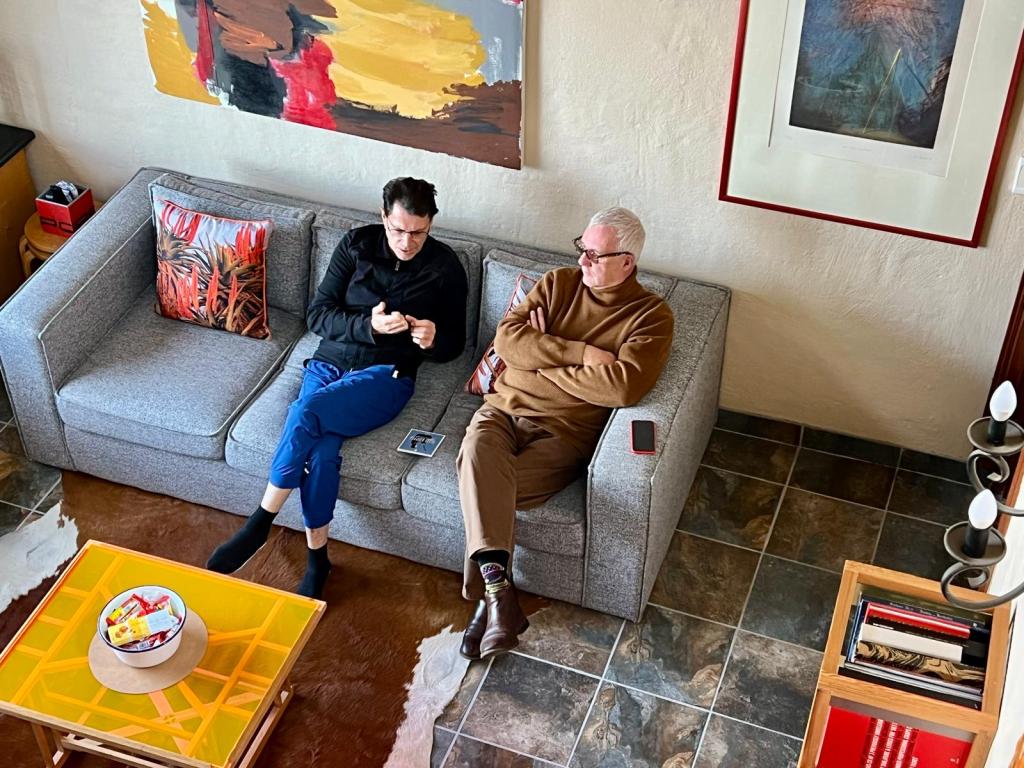
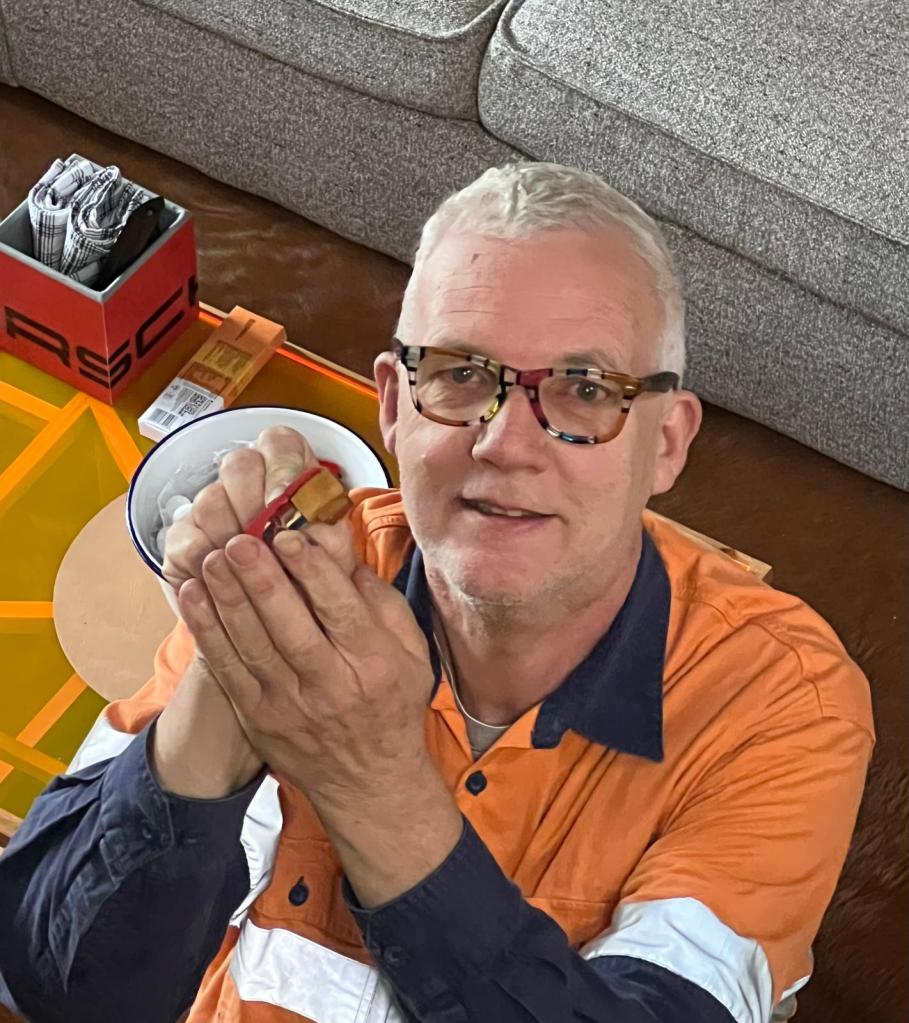
    Russell and Urbain enjoying the Genelecs

    This weekend we’ll have a house full of lunch guests, here to celebrate my first African birthday in 27 years, and Spring is already in the air. Roll on month 6!

  • The South Africa of my heart

    Pt 4 – The Magaliesberg

    I love living in an area of geological and historical significance…

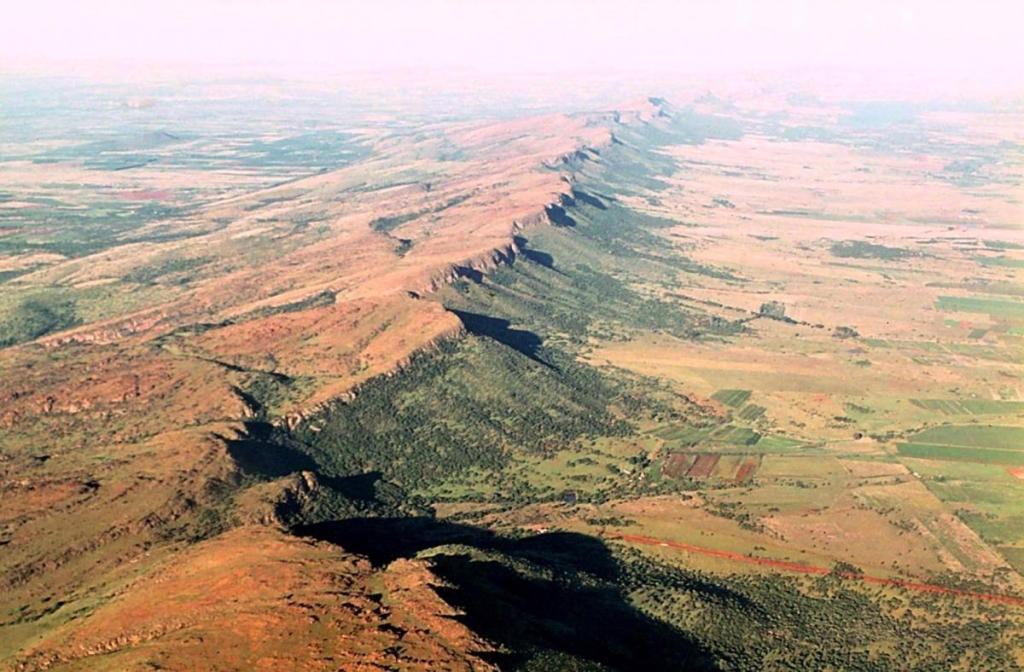
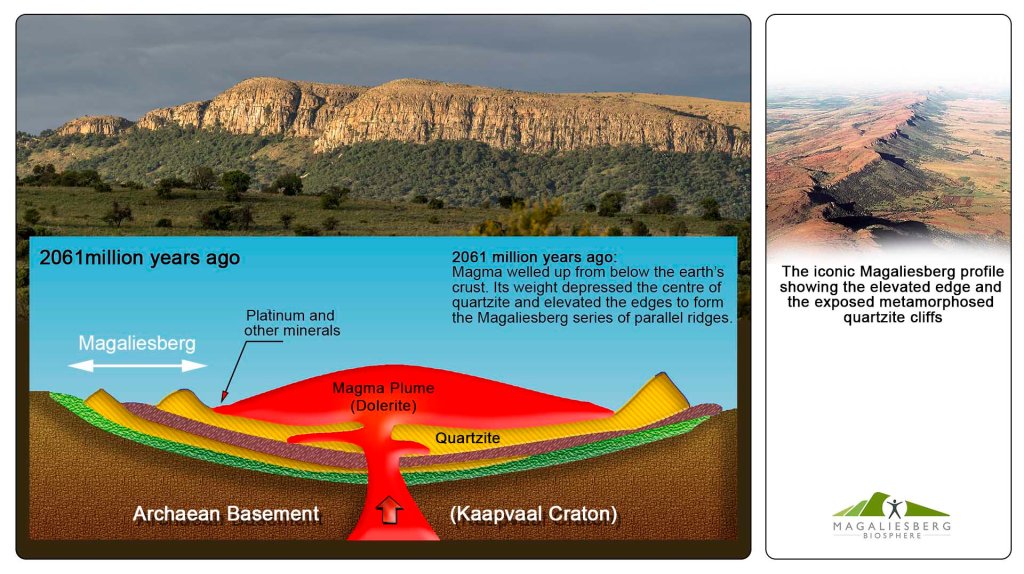
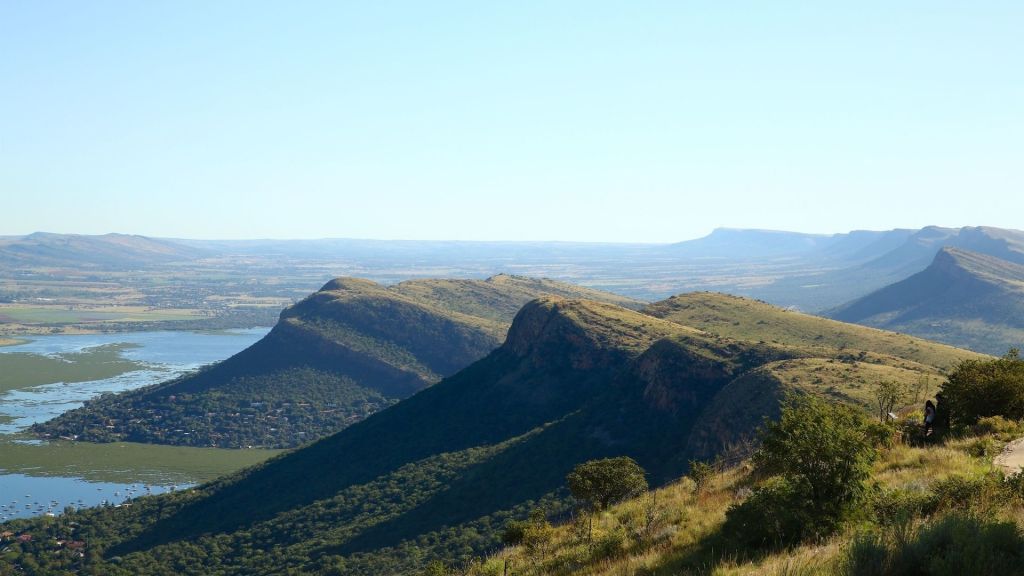
    The Magaliesberg mountain range – which pretty much surrounds our village of Kosmos – is old! It is estimated to be around 2 billion years old, making it older than the Himalayas and older than Mount Everest. In fact, it predates the splitting of the supercontinent, Vaalbara.

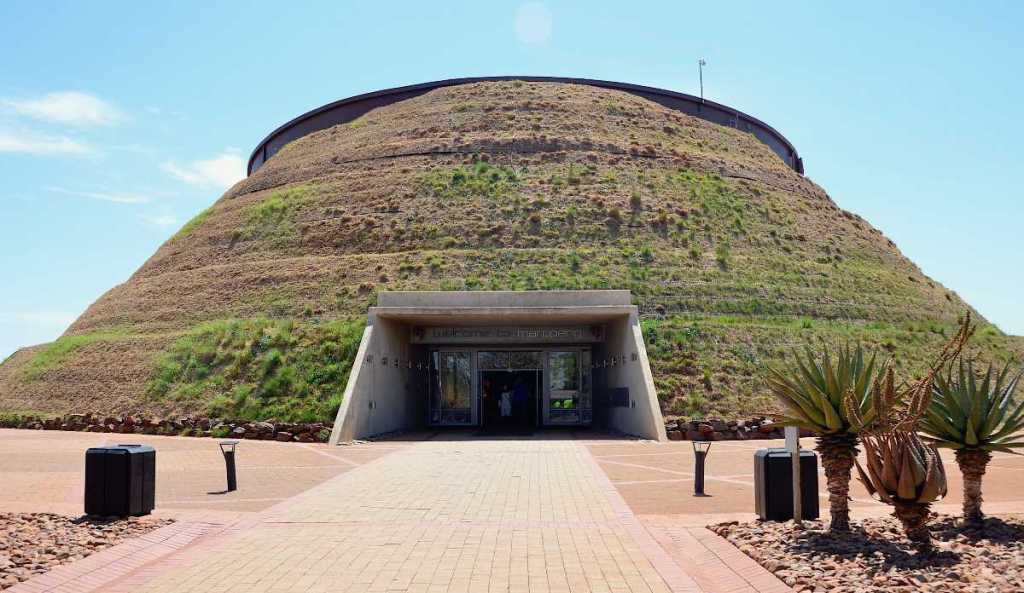
    The Cradle of Humankind, a UNESCO World Heritage Site, is located on its southern slopes — underscoring the area’s profound paleoanthropological importance.

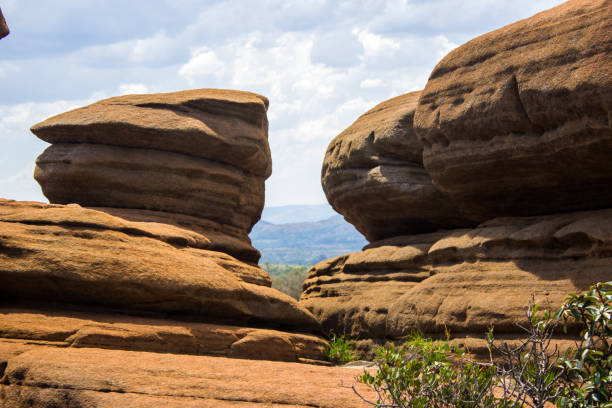
    The range is part of the Transvaal Supergroup, composed of ancient quartzite, shale, and dolomite rock layers. I’m no geologist, but I’m sure my friend, Dewetia can add additional information. What I know if that the geology of the area speaks to its age, mineral wealth, and agricultural significance (because those dolomitic aquifers store large volumes of groundwater.

    Recognised as a Biosphere Reserve by UNESCO in 2015, the Magaliesberg forms a transitional zone between savannah and grassland biomes, resulting in high biodiversity.

    The Magaliesberg is home to:

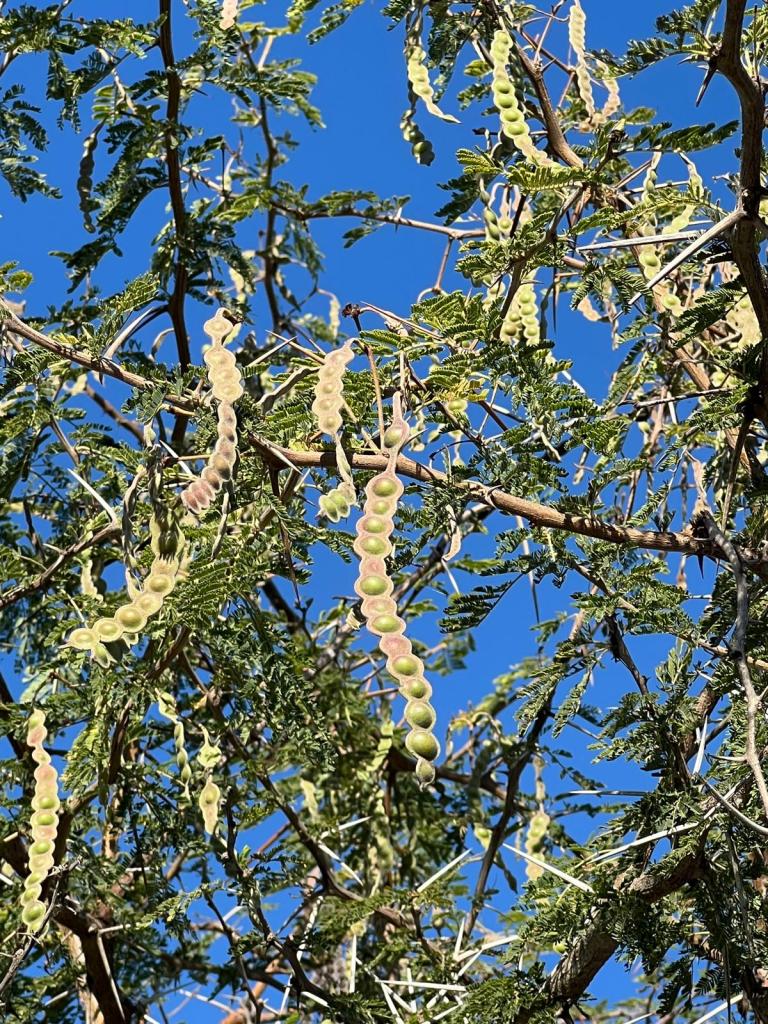
    • Over 130 tree species
    • 300+ bird species (including Cape vultures and Verreaux’s eagles)
    • Various mammals like leopards, baboons, and klipspringers

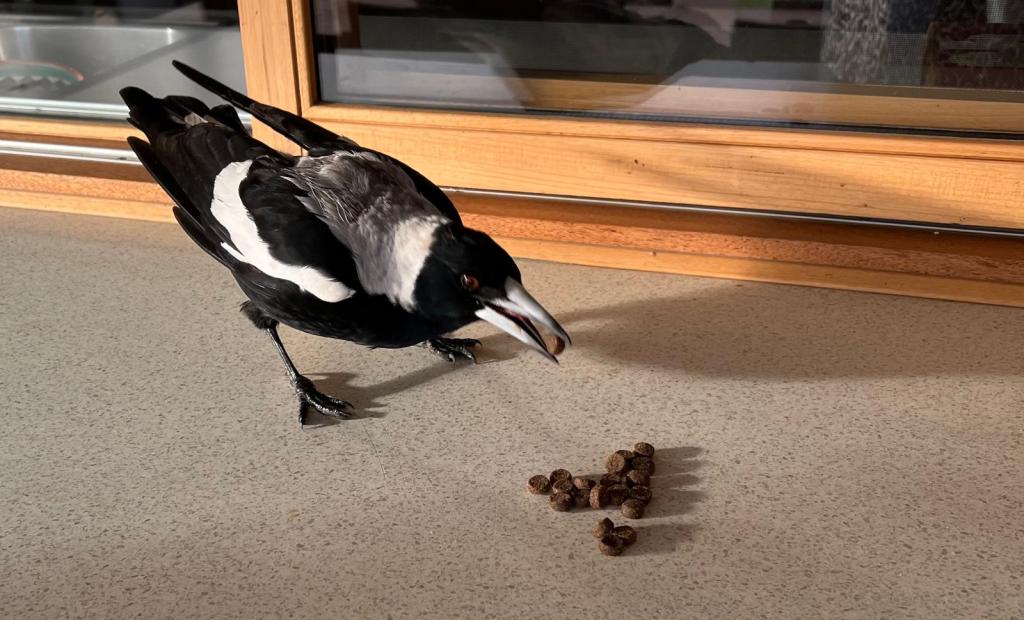
    And we can attest to the remarkable range of birds in the area, like these little fellows …

    This place also carries a great deal of historical significance, much of it personal.

    The name “Magaliesberg” is derived from Kgosi Môgale, a chief of the BaPo ba Mogale, a Tswana-speaking group who once ruled the area – which has been inhabited for millennia. Archaeological sites show Stone Age, Iron Age, and much more recent human activity.

    The Magaliesberg was a strategic location in multiple conflicts, including the Mfecane Zulu expansion wars of the early 19th century, and, significantly, the Boer Wars.

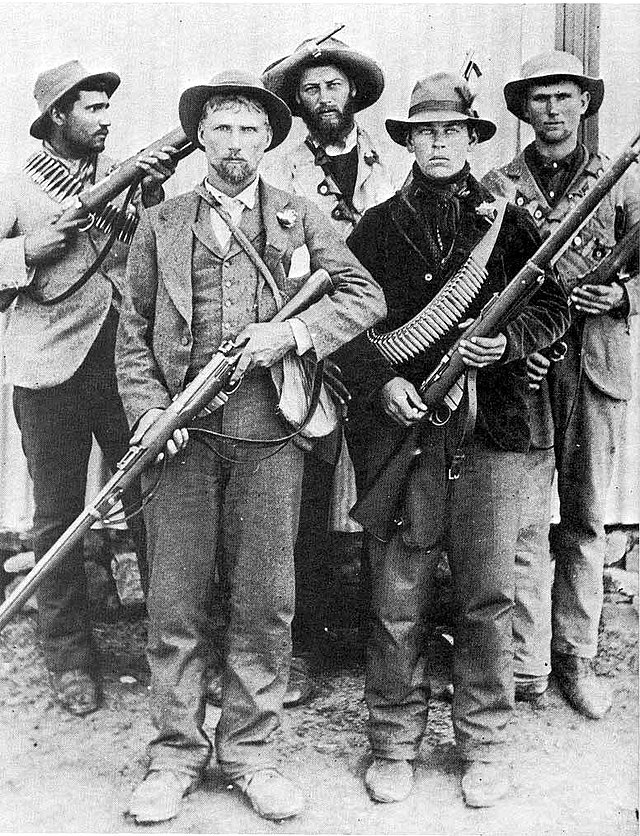
    Boer soldiers

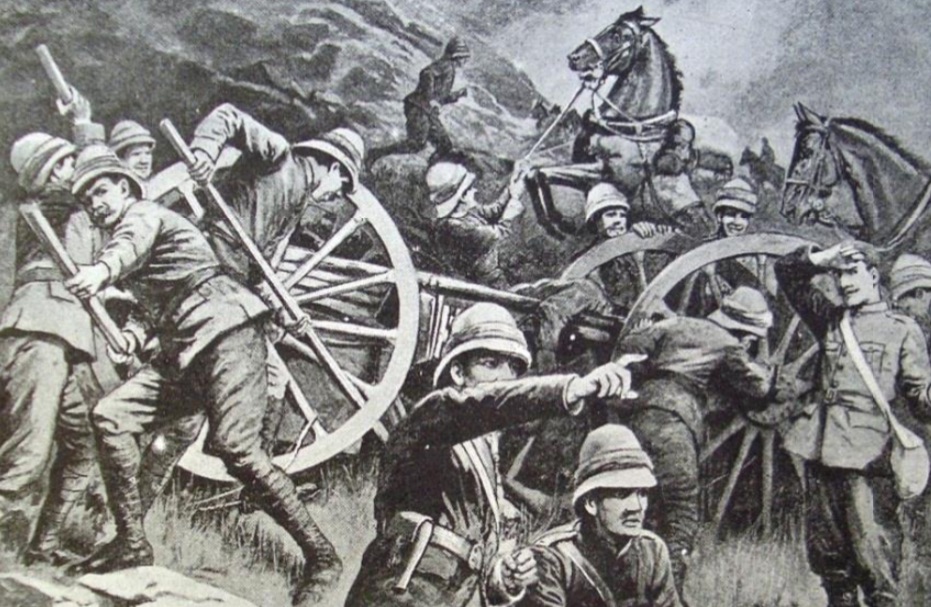
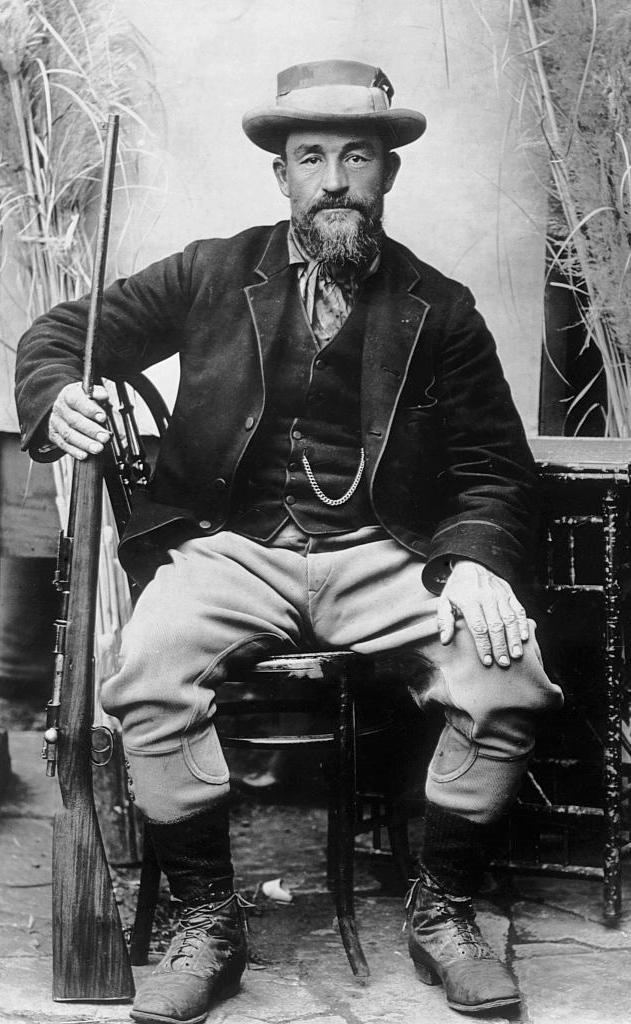
    After conventional warfare gave way to guerrilla tactics in 1900, the Boers, under leaders like General Koos de la Rey, General Christiaan de Wet and General Jan Smuts, began using the Magaliesberg to launch hit-and-run raids on British outposts. They destroyed rail infrastructure and supply convoys, and then evaded capture by disappearing into the bushveld or rocky escarpments. Boer commandos often hid in the kloofs and caves of the Magaliesberg for weeks at a time.

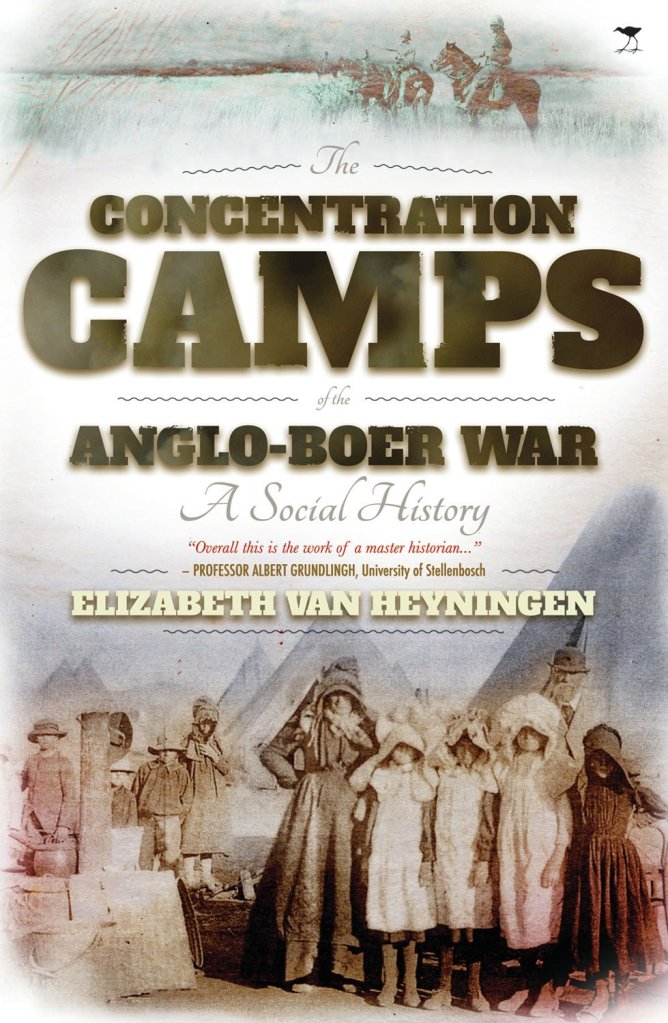
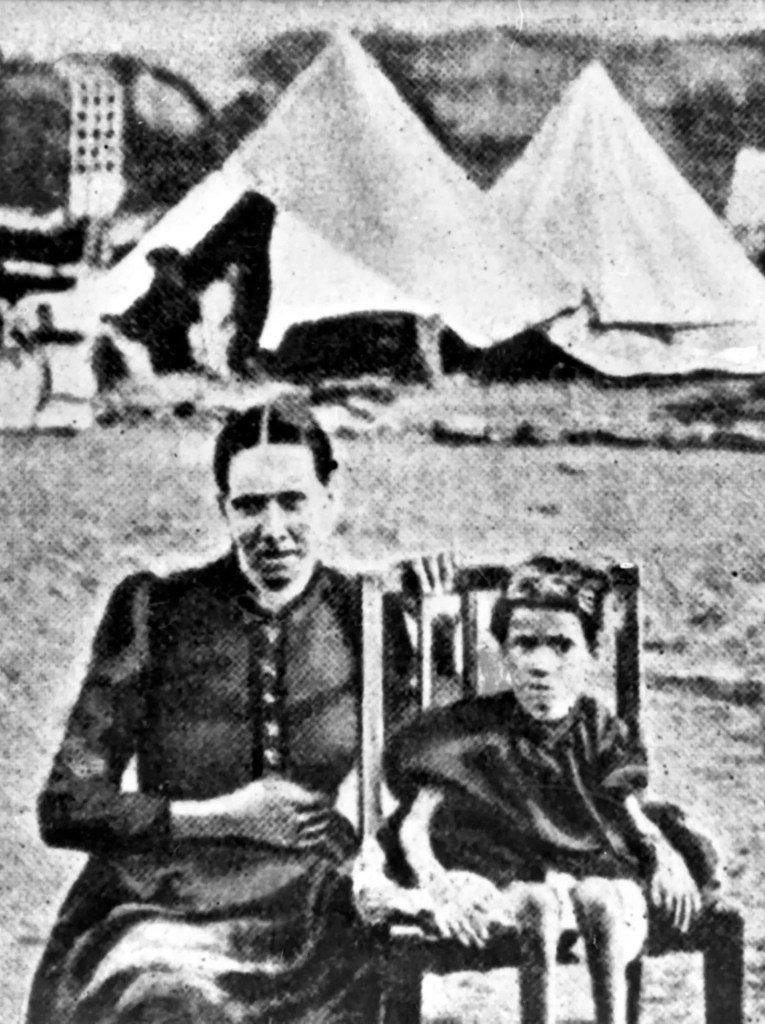
    And the British didn’t take any of this lying down. Their retribution was swift and brutal, with a scorched earth policy applied and the internment of Boer women and children in the first ever concentration camps. Urbain’s paternal grandmother and her mom were prisoners in one of these camps.

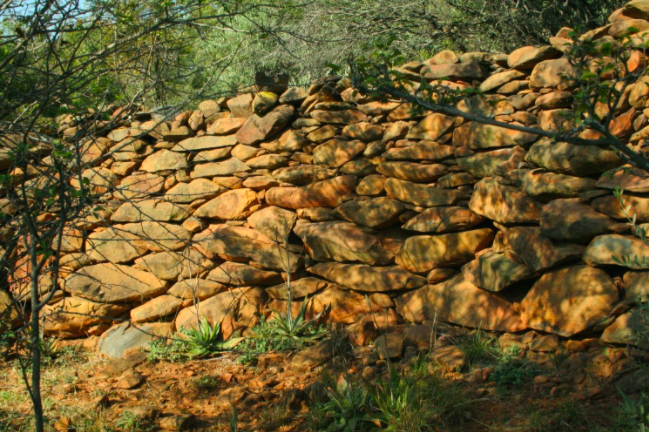
    Many farmsteads and ruins in the region still bear scars from the conflict. Memorials and plaques can be found at Silkaatsnek, Buffelspoort, and Nooitgedacht, commemorating both British and Boer soldiers.

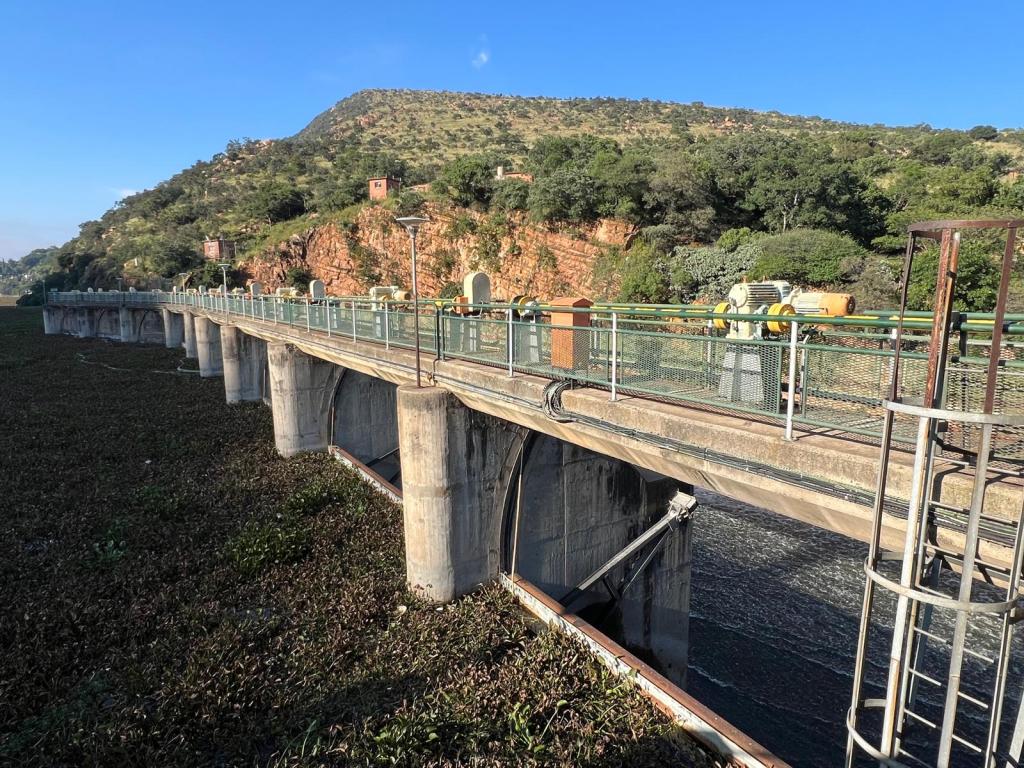
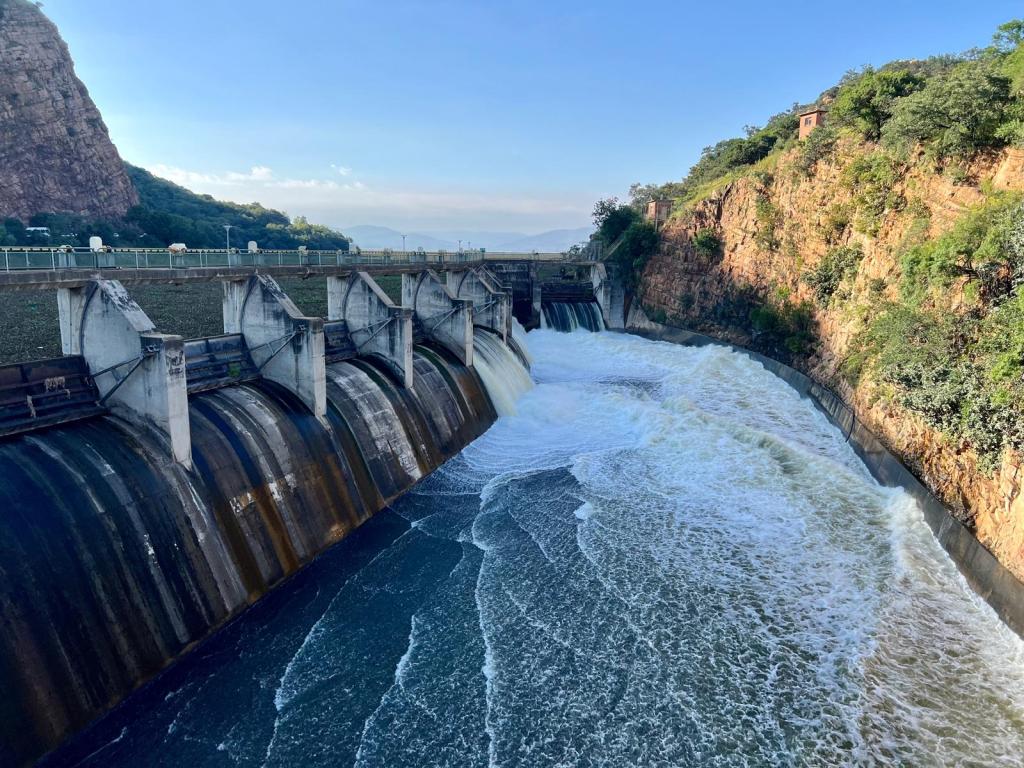
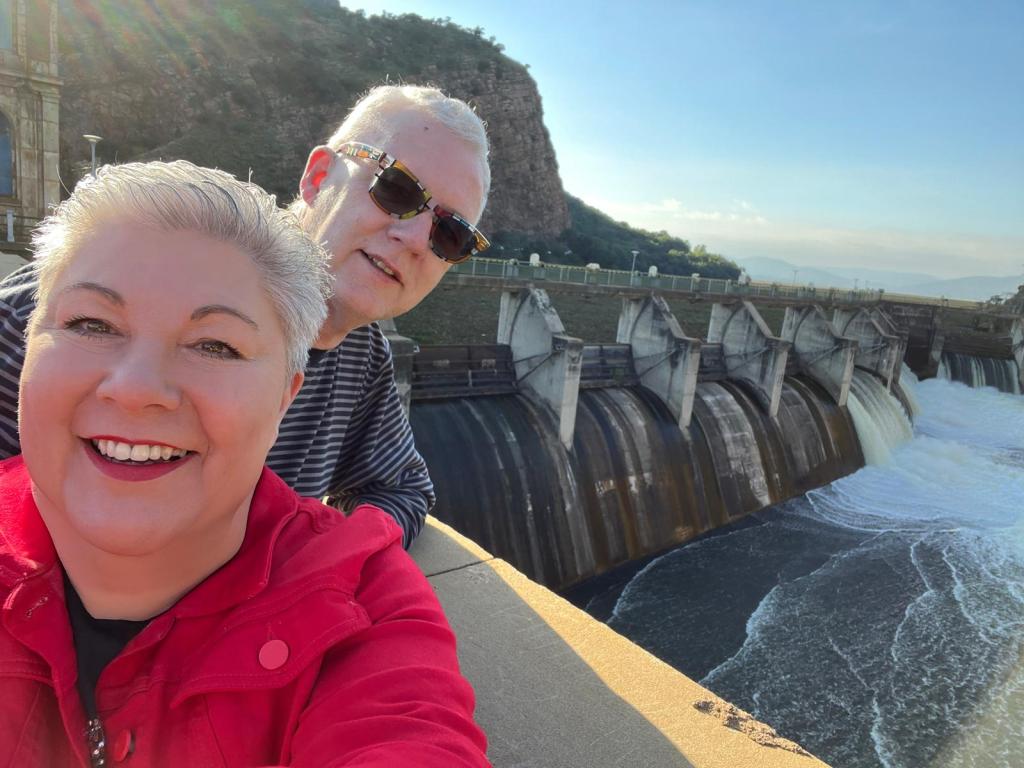
    In more recent times, the Magaliesberg became home to the Hartbeespoort (“Gateway of the – Red – Hartebees”) Dam, nestled at the foot of the mountains, and pretty much our front garden.

    Built across the Crocodile River, where it meets the Magalies River, construction began in 1923. The dam was created to support irrigation in the fertile farming areas of Brits and Skeerpoort, but it was also a major job-creation project.

    Ancient, historically and paleontologically significant, but most importantly, this remarkable place is HOME!

  • Day 1 of month 5

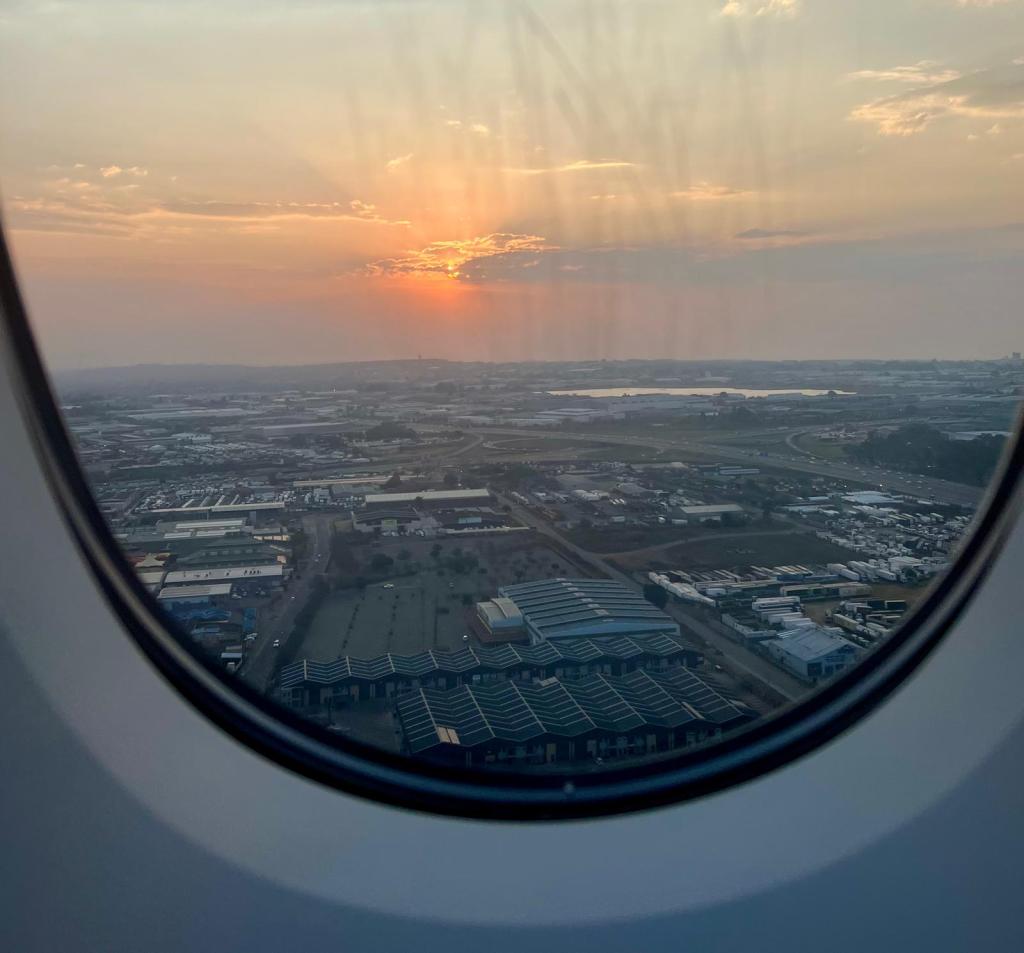
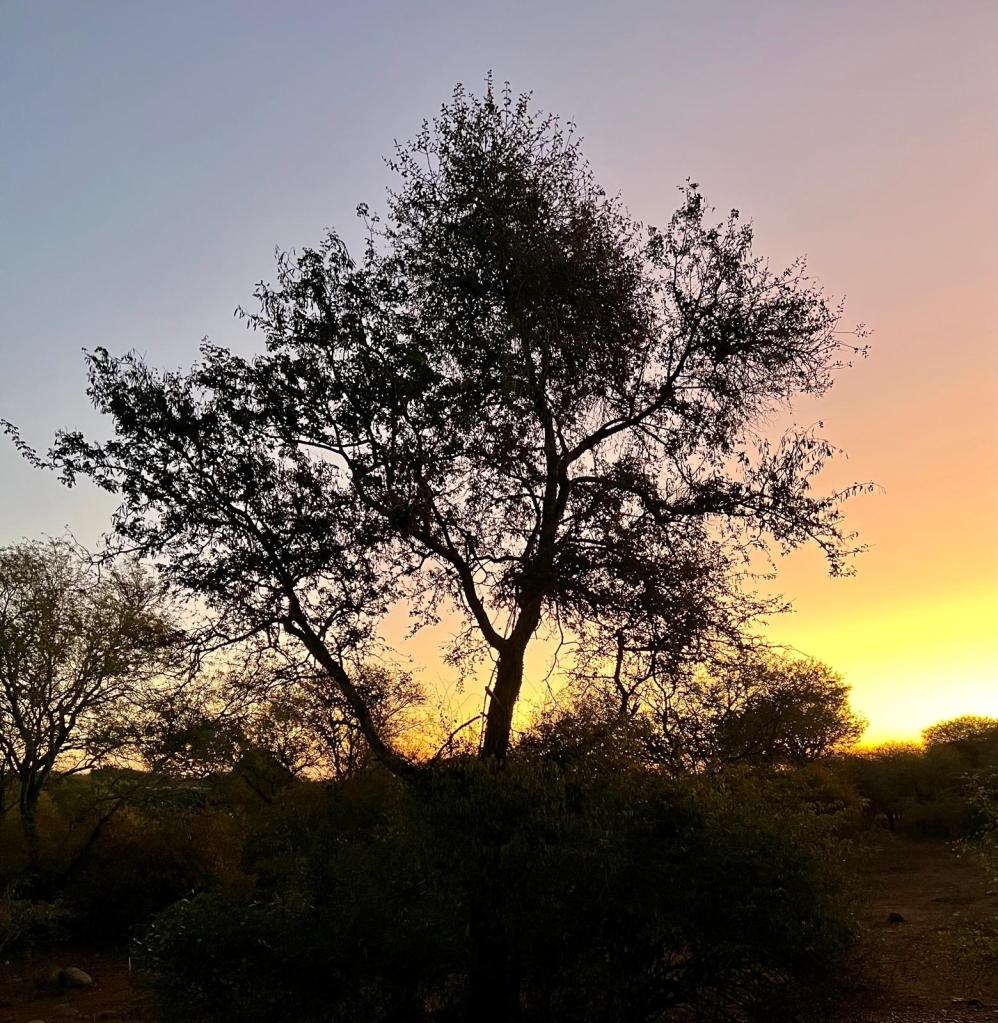
    I’ve been a bit slack posting, but the past month (month four of our African adventure) has been jam-packed. We did, however, take time out to appreciate a few sunsets (and sunrises).

    Since moving to South Africa, we promised ourselves new experiences and maximised opportunities. In this vein, we’ve joined an opera appreciation group called – rather aptly – “Salieri”. Anyone who knows me well knows that I’m really not a fan of opera (understatement) and neither is Urbain, but when in Africa … We gather on the first Sunday of each month to share a meal, great conversation and (eventually) to watch an opera under the guidance of an afficionado called Rooi (Red) Frik. Frik is a fabulous, very funny, story-teller who brings each piece to life. The June offering was Verdi’s “Giovanna d’Arco” (Joan of Arc).

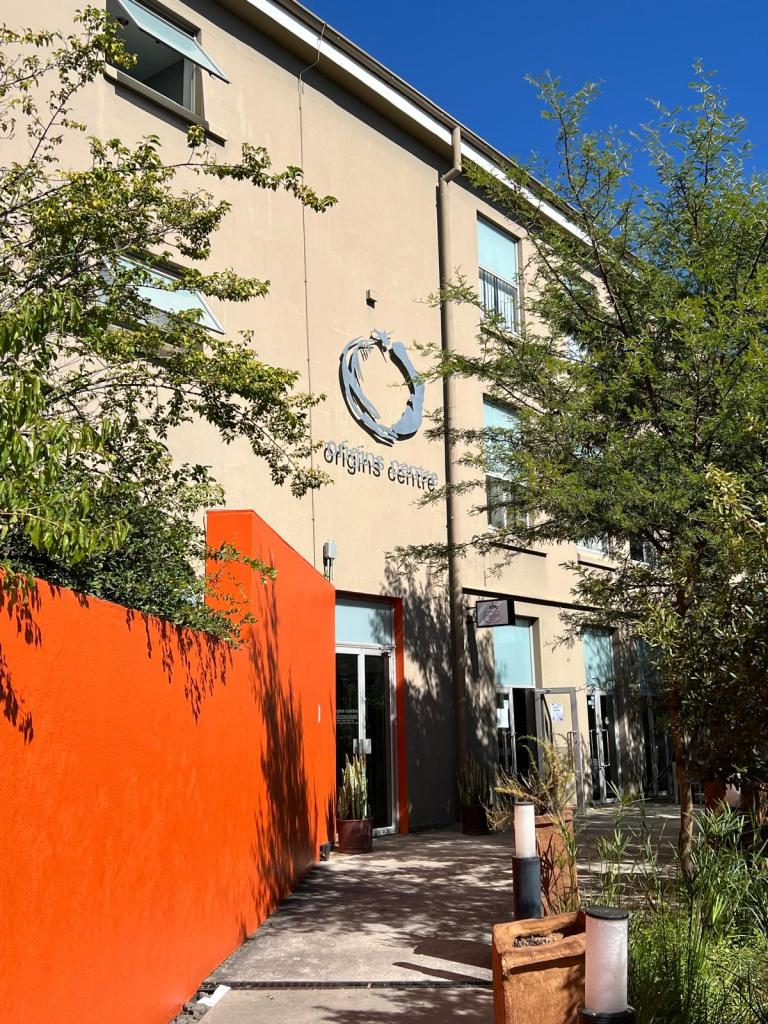
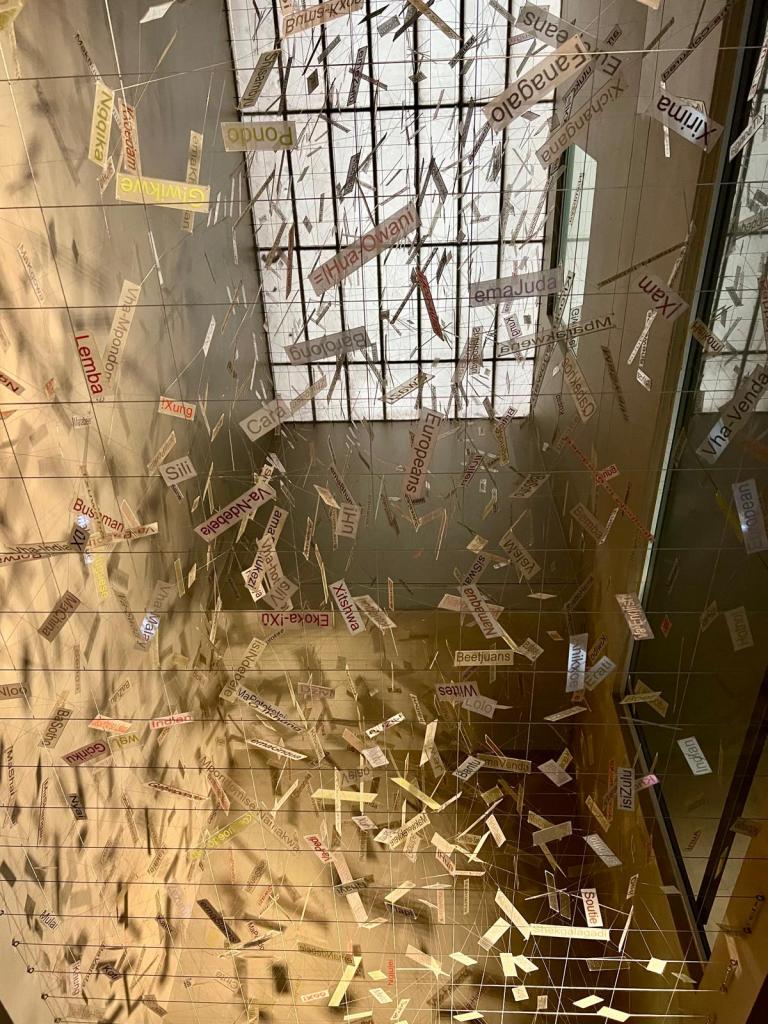
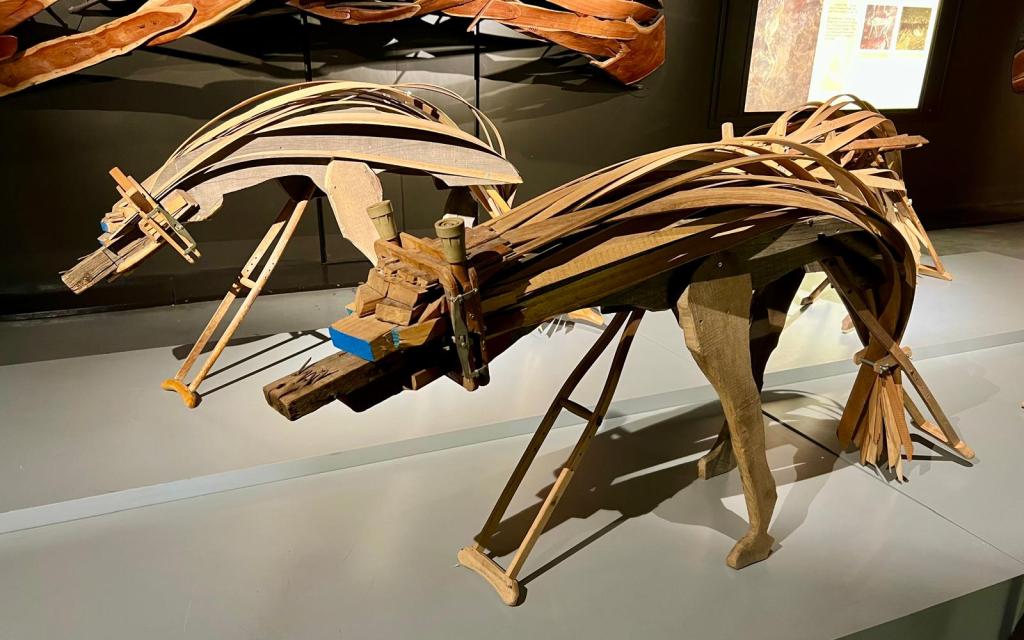
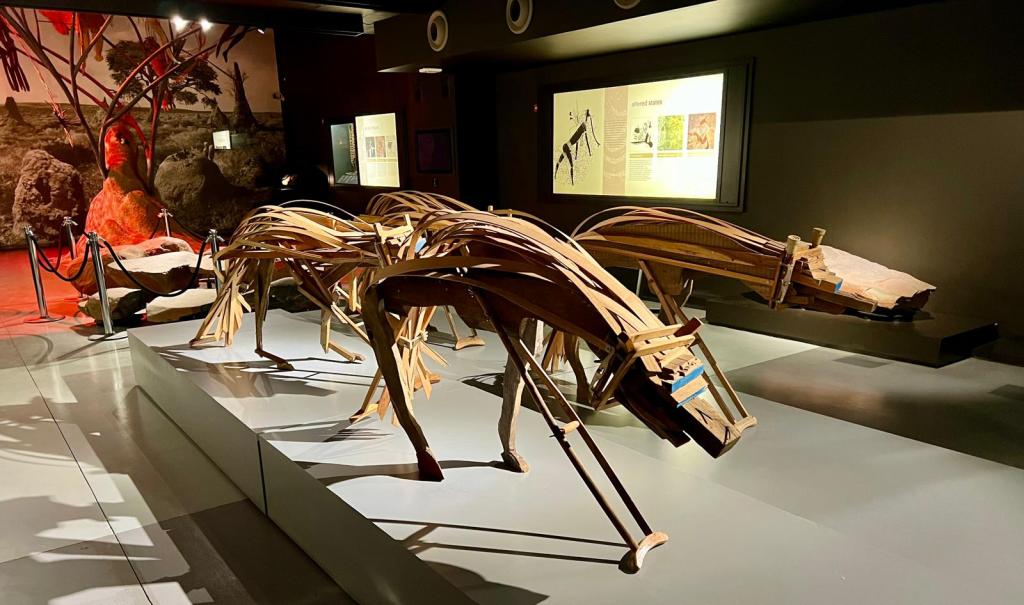
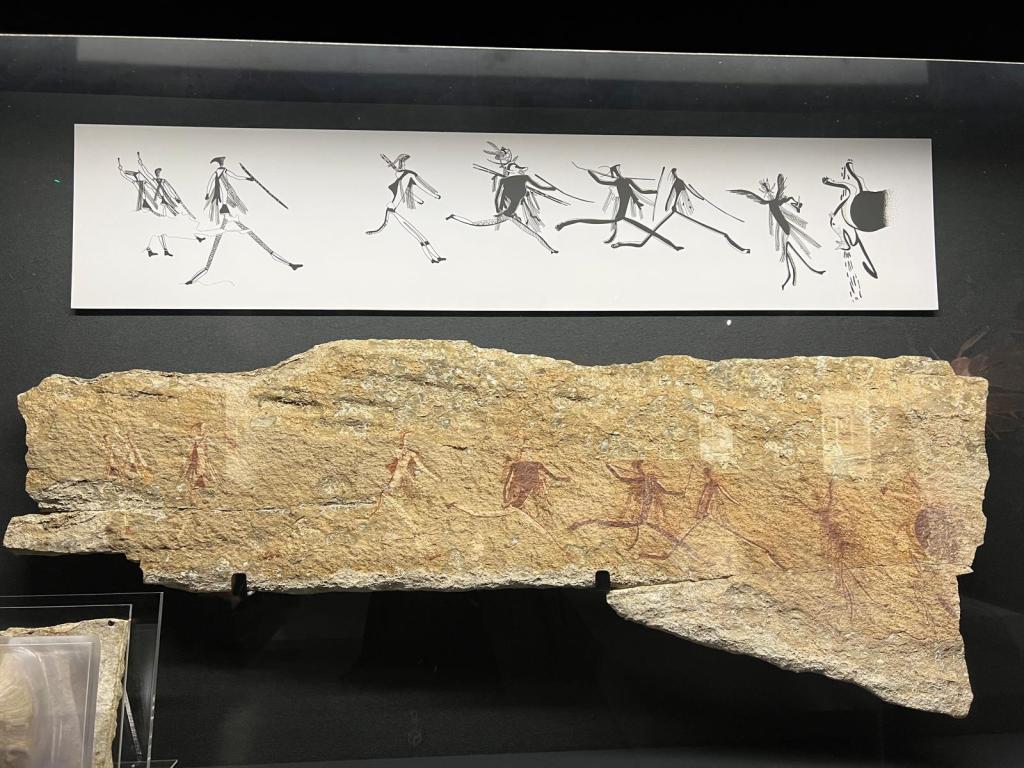
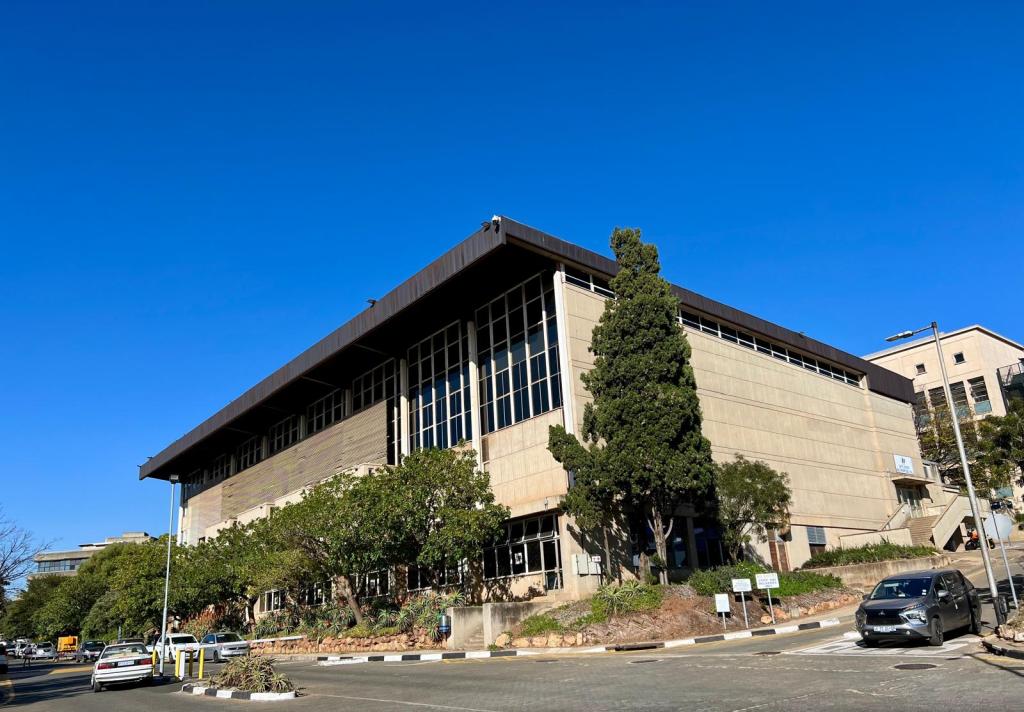
    We also visited the Origin’s Centre at the University of the Witwatersrand (Wits).

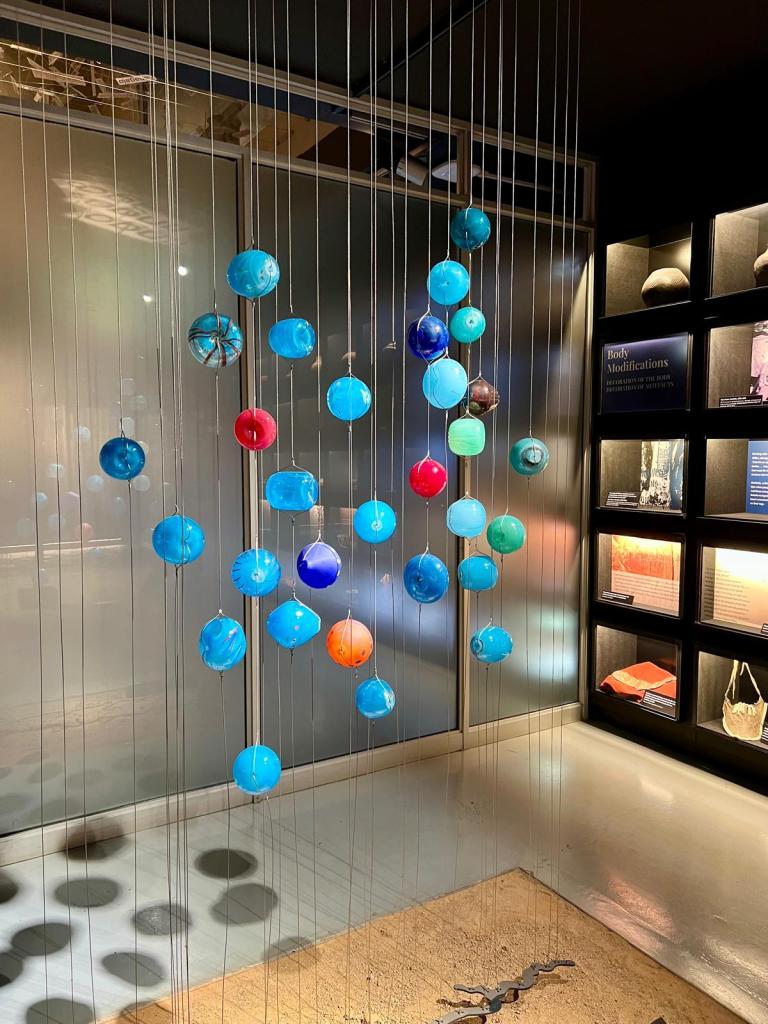
    The Origins Centre’s interactive exhibits guide visitors through a remarkable journey that starts with the emergence of humankind in Africa. From there, it traces the evolution of technology, art, culture, and symbolism. The experience then delves into the rich traditions of southern African rock art, brought to life through modern installations by prominent South African artists that celebrate these ancient creators and their masterpieces.

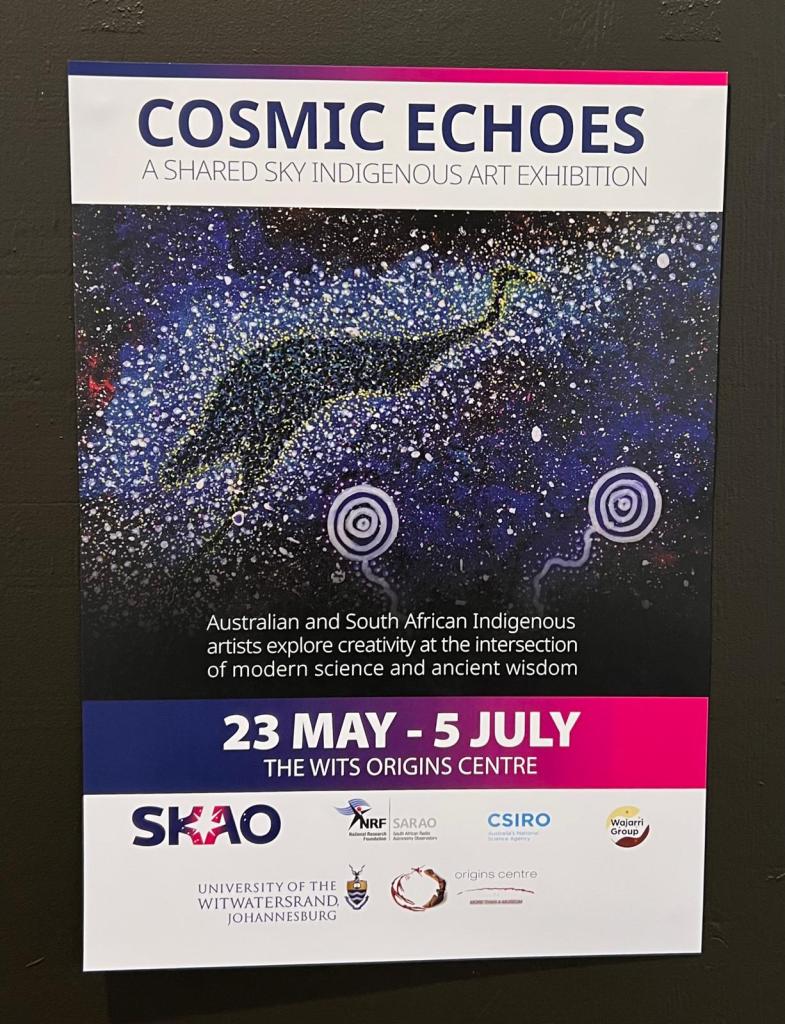
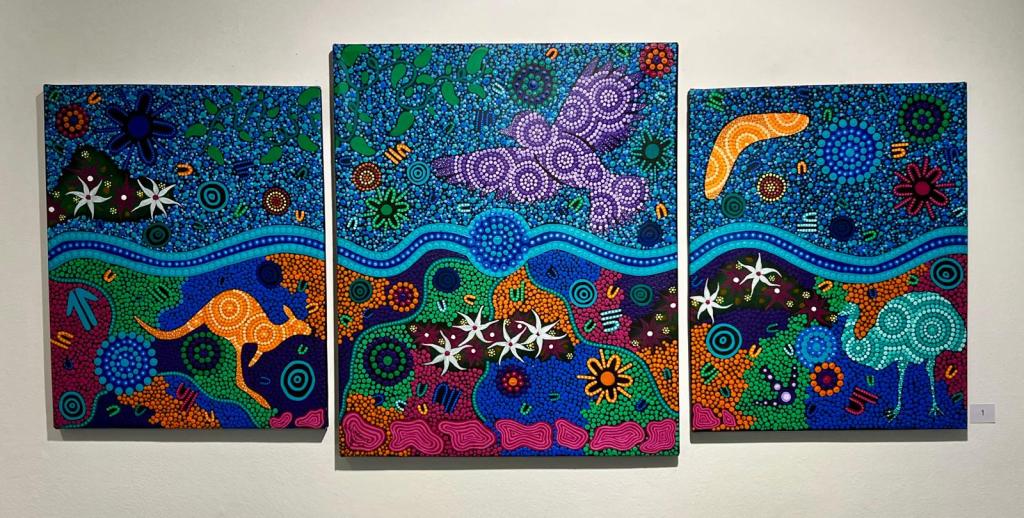
    We went to see a collaborative Aboriginal/Indigenous South African art exhibition called “Cosmic Echoes” …

    And ended up spending hours enjoying the permanent exhibits!

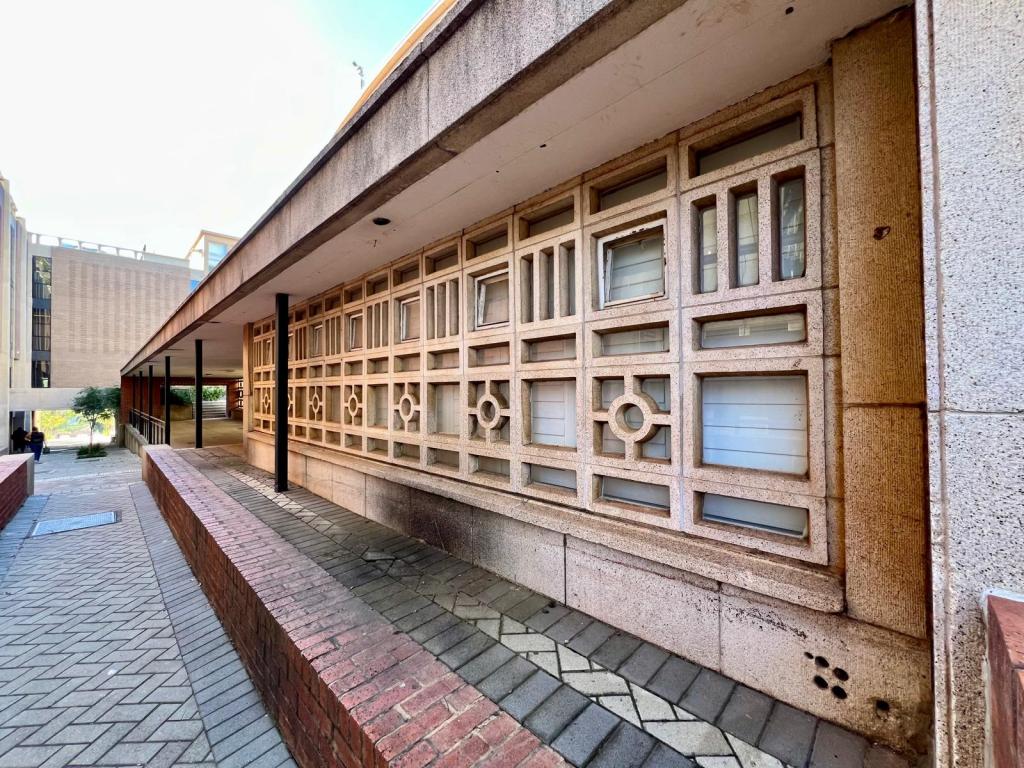
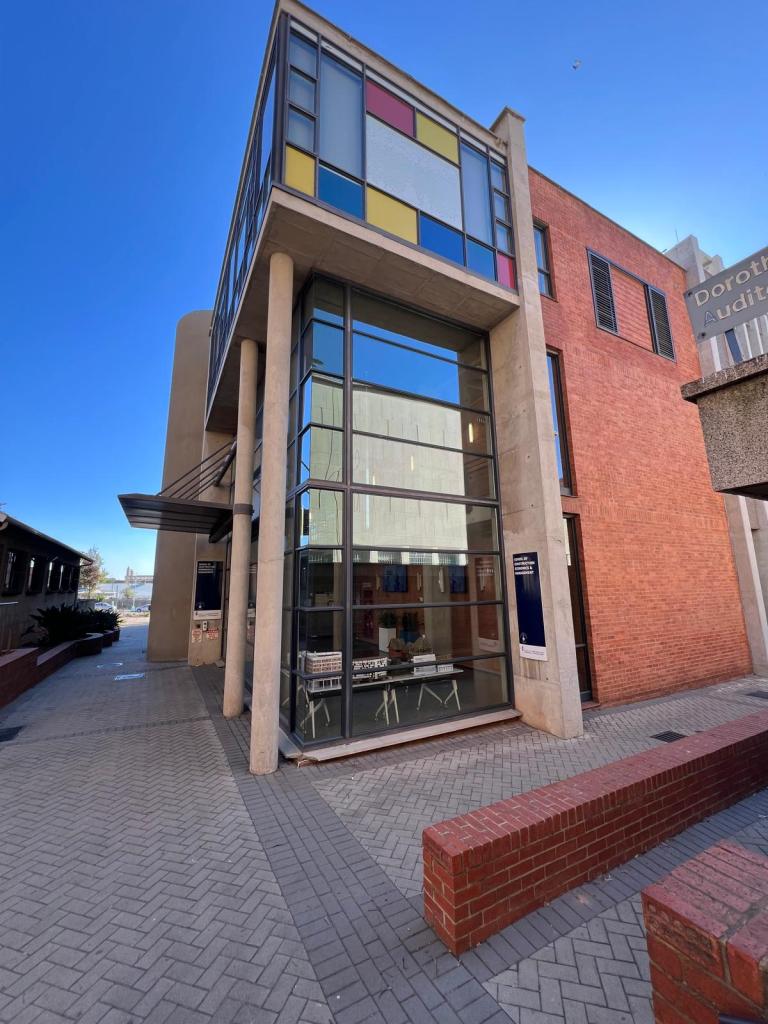
    It was also great to wander about the Wits campus and see how well maintained it is.

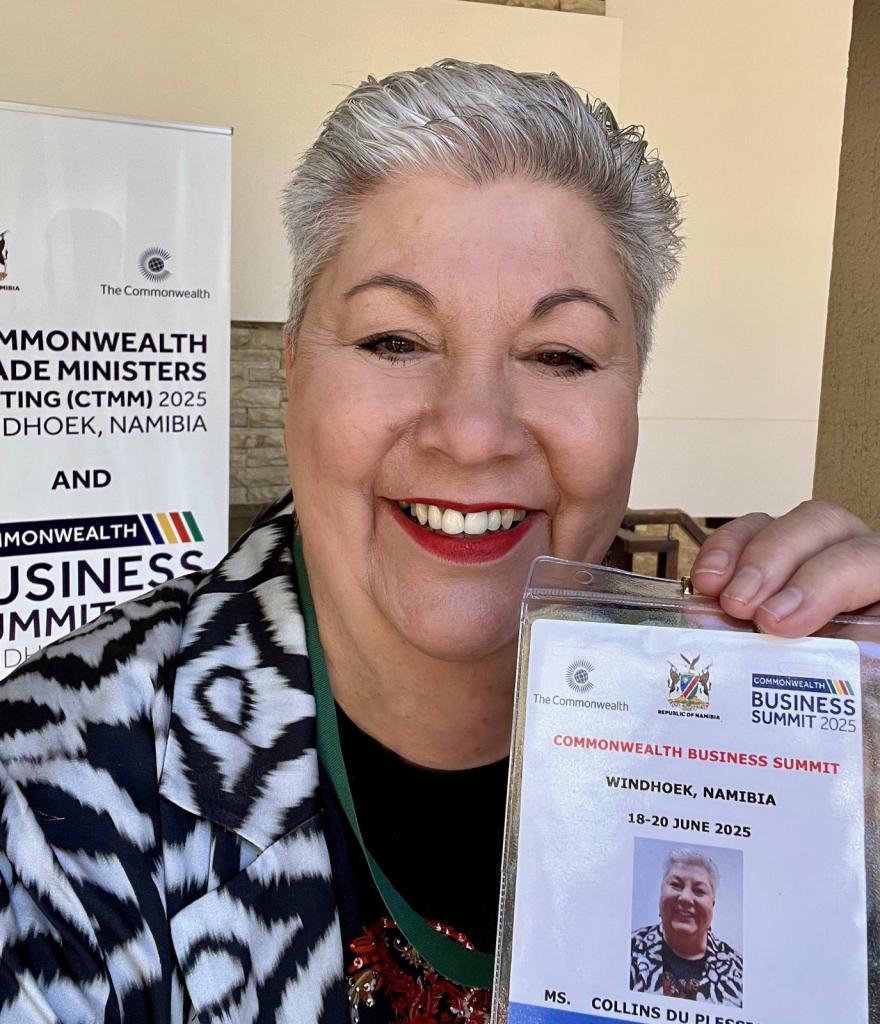
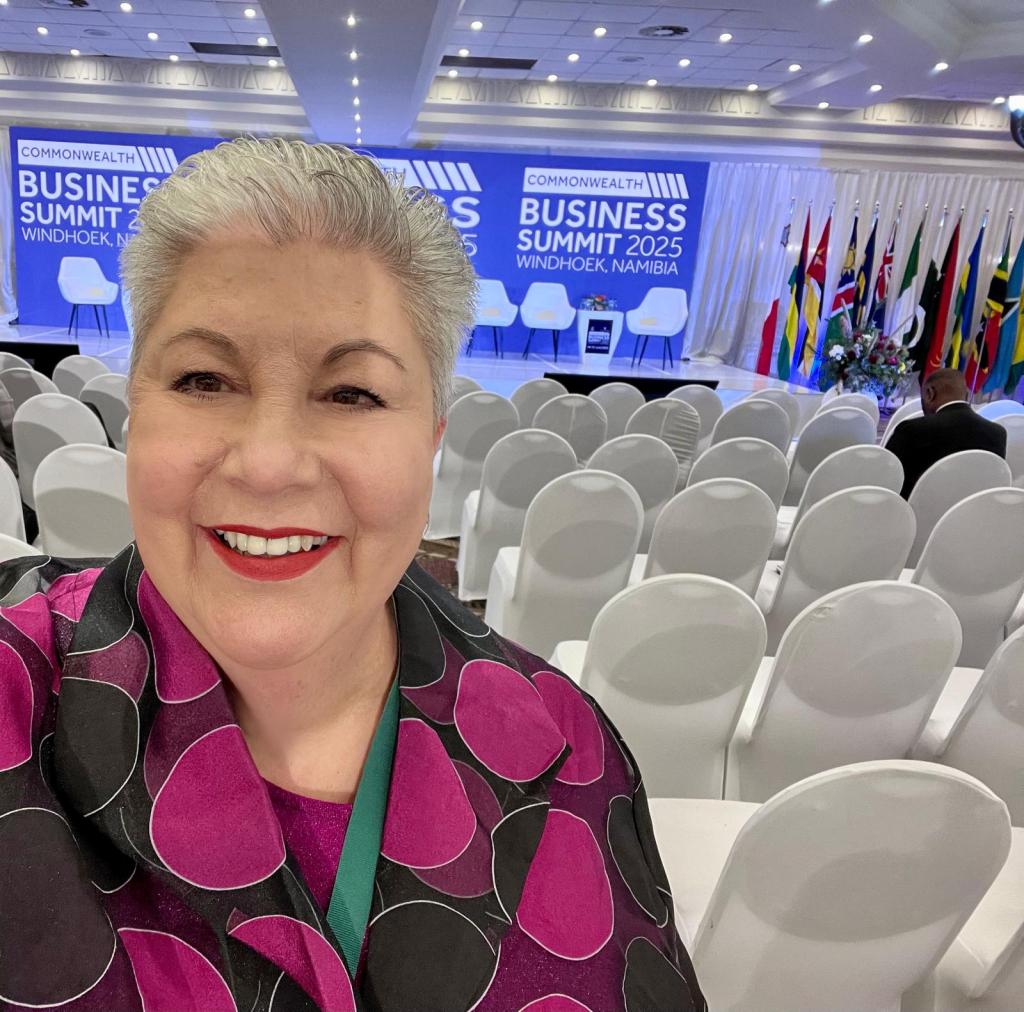
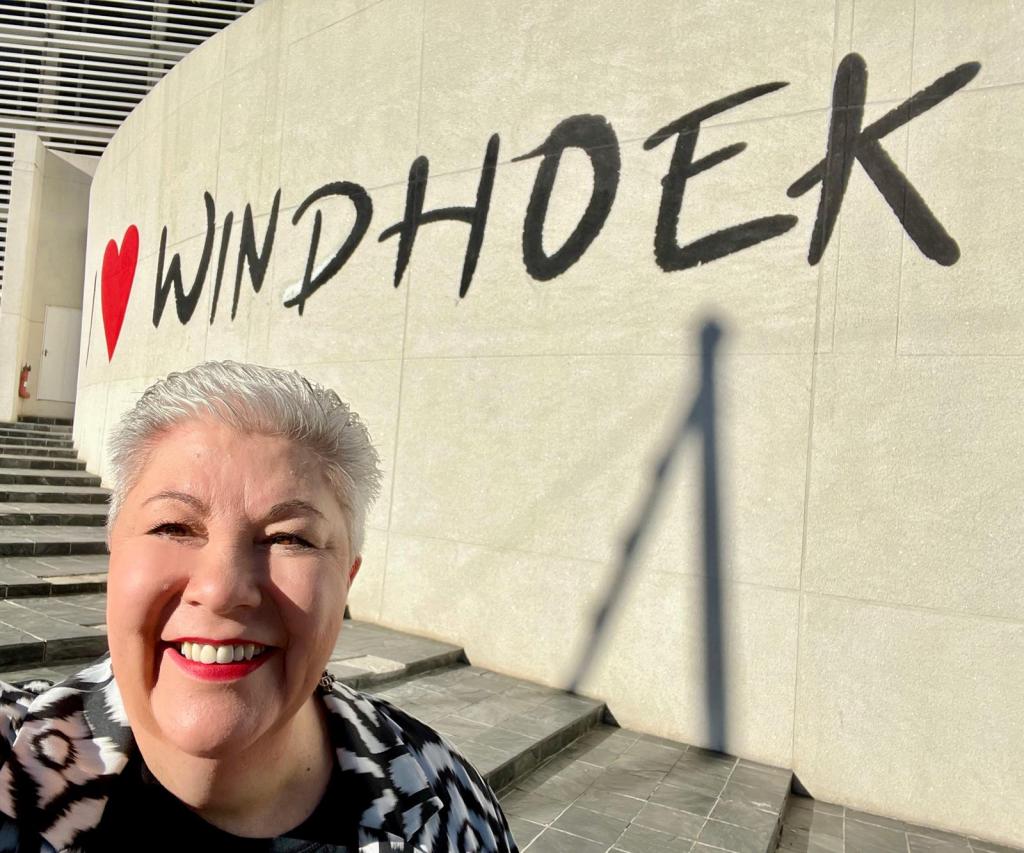
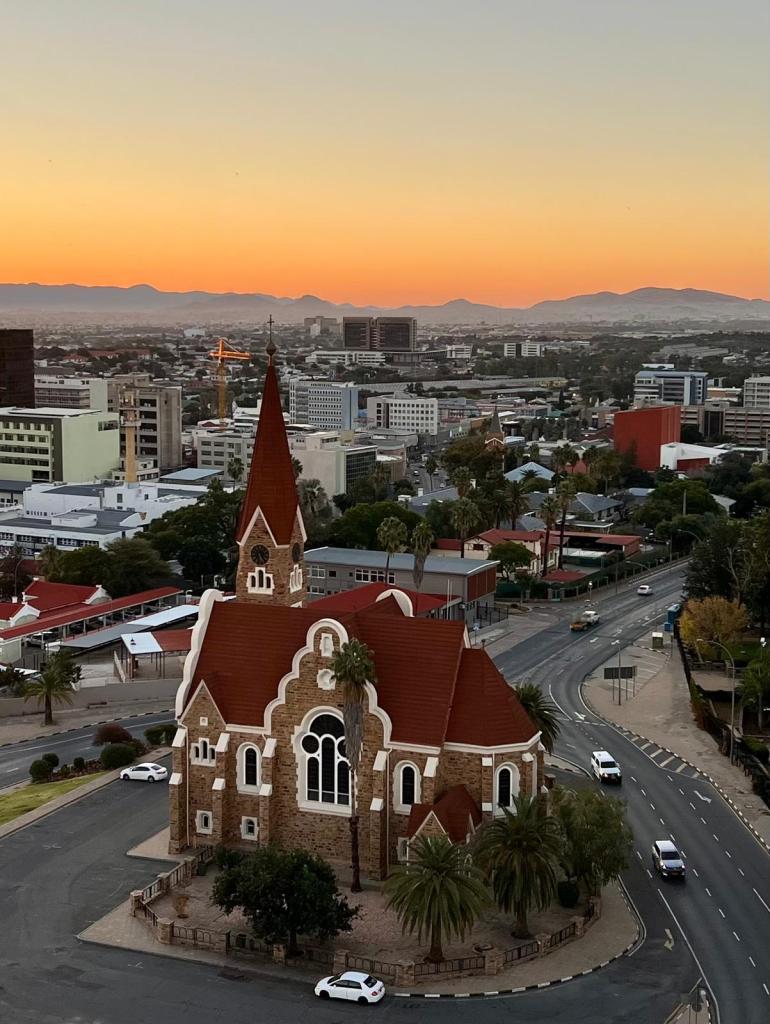
    I spent a few days in Windhoek, Namibia, attending the Commonwealth Business Summit. This was the inaugural Business Summit, run alongside the Senior Trade Minister’s Meeting, which was held for the first time ever outside London. As is always the case with events like this, there were great sessions and some that amounted to lip flapping, but overall it was positive. And it was great to see Namibia – a country with just 3 million people, but so much potential – firmly in the spotlight.

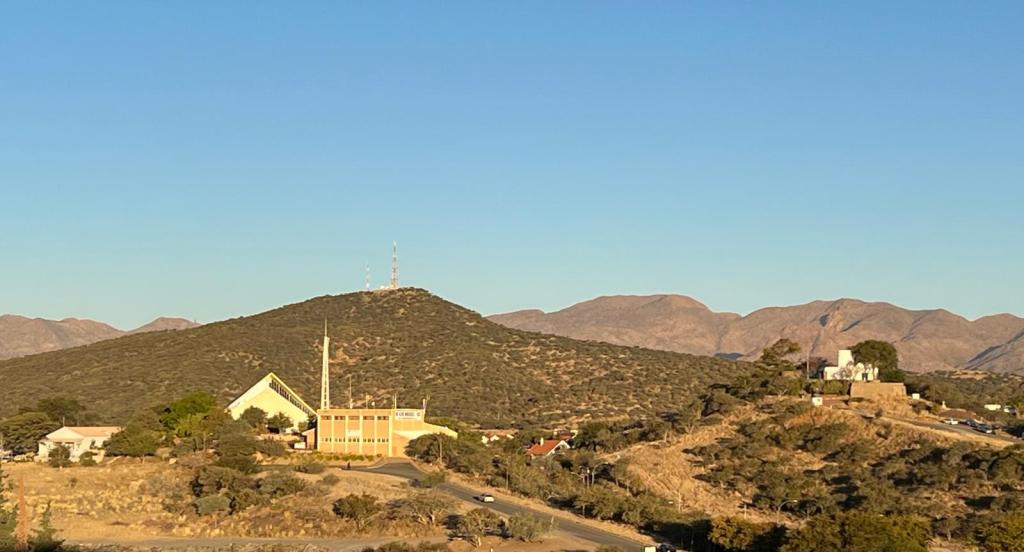
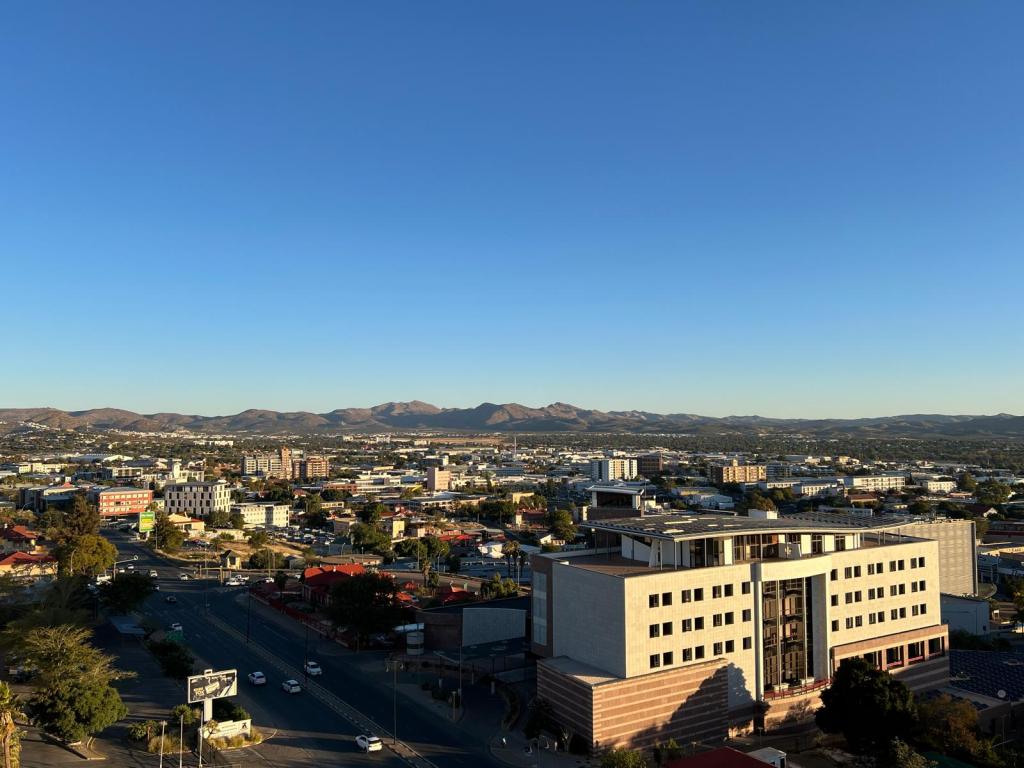
    The Summit also presented a great opportunity to visit, Windhoek, a city I had previously visited in 1989, before independence!
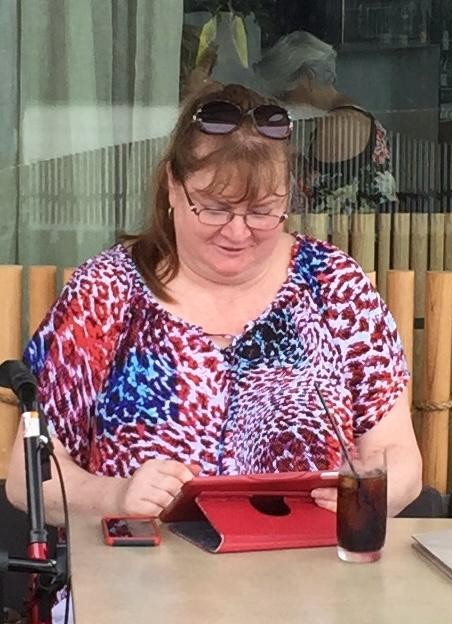
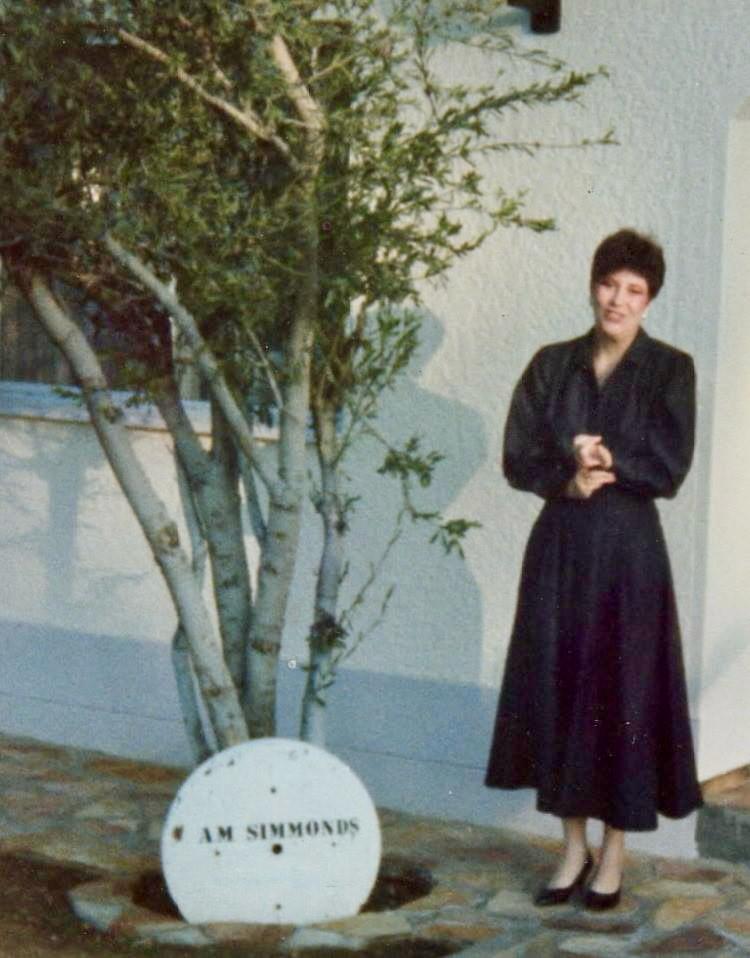
    A somewhat younger me in Windhoek in 1989!

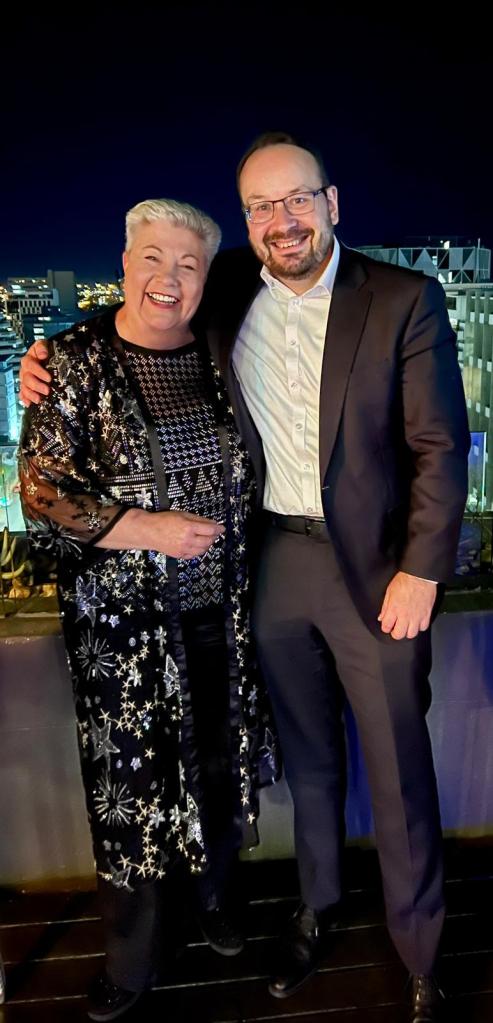
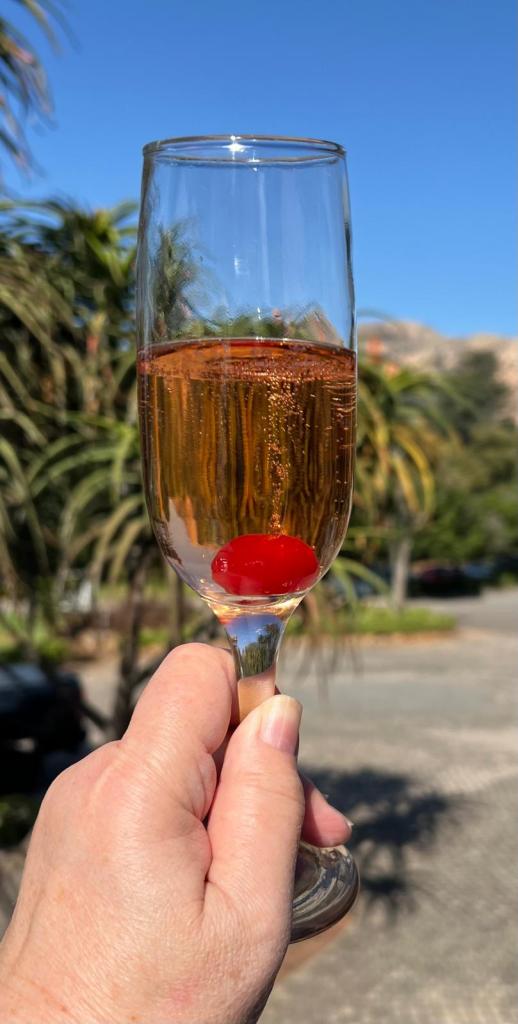
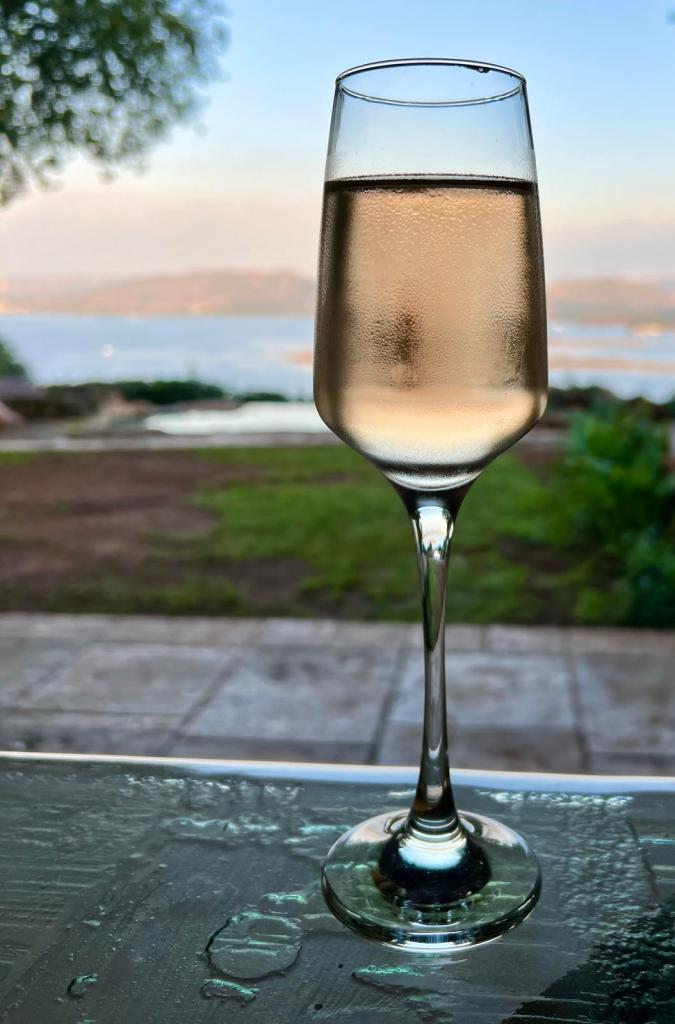
    I caught up with a former colleague and old friend, Niels Strazdins, drank a glass or two of rose, and managed to see something of the beautiful city of Windhoek.

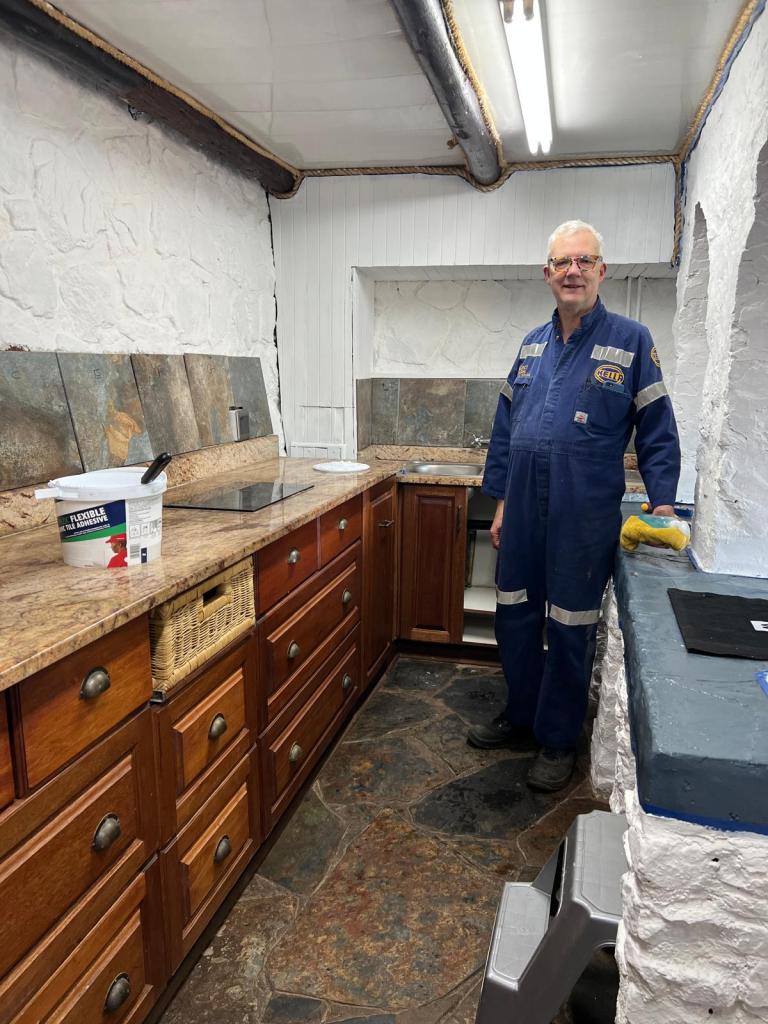
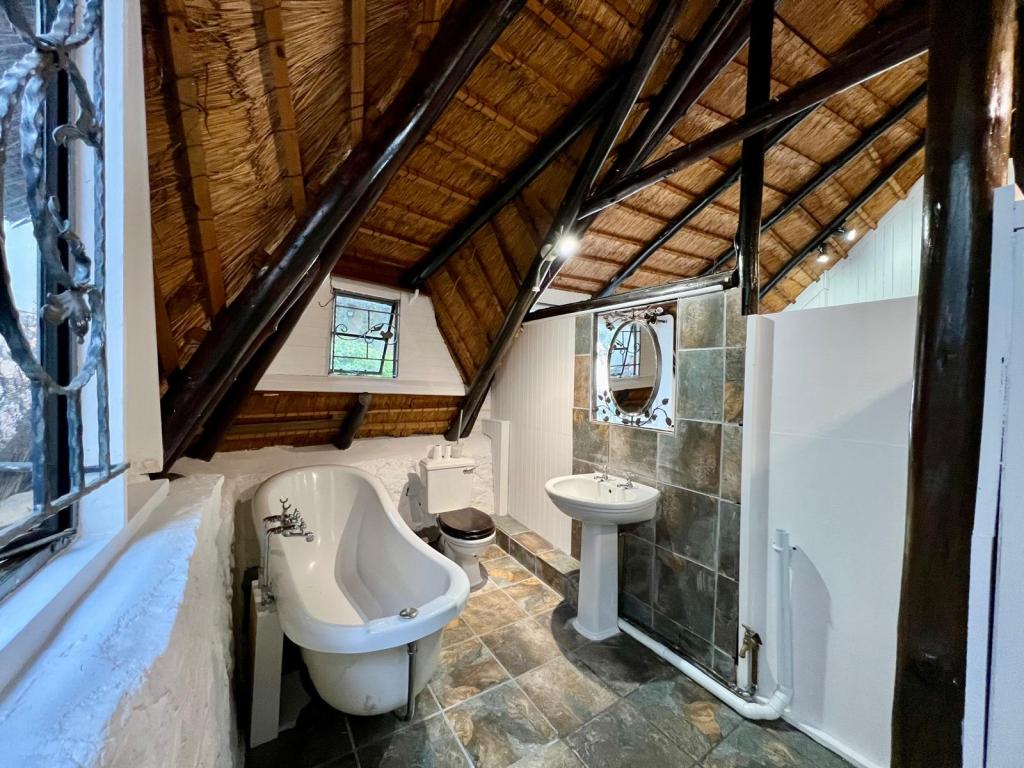
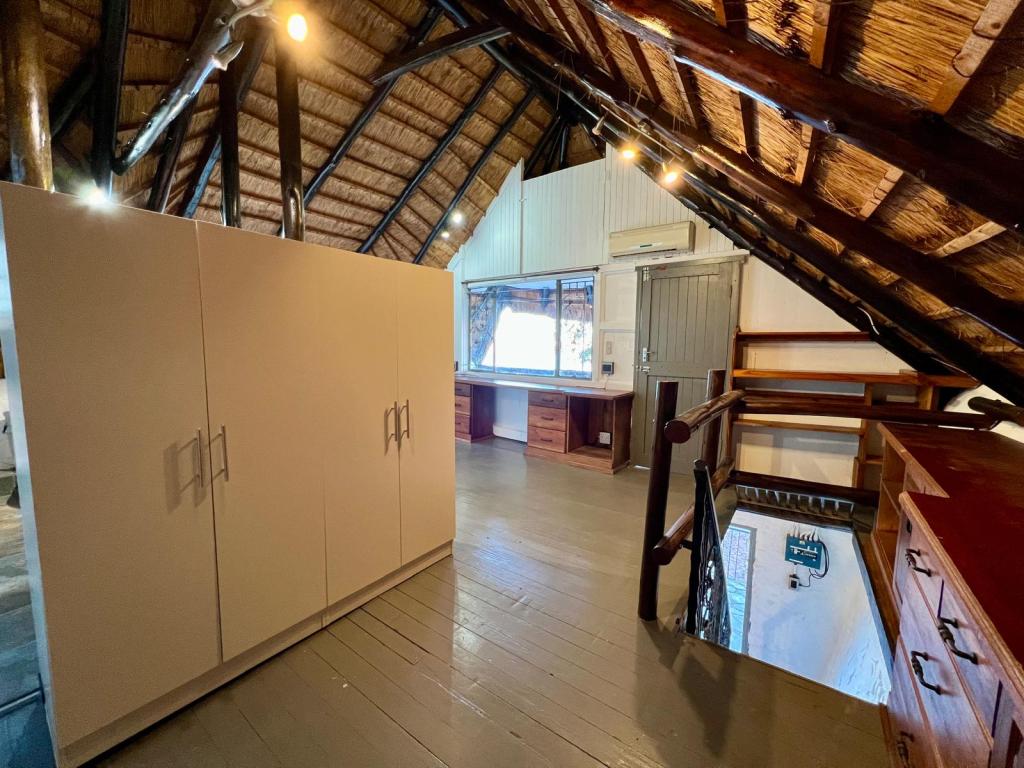
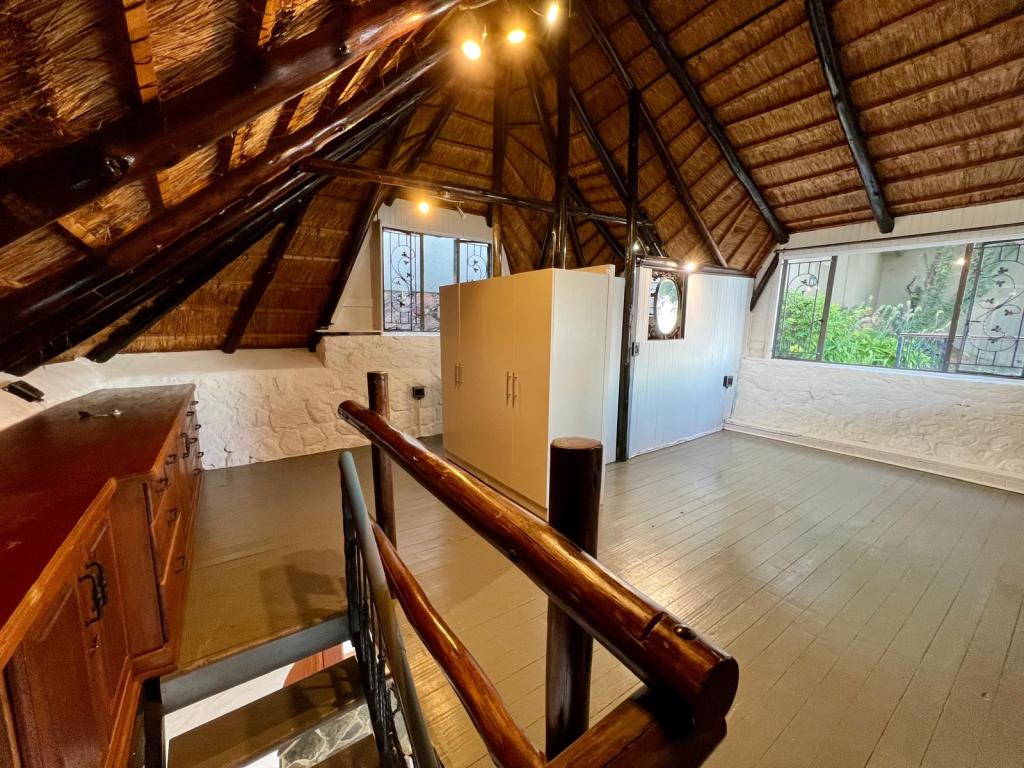
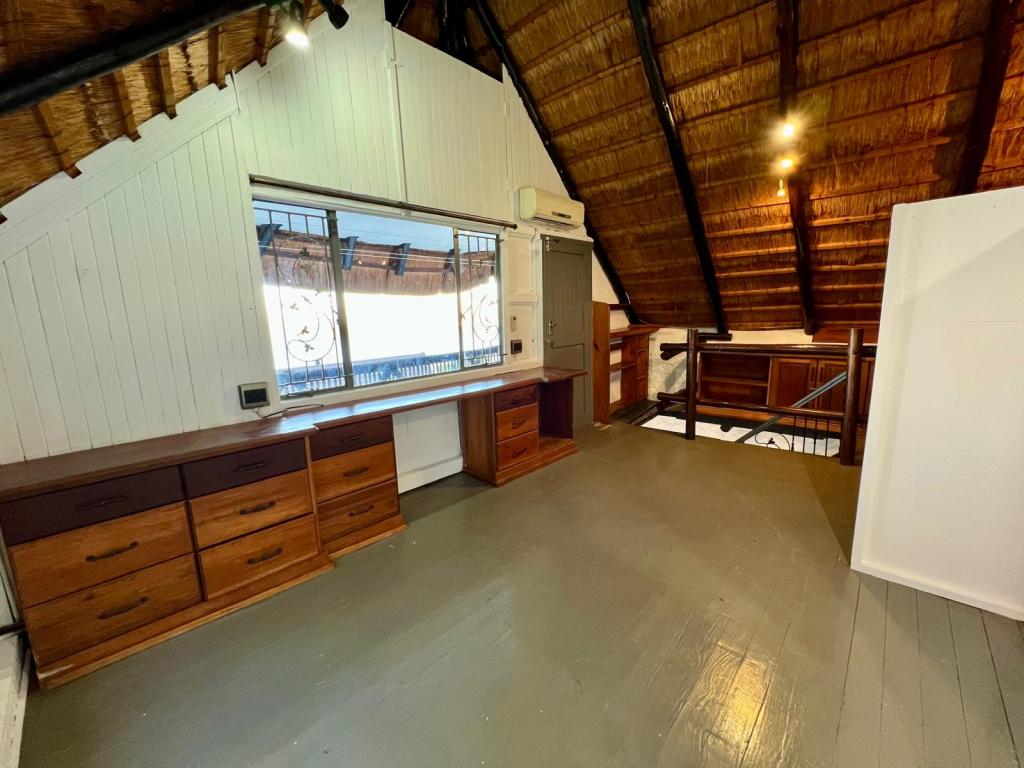
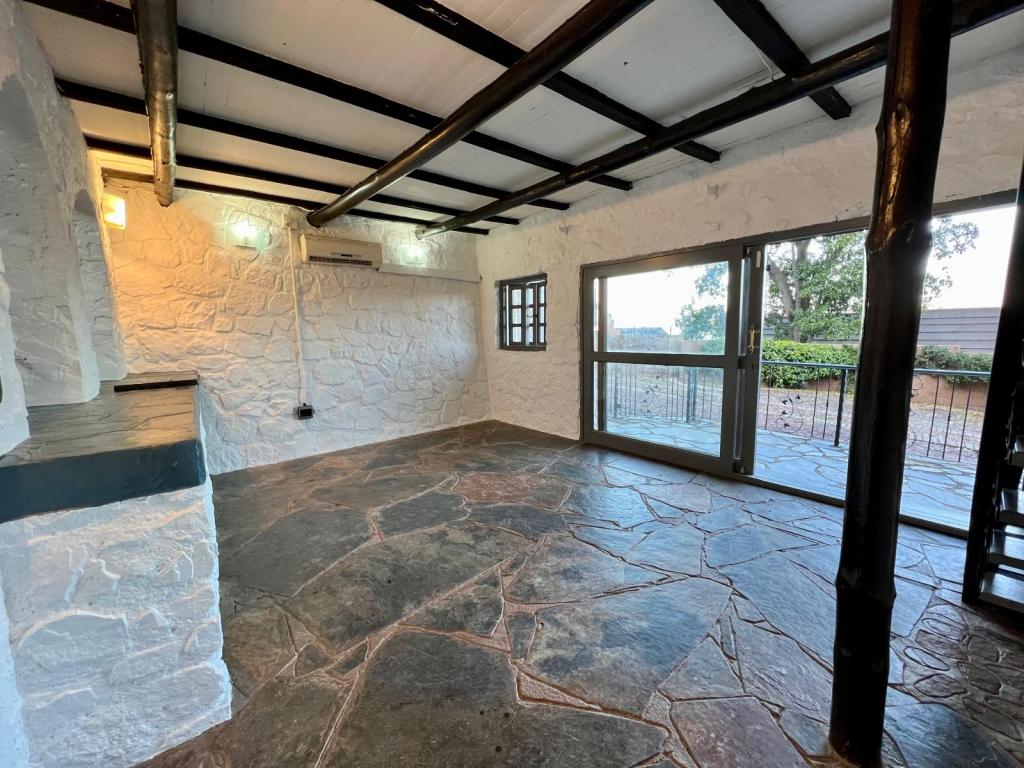
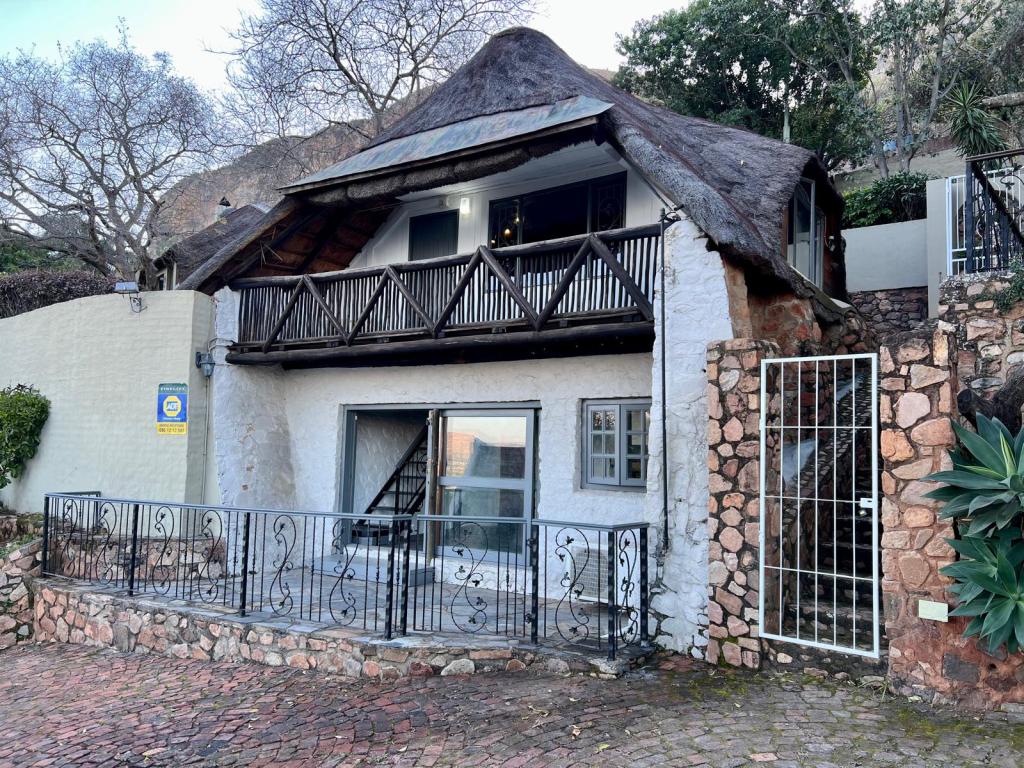
    The main activity over the month of June has been the renovation of our cottage. Our tenants moved out at the end of May and we were quite horrified to see the condition of the cottage (which we had seen only briefly when we first viewed the house, in June 2024).

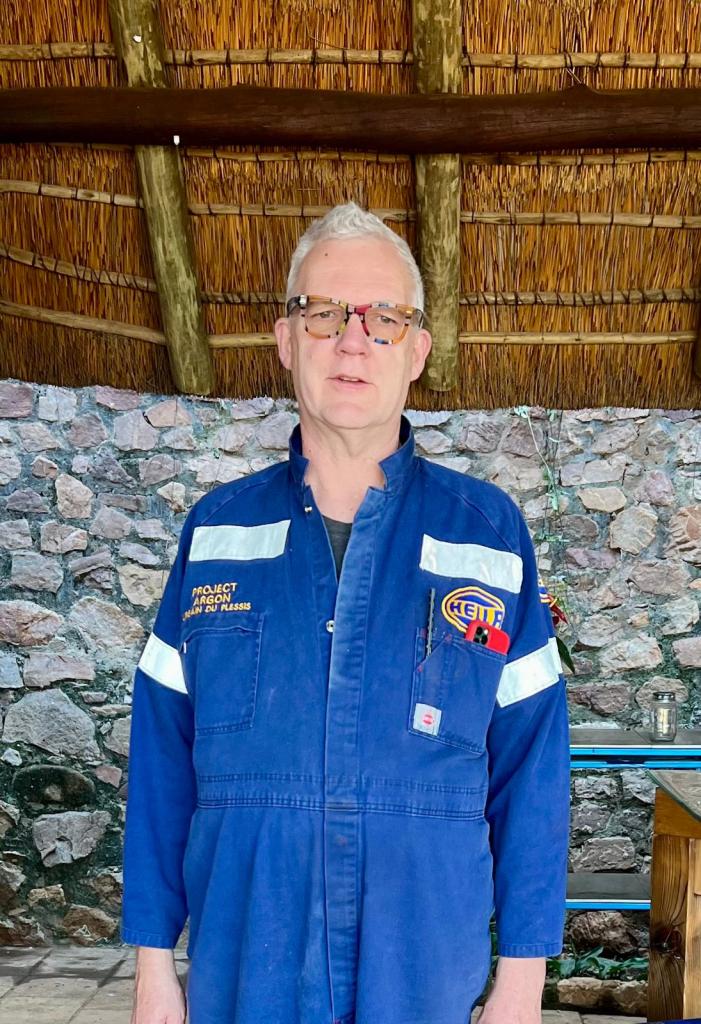
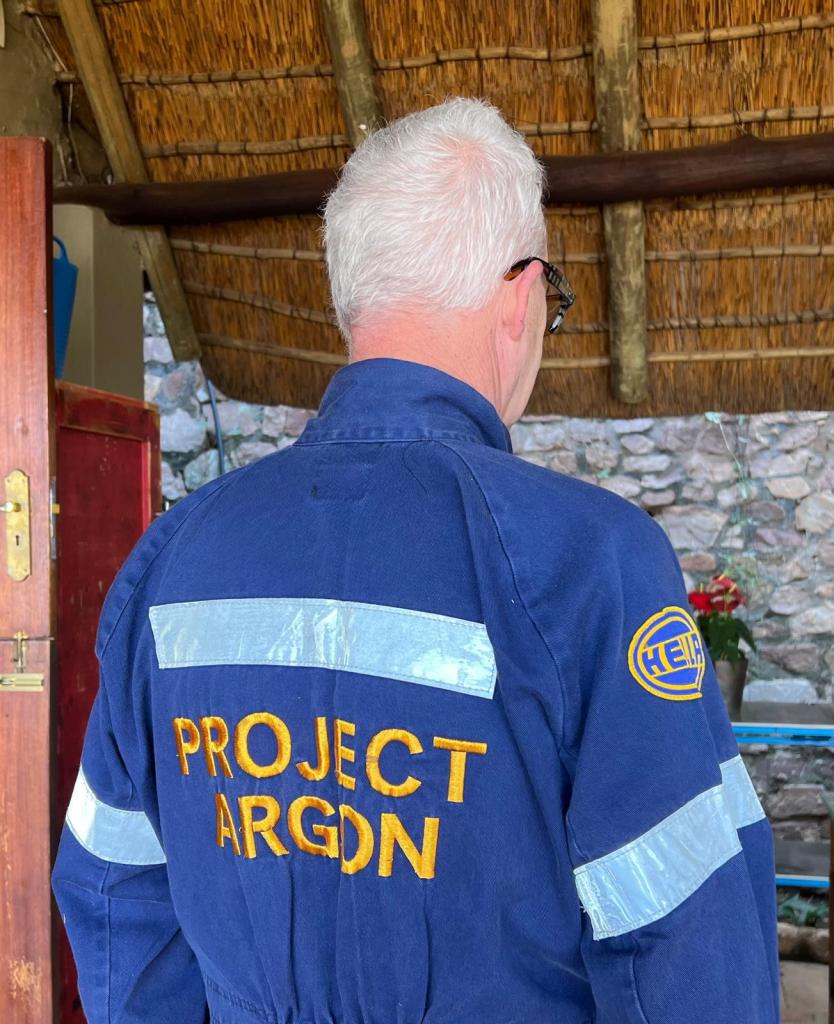
    Urbain dug out his old Project Argon mining overall and, with much help from our staff member, Goodwell Nyerenda, got stuck in.

    There’s still some finishing off to be done, but the cottage is now ready to become a home once more.

    To finish off month four, a general roundup:

    We sadly lost an old university friend, and well-known South African media personality, Darren Scott.

    Taken on a RAURadio (the campus radio station of the Rand Afrikaans University) camp. Darren is bottom right.

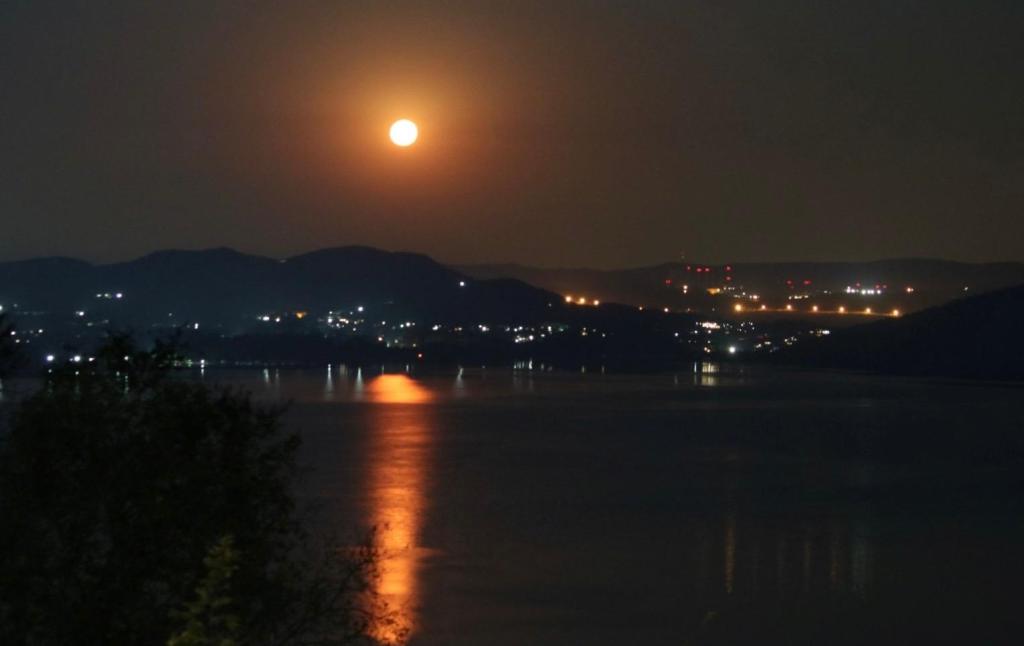
    We experienced both a strawberry and a blood moon

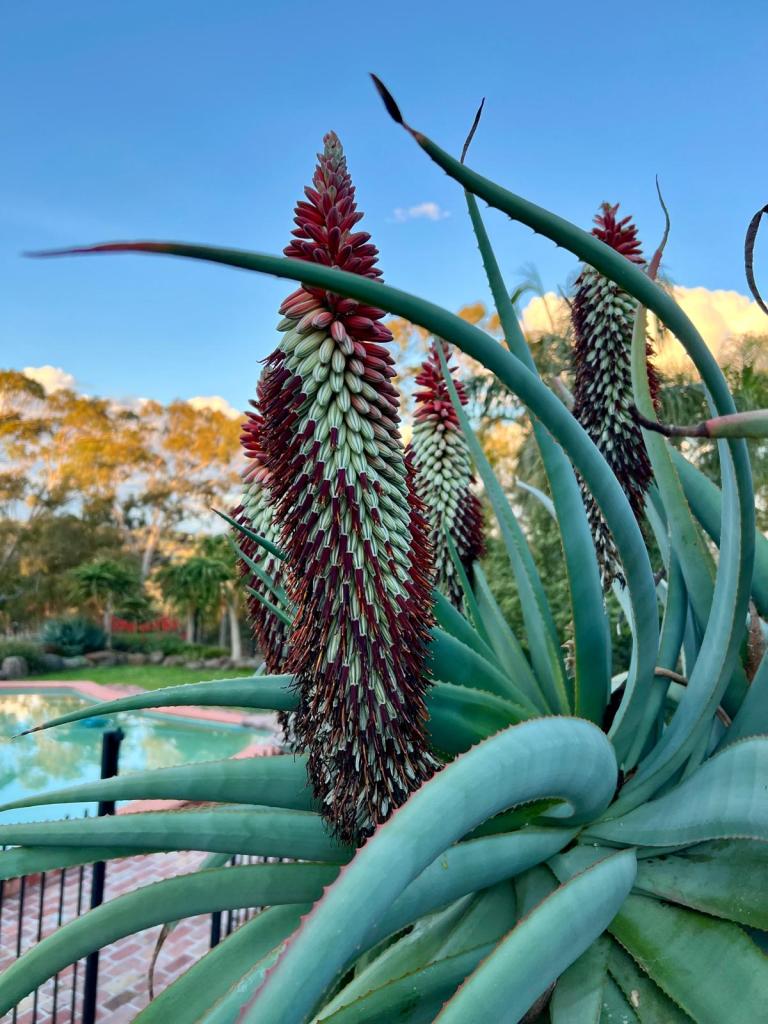
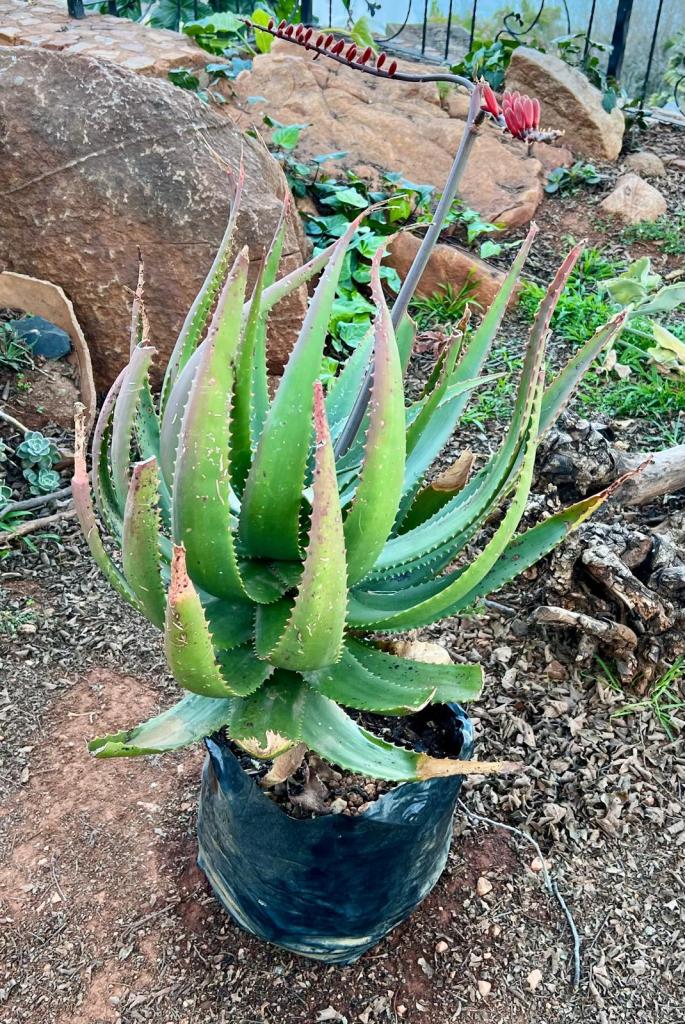
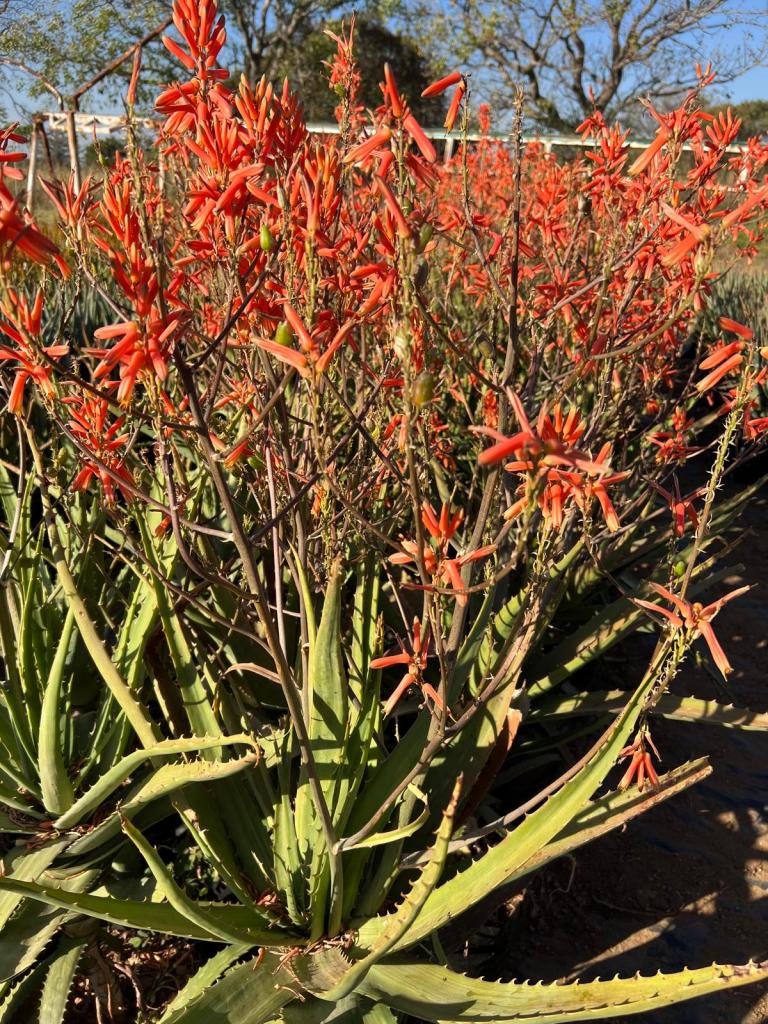
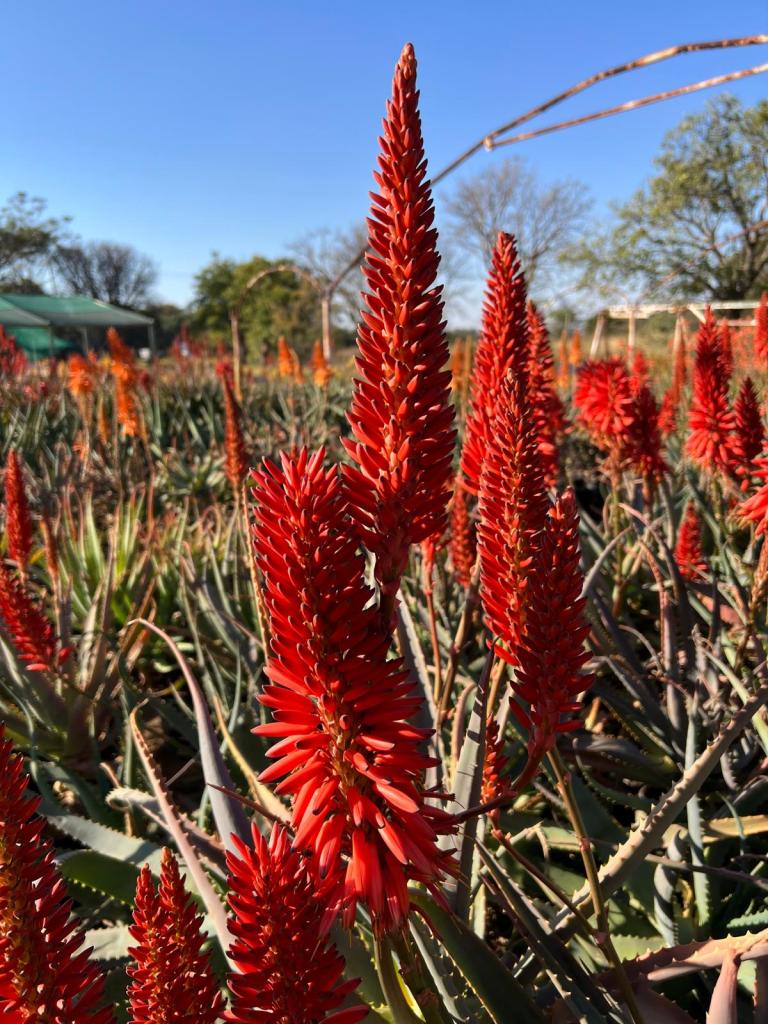
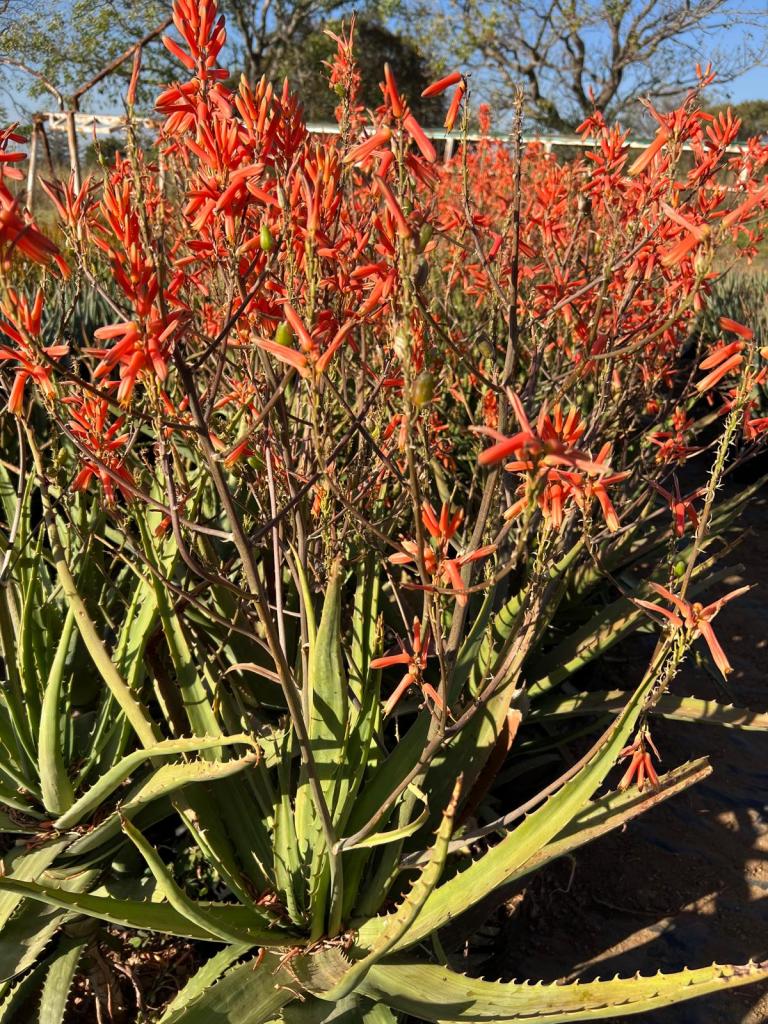
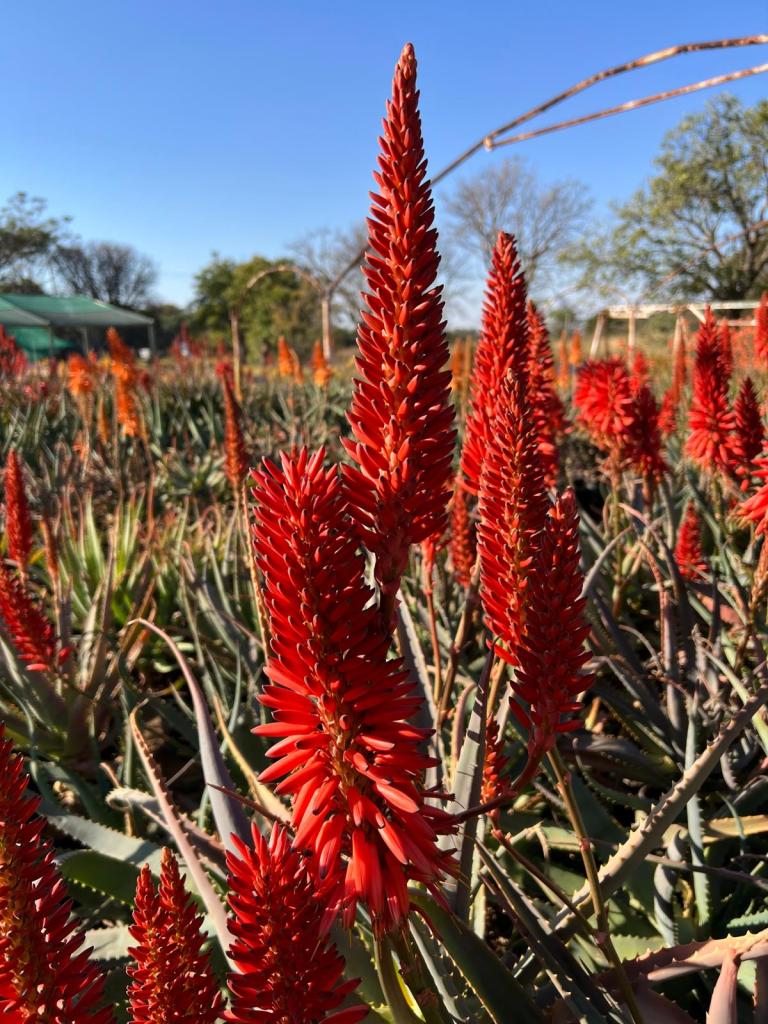
    Aloes everywhere are in full bloom.

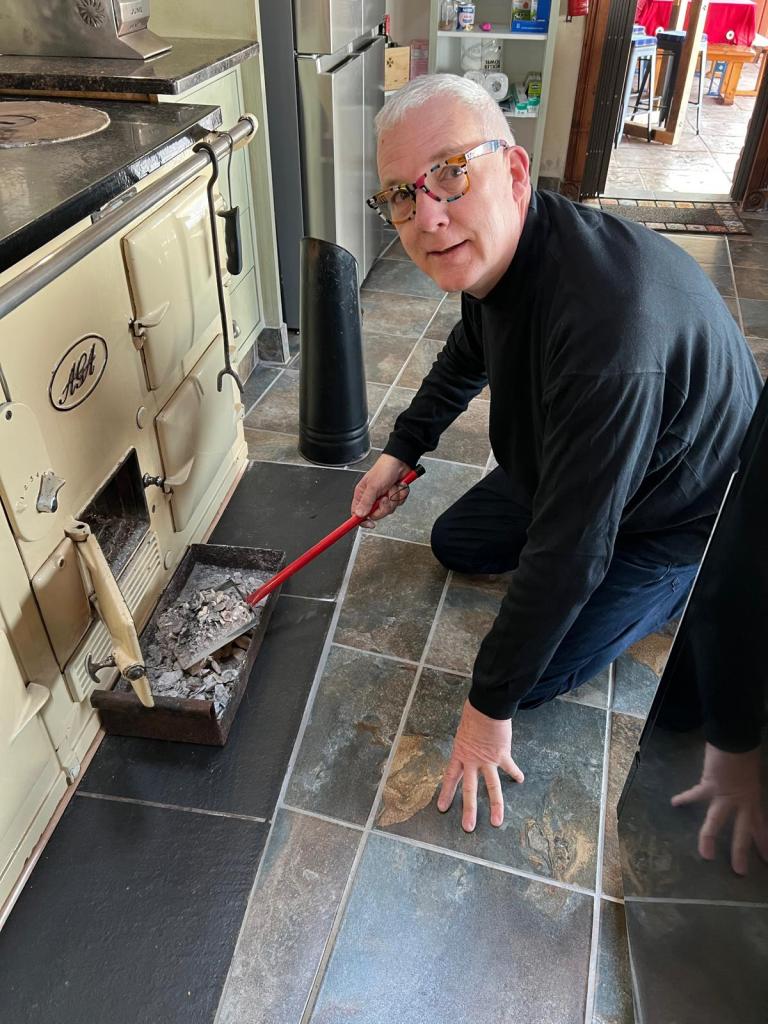
    We got the AGA working!

    On his knees again, this time emptying ash

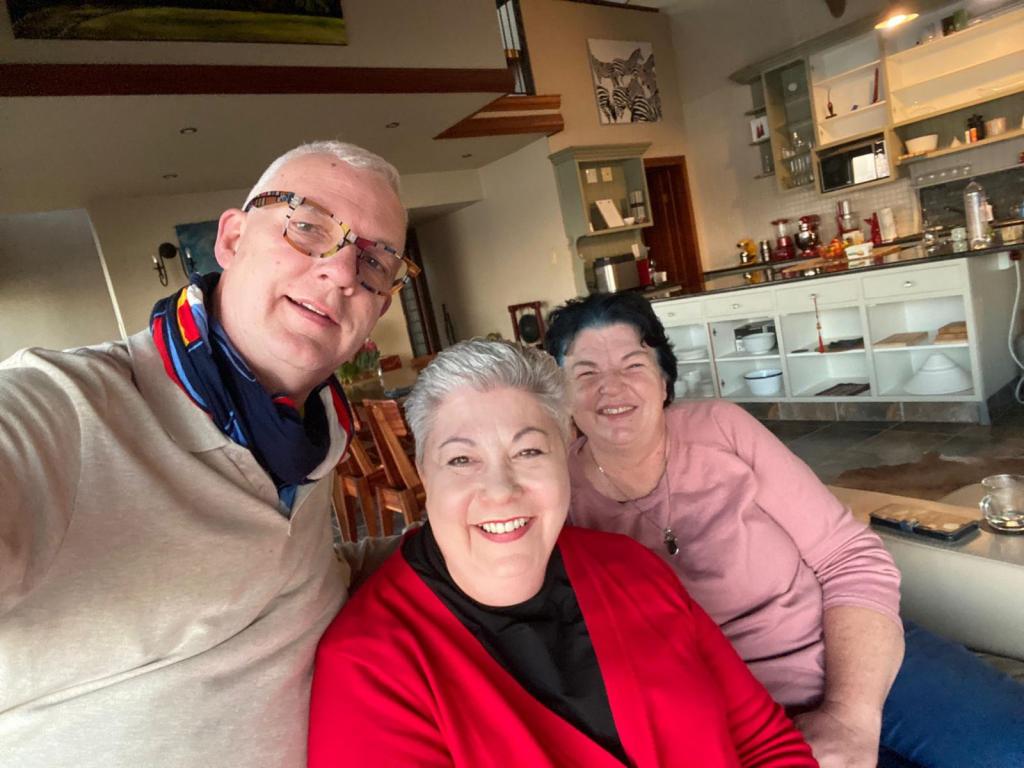
    And we ended month four on a high note, with a visit from Urbain’s sister, Louwene.

    I leave you with a high energy slice of Africa. Until next time, sala kahle (stay well).

  • Roots to Branches

    Searching for family history

    A recent trip to Rustenburg had me doing some research into my great-grandfather, George Wellington Rex, who was responsible for my family putting down roots in the area where we now reside.

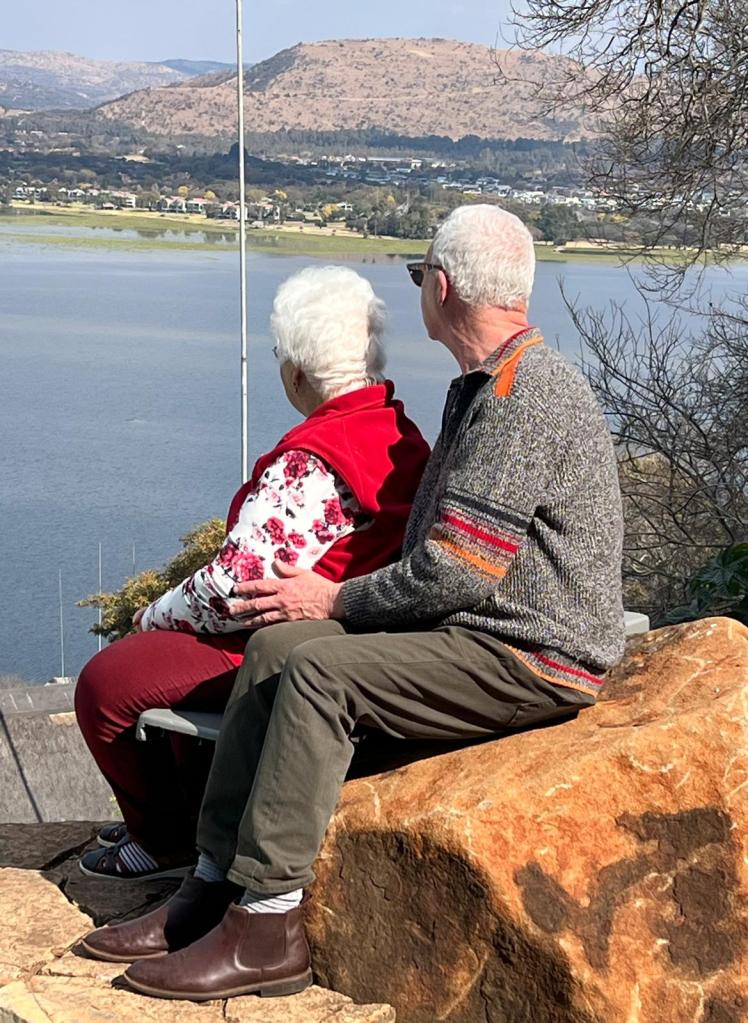
    The magnificent Magaliesberg

    George Wellington Rex (1840–1923) was the grandson of George Rex (1765–1839), the British-born entrepreneur who founded Knysna and was long rumored to be the (il)legitimate son of King George III.

    A fair amount has been written about George Rex and his legacy in the Cape. Much of it centres around “those” rumours of royal blood. The rumours have been disproven (although based on rather tenuous research, in my opinion *wink*), but the contributions of the man cannot be disputed.

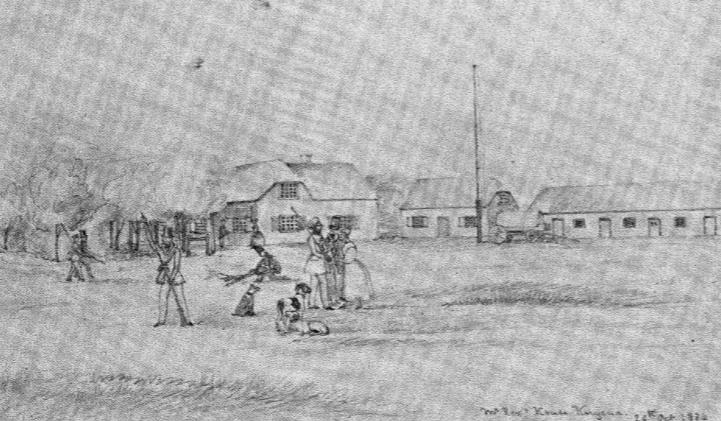
    Reproduction of a water-colour of Melkhout Kraal  (the farm that would become Knysna), painted by Major A C Gregory on 29 October 1834 – Oppenheimer Collection – Restorica 1976

    George had nine children with Carolina Margaretha Ungerer, a free-born woman of colour (a “vrije swartin”). Although they never married, they lived together as husband and wife for over three decades and George freely acknowledged all his children, both those he fathered with Carolina, and those with a freed slave, Johanna Rosina van der Caap.

    George’s son, Frederick Rex, became a land surveyor who contributed to the development of the Orange River Sovereignty in the mid-19th century.

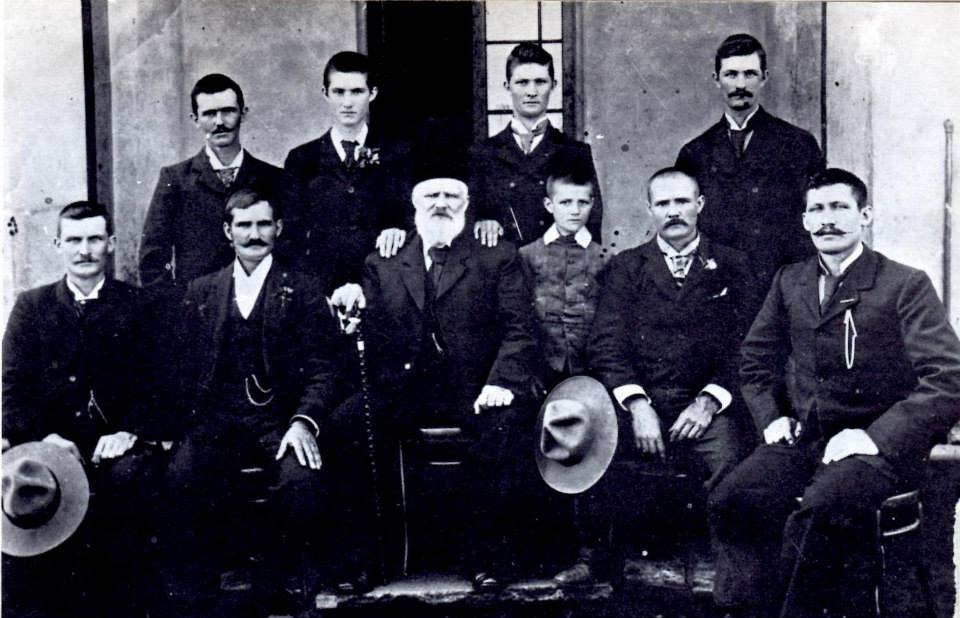
    Frederick was the father of my great-grandfather, George Wellington Rex.

    Born on 28 July 1840 in Knysna, George Wellington Rex married Georgina Sarah Collins on 17 December 1864, and together they had 14 children, including my grandfather, Harry George Rex, born in 1877.

    George Wellington (centre) and his sons. My grandfather, Harry George, is top row left in the photo.

    George Wellington moved to the Rustenburg area in the Transvaal (now NorthWest Province) from the Cape Colony in the mid-1880s. His move was motivated largely by his activities as a big game hunter, but also because he identified the agricultural potential of the land around Rustenburg.

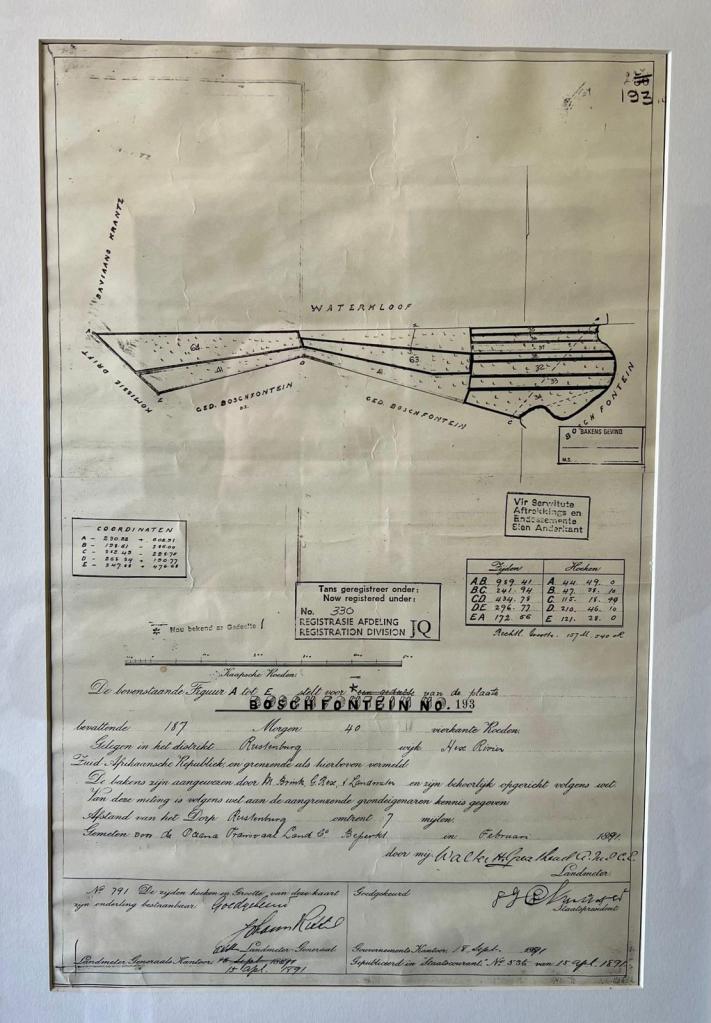
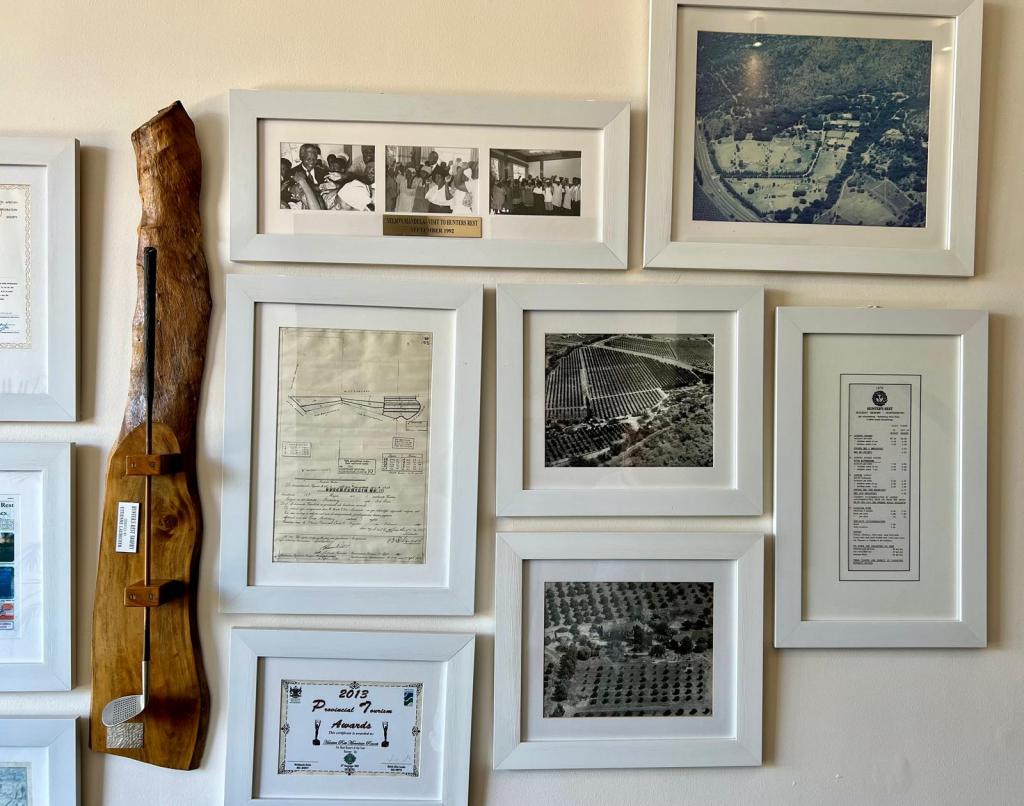
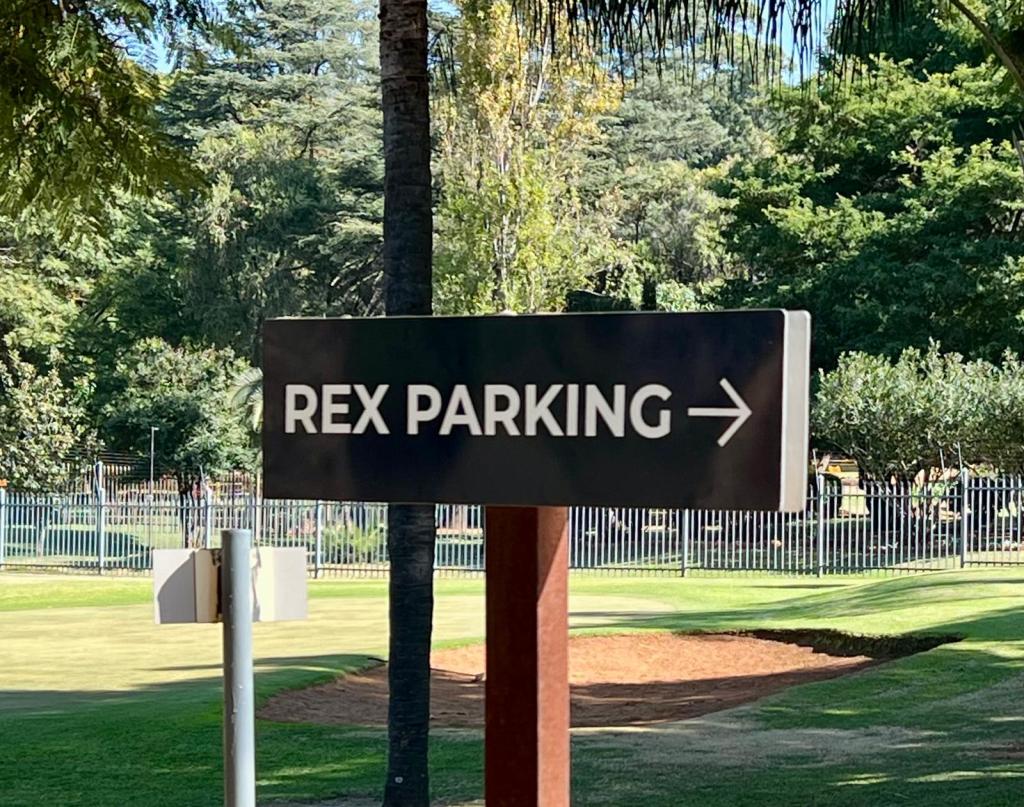
    George Wellington was granted Boschfontein (“Bush Fountain”) farm by close friend and President of the old Republic, Paul Kruger, in the late 19th century. He established a private hunting lodge there, which later evolved into the Hunter’s Rest Mountain Resort. Today, the resort boasts a worldclass golf course, a boutique hotel and restaurant, and more. And it’s a great spot for a tipple on a Sunday afternoon!

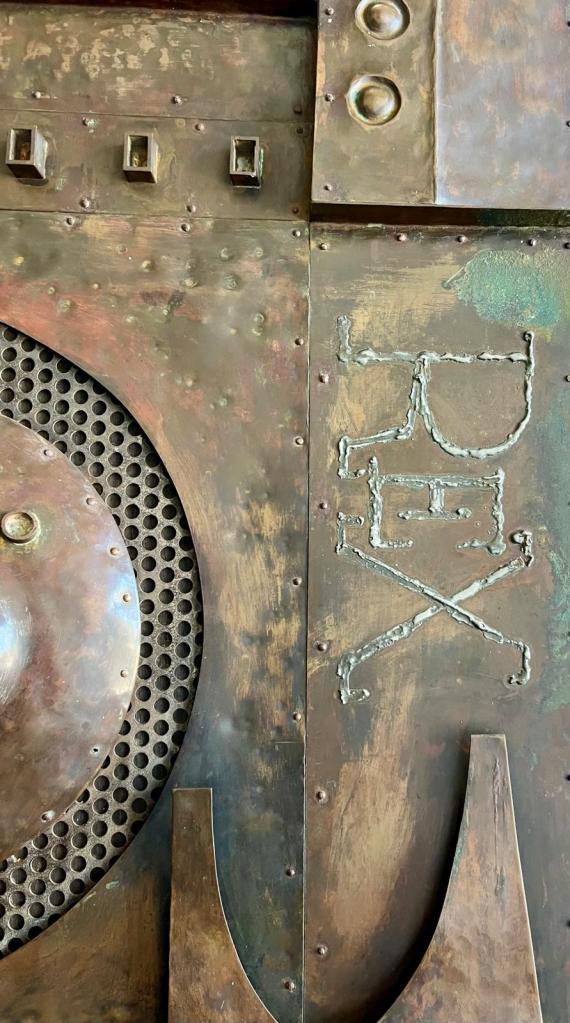
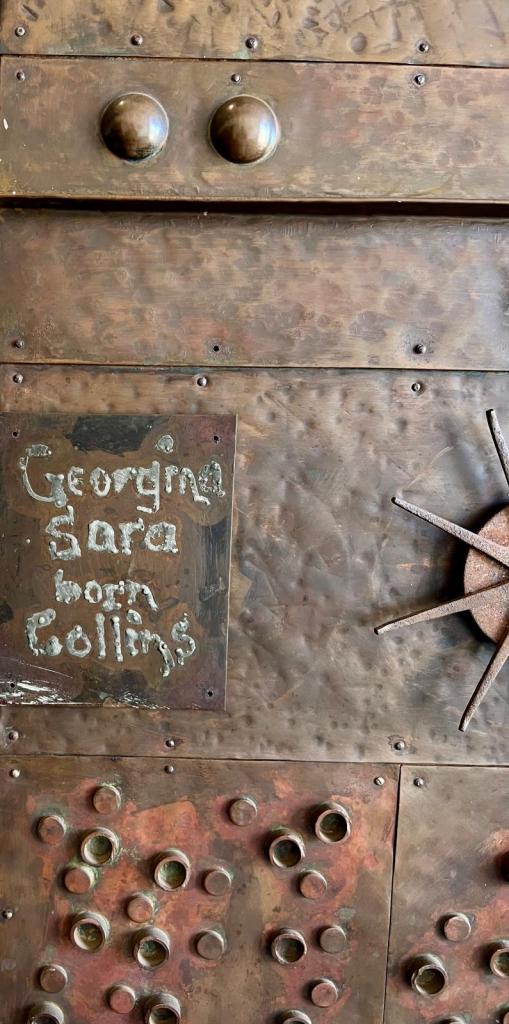
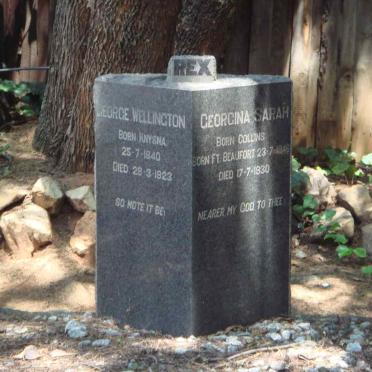
    The grounds hold a small Rex family cemetery; both George Wellington and his wife (who’s surname is my first name) are buried there.

    George Wellington is rumoured to have played several musical instruments, and to have been licensed to practice medicine, even though he wasn’t a doctor.

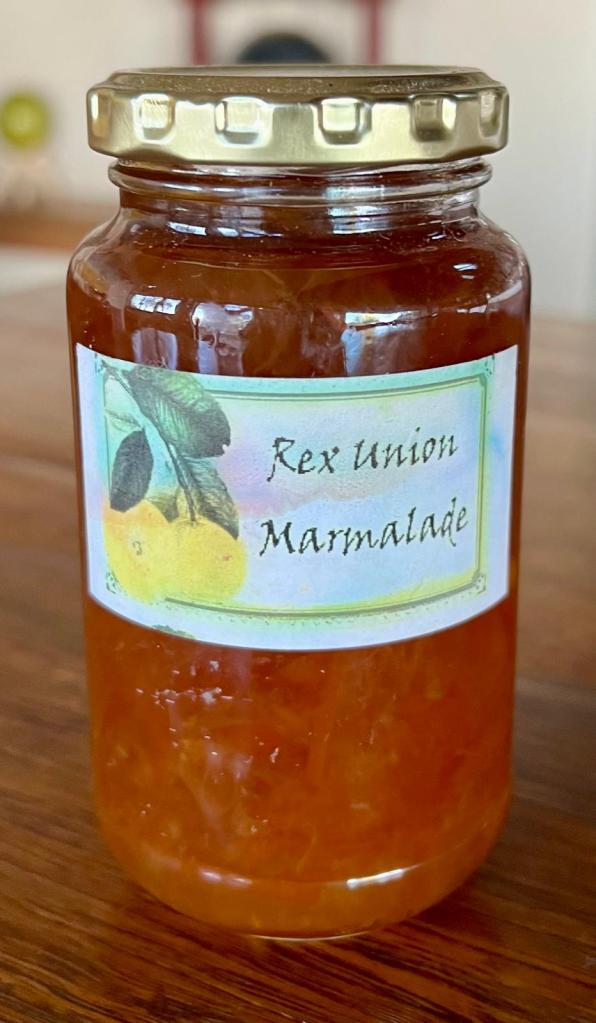
    What is a fact, is his affinity with horticulture. He established large citrus orchards on his farm Lemoenfontein (“Orange Fountain”) and developed several new cultivars of citrus, the most notable of which is the Rex Union orange. Cultivated specifically to produce bitter marmalade, the Rex Union is a cross between a Seville orange and a grapefruit. Today this very scare variety is recognised by the Slow Food movement as being of cultural significance, and the trees are once more being cultivated by the Tulbagh Nursery. (And I have several on order, for delivery towards the end of this year!!)

    George Wellington Rex passed away on 28 March 1923 in Rustenburg, leaving a lasting legacy (and way more than has been documented, I’m sure). His grandson, Arthur Wellington Liversage Rex, is my father.

  • Day 1 of month 4…

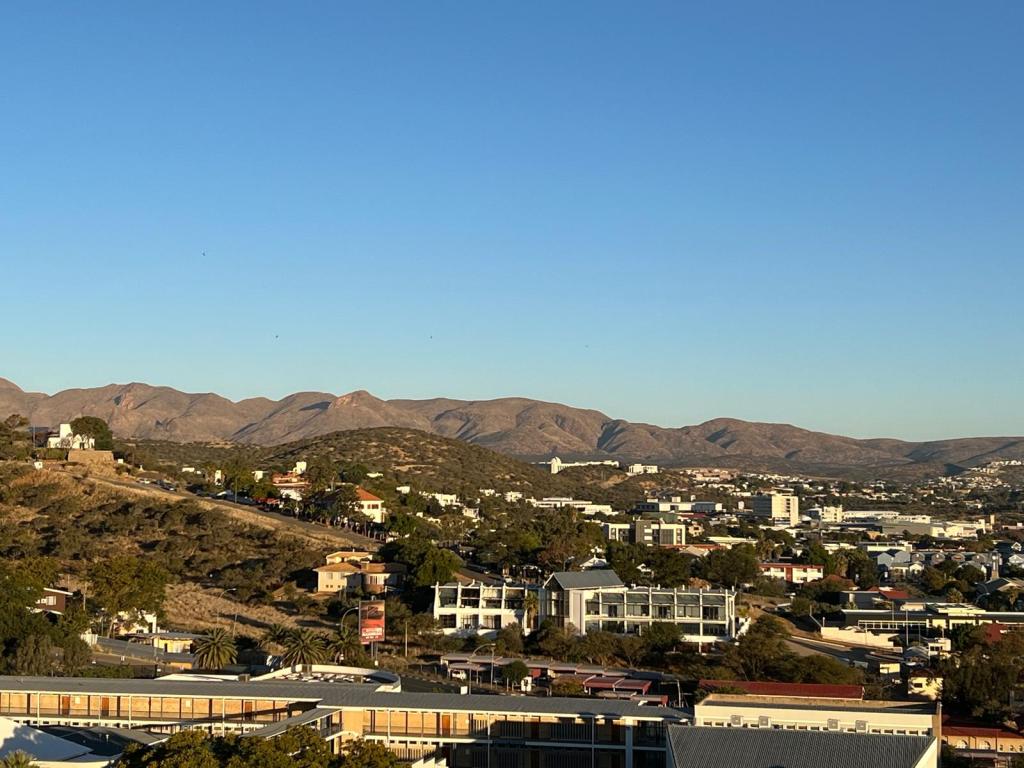
    Month three in South Africa was certainly a jampacked one! And month four is well on its way to being the same, although we do take time out to enjoy the views from the living room (and the bedrooms, and the stoep).
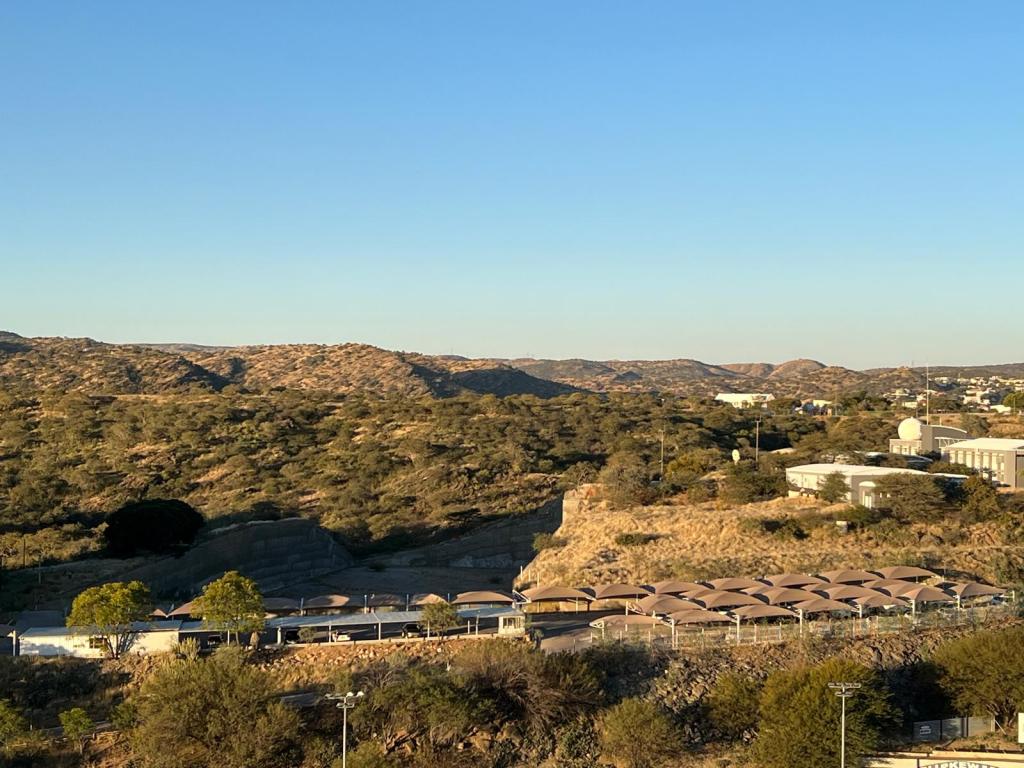
    On the home front, unpacking continued apace, with treasures constantly being unearthed …

    And a good deal of this going on …

    New critters are being discovered daily. And we’re learning to live with baboons!
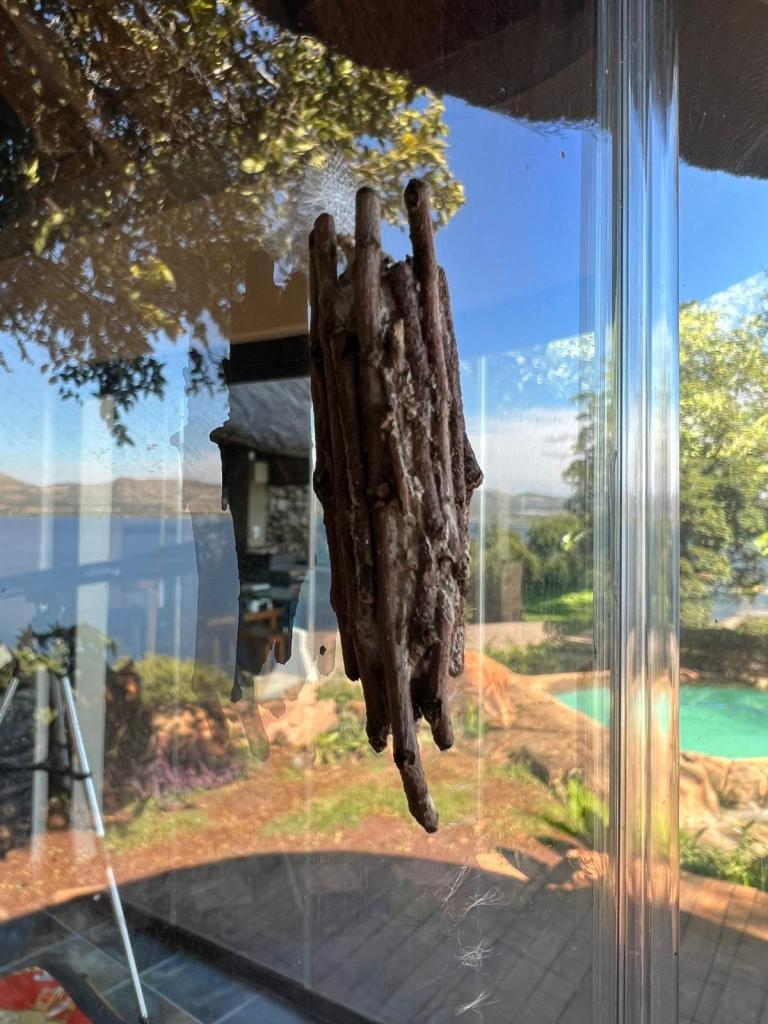
    “Gongololo”, apparently the larva stage of the case moth. This fellow carries his home around with him.
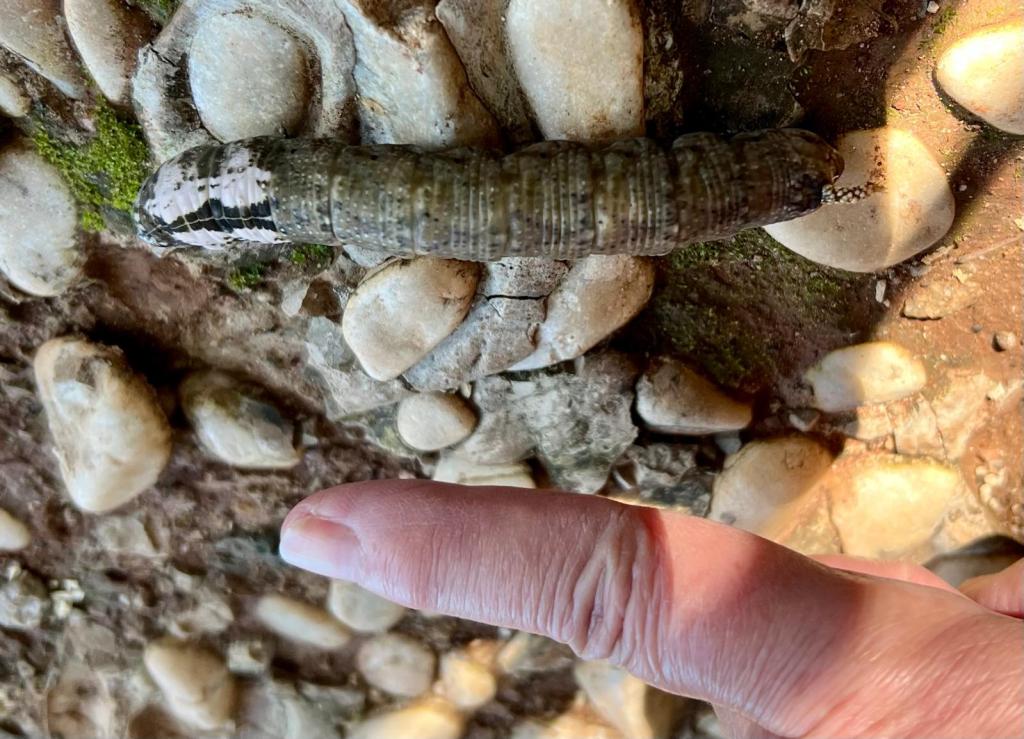
    Giant caterpillar which – I’m told – will turn into a hawkmoth

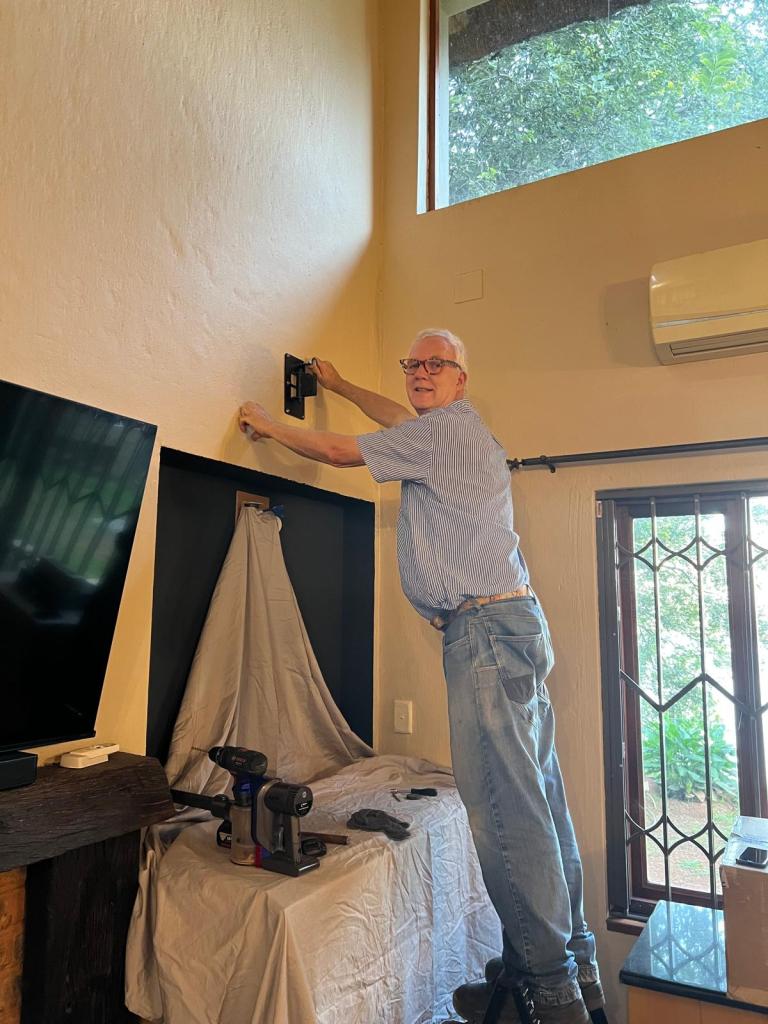
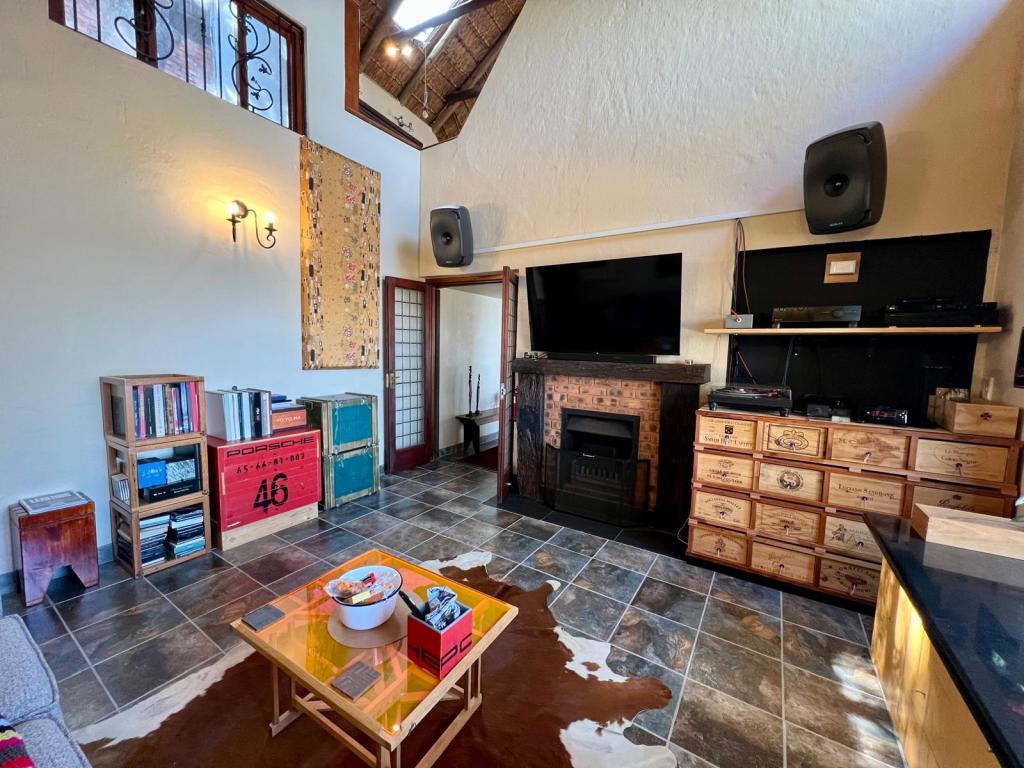
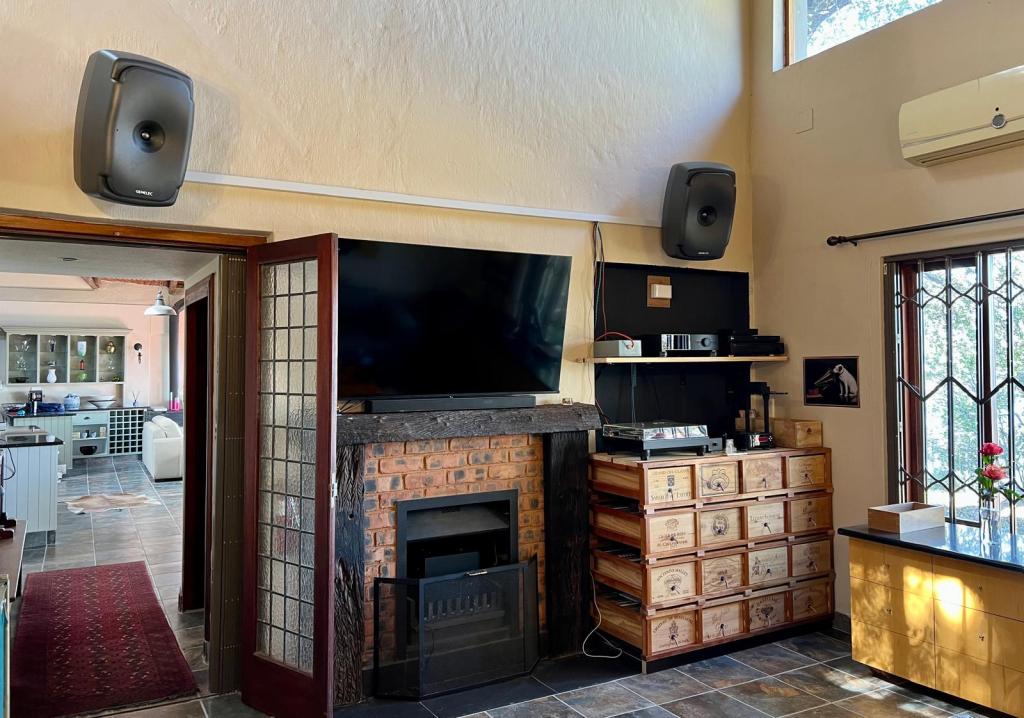
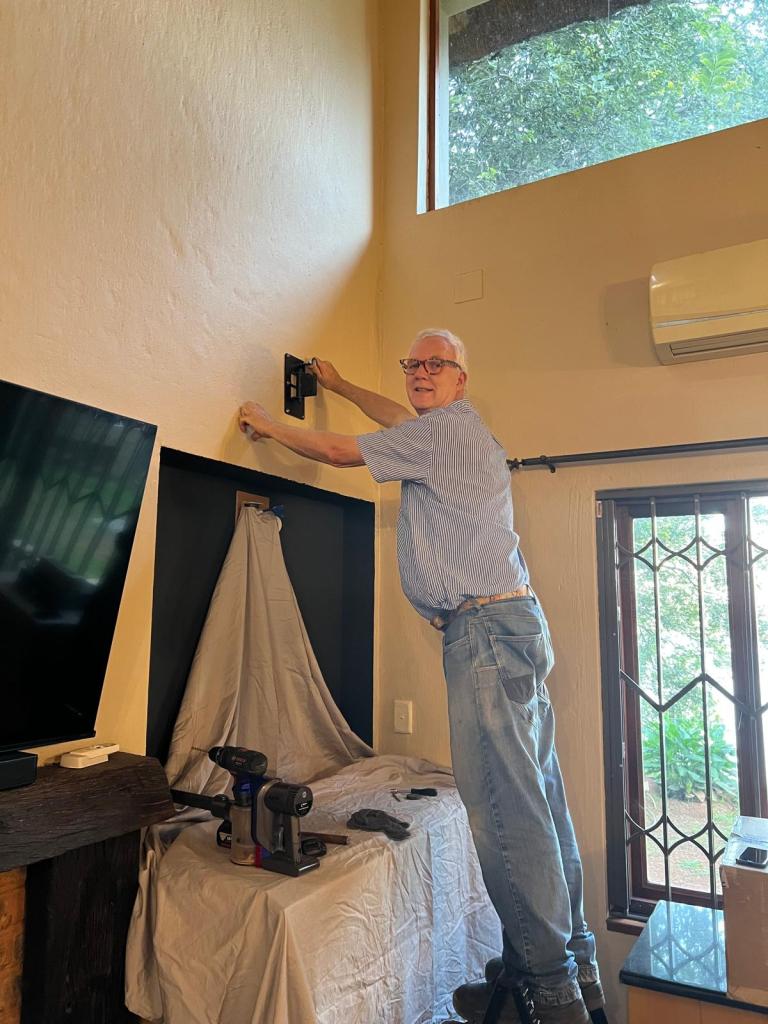
    Urbain got help to hang his beloved Genelec speakers, and now the entertainment room is fully-functional, even though most of our CDs and LPs haven’t yet arrived from Australia.

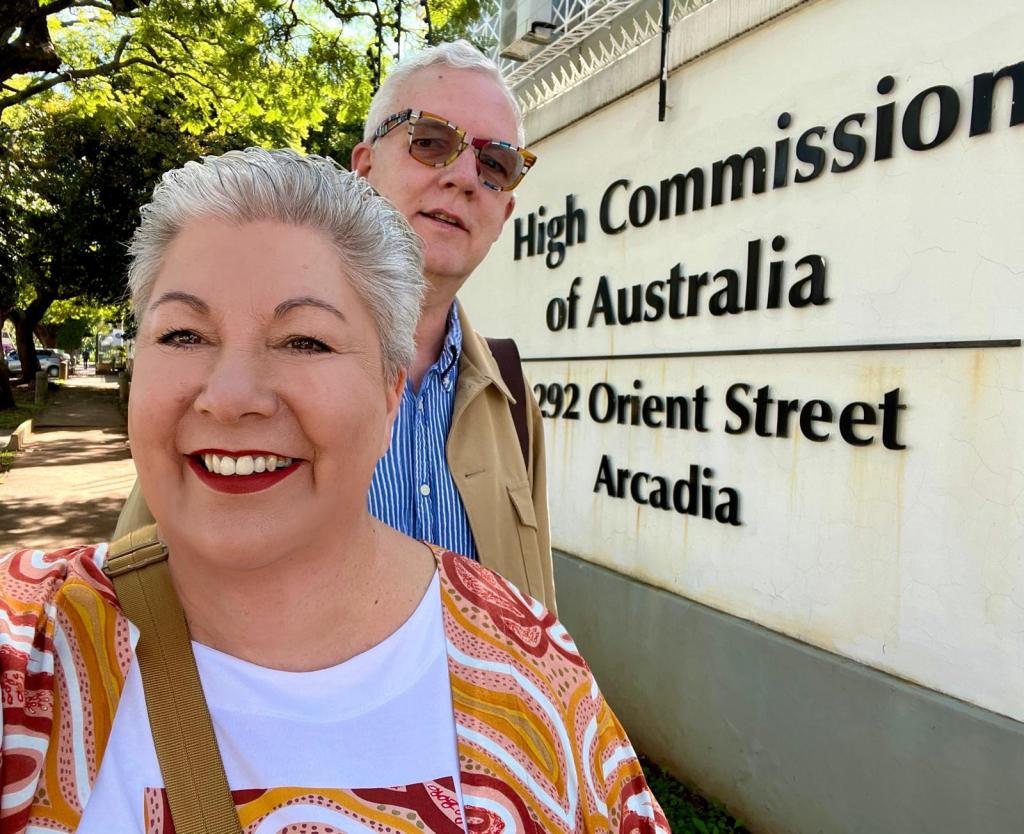
    We paid a visit to the Australian High Commission in Pretoria to vote, and had a good laugh when the officials on duty explained how they regularly have to convince German-speaking visitors that this is, hand on heart, NOT the Austrian Embassy!

    We had our first Australian visitor, when dear friend, Dewetia came to stay, and later that same week also a long weekend Mother’s Day visit from Urbain’s mom.

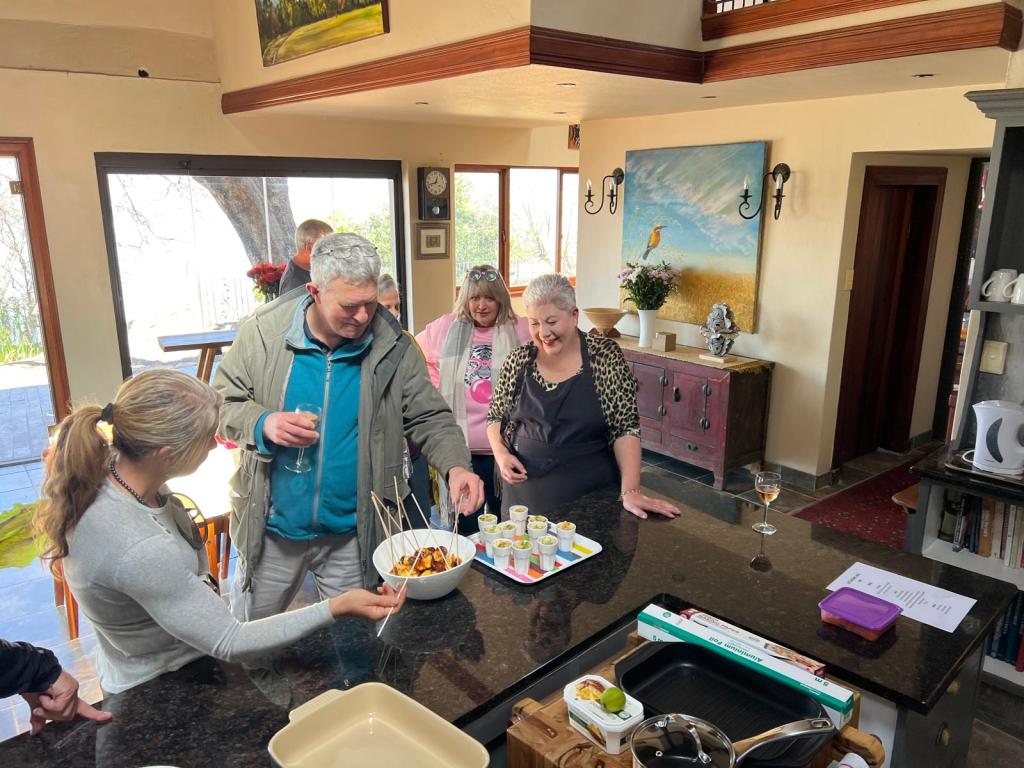
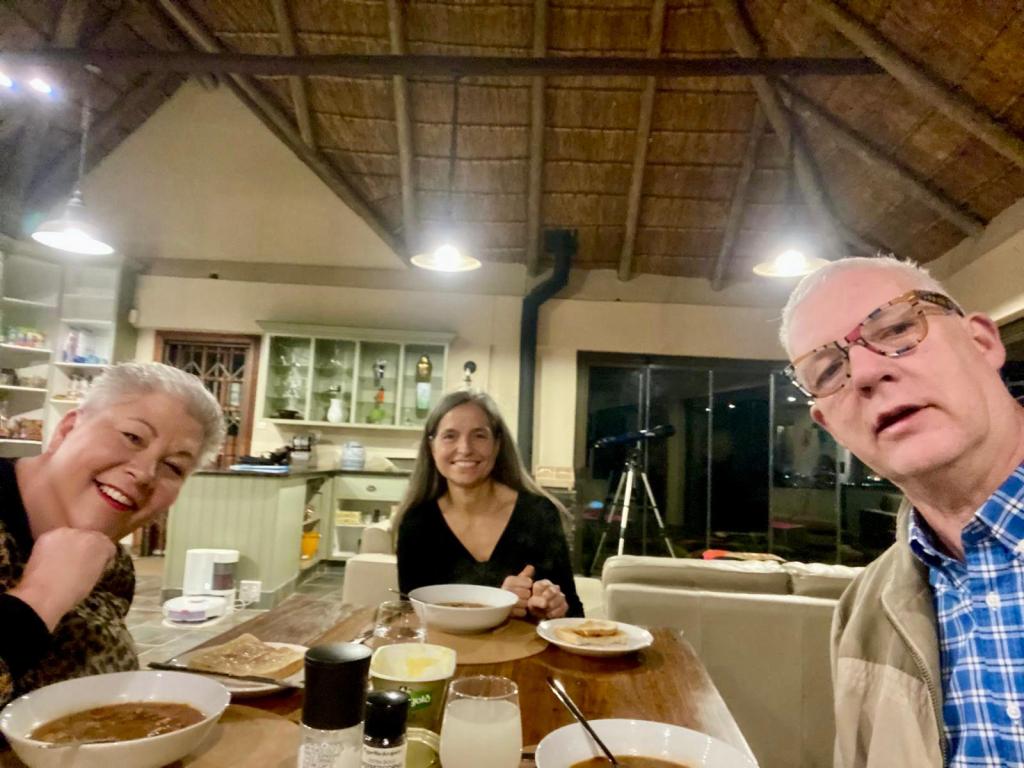
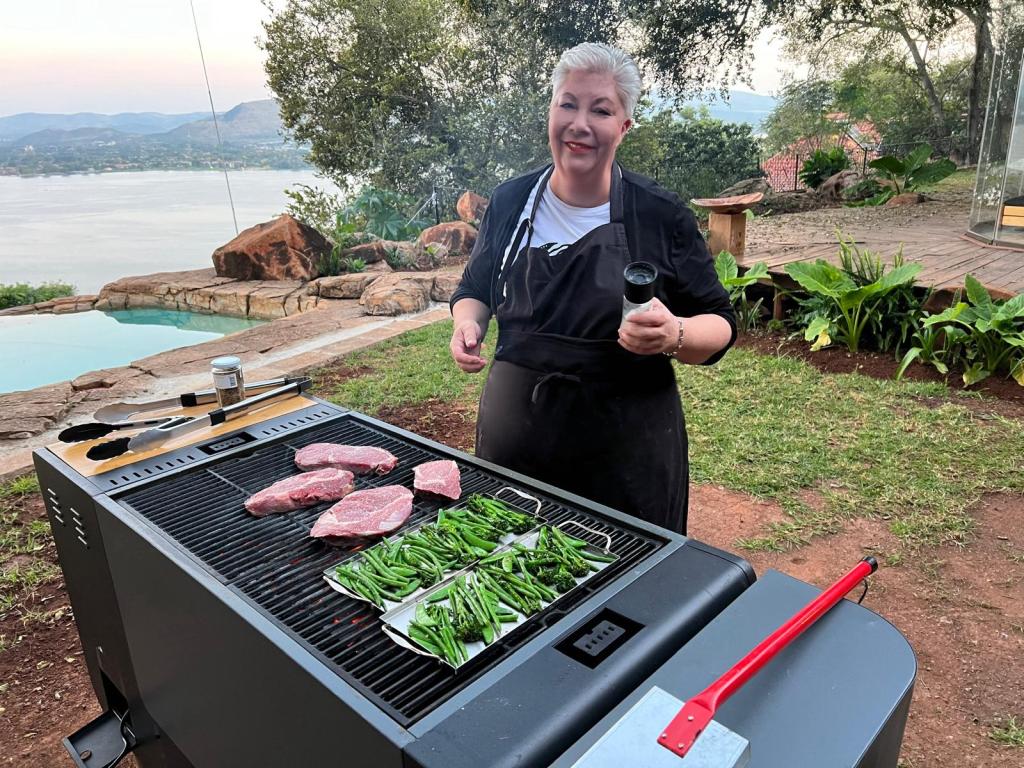
    I’ve been cooking up a storm, for the two of us, and for visiting friends and family, which is exactly what we had hoped would be the case when we moved to South Africa.

    We had our first weekend away, taking a trip to Marloth Park, with a quick stop in eSwatini and a short drive through Kruger.

    The trip was a great way to test our new vehicle, replaced six weeks after my accident.

    The South African Film Festival (AUS & NZ) kicked off at the beginning of May. As Festival Co-Director, I’ve been pretty busy with operational and marketing stuff, but I’ve also had the privilege of interviewing filmmakers and actors to add to the SAFF bonus content, and that always makes me happy.

    Check them out here:

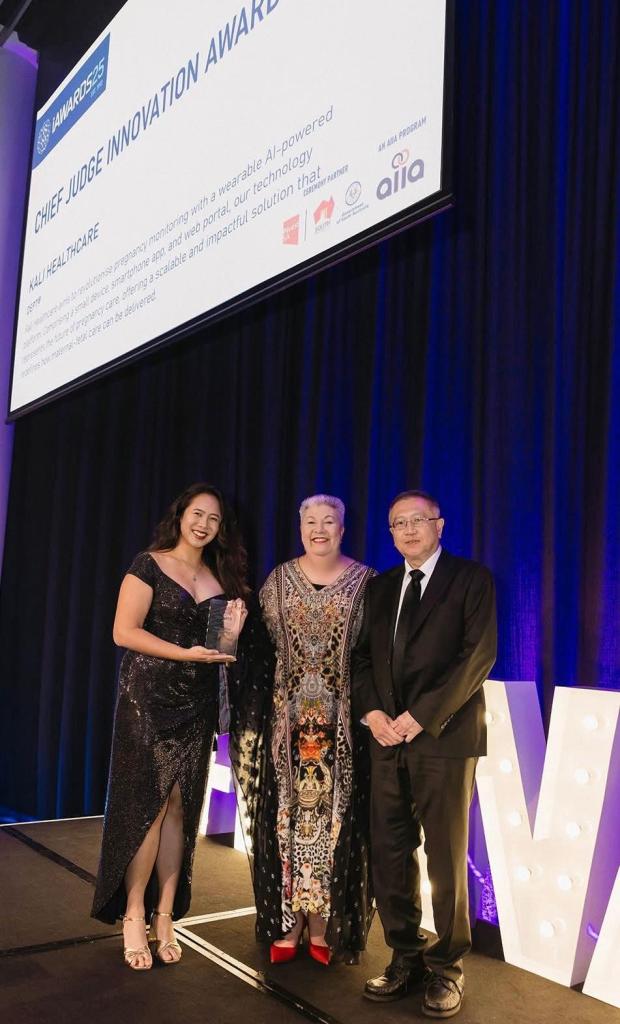
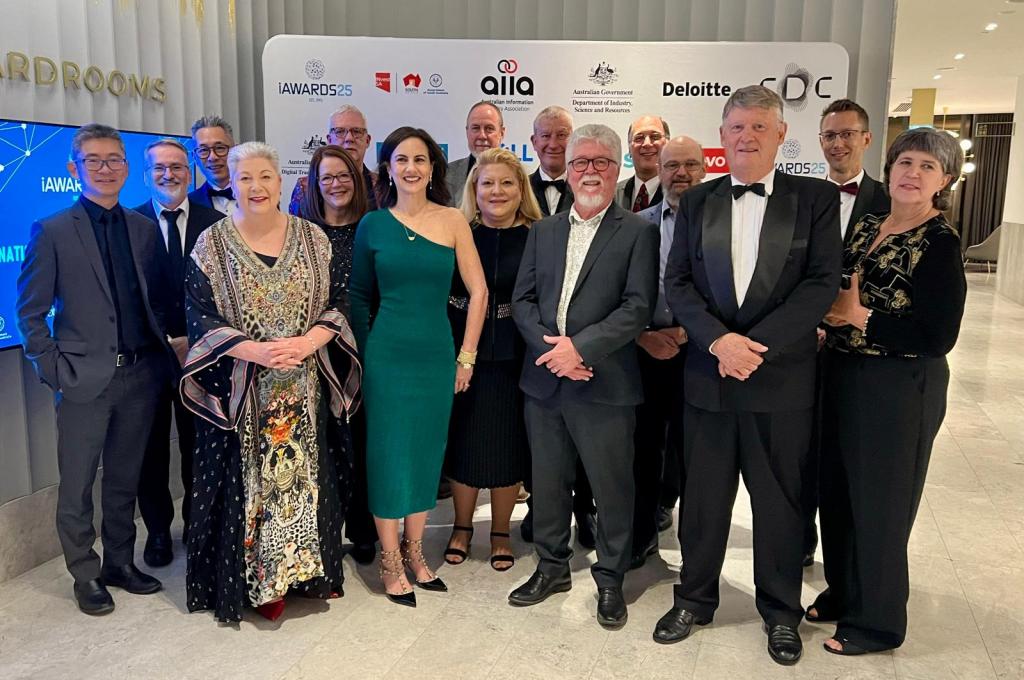
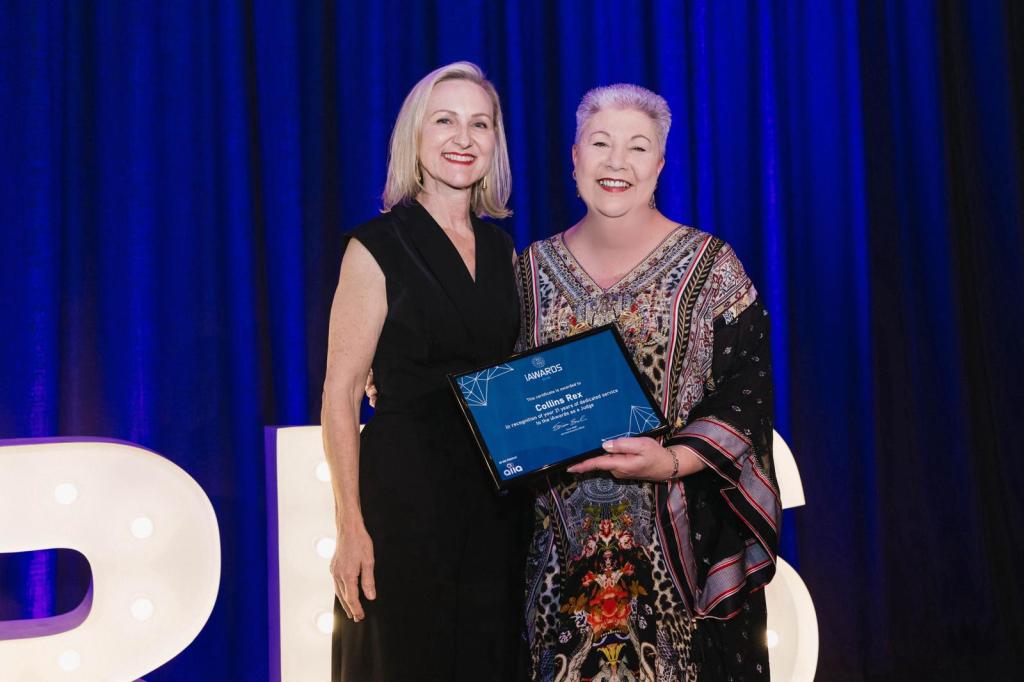
    I’ve also been madly-busy with the iAwards where – as Chief Judge – my work is now starting to ramp up as Round 1 judging draws to a close.

    And speaking of work – I’ve been presenting a series of Governor of Victoria Export Awards webinars at all sorts of hours (to accommodate Australian time zones). I’m working on developing a podcast series for the Western Australian government, and a trade policy and strategy programme for the New South Wales government.

    Urbain is busy too, with a new business getting off the ground, and three new products coming to fruition years after he first conceived them. (Watch this space for details …)

    But through it all, the rose is good, and the views as spectacular as ever!

    Until next time …!

  • The South Africa of my heart

    Pt 3

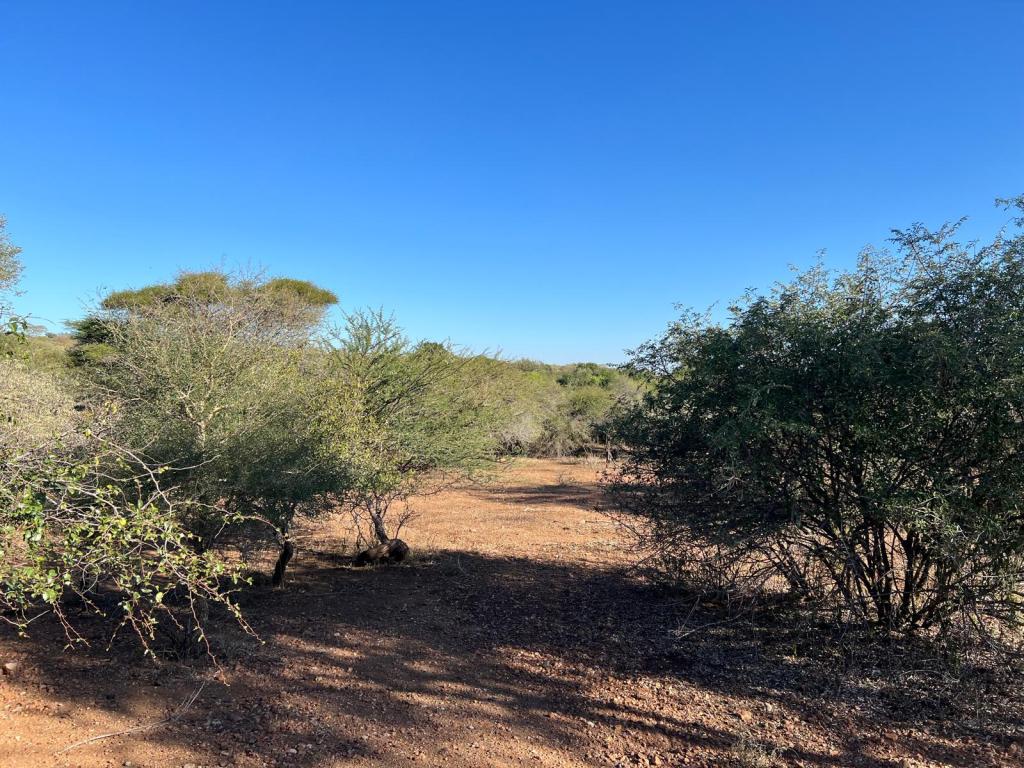
    There’s something about the African bush, a certain luminous quality to the light, a certain earthy smell, sounds that stir the soul …

    There’s no sky with a shade of blue quite like the African sky …

    In the interests of full disclosure: I’m not a camper. In fact, my definition of roughing it is more “bad room service at 3am” than abluting in the bushes! And there are many places here that allow direct access to the bush and the wildlife, while still providing a certain level of comfort. That’s why I love Marloth Park, and particularly some of the short-term rentals there.

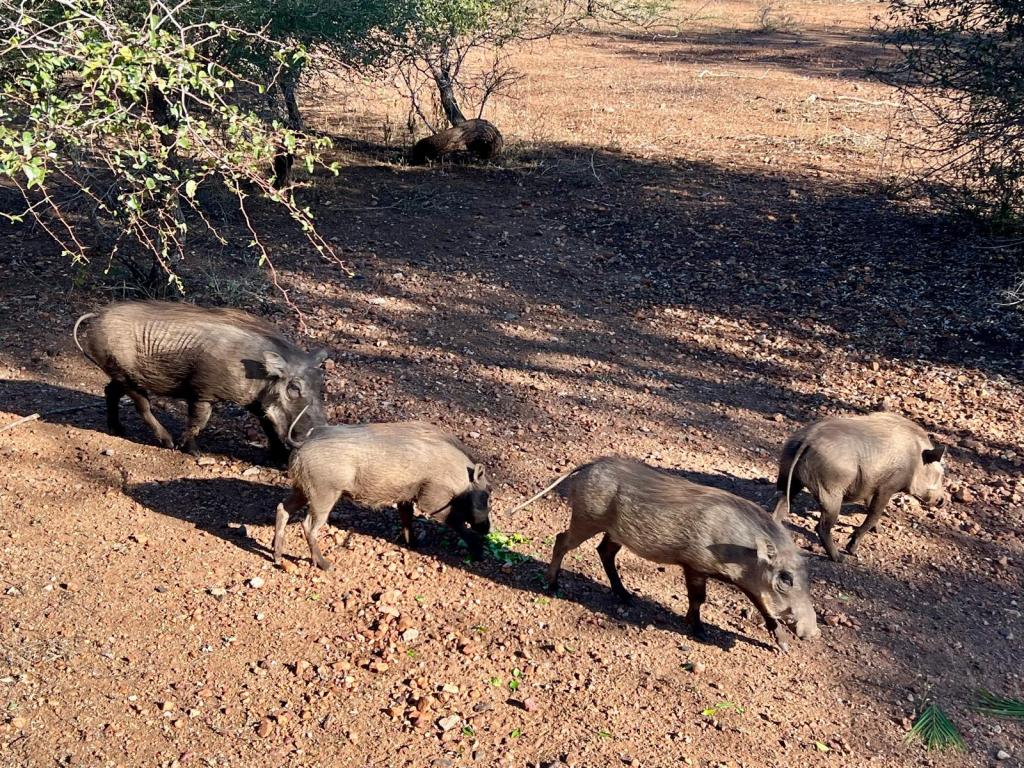
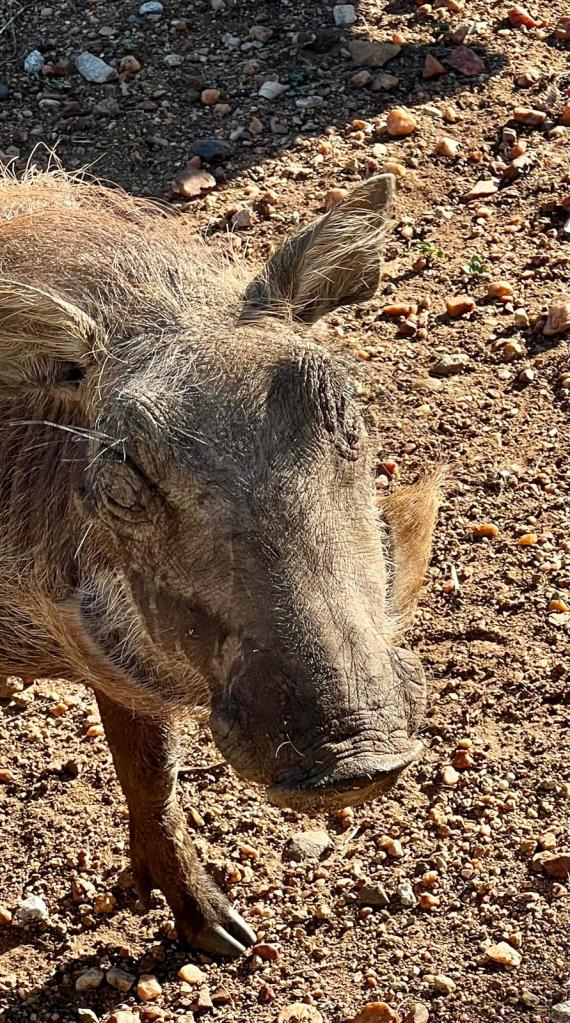
    Marloth is one of those extraordinary places where you really just need to sit still for long enough and the animals come to you. This fine fellow came snuffling for roots mere meters away from us …

    And the family wasn’t far behind!

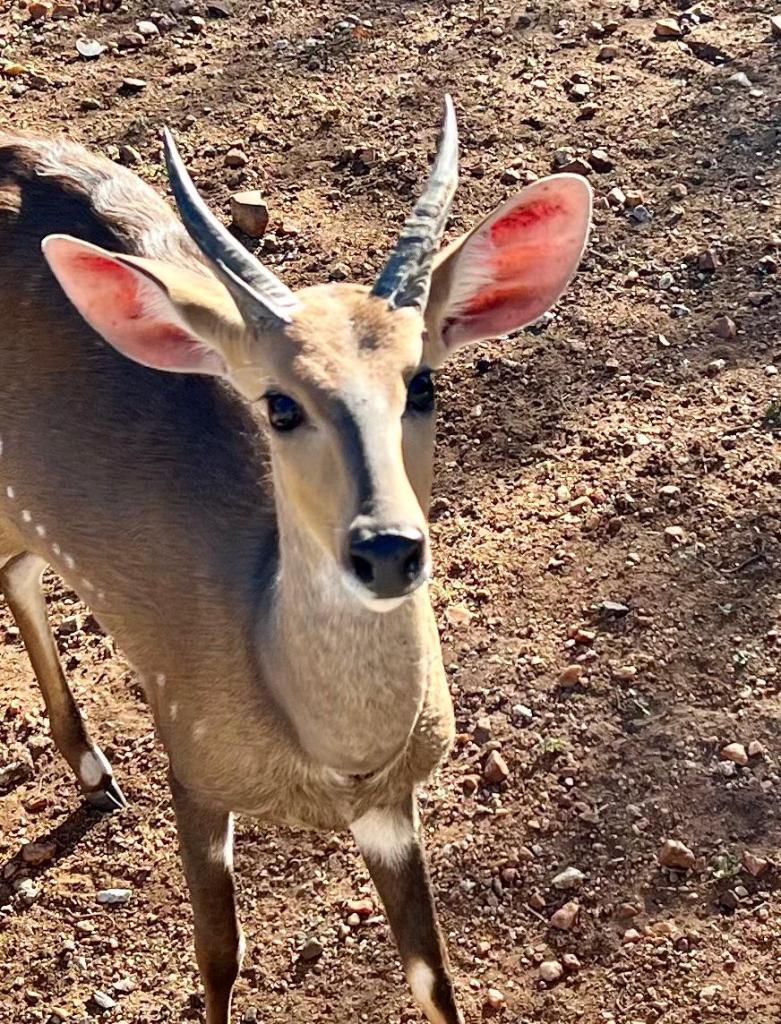
    Any number of buck visited, including this beautiful little lady.

    And an ever-graceful giraffe.

    This gorgeous creature strode into view some 50m from the house

    There are many ways to experience the bush in South Africa, but the granddaddy of such experiences must be the much-loved, Kruger National Park.

    Kruger, as it’s affectionally known, is one of Africa’s largest and most renowned game reserves. It was officially established in 1926, but its roots stretch back to 1898, when President Paul Kruger of the South African Republic proclaimed the Sabie Game Reserve to protect the region’s dwindling wildlife from overhunting. (By the way, the oldest African game reserve is the Hluhluwe-iMfolozi Park in KwaZulu-Natal. It was established in 1895, making it the continent’s first formally declared conservation area.)

    Stepping back in time with an historical image

    Over time, the Sabie Reserve expanded and merged with the Shingwedzi Game Reserve to form the foundation of the modern park. Named in honour of Kruger, the park was a pioneering effort in wildlife conservation, marking a significant shift in South Africa’s approach to natural resource preservation. Today, Kruger spans nearly 20,000 square kilometres across Limpopo and Mpumalanga provinces. It’s home to an extraordinary diversity of flora and fauna, playing a vital role in both conservation and tourism in Southern Africa.

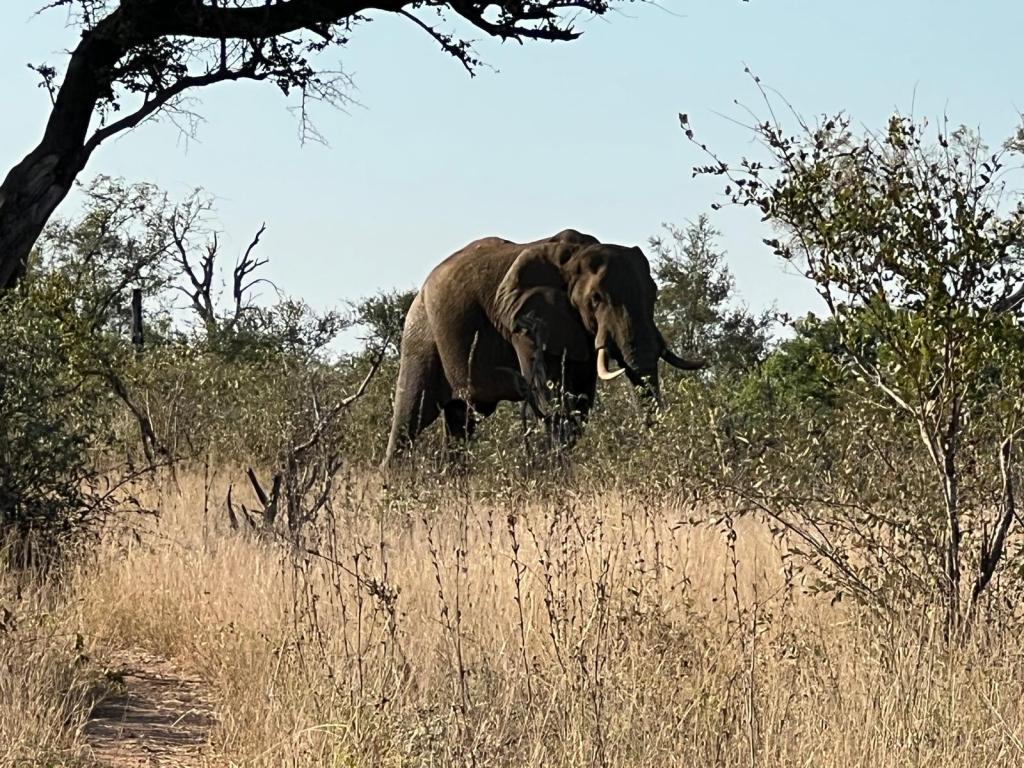
    I love elephants! And – despite the best efforts of poachers (the b#stards!) – elephants still thrive in Kruger.

    A young bull having a feed
    This magnificent bull will soon have a herd of his own

    I’m also a tad partial to giraffes

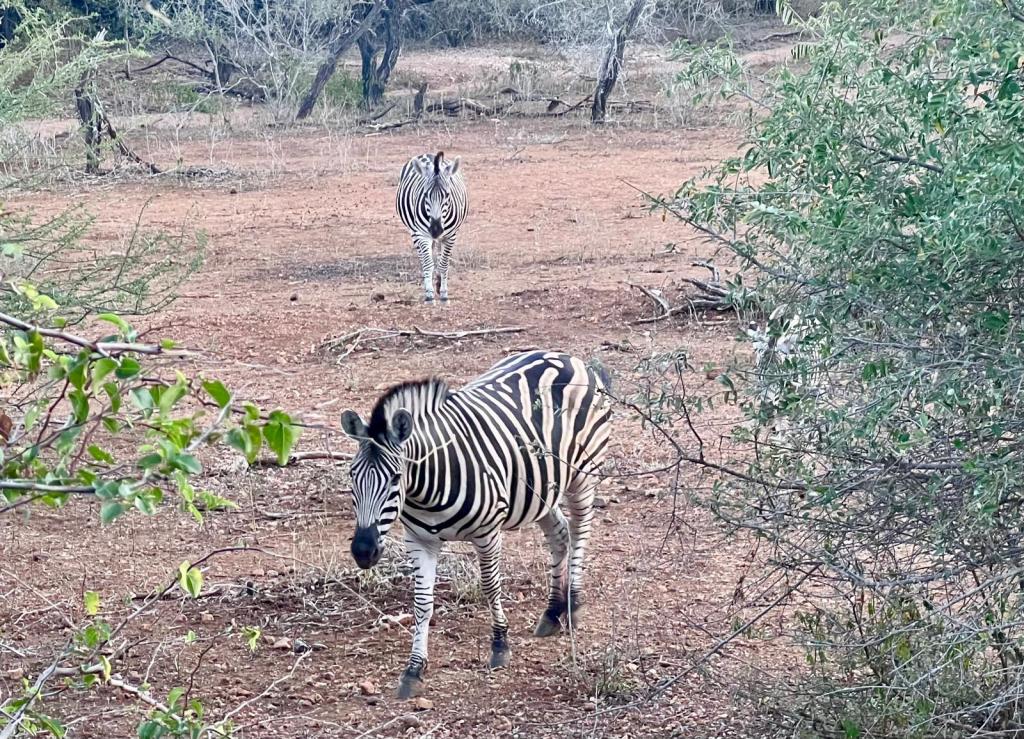
    And zebras!

    There’s a stillness that being in the bush brings to one’s soul. A stillness that is particularly marked as the sun dips below the horizon.

    And the best thing? Now that we live here again, I can “go bush” whenever I like (well, almost)!

  • Musings on what makes a place “home” …

    For anyone who’s ever moved house, there comes that moment when the bricks and mortar, the surroundings, become “home”. This can be almost instant, or take many months, or even years.

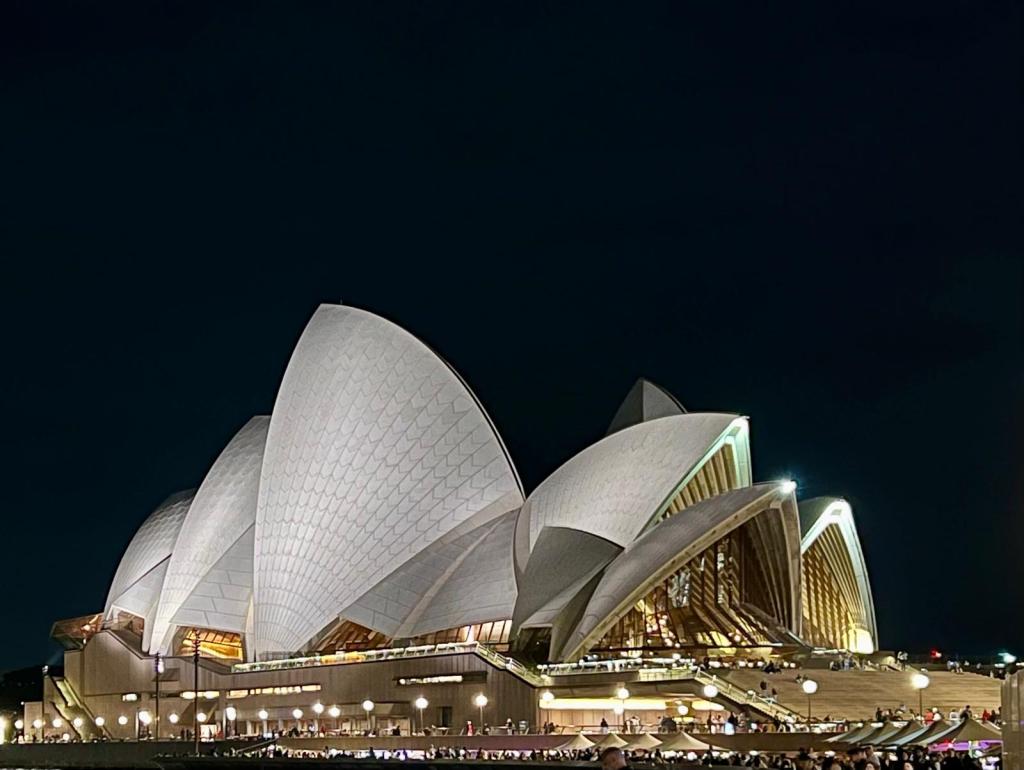
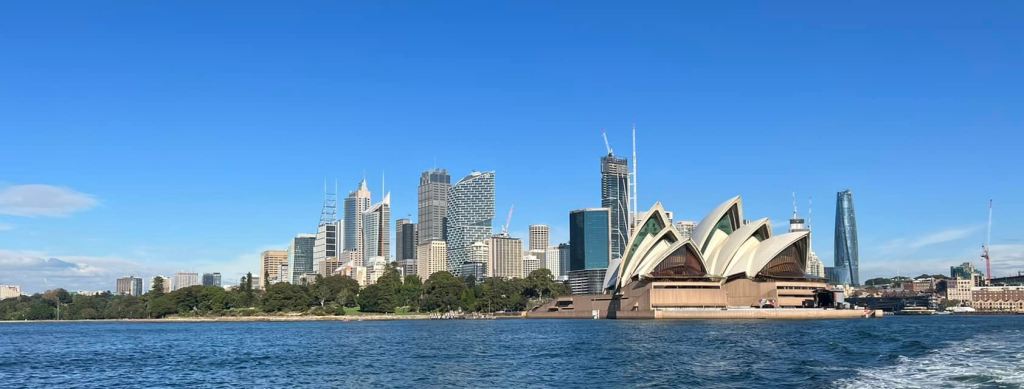
    I distinctly remember the moment Sydney became home, when we moved there almost 30 years ago. About six months into our stay, I was driving back to the city from Newcastle, and at a particular point in the journey, I crested a rise, and there was Sydney in all her splendour. My emotional response was so great that I had to pull over because I felt just as strongly as I had felt seeing Johannesburg in a similar context. Sydney had become home.

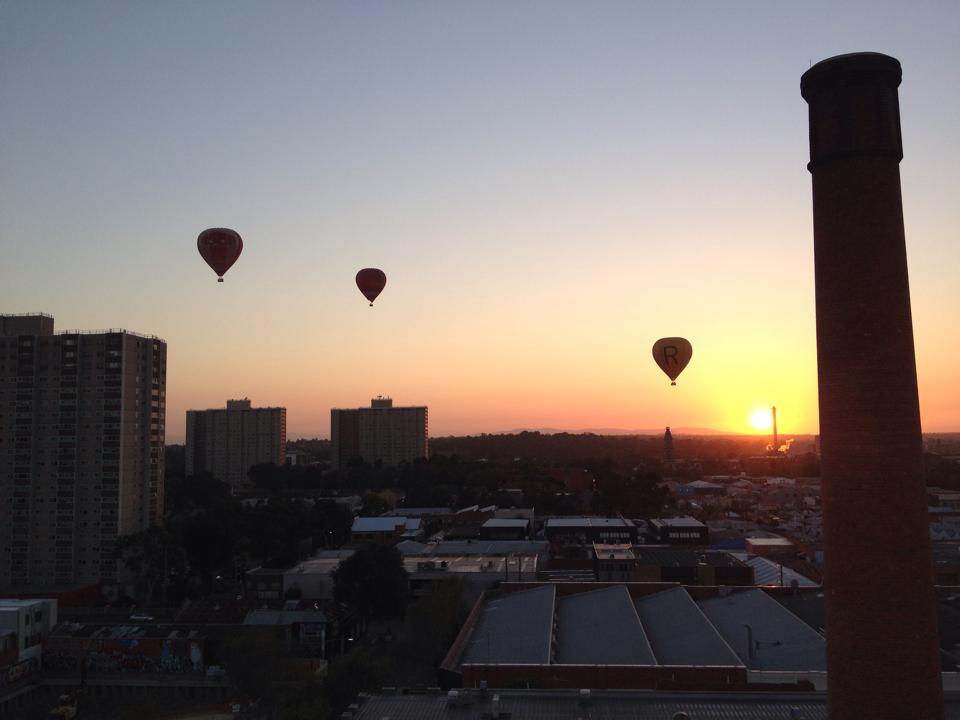
    Melbourne took a little longer. There was no one moment there, but a series of small events, walks in the city, concerts attended, people entertained. Melbourne was home when we stopped visiting Sydney at every possible opportunity and finally realised that we lived in a place perfectly suited to us.

    And Kosmos?

    With every keepsake unpacked, every visit with friends and family, every sunrise, and every sunset, this place comes closer to being home.

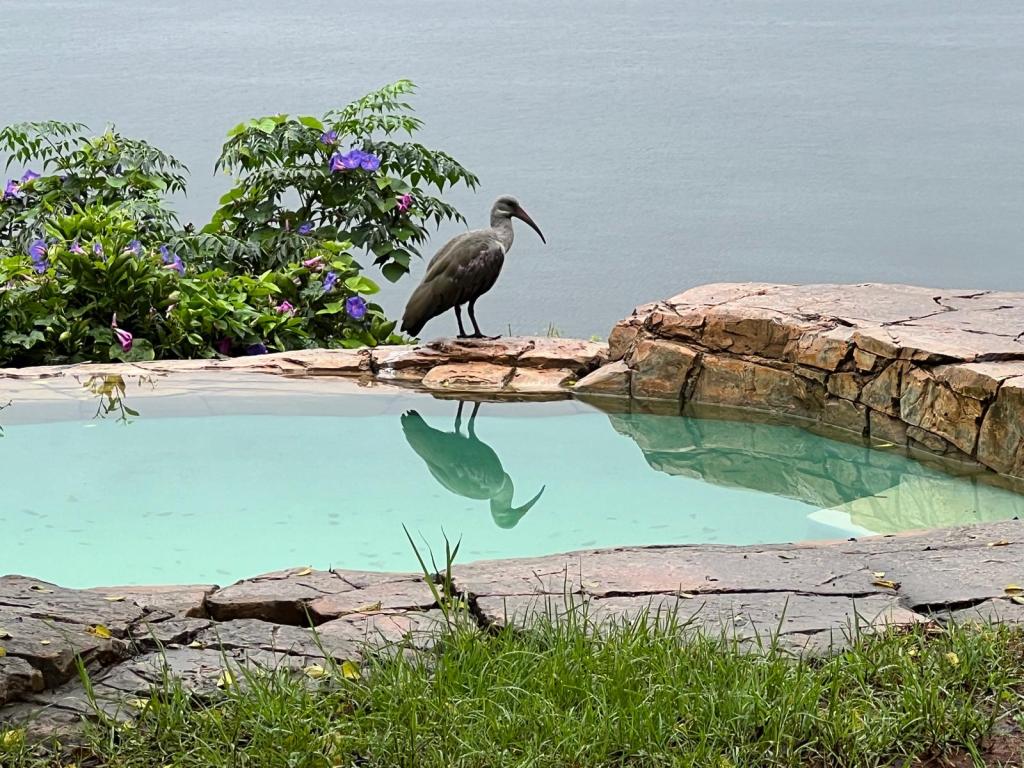
    We’re no longer listening for the lorikeets and noisy miners; we’re coming to love the screech of the hadedah, and the call of the grey loerie.

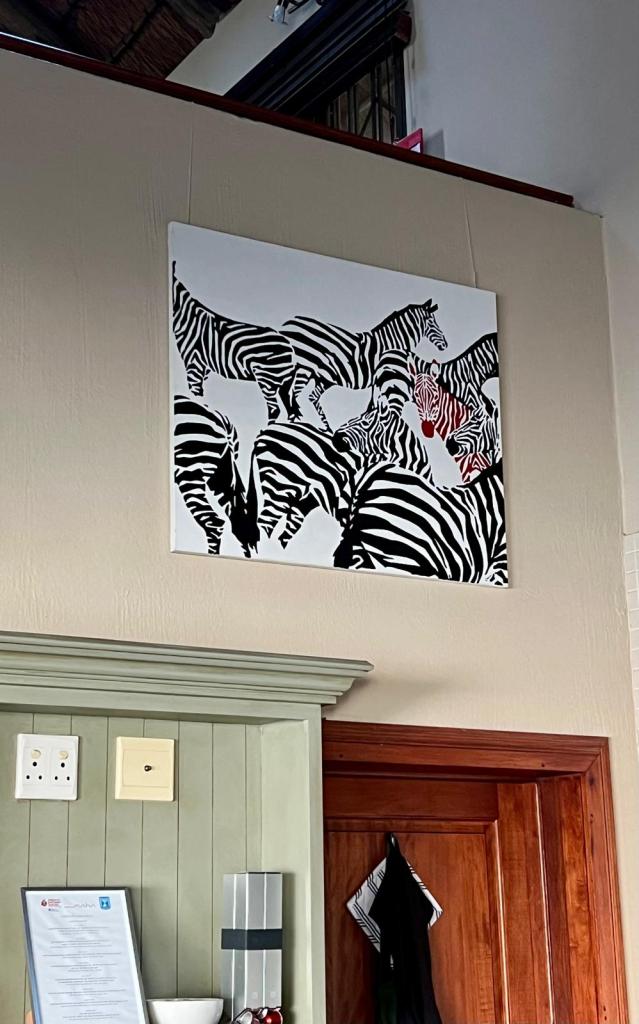
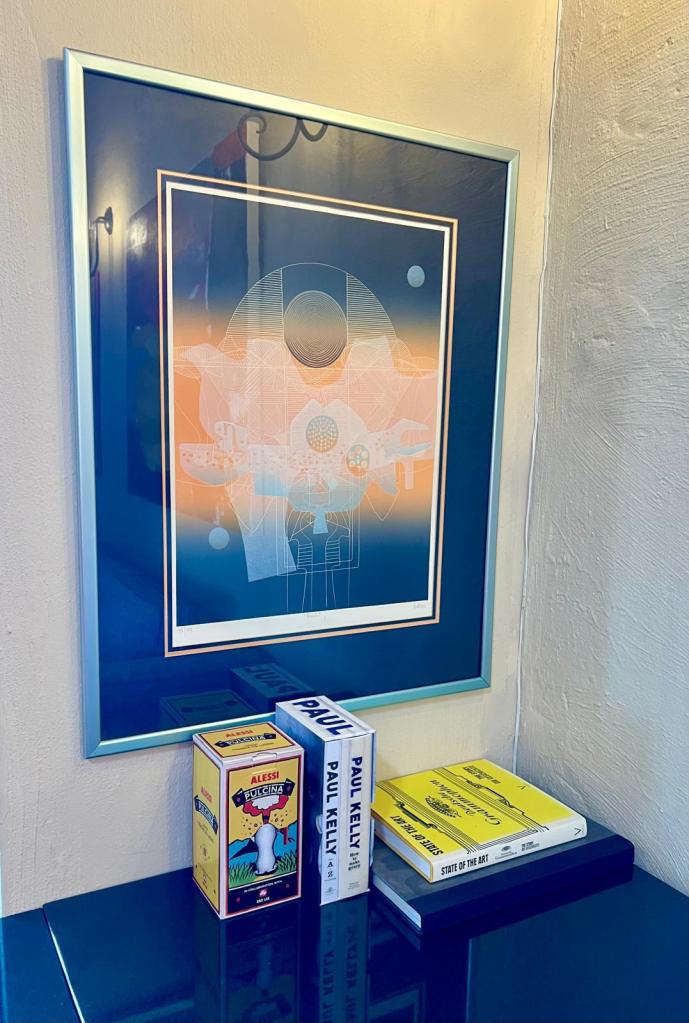
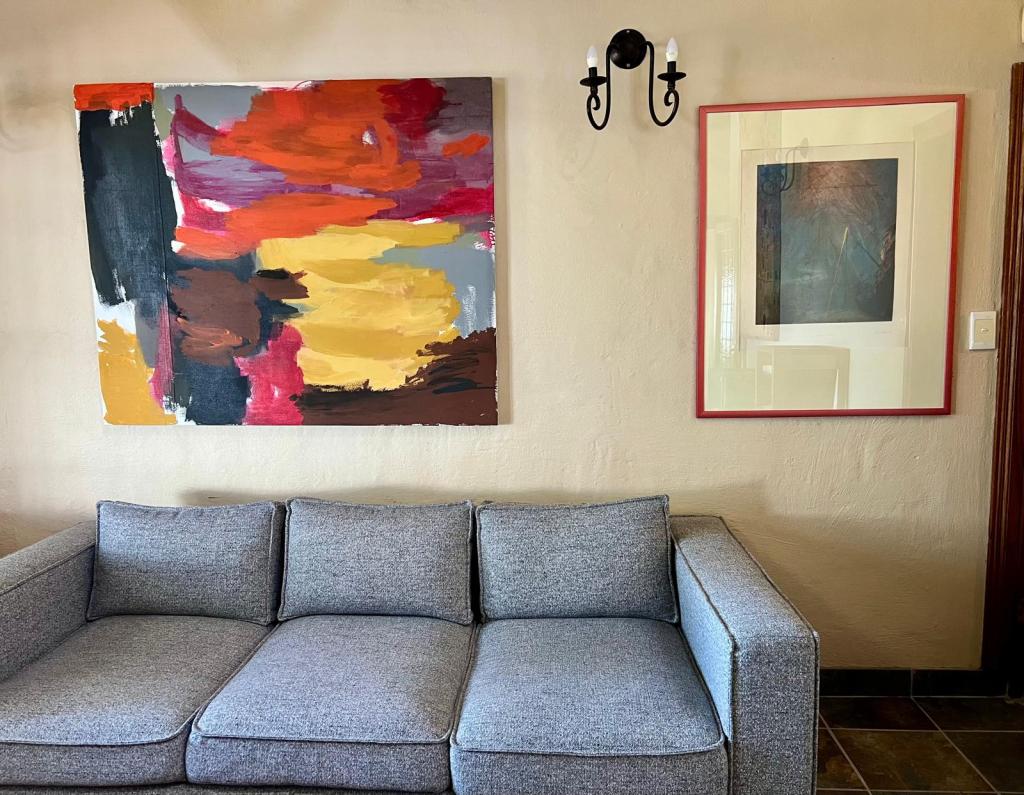
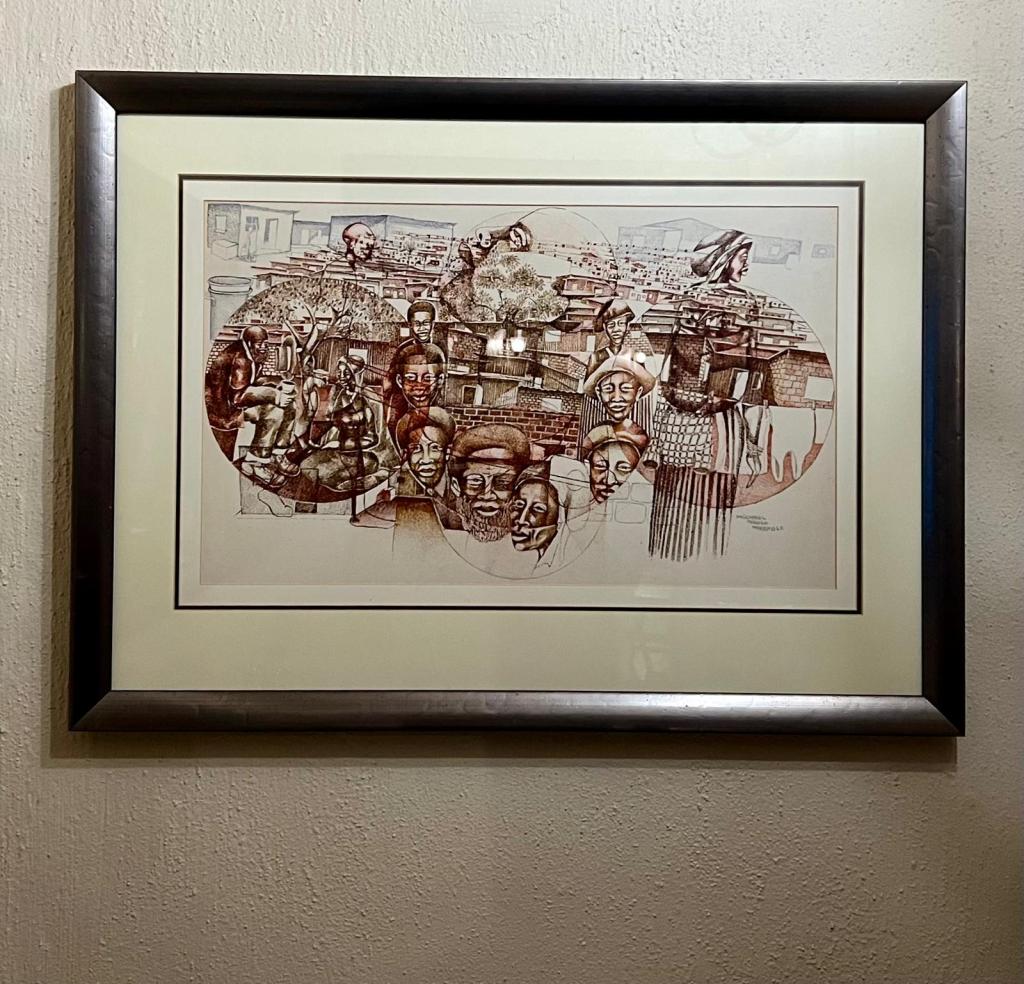
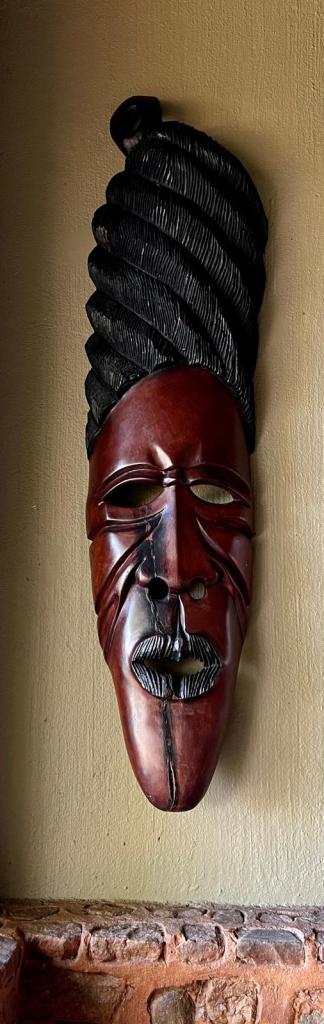
    Some of our much-loved works of art are hanging on the walls …

    Cyril guards our front doorway.

    Purchased roadside years ago in Mpumalanga, this fine fellow was named Cyril because the President had just been elected and we had high hopes for his term. Those hopes were never quite realised, but our Cyril has always done his duty!

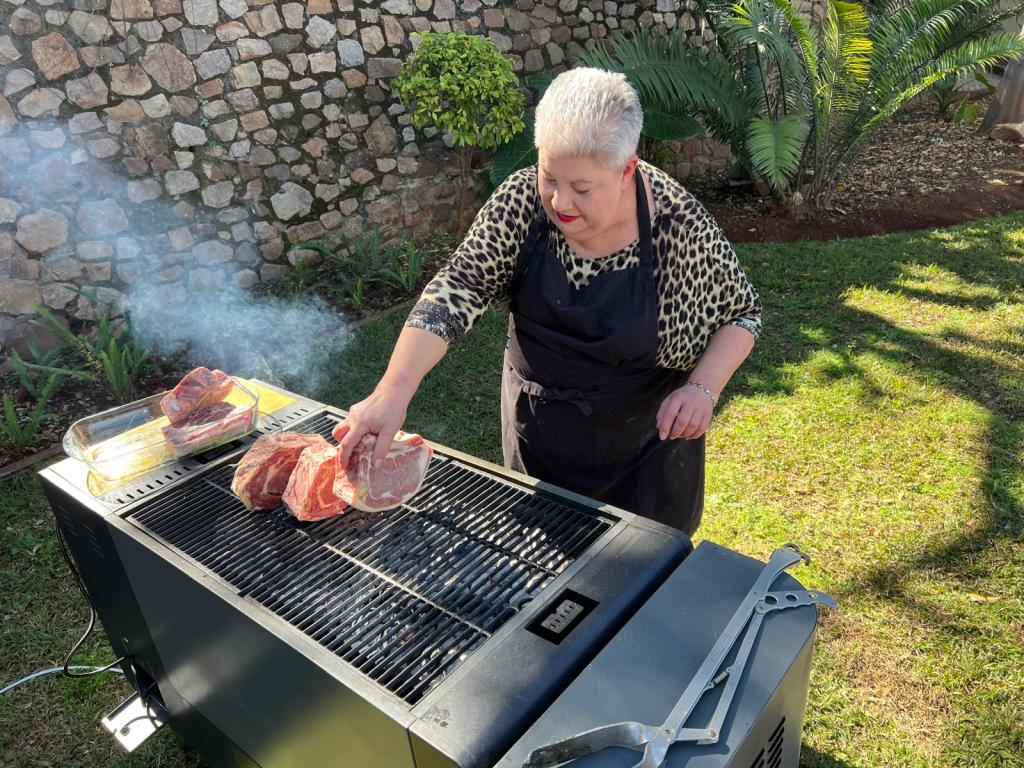
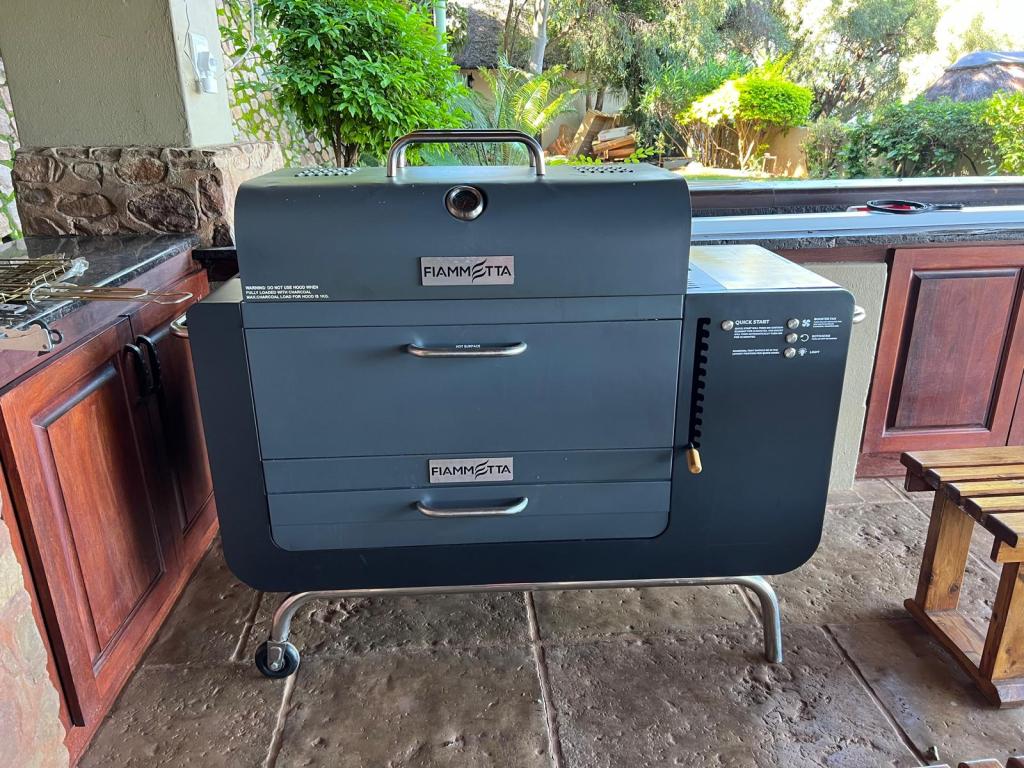
    I can BBQ in my preferred style (even though we have a built-in braai)!

    The weird and wonderful critters are becoming endearing

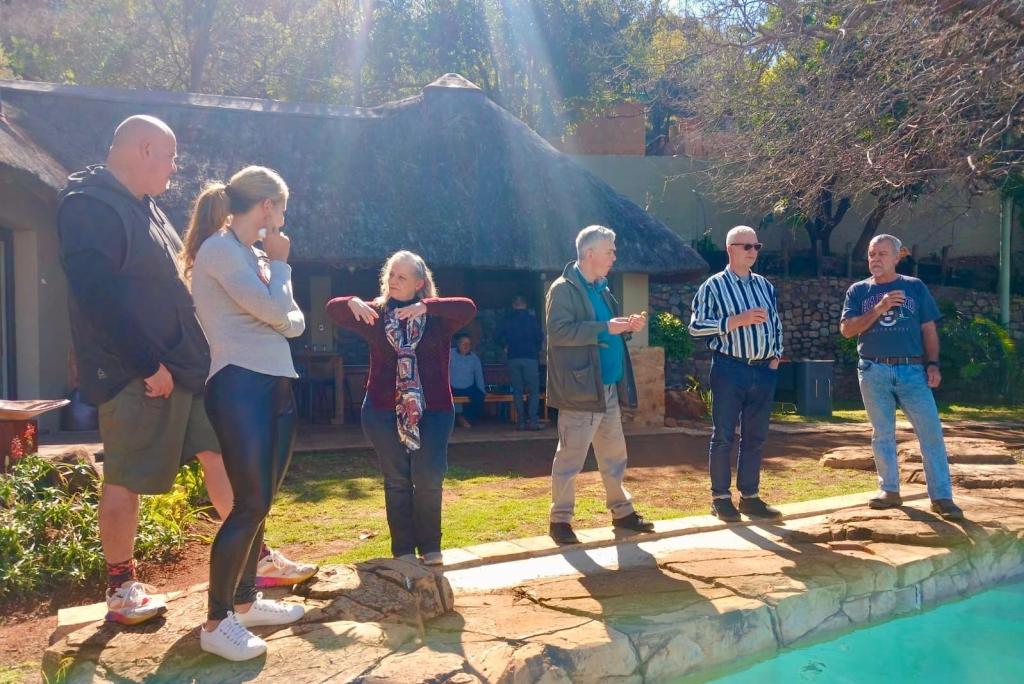
    We’re taking part in community activities …

    Testing the new fire-fighting equipment

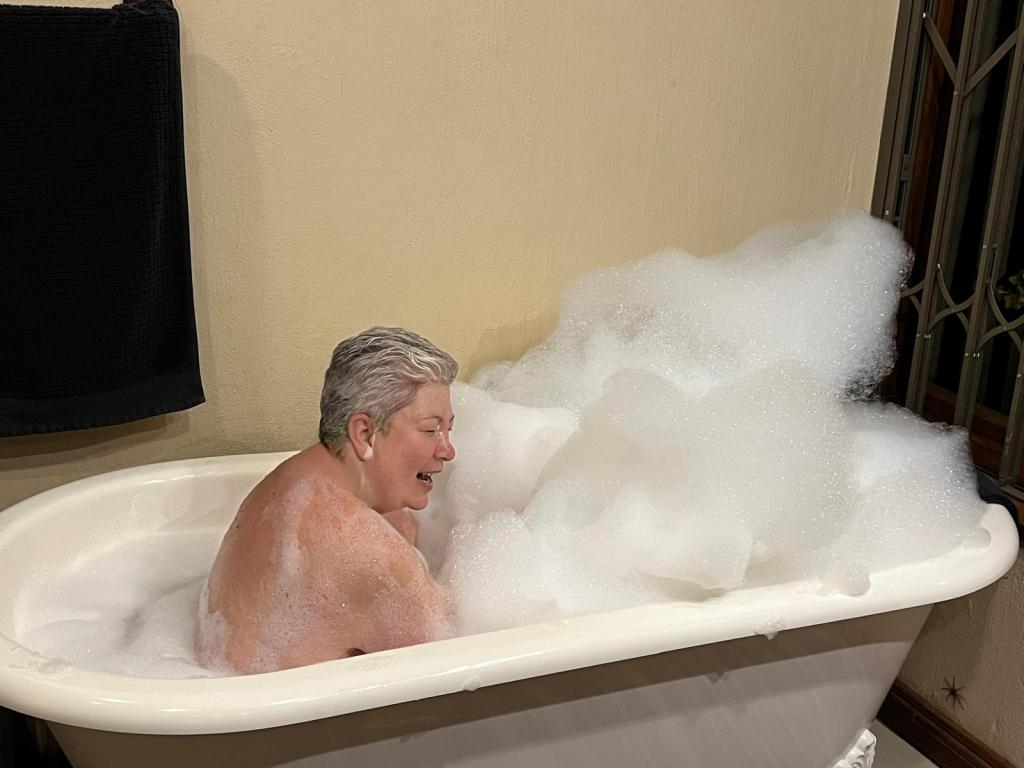
    And the man has fixed the water pressure so that I can now enjoy all the bubbles I absolutely MUST have in the bath!

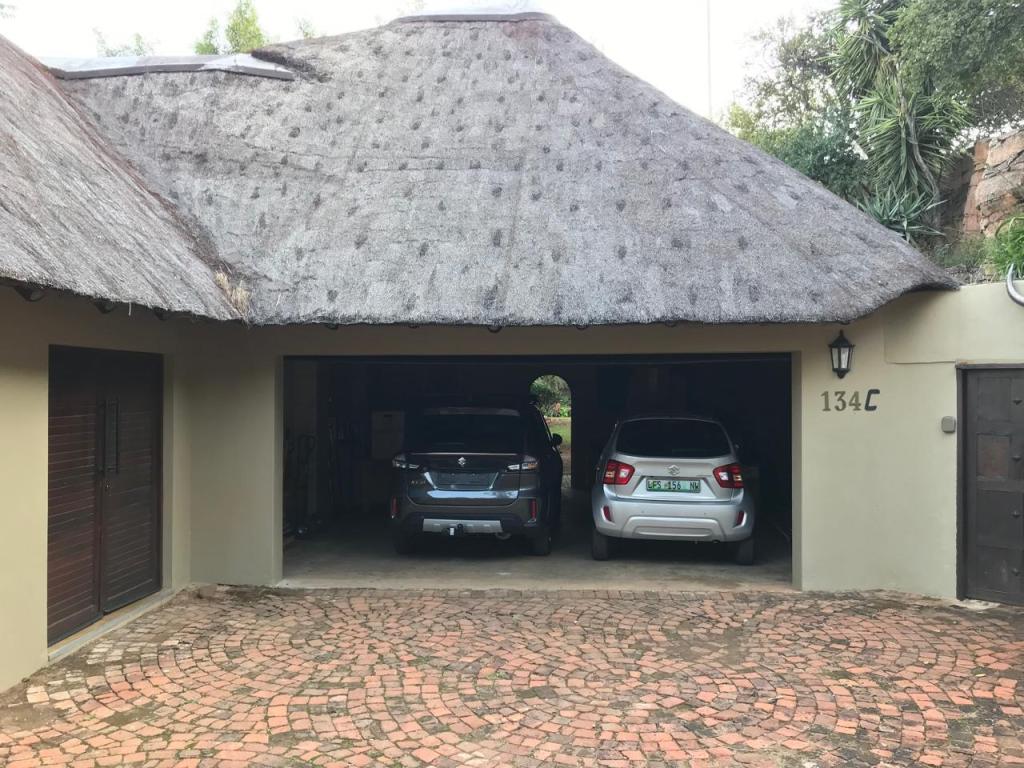
    I guess 134C Kruger Ave is becoming home!

  • Day 1 of month 3

    Yesterday we marked the second month since our arrival in South Africa. In some ways it seems like no time has passed, but in others it feels much longer.

    The days have passed in whirl of activity, but at least the time is now mostly productively spent, since we’re not driving back and forth to Joburg every other day. And with each passing day, Kosmos becomes home …

    Living permanently in Kosmos has meant that we can get to know the local area. We (okay, I) know the local shopping mall very well, we’re getting acquainted with watering holes and restaurants, and we’ve already picked some favourites.

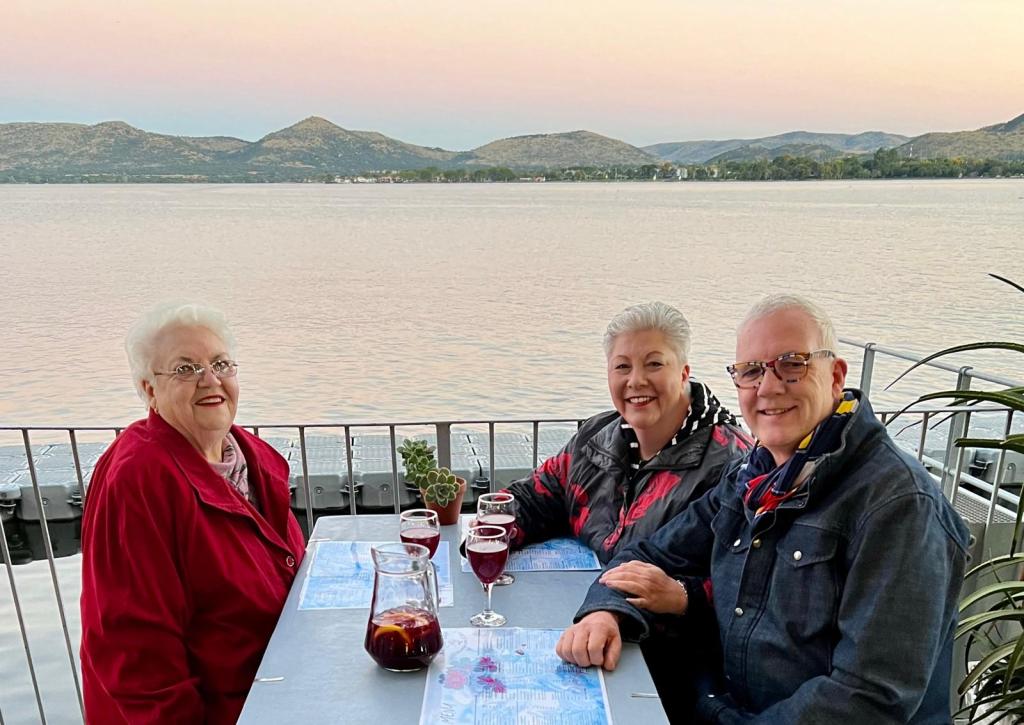
    We’re really fortunate to have a basic, but good, watering hole almost on our doorstep, and right on the Hartbeespoort Dam. Our marina bar serves a darn fine curry, and the views are fabulous.

    Great views and pretty good customers!

    We’re coming to appreciate the quirks of the area …

    And it’s wonderful to catch up with family and friends for meals and visits!

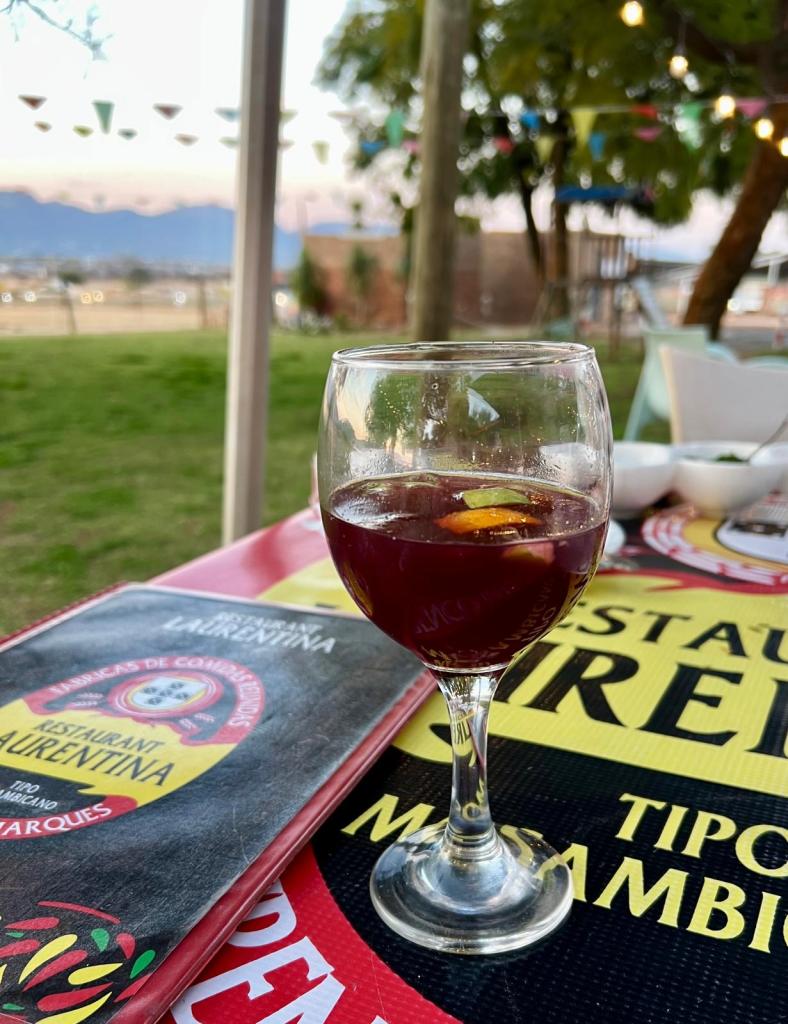
    Dinner at a local Mozambiquan restaurant with Charmaine & Manny

    One of the most momentous events of the past two months occurred on 16 April 2025Our main move from Australia arrived!!

    On a day that looked like this …

    Despite our communicating the logistical complications of a move to our Kosmos home on several occasions, the moving company failed to take into account the narrowness of Kosmos’ streets, and the steepness (and bends) of our driveway. The result? A shuttle truck that was too big to get to us.

    In the end – and after a delay of several hours – they managed to get a bakkie (ute) to do the shuttling, and our stuff started to arrive.

    It took the better part of two days of driving back and forth to the large truck at the Kosmos gate, much trudging through mud, and more than a few scary moments when boxes and crates were almost dropped, but by the night of 17 April, we had the contents of the 40ft container delivered at 134 Paul Kruger Avenue.

    And everything that didn’t …

    The house is slowly starting to look like our home, and every day sees us unearthing treasures.

    I’ve come the conclusion that I have way too much clothing and too many shoes, but I also know that I’m not going to stop collecting beautiful things, so I’m okay with that.

    One of several full cupboards!

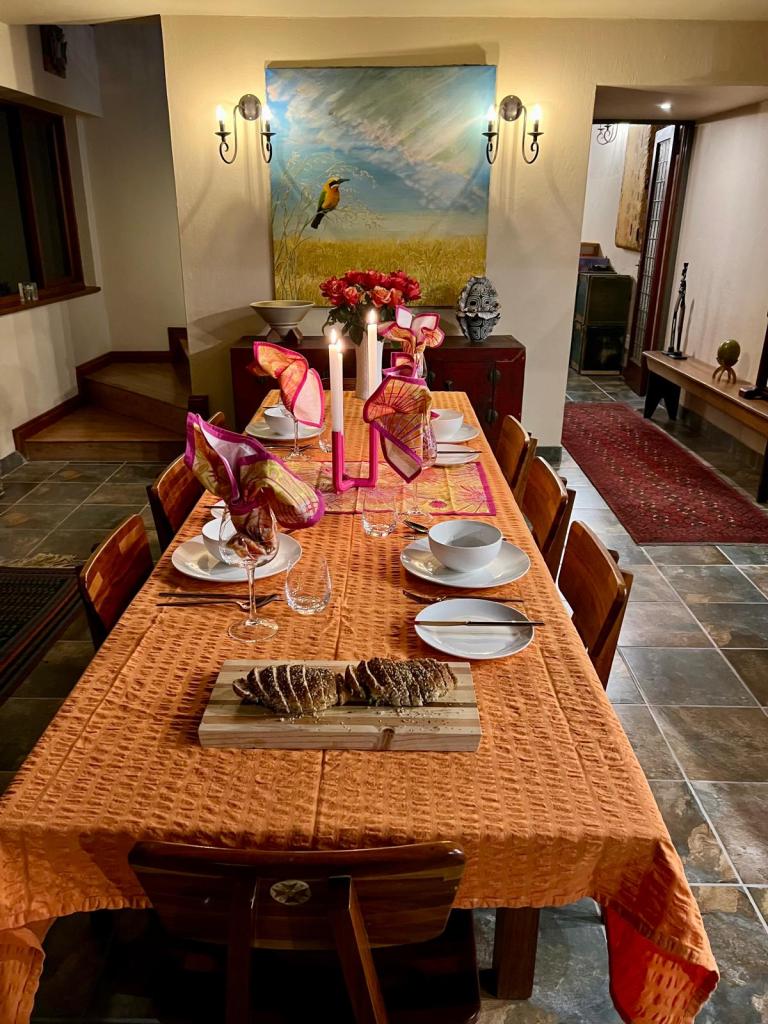
    We’ve had our first guests eat at our very own table, while sitting on the chairs that Urbain made with such care.

    The office is functioning as it should, albeit still a tad untidy!

    We’re making peace with the resident goggas (bugs).

    And we get to live here …!

    Sunset, Hartbeespoort Dam
  • Victoria Yards:

    A remarkable corner of Johannesburg

    On the very fringe of the Joburg CBD sits the suburb of Lorentzville. It’s flanked by Berea and Kensington, and to say that it’s not exactly salubrious, is a serious understatement. And that’s what makes the Victoria Yards development even more special …

    Water feature, created by a resident artist

    Victoria Yards, originally established in 1913 as the “New York Steam Laundry”, has undergone a remarkable transformation. Initially serving hospitals and institutions, in the 1990s the development housed garment makers and small businesses.

    In 2015, the site was reimagined by entrepreneur, Brian Green, as a vibrant hub that blends art, entrepreneurship, and social impact.

    Have a look at some of the amazing before and after shots on the Victoria Yards website: https://www.victoriayards.co.za/before/after

    Emphasising community upliftment, urban farming, and local art and craft, Victoria Yards now brings together artists, artisans, and creative enterprises in a unique ecosystem. The development prioritises sustainability, inclusivity, and regeneration, turning a once-industrial site into a thriving space for cultural and economic collaboration in Johannesburg’s inner city.

    I first visited Victoria Yards in 2019. Still in the early stages of development, I was struck even then by the impact this precinct was having on the surrounding community.

    My first visit to Victoria Yards

    Six years later and this special place has grown into a green oasis, with fruit and vegetables, flowers and all manner of green things in every nook and cranny. Butterflies, bees and birds abound, and enough produce is grown to sustain a monthly farmers’ market.

    The number of tenants has grown and now social enterprises, artists, artisans and restaurants share resources and knowledge, and present unique offerings to visitors.

    Victoria Yards in more than just a funky development, it’s part of a community. And that community is underprivileged and facing severe challenges.

    And here too Victoria Yards in making a difference, offering workshops and classes to members of the local community. Resident artists and artisans share their knowledge and skills, and these tenants can in turn avail themselves of business workshops and the like.

    But the greatest positive impact is on the youth from the surrounding suburbs. Many of these young people live in horrendous circumstances, but here they are offered a safe haven and a place to learn and grow. Through the extraordinary, “Safe Study”, kids of all ages can come after school and on Saturday mornings to learn new skills, hang out, and have fun in a safe, nurturing environment. They learn to sew and crochet, play chess, and even skateboard. And they make beautiful music!

    I can’t wait for our next visit, when we’ll buy produce, eat fabulous food, and listen to sweet jazz played by the Safe Study kids.

  • Staying the course, and jumping over hurdles …

    Much has happened over the past two or so weeks. We’ve experienced highs and lows, but overall we’re content and grateful for so many things.

    My brand new stove was finally connected, and it was a real thrill to cook my first meal in our home (a simple, but delicious omelette).

    Spending long days working in the house led to us needing to stay over on some nights, even with just basic necessities. Of course, sleeping in the house meant tranquil evenings, and majestic African sunrises.

    We finally managed to become friends with the Dept of Home Affairs! It involved a trip to Pretoria and then to Cullinan (yip, where the famous diamond was mined, and where they dig those gemstones out of the ground to this day).

    Friendly, sensible advice in Pretoria had us heading to Cullinan where we had our i.d. photos taken against the white wall of a KFC drive through (!), and then completing forms and having fingerprints taken for our new i.d. books (that should be available in around eight weeks).

    Doing the one-chair-at-a-time shuffle at DHA!

    A major milestone was reached when we finally moved into our home. With our first container from Australia not yet here, we have very little furniture, but we have everything we need for now. And being HOME is wonderful!

    It has allowed us to have family over for meals …

    Urbain’s mom, his sister and her husband came around for roast chook (cooked in the new oven, of course.

    And now that we’re not spending time driving back and forth between Joburg and Kosmos, we have time to explore our new neighbourhood, where the imposing Magaliesberg is ever-present.

    Driving towards Kosmos

    We’ve also coped with some (more than usual) upheaval. I had a serious accident that pretty much wrecked our brand new Suzuki XL6. I have no recollection of what happened and how, but I ended up driving into (and over) a traffic light and then hitting a pole. My first memory was of the airbags deploying.

    The car did its job of protecting me! Apart from being badly shaken and a little banged up (seatbelts cause bruises!), I walked away essentially unscathed. I realise how much worse this could have been and I’m truly grateful for the Guardian Angel that was very much on the job. I was also reminded again of just how wonderful people actually are; bystanders came to help, passing security guards wouldn’t leave my side, paramedics driving by stopped to check up on me, and the police were kind and reassuring. And as for my wonderful man who rushed from a meeting on the other side of the city and just unconditionally supported and love me … I couldn’t ask for better.

    Life, with all its highs and lows, is precious. Let’s never forget to treasure every moment.

    Sunrise – 11 April 2025